Loading subject page…


11,405 views

Video Summary: What Is Sales Promotion Iii
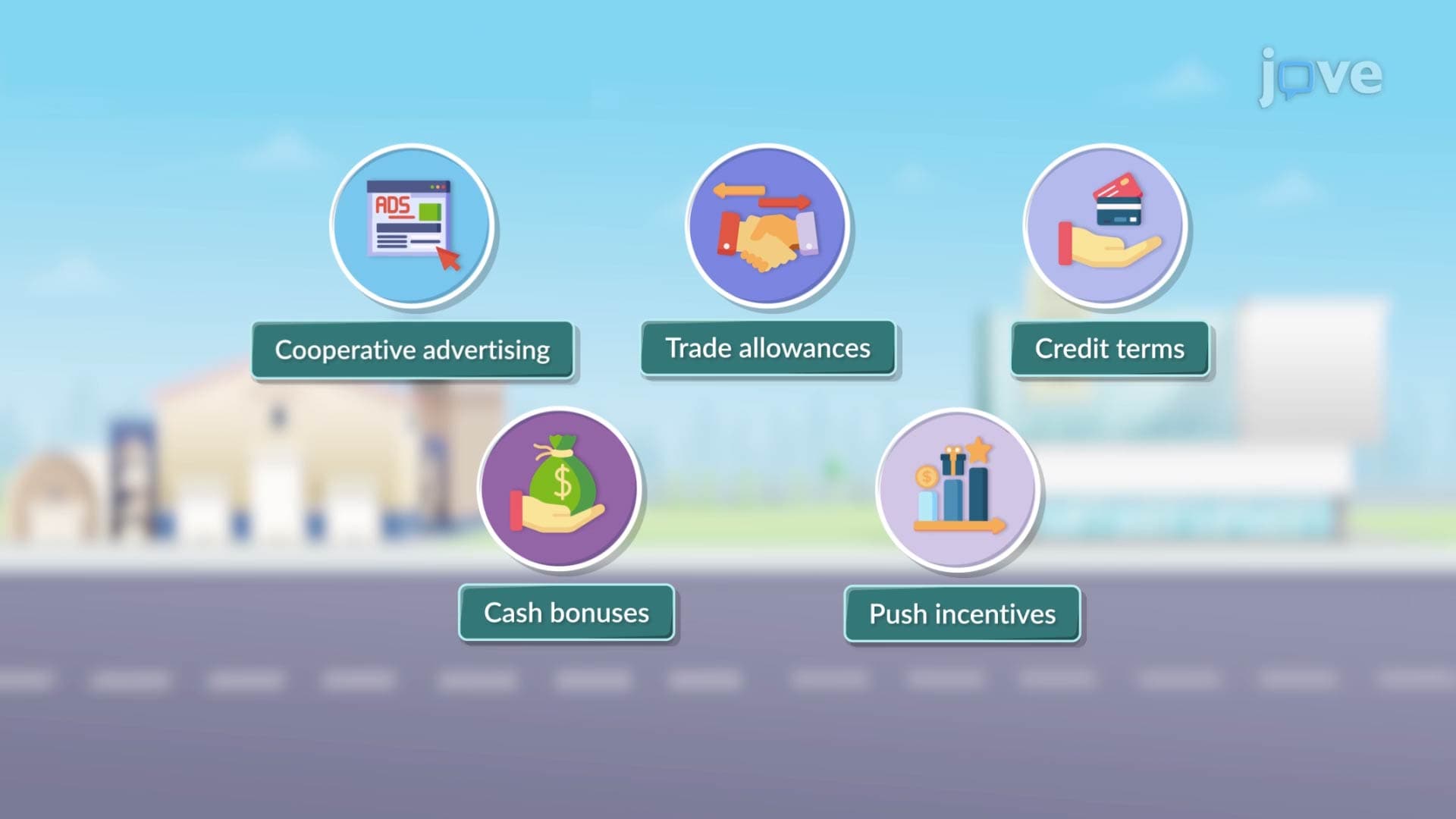
Sales promotion strategies can make or break quarterly revenue targets, especially when channel partners resist pushing new products. Trade-oriented sales promotion tactics directly influence intermediary behavior, driving product velocity through strategic incentives like cooperative advertising and cash bonuses. Target, for instance, leverages manufacturer trade allowances to secure premium shelf placement for seasonal merchandise launches. Understanding What is Sales Promotion III becomes critical for supply chain managers negotiating partnership terms and marketing directors optimizing channel relationships. Watch the full video on JoVE Coach to master this concept with expert-led visuals and step-by-step explanations.
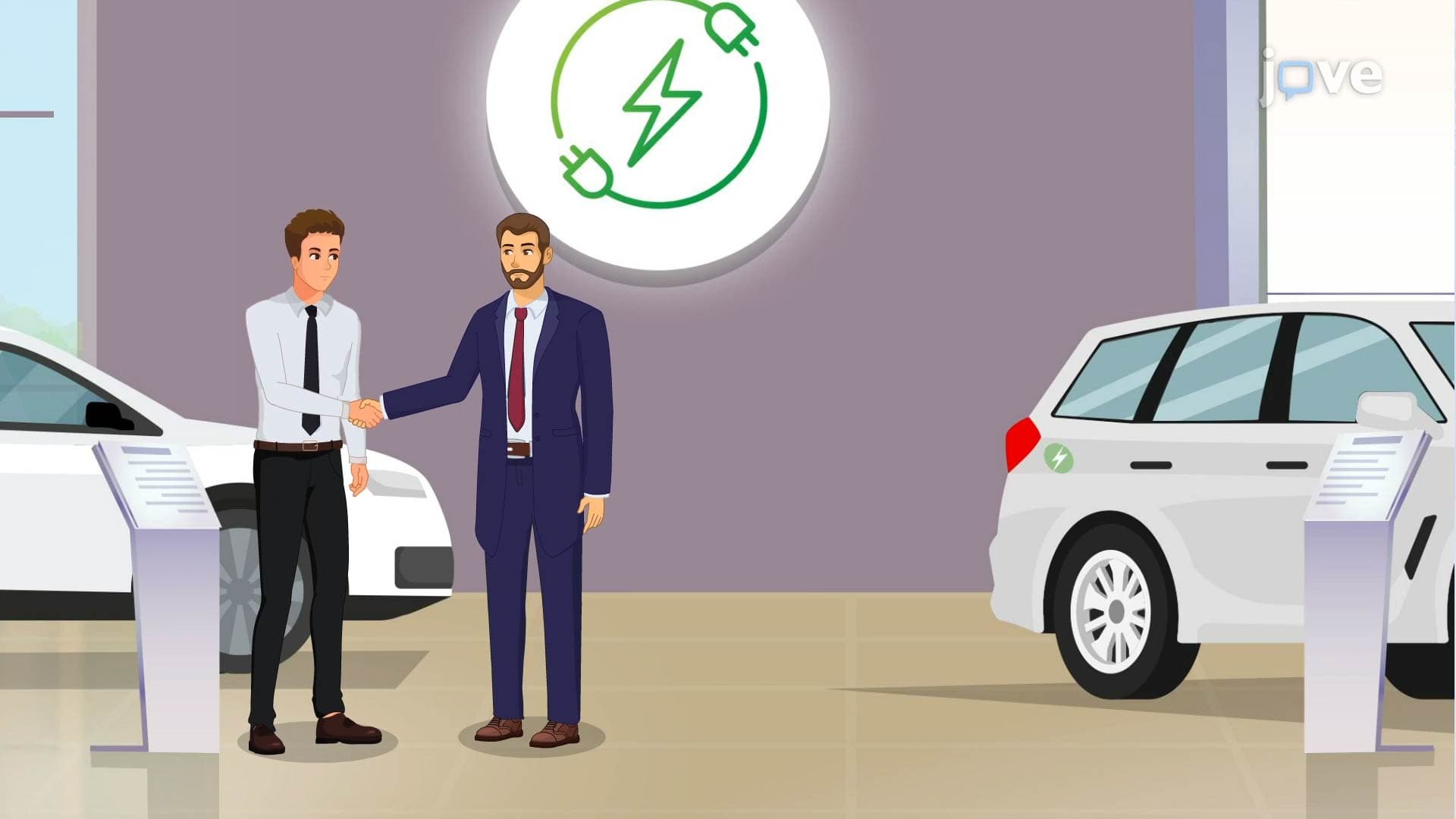
Channel conflict represents one of the most persistent challenges facing consumer goods companies. When Procter & Gamble launches a new skincare line, success depends not just on consumer demand but on securing retailer commitment to prominent displays, adequate inventory, and sales associate advocacy. Trade-oriented sales promotion bridges this gap by creating mutually beneficial partnerships that align manufacturer objectives with intermediary incentives.
Trade allowances function as strategic investments in channel relationships. Nike regularly provides footwear allowances to Dick's Sporting Goods in exchange for exclusive colorway launches and premium floor space during back-to-school seasons. These arrangements typically involve performance metrics-sales velocity thresholds, display compliance requirements, and promotional calendar alignment.
Cooperative advertising amplifies marketing reach while distributing costs across the supply chain. When Samsung partners with Best Buy for television promotions, both companies benefit from shared media buys that neither could afford independently. The electronics giant covers 60-70% of advertising costs while Best Buy provides local market expertise and customer relationship management.
Sales associate incentives directly influence point-of-sale conversations. Verizon's SPIFF (Sales Performance Incentive Fund) programs reward retail partners' employees for smartphone activations, creating front-line advocacy that traditional advertising cannot replicate. These micro-incentives often generate higher conversion rates than broad-based consumer promotions.
Credit terms serve dual purposes: facilitating cash flow for retailers while securing inventory commitments from manufacturers. Home Depot negotiates extended payment terms with tool manufacturers like DeWalt, enabling seasonal inventory buildup without immediate capital outlay. This arrangement reduces manufacturer working capital requirements while providing retailers flexibility during demand fluctuations.
Effective trade promotion requires balancing short-term sales objectives with long-term channel health. Excessive discounting can erode brand equity and create unsustainable pricing expectations. Market leaders like Apple maintain premium positioning by limiting trade promotions to specific launch windows and partner tiers, preserving both profit margins and brand perception across distribution channels.
Related Micro-courses