Loading subject page…


16,515 views


Video Summary: What are Coplanar Forces
Ever wonder why a suspension bridge doesn't collapse under massive weight? Coplanar forces work together in a single plane to maintain structural stability. In engineering marvels like San Francisco's Golden Gate Bridge, multiple tension forces acting within the same geometric plane keep the structure in perfect equilibrium. Understanding what are coplanar forces reveals the fundamental physics behind countless real-world applications, from simple pulleys to complex architectural designs. Watch the full video on JoVE Coach to master this concept with expert-led visuals and step-by-step explanations.
Coplanar forces represent a fundamental concept in statics and mechanics where multiple forces acting on an object have their lines of action confined to a single plane. This geometric constraint simplifies analysis while maintaining real-world relevance. Unlike three-dimensional force systems that require complex spatial calculations, coplanar force systems can be analyzed using two-dimensional mathematical tools, making them ideal for introductory physics and engineering courses.
The types of coplanar forces fall into several important categories. Concurrent coplanar forces meet at a single point, like forces acting on a ring or pulley system. Non-concurrent coplanar forces have parallel or intersecting lines of action that don't converge at one point, commonly seen in beam analysis. Parallel coplanar forces maintain consistent directions while varying in magnitude and position, exemplified by distributed loads on building structures across American construction projects.
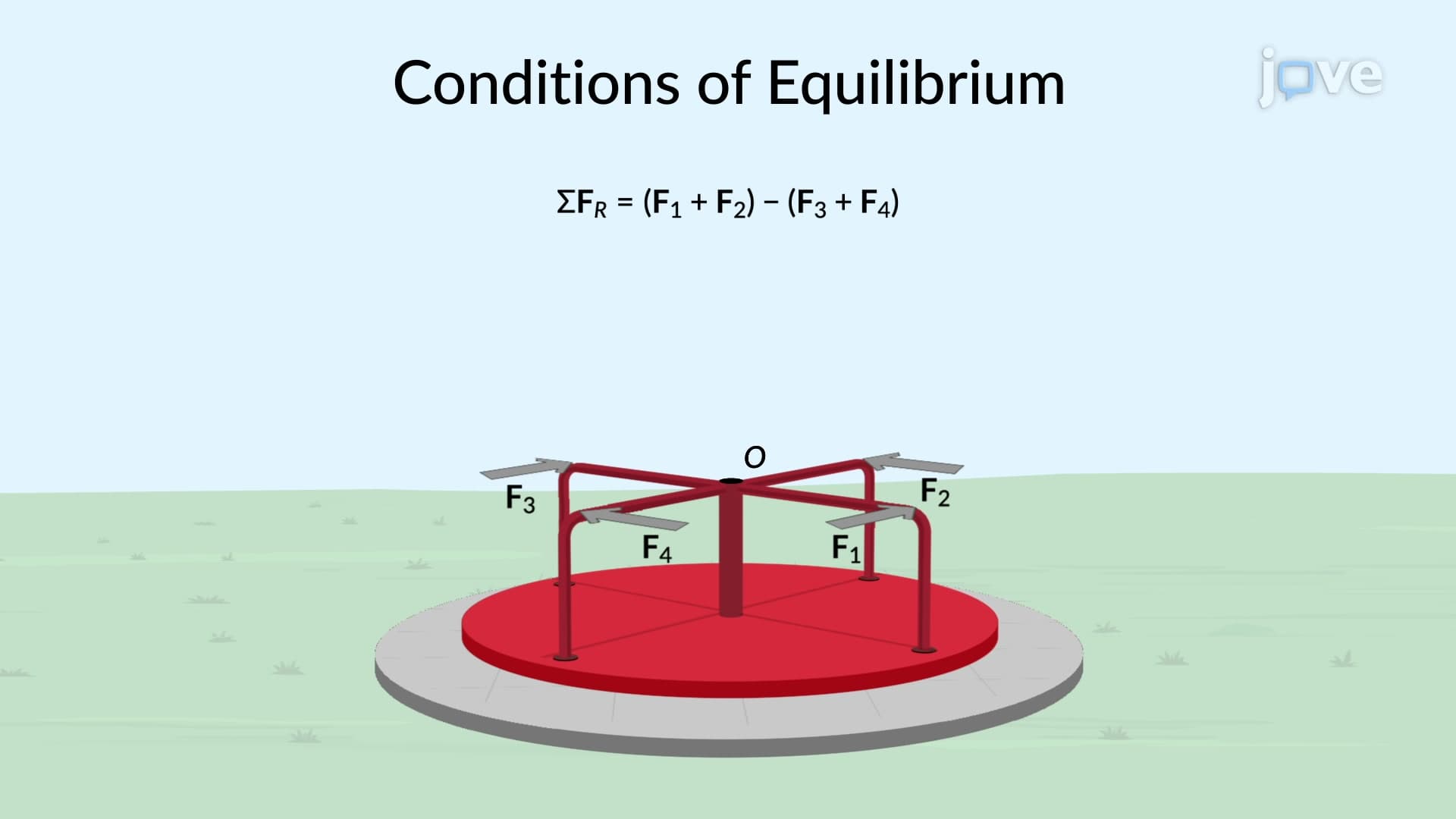
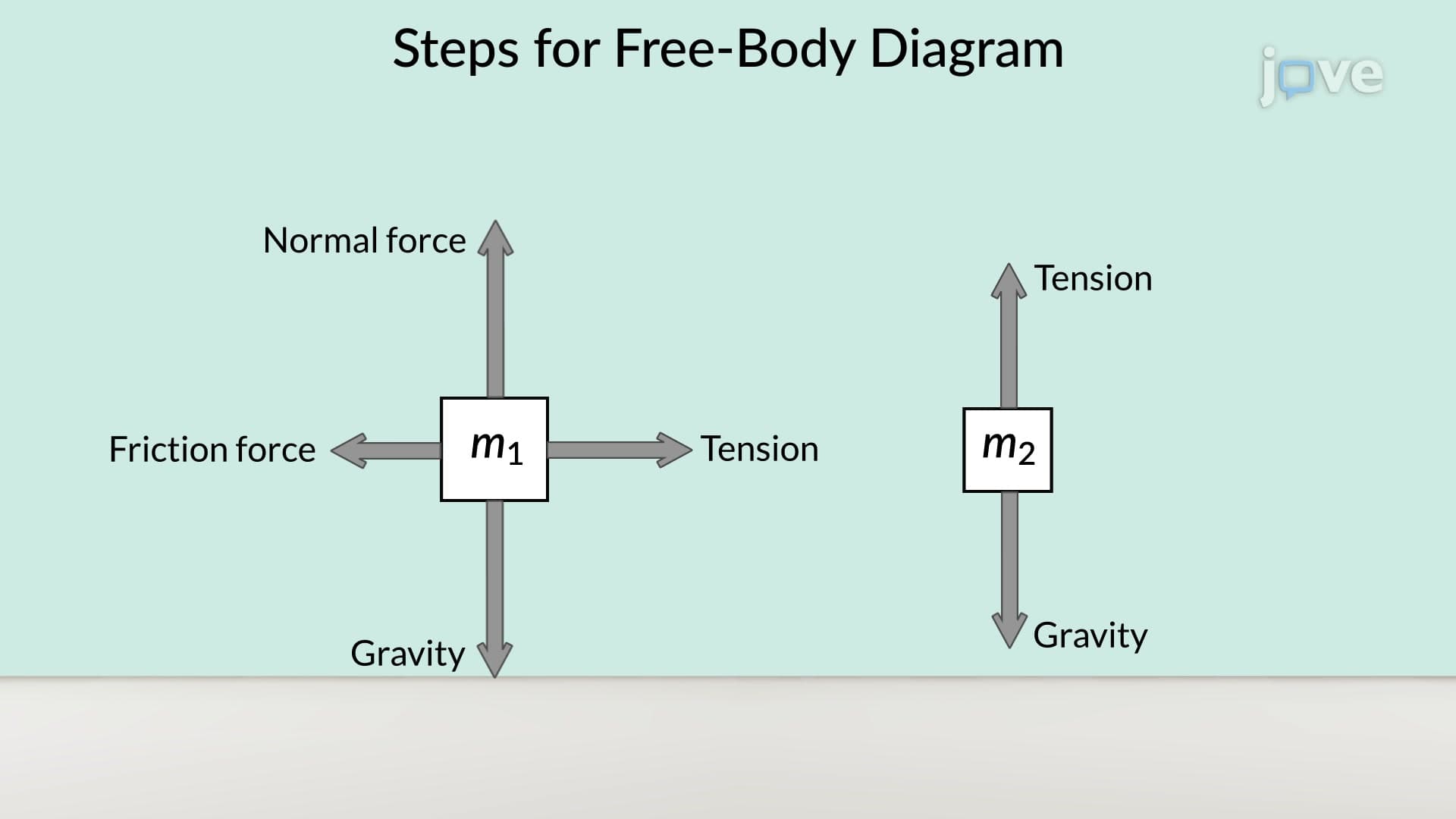
For any coplanar force system to achieve equilibrium, two fundamental conditions must be satisfied. First, the sum of all horizontal force components must equal zero (ΣFx = 0). Second, the sum of all vertical force components must equal zero (ΣFy = 0). These equilibrium equations form the foundation for solving engineering problems, from calculating cable tensions in construction cranes to analyzing forces in automotive suspension systems used throughout US manufacturing.
Students encounter coplanar forces extensively in AP Physics courses and college-level statics classes. The concept appears frequently on standardized exams like the AP Physics 1 exam, where students must analyze force diagrams and apply equilibrium principles. In professional practice, structural engineers use coplanar force analysis when designing bridge trusses, building frameworks, and mechanical linkages. Understanding this concept proves essential for students pursuing engineering degrees at institutions like MIT, Stanford, or Georgia Tech, where advanced mechanics courses build upon these foundational principles.
Related Micro-courses