13 Concepts
10 Concepts
17 Concepts
6 Concepts
20 Concepts
9 Concepts
17 Concepts
14 Concepts
19 Concepts
13 Concepts
12 Concepts
12 Concepts
4 Concepts
5 Concepts
12 Concepts
13 Concepts
10 Concepts
8 Concepts
20 Concepts
12 Concepts
18 Concepts
4 Concepts
6 Concepts
10 Concepts
4 Concepts
9 Concepts
7 Concepts
8 Concepts
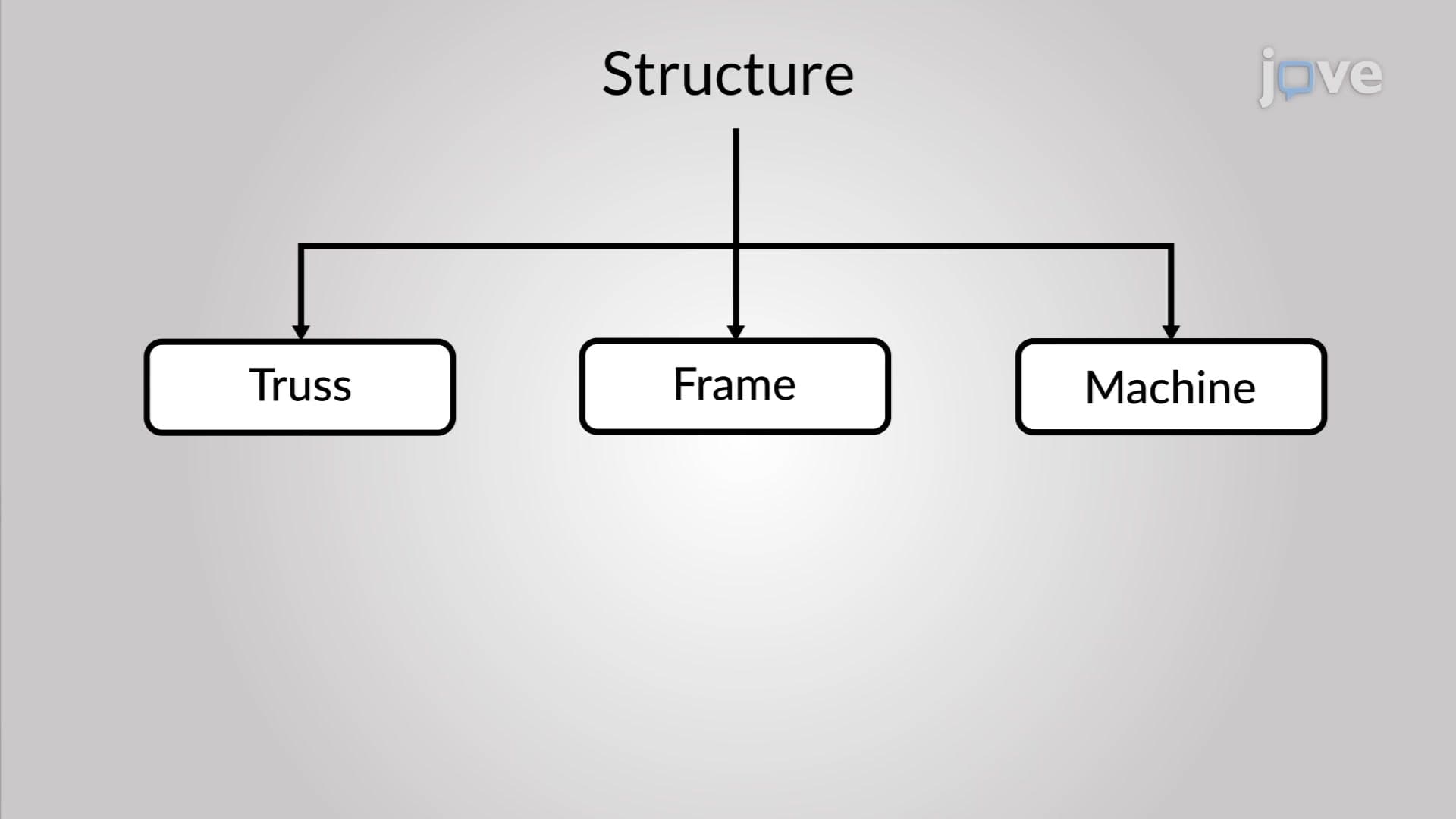
Structural analysis is the fundamental engineering process of determining internal forces and stresses within interconnected structural systems like buildings, bridges, and mechanical devices. This comprehensive course covers essential methods for analyzing structural systems including trusses, frames, and machines used throughout US infrastructure projects. Students master the method of joints, method of sections, and advanced problem-solving techniques through JoVE Coach guidance and practical applications.
1. Introduction to Structural Systems and Classifications Structures are interconnected systems of beams, columns, and joints designed to safely transfer loads, like those found in American skyscrapers, highway overpasses, and stadium frameworks. The three primary structural categories include trusses (rigid frameworks like bridge spans), frames (building support systems with multi-directional force members), and machines (movable structures like construction cranes). Understanding these classifications helps engineers select appropriate analysis methods for projects ranging from residential construction to major infrastructure like the Golden Gate Bridge or Empire State Building.
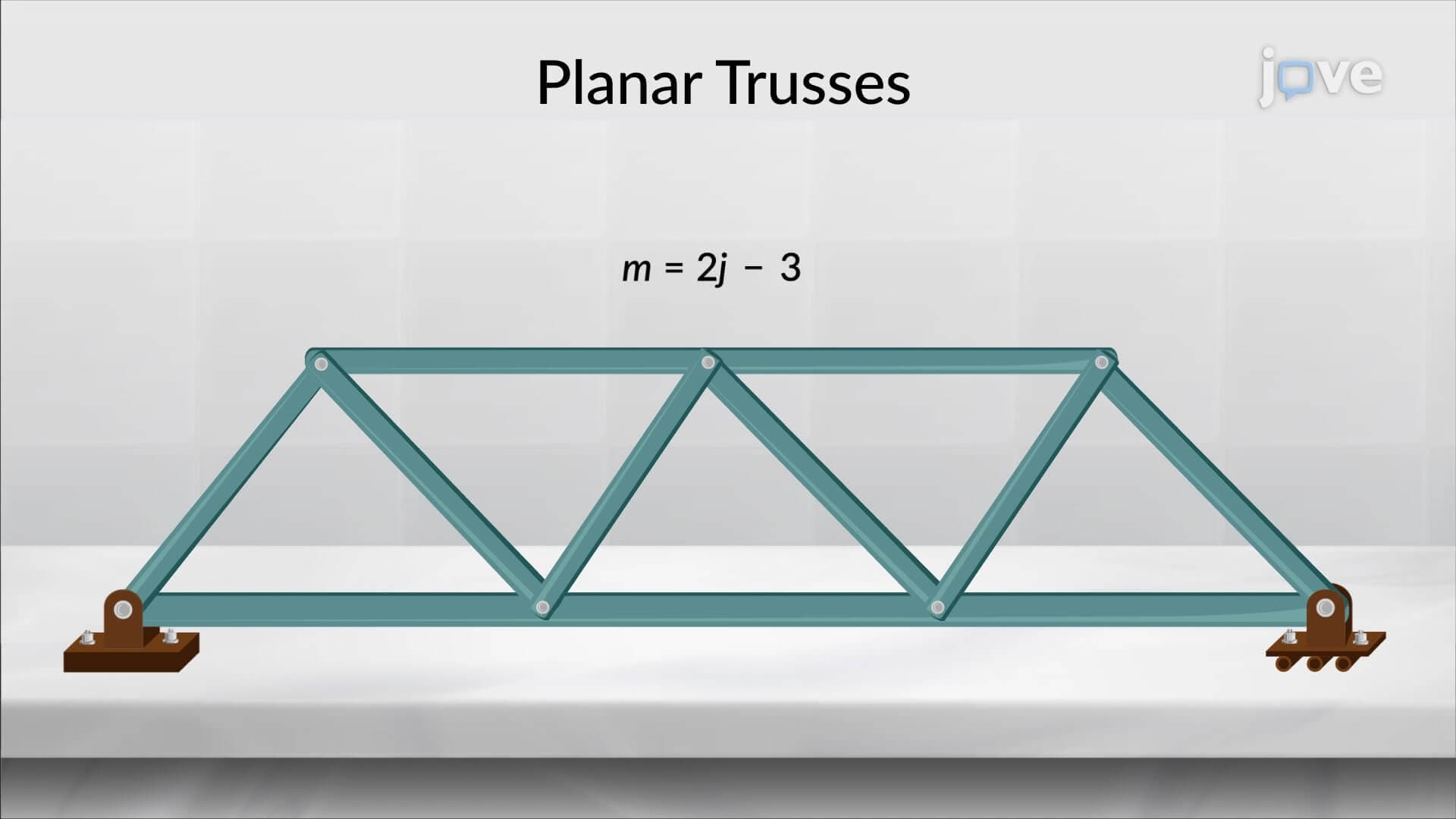
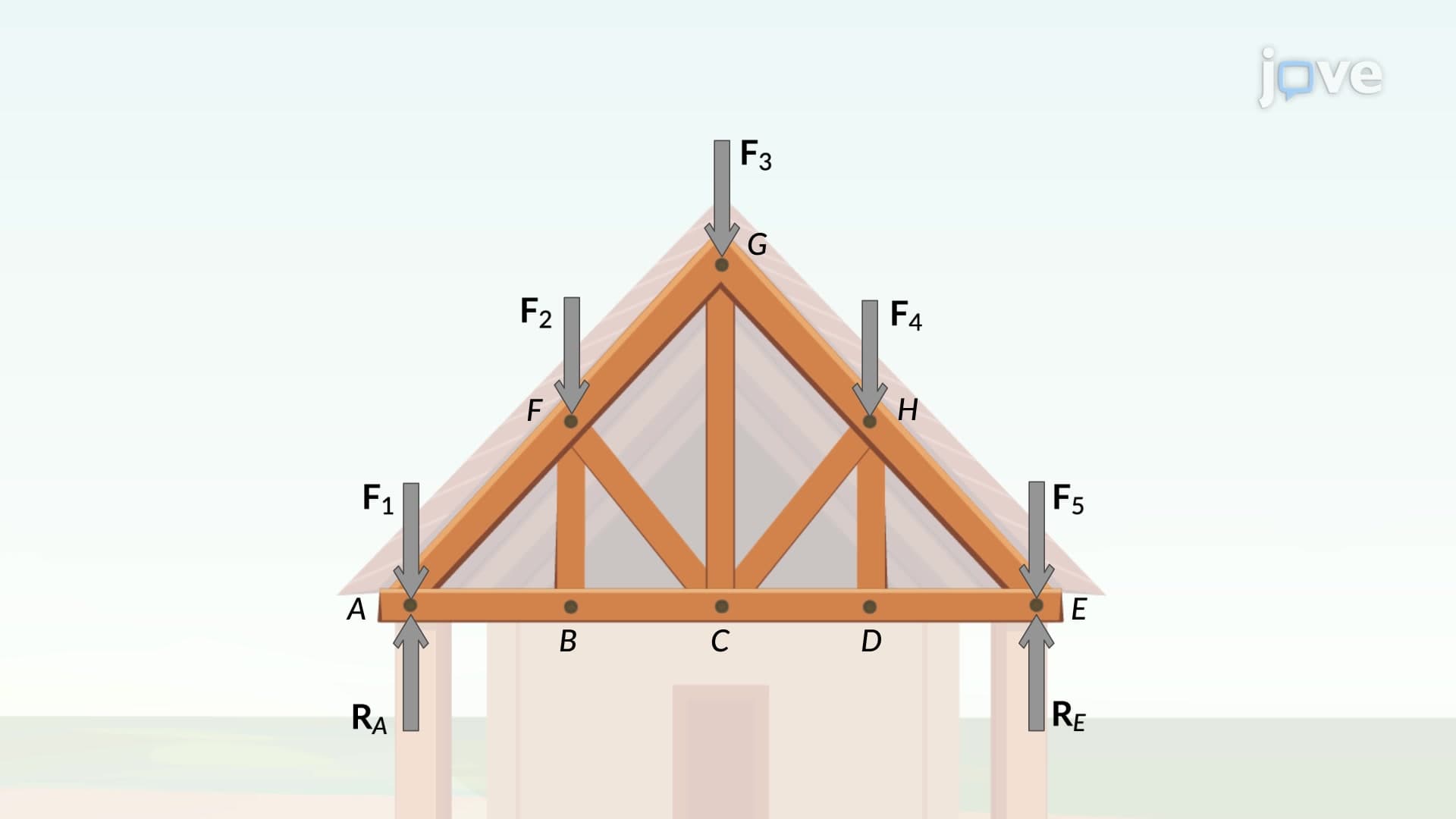
2. Simple Trusses and Basic Truss Analysis Principles Simple trusses form the backbone of many American structures, from residential roof systems to large-scale bridges like those spanning the Mississippi River. These triangular frameworks consist of straight members connected at joints, with forces acting only along member axes. The fundamental relationship between members (m) and joints (j) in simple trusses follows the equation m = 2j - 3, ensuring structural stability. Key assumptions include pin connections at joints and loads applied only at connection points, simplifying analysis while maintaining accuracy for real-world applications.
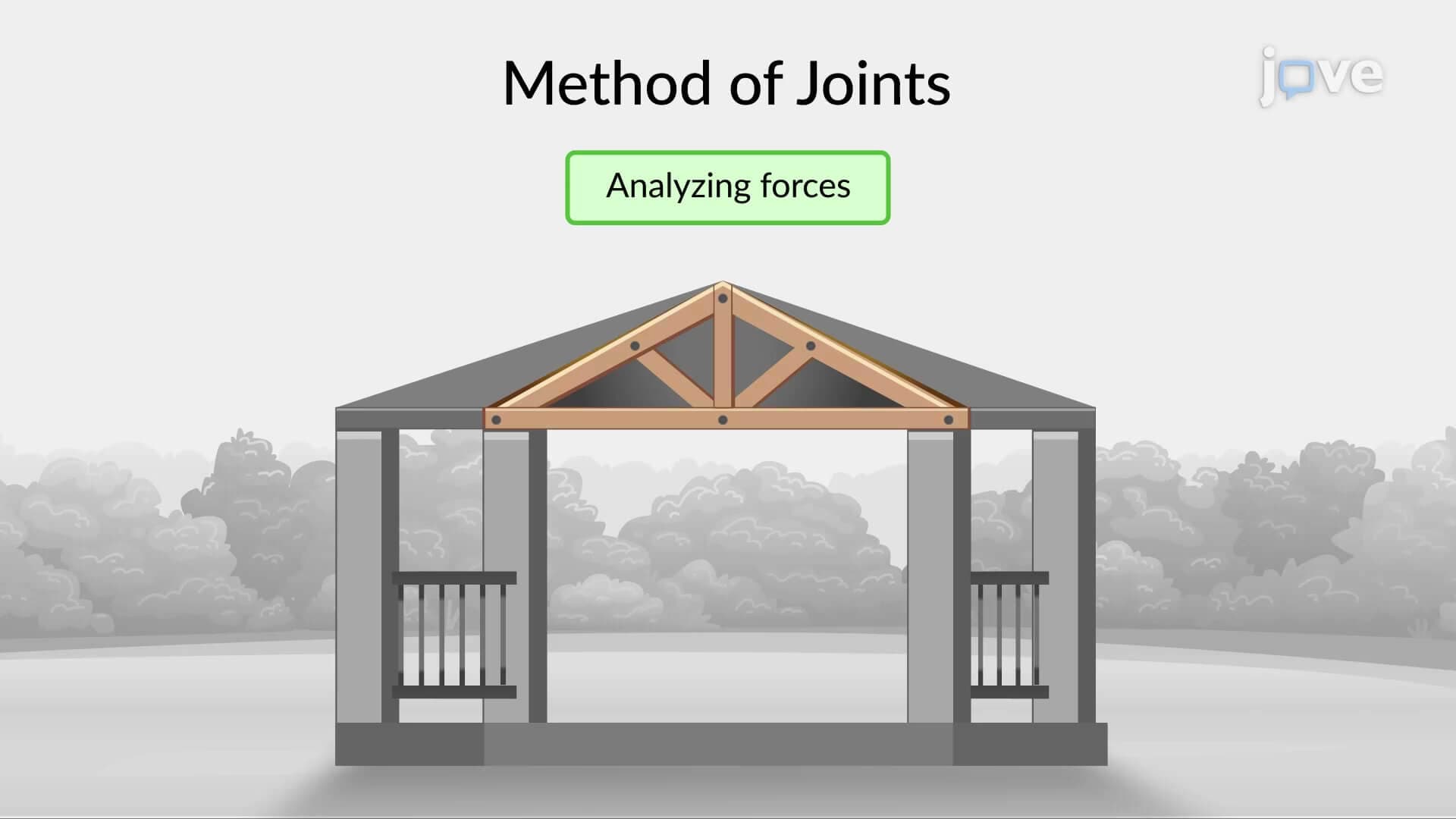
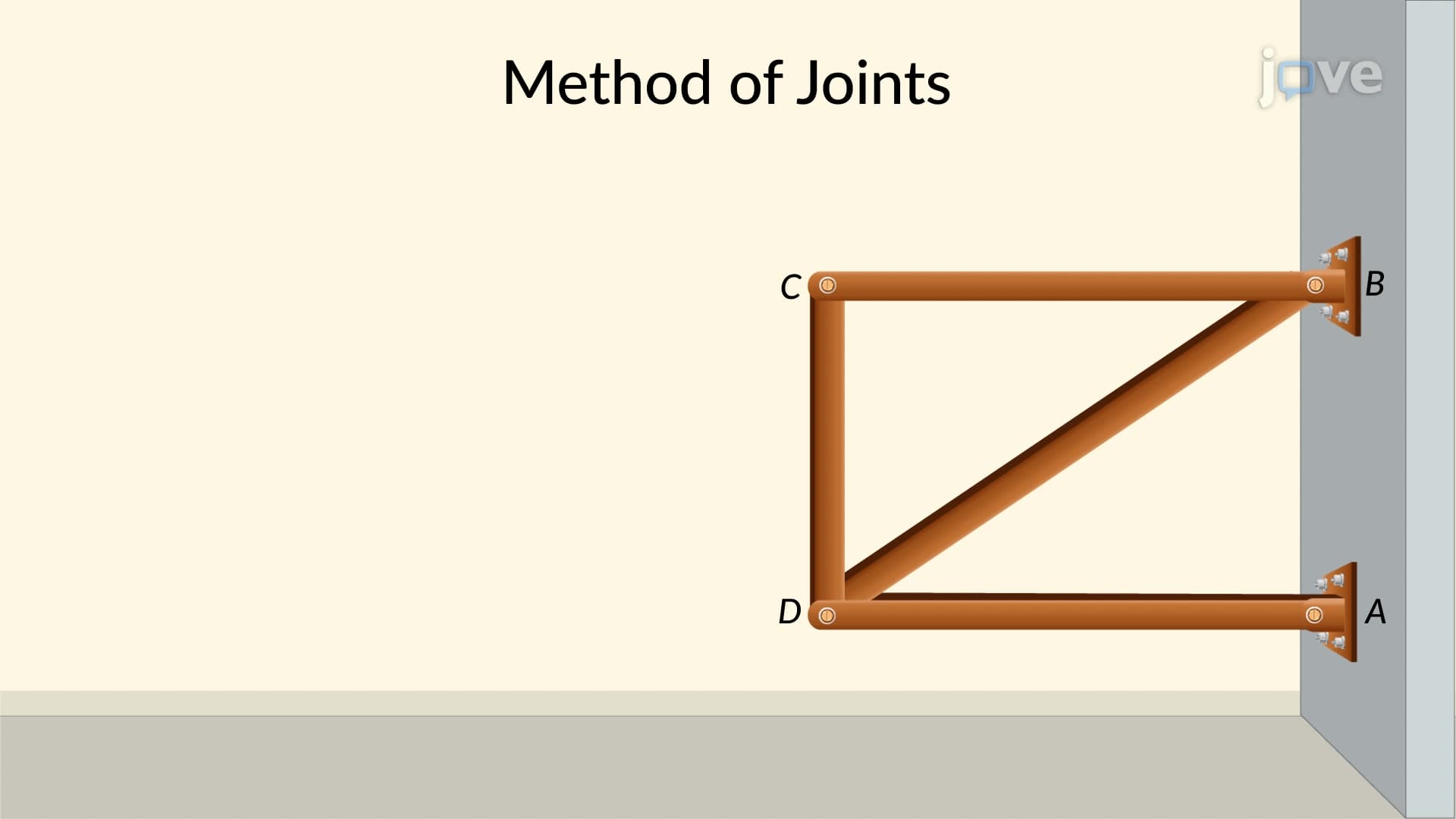
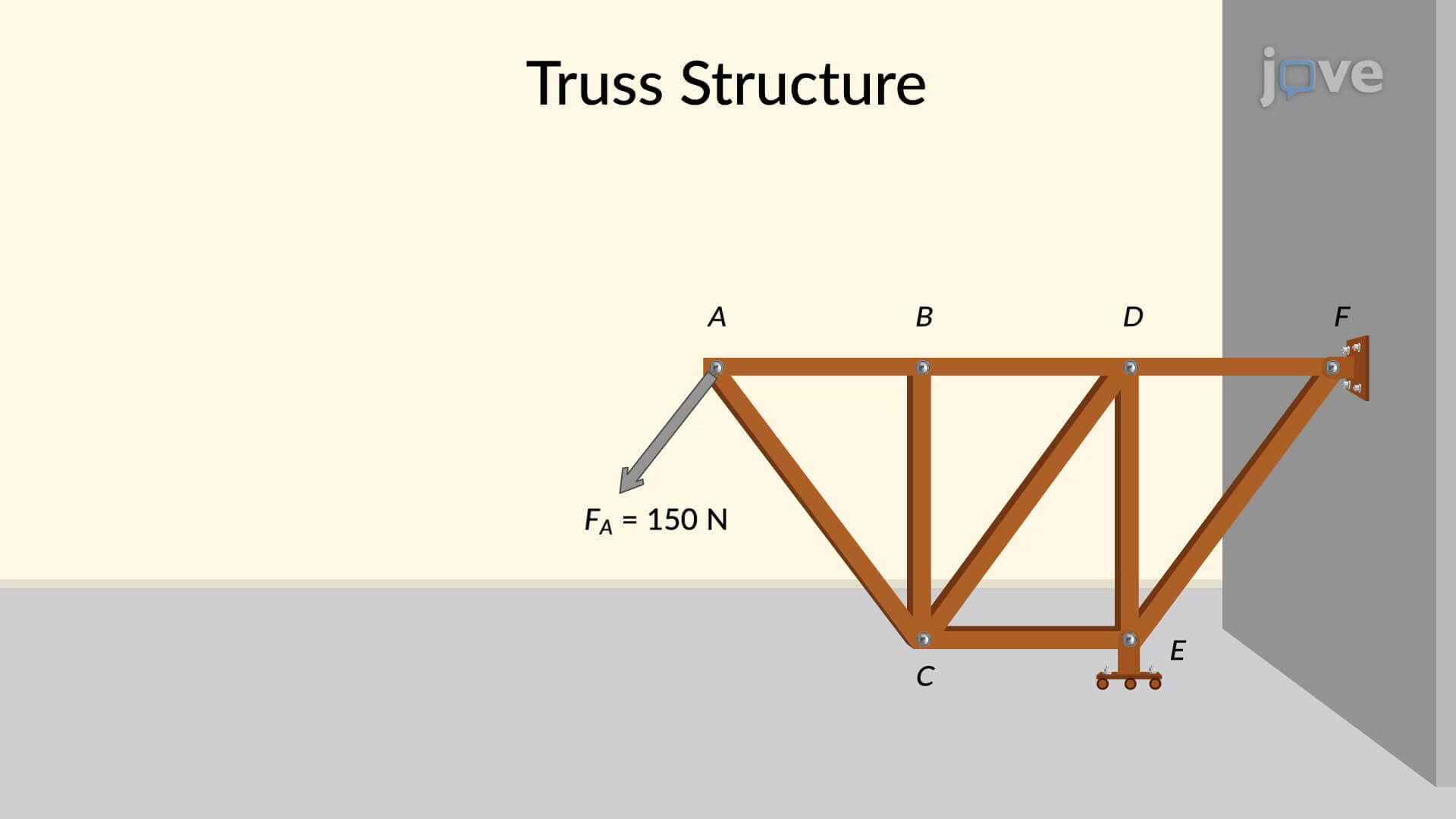
3. Method of Joints for Force Analysis The method of joints systematically analyzes forces at each truss connection point using equilibrium principles, essential for designing safe structures like transmission towers or industrial building frameworks. Engineers isolate individual joints and apply horizontal and vertical force equilibrium equations (ΣFx = 0, ΣFy = 0) to determine unknown member forces. This technique identifies whether members experience tension (pulling) or compression (pushing), critical information for selecting appropriate materials and cross-sections in construction projects throughout American infrastructure systems.
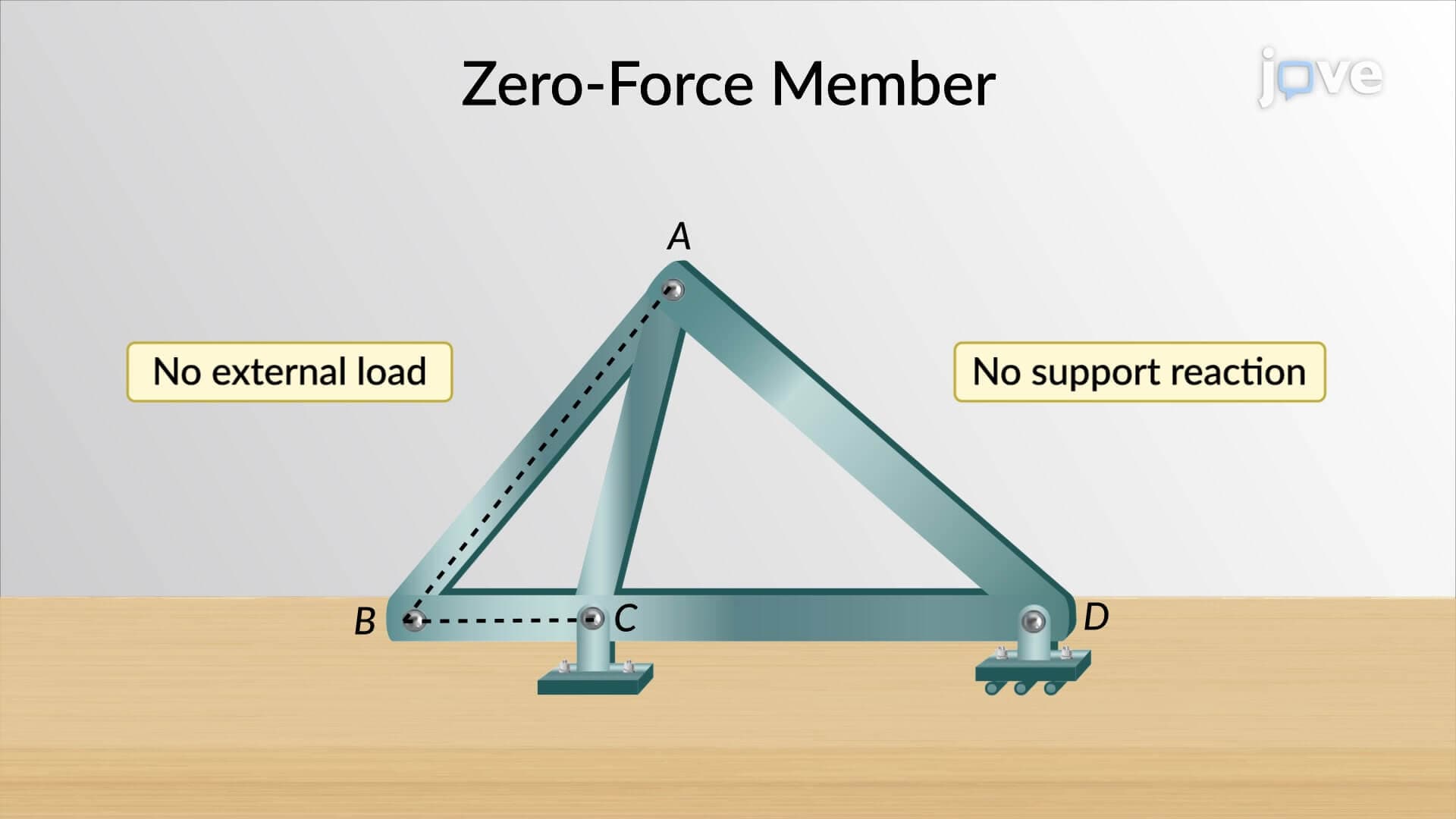
4. Zero-Force Members and Structural Efficiency Zero-force members carry no load under specific loading conditions but provide essential structural stability, commonly found in bridge trusses and building frameworks across American construction projects. Two key scenarios create zero-force members: joints with two non-collinear members and no external loads, and joints with three members where two are collinear. Identifying these members simplifies analysis and can lead to more economical designs, as seen in modern steel-frame construction where engineers optimize material usage while maintaining structural integrity.
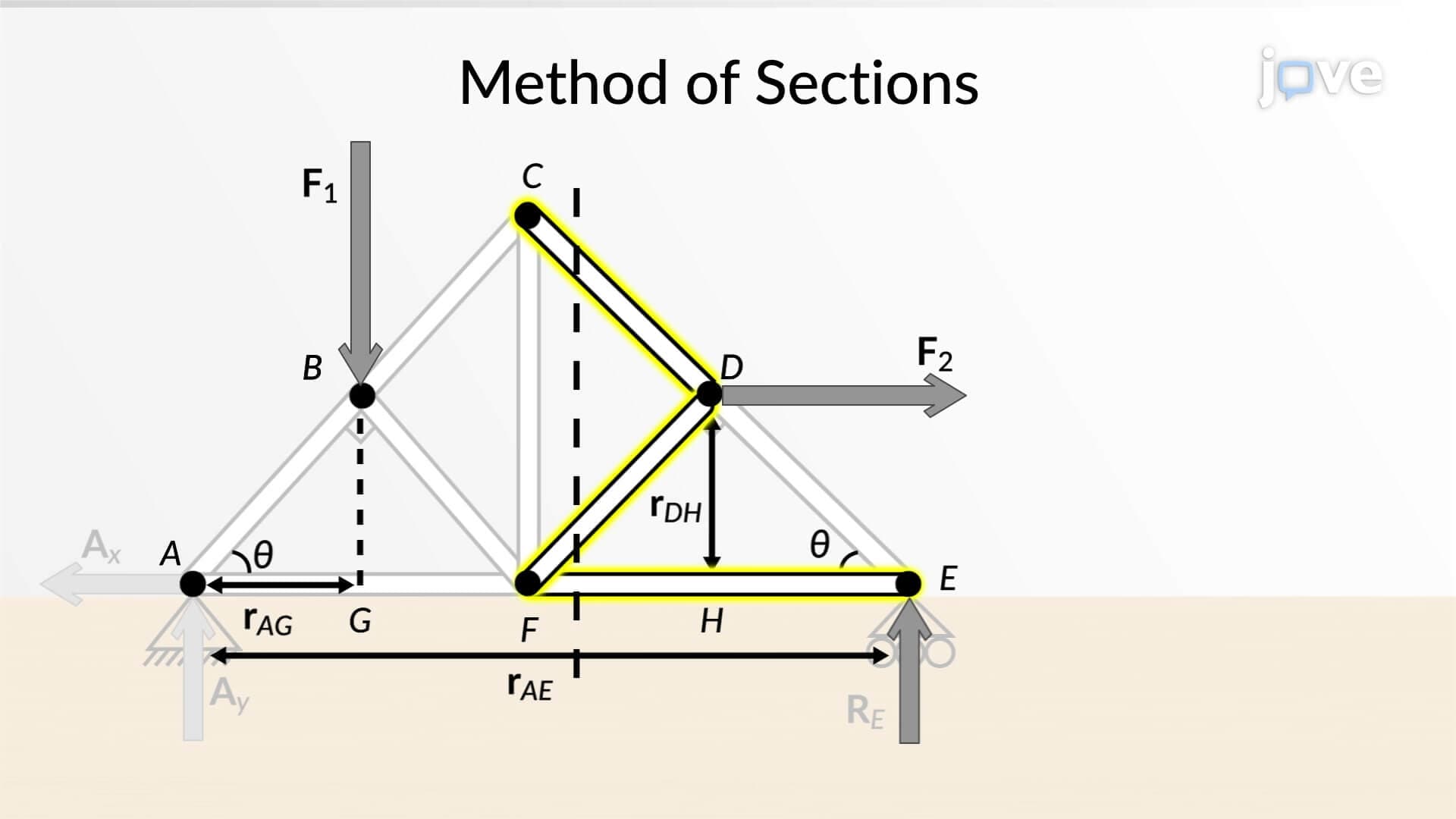
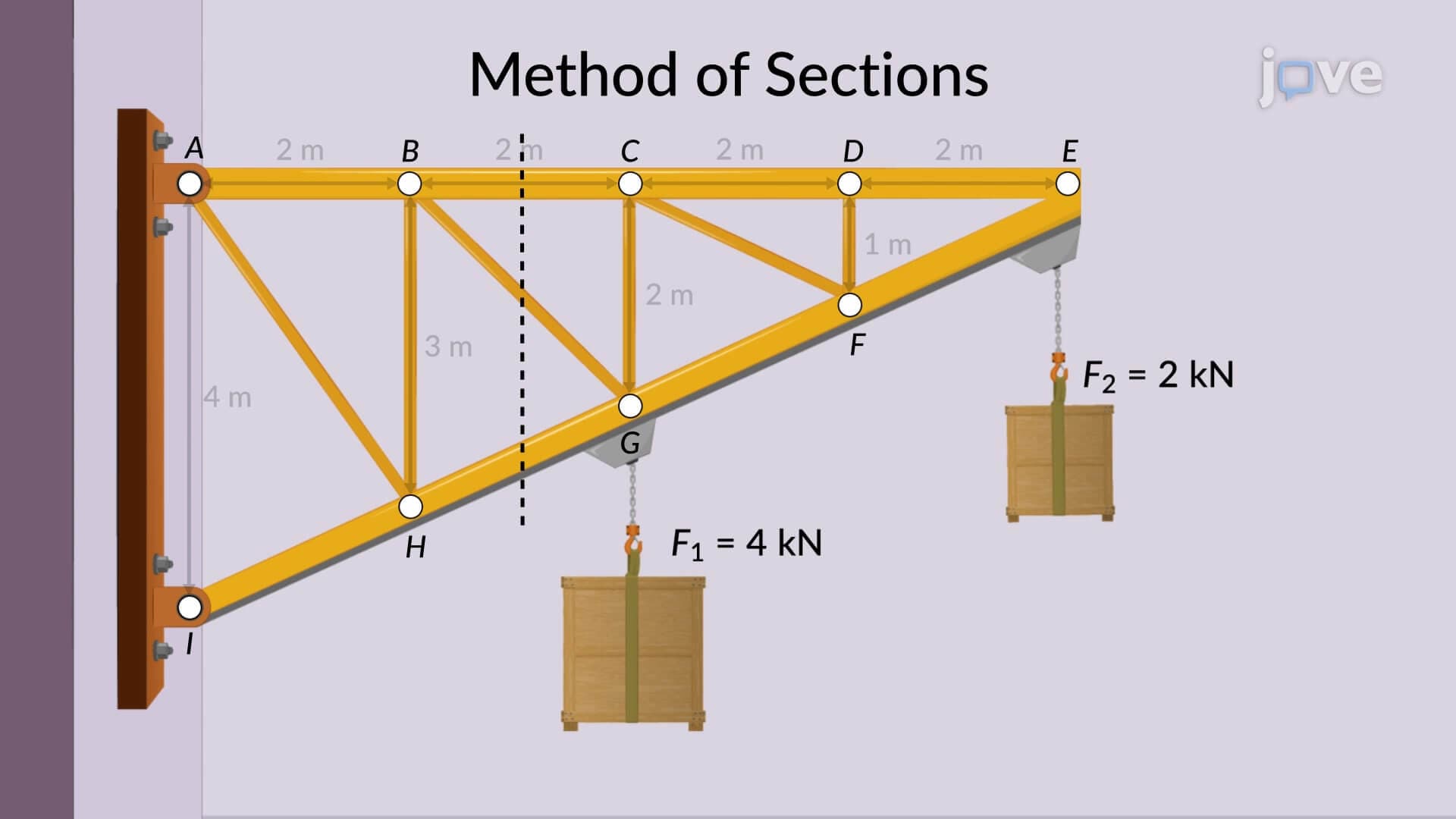
5. Method of Sections for Targeted Member Analysis The method of sections efficiently analyzes specific truss members without calculating all joint forces, particularly valuable for large structures like stadium roofs or bridge spans. Engineers make strategic cuts through maximum three members, then apply equilibrium equations (ΣFx = 0, ΣFy = 0, ΣM = 0) to the isolated section. This approach proves especially useful for checking critical members in existing structures or optimizing designs for major projects like highway overpasses, where specific load paths require detailed analysis.
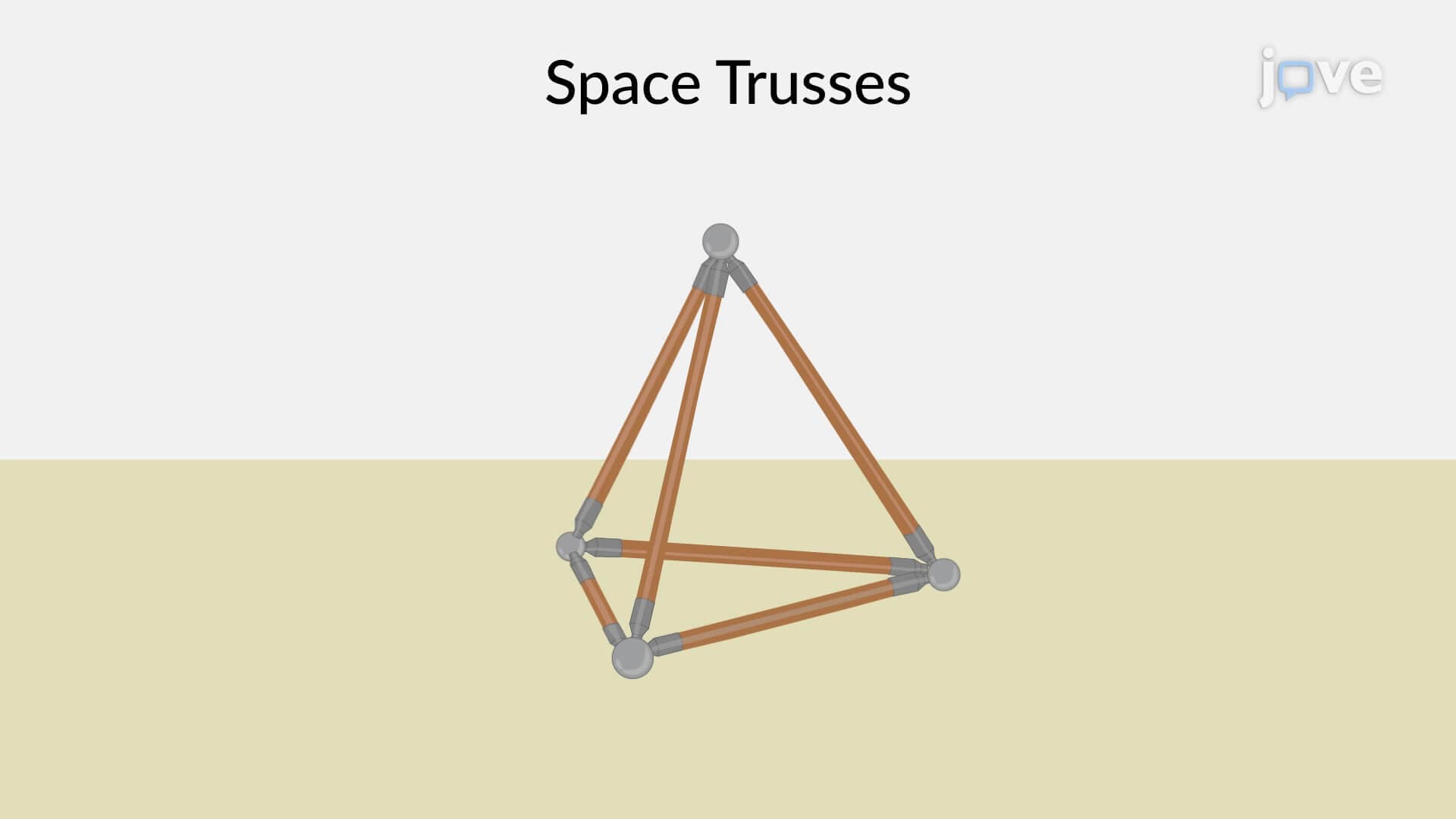
6. Three-Dimensional Space Truss Analysis Space trusses extend structural analysis into three dimensions, essential for complex frameworks like airport terminals, sports stadiums, and modern skyscrapers throughout American cities. The basic tetrahedral unit (six members, four joints) expands through systematic addition of joints and members, following the relationship m = 3j - 6 for spatial stability. Analysis requires vector mathematics and three-dimensional equilibrium equations, as seen in iconic structures like the Eiffel Tower-inspired frameworks in Las Vegas or the complex roof systems of modern American sports venues.
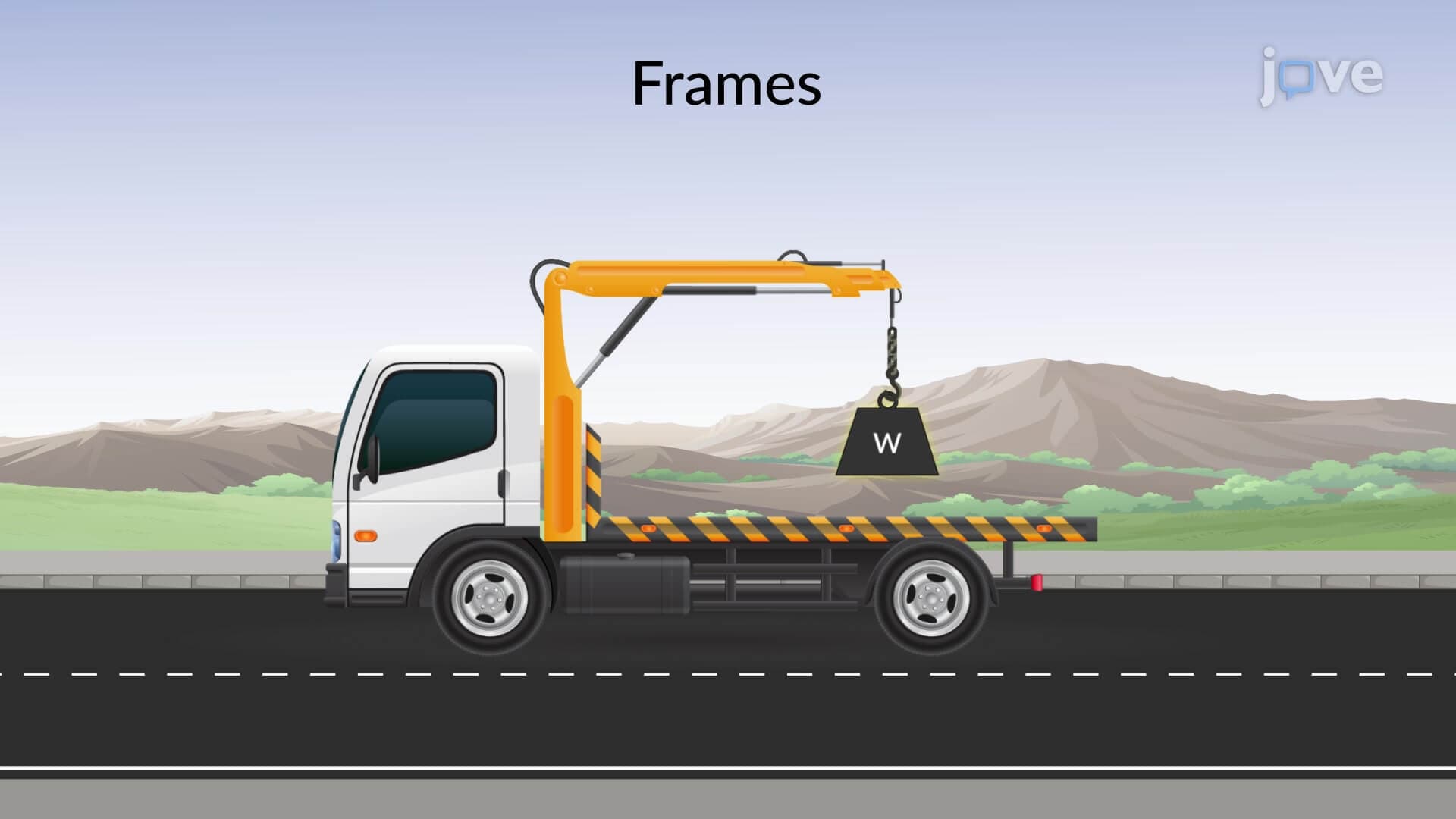
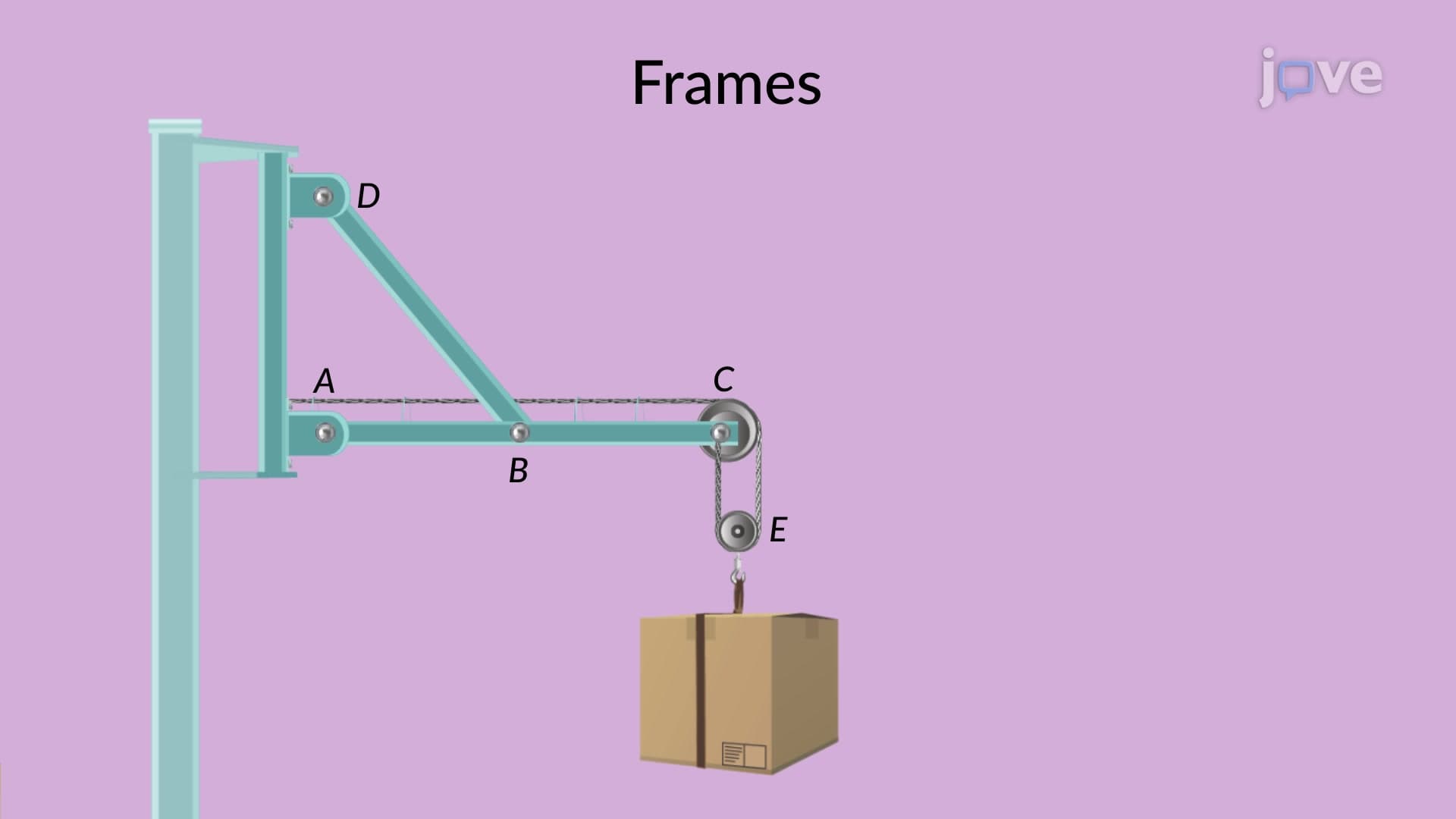
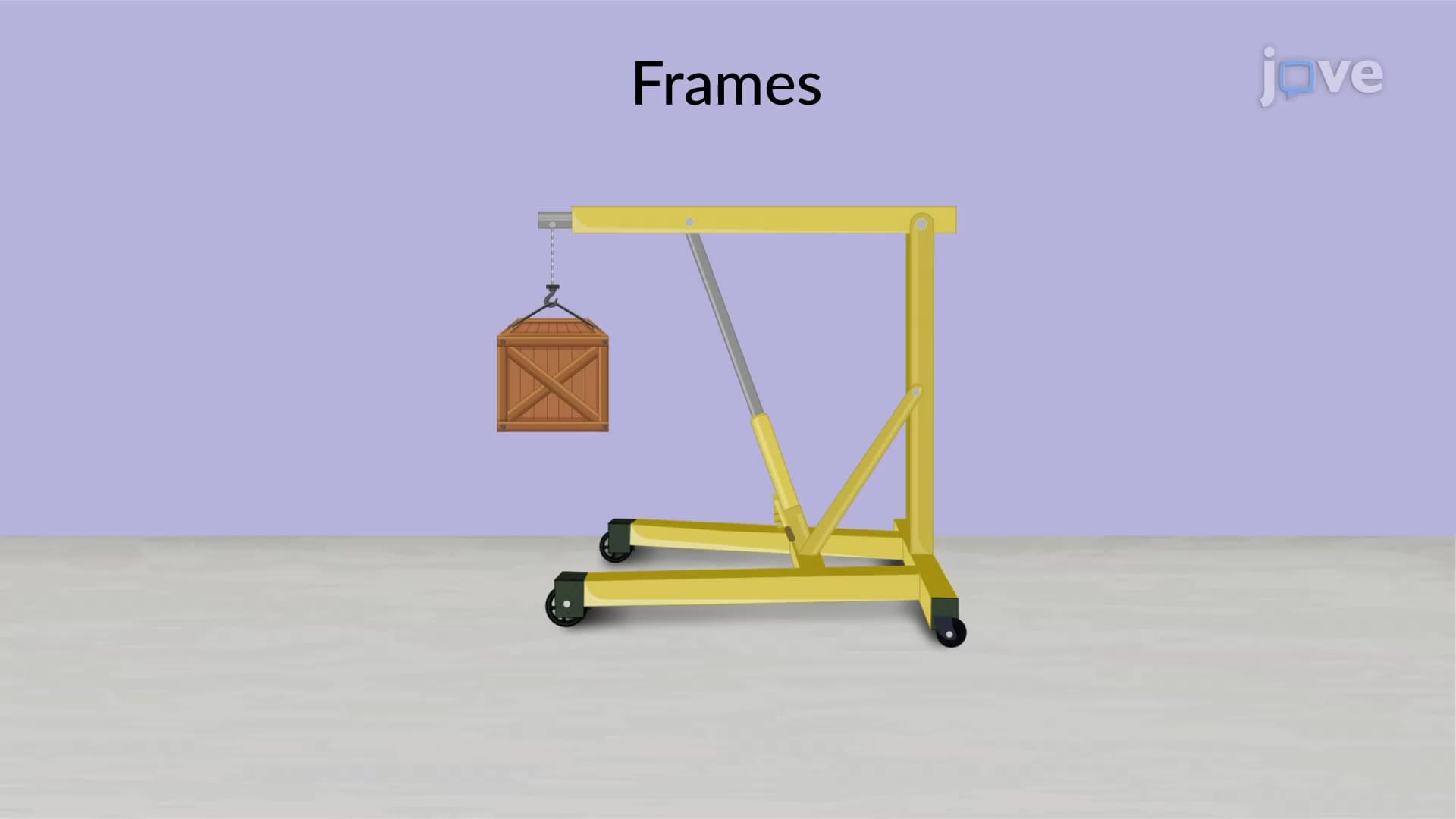
7. Frame Analysis with Multi-Force Members Frames contain at least one multi-force member experiencing three or more non-axial forces, common in building construction where columns and beams intersect. Unlike trusses with purely axial forces, frame members handle bending moments and shear forces, requiring more complex analysis procedures. Applications include building frameworks, automotive chassis, and construction equipment like cranes used throughout American construction sites. Engineers must consider both internal forces and moments when designing frame connections and member sizes.
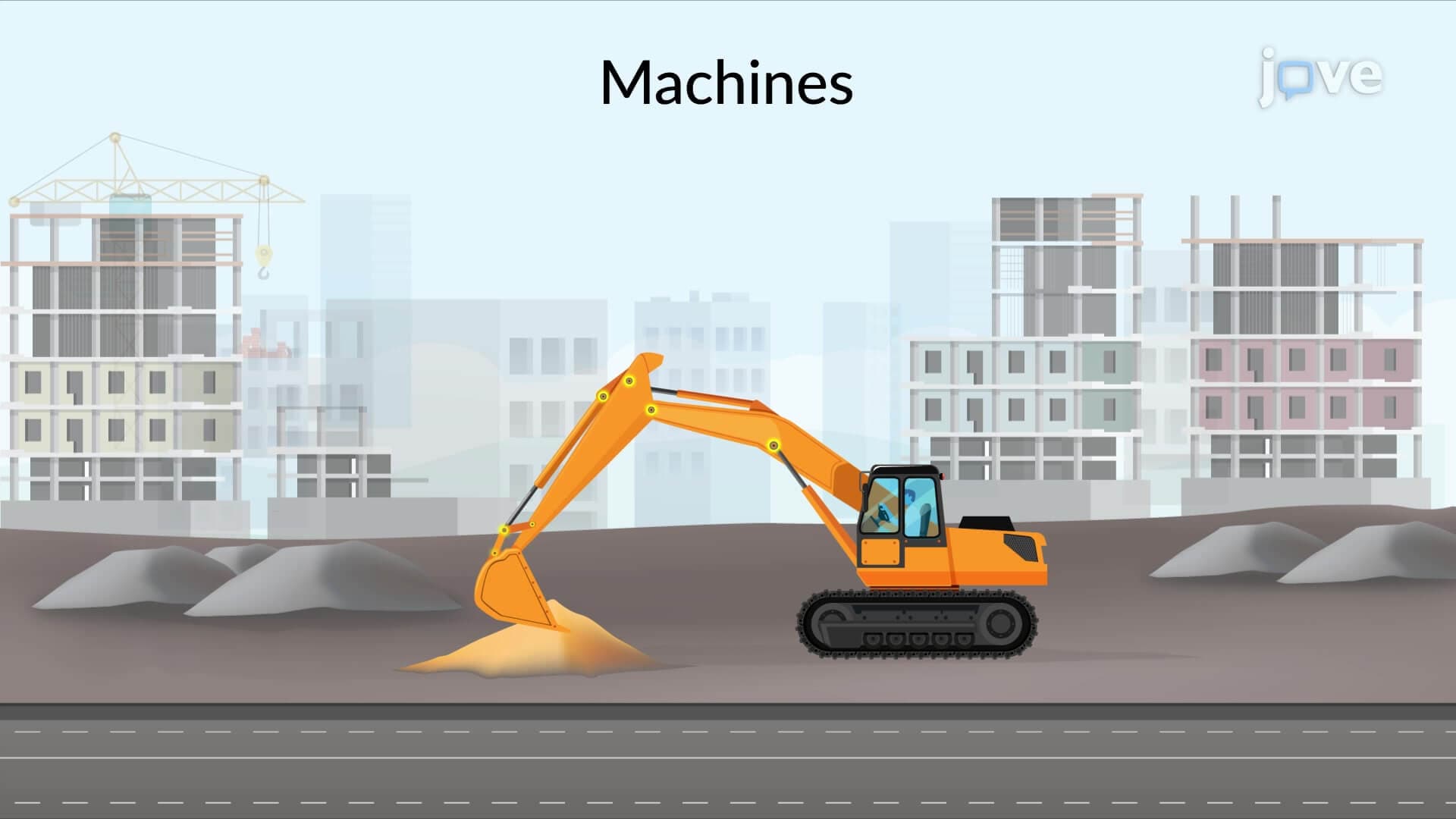
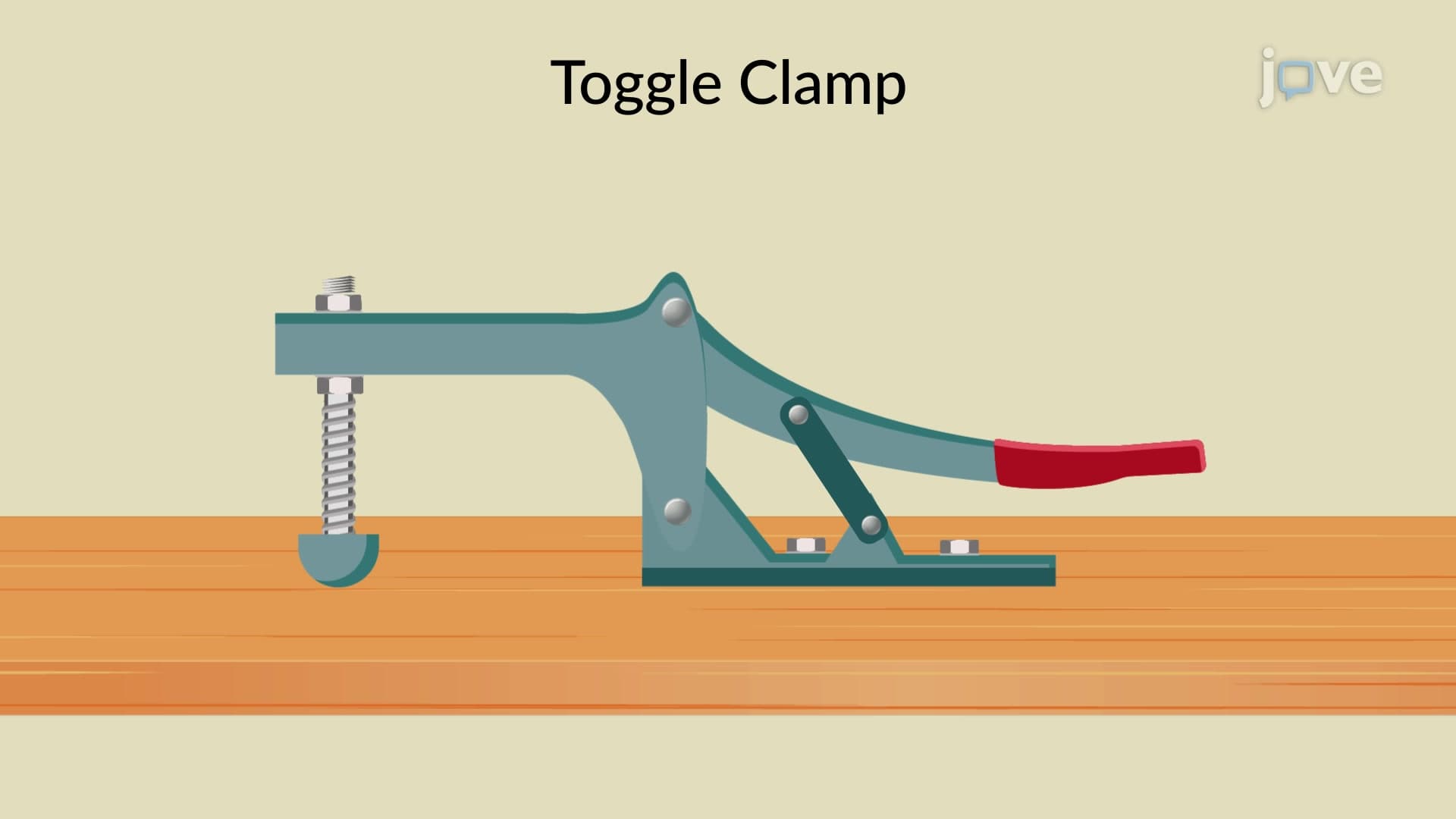
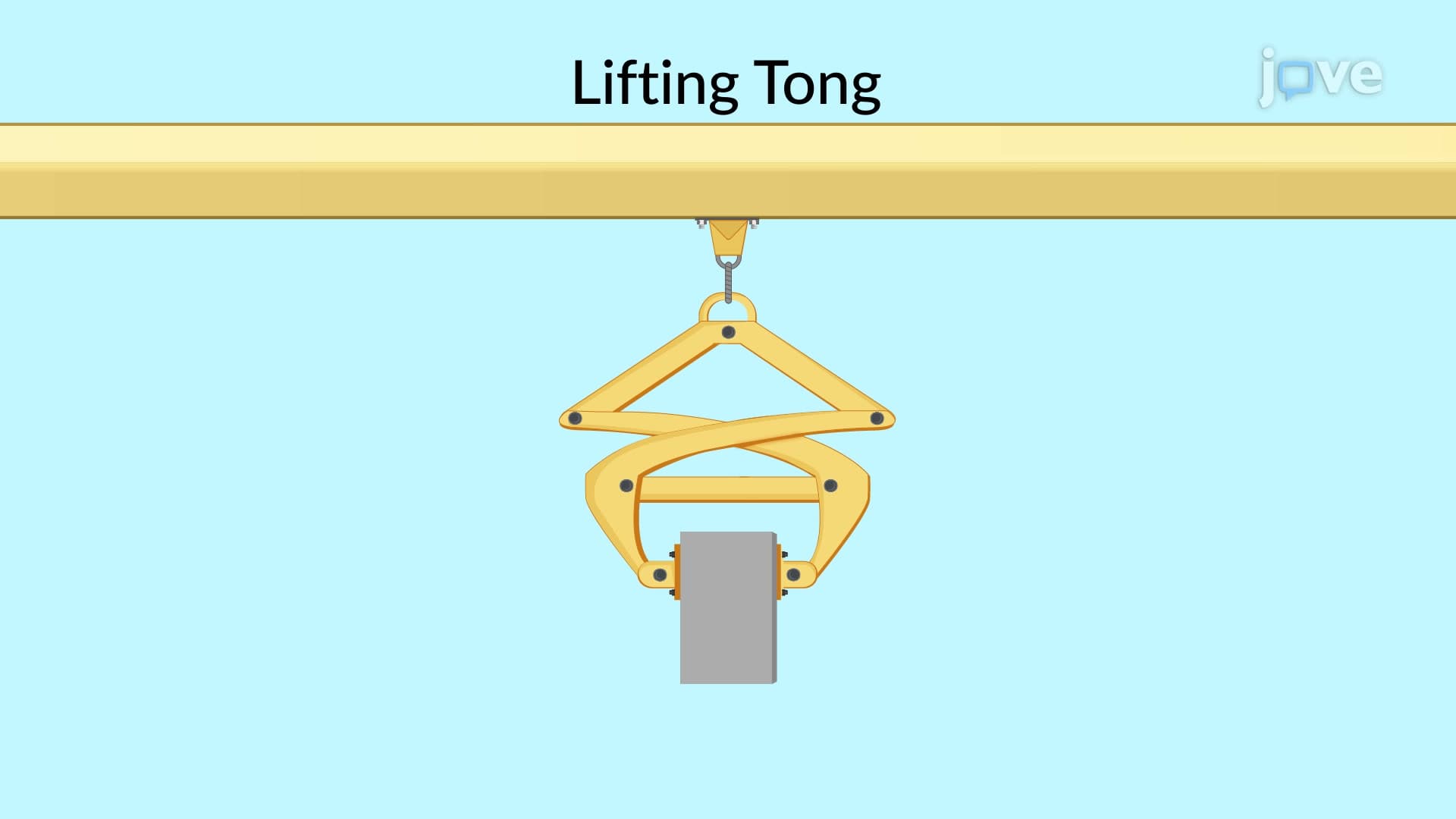
8. Machine Analysis and Force Transmission Machines are movable structures designed to transmit and modify forces, like hydraulic systems in construction equipment or mechanical advantage devices used in American manufacturing. Unlike static trusses and frames, machines contain moving parts that change configuration during operation. Analysis involves isolating individual components and applying equilibrium principles to each position, as demonstrated in tools like cutting pliers, toggle clamps, or heavy machinery used in construction projects. Understanding force transmission helps optimize mechanical advantage and ensure safe operation limits.