13 Concepts
10 Concepts
17 Concepts
6 Concepts
20 Concepts
9 Concepts
17 Concepts
14 Concepts
19 Concepts
13 Concepts
12 Concepts
12 Concepts
4 Concepts
5 Concepts
12 Concepts
13 Concepts
10 Concepts
8 Concepts
20 Concepts
12 Concepts
18 Concepts
4 Concepts
6 Concepts
10 Concepts
4 Concepts
9 Concepts
7 Concepts
8 Concepts
Stress and strain under axial loading form the foundation of structural engineering analysis. This comprehensive course explores how materials respond to axial forces, covering elastic behavior, plastic deformation, and failure mechanisms. Students examine real-world applications from bridge design to aircraft structures while mastering essential concepts like Hooke's law, stress concentrations, and thermal effects. Perfect preparation for engineering coursework and professional practice with JoVE Coach interactive learning tools.
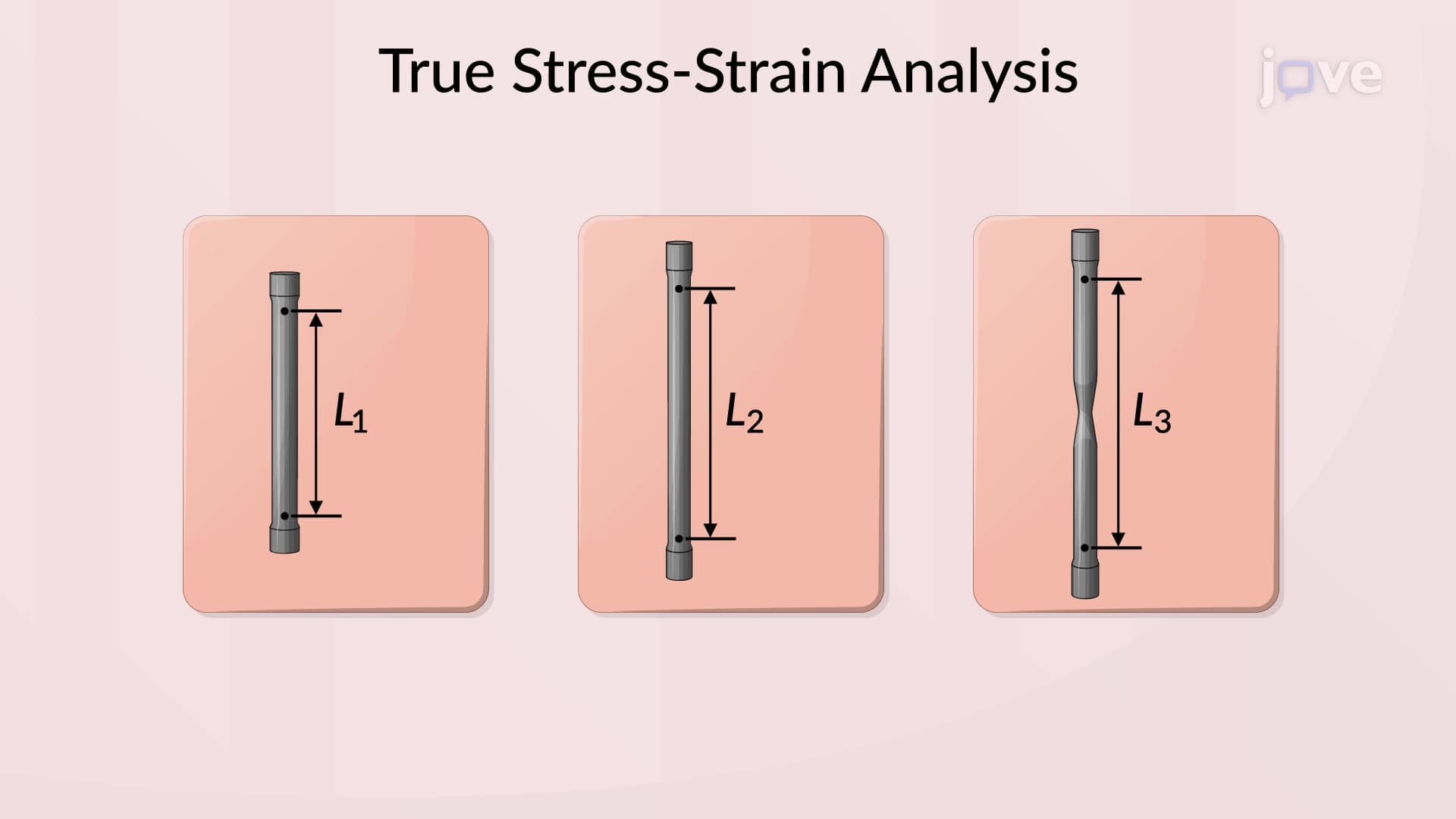
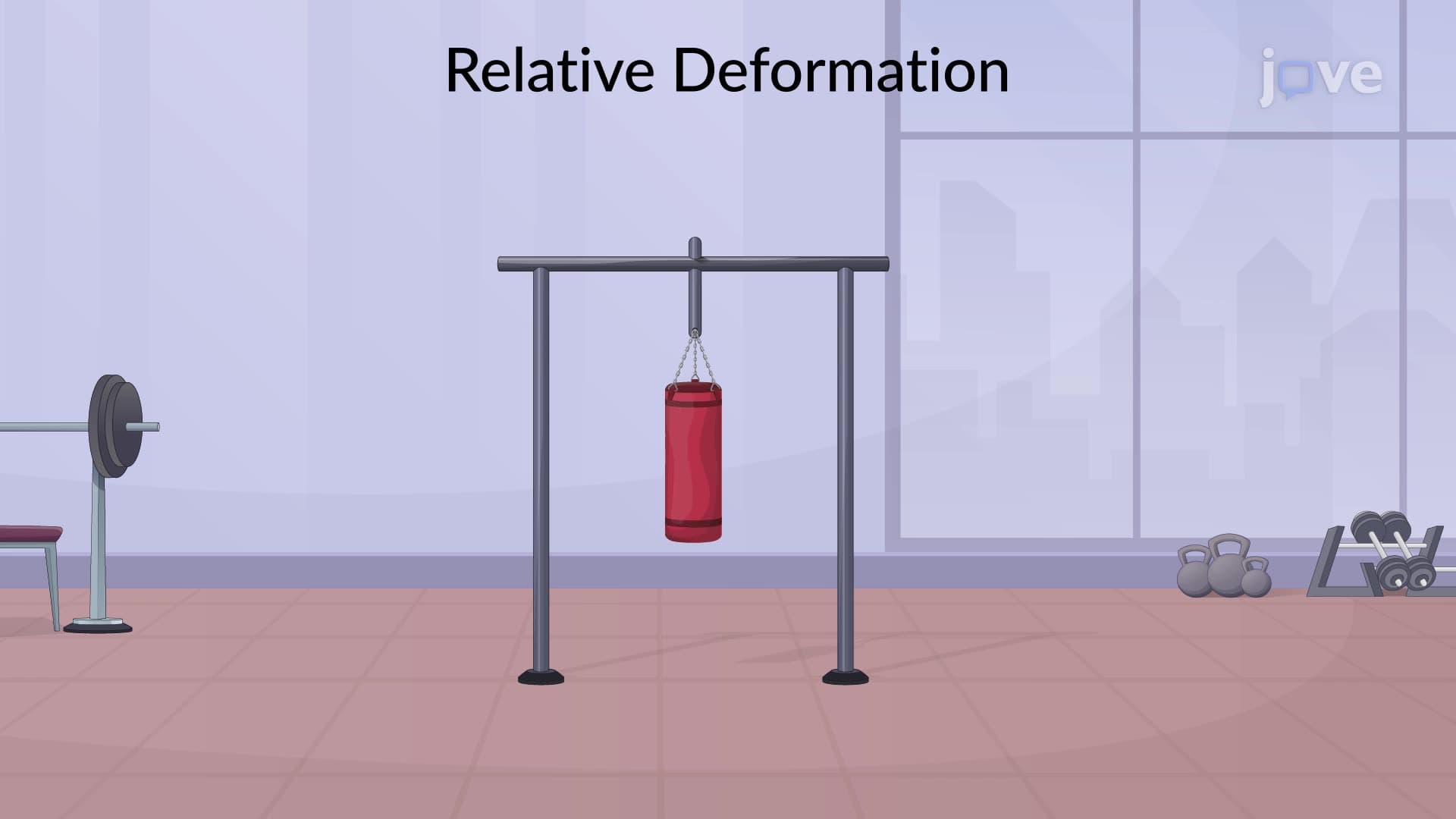
1. Normal Strain and Axial Deformation Analysis Normal strain quantifies material deformation under axial loading as the ratio of length change to original length. This dimensionless measure enables engineers to compare deformation across different structural members regardless of size. Consider a steel cable in the Golden Gate Bridge experiencing tension - understanding normal strain helps engineers ensure the cable won't stretch excessively under traffic loads. The concept applies universally from microscopic material analysis to large-scale infrastructure projects like skyscrapers and suspension bridges.
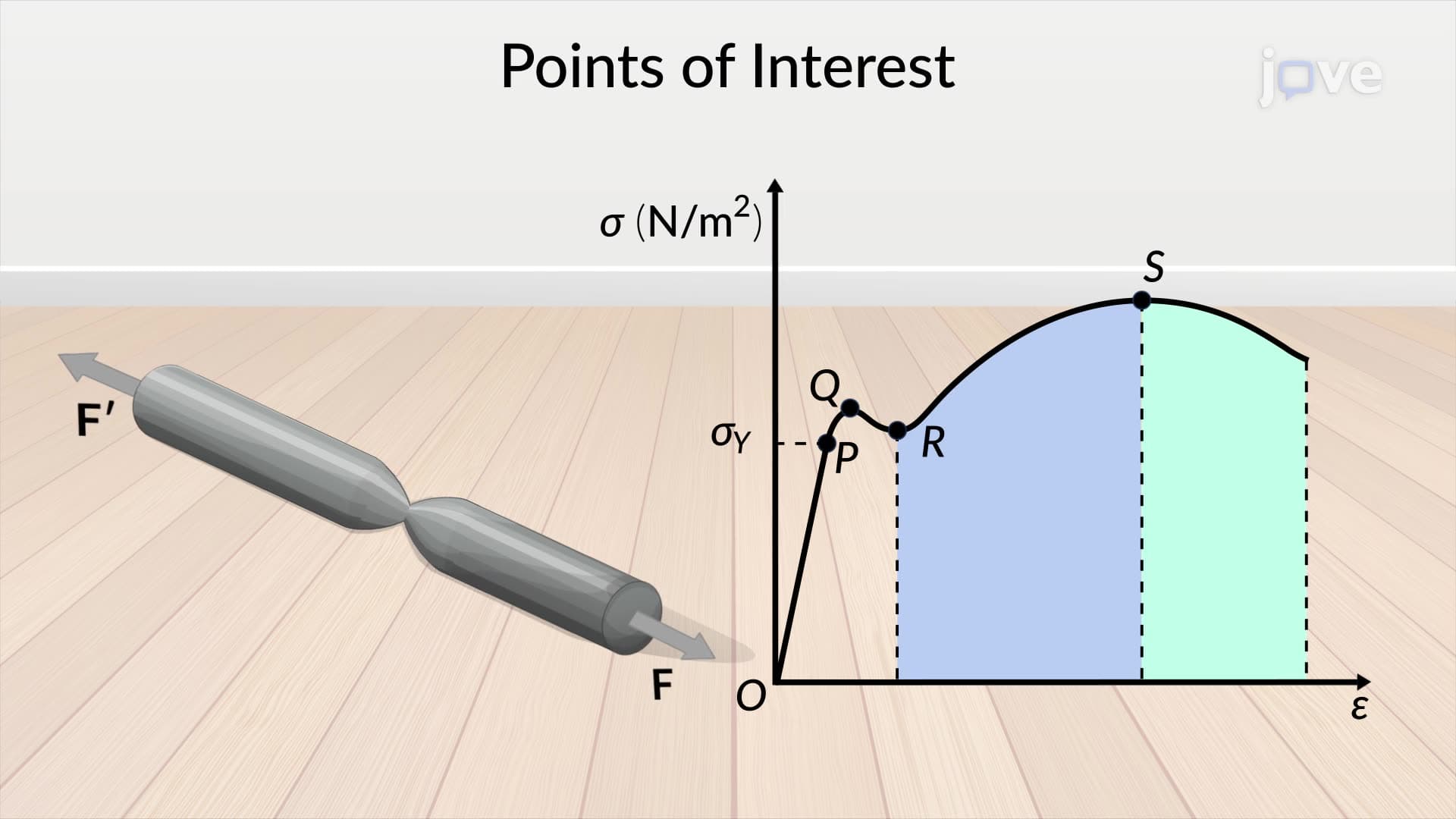
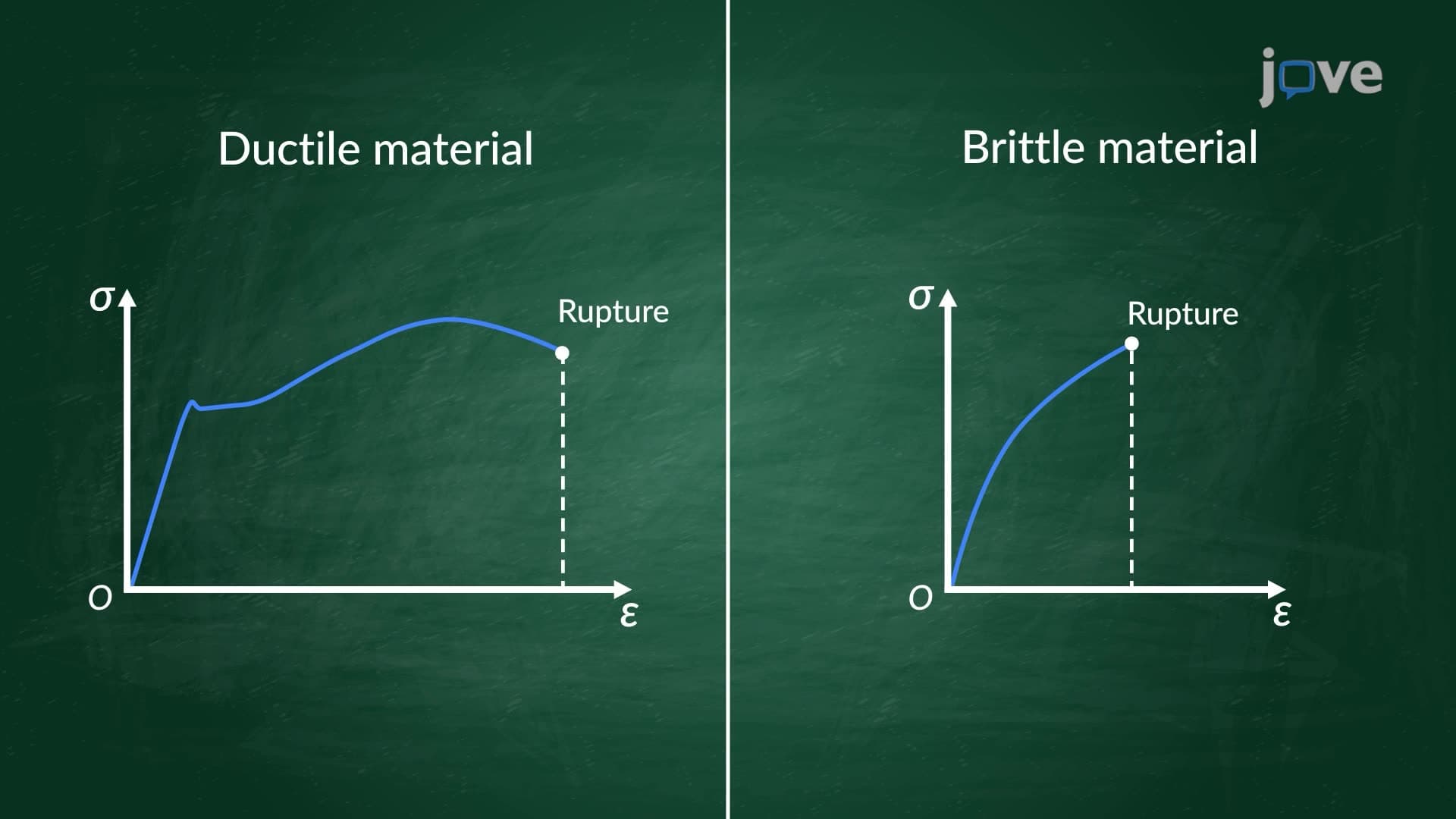
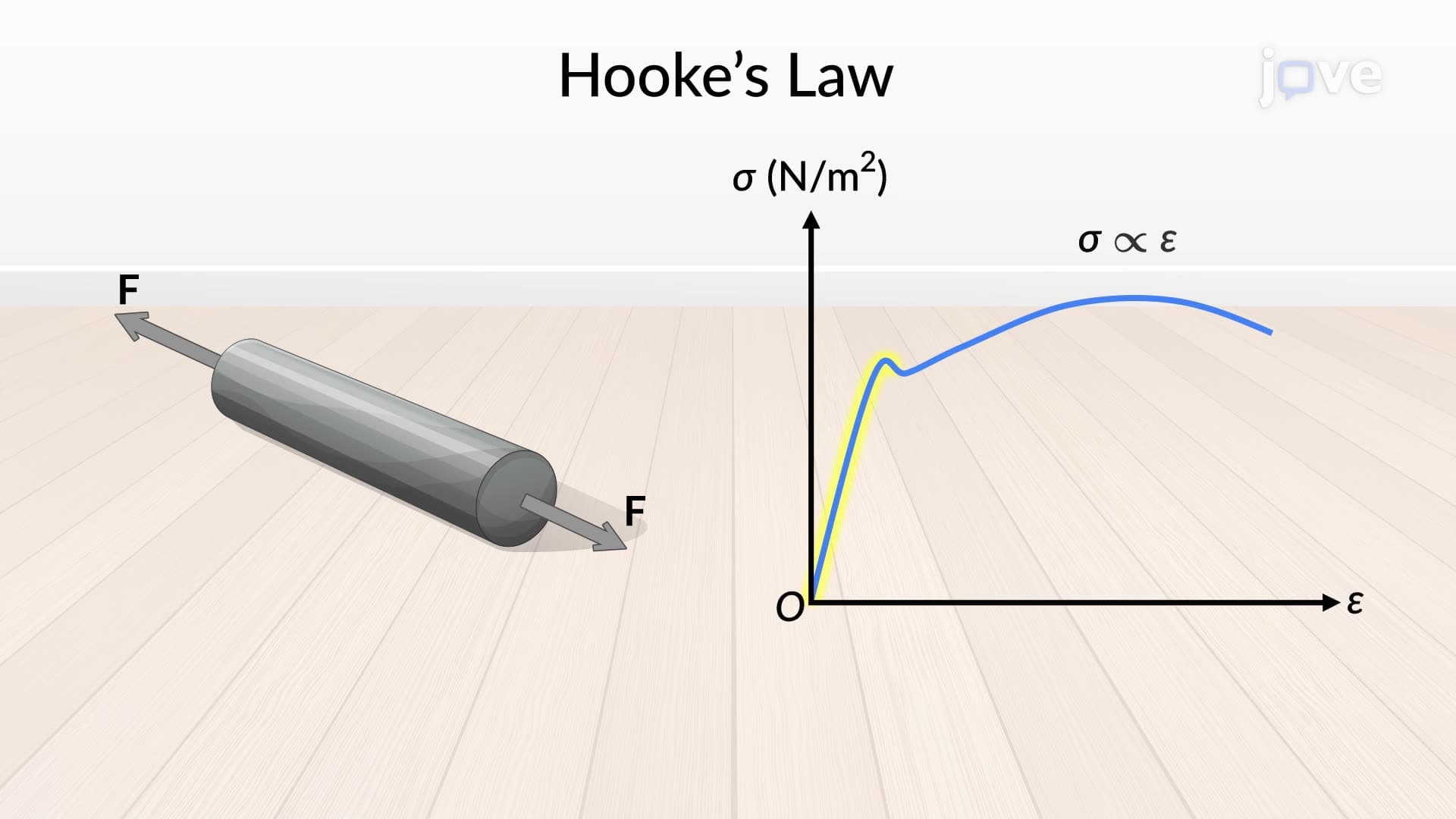
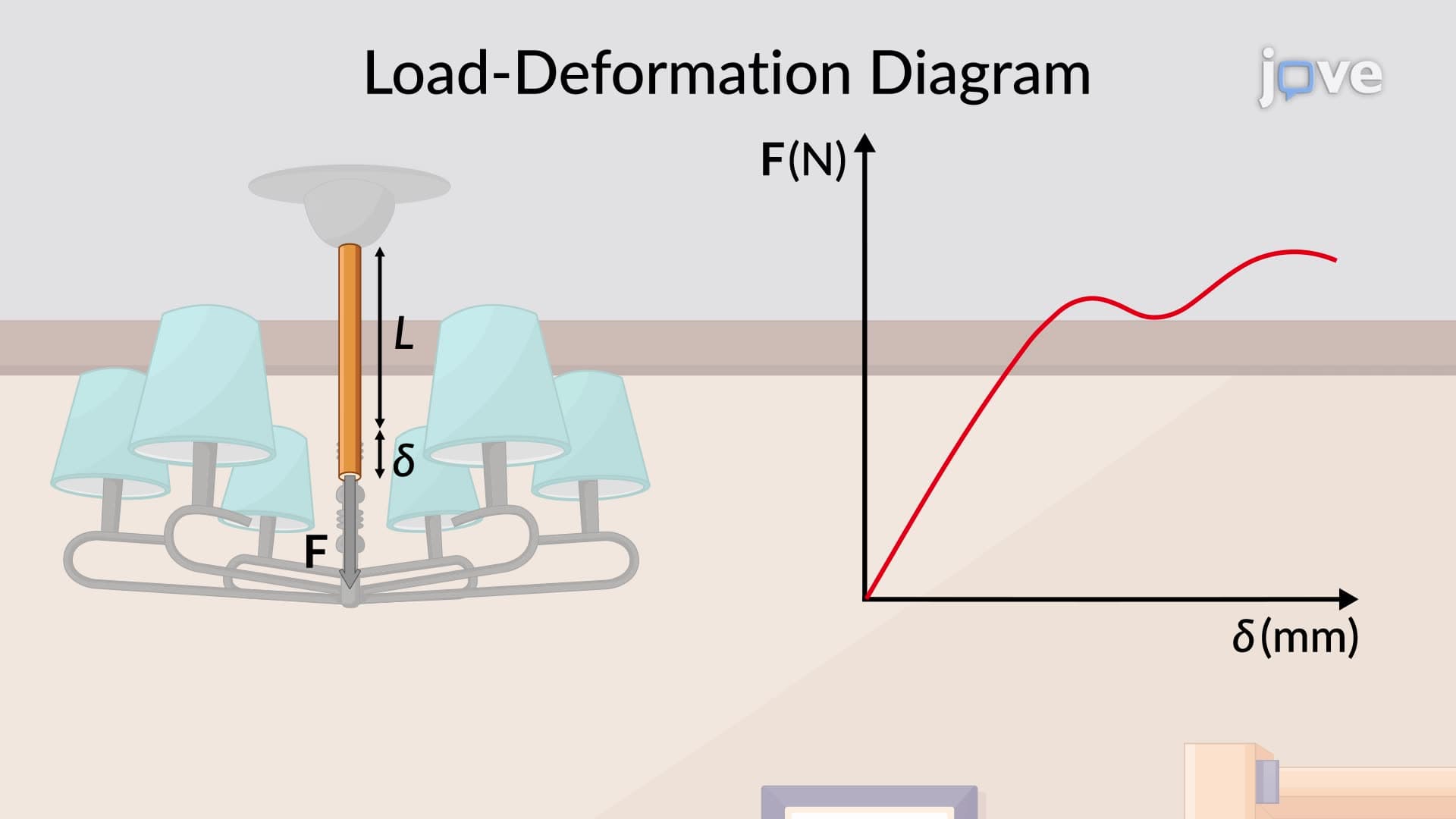
2. Stress-Strain Relationships and Material Characterization Stress-strain diagrams reveal crucial material properties including yield strength, ultimate strength, and elastic modulus. Ductile materials like structural steel exhibit distinct yield points and significant plastic deformation before failure, making them ideal for earthquake-resistant buildings in California. Brittle materials like concrete show minimal plastic behavior, requiring careful design considerations in compression structures. These diagrams guide material selection for everything from aircraft components to highway overpasses across the United States.
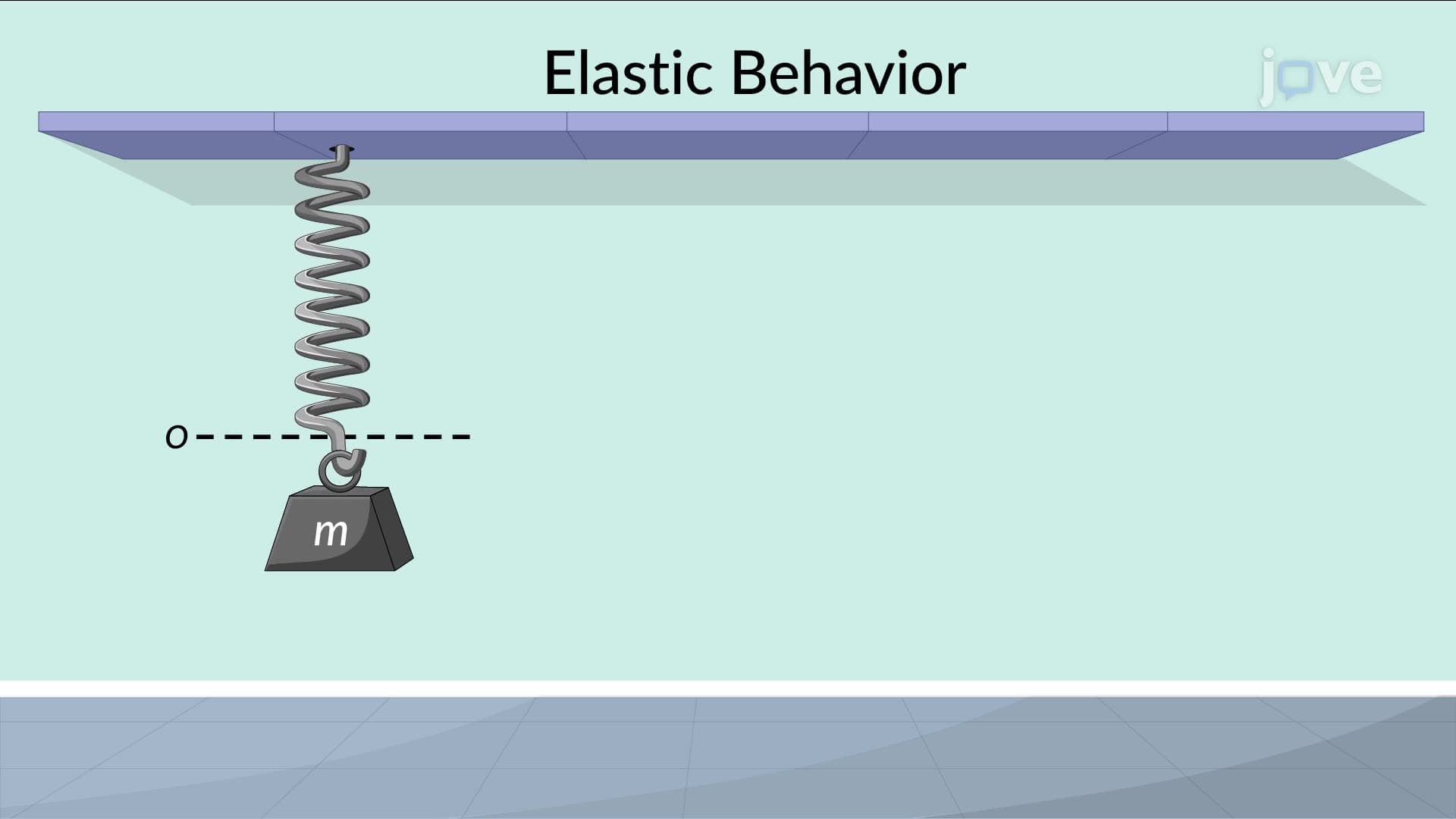
3. Hooke's Law and Elastic Material Behavior Hooke's law establishes the linear relationship between stress and strain within the elastic limit, where stress equals the elastic modulus times strain. This fundamental principle enables engineers to predict structural behavior under service loads. The elastic modulus represents material stiffness - steel's high modulus makes it excellent for high-rise construction like New York's skyscrapers, while aluminum's lower modulus suits aerospace applications where weight matters more than absolute stiffness.
4. Plastic Deformation and Strain Hardening Effects Beyond the yield point, materials undergo permanent plastic deformation with strain hardening increasing resistance to further deformation. This behavior proves crucial in seismic design where structures must absorb earthquake energy through controlled plastic deformation. Cold-working processes in manufacturing exploit strain hardening to strengthen materials, as seen in the production of high-strength bolts for infrastructure projects. Understanding plastic behavior helps engineers design structures that fail gracefully rather than catastrophically.
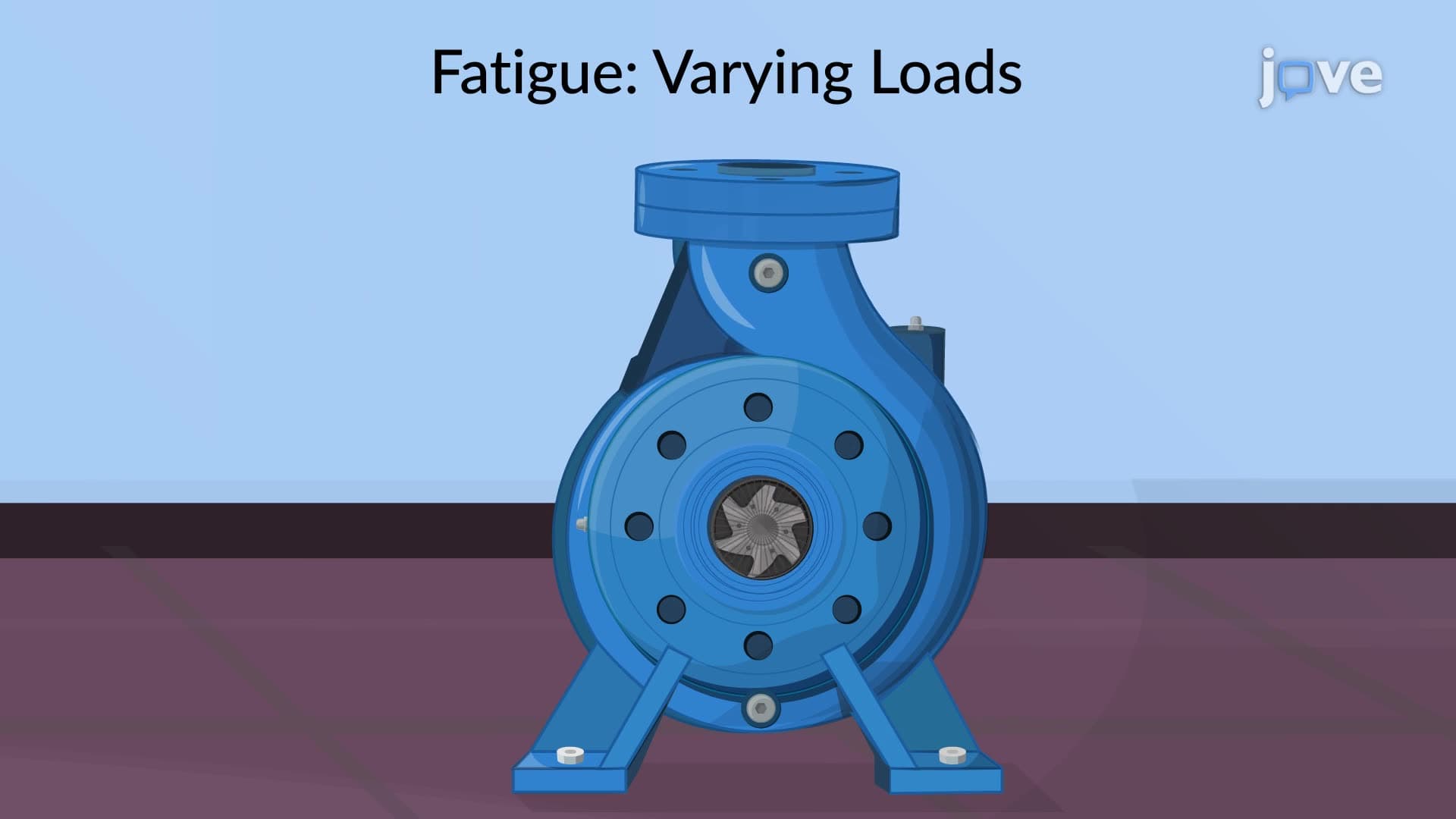
5. Fatigue Analysis and Cyclic Loading Response Fatigue failure occurs when materials rupture under repeated loading at stress levels below their ultimate strength. Bridge structures experience millions of load cycles from traffic, requiring fatigue-resistant design. The endurance limit concept helps engineers determine safe operating stresses for indefinite service life. Wind-induced vibrations in structures like the Tacoma Narrows Bridge demonstrate fatigue's importance. Modern design codes incorporate fatigue considerations for everything from aircraft wings to offshore oil platforms.
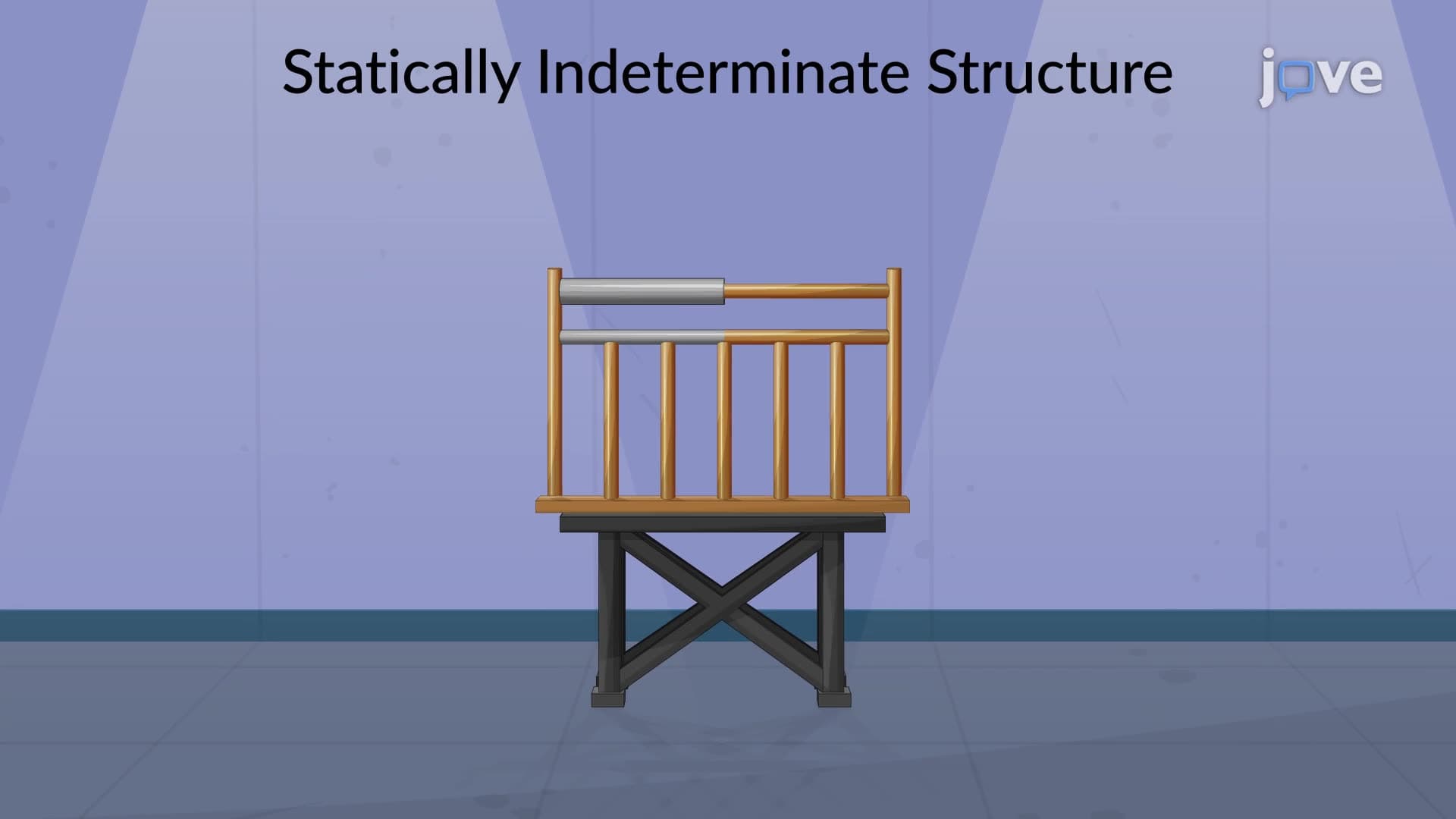
6. Statically Indeterminate Systems and Load Distribution Statically indeterminate structures have more supports than necessary for equilibrium, creating redundancy that improves safety but complicates analysis. The superposition method combines effects of individual loads to determine reactions and deflections. Consider a continuous beam bridge where removing one support doesn't cause collapse - this redundancy provides safety margin. Thermal expansion joints in highways demonstrate how engineers manage thermal stresses in indeterminate systems while maintaining structural integrity.
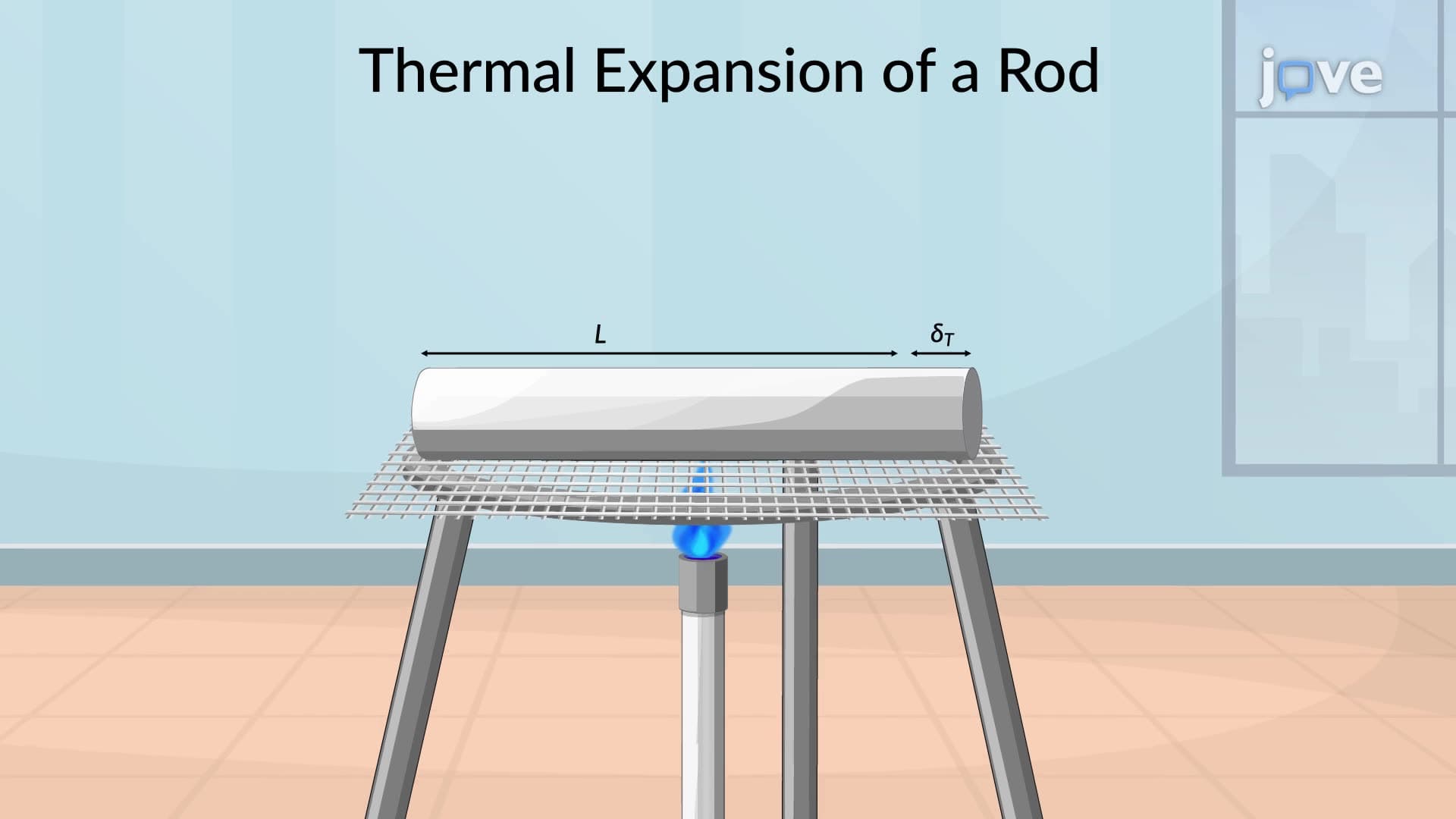
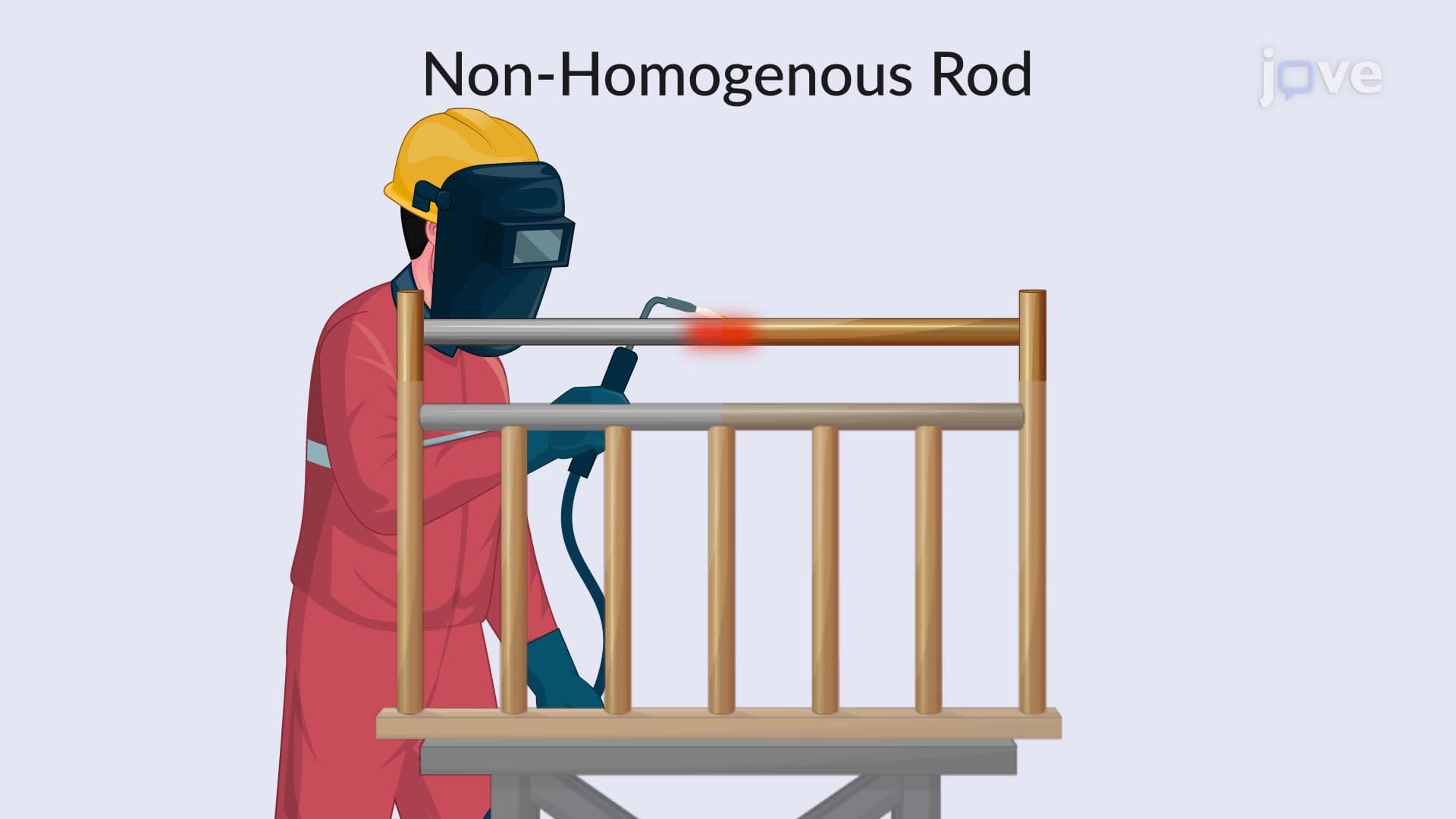
7. Thermal Effects and Temperature-Dependent Behavior Thermal strain occurs when materials expand or contract due to temperature changes, independent of mechanical loading. Constrained thermal expansion creates significant thermal stresses, as seen in concrete pavements and steel railway tracks during extreme temperature variations. The coefficient of thermal expansion varies by material - steel bridges require expansion joints while concrete structures use control joints. Understanding thermal effects prevents buckling in hot weather and cracking during cold spells.
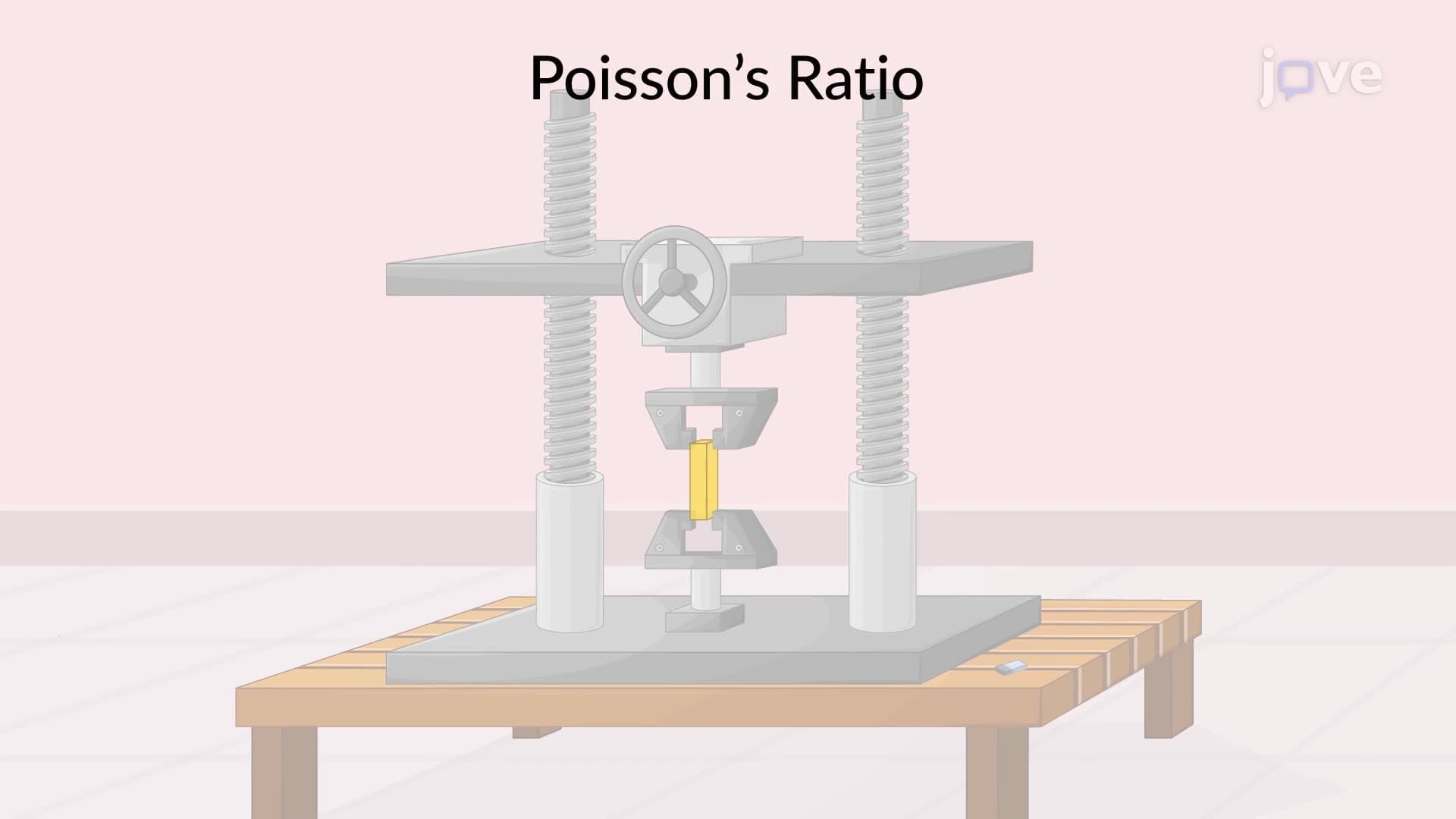
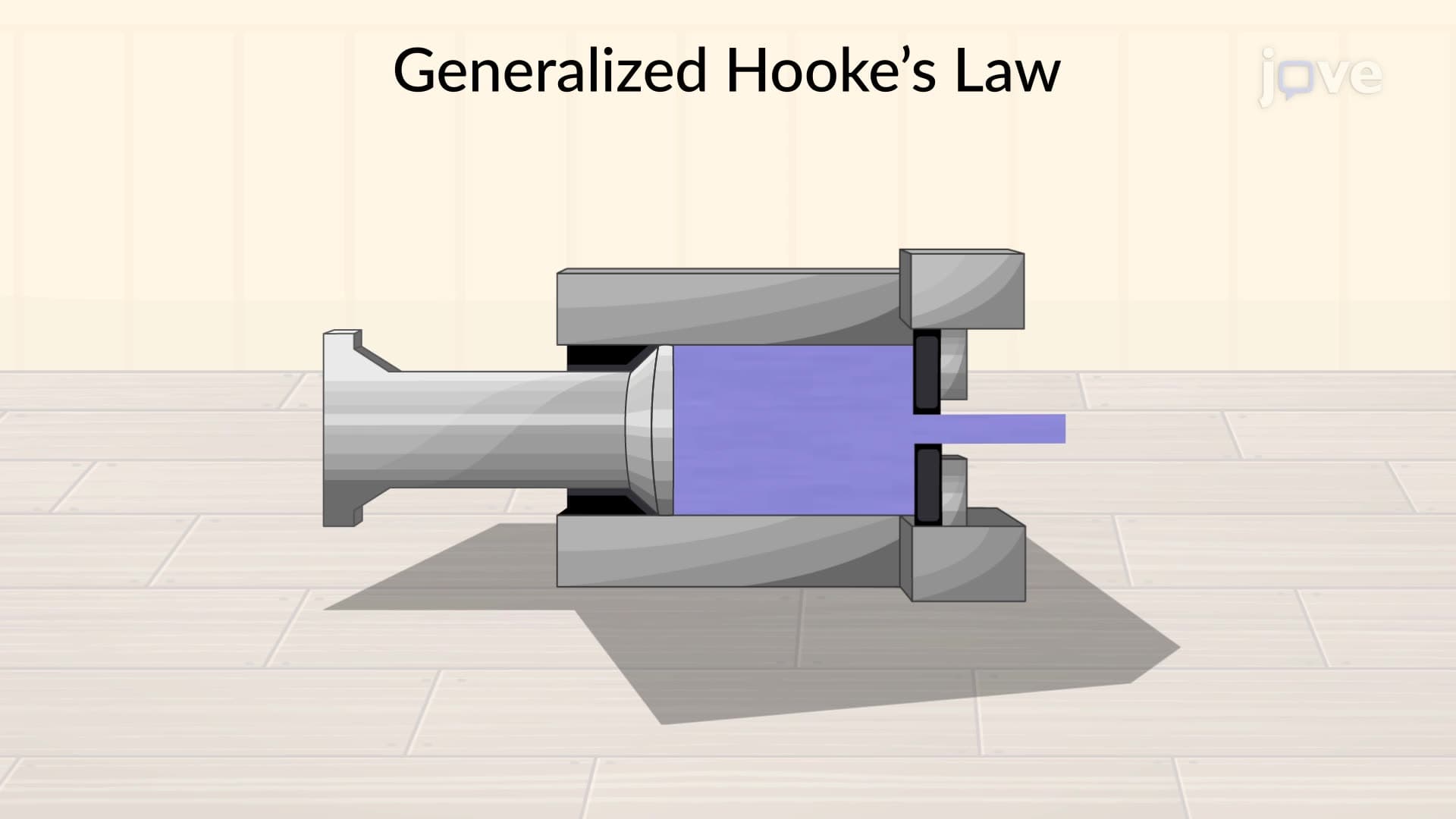
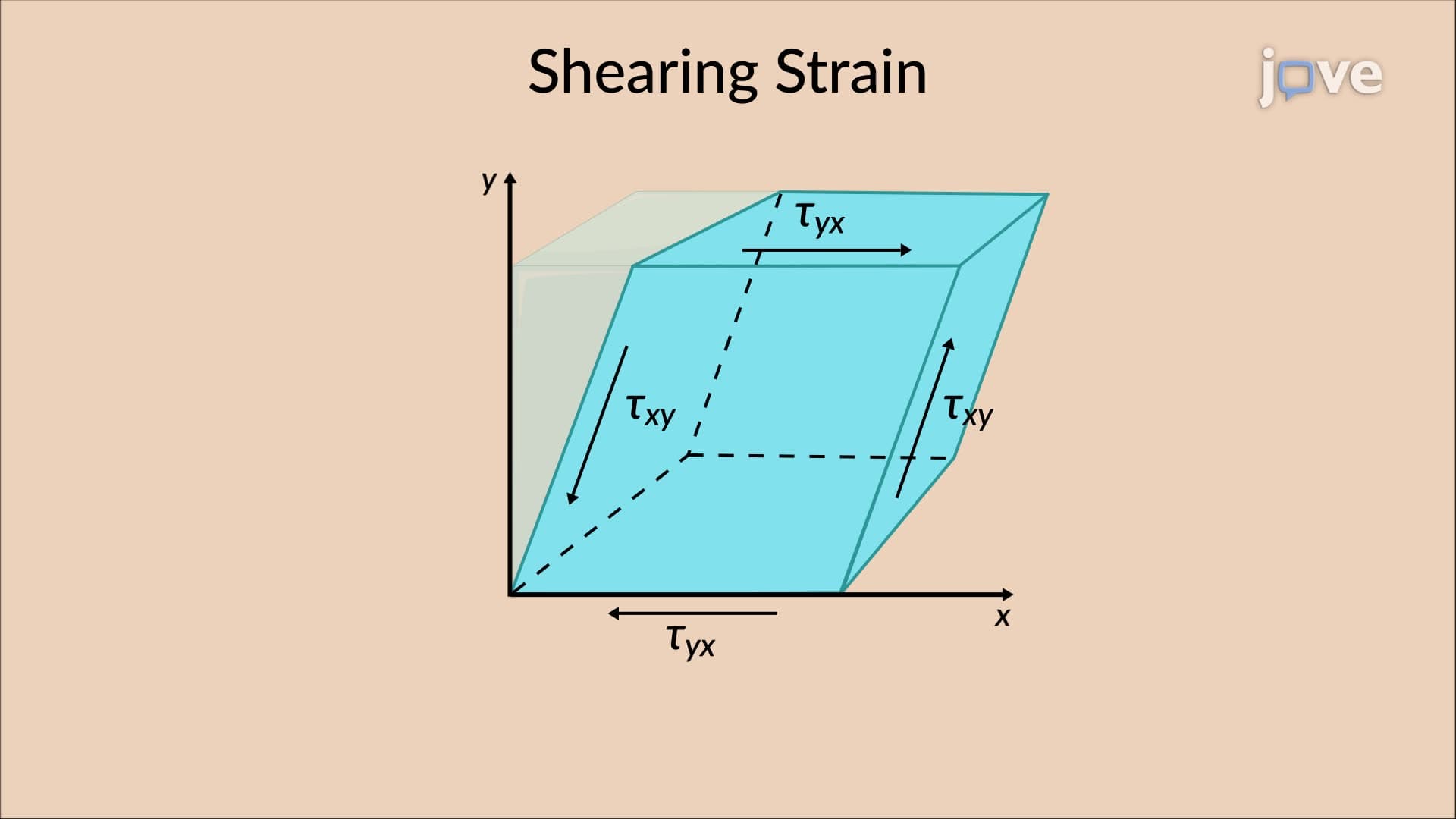
8. Multiaxial Stress States and Poisson's Effect Real structures experience complex loading creating multiaxial stress states requiring generalized Hooke's law analysis. Poisson's ratio describes lateral strain accompanying axial deformation - materials contract laterally under tension and expand under compression. This effect influences pressure vessel design where circumferential stresses interact with axial stresses. Understanding multiaxial behavior helps engineers design everything from aircraft fuselages to underground pipelines subjected to soil pressure and internal fluid pressure.