13 Concepts
10 Concepts
17 Concepts
6 Concepts
20 Concepts
9 Concepts
17 Concepts
14 Concepts
19 Concepts
13 Concepts
12 Concepts
12 Concepts
4 Concepts
5 Concepts
12 Concepts
13 Concepts
10 Concepts
8 Concepts
20 Concepts
12 Concepts
18 Concepts
4 Concepts
6 Concepts
10 Concepts
4 Concepts
9 Concepts
7 Concepts
8 Concepts
Bending is a fundamental concept in structural mechanics where materials experience internal stresses and deformations when subjected to moments or couples. This comprehensive course explores pure bending, flexural stress distribution, and the behavior of symmetric and curved members under various loading conditions. Students will master the flexure formula and its applications in real-world engineering problems, from analyzing bridge beams to understanding how curved crane hooks resist failure.
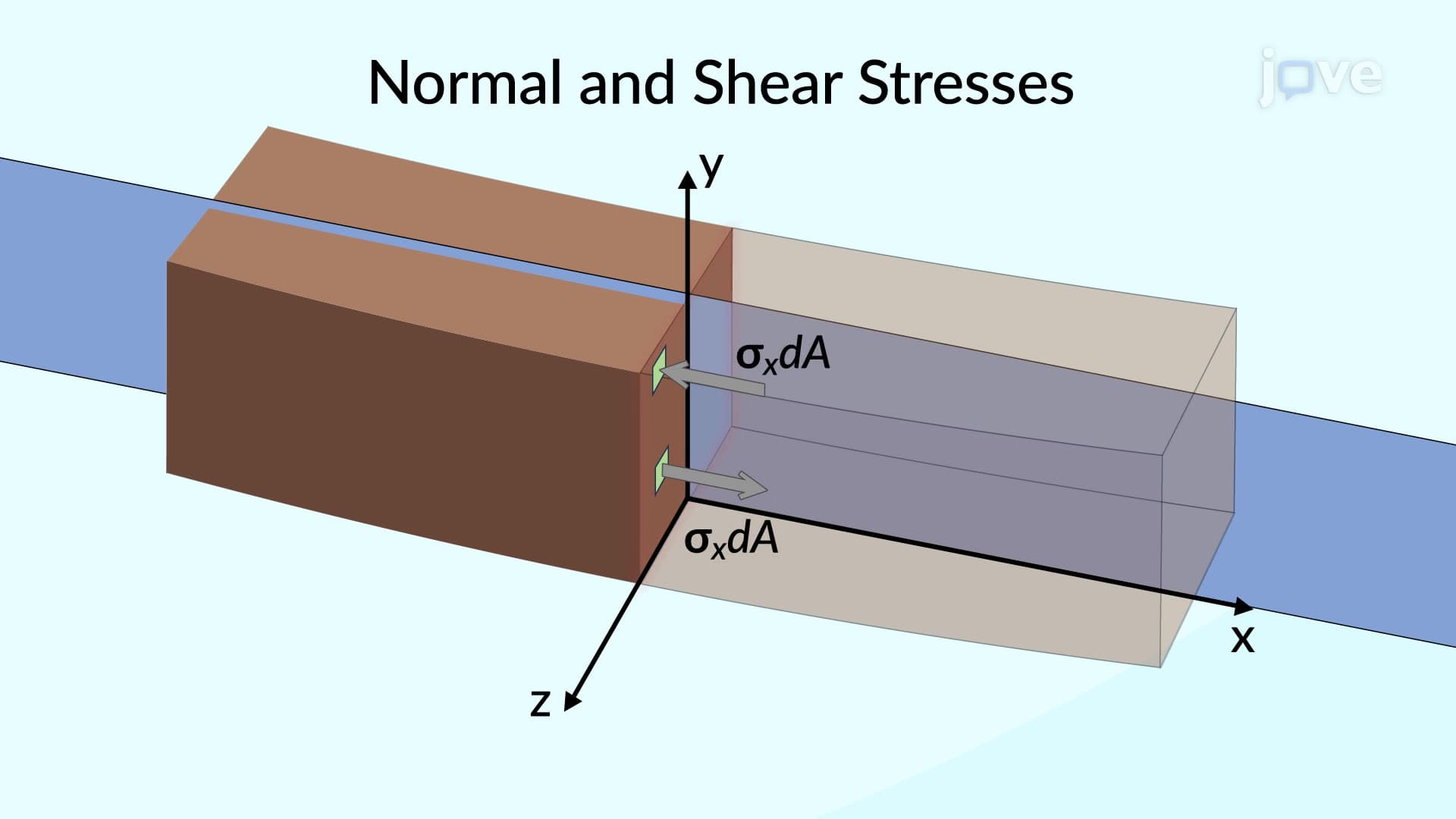
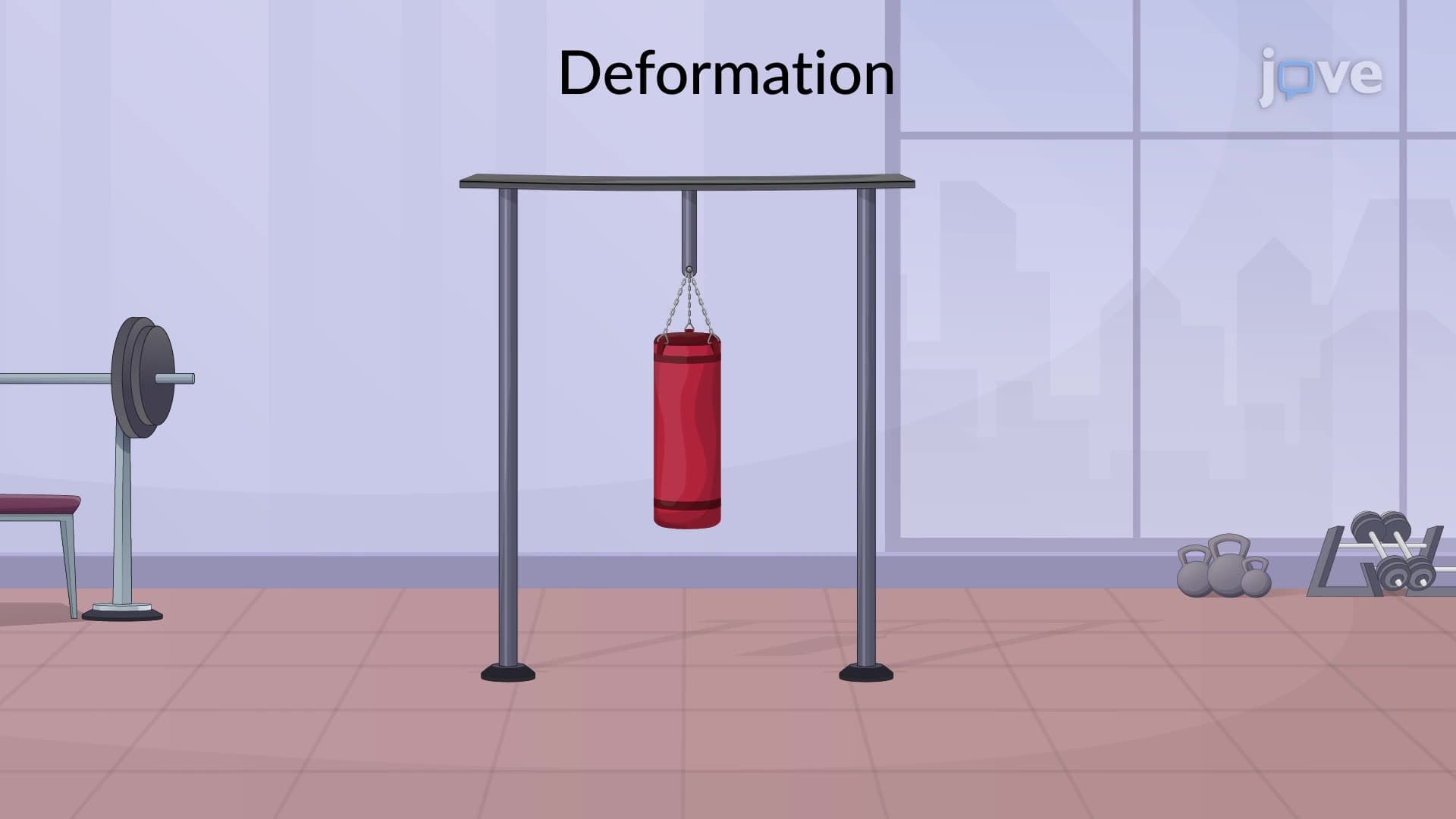
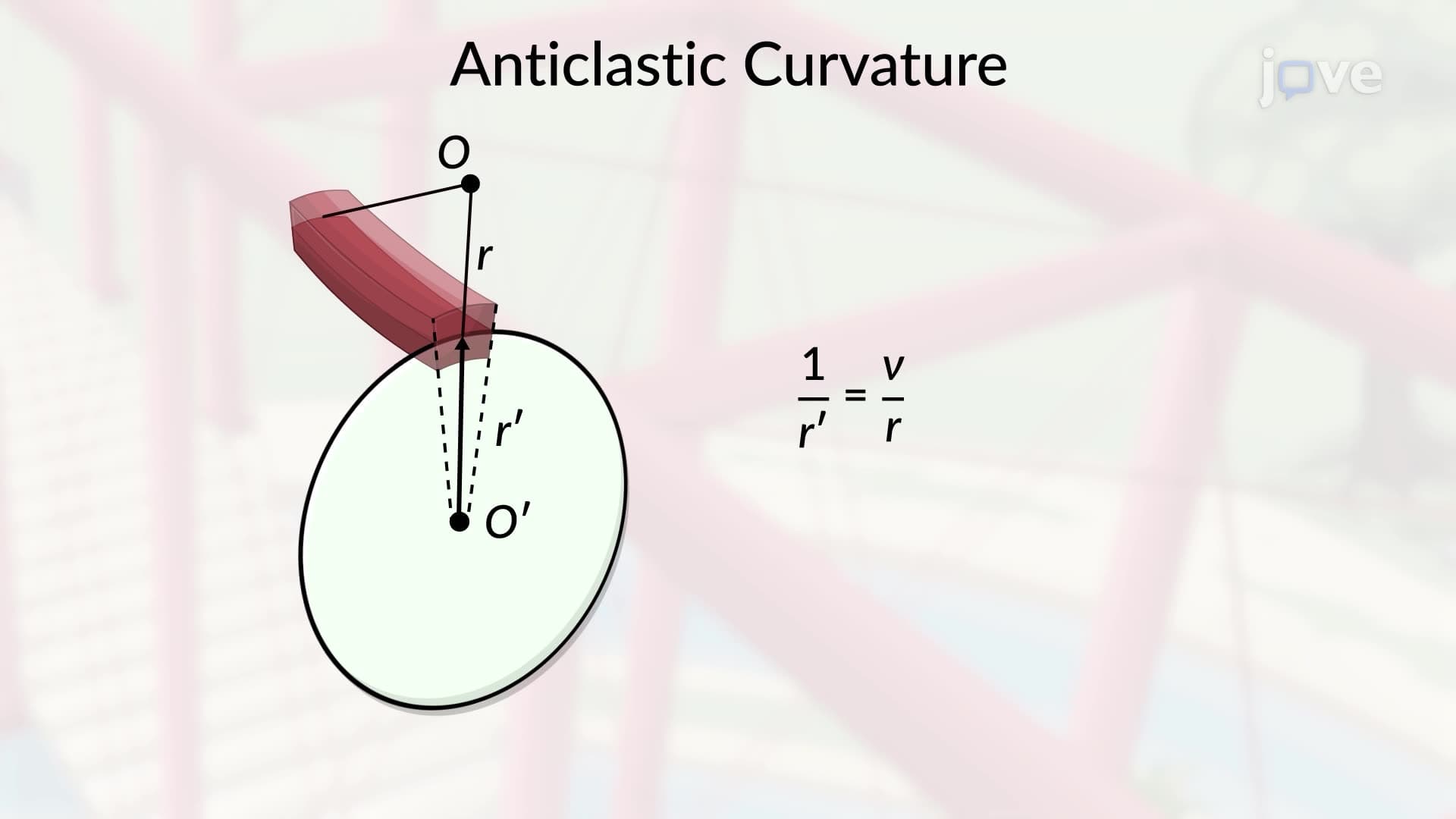
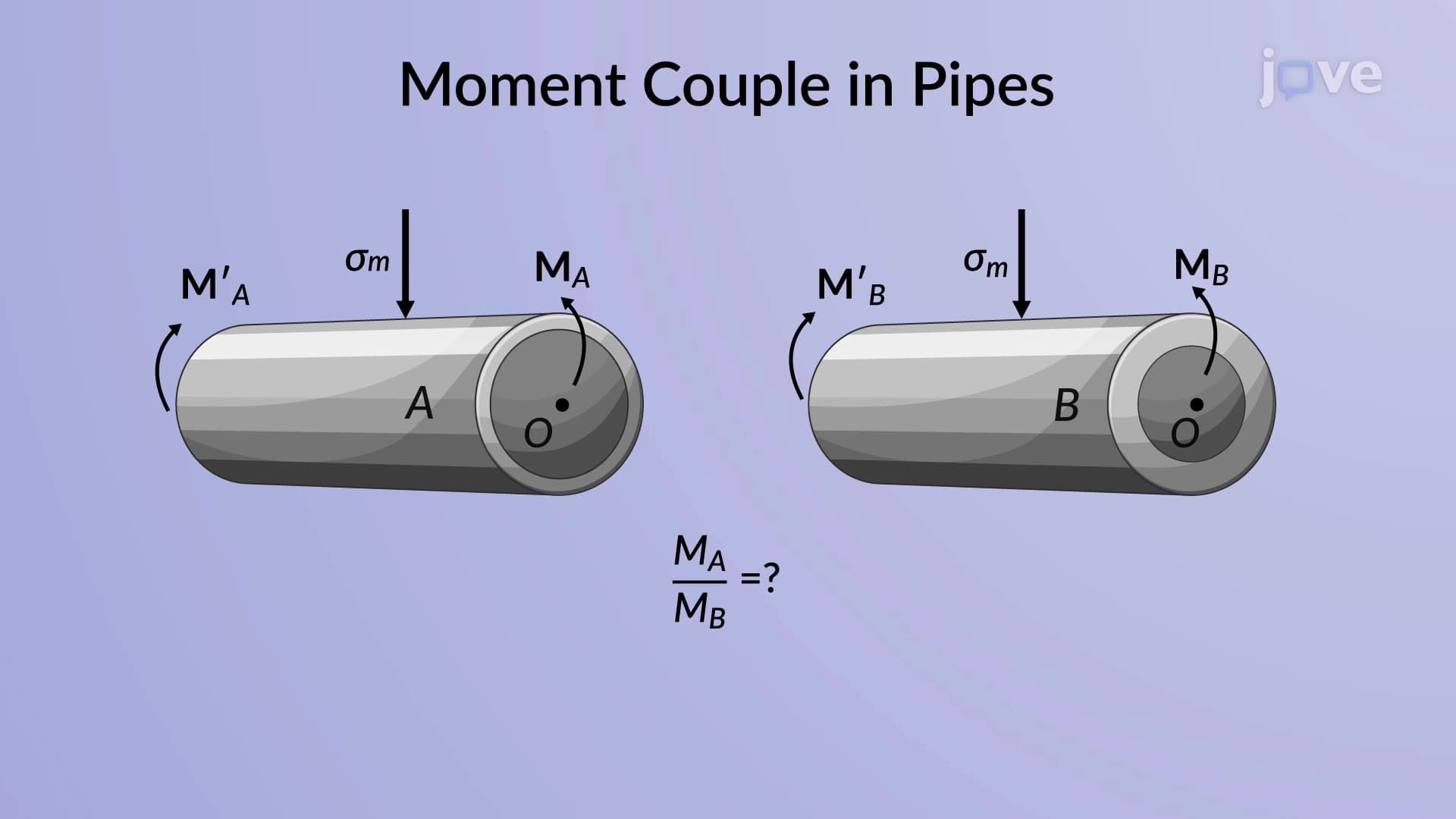
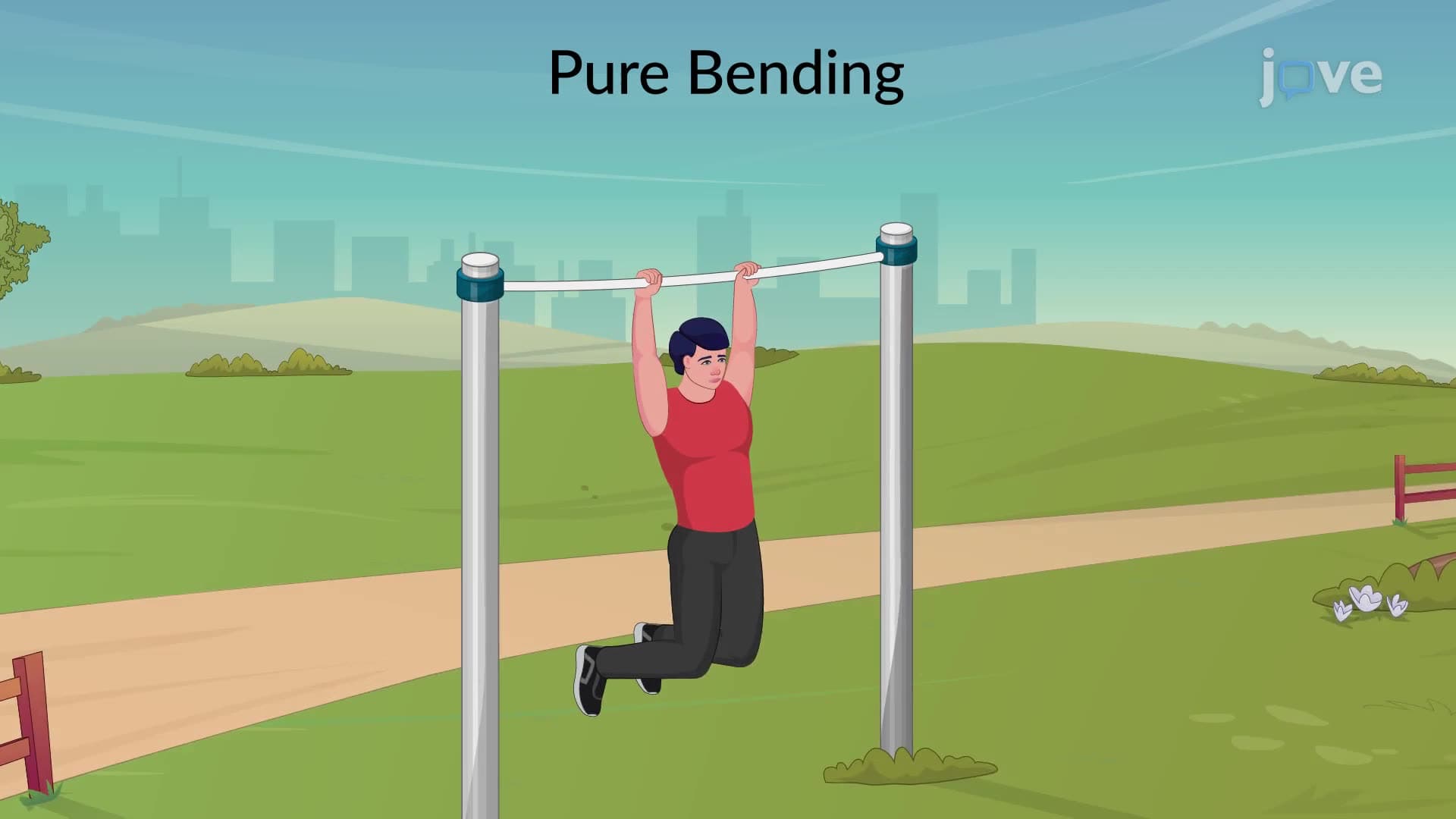
1. Pure Bending and Symmetric Members: Pure bending occurs when equal and opposite couples act on a prismatic member with a plane of symmetry, creating uniform curvature without direct forces. This fundamental concept applies to many structural elements, from the center section of a loaded diving board to bridge girders under distributed loads. The analysis assumes the member remains within elastic limits and experiences uniform stress distribution across symmetric sections.
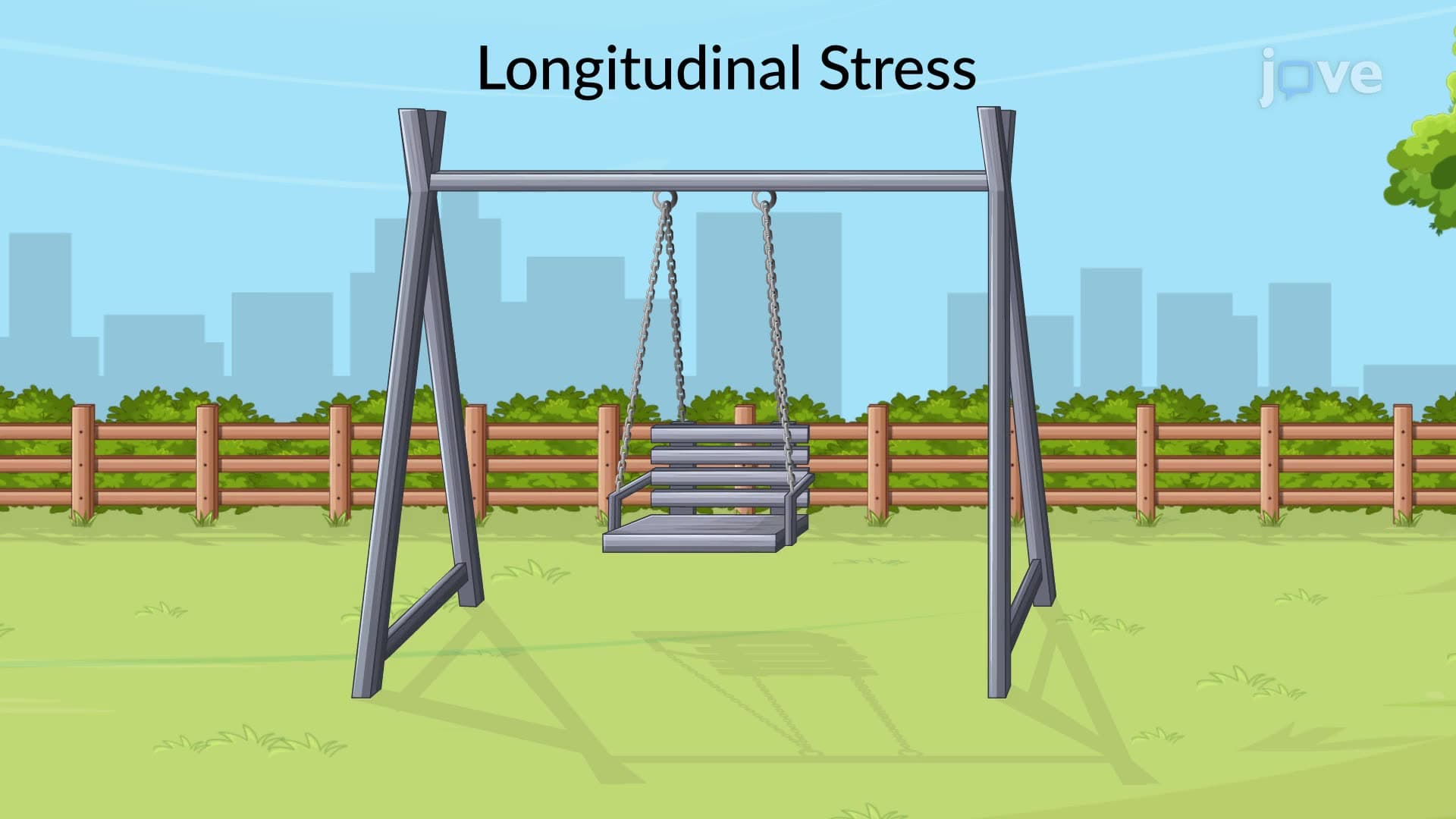
2. Flexural Stress and the Elastic Flexure Formula: The elastic flexure formula (σ = My/I) relates bending stress to the applied moment (M), distance from the neutral axis (y), and moment of inertia (I). This critical relationship shows that stress varies linearly across a beam's cross-section, with maximum tension and compression at the extreme fibers. Understanding this formula is essential for designing safe structural members in buildings, bridges, and mechanical components.
3. Neutral Axis and Strain Distribution: The neutral axis represents the line of zero stress and strain within a bent member, typically passing through the centroid of symmetric sections. Material above this axis experiences compression while material below experiences tension during positive bending. This concept explains why I-beams are efficient structural shapes and why reinforcing steel is placed in concrete's tension zones in building construction.
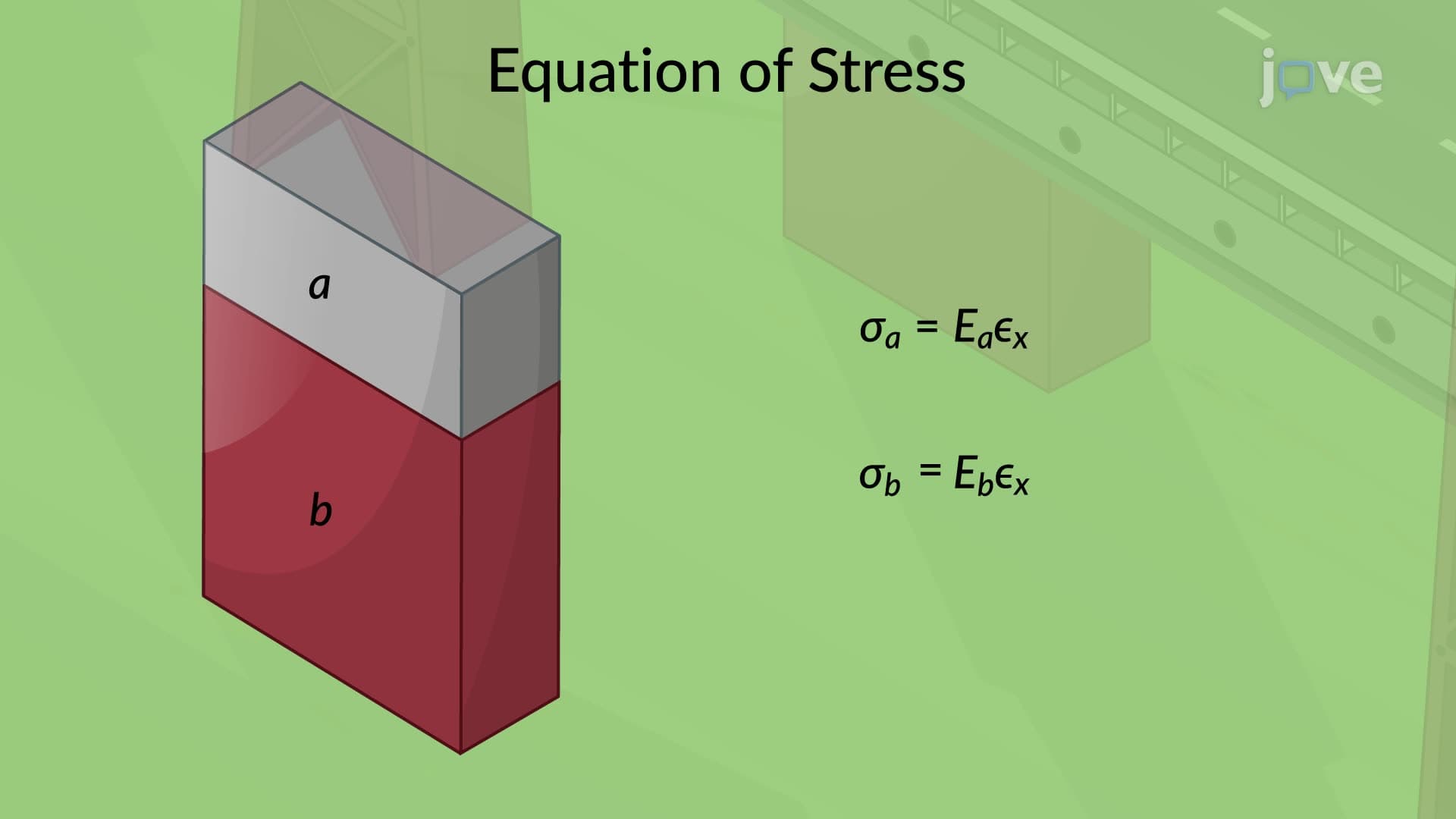
4. Composite and Multi-Material Members: When members consist of different materials (like steel-reinforced concrete beams), the transformed section method accounts for varying elastic moduli. Materials with higher stiffness carry proportionally more load, requiring careful analysis to prevent premature failure. This principle is crucial in modern construction where composite materials like fiber-reinforced polymers are increasingly used alongside traditional materials.
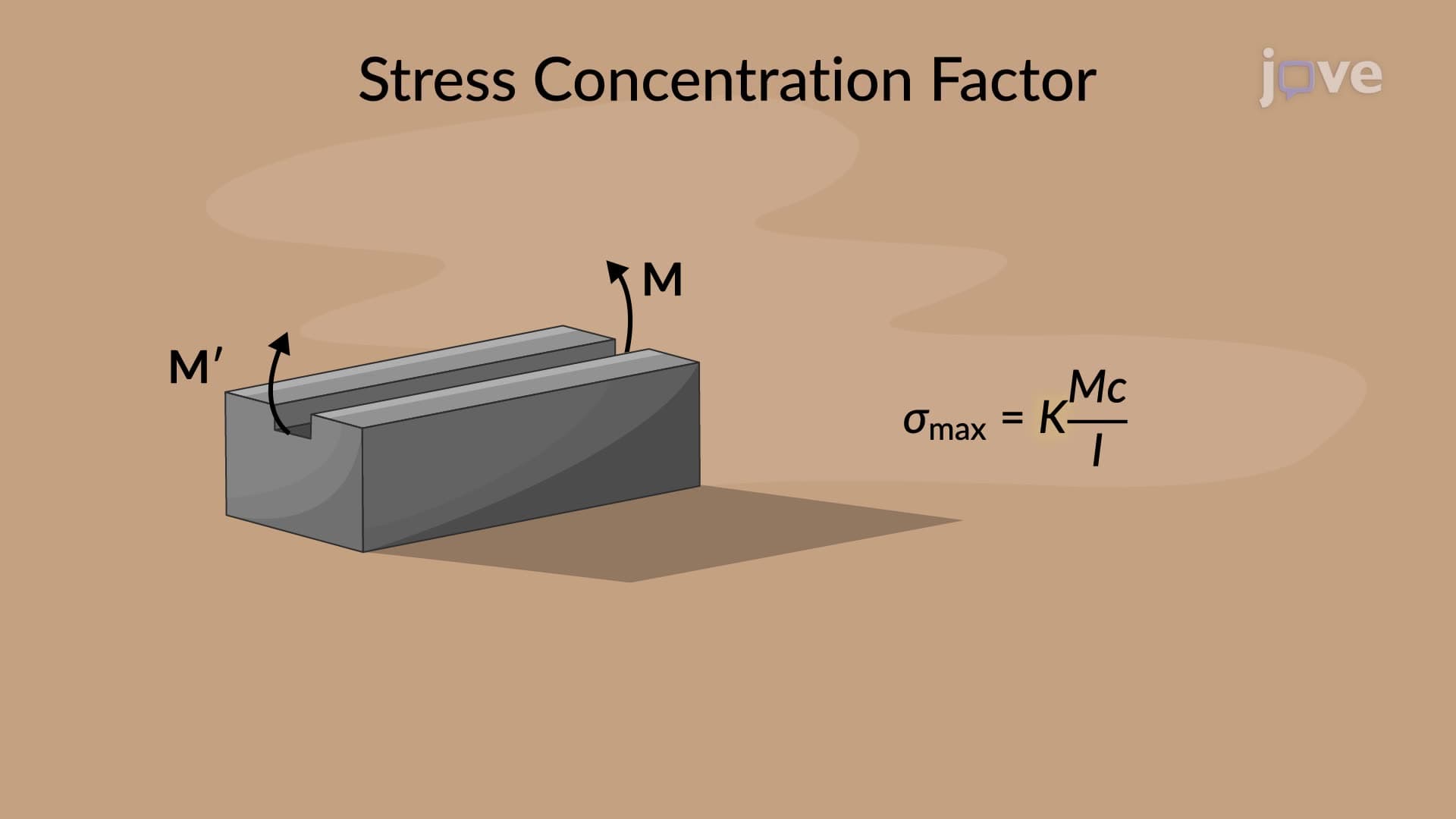
5. Stress Concentrations and Geometric Discontinuities: Real structural members often have holes, notches, or changes in cross-section that create stress concentrations. The stress concentration factor quantifies how much actual stress exceeds nominal calculated stress at these discontinuities. Understanding this concept is vital for designing components like aircraft frames with rivet holes or machinery parts with keyways and grooves.
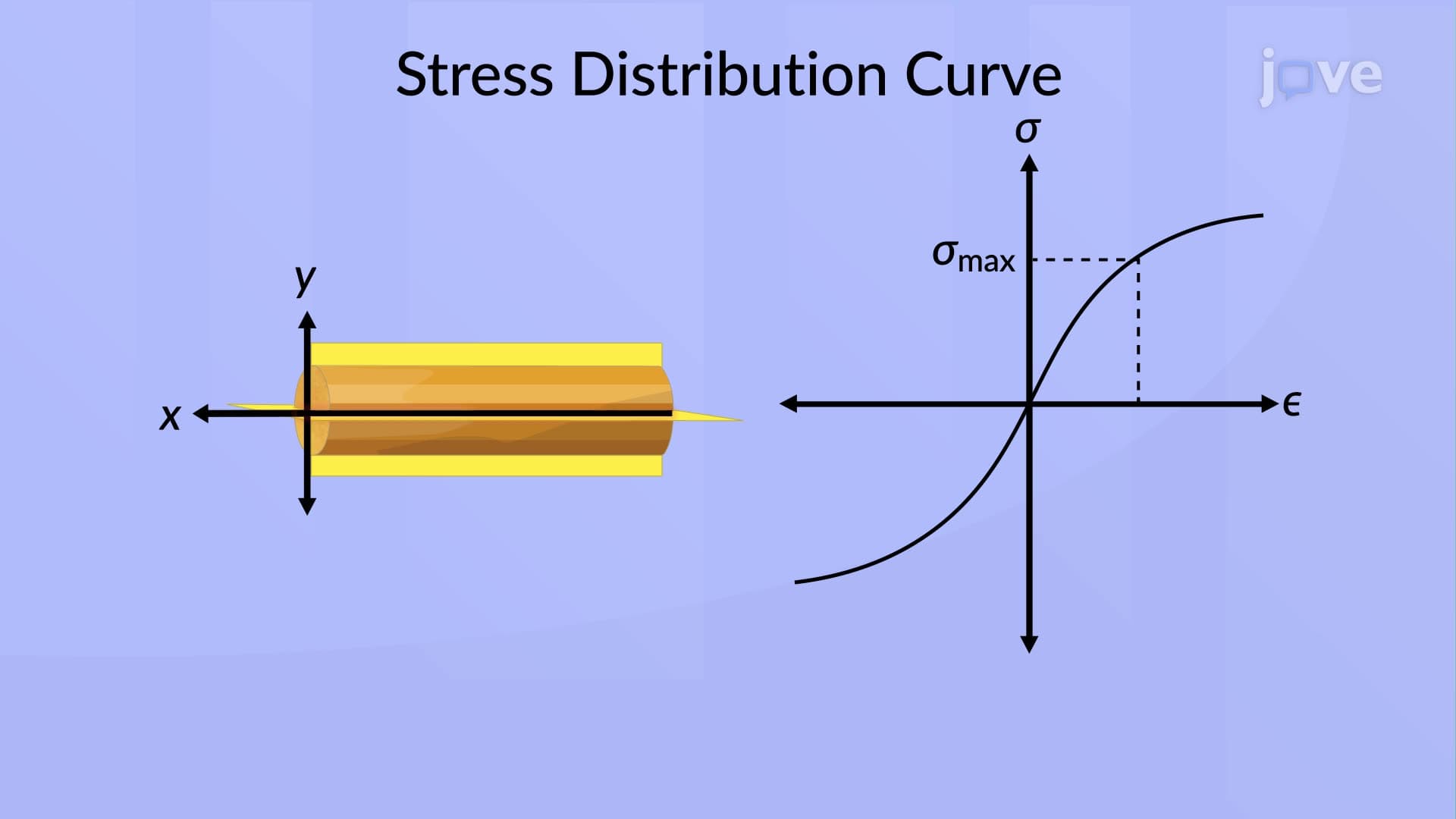
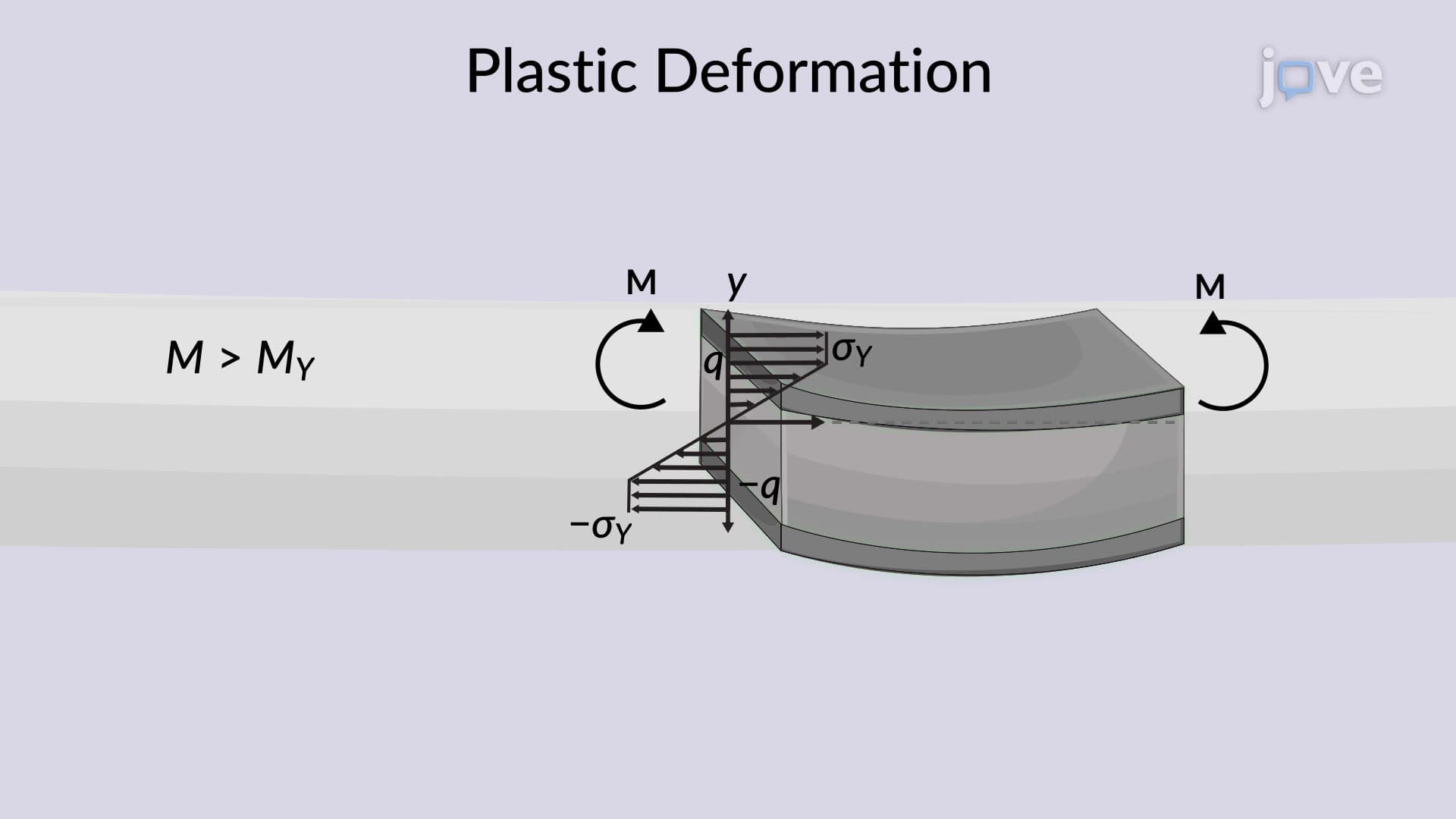
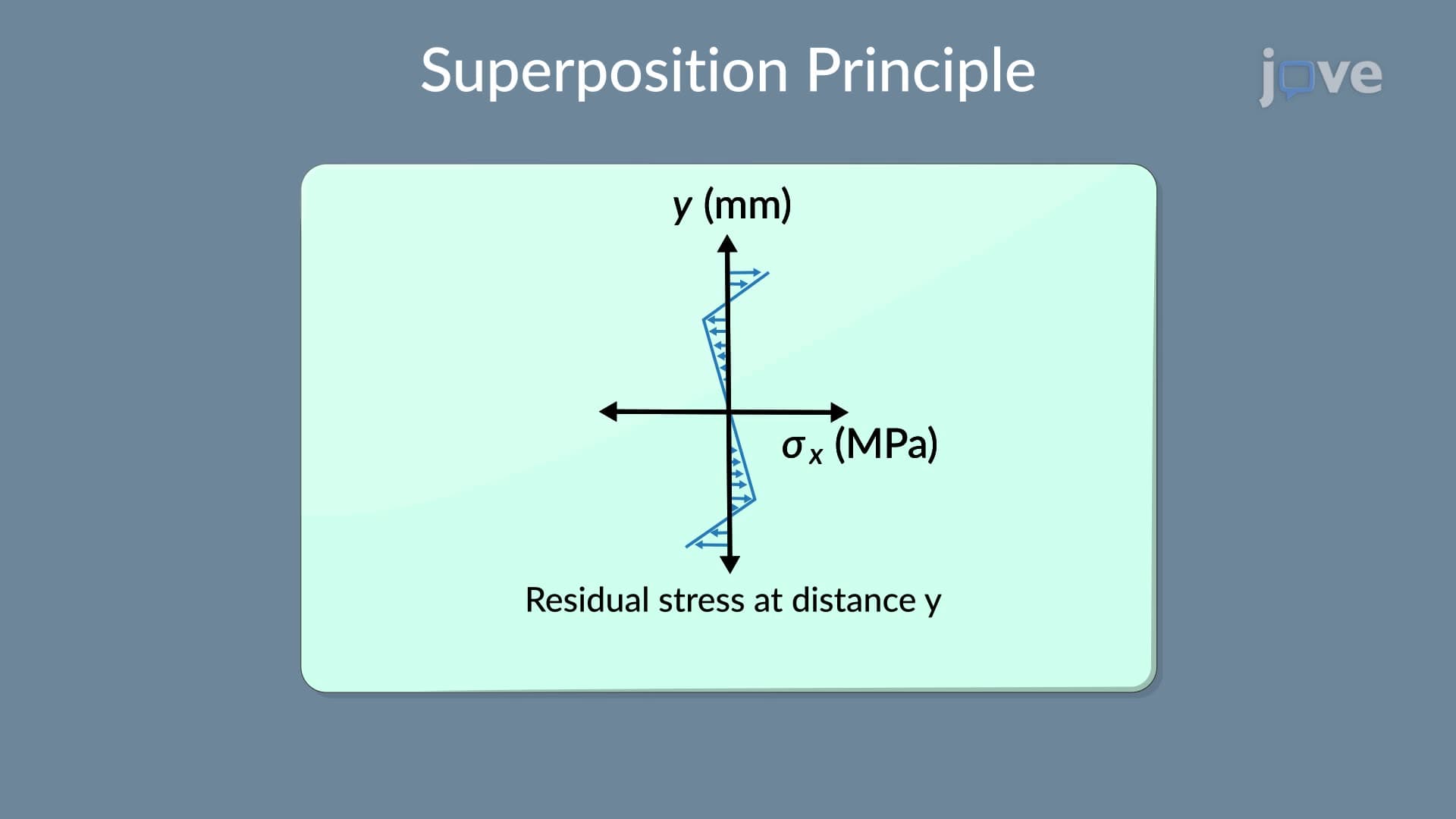
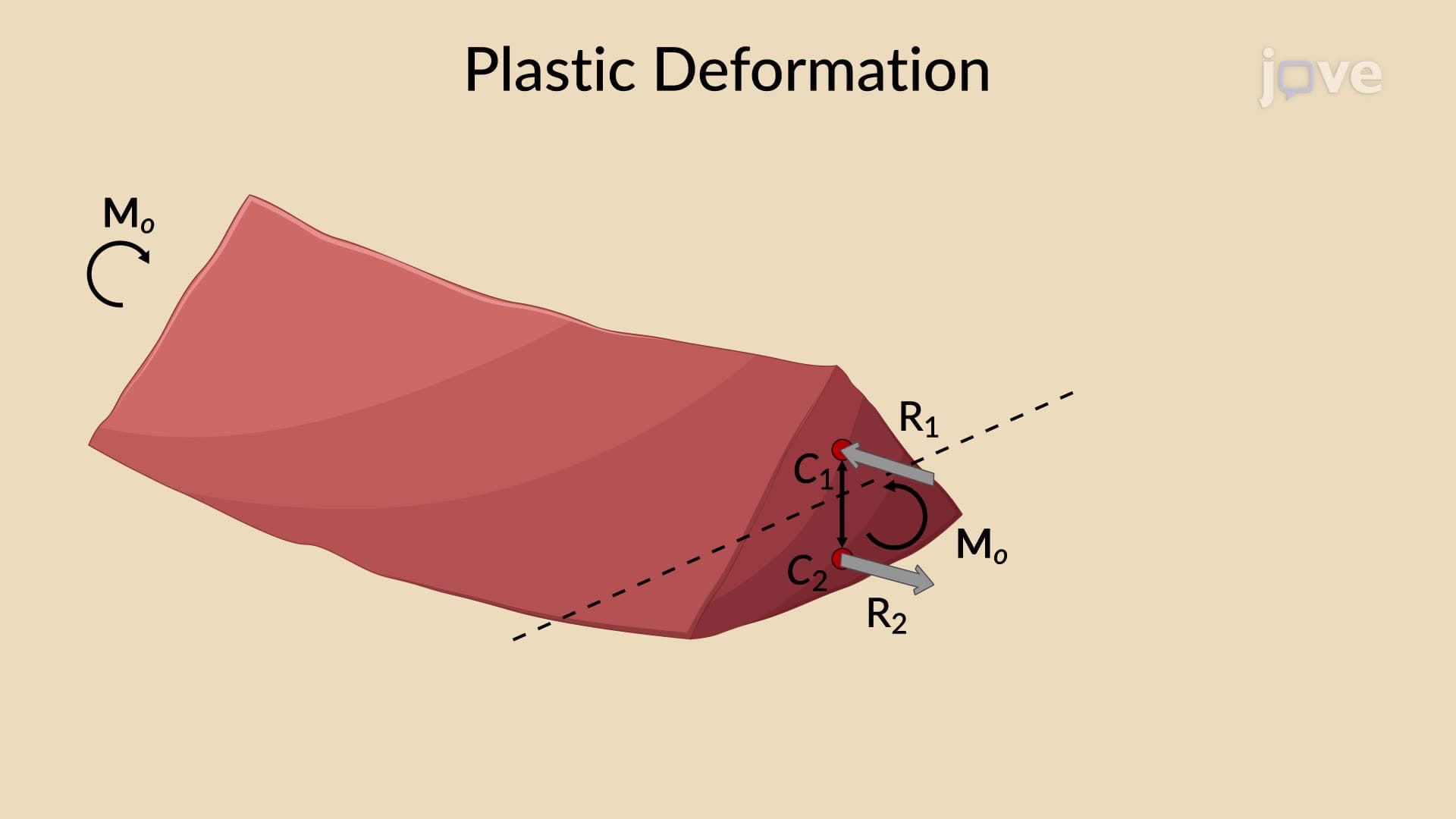
6. Plastic Deformation and Ultimate Strength: When bending moments exceed the elastic limit, plastic hinges form where the entire cross-section yields. This behavior is important for understanding structural collapse mechanisms and designing earthquake-resistant buildings that can undergo controlled plastic deformation. The transition from elastic to plastic behavior involves complex stress redistribution across the member's cross-section.
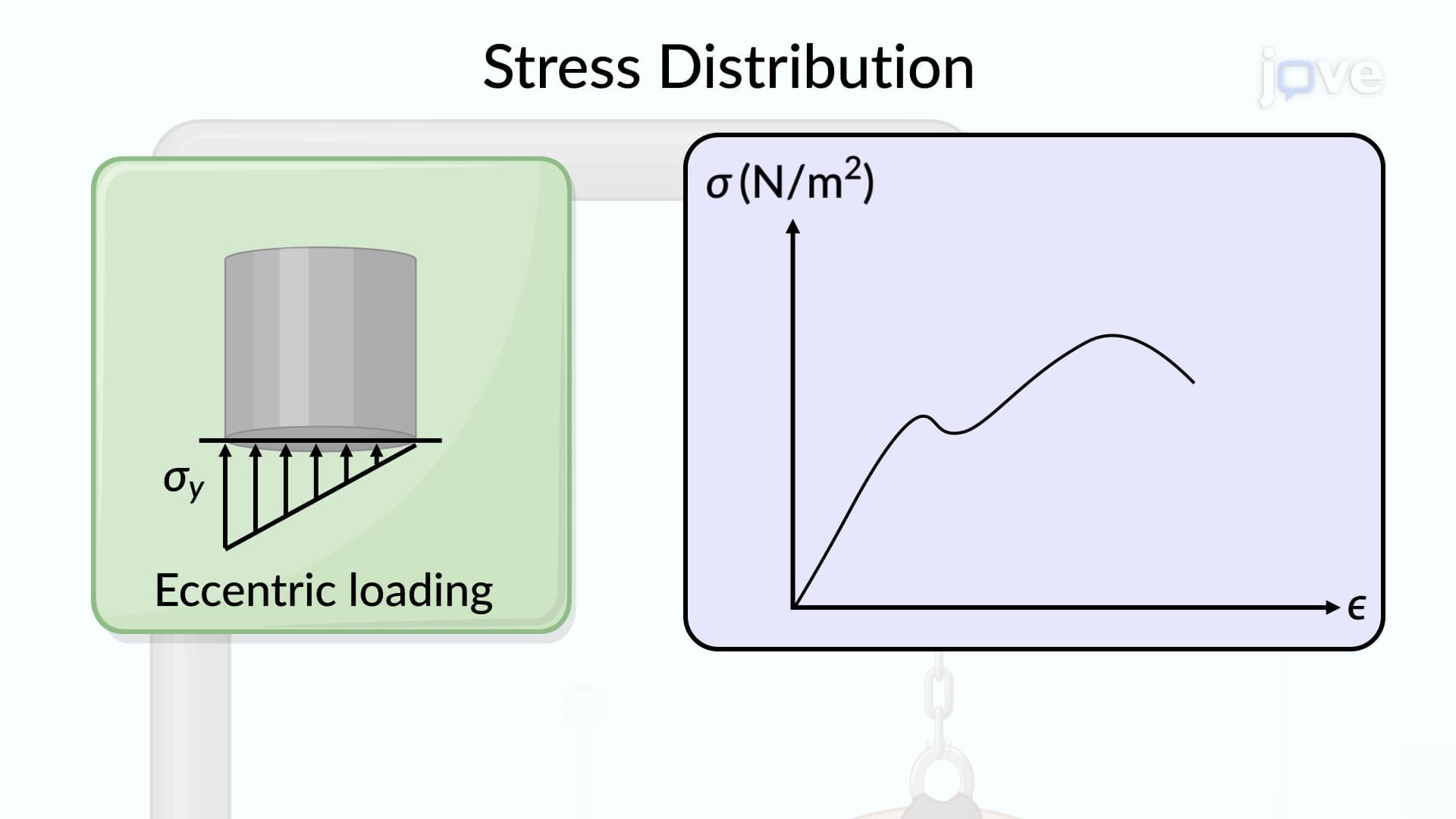
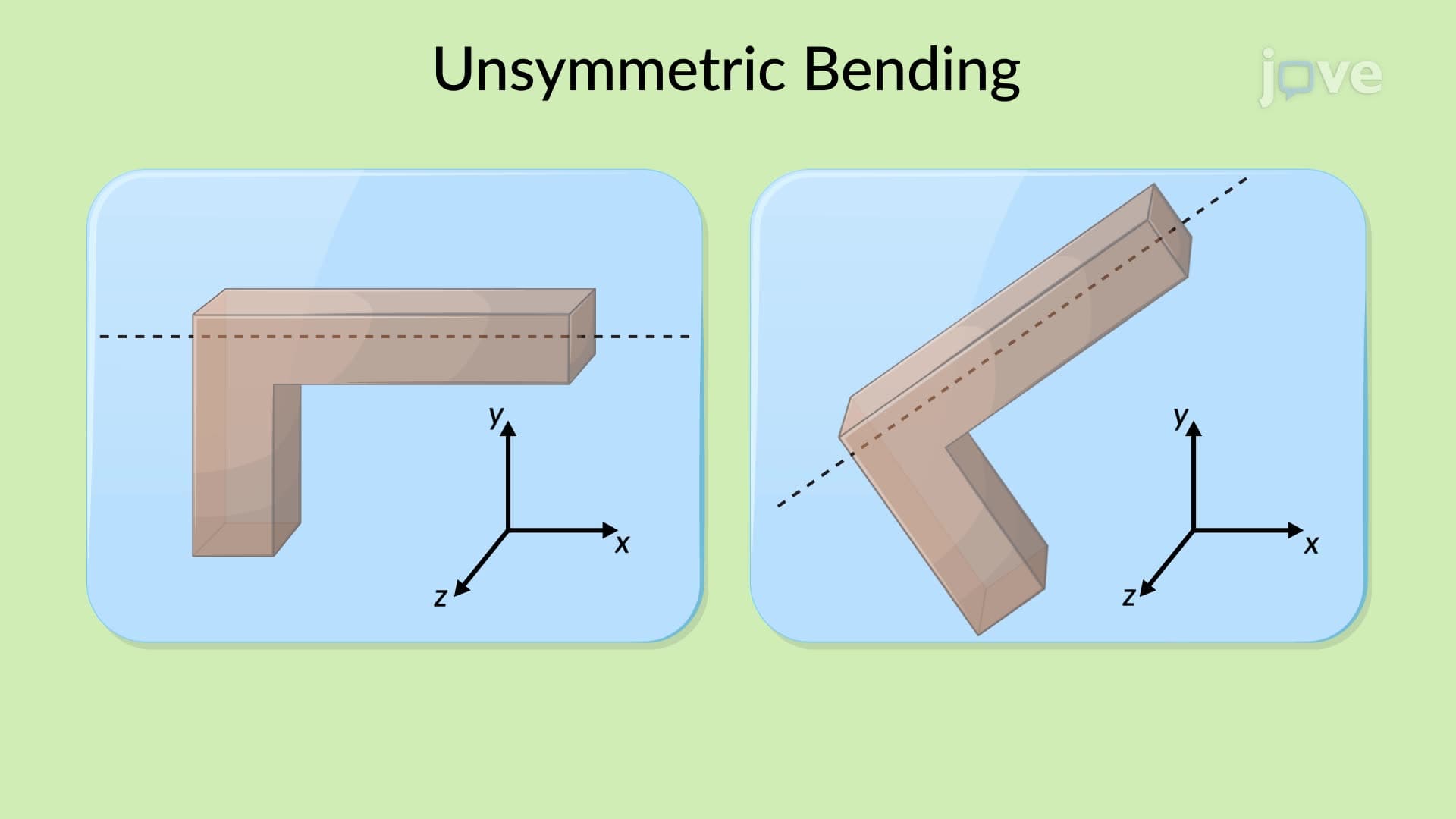
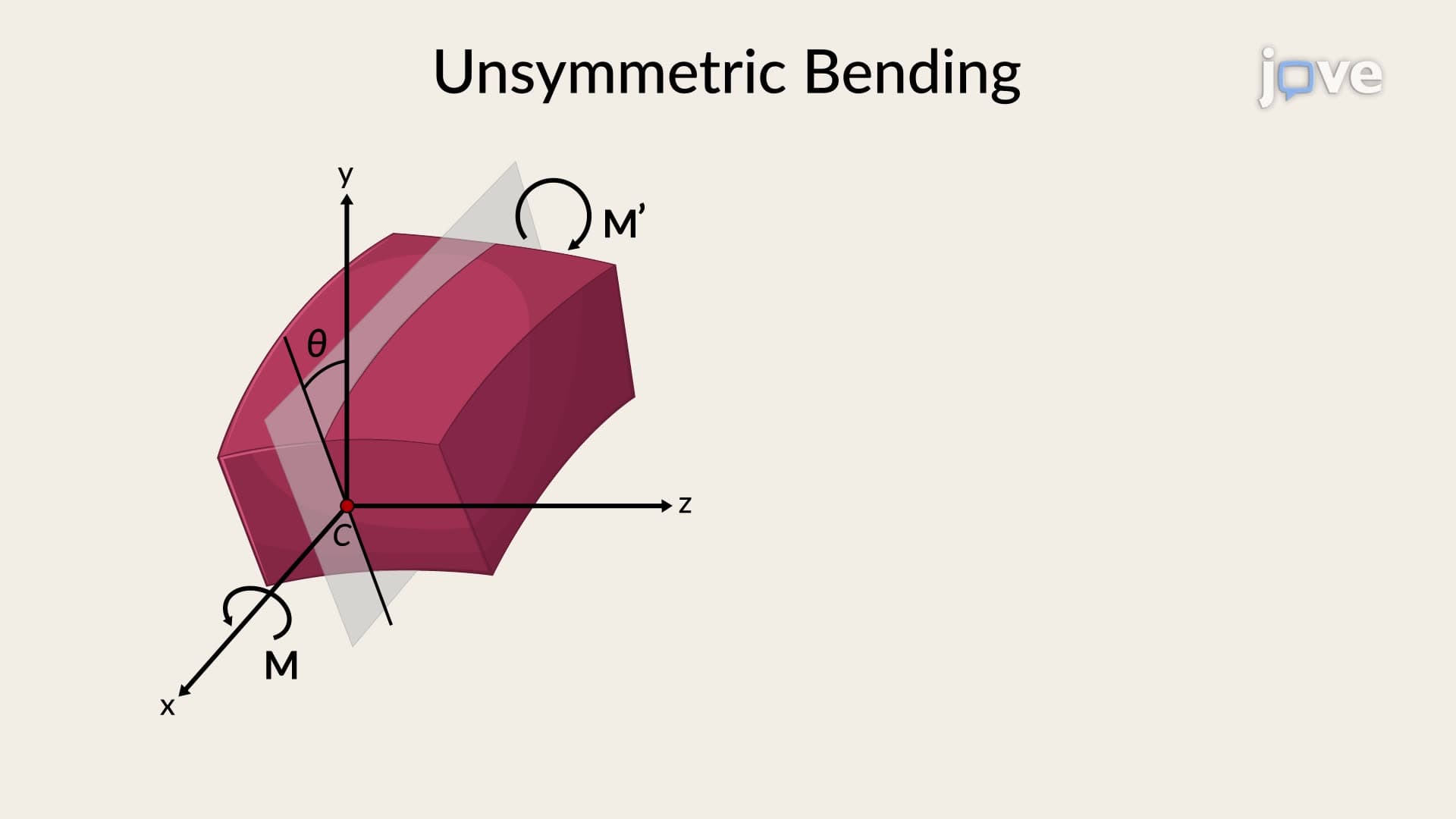
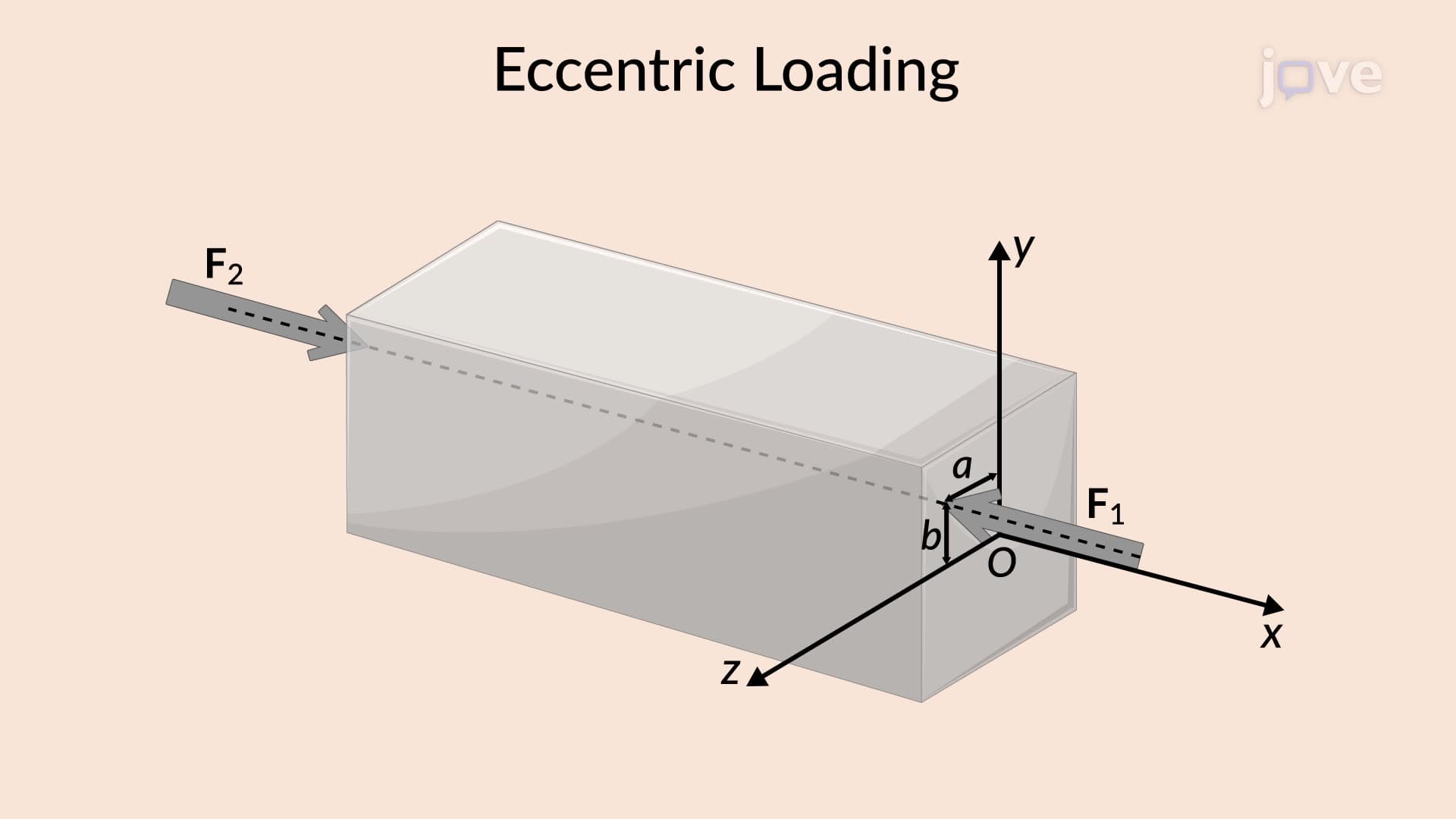
7. Eccentric and Unsymmetric Loading: Real loads often don't align perfectly with structural centroids, creating combined axial and bending effects. Eccentric loading produces linear stress distributions that can result in tension on one side and compression on the other. This principle applies to column design in buildings and understanding how wind loads create combined stresses in tower structures.
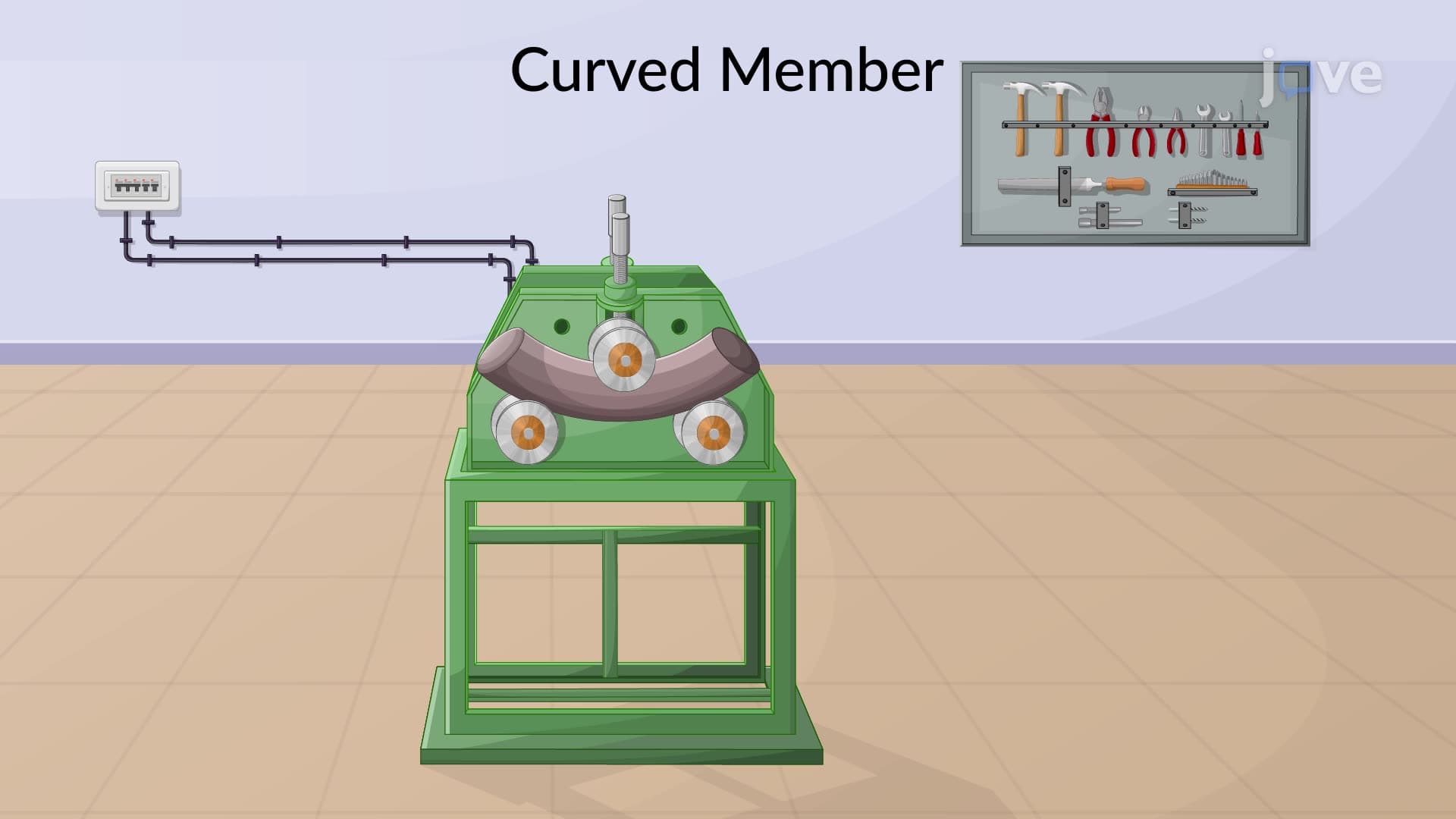
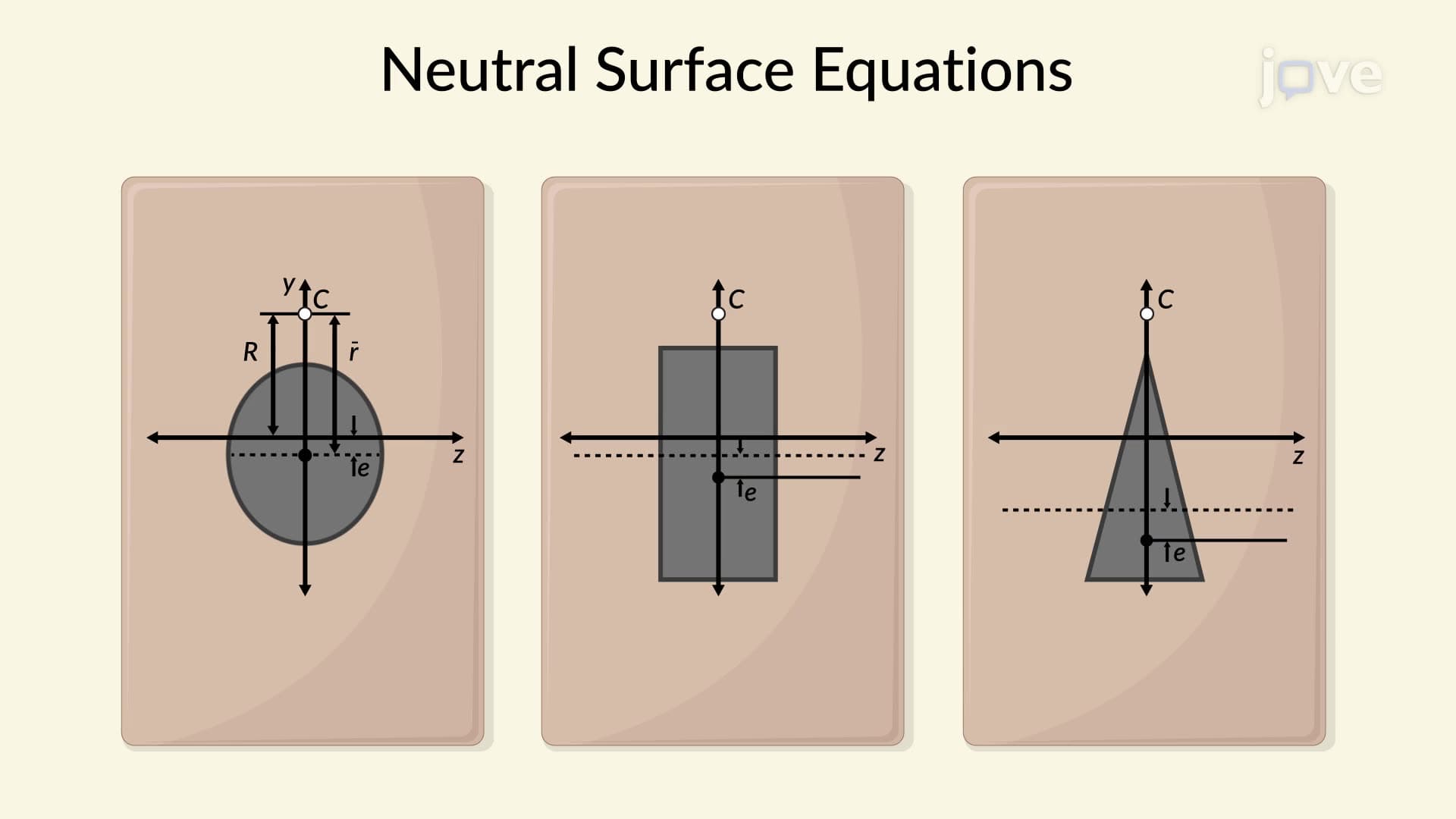
8. Curved Member Analysis: Curved structural elements like crane hooks, chain links, and arched bridges experience non-linear stress distributions due to their geometry. The neutral axis doesn't pass through the centroid in curved members, creating more complex stress patterns than in straight beams. This analysis is crucial for designing safe lifting equipment and understanding how masonry arches distribute loads in historic buildings.