13 Concepts
10 Concepts
17 Concepts
6 Concepts
20 Concepts
9 Concepts
17 Concepts
14 Concepts
19 Concepts
13 Concepts
12 Concepts
12 Concepts
4 Concepts
5 Concepts
12 Concepts
13 Concepts
10 Concepts
8 Concepts
20 Concepts
12 Concepts
18 Concepts
4 Concepts
6 Concepts
10 Concepts
4 Concepts
9 Concepts
7 Concepts
8 Concepts
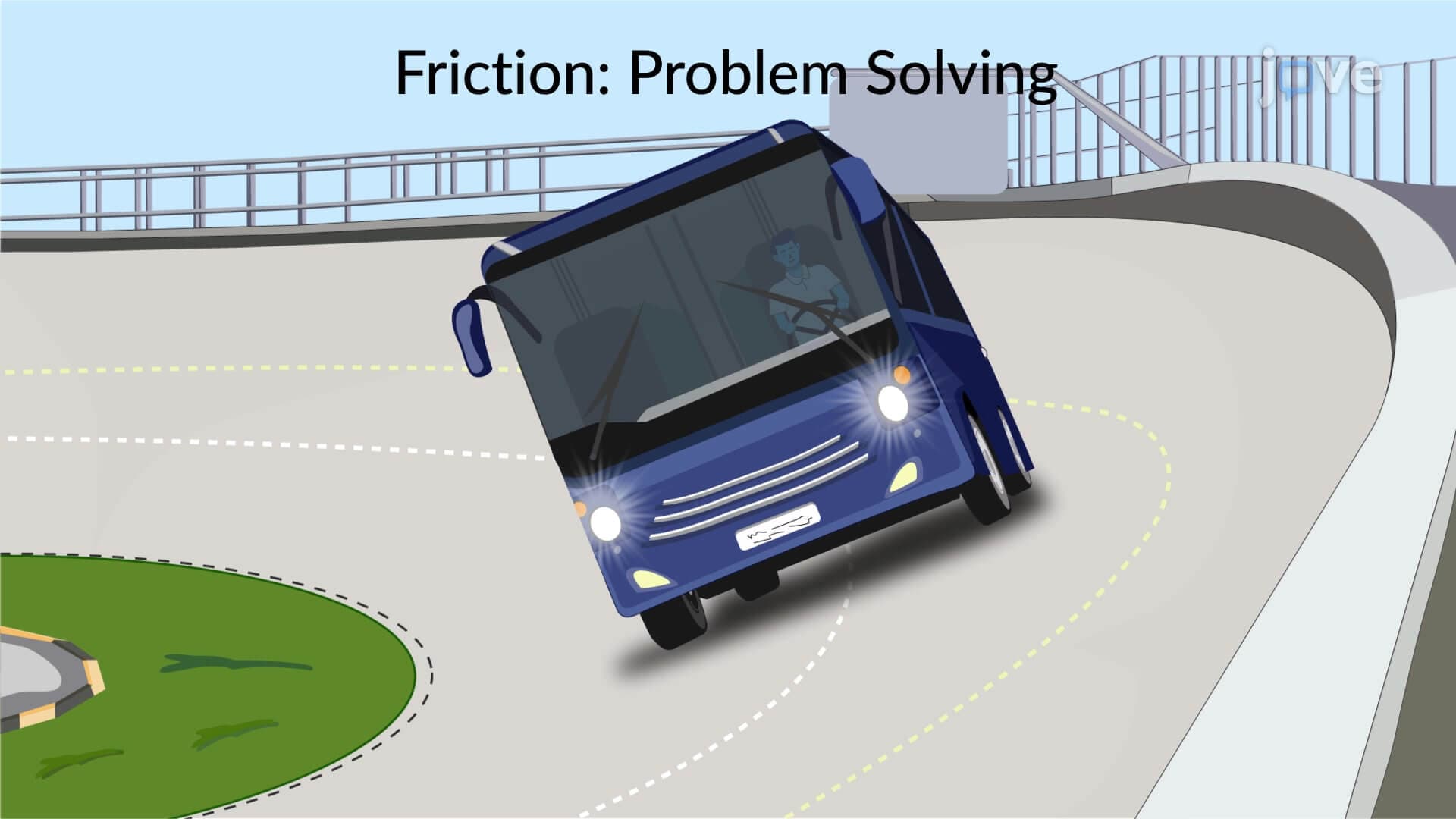
Friction is the force that opposes relative motion between surfaces in contact, playing a crucial role in engineering mechanics and everyday applications. This comprehensive course covers static and kinetic friction, Coulomb friction coefficient relationships, and practical applications including wedges, screws, belts, and bearings. From understanding why car tires grip the road to analyzing mechanical systems in manufacturing plants across the United States, you'll master friction forces in engineering mechanics through JoVE Coach's systematic approach to this fundamental physics concept.
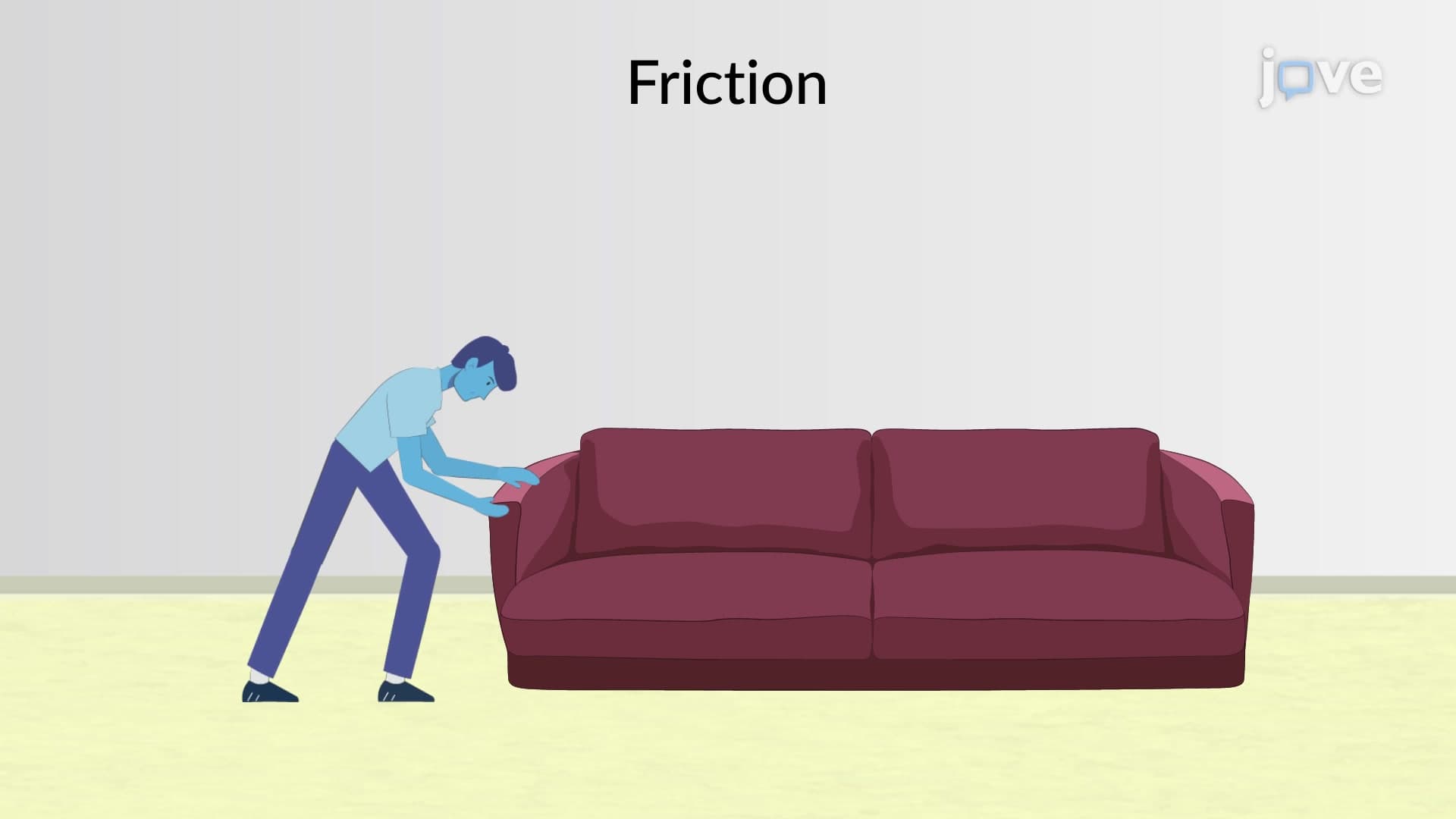
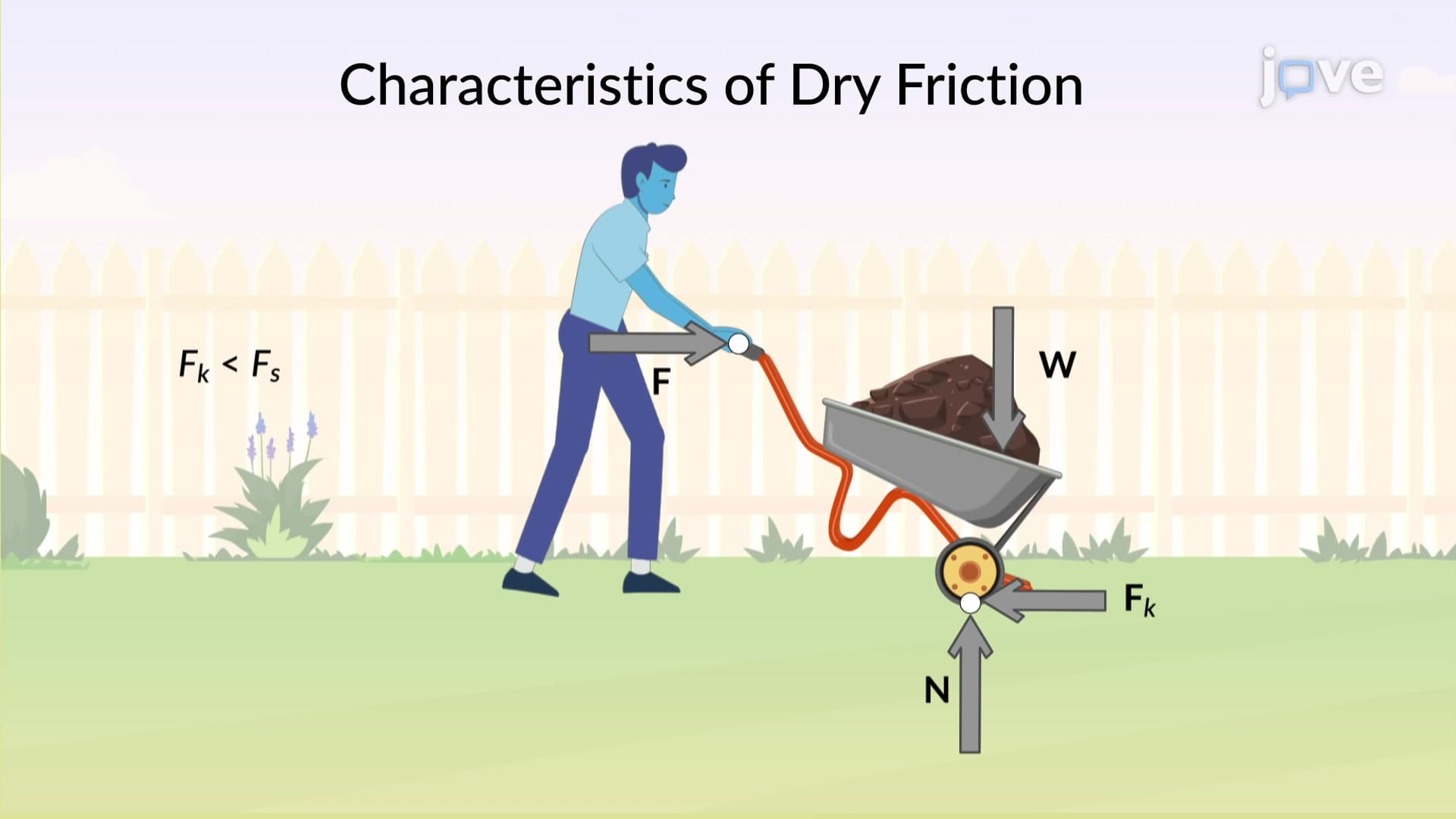
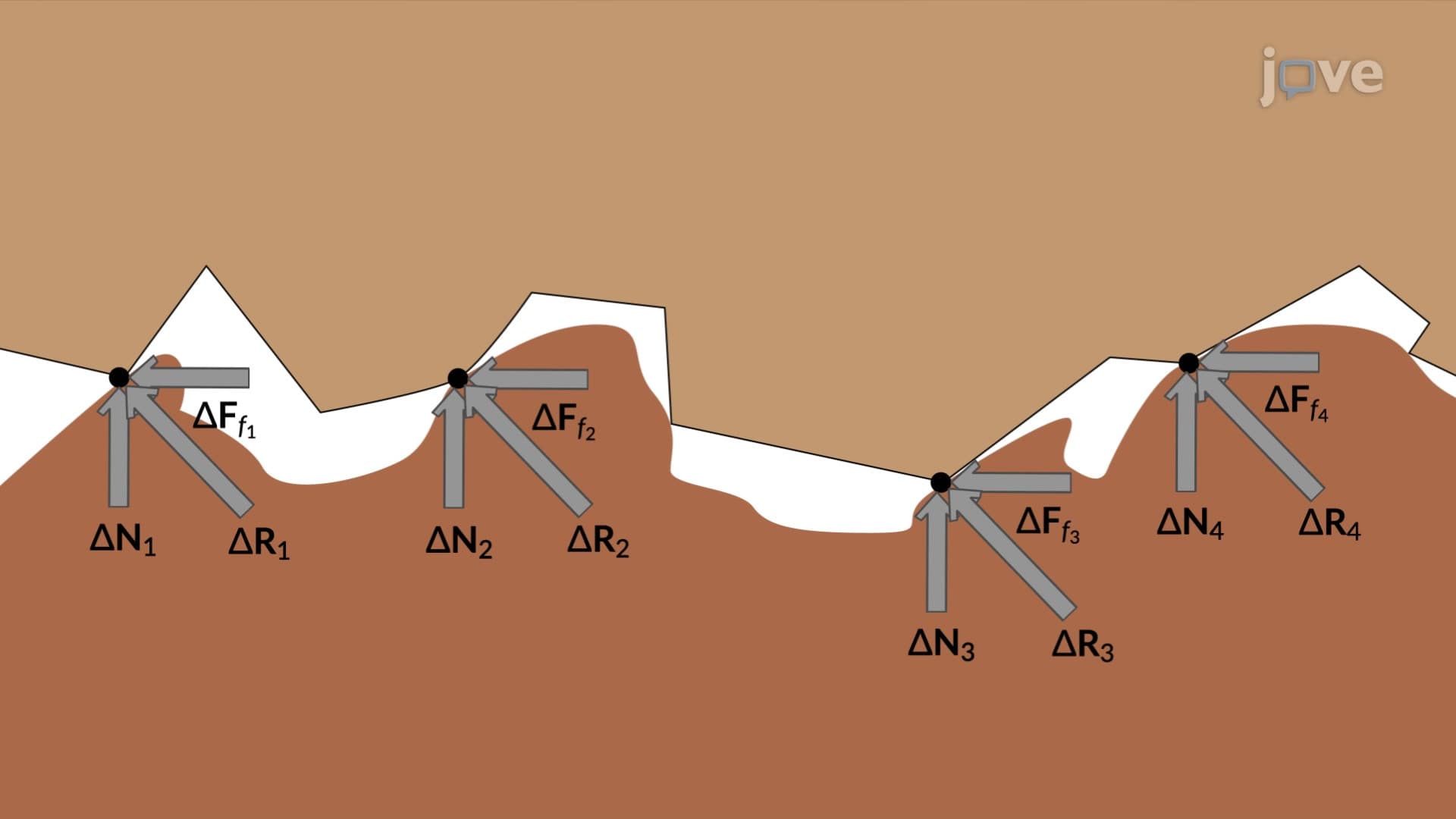
1. Fundamental Nature of Dry Friction Dry friction occurs when two solid surfaces resist relative motion, creating forces that act tangentially to contact surfaces. Unlike fluid friction, dry friction depends on surface roughness and material properties rather than velocity. At the microscopic level, surface irregularities create contact points that generate reactive forces contributing to overall friction resistance. This concept explains why a wooden crate on a warehouse floor requires increasing force to overcome static friction before sliding begins, and why the friction force exactly balances applied forces during equilibrium conditions.
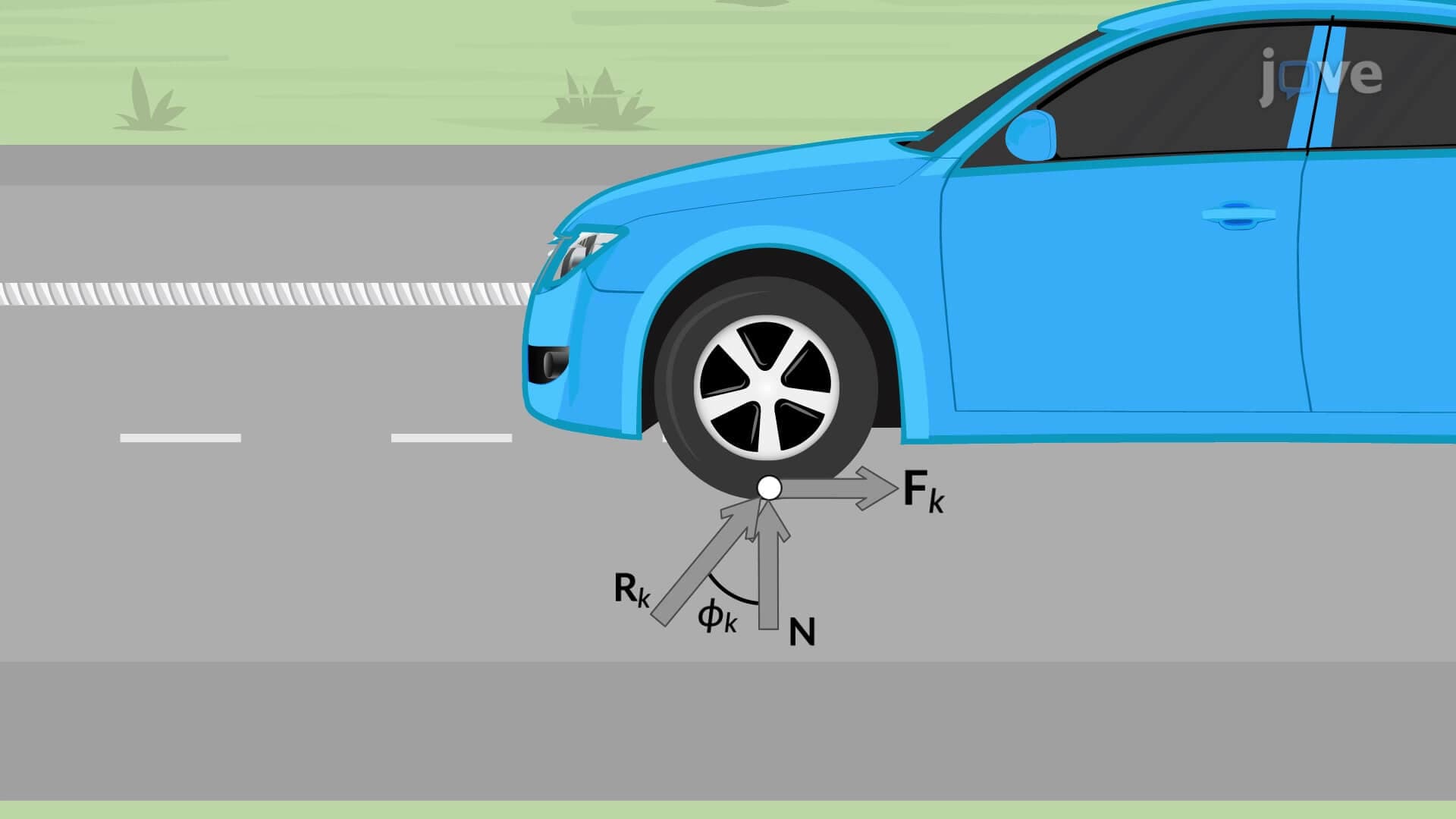
2. Static vs. Kinetic Friction Analysis Static friction prevents motion between surfaces at rest, while kinetic friction opposes ongoing sliding motion. The maximum static friction force typically exceeds kinetic friction, explaining why it's harder to start pushing a heavy object than to keep it moving. The coefficient of static friction is generally higher than the coefficient of kinetic friction for the same material pair. This principle applies to automotive braking systems, where static friction between brake pads and rotors provides superior stopping power compared to sliding friction during brake lock-up situations.
3. Coulomb Friction Laws and Coefficients The Coulomb friction model states that friction force is proportional to the normal force pressing surfaces together, with the Coulomb friction coefficient serving as the proportionality constant. This relationship remains independent of contact area within normal pressure ranges, making friction calculations manageable for engineering design. Different material combinations have characteristic friction coefficients - steel on steel differs from rubber on concrete. These coefficients are essential for designing everything from highway guardrails to manufacturing conveyor systems throughout American industry.
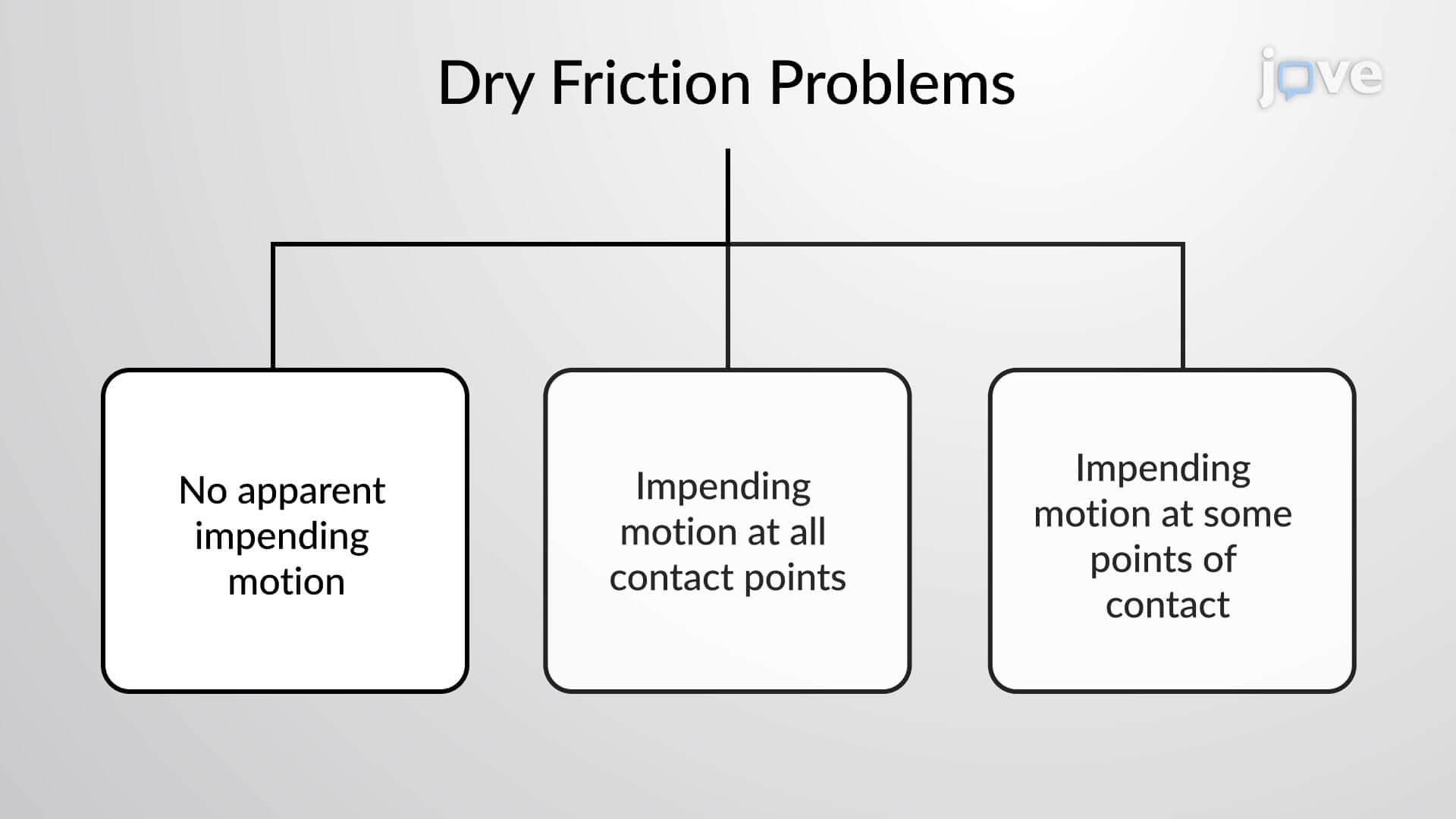
4. Friction Problem Classification Engineering friction problems fall into three categories: no impending motion (static equilibrium), impending motion at all contact points, and impending motion at some contact points. Each type requires different analytical approaches using equilibrium equations combined with friction relationships. For example, analyzing a ladder against a wall involves impending motion at the ground contact, while a crate being pushed might have no impending motion initially. Understanding these classifications helps engineers design safe structures and mechanical systems for US infrastructure projects.
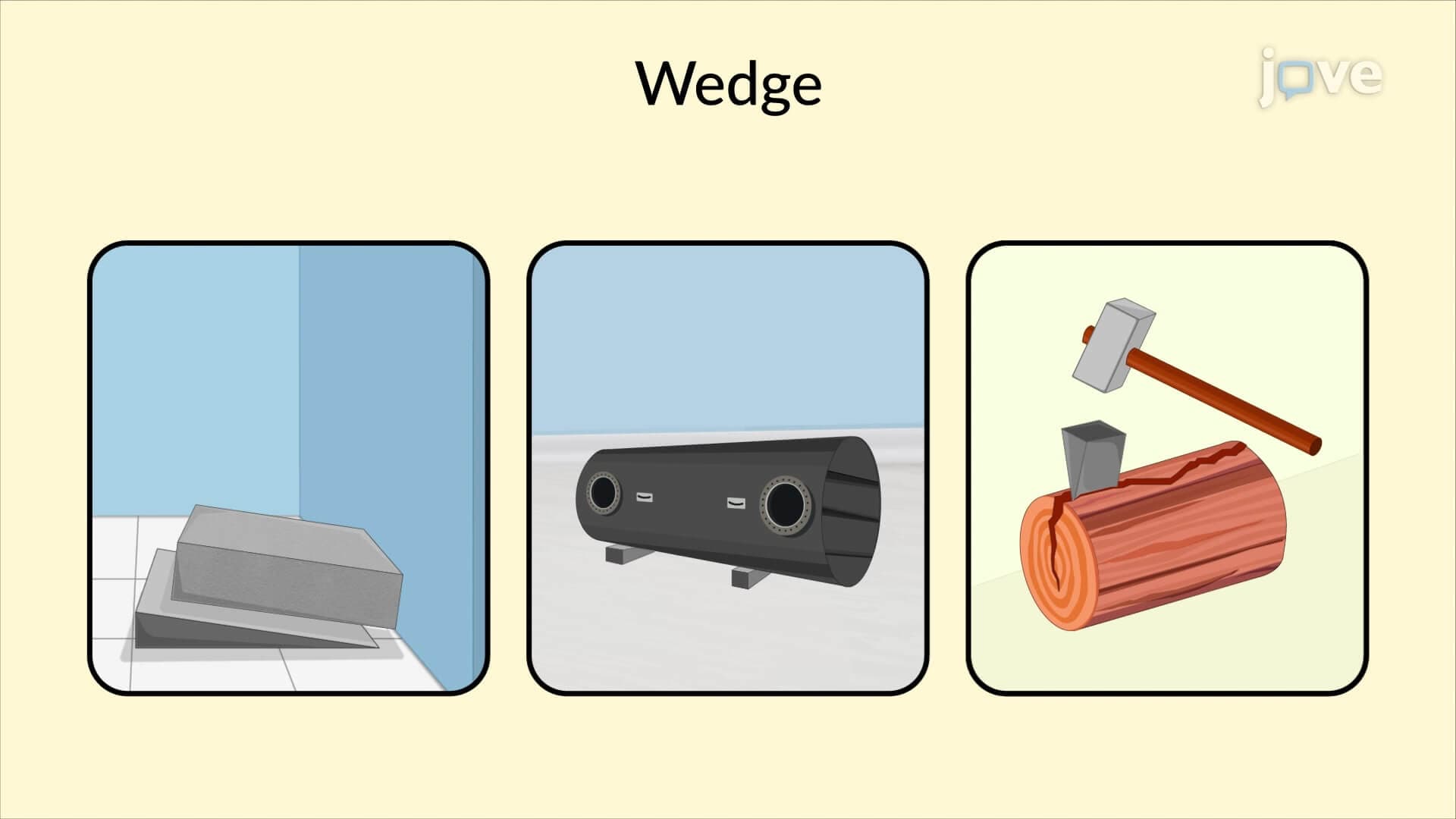
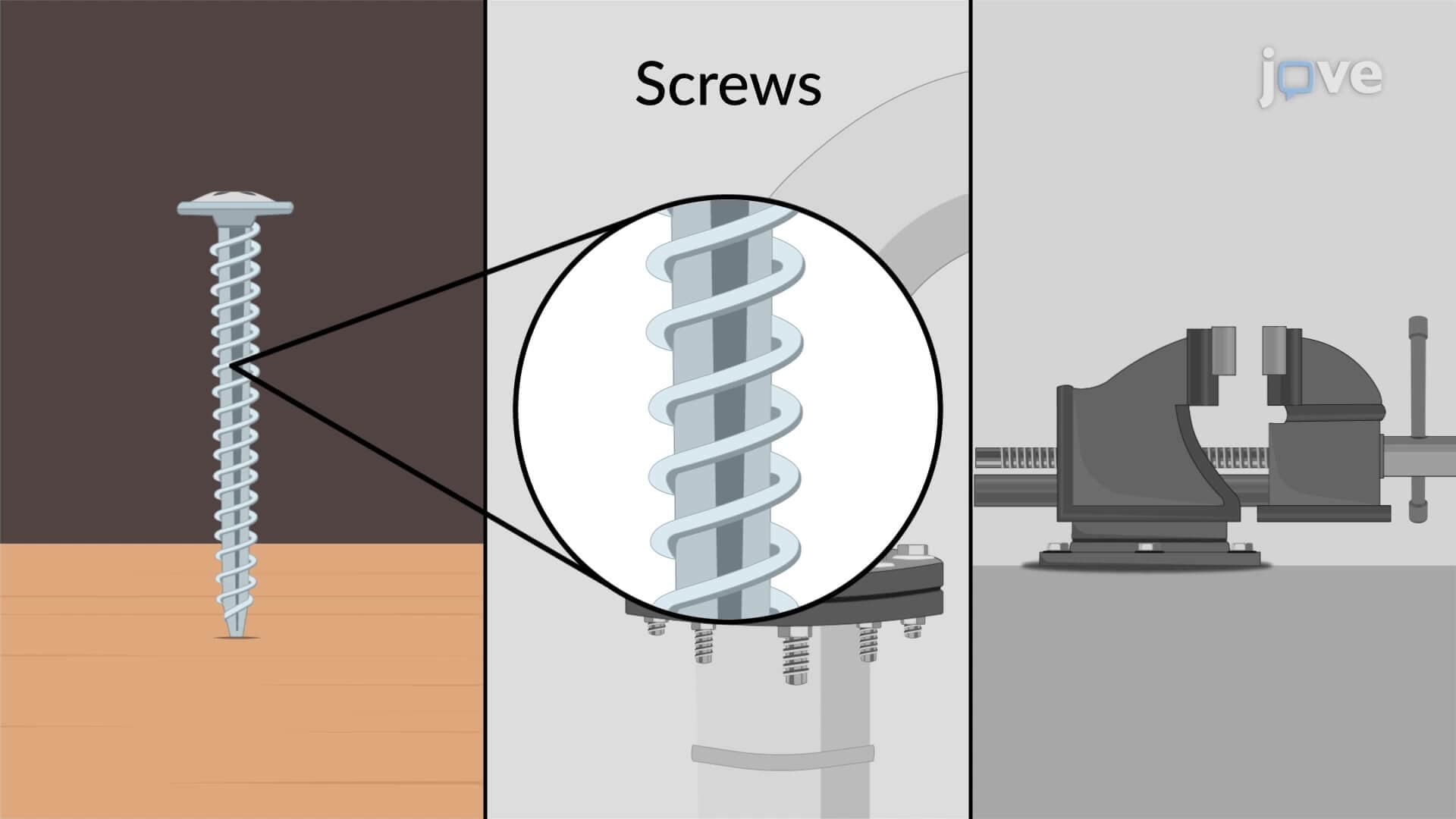
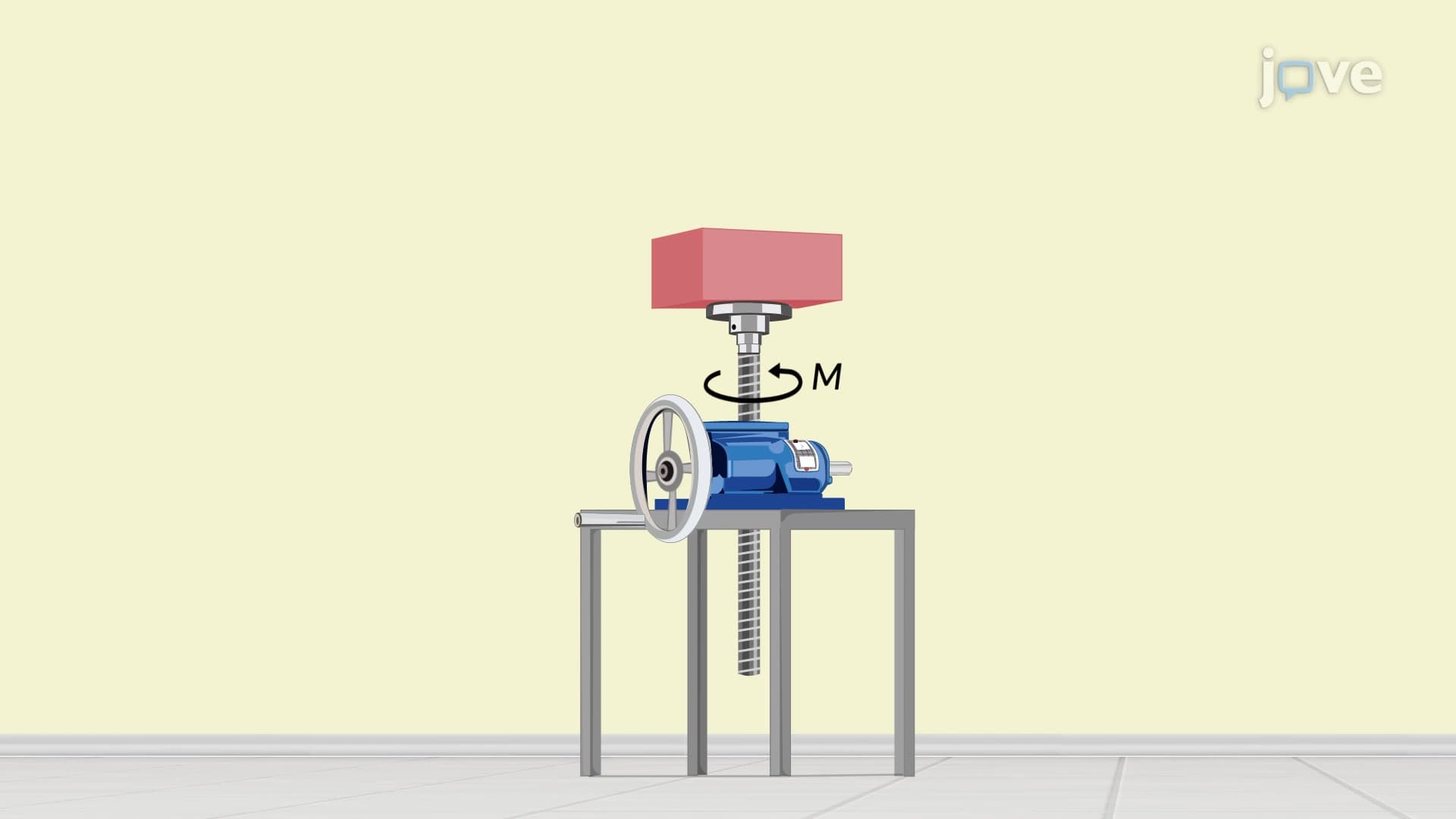
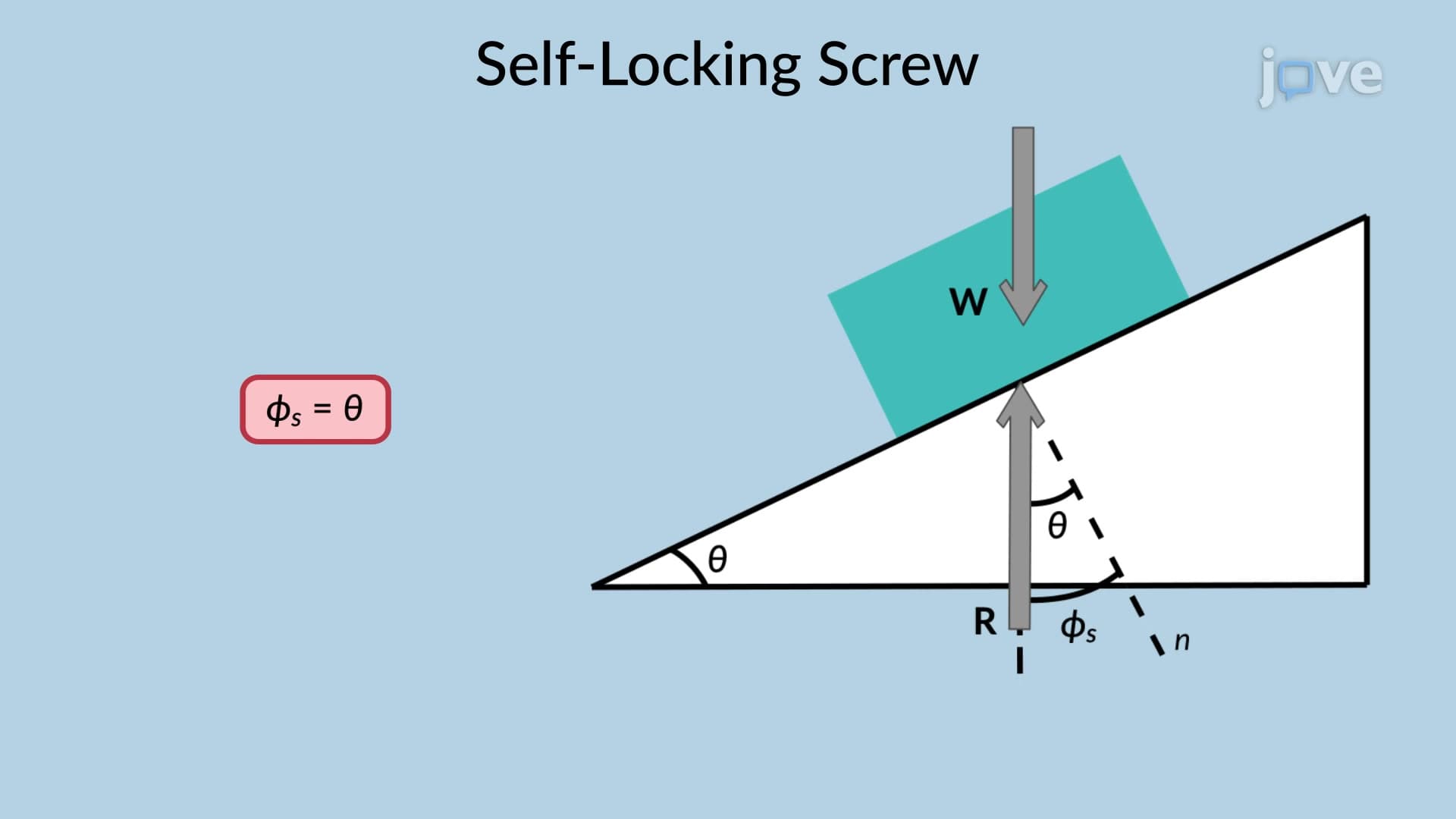
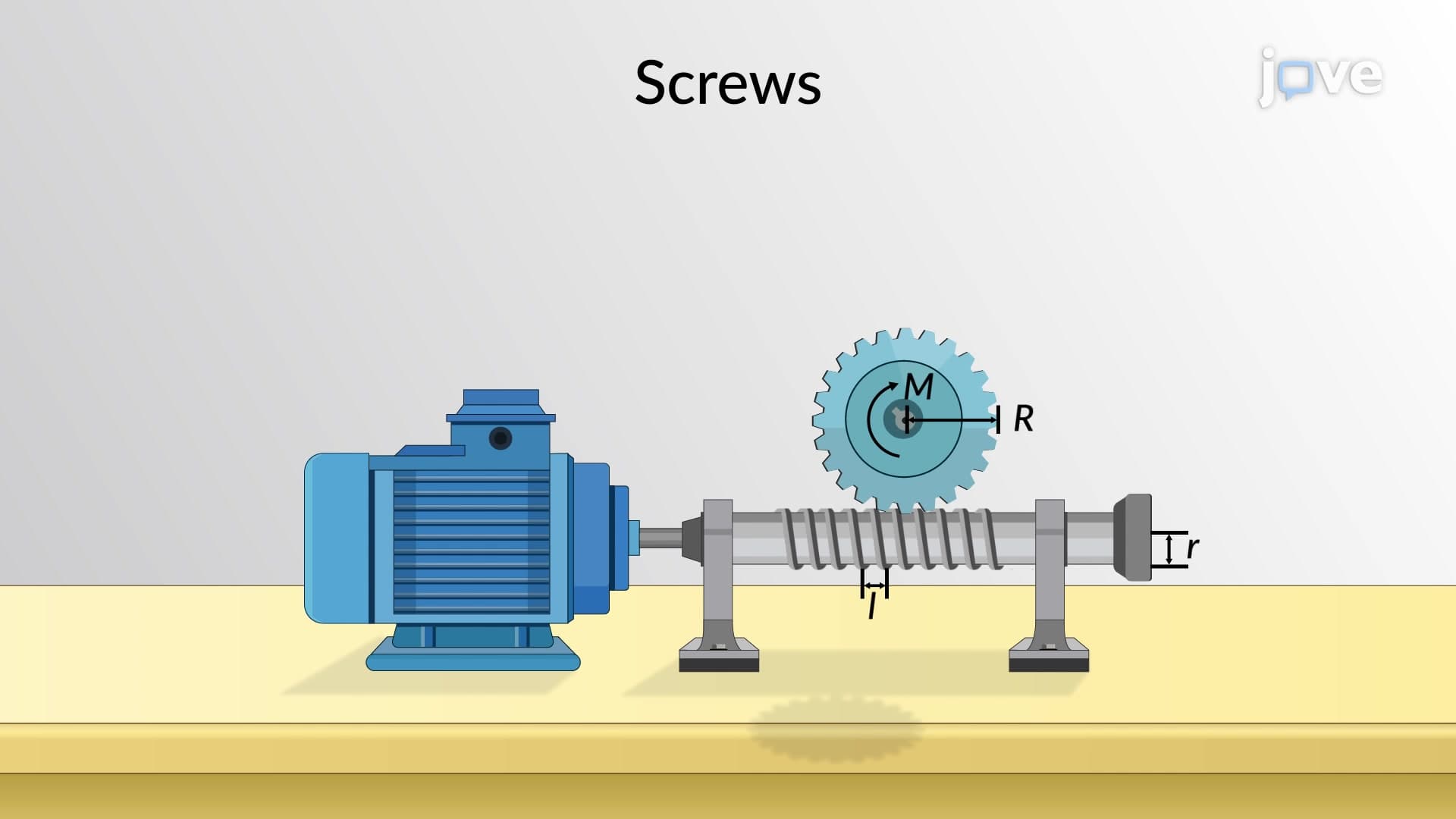
5. Wedge and Screw Friction Mechanics Wedges amplify applied forces through inclined plane principles, with friction determining lifting capacity and self-locking characteristics. Square-threaded screws convert rotational motion to linear motion, with friction affecting efficiency and holding power. The lead angle and friction angle relationship determines whether screws are self-locking, crucial for jack stands and mechanical lifting equipment. These principles apply to automotive jacks used in American service stations, construction equipment, and manufacturing machinery requiring precise positioning and load holding capabilities.
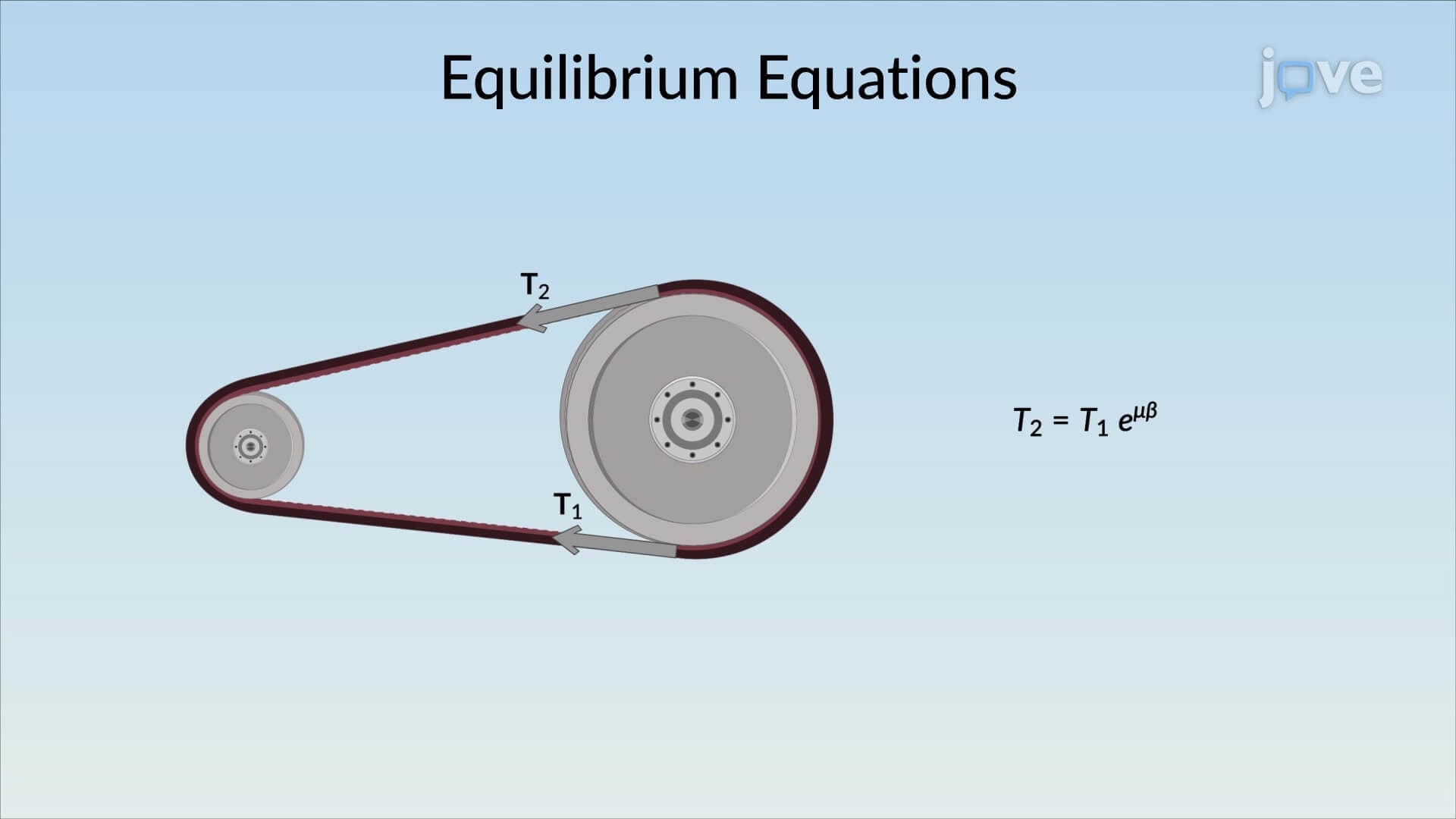
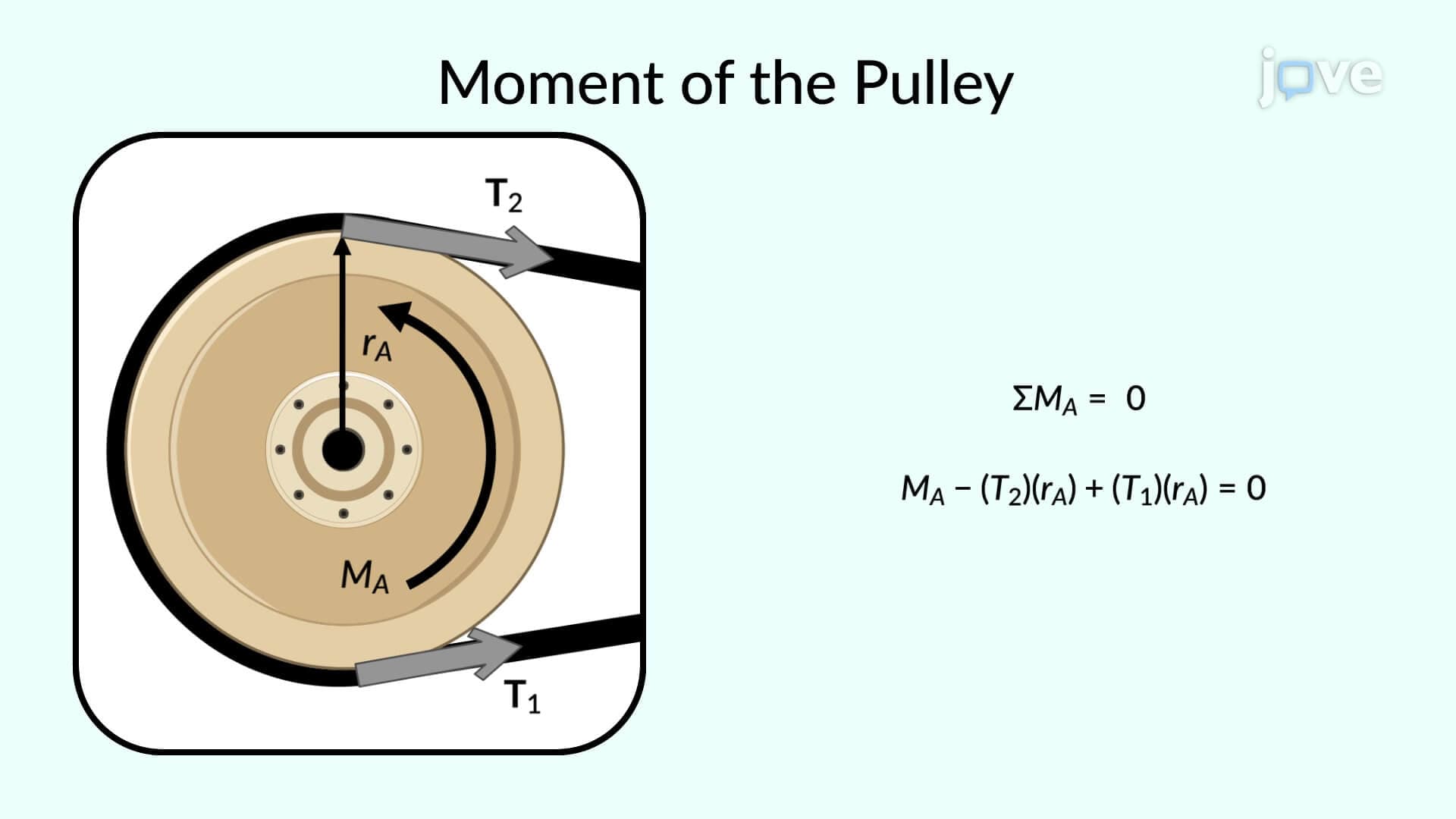
6. Belt Friction and Power Transmission Flat belt systems transmit power through friction between belts and pulleys, with tension ratios determined by the wrap angle and friction coefficient. The exponential relationship between tight-side and slack-side tensions governs power transmission capacity in industrial machinery. Belt friction analysis is essential for designing conveyor systems in American factories, agricultural equipment, and HVAC systems. Understanding slip conditions helps engineers select appropriate belt materials and tensions for reliable operation under varying load conditions.
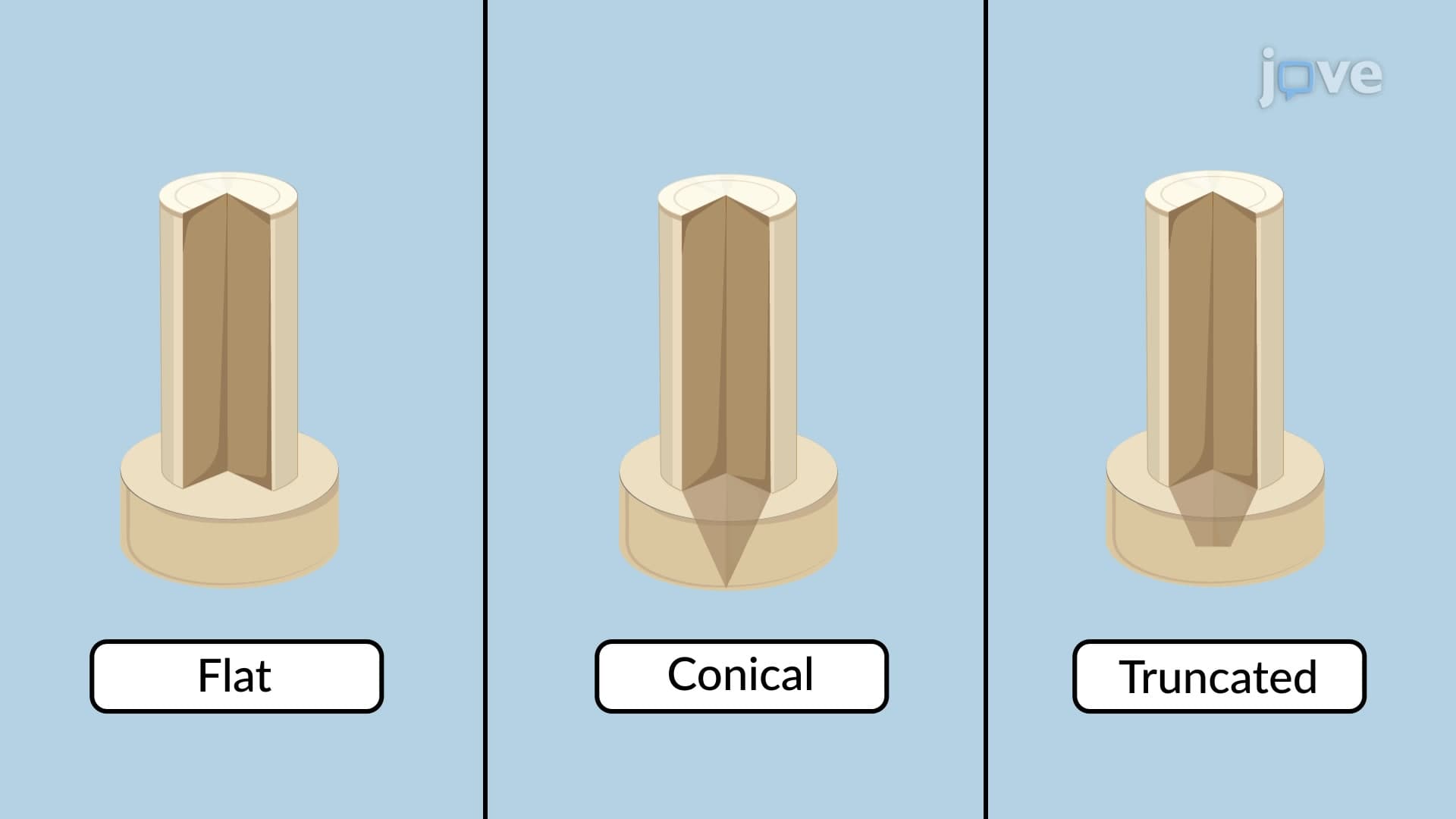
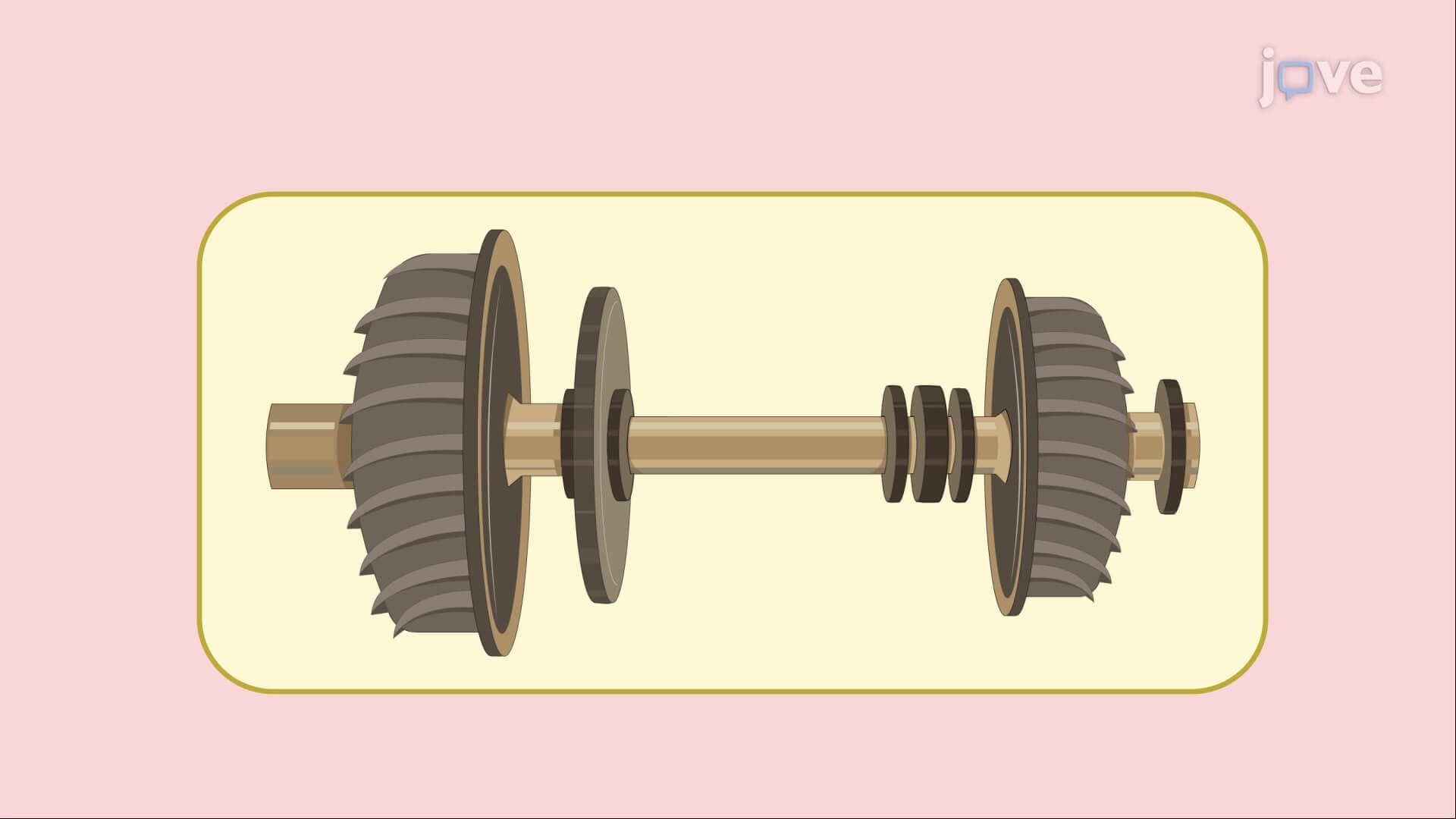
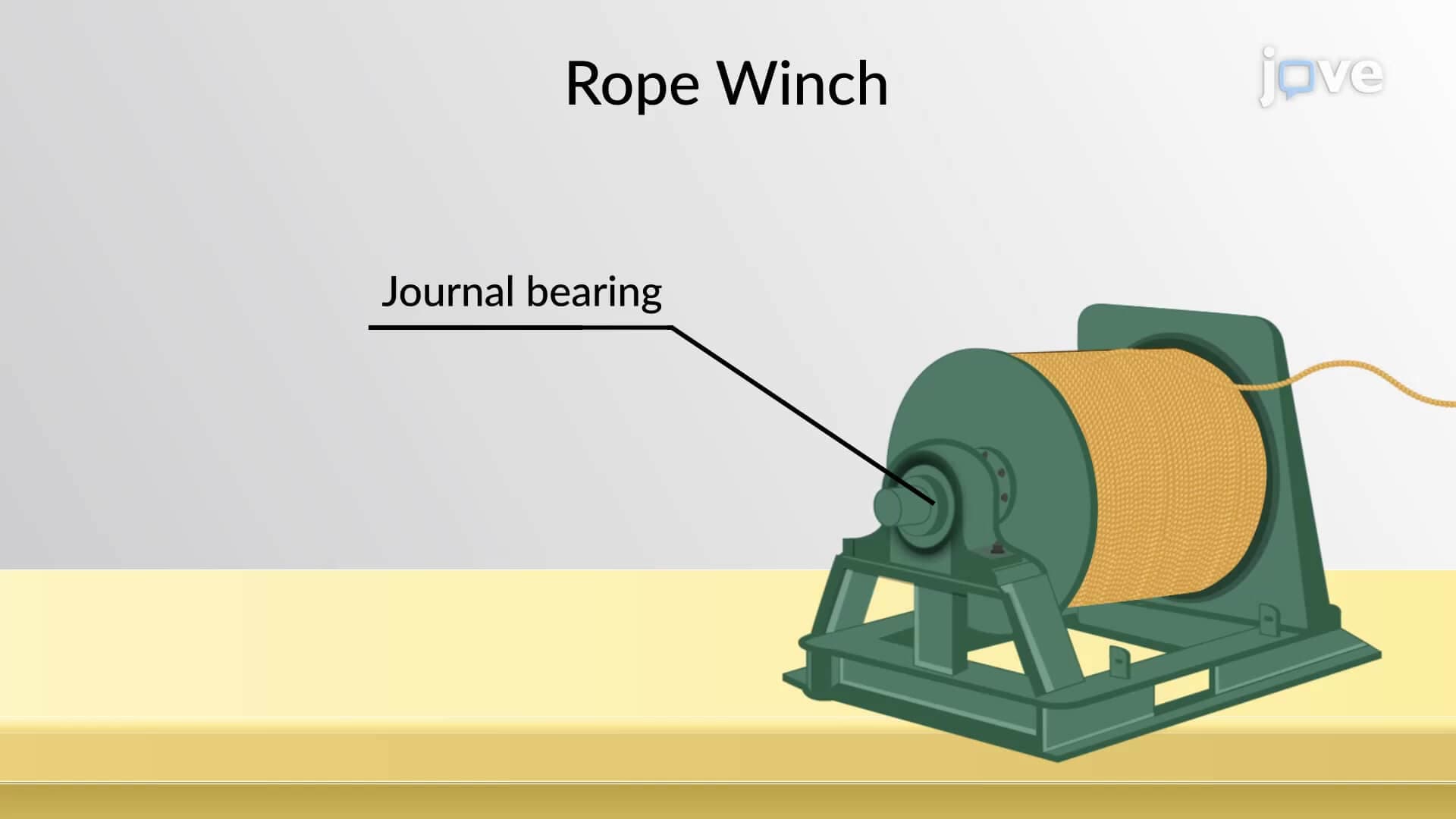
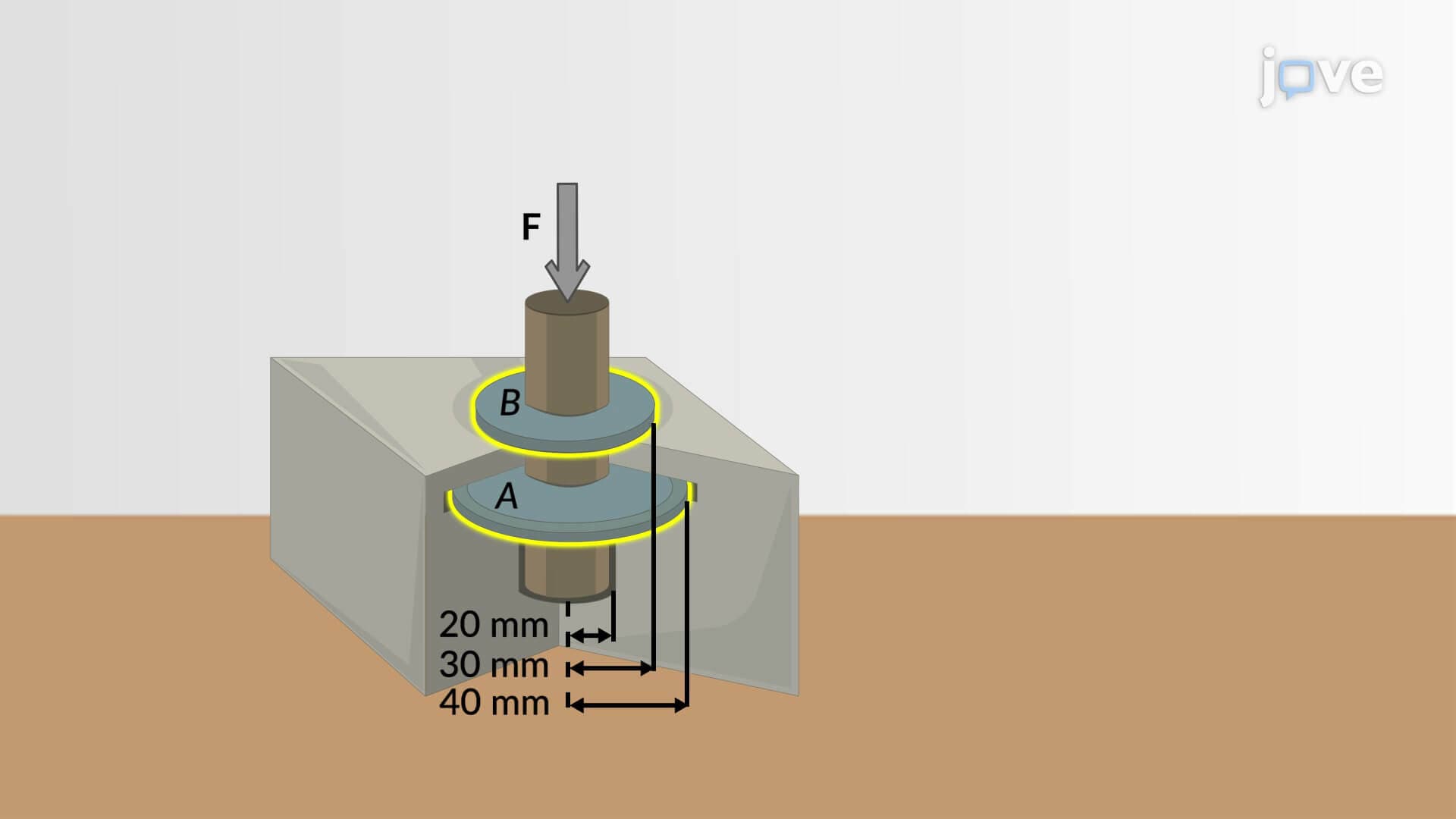
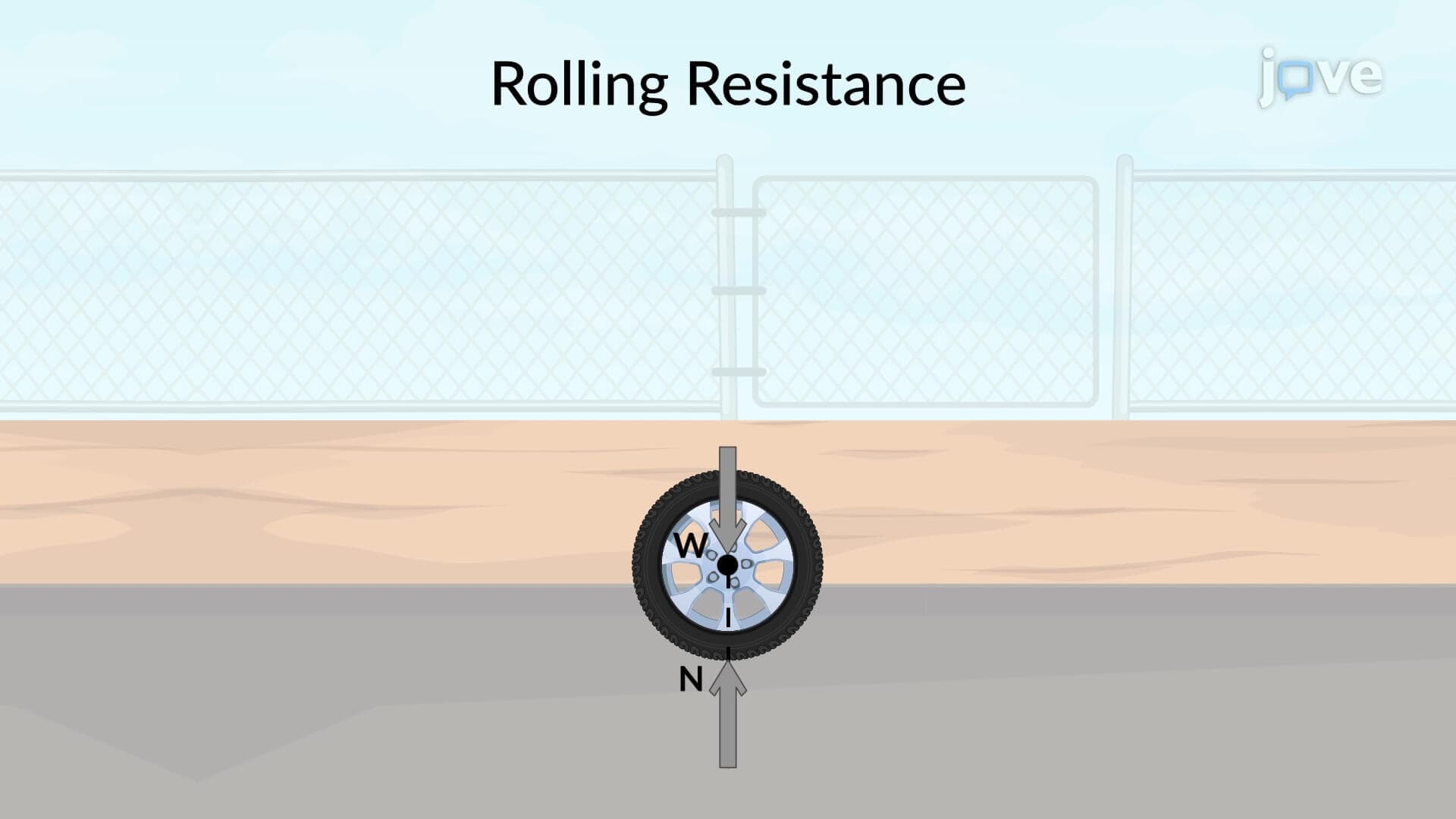
7. Bearing Friction and Rolling Resistance Journal bearings, collar bearings, and pivot bearings each create different friction patterns affecting rotational motion and energy efficiency. Rolling resistance occurs when wheels deform contact surfaces, requiring driving forces to maintain constant velocity. The coefficient of rolling resistance is typically much smaller than sliding friction coefficients, explaining why wheels are preferred over sliding contacts. These concepts are fundamental to automotive engineering, where tire rolling resistance affects fuel economy, and to industrial machinery design throughout American manufacturing facilities.