Loading video…


 19 Concepts
 17.8K views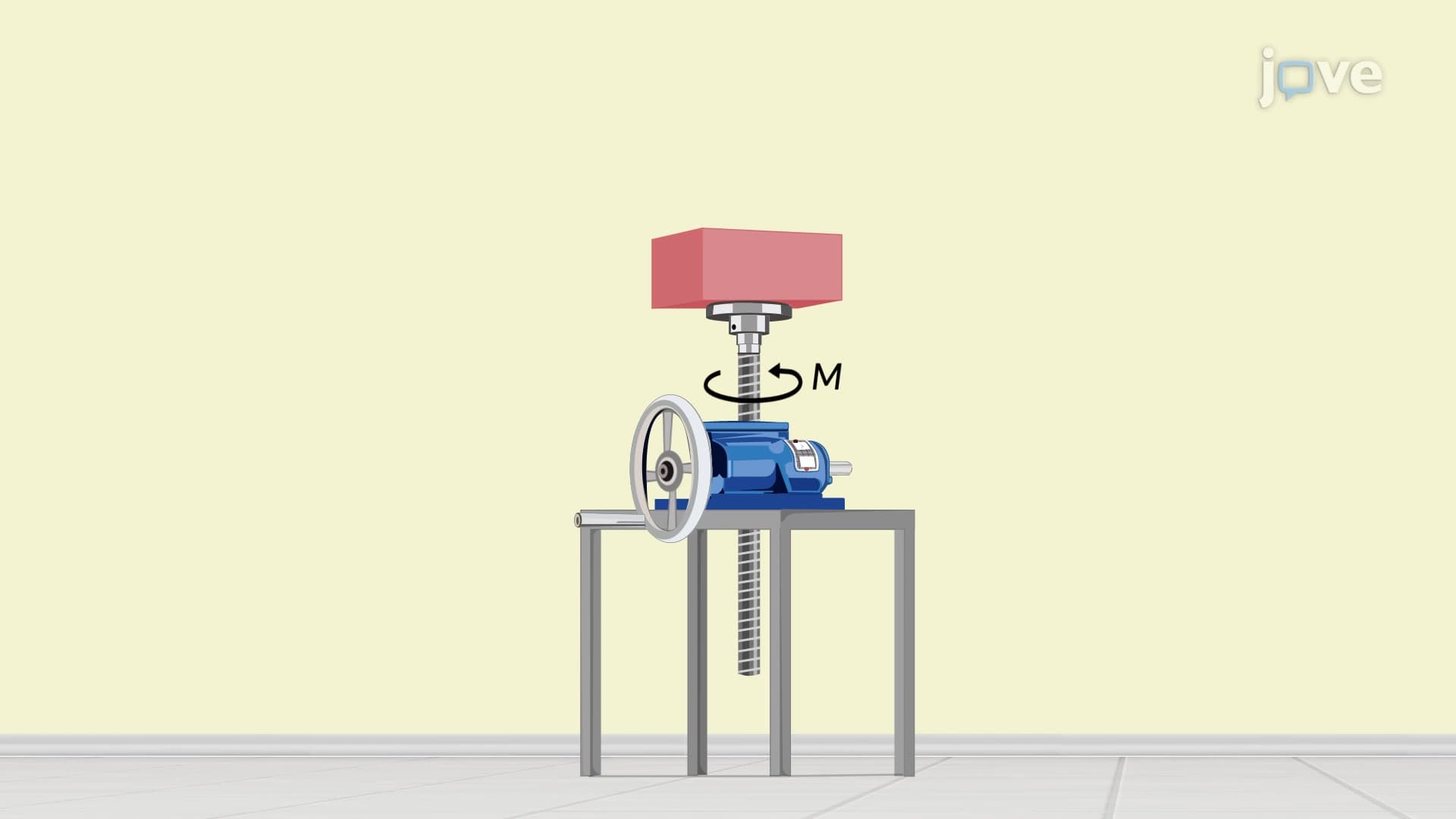

Video Summary: What Is Upward Impending Motion
Ever wondered how car jacks lift thousands of pounds with just a simple hand crank? Upward impending motion occurs when applied forces are just strong enough to overcome static friction and begin lifting an object vertically. In mechanical systems like automotive scissor jacks used across US repair shops, this concept determines the exact moment when upward movement begins. Understanding what is upward impending motion helps engineers design safer, more efficient lifting mechanisms. Watch the full video on JoVE Coach to master this concept with expert-led visuals and step-by-step explanations.
Upward impending motion represents the critical threshold where static friction is overcome, allowing vertical movement to commence. This engineering principle governs countless mechanical systems, from the car jacks in every American auto shop to the massive screw conveyors in grain elevators across the Midwest.
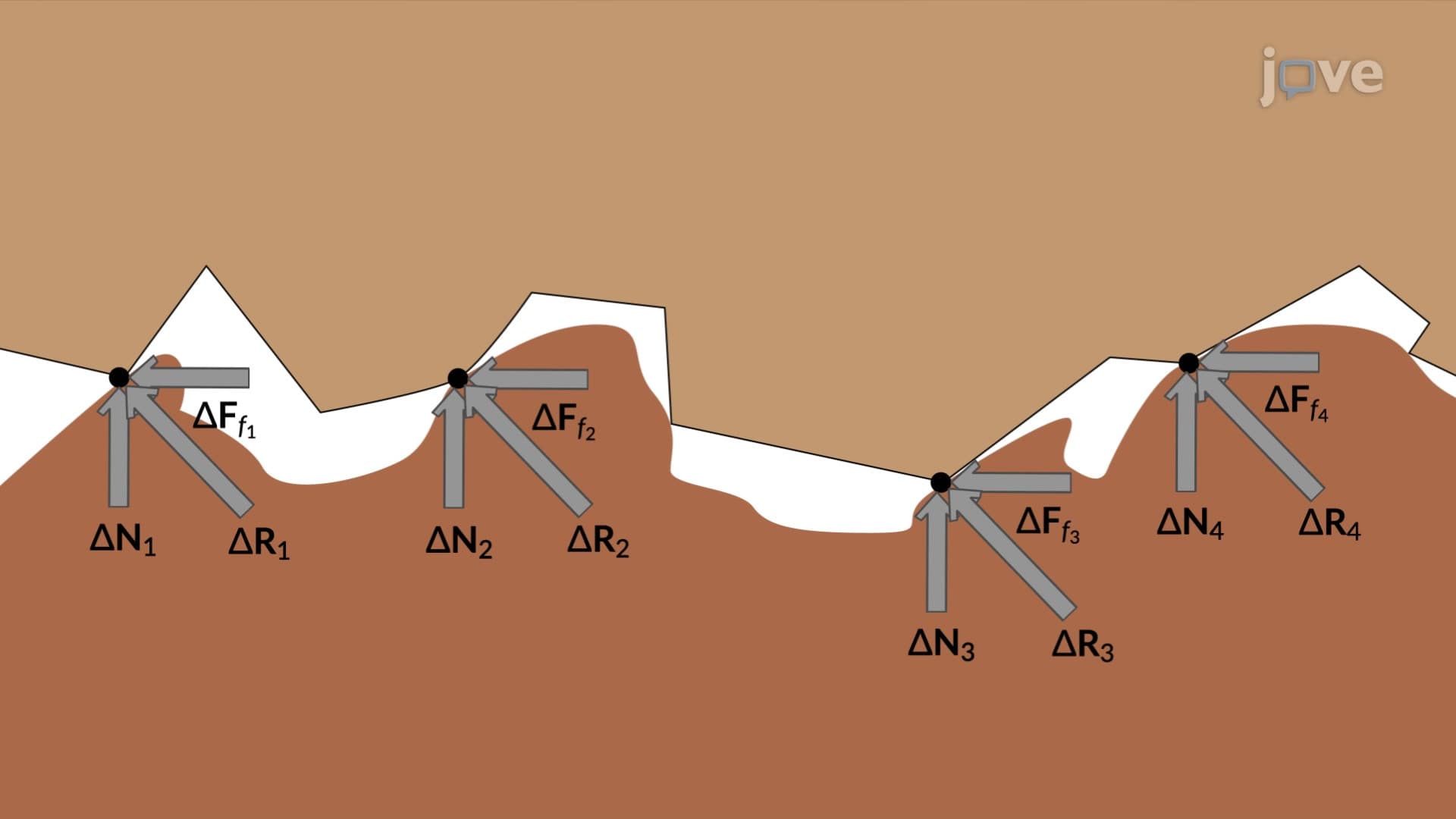
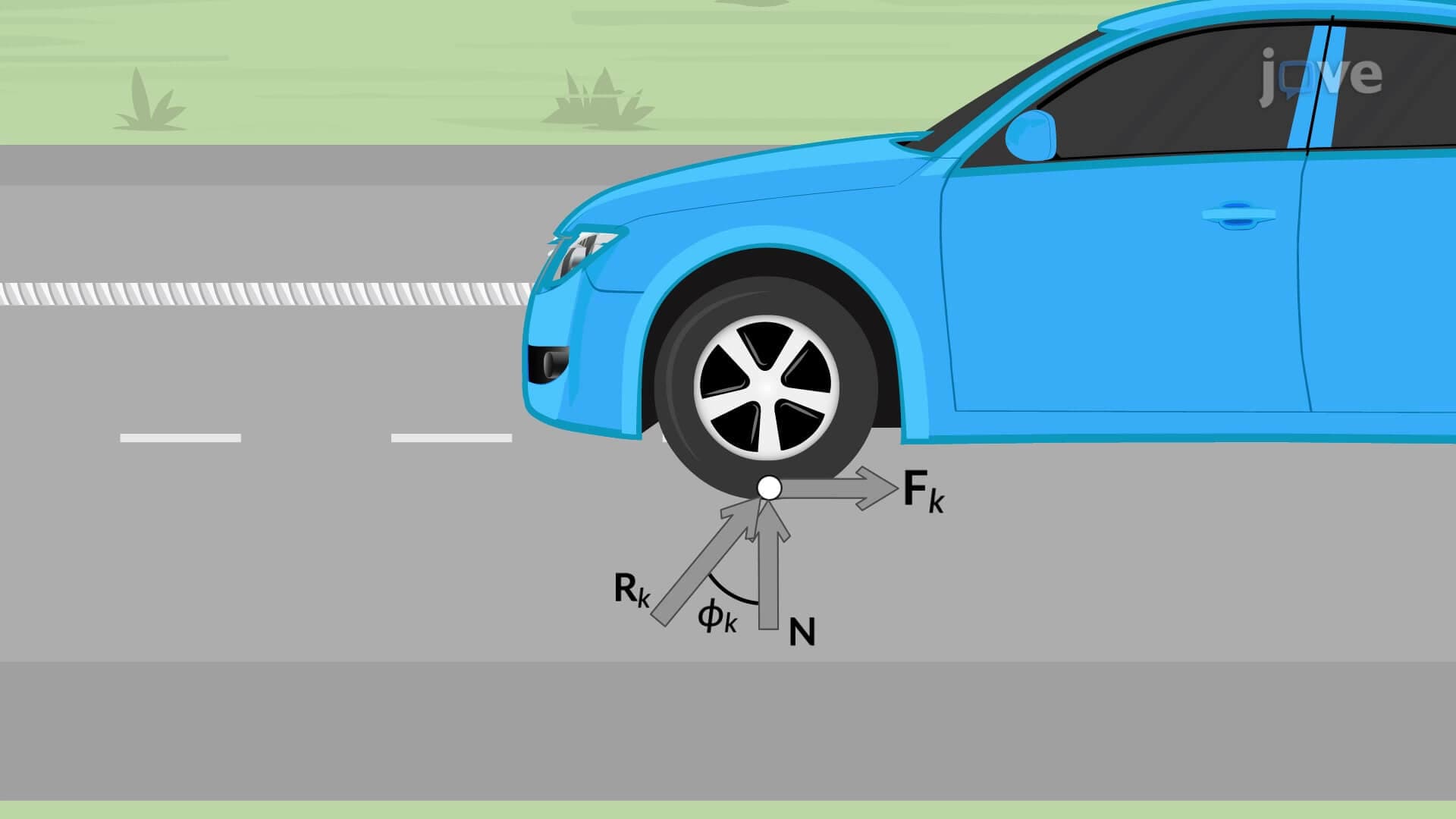
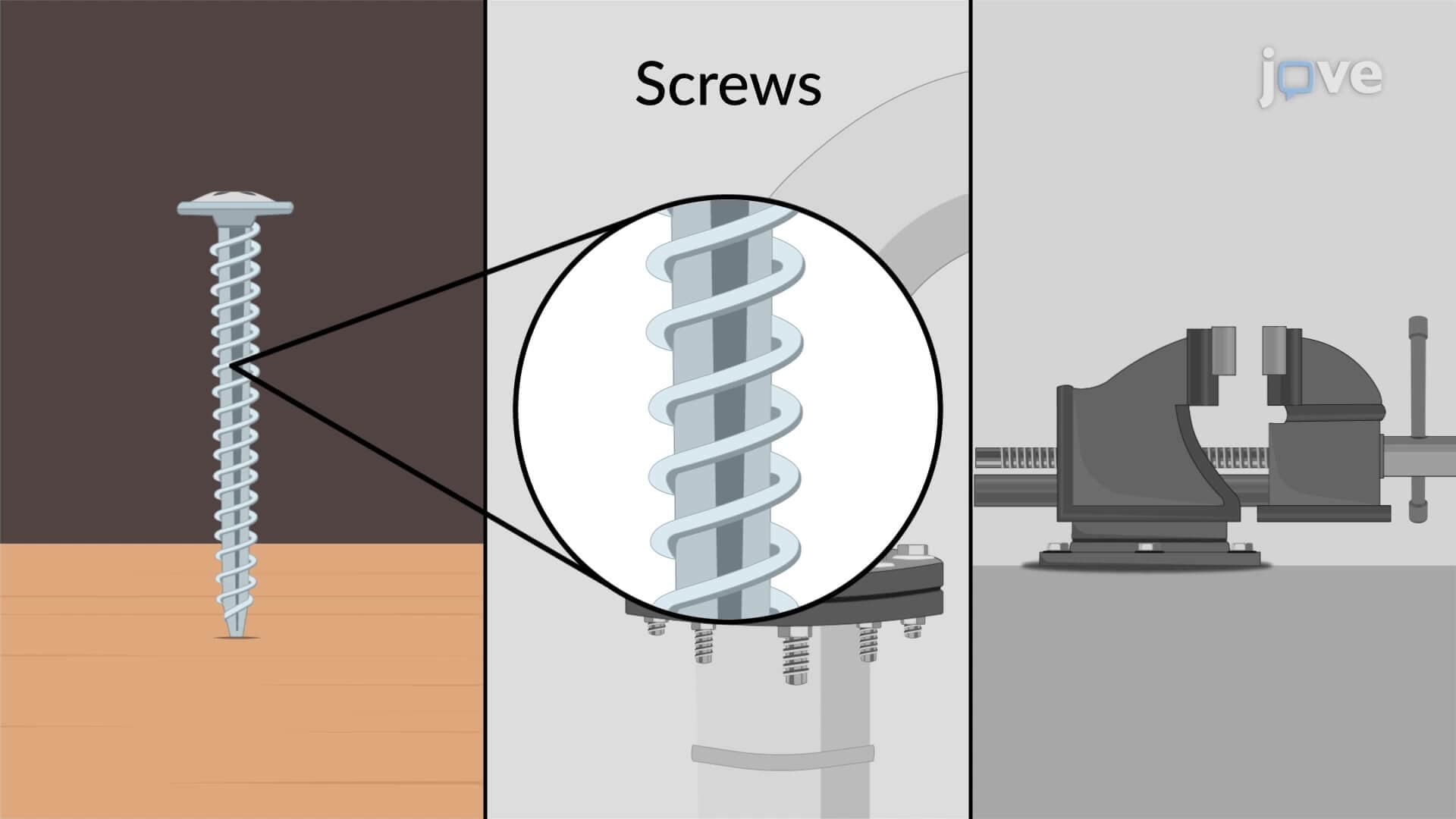
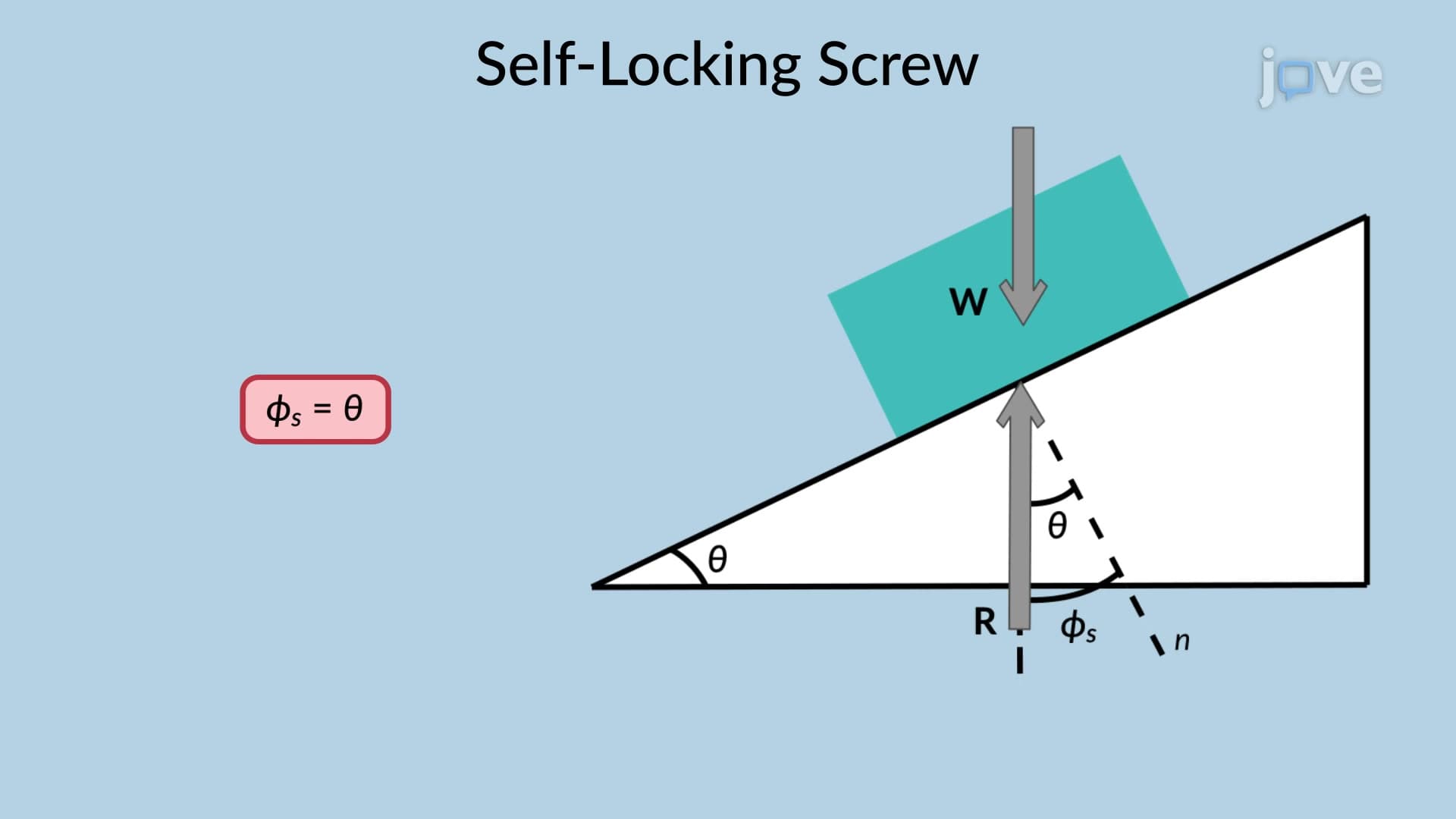
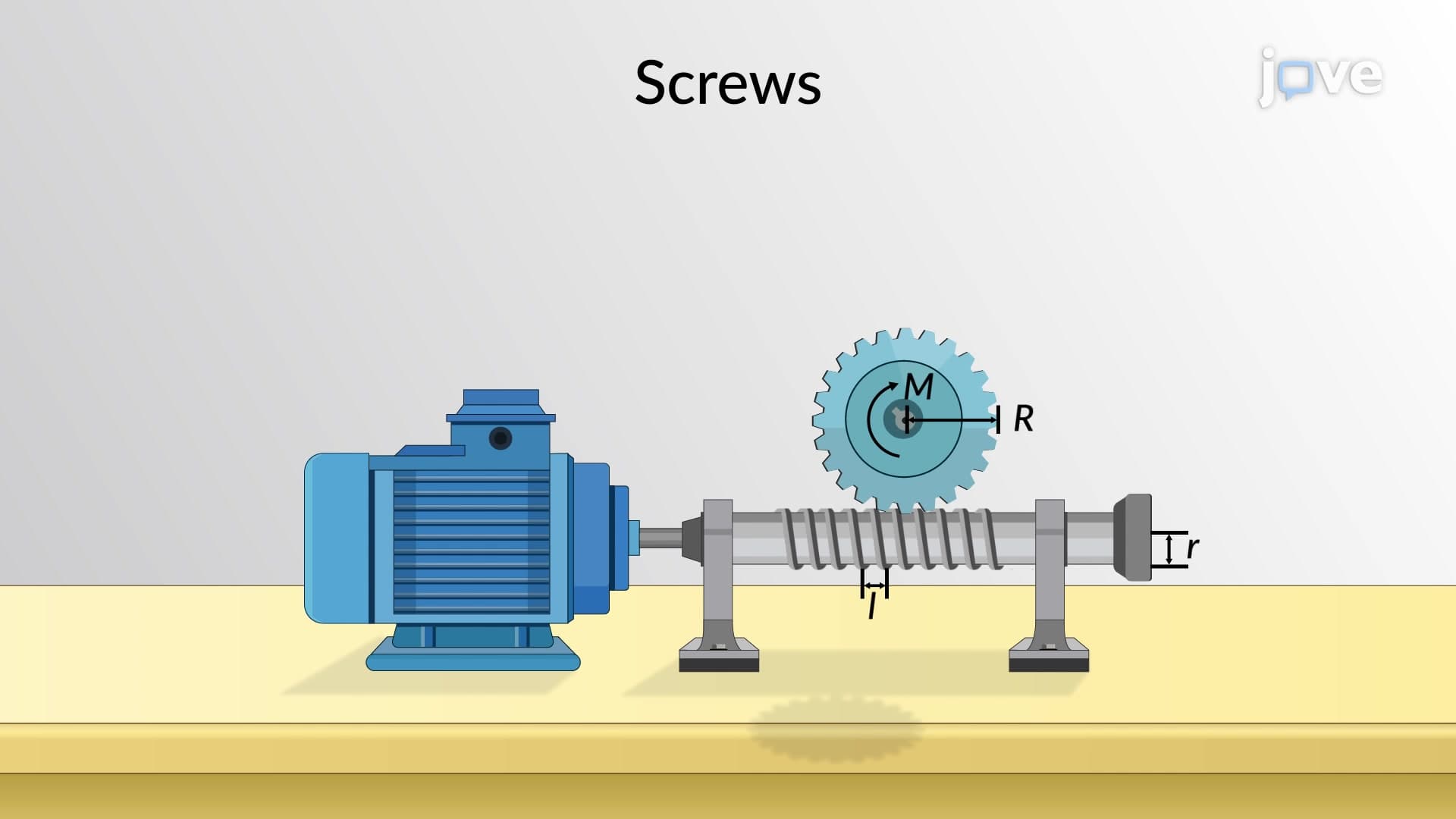
When analyzing upward impending motion, engineers must consider three primary forces: the applied horizontal force (from torque), the vertical load force, and the reaction forces from surface contact. In square-threaded screw jacks, the thread geometry creates an inclined plane where these forces interact. The upward impending motion definition centers on the moment when the horizontal component of applied force equals the maximum static friction force resisting motion.
The relationship between these forces follows the equation: tan(φ) = μ(s), where φ represents the friction angle and μ(s) is the coefficient of static friction. This fundamental relationship appears frequently on AP Physics exams and college-level statics courses across US universities.
Understanding what is upward impending motion in detail proves essential for mechanical engineers designing lifting equipment. Consider Boeing's assembly facilities in Seattle, where massive aircraft jacks must precisely calculate impending motion conditions to safely lift 747 fuselages. Similarly, construction crews building skyscrapers in cities like Chicago rely on these principles when operating tower cranes and hydraulic lifts.
The upward impending motion concept requires systematic analysis using equilibrium equations. Students typically solve these problems by: 1. Drawing comprehensive free-body diagrams 2. Resolving forces into horizontal and vertical components 3. Applying ΣF(x) = 0 and ΣF(y) = 0 4. Incorporating friction relationships: f = μN 5. Solving the resulting system of equations
This methodology appears consistently on MCAT physics sections and engineering fundamentals exams like the FE (Fundamentals of Engineering) test required for professional engineering licensure in all 50 states.
Related Micro-courses