Loading video…


 19 Concepts
 17.8K views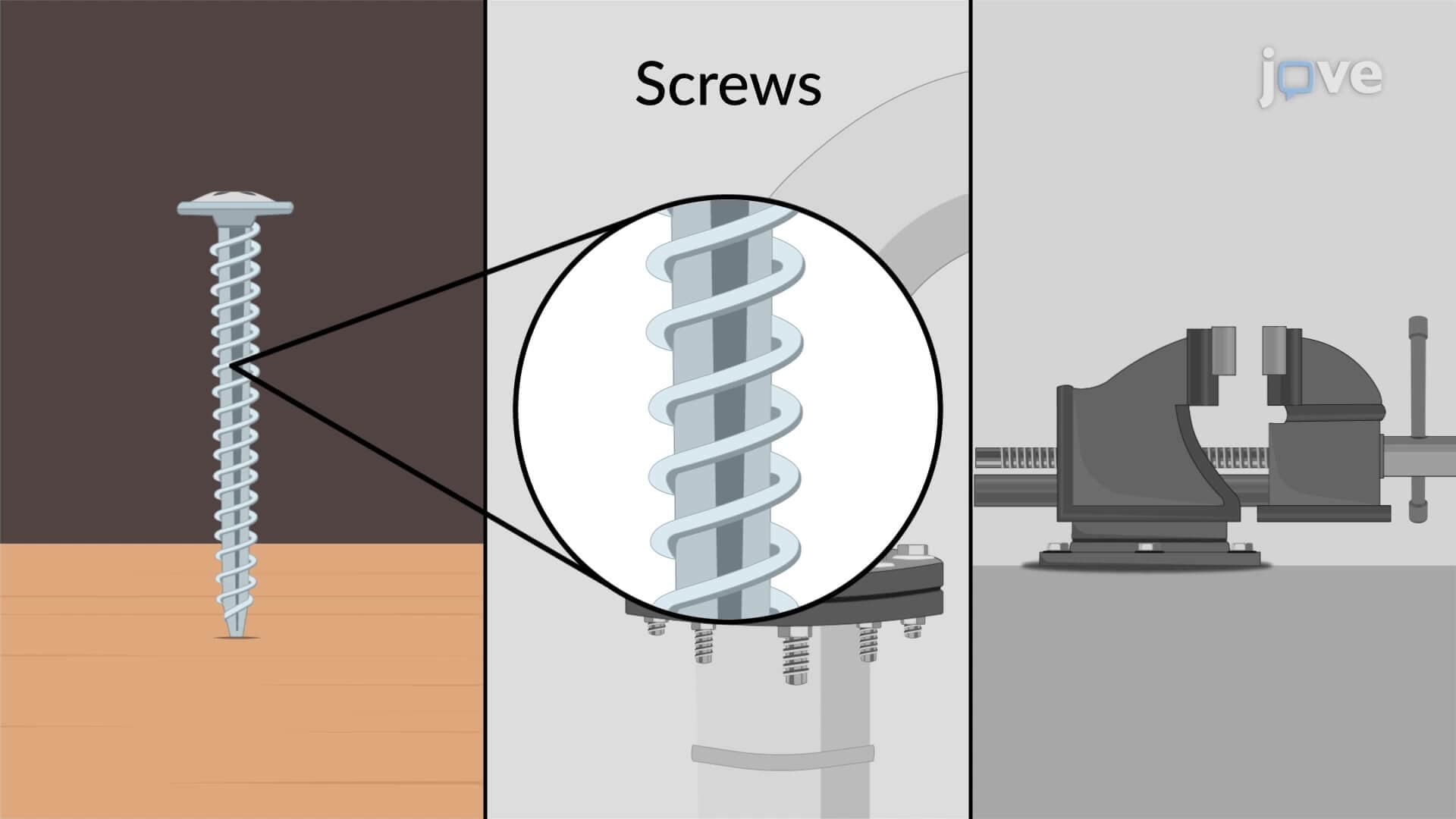

Video Summary: What are Frictional Forces on Screws
Ever wondered why car jacks can lift thousands of pounds with just your arm strength? Frictional forces on screws make this mechanical advantage possible by creating resistance between threaded surfaces that prevents backward motion. When mechanics use hydraulic jacks with screw mechanisms at auto repair shops across America, they're harnessing these forces to safely elevate vehicles. Understanding what are frictional forces on screws reveals how simple machines transform small input forces into massive lifting power through the interplay of thread geometry and surface friction. Watch the full video on JoVE Coach to master this concept with expert-led visuals and step-by-step explanations.
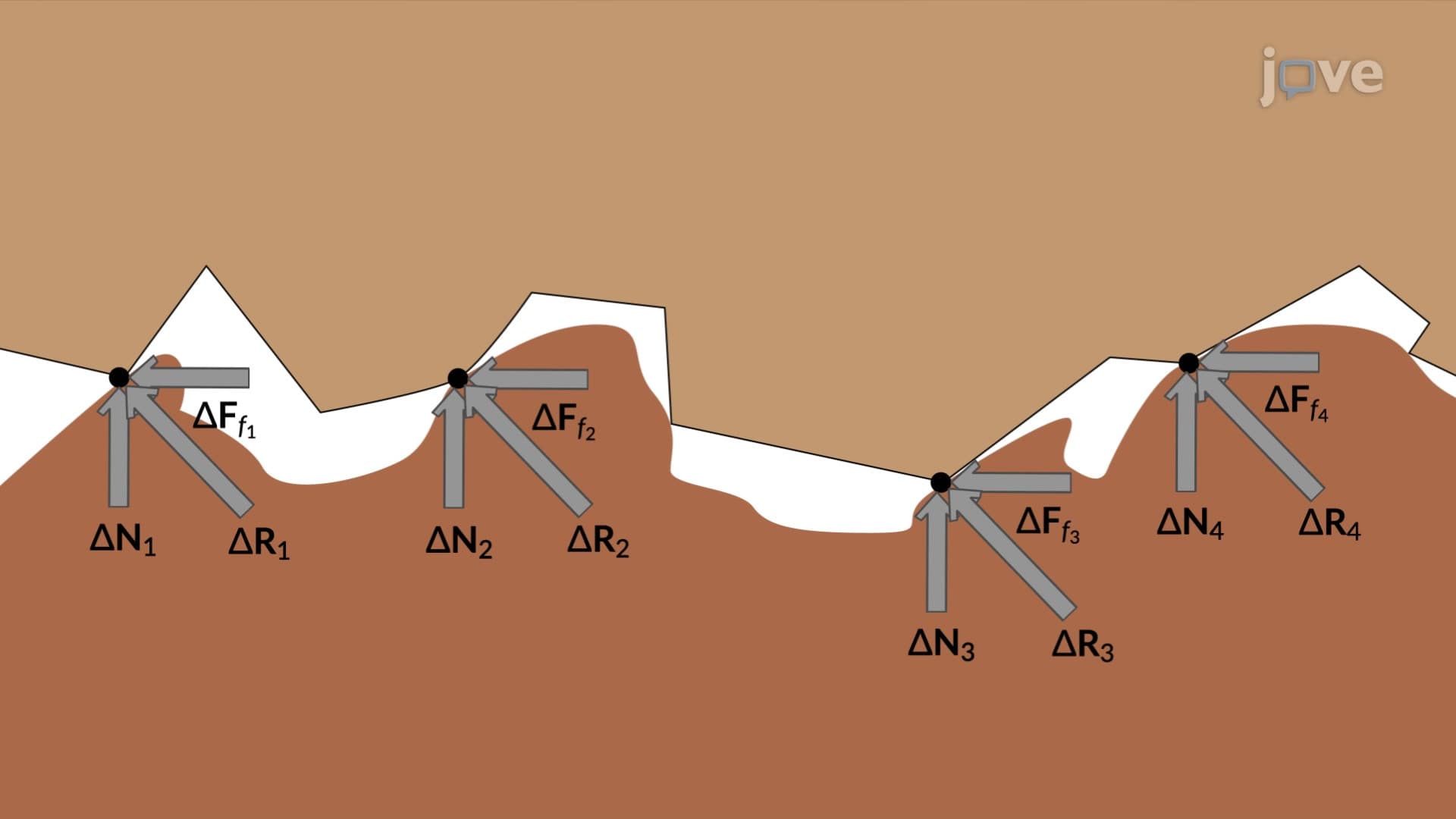
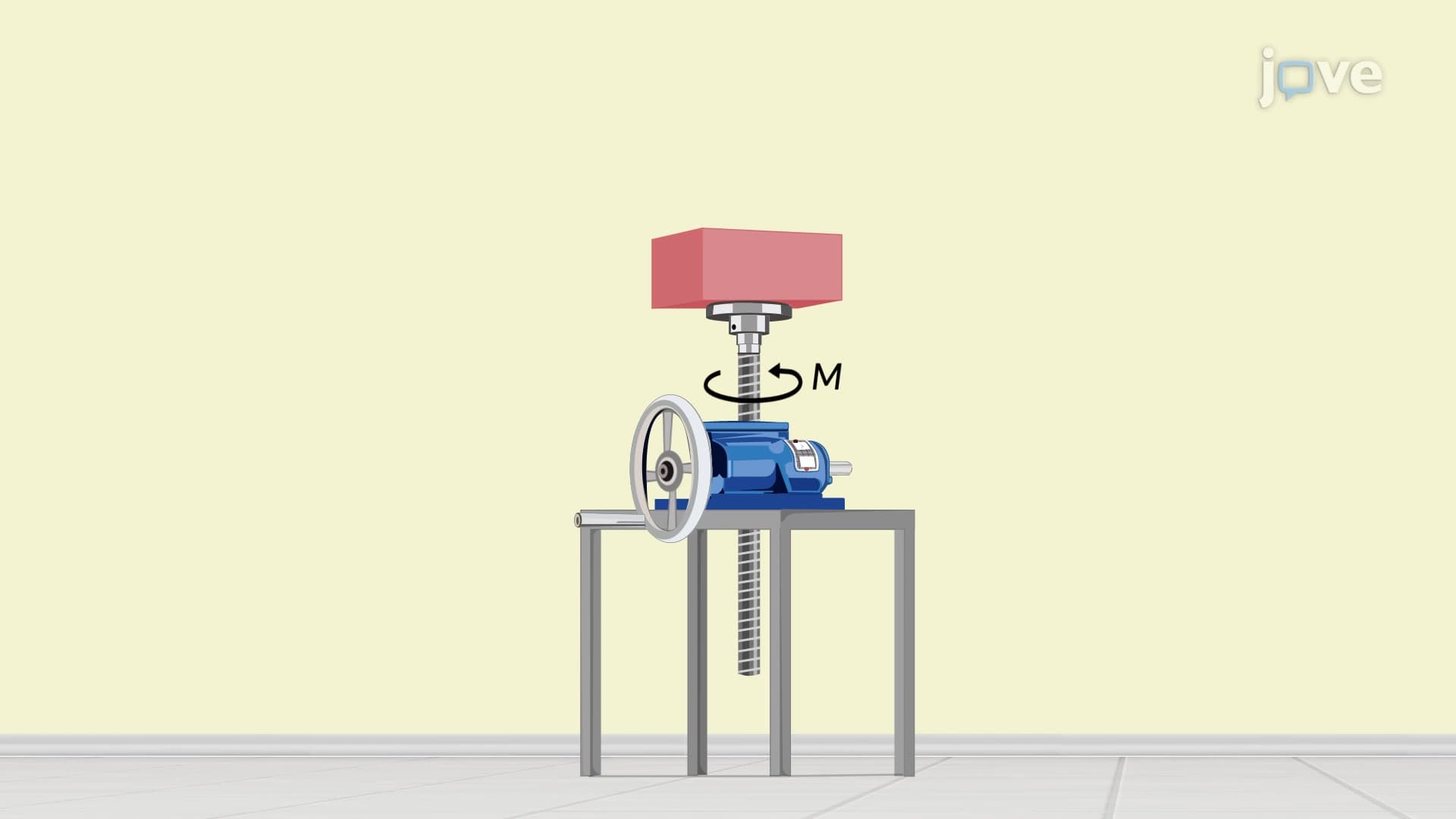
Frictional forces on screws represent the resistance that develops between threaded surfaces when screws rotate under load. These forces arise from the contact between the helical thread of the screw and the corresponding thread in the nut or threaded hole. Unlike smooth surfaces, threaded interfaces create complex force interactions that engineers must carefully analyze for effective machine design.
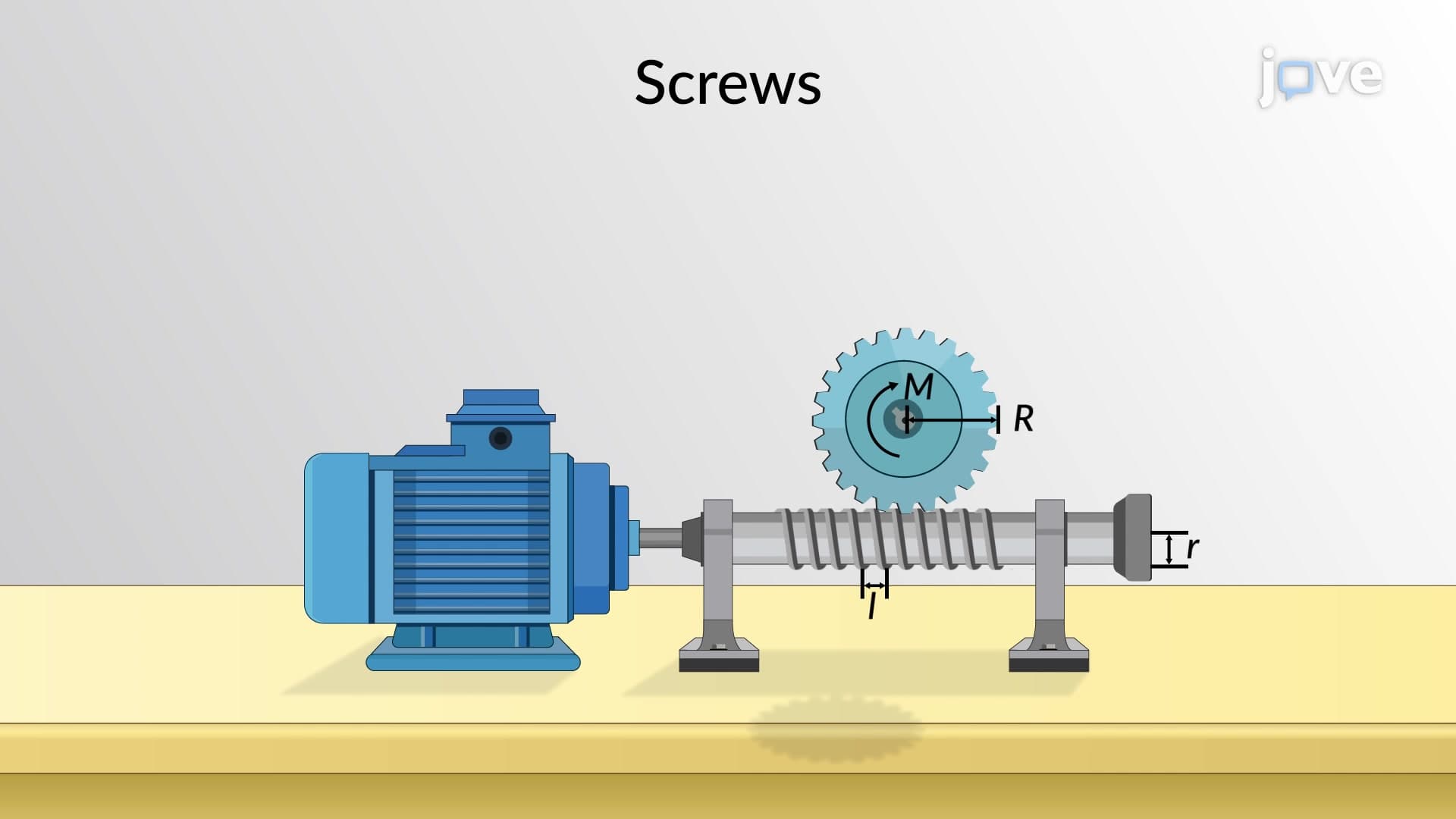
The geometry of screw threads directly influences frictional behavior. Square-threaded screws, commonly used in power transmission applications like vise mechanisms and industrial presses, feature threads with rectangular cross-sections that minimize friction compared to triangular thread profiles. The lead angle-the angle between the thread's helical path and a plane perpendicular to the screw axis-determines how forces distribute between axial and circumferential components.
When analyzing screw friction, engineers model the helical thread as an inclined plane wrapped around a cylinder. This approach simplifies calculations for AP Physics students and college engineering courses, where problems often involve determining the torque required to overcome friction while lifting loads. The pitch (distance between adjacent thread crests) and lead (axial distance traveled per revolution) are fundamental parameters that appear frequently on standardized tests like the SAT Subject Tests and college midterm examinations.
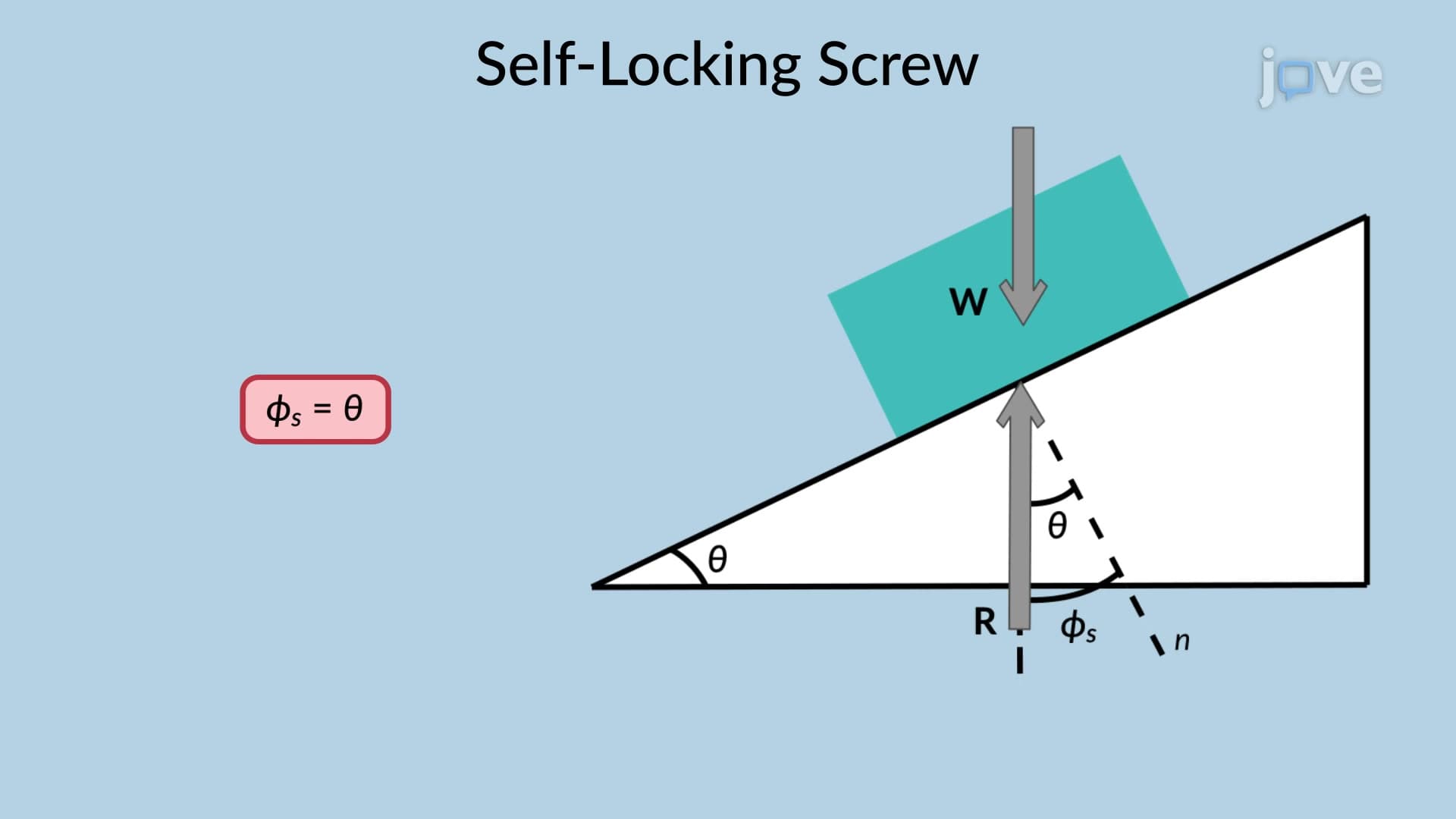
Screw mechanisms experience two primary types of frictional forces: thread friction and collar friction. Thread friction occurs along the helical contact surfaces between male and female threads, while collar friction develops at the interface between the screw head or nut and the adjacent surface. In automotive jack applications used throughout American service stations, thread friction provides the self-locking capability that prevents the jack from spontaneously lowering under load.
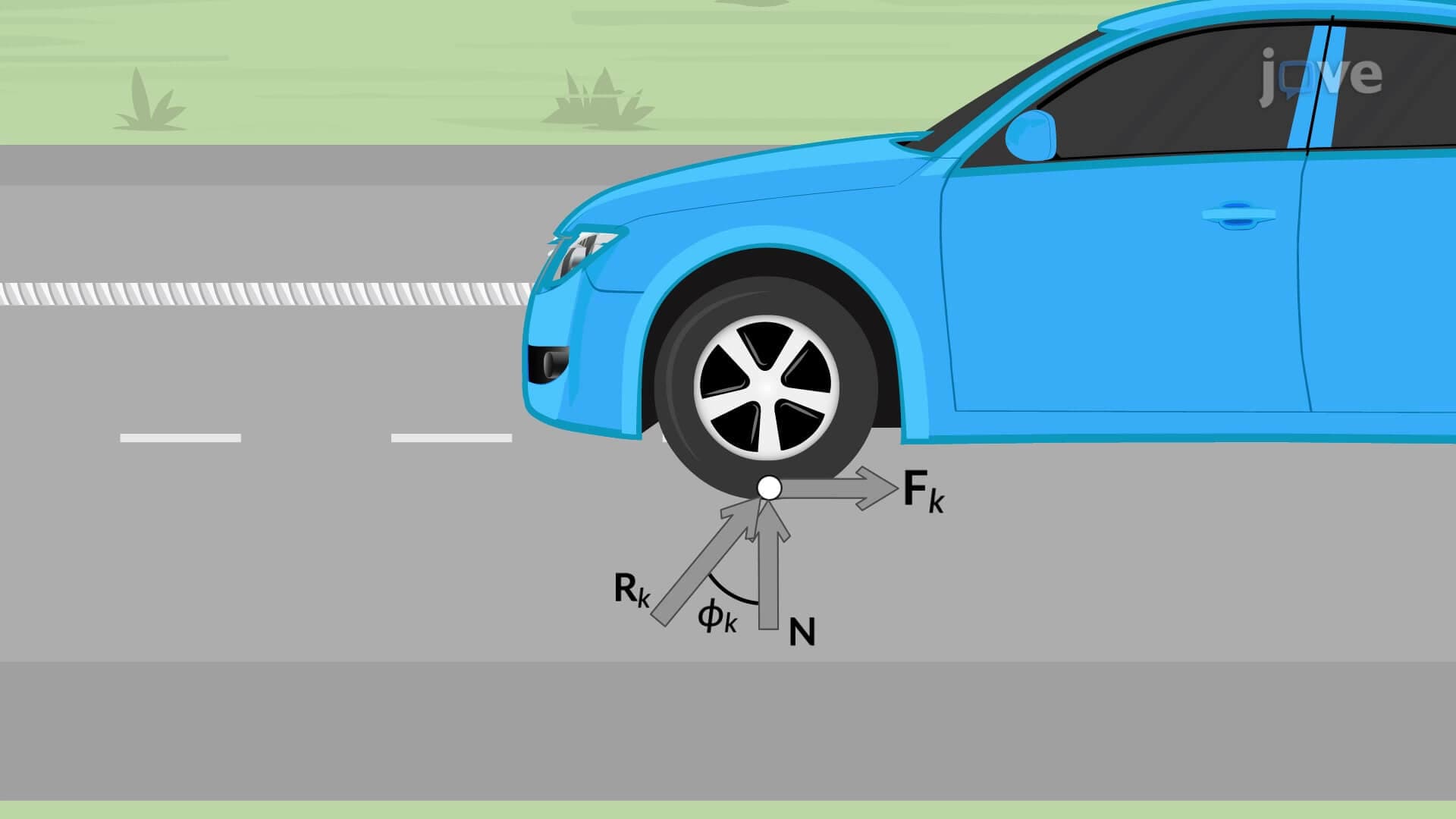
The friction angle, defined as the arctangent of the coefficient of friction, plays a crucial role in screw efficiency calculations. When the lead angle exceeds the friction angle, the screw becomes "overhauling," meaning it will rotate under load without external torque-a potentially dangerous condition in lifting applications.
American manufacturing industries rely heavily on screw friction principles in applications ranging from C-clamps in woodworking shops to massive hydraulic press systems in automotive plants. Boeing aircraft assembly facilities use precision screws where controlled friction ensures proper joint preload without over-tightening. Understanding these principles helps students excel in mechanical engineering coursework and prepares them for professional engineering licensing examinations.
Related Micro-courses