Loading video…


 19 Concepts
 17.8K views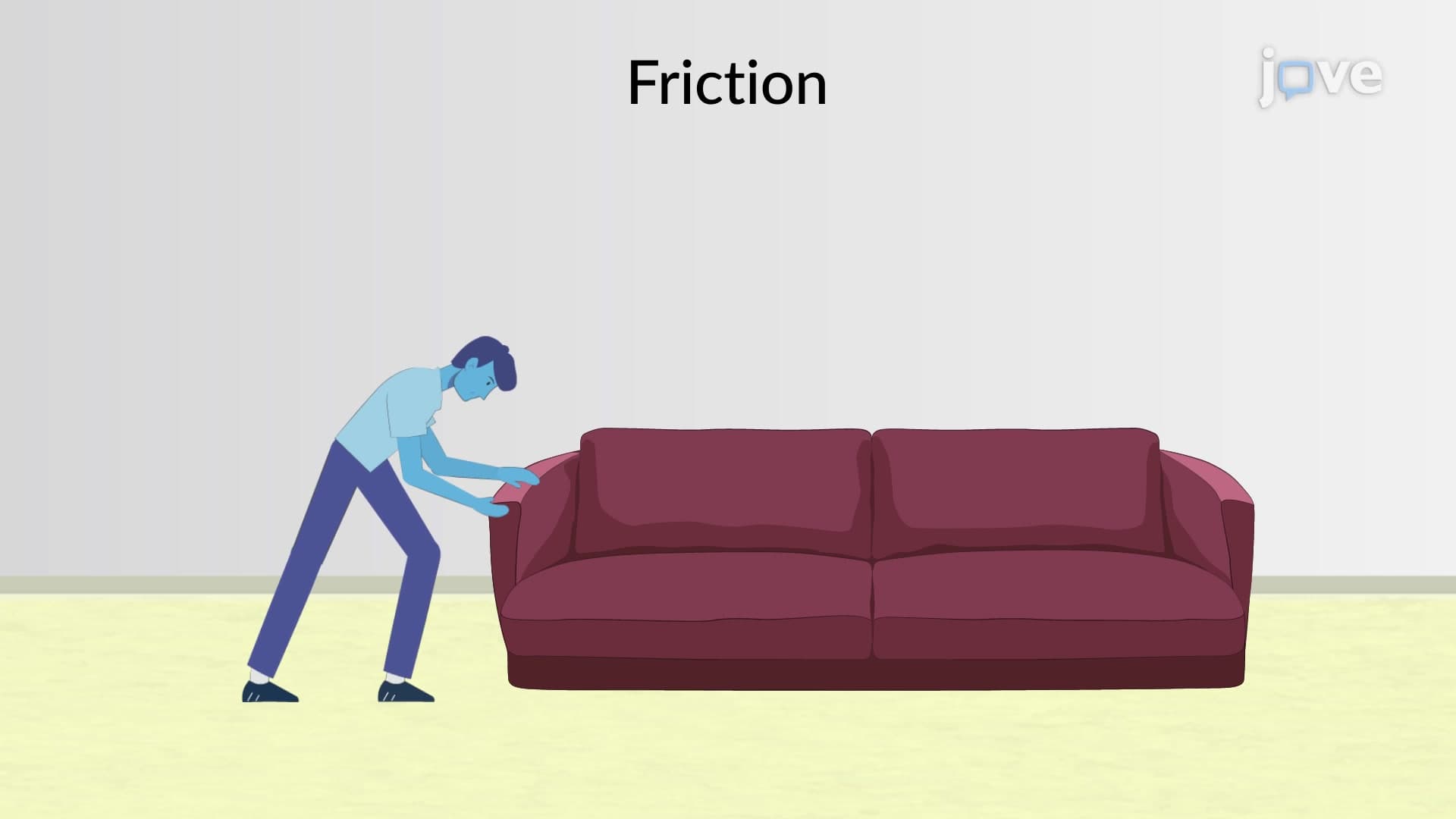

Video Summary: What Is Static Friction
Ever wondered why a 200-pound refrigerator doesn't slide across your kitchen floor when you accidentally bump into it? Static friction acts as an invisible force that keeps objects at rest, automatically adjusting its strength to match any applied force trying to move them. When a maintenance worker at Chicago O'Hare Airport pushes a heavy equipment cart, static friction increases proportionally until it reaches its maximum limit-the point where motion begins. What is Static Friction explores how this fundamental force maintains equilibrium and the critical moment when objects transition from rest to motion. Watch the full video on JoVE Coach to master this concept with expert-led visuals and step-by-step explanations.
Static friction represents one of physics' most fundamental contact forces, acting parallel to surfaces to prevent relative motion between objects in contact. Unlike other forces that remain constant, static friction demonstrates remarkable adaptability-it automatically adjusts its magnitude to exactly match any applied force, maintaining perfect equilibrium until reaching its maximum threshold.
This self-adjusting nature makes static friction unique among forces. When you place a textbook on an inclined desk, static friction immediately responds to gravitational components trying to slide the book downward. The friction force increases proportionally to match the sliding tendency, keeping the book stationary. This principle governs countless everyday scenarios, from pencils staying put on tilted surfaces to cars remaining parked on San Francisco's steep hills.
The relationship between applied force and static friction follows a precise linear pattern until reaching the critical threshold. As external forces increase, static friction responds with equal and opposite magnitude, creating the equation: F(applied) = F(static friction). This continues until the applied force reaches the limiting static friction force, mathematically expressed as F(s,max) = μ(s) × N, where μ(s) represents the coefficient of static friction and N represents the normal force.
The coefficient of static friction depends entirely on the materials in contact and their surface characteristics. Steel on steel typically yields μ(s) ≈ 0.6, while rubber on dry concrete reaches μ(s) ≈ 1.0. These values prove crucial for engineering applications, from determining brake pad materials for Ford F-150 trucks to calculating foundation requirements for skyscrapers in earthquake-prone California.
The transition point where static friction reaches its maximum value marks the critical moment of impending motion. At this threshold, objects exist in unstable equilibrium-any slight increase in applied force triggers the transition to kinetic friction and subsequent motion. This concept appears frequently in AP Physics examinations, where students must identify when objects begin sliding down inclined planes or determine minimum forces required to initiate motion.
Engineering applications rely heavily on understanding impending motion. NASA engineers calculating spacecraft launch sequences must account for static friction between rocket components and launch platform structures. Similarly, structural engineers designing earthquake-resistant buildings in Los Angeles consider static friction limits to prevent foundation sliding during seismic events.
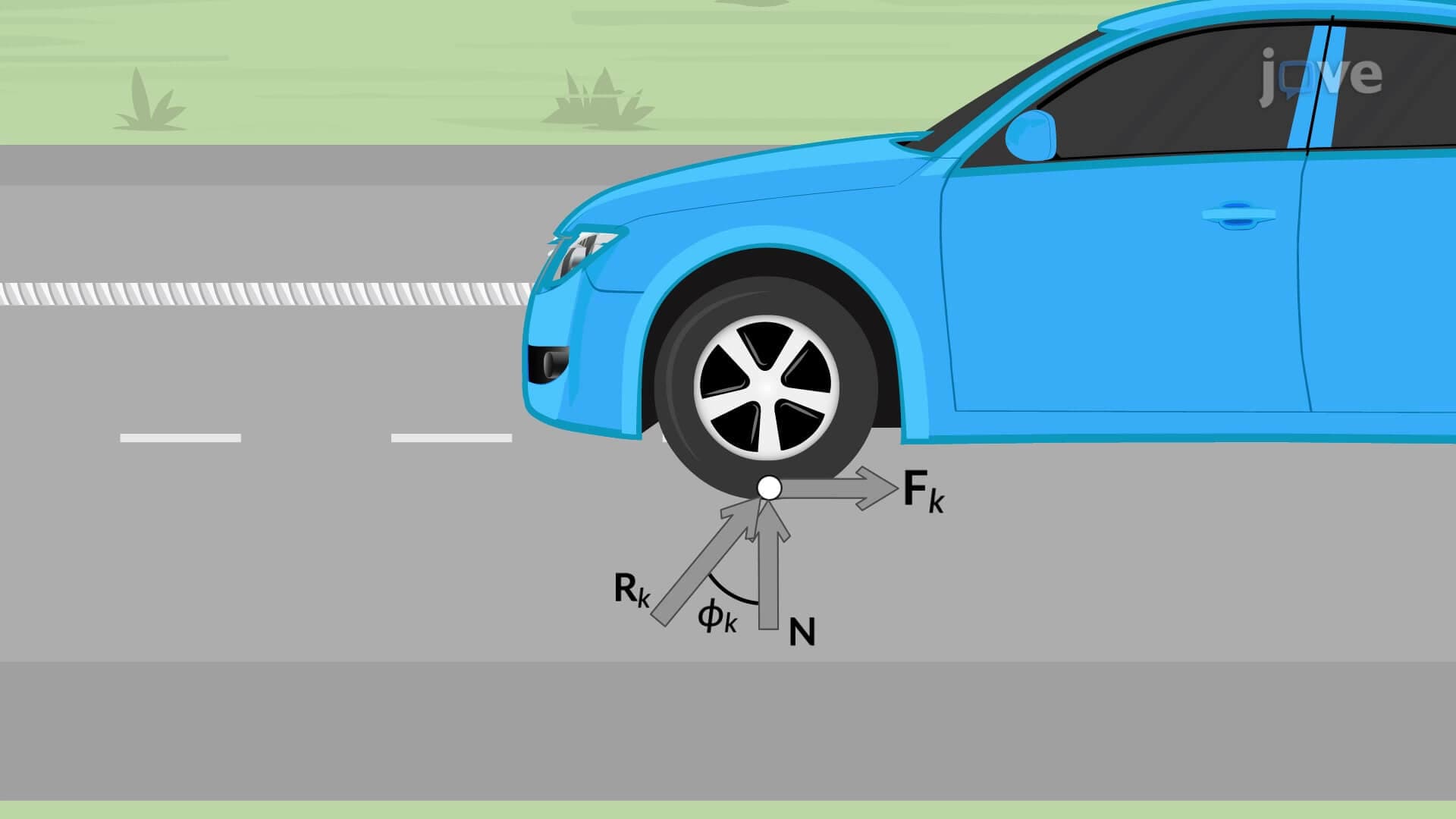
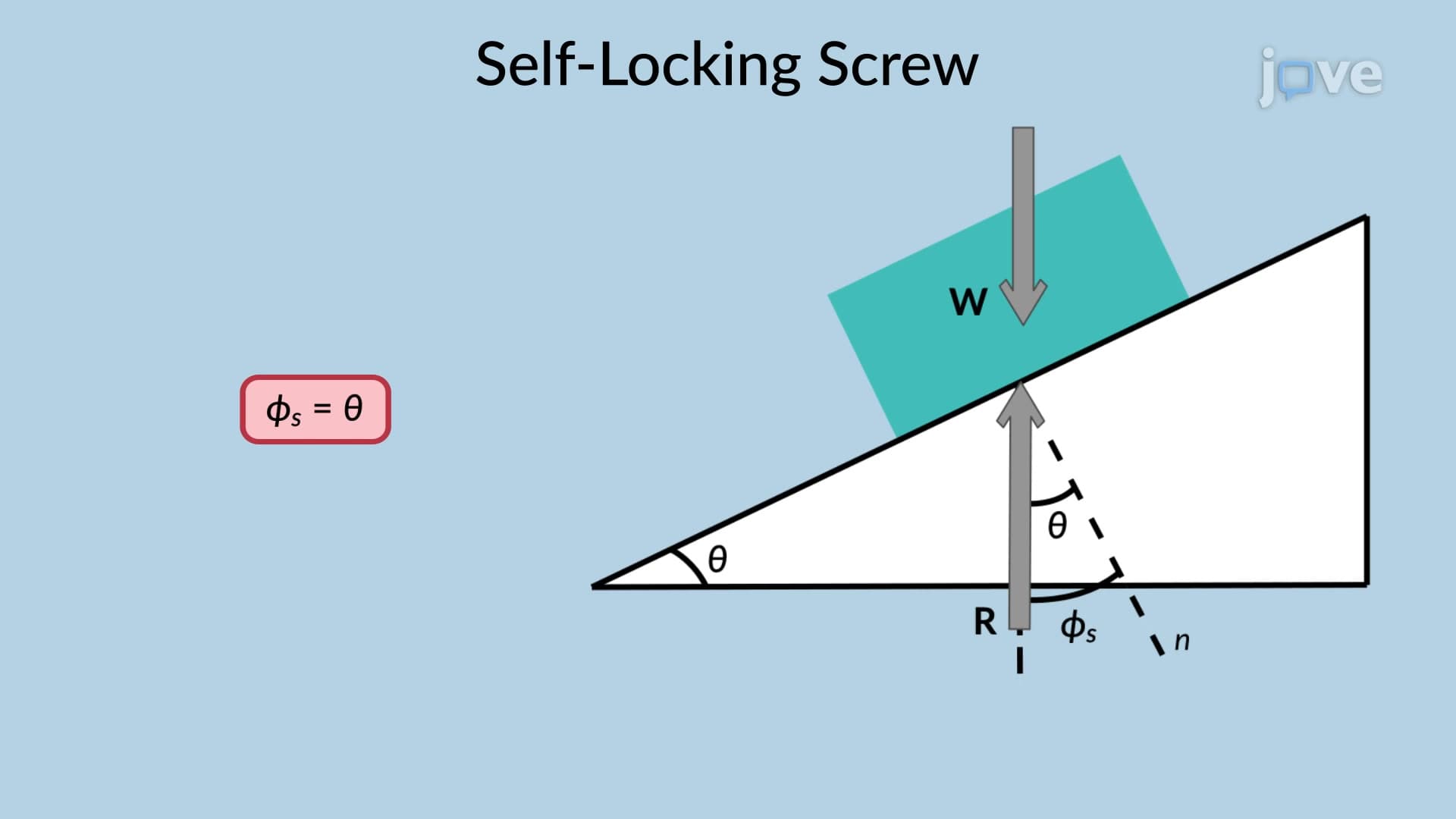
The angle of static friction, formed between the resultant reaction force and the normal force, provides geometric insight into friction behavior. This angle reaches its maximum value at impending motion, creating practical applications in slope stability analysis and mechanical design. Civil engineers use this principle when determining safe angles for highway embankments along Interstate 95 or calculating soil retention wall designs in Florida's sandy conditions.
Understanding static friction proves essential for success in standardized examinations including AP Physics, SAT Subject Tests, and introductory college mechanics courses. Students benefit from visualizing static friction as nature's automatic stabilizing mechanism, responding precisely to maintain equilibrium until physical limits demand motion.
Related Micro-courses