Loading video…


 19 Concepts
 17.8K views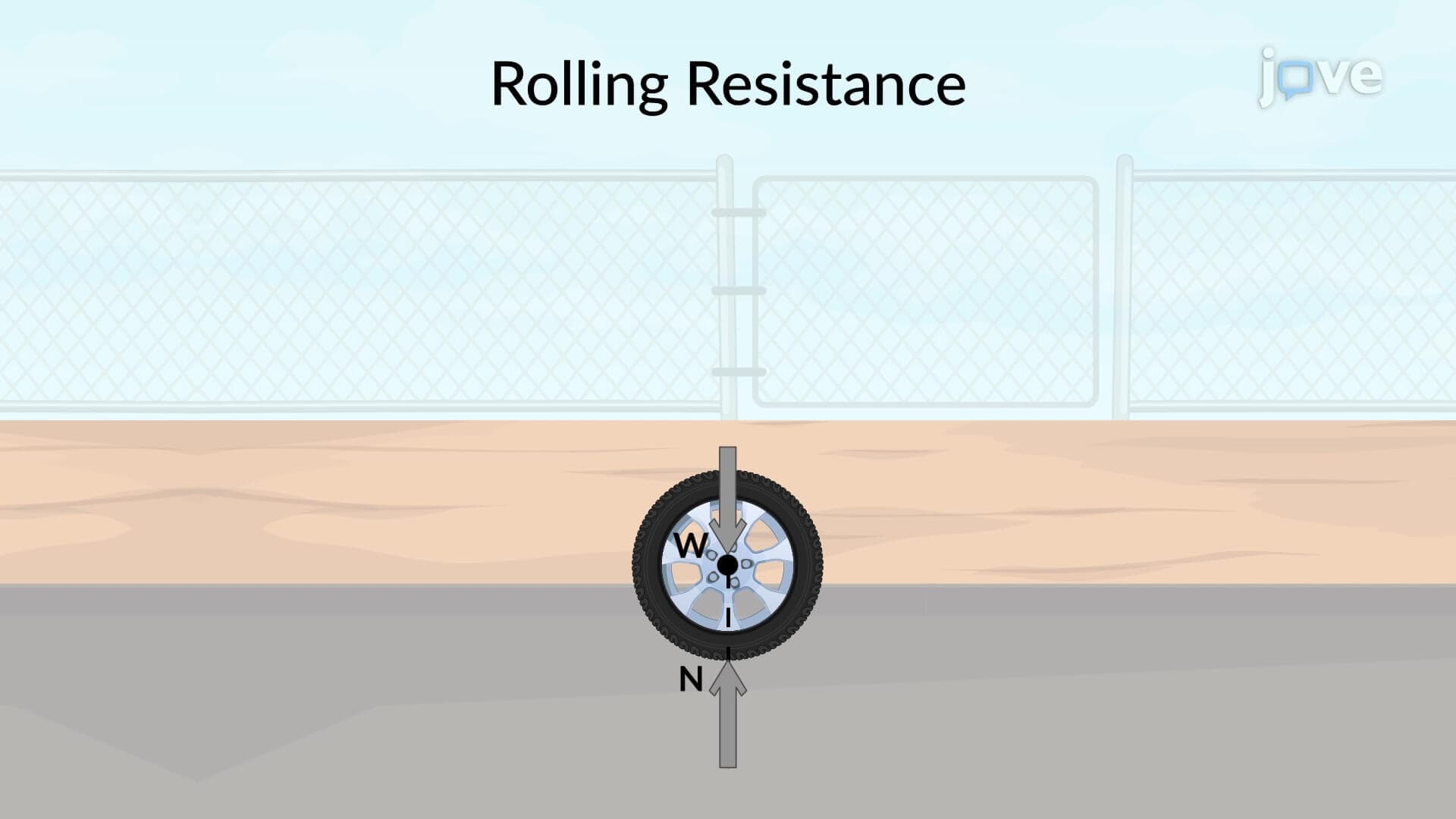

Video Summary: What Is Rolling Resistance
Why do car manufacturers obsess over tire design when fuel efficiency is at stake? Rolling resistance determines how much energy your vehicle's engine must provide to keep tires moving at constant speed. When a Ford F-150 cruises down Interstate 95, its tires constantly deform and restore their shape, creating forces that oppose motion. This phenomenon affects everything from NASCAR race strategies to electric vehicle battery life. What is rolling resistance becomes crucial for understanding vehicle dynamics and energy conservation in transportation systems. Watch the full video on JoVE Coach to master this concept with expert-led visuals and step-by-step explanations.
Rolling resistance represents the force that opposes the motion of a rolling object due to deformation at the contact surface. Unlike sliding friction, which occurs between two surfaces in relative motion, rolling resistance emerges from the continuous deformation and restoration cycle of the rolling object itself. This fundamental concept appears throughout mechanical engineering curricula and proves essential for AP Physics C: Mechanics students tackling rotational dynamics problems.
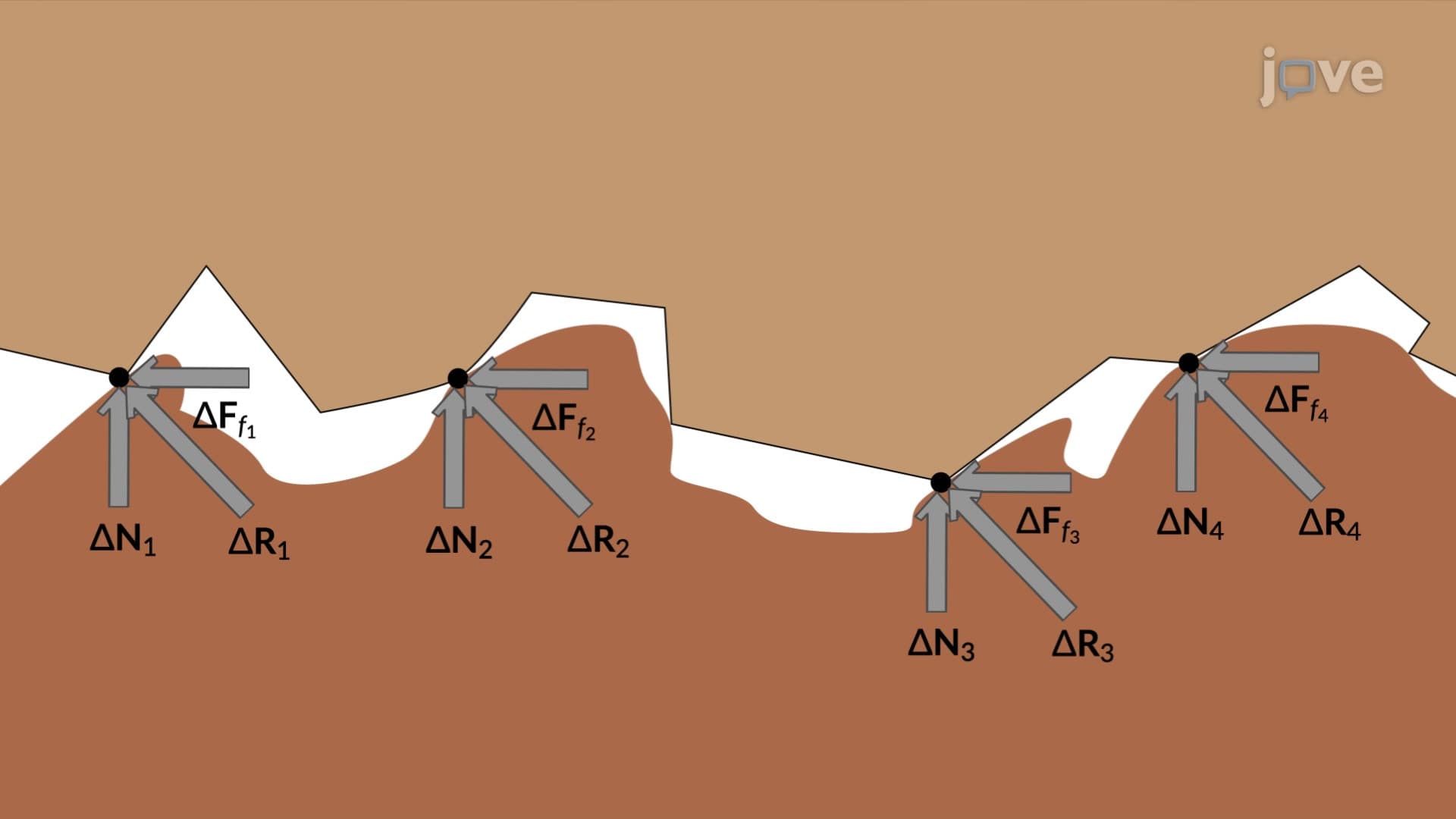
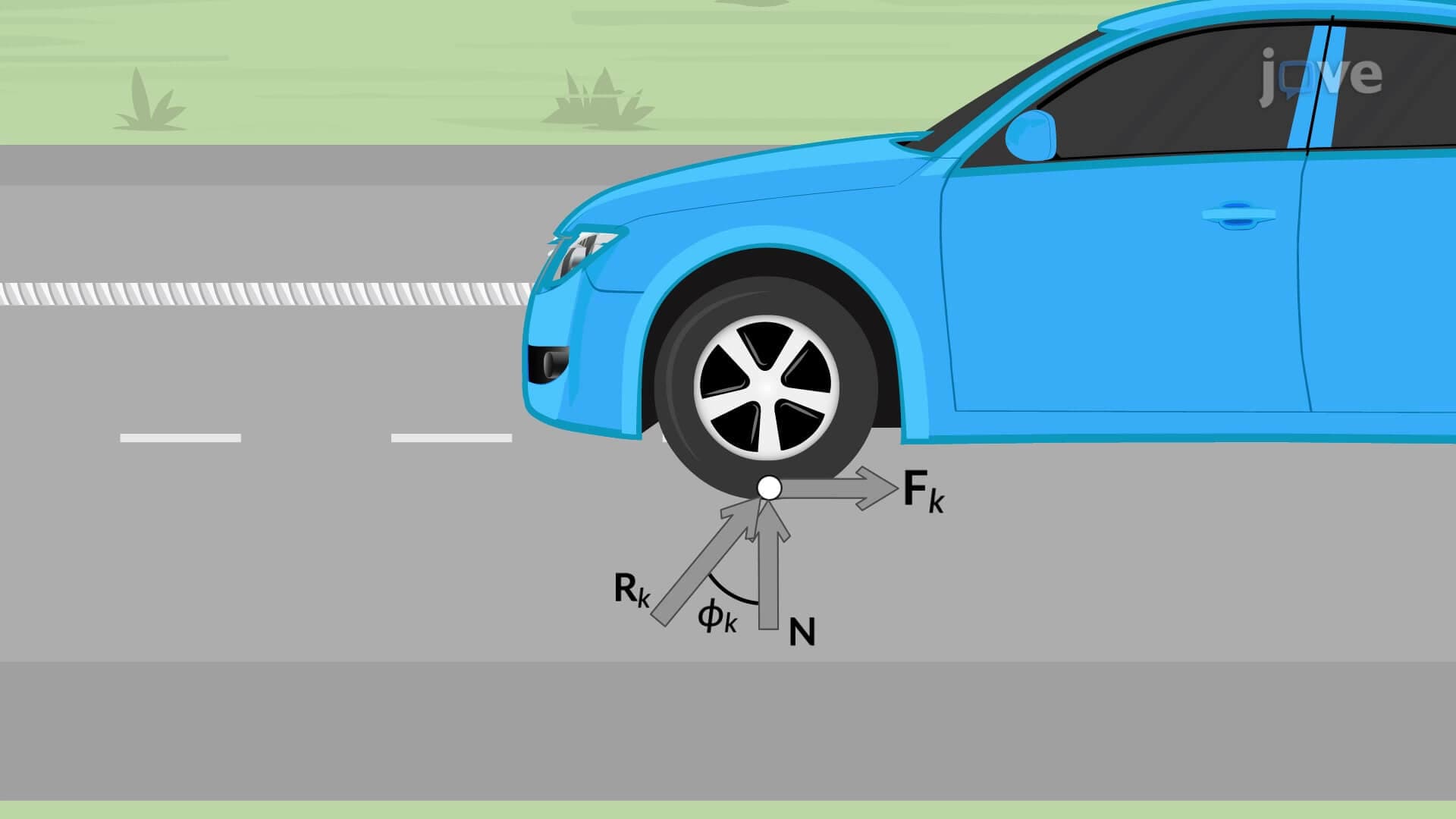
When a tire rolls on pavement, both surfaces undergo deformation at the contact area. The tire's circular cross-section flattens slightly, creating a finite contact patch rather than a theoretical point contact. Within this contact area, normal forces distribute unevenly across the surface. The leading edge of the contact patch experiences greater deformation as the tire compresses against the road surface. This compression creates forces that retard forward motion. Conversely, the trailing edge undergoes restoration as the tire springs back to its original shape, providing a forward-pushing force that's typically smaller in magnitude.
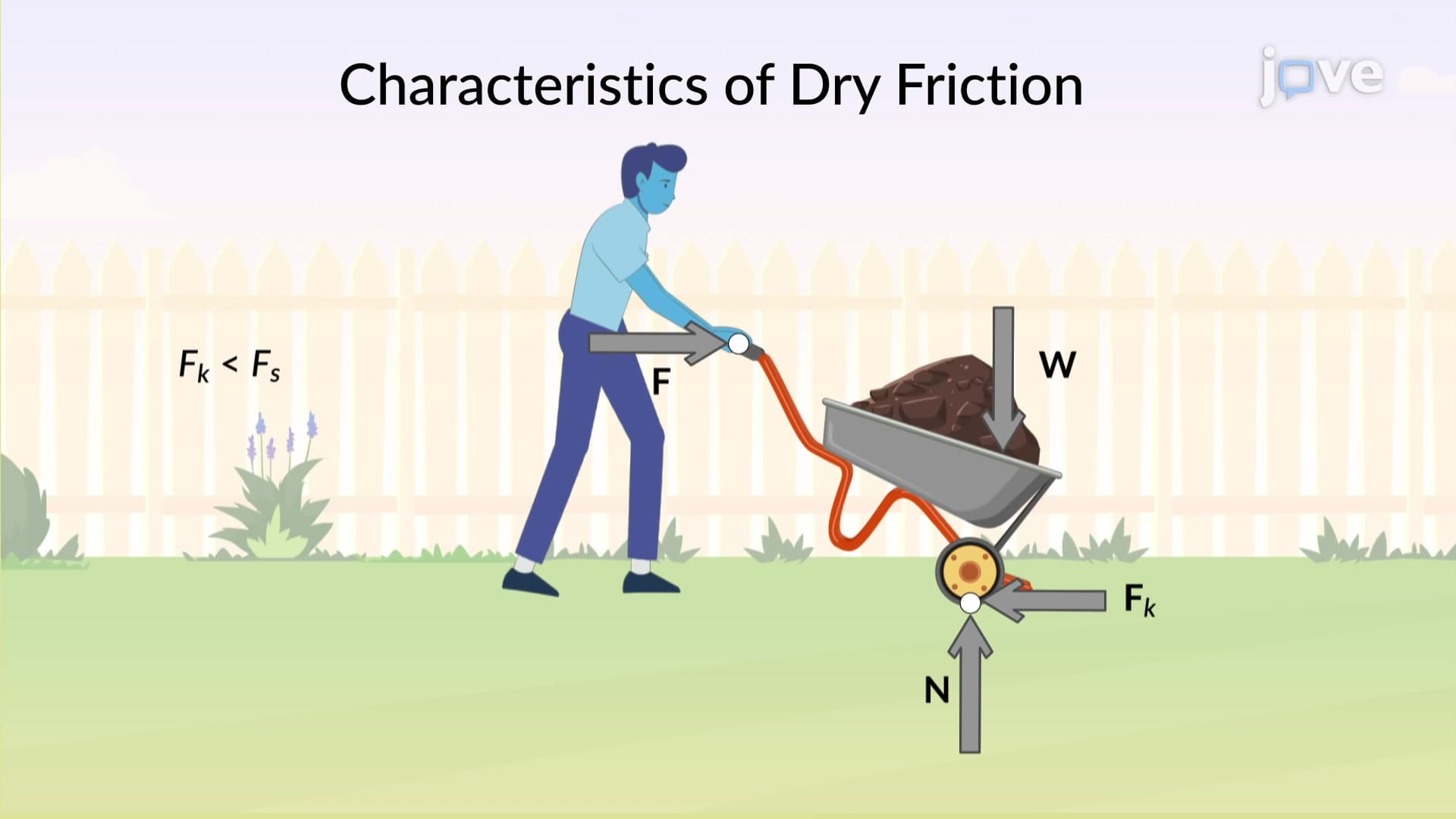
For a tire maintaining constant speed, all forces must balance according to Newton's First Law. The primary forces include the tire's weight (acting downward through the center), the normal force from the road surface (distributed across the contact patch), and the horizontal driving force (applied at the tire's center). The net normal force acts at point A, shifted slightly ahead of the tire's geometric center due to asymmetric deformation patterns.
Moment equilibrium about point A requires that the clockwise moment from the tire's weight equals the counterclockwise moment from the driving force. This relationship yields the fundamental rolling resistance equation: F(drive) = (Weight × Coefficient of rolling resistance) / Radius. The coefficient of rolling resistance typically ranges from 0.01 to 0.02 for car tires on dry pavement, significantly lower than kinetic friction coefficients (usually 0.6-0.8).
Rolling resistance directly impacts fuel economy in American vehicles. The Department of Energy estimates that reducing rolling resistance by 10% can improve fuel efficiency by 1-2%. This principle drives innovations in tire compound chemistry and tread design at companies like Goodyear and Michelin. Electric vehicle manufacturers like Tesla particularly focus on low-rolling-resistance tires to maximize battery range.
Understanding rolling resistance proves crucial for MCAT Physics passages involving energy conservation and for college-level engineering mechanics courses. Students encounter this concept in statics and dynamics coursework, where it bridges theoretical physics with practical automotive applications.
Related Micro-courses