Loading video…


 19 Concepts
 17.8K views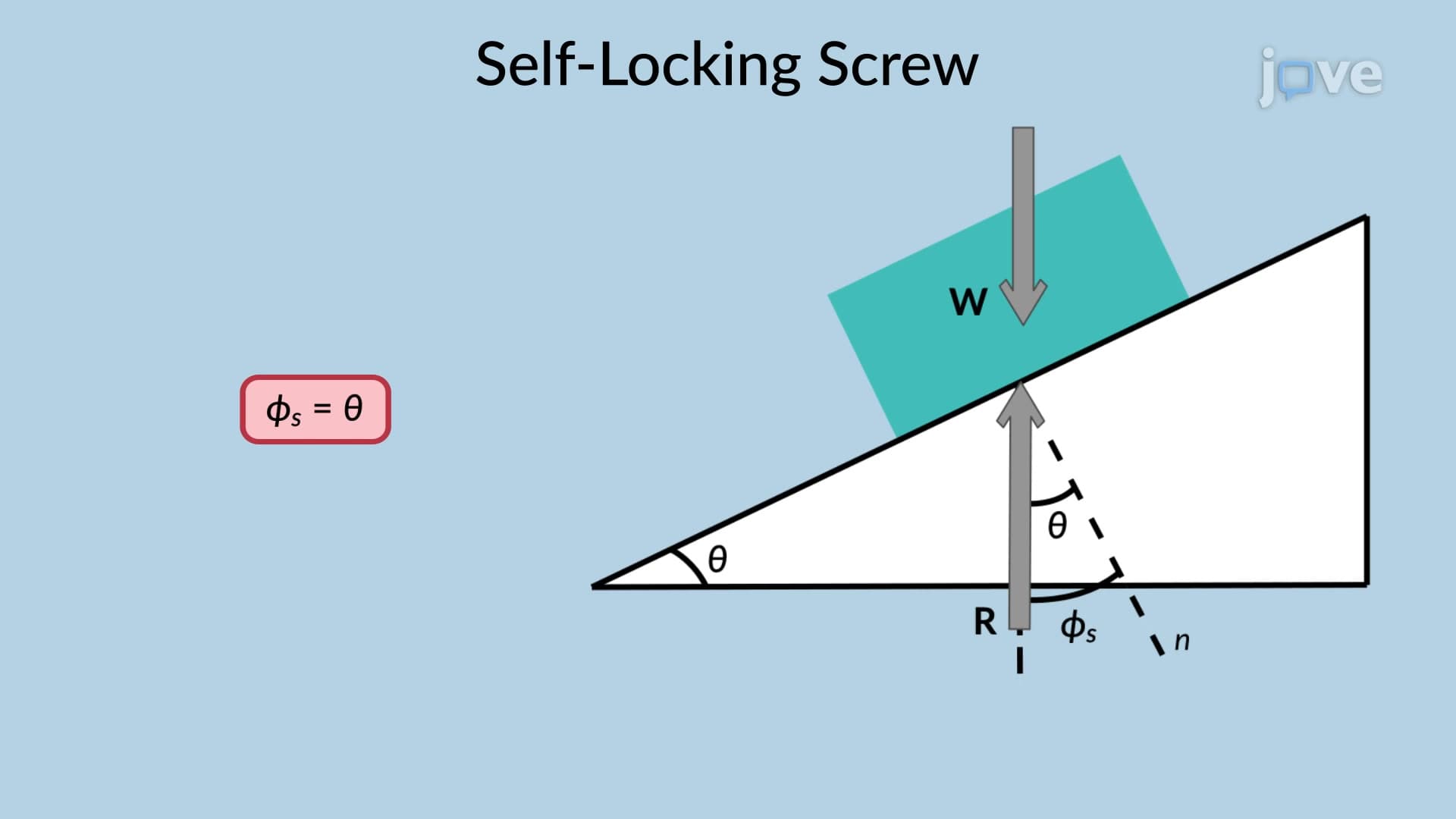

Video Summary: What Is Self Locking Screw
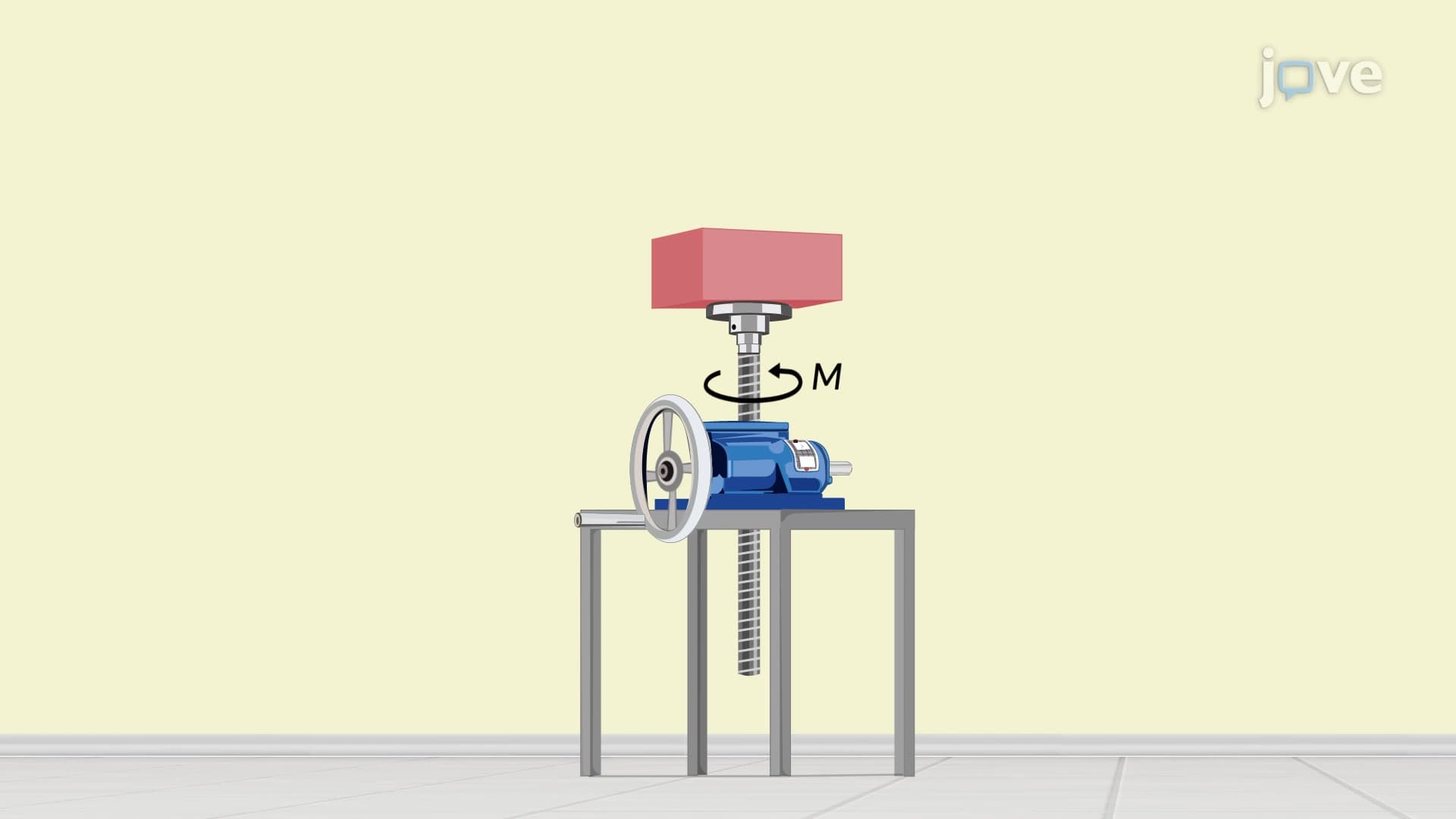
Ever wonder why a car jack stays in place without falling even after you stop turning the handle? This demonstrates a self locking screw, a threaded mechanism that maintains its position under load without requiring continuous torque. Consider the hydraulic jacks used by mechanics at Ford service centers across the US: once positioned, these systems rely on self-locking principles to safely support vehicles during maintenance. Understanding what is self locking screw reveals the elegant physics behind everyday safety mechanisms. Watch the full video on JoVE Coach to master this concept with expert-led visuals and step-by-step explanations.
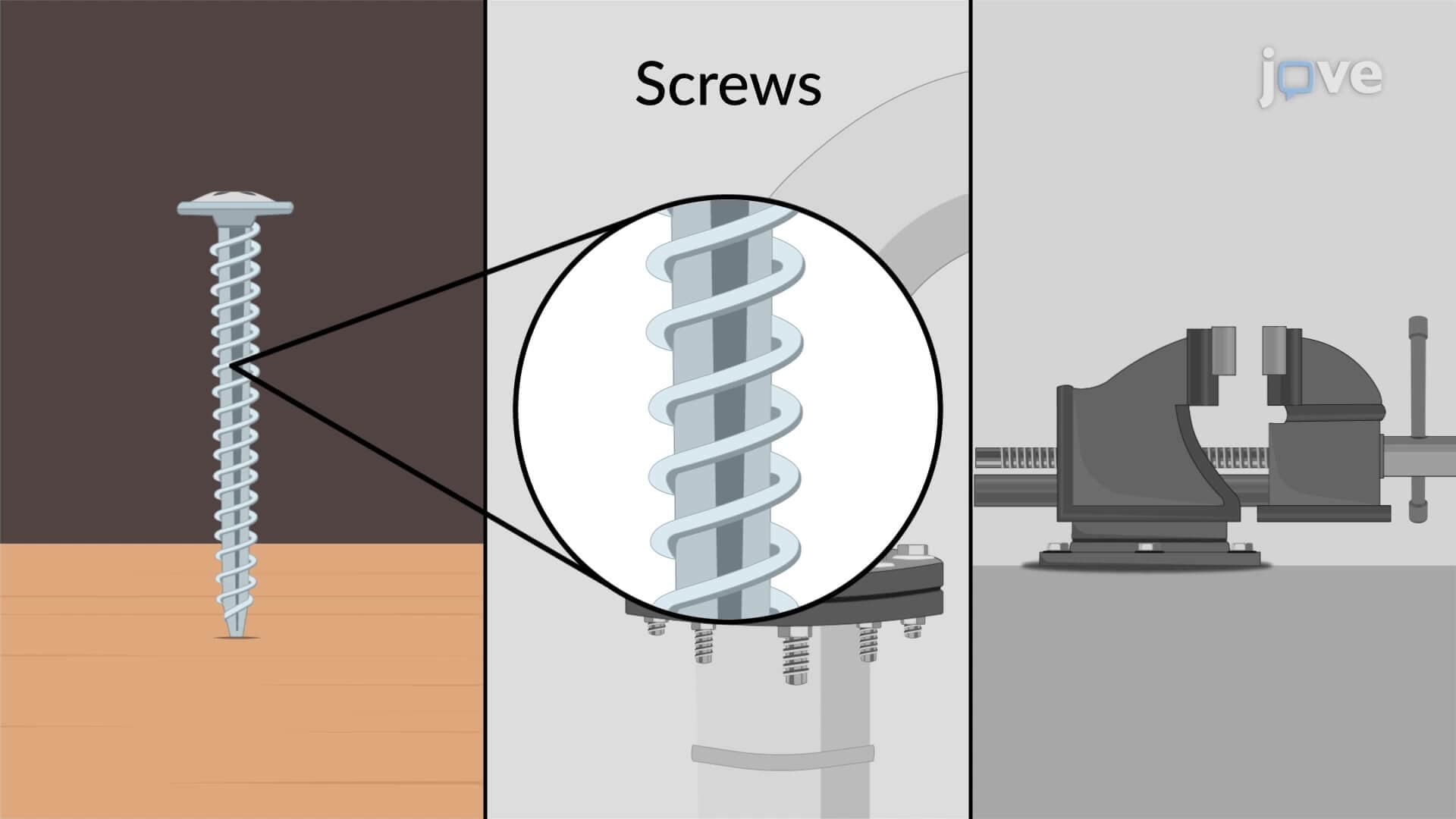
A self locking screw represents a sophisticated mechanical system where threaded components maintain their axial position under load without requiring continuous applied torque. This phenomenon occurs when the geometry and friction characteristics create a force balance that naturally resists unwanted motion. The self locking screw definition centers on this ability to "lock" in position through inherent mechanical advantage rather than external restraints.
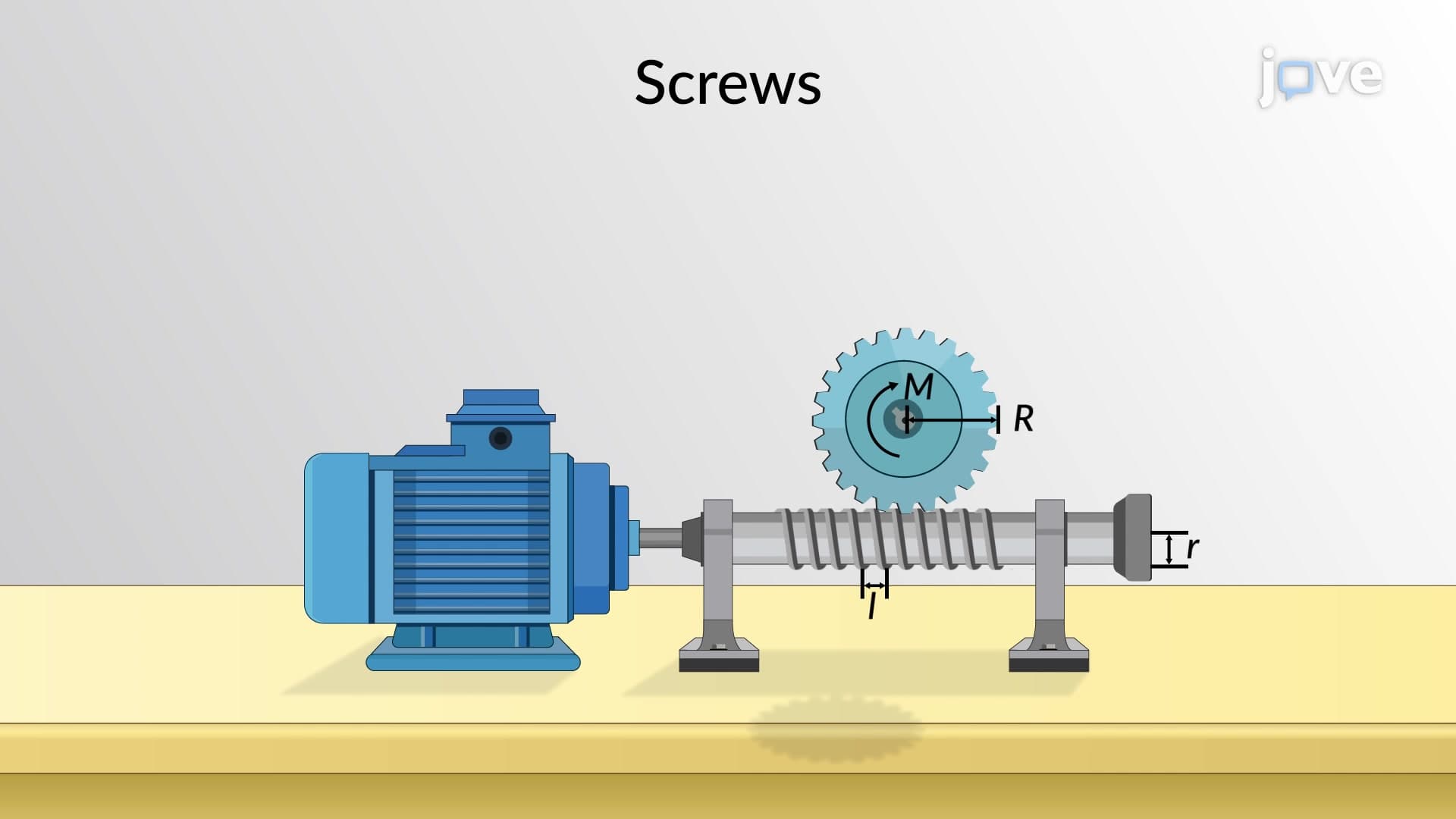
The heart of self locking screw mechanics lies in comparing two crucial angles: the friction angle and the lead angle. When the static friction angle (φ) equals or exceeds the lead angle (α), self-locking occurs. This relationship determines whether threads can slide relative to each other under applied loads. In practical terms, steeper thread pitches (larger lead angles) make self-locking more difficult to achieve, while higher friction coefficients enhance self-locking capability.
Understanding self locking screw behavior requires examining force interactions on inclined thread surfaces. When a load applies downward force on a threaded system, the reaction forces distribute across thread faces. In self-locking conditions, friction forces reverse direction compared to normal operation, creating an upward component that balances the applied load. This force reversal explains why self-locking screws require deliberate torque application to move in either direction.
Self-locking mechanisms appear throughout American industry and infrastructure. Aircraft jackscrew systems, like those in Boeing commercial jets manufactured in Seattle, rely on self-locking principles for flight control surfaces. Similarly, construction equipment used in major US projects, from California highway construction to New York skyscraper development, incorporates self-locking threaded systems for operator safety. These applications demonstrate how theoretical principles translate into life-critical engineering solutions.
Students preparing for AP Physics exams or college-level statics courses frequently encounter self-locking problems in mechanics sections. The concept bridges theoretical force analysis with practical engineering design, making it valuable for both academic understanding and professional preparation. Understanding self locking screw principles also supports advanced topics in mechanical engineering programs at institutions like MIT, Stanford, and Georgia Tech.
Related Micro-courses