Loading video…


 19 Concepts
 17.8K views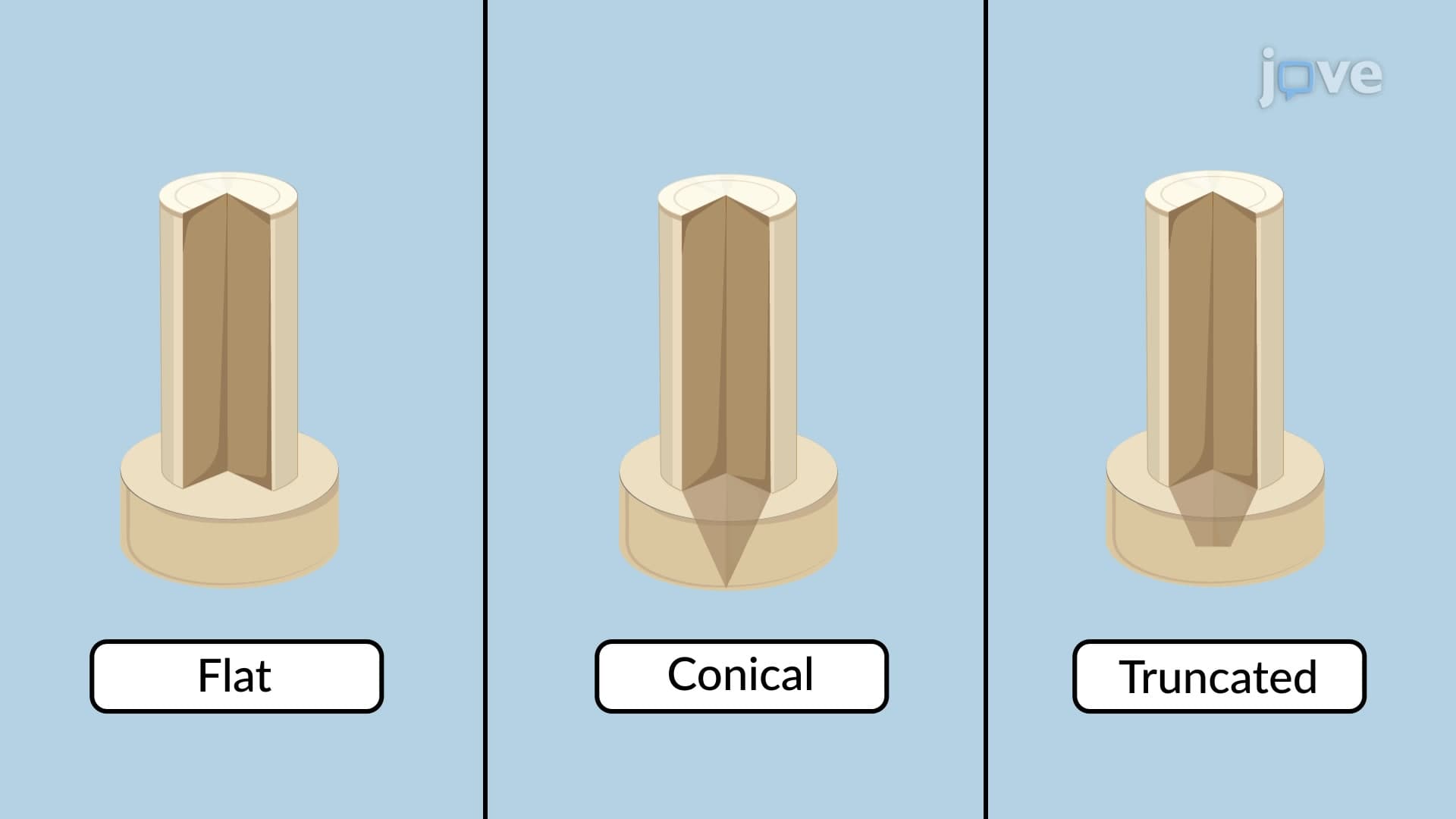

Video Summary: What Is Pivot Bearings
Have you ever wondered how massive industrial turbines at power plants across Texas can rotate smoothly under enormous pressure? Pivot bearings make this possible by supporting axial loads on rotating shafts while minimizing friction. These critical mechanical components distribute forces through flat, conical, or truncated surfaces, enabling everything from aerospace engines to manufacturing equipment to operate efficiently. Watch the full video on JoVE Coach to master this concept with expert-led visuals and step-by-step explanations.
Pivot bearings represent a specialized category of mechanical bearings designed specifically to handle axial loads-forces that act parallel to the rotating shaft's axis. Unlike radial bearings that support perpendicular forces, pivot bearings excel at managing thrust loads while allowing smooth rotational motion. This makes them indispensable in applications where heavy axial forces are present, such as vertical shaft pumps in water treatment facilities across California or thrust bearings in aircraft engines manufactured by companies like General Electric and Pratt & Whitney.
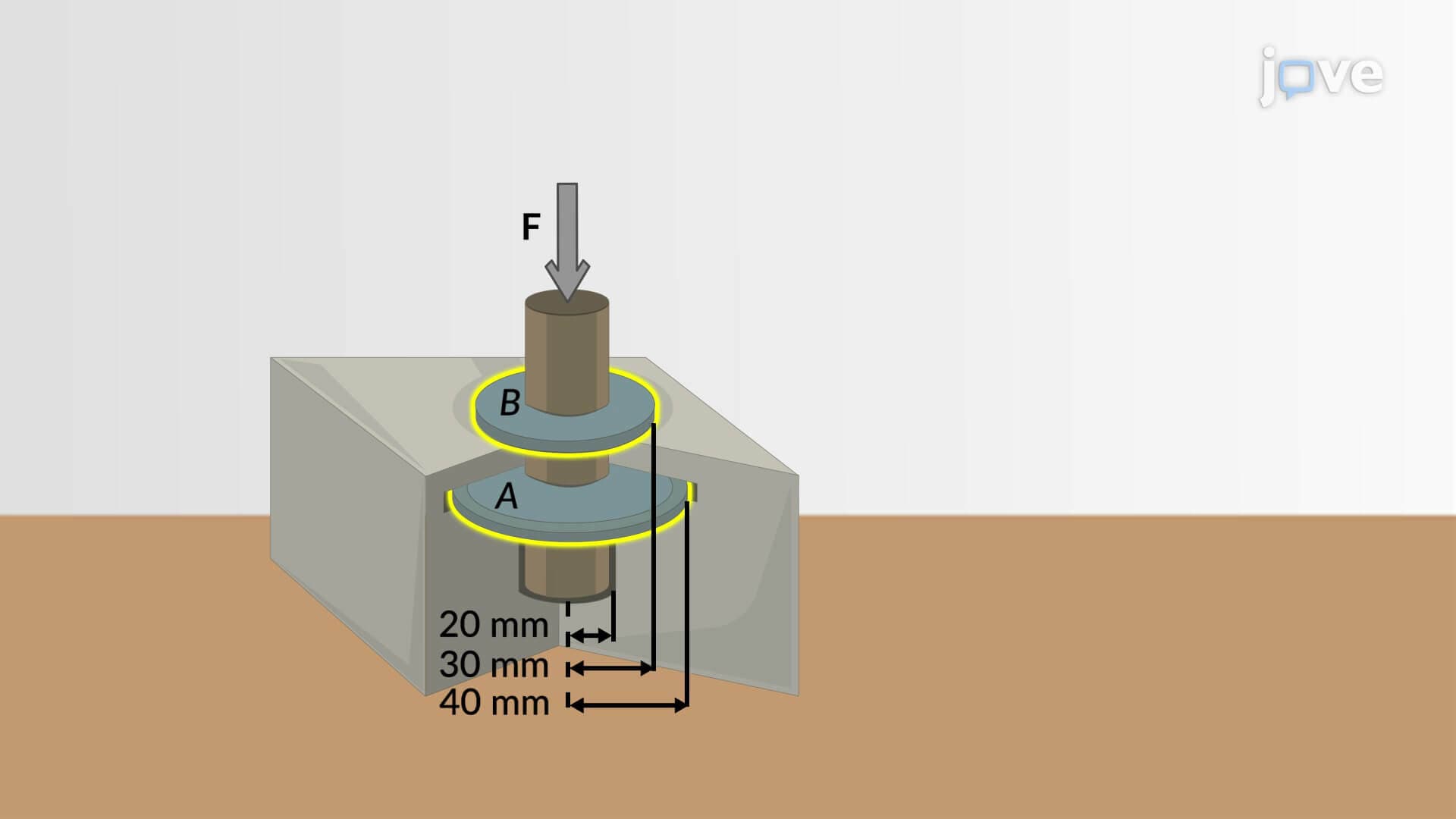
The pivot bearings definition centers on their ability to support axial loads through contact surfaces that can be flat, conical, or truncated (cut-off cone shapes). Each design offers specific advantages: flat surfaces provide uniform load distribution, conical surfaces offer self-aligning properties, and truncated designs balance load capacity with manufacturing simplicity. These bearings work by creating a controlled interface where the rotating shaft transfers its axial load to a stationary housing, with the bearing material-often specialized alloys or composites-managing the resulting friction and wear.
When engineers analyze what is pivot bearings in detail, they must consider the complex relationship between load distribution and frictional forces. For a flat pivot bearing with total bearing area πR², the uniform pressure equals the applied load divided by this area. However, the analysis becomes more sophisticated when examining infinitesimal ring elements at radius r with thickness dr. The frictional force on each ring acts tangentially, creating a moment arm that varies with radial position. This requires integration across the entire bearing surface to determine the total moment needed to overcome friction-a calculation frequently tested in mechanical engineering courses at universities like MIT, Stanford, and UC Berkeley.
Understanding pivot bearings basics becomes crucial when examining their applications in American industry. Hydroelectric dams along the Columbia River use massive pivot bearings in their turbine-generator units, while oil refineries in Texas employ them in vertical pumps and compressors. The aerospace industry relies heavily on pivot bearings for helicopter rotors and aircraft engine thrust systems. Students preparing for AP Physics or college-level statics and dynamics courses will encounter pivot bearing problems that test their understanding of force analysis, moment calculations, and friction principles-skills essential for success on exams and future engineering careers.
Related Micro-courses