Loading video…


 19 Concepts
 17.8K views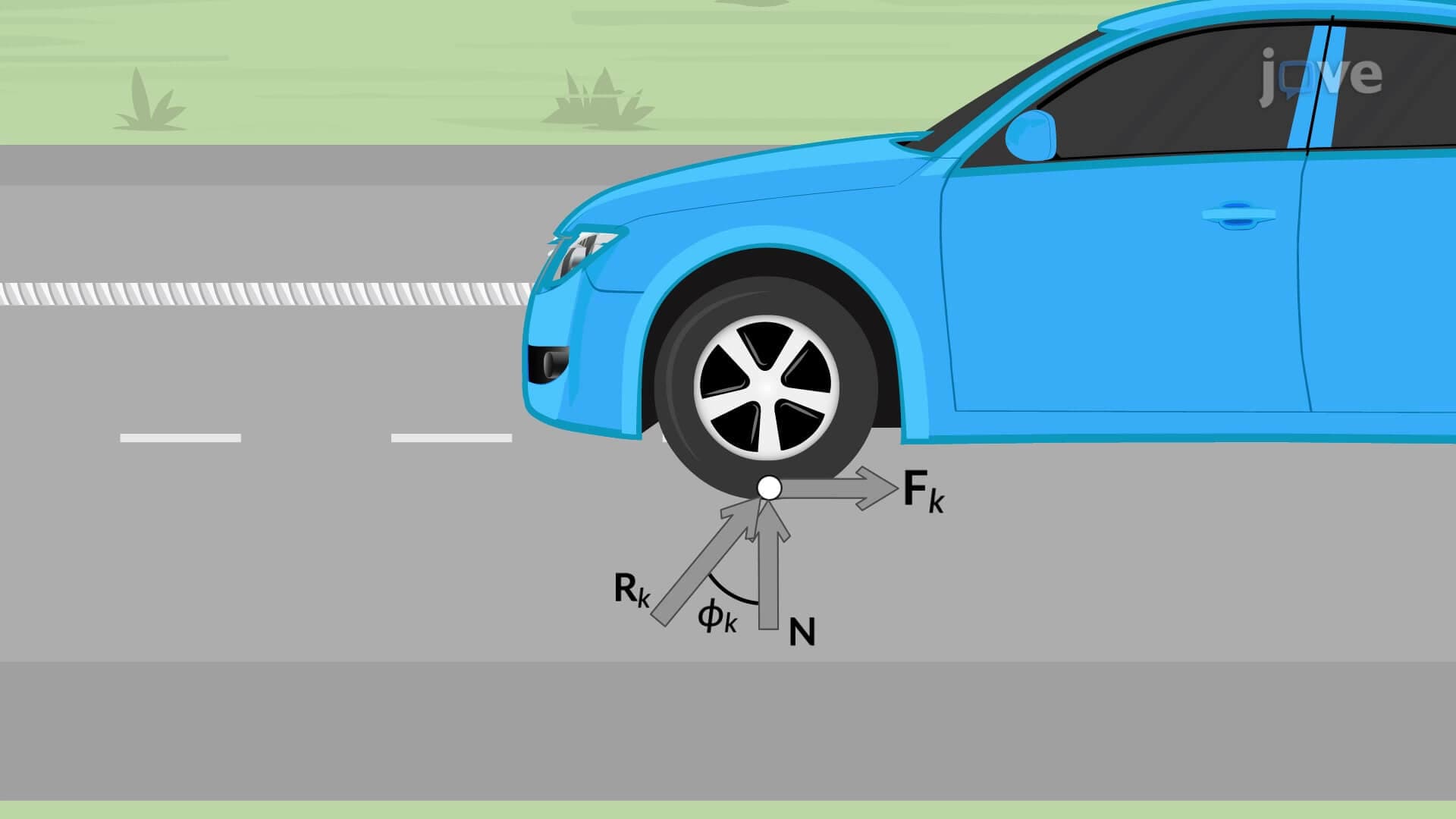

Video Summary: What Is Kinetic Friction
Ever wondered why your car's brakes get hot when you stop suddenly? Kinetic friction is the force that opposes motion when surfaces slide against each other, converting mechanical energy into heat. Unlike static friction that prevents movement, kinetic friction acts once objects are already in motion - like when a NASCAR driver's tires screech against the track during a turn. Understanding what kinetic friction is helps explain everything from brake systems to playground slides. Watch the full video on JoVE Coach to master this concept with expert-led visuals and step-by-step explanations.
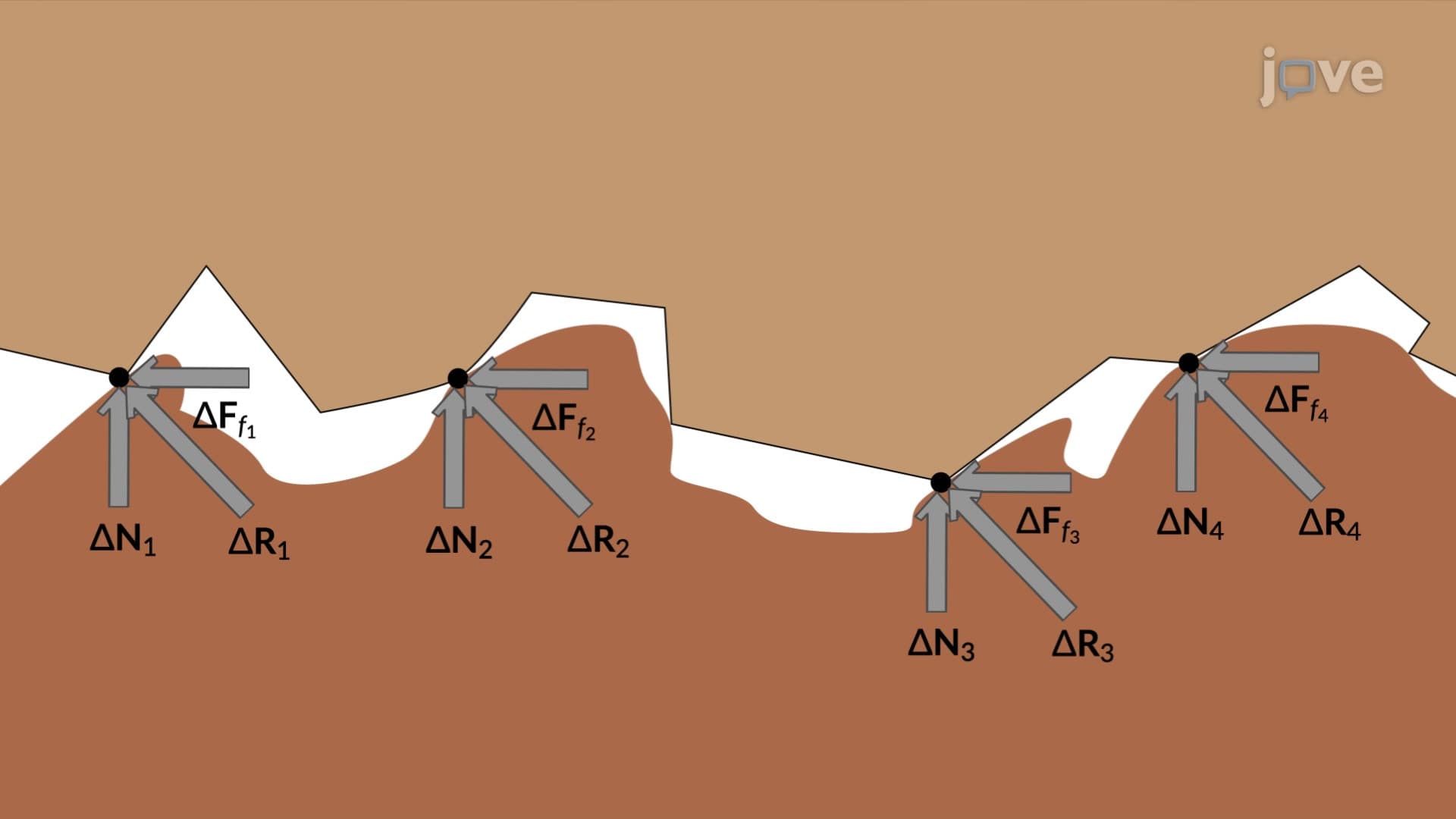
Kinetic friction represents the resistive force that emerges when two surfaces slide past each other. Unlike its static counterpart that prevents initial movement, kinetic friction actively opposes ongoing motion between contacting surfaces. This fundamental force plays a crucial role in countless everyday phenomena, from the screeching of car tires on asphalt to the controlled descent of a child down a playground slide.
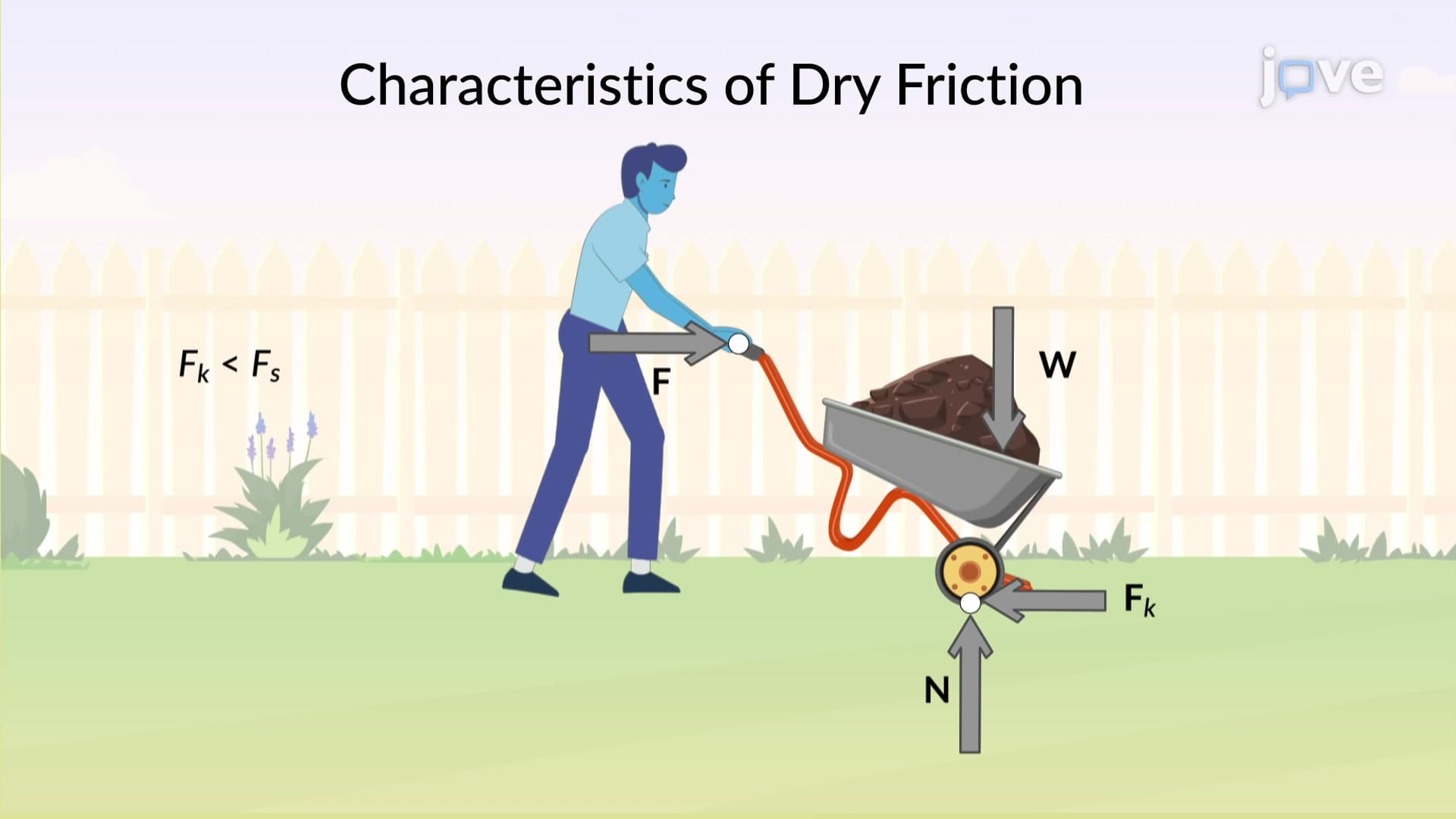
The transition from static to kinetic friction occurs at a critical threshold. When an applied force overcomes the maximum static friction holding two objects together, the surfaces begin sliding, and kinetic friction takes over. Remarkably, kinetic friction is typically weaker than static friction, explaining why it's easier to keep a heavy box sliding across the floor than to start it moving initially.
The kinetic friction force follows a straightforward relationship: F(kinetic) = μ(k) × N, where μ(k) represents the coefficient of kinetic friction and N represents the normal force pressing the surfaces together. This coefficient depends entirely on the materials involved - rubber on wet concrete might have μ(k) = 0.3, while ice on ice could be as low as 0.02.
Understanding these coefficients proves essential for AP Physics students and college engineering majors. The coefficient of kinetic friction remains relatively constant for given material pairs under specific conditions, making it predictable for calculations. However, factors like surface roughness, temperature, and contamination can significantly alter these values in real-world applications.
A fascinating aspect of kinetic friction involves its velocity dependence. At low sliding speeds, kinetic friction remains relatively constant. However, as velocity increases significantly, many material systems exhibit decreased kinetic friction - a phenomenon particularly important in high-speed applications like automotive racing or industrial machinery.
This velocity relationship has profound implications for energy dissipation. Kinetic friction continuously converts mechanical energy into thermal energy, which is why brake pads heat up during heavy braking or why rubbing your hands together generates warmth. NASA engineers must carefully consider these heating effects when designing spacecraft re-entry systems, where kinetic friction with atmospheric particles generates temperatures exceeding 3000°F.
American manufacturing relies heavily on controlled kinetic friction. Automotive brake systems exemplify this perfectly - brake pads create controlled kinetic friction against rotors, converting a vehicle's kinetic energy into heat to achieve safe stopping distances. The National Highway Traffic Safety Administration mandates specific friction coefficients for brake materials to ensure consistent performance across varying weather conditions.
Similarly, the lumber industry utilizes kinetic friction principles in sawmill operations, where controlled sliding of logs through processing equipment requires precise friction management. Even seemingly simple applications like conveyor belts in Amazon warehouses depend on optimized kinetic friction coefficients to move packages efficiently while preventing damage from excessive sliding.
Related Micro-courses