Loading video…


 19 Concepts
 17.8K views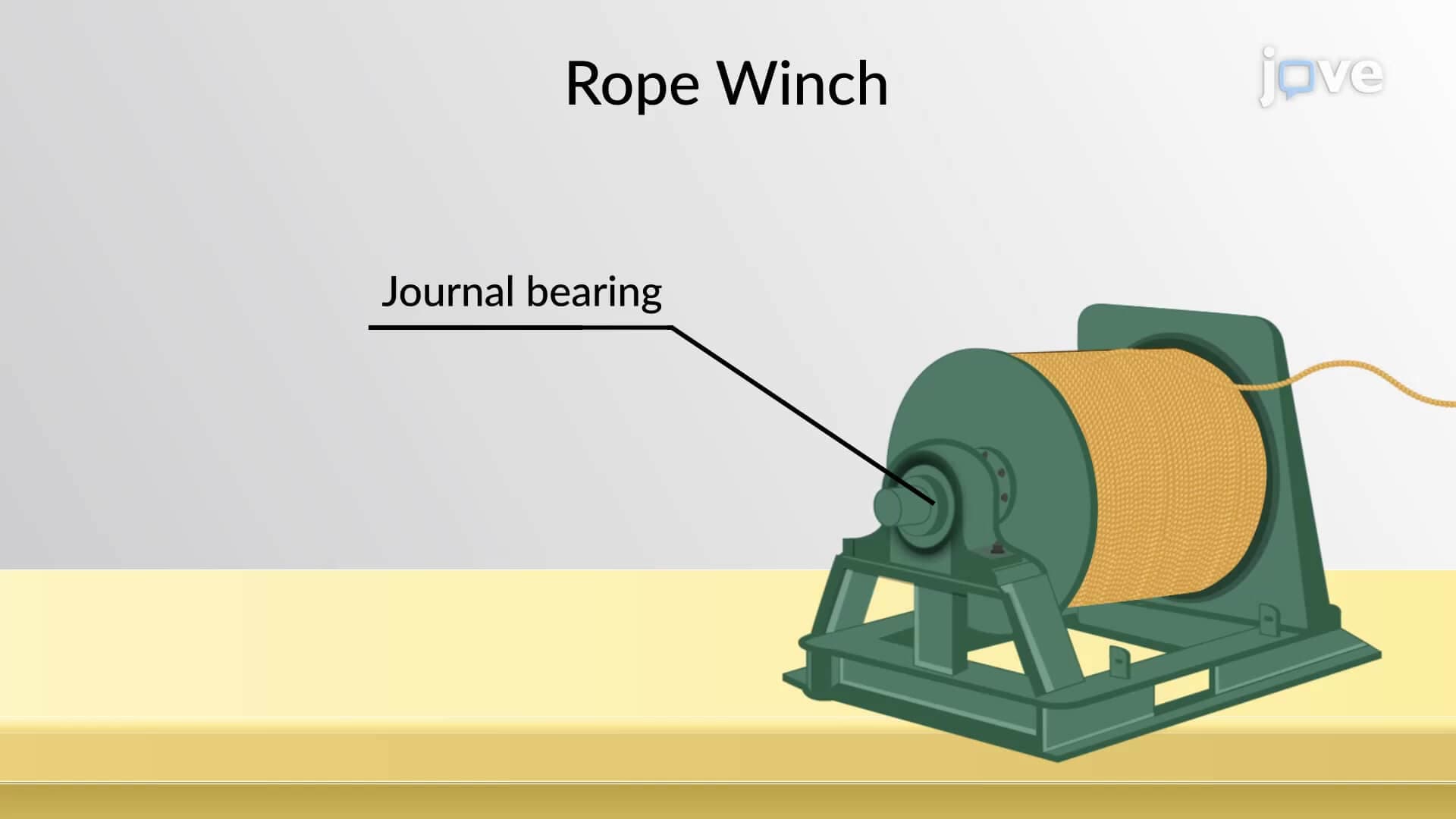

Video Summary: What Is Journal Bearings
Ever wonder how massive industrial cranes at construction sites in New York City can rotate tons of steel without their shafts grinding to a halt? Journal bearings are the unsung heroes providing lateral stability to rotating shafts and axles in countless mechanical systems. From the winches on construction equipment to the turbines in power plants across Texas, these components manage friction and enable smooth rotation through precise force distribution and moment equilibrium principles. Watch the full video on JoVE Coach to master this concept with expert-led visuals and step-by-step explanations.
Journal bearings represent one of the most critical components in rotating machinery, serving as the interface between stationary and moving parts. These mechanical elements provide essential lateral support to rotating shafts while managing the complex interplay of forces, friction, and lubrication. Unlike rolling element bearings that use balls or rollers, journal bearings create a sliding contact surface that can handle substantial radial loads while maintaining rotational motion.
The fundamental principle behind journal bearing operation involves the shaft "climbing" up the bearing's inner surface during startup, eventually reaching a stable operating position where forces achieve equilibrium. This phenomenon occurs in everything from the drive shafts in Ford F-150 trucks manufactured in Michigan to the massive turbine shafts in hydroelectric plants along the Colorado River.
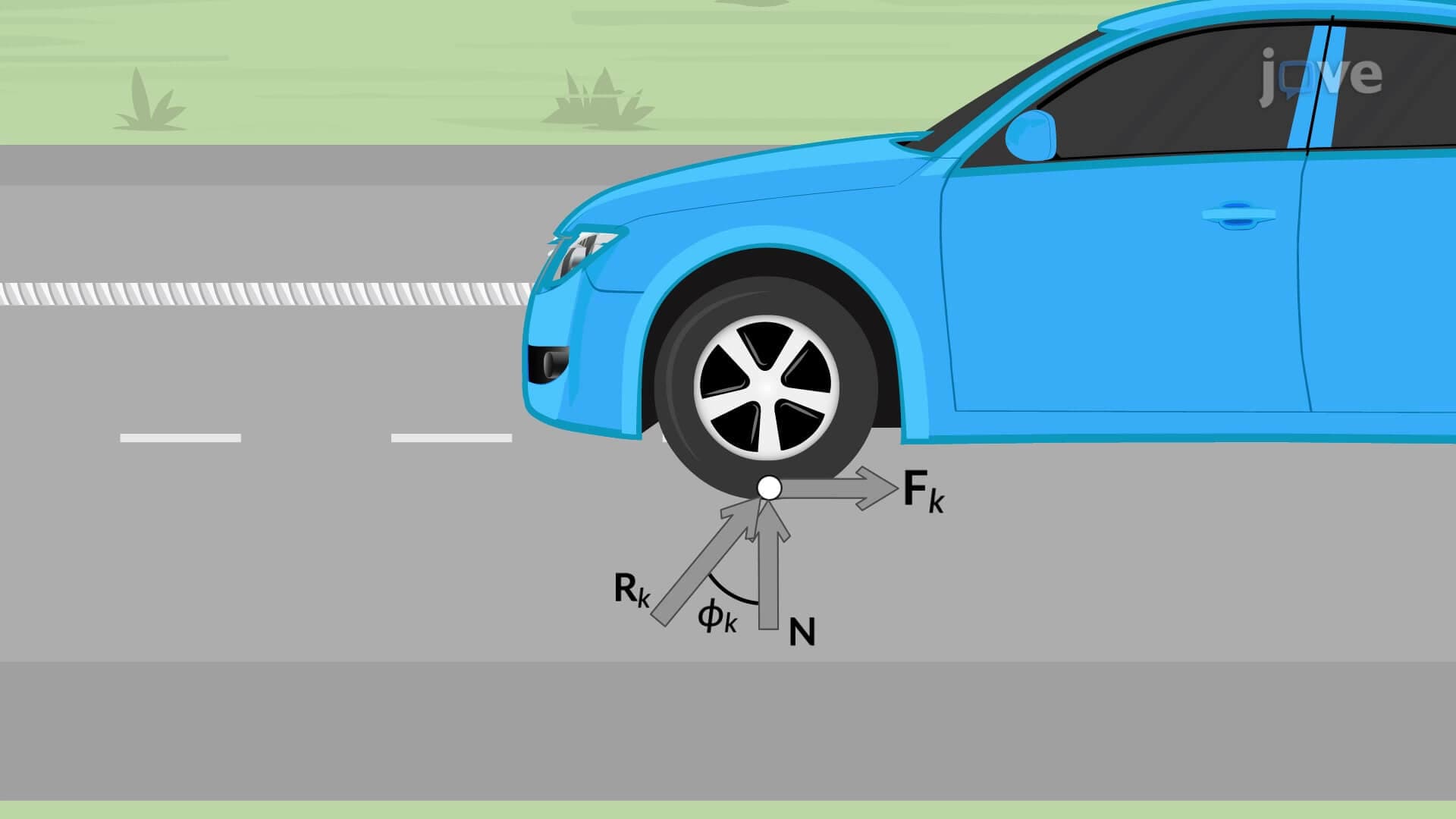
The mechanics of journal bearings involve three primary forces: the shaft's weight acting downward, the applied rotational couple, and the bearing's reaction force. The reaction force acts at a specific angle relative to the surface normal, known as the angle of kinetic friction. This angle determines the line of action, which remains tangent to what engineers call the "circle of friction."
For students preparing for AP Physics or college-level statics courses, understanding this force distribution proves crucial for solving equilibrium problems. The coefficient of kinetic friction directly equals the tangent of the kinetic friction angle, providing a mathematical relationship that simplifies calculations. When the kinetic friction angle remains small (typically less than 15 degrees in well-lubricated systems), engineers can use the approximation that sine equals tangent, streamlining design calculations.
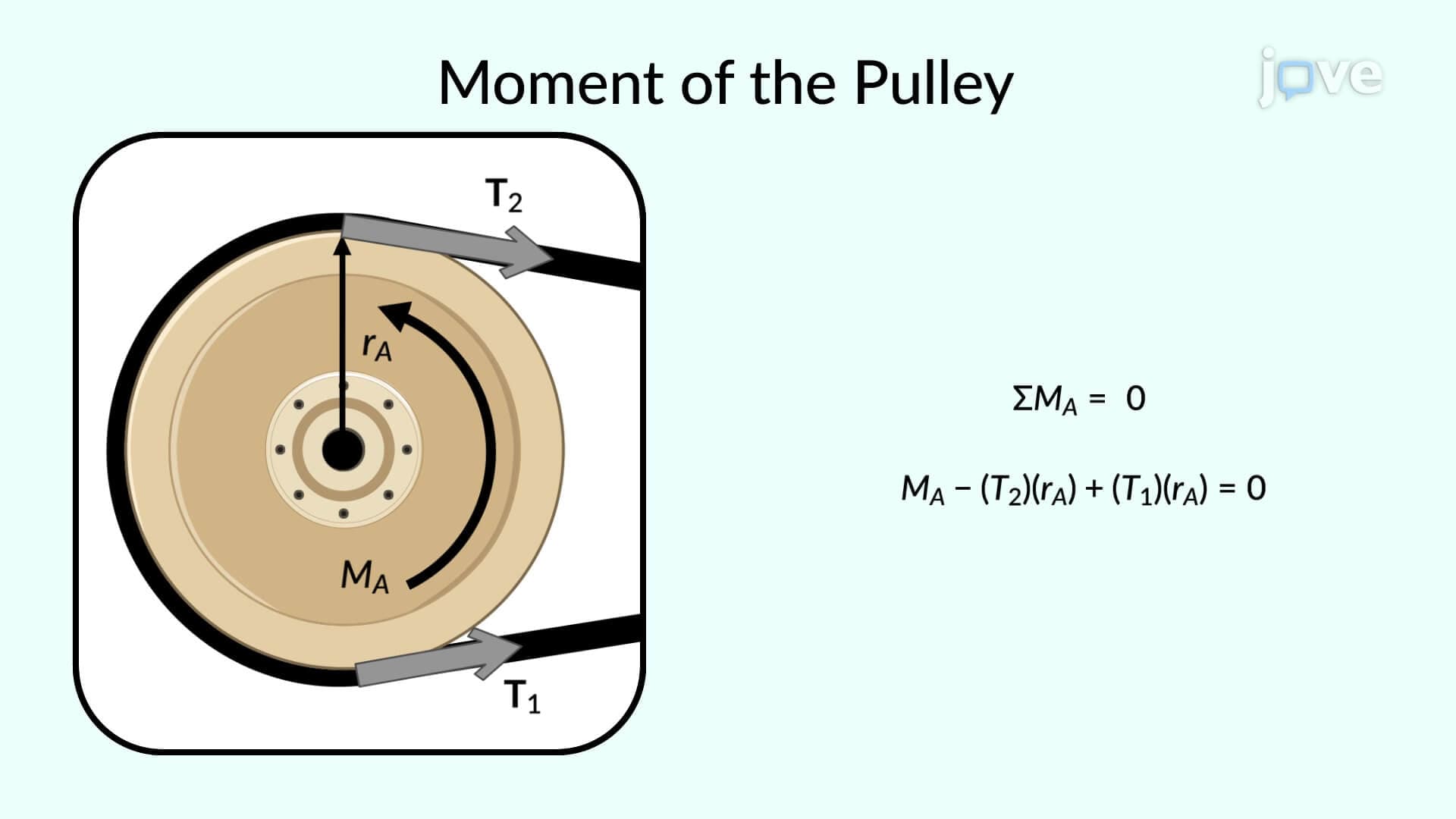
Applying moment equilibrium principles about the bearing center reveals the relationship between applied torque and frictional resistance. This analysis becomes particularly relevant for mechanical engineering students at universities like MIT or Georgia Tech, where bearing design projects are common in machine design courses.
The moment required to overcome bearing friction depends on the shaft radius, applied load, and friction coefficient. In practical applications, such as the journal bearings supporting crankshafts in automotive engines produced in Detroit, engineers must balance friction reduction with load capacity. Too little friction might compromise stability, while excessive friction increases power losses and wear rates.
Understanding these principles helps students tackle problems on the Fundamentals of Engineering (FE) exam, where bearing analysis questions frequently appear in the mechanical engineering section.
Related Micro-courses