Loading video…


 19 Concepts
 17.8K views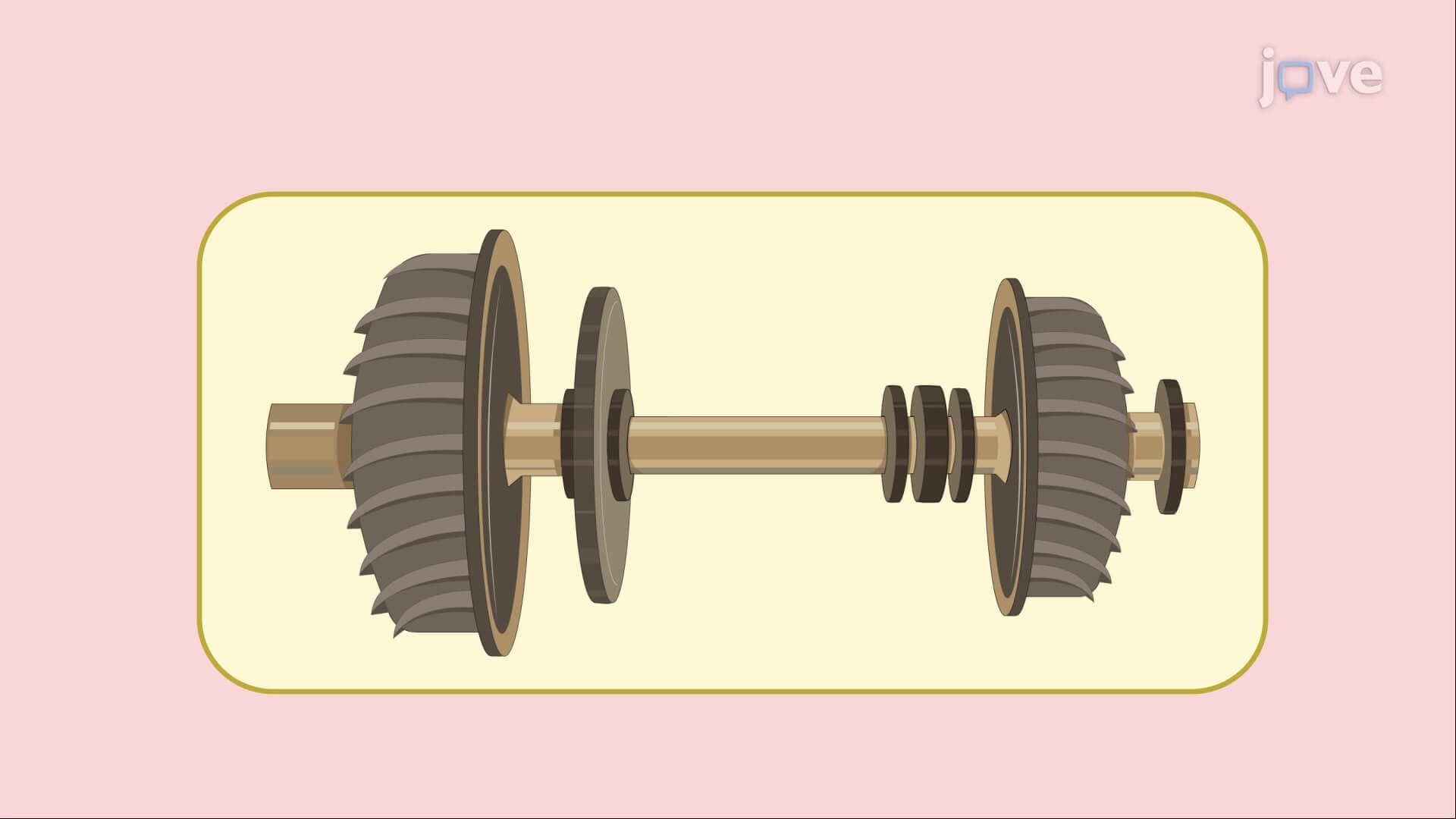

Video Summary: What Is Collar Bearings
Ever wondered how massive industrial turbines at power plants like those at Hoover Dam handle thousands of pounds of axial force without failure? Collar bearings are the unsung heroes that support these enormous loads on rotating shafts, using precisely engineered contact areas between internal and external radii to distribute pressure evenly. These mechanical components can feature single or multiple collars depending on the application's demands. Watch the full video on JoVE Coach to master this concept with expert-led visuals and step-by-step explanations.
Collar bearings represent a critical class of thrust bearings specifically engineered to handle axial loads-forces acting parallel to a shaft's rotational axis. Unlike radial bearings that support perpendicular loads, collar bearings excel at managing the "push and pull" forces that would otherwise cause catastrophic shaft displacement. These components are essential in applications ranging from hydroelectric generators at facilities like the Tennessee Valley Authority to oil refinery pumps across Texas.
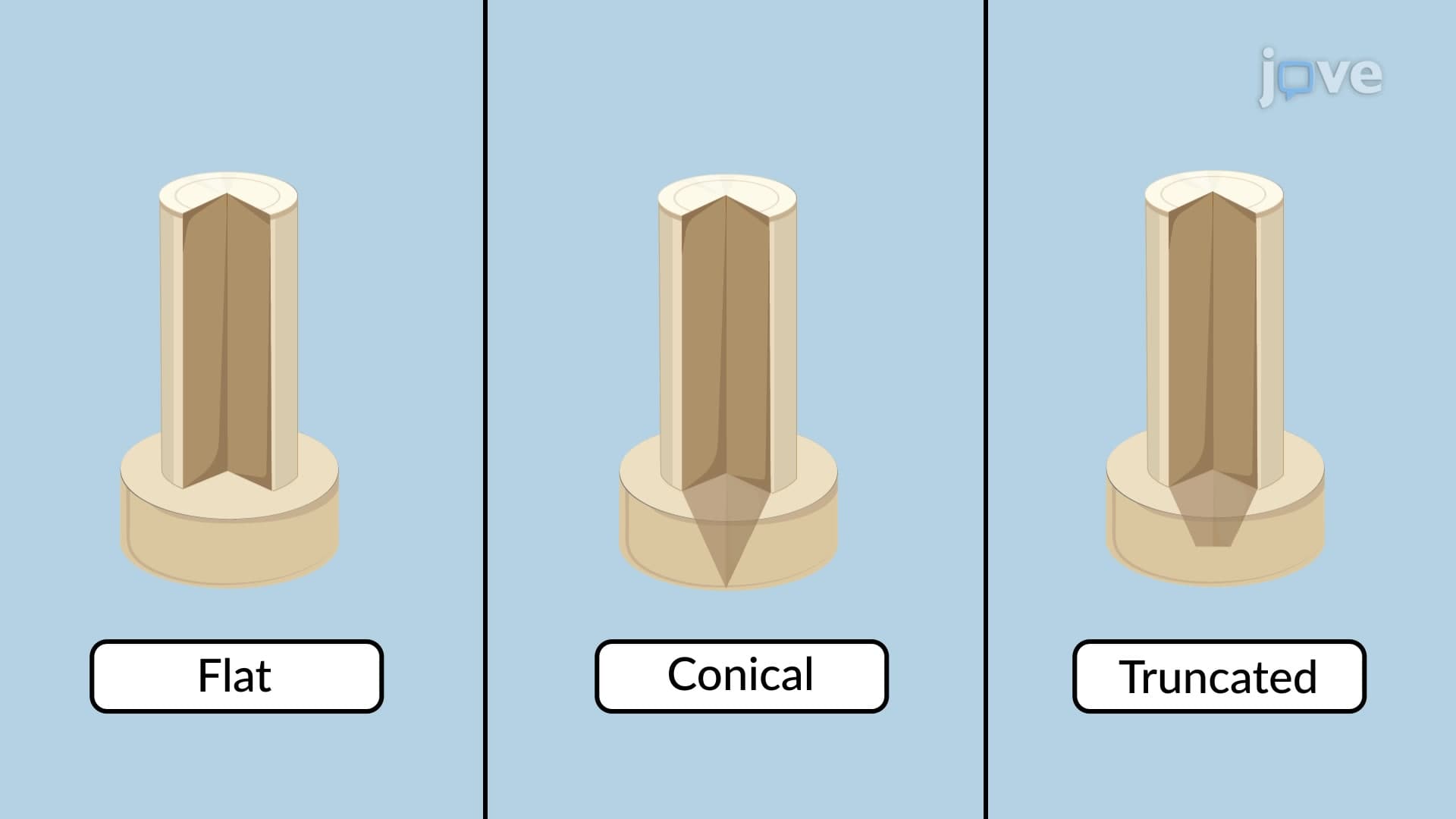
The collar bearings definition encompasses both single and multiple collar designs. Single collar bearings feature one load-bearing surface, making them ideal for moderate axial loads in applications like small turbines or industrial fans. Multiple collar configurations distribute loads across several surfaces, dramatically increasing load capacity for heavy-duty applications such as steel mill equipment or large marine propellers used by the U.S. Navy.
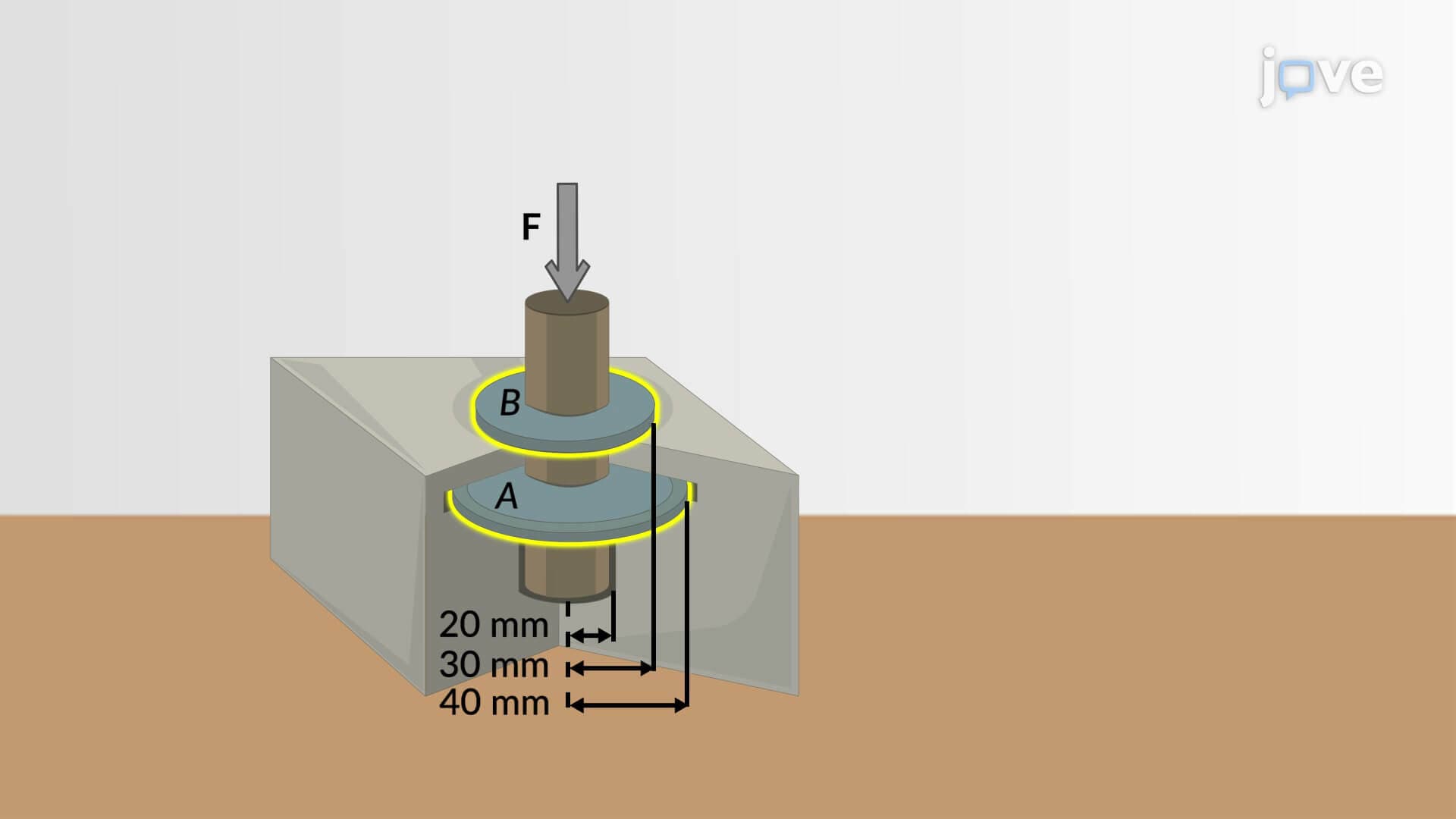
The engineering principle behind collar bearing effectiveness lies in load distribution across the annular contact area. This area spans from the collar's internal radius to its external radius, creating a ring-shaped bearing surface. When students encounter what is collar bearings in detail on exams like the AP Physics exam or college-level Statics courses, they must understand that uniform pressure distribution assumes P = F/A, where total axial force divides evenly across the entire contact area.
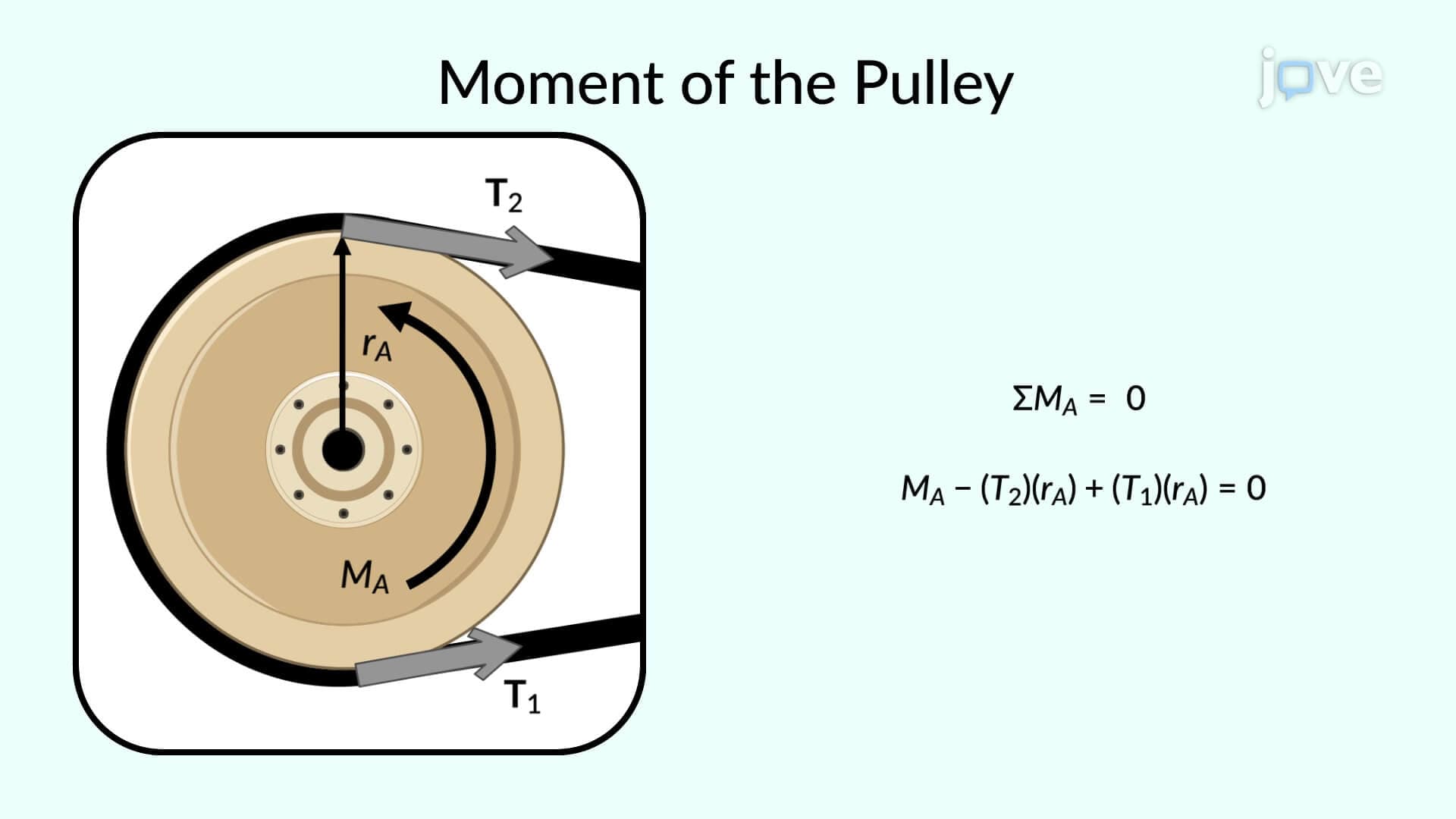
Advanced analysis requires examining infinitesimal area elements within the bearing surface. Each element experiences differential forces based on the friction coefficient, local pressure, and area magnitude. For students preparing for engineering entrance exams or MCAT physics sections, understanding moment equilibrium becomes crucial. The total moment required for shaft rotation equals the integration of all differential moments across the bearing surface, typically expressed as M = ∫(μ × P × r × dA), where μ represents the friction coefficient and r indicates the radial distance from the shaft center.
Related Micro-courses