Loading video…


 19 Concepts
 17.8K views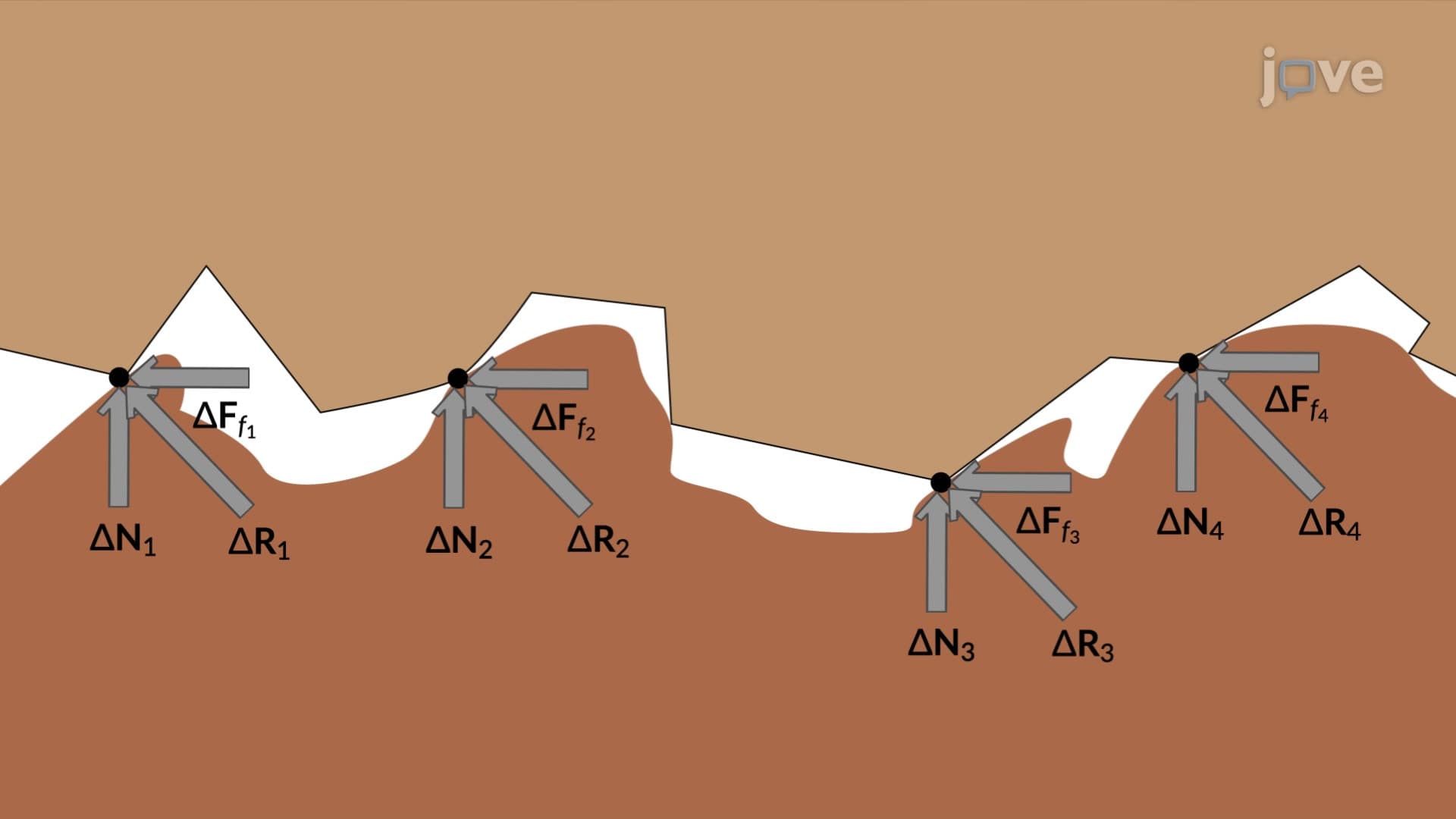

Video Summary: What Is Dry Friction
Ever wonder why your sneakers grip the basketball court but slip on ice? Dry friction is the invisible force that determines whether objects slide or stay put when they're pushed or pulled across surfaces. From the tires on a NASCAR race car gripping the track at Daytona International Speedway to a heavy filing cabinet resisting movement across an office floor, this fundamental physics concept governs countless everyday interactions. Watch the full video on JoVE Coach to master this concept with expert-led visuals and step-by-step explanations.
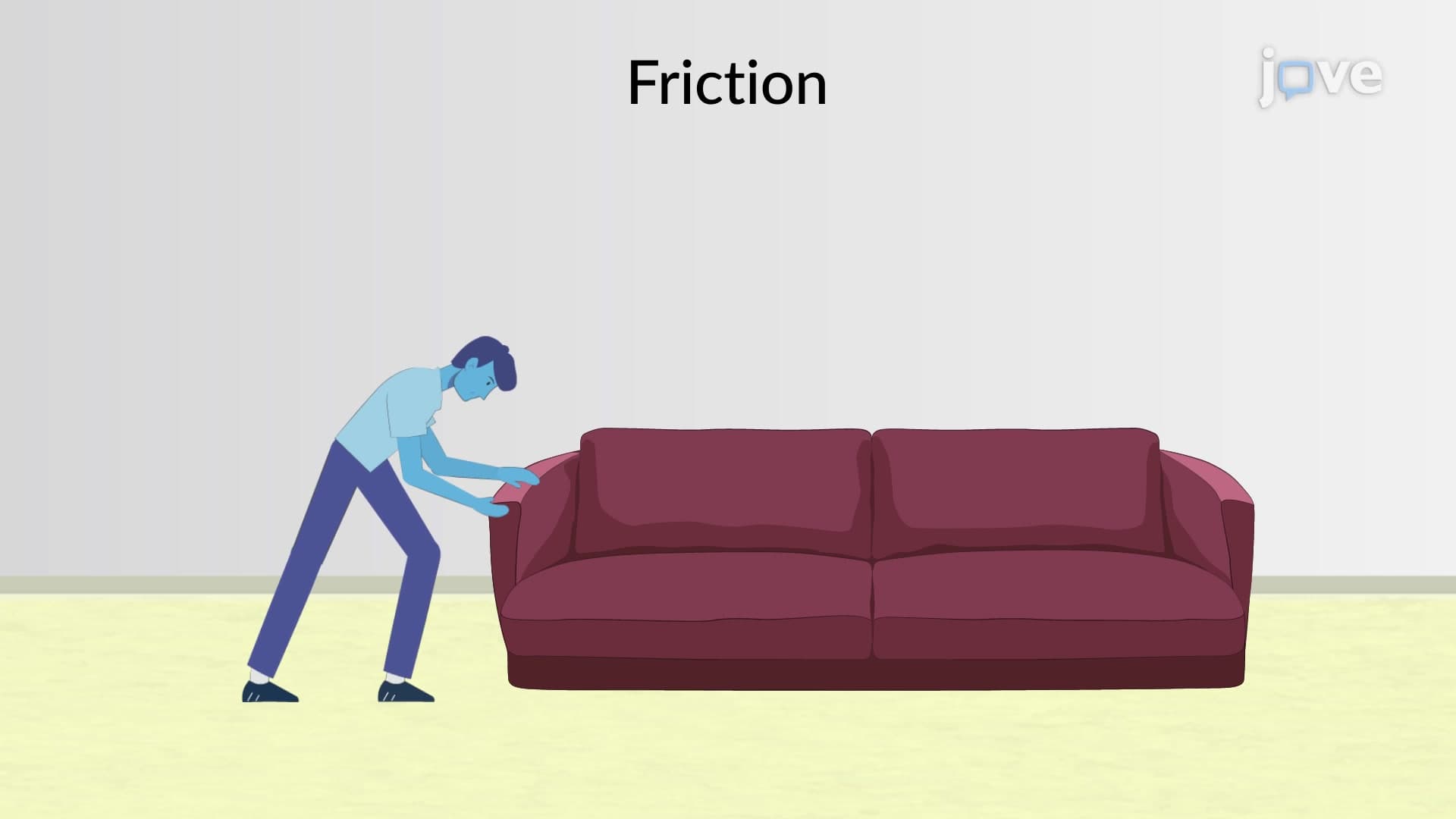
Dry friction represents one of the most fundamental force interactions in mechanics, occurring whenever two solid surfaces are in direct contact without any lubricating fluid between them. Unlike other forces that can act at a distance, dry friction emerges from the direct physical interaction between surface irregularities at the microscopic level. When you push a textbook across your desk, the resistance you feel comes from countless tiny contact points where the book's surface interacts with the desk's surface.
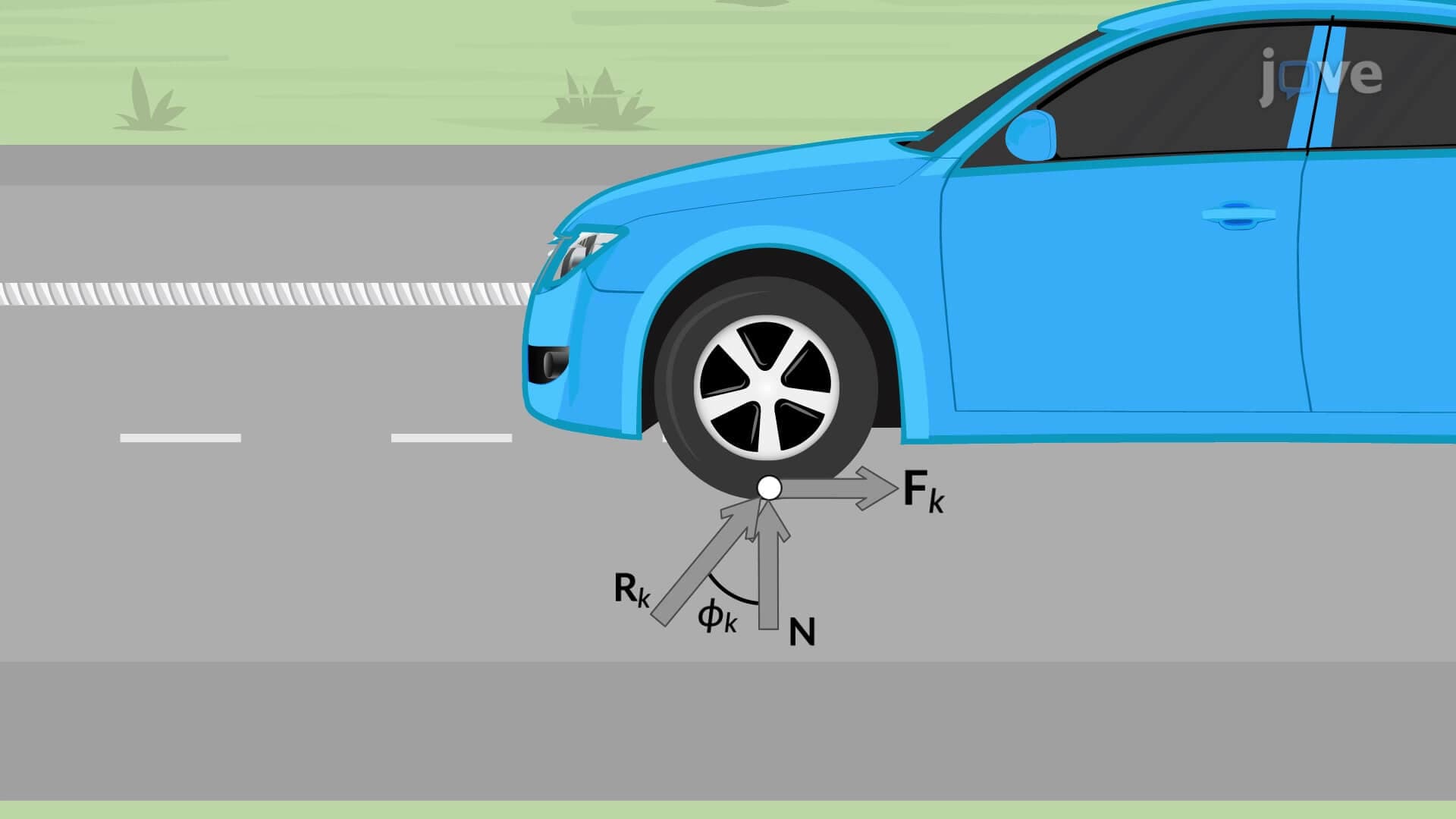
The dry friction definition encompasses both the macroscopic effects we observe and the microscopic mechanisms that create them. At the contact interface, even seemingly smooth surfaces contain numerous peaks and valleys invisible to the naked eye. These irregularities create multiple contact points, each generating small normal and tangential forces. The cumulative effect of these microscopic interactions produces the macroscopic friction force we experience.
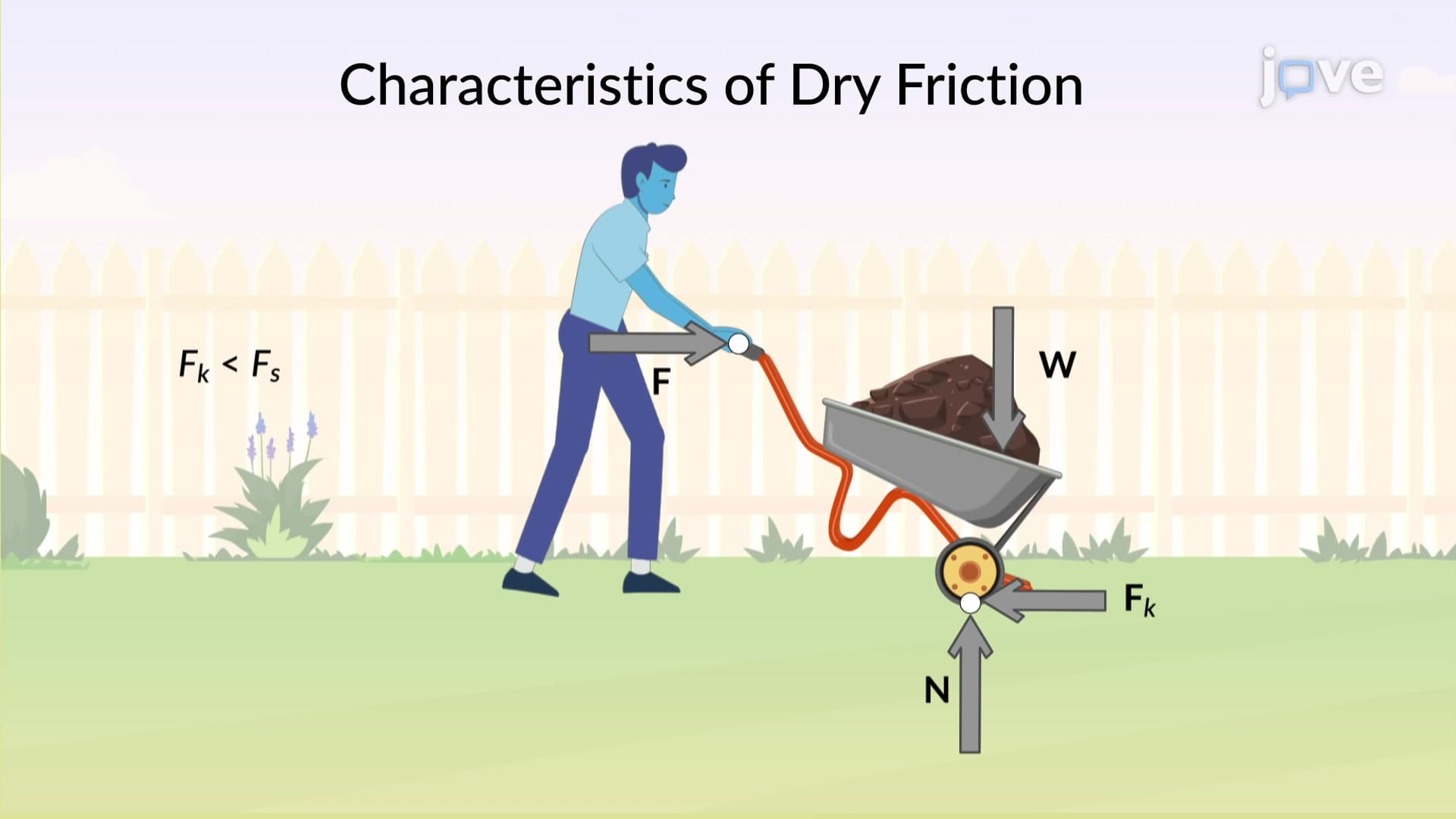
For students preparing for AP Physics exams or college mechanics courses, understanding that friction always acts parallel to the contact surface and opposes relative motion is crucial. The normal force, meanwhile, acts perpendicular to the surface and typically equals the weight of the object on horizontal surfaces.
When examining what is dry friction in detail, we must consider how forces distribute across contact surfaces. Consider a delivery truck parked on a slight incline outside a FedEx facility in Memphis. The truck remains stationary because static friction balances the component of gravitational force acting down the slope. However, this friction isn't uniformly distributed-it varies across the tire contact patch based on load distribution and surface conditions.
The position of the resultant normal force becomes critical in preventing tipping. If you apply a horizontal force to push a tall bookshelf, the normal force shifts away from the center to create a balancing moment. This dry friction concept explains why tall, narrow objects tip over more easily than short, wide ones when subjected to horizontal forces.
American manufacturing facilities rely heavily on dry friction basics for conveyor systems, brake mechanisms, and material handling equipment. The Ford Rouge Factory in Michigan, for example, uses precisely calculated friction coefficients to ensure assembly line components move at optimal speeds without slipping or jamming.
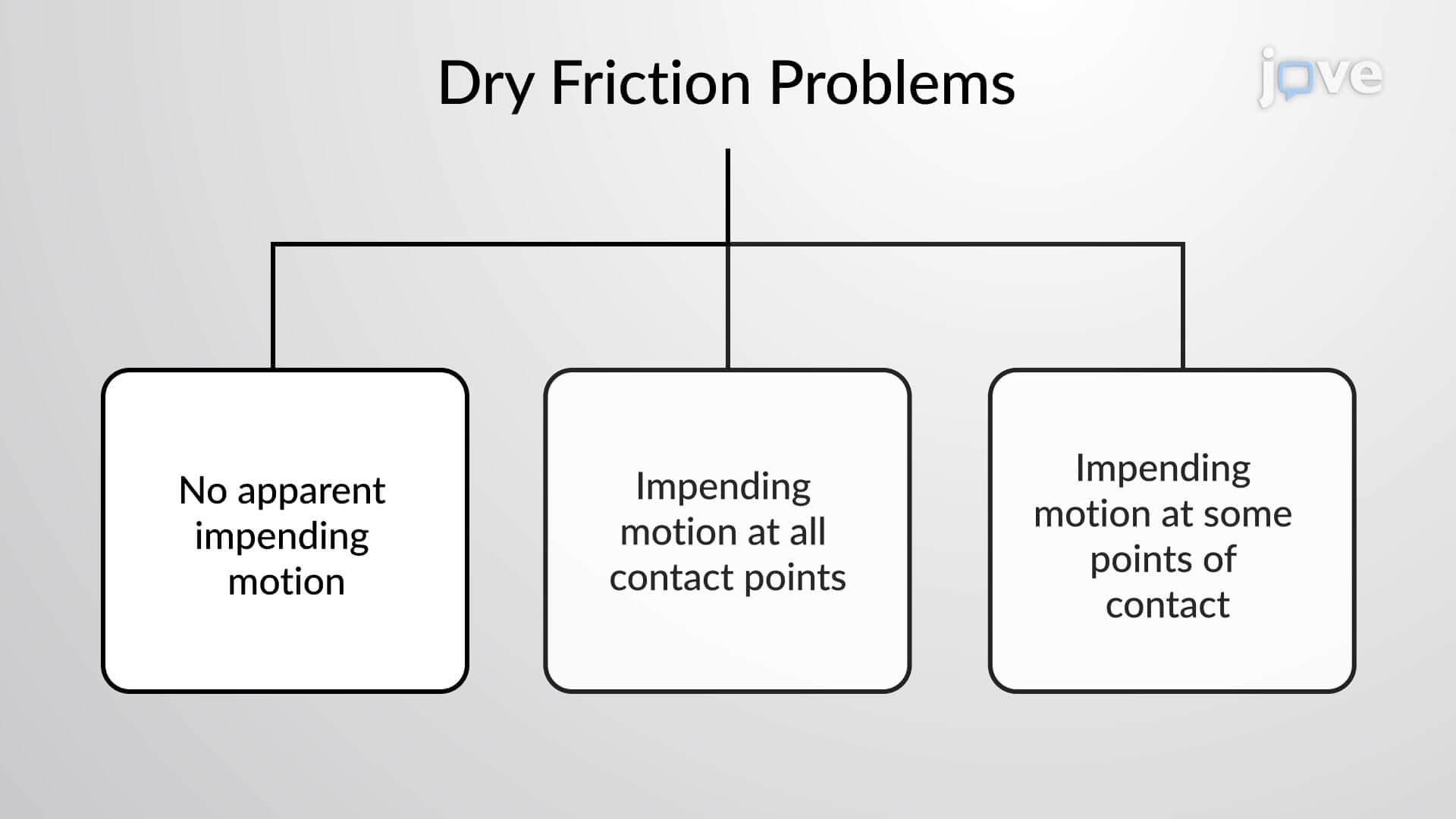
For students tackling SAT Subject Tests or MCAT physics sections, remember that dry friction problems often involve analyzing multiple forces simultaneously. Practice identifying when objects are on the verge of slipping versus when they're in stable static equilibrium-this distinction frequently appears in standardized test questions.
Related Micro-courses