13 Concepts
10 Concepts
17 Concepts
6 Concepts
20 Concepts
9 Concepts
17 Concepts
14 Concepts
19 Concepts
13 Concepts
12 Concepts
12 Concepts
4 Concepts
5 Concepts
12 Concepts
13 Concepts
10 Concepts
8 Concepts
20 Concepts
12 Concepts
18 Concepts
4 Concepts
6 Concepts
10 Concepts
4 Concepts
9 Concepts
7 Concepts
8 Concepts
Columns are fundamental structural elements that engineers must understand to design safe buildings and bridges. This comprehensive course explores column buckling Euler mechanics, critical load calculations, and the buckling and stability of columns under various loading conditions. Through JoVE Coach's systematic approach, students master essential engineering principles used in designing everything from skyscrapers in New York to suspension bridges in California.
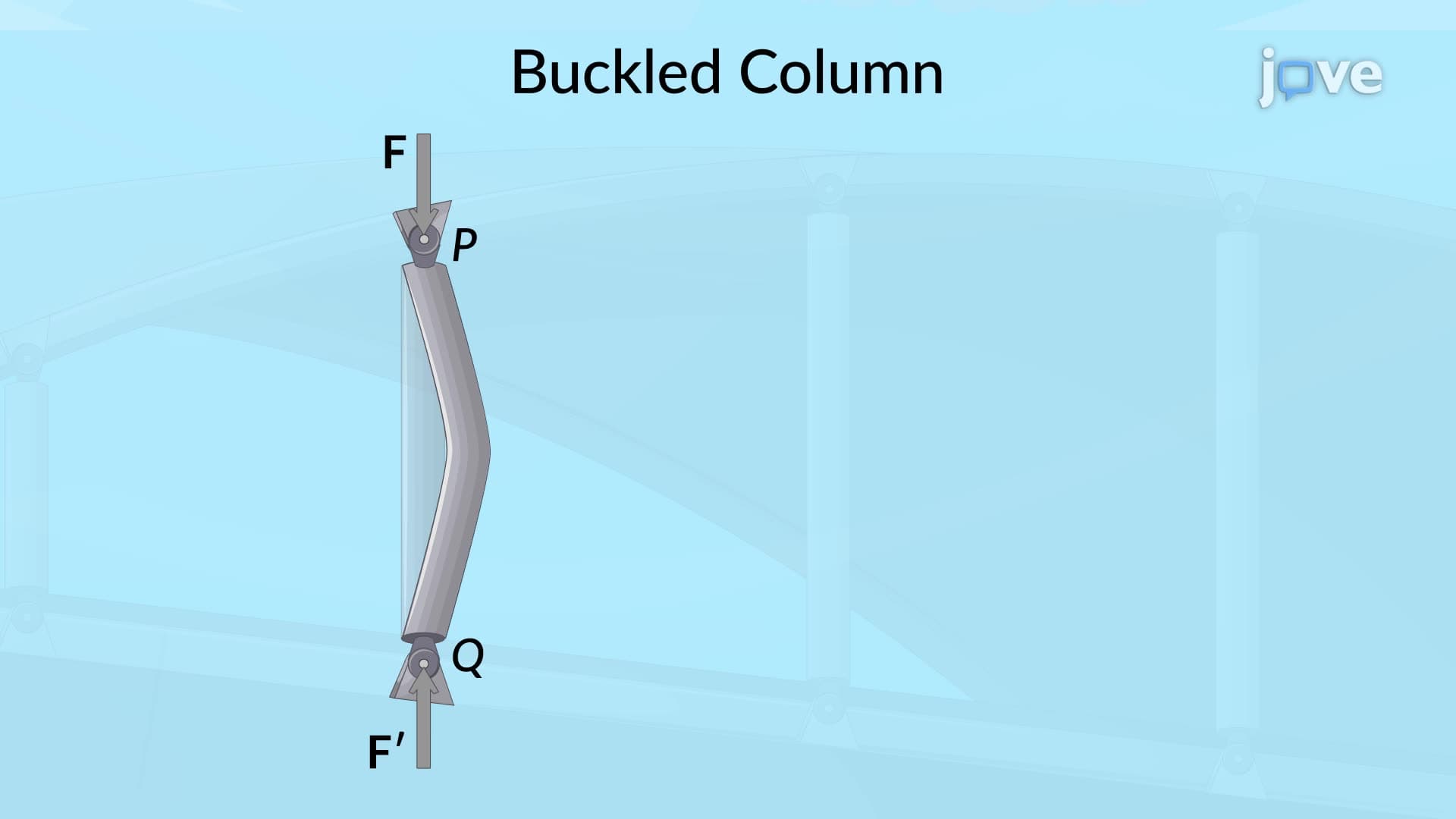
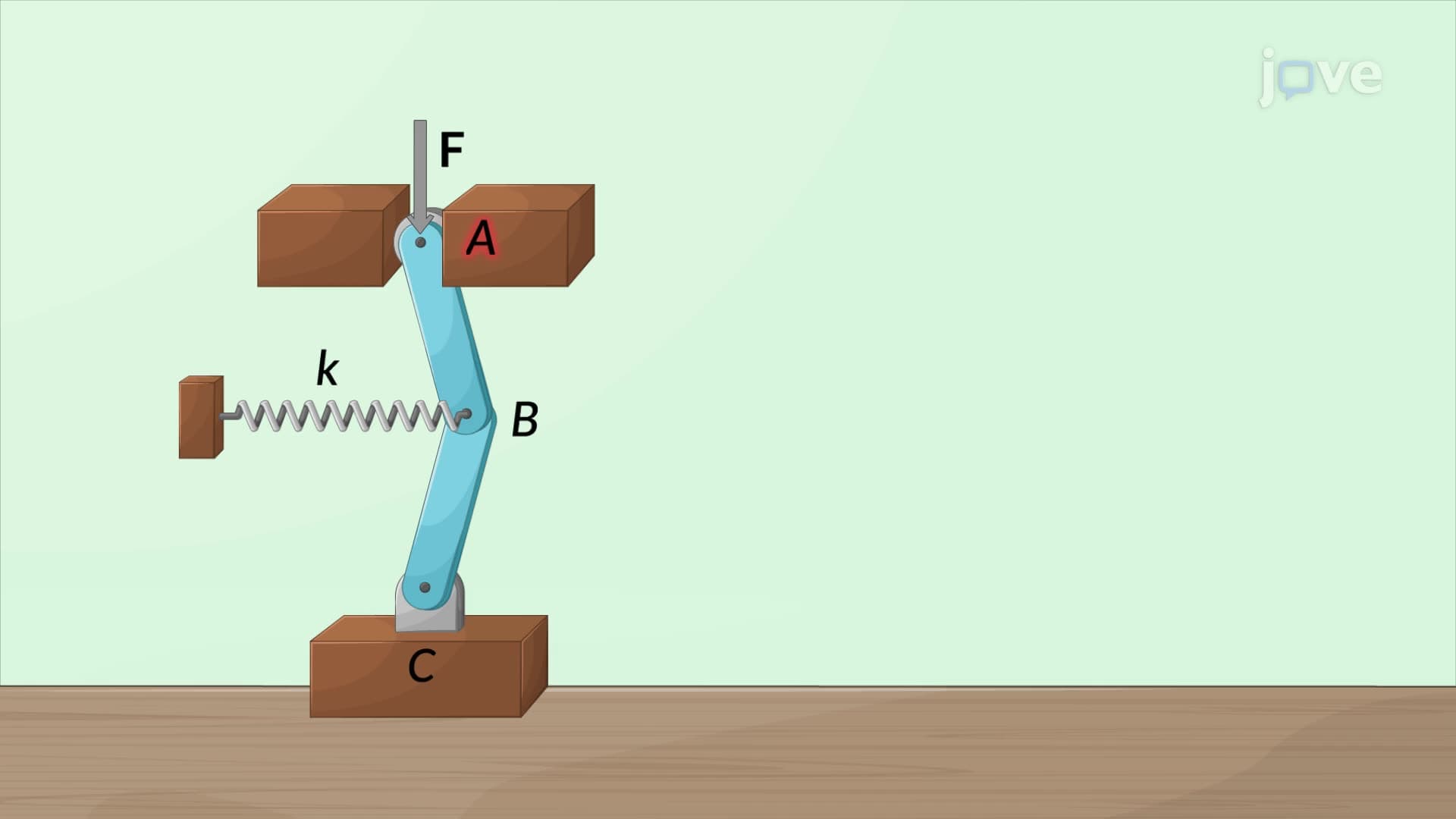
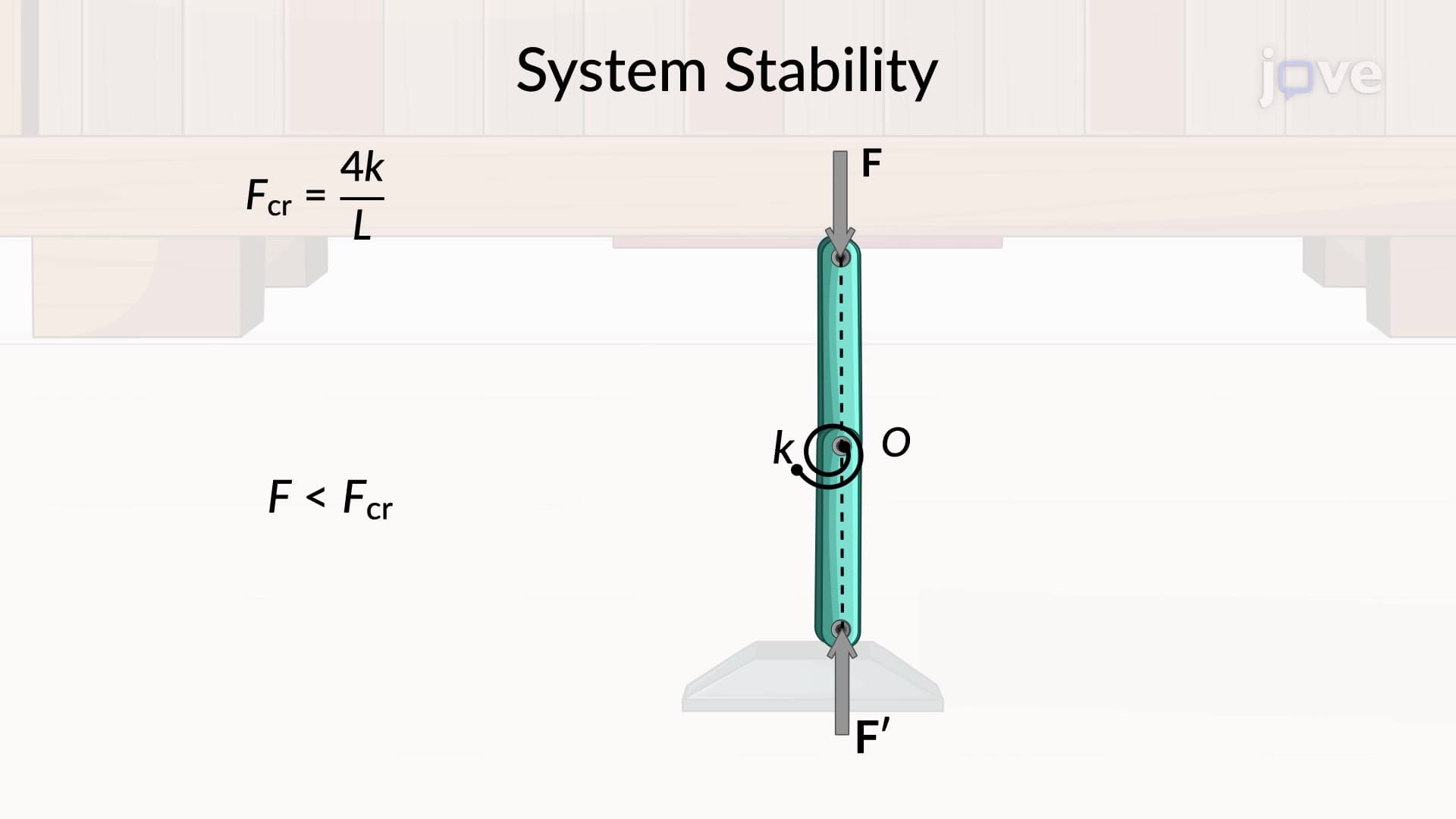
1. Column Stability Fundamentals: Column stability depends on the balance between applied loads and the structure's resistance to buckling. When a vertical column experiences a load beyond its critical threshold, it can suddenly buckle laterally, leading to structural failure. This phenomenon is crucial in designing tall structures like the Willis Tower in Chicago or the Space Needle in Seattle, where engineers must ensure columns can support both the building's weight and wind loads without buckling.
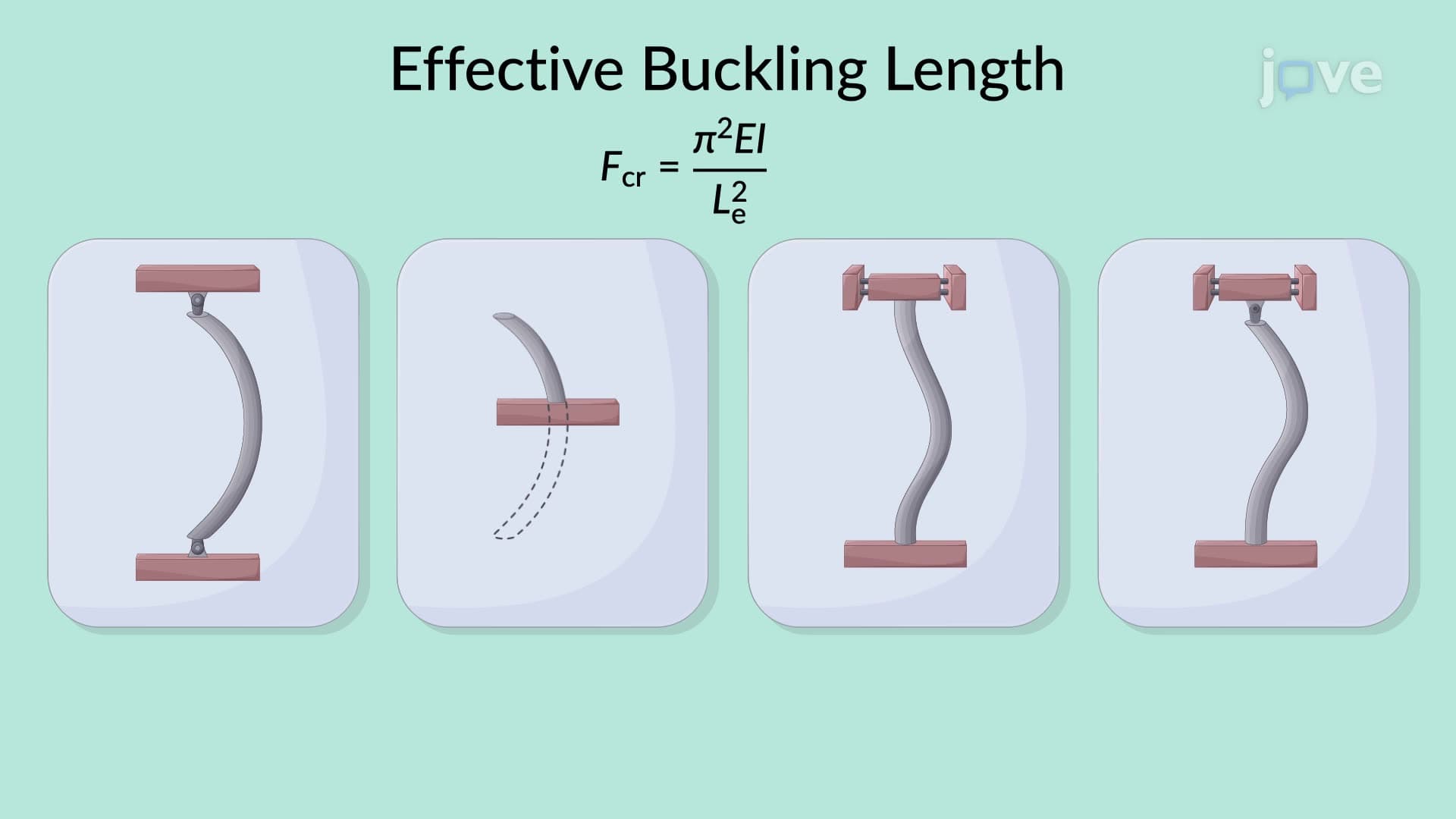
2. Euler's Buckling Formula: Euler's formula calculates the critical load at which a pin-ended column will buckle: Pcr = π²EI/L². This equation shows that critical load depends on the material's modulus of elasticity (E), the cross-section's moment of inertia (I), and the column's length (L). For example, doubling a column's length reduces its load capacity by four times, explaining why the Empire State Building uses progressively larger columns at lower floors.
3. Effective Length and End Conditions: Different end connections dramatically affect column capacity through the effective length factor (k). A column fixed at both ends (k = 0.5) can carry four times more load than one that's fixed at the base but free at the top (k = 2.0). This principle guides the design of flagpoles, building columns, and bridge piers across America, where engineers select appropriate connection details to maximize load capacity.
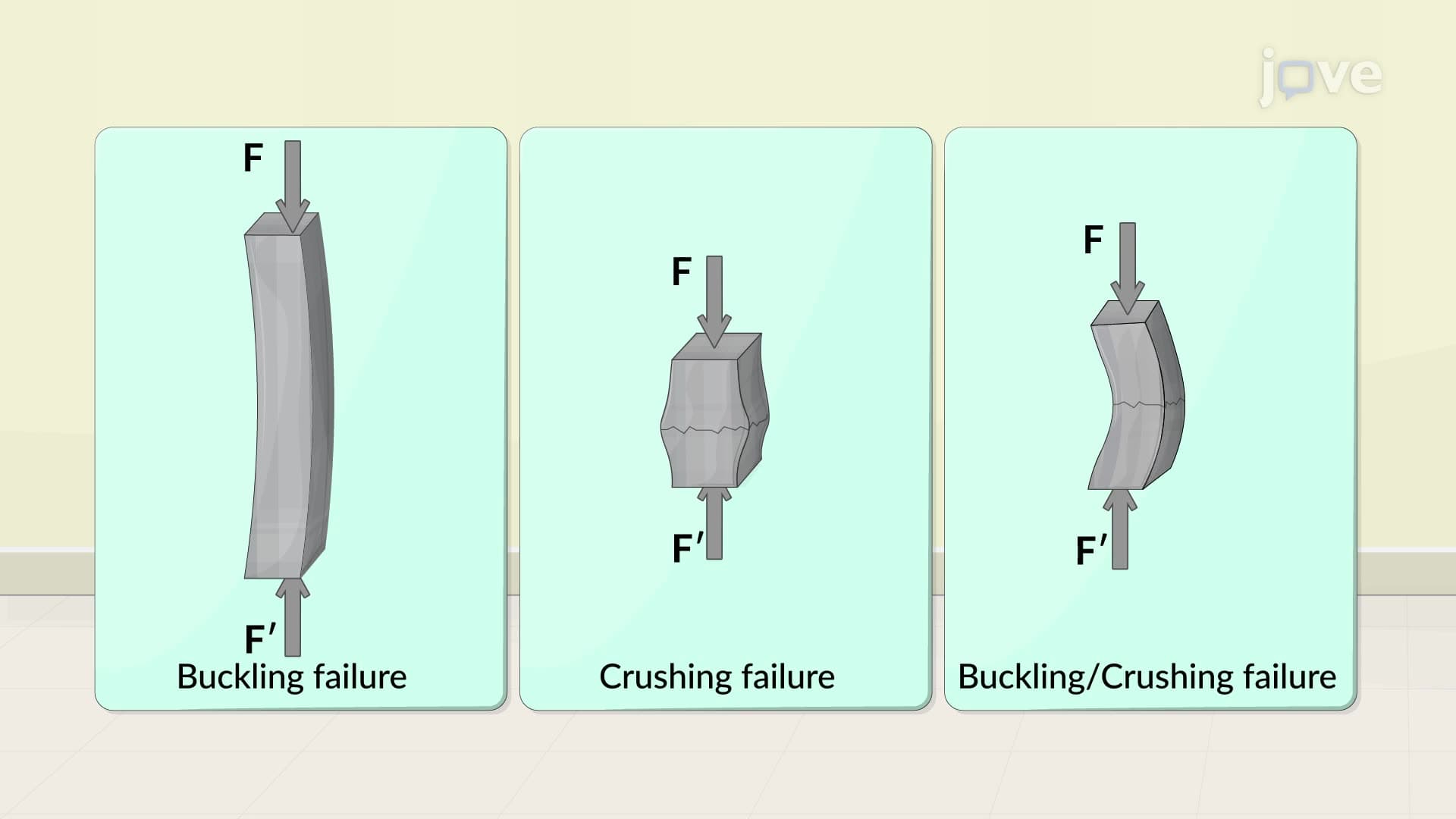
4. Slenderness Ratio and Column Classification: The slenderness ratio (L/r, where r is the radius of gyration) determines whether a column fails by buckling or material yielding. Short, stocky columns like those in parking garages typically fail by crushing, while tall, slender columns like those in cathedral spires fail by buckling. This classification helps engineers choose appropriate design methods and safety factors for different structural applications.
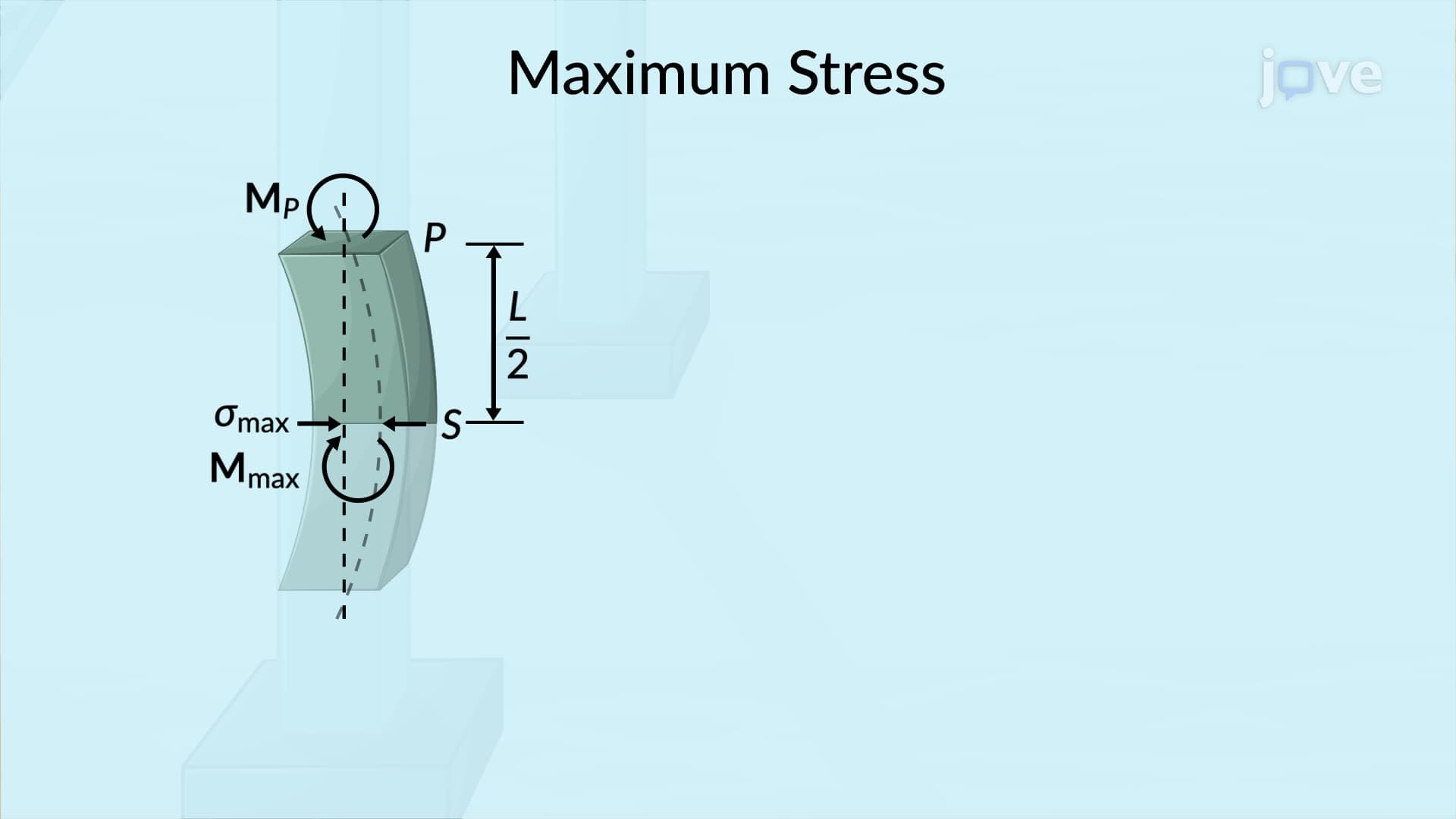
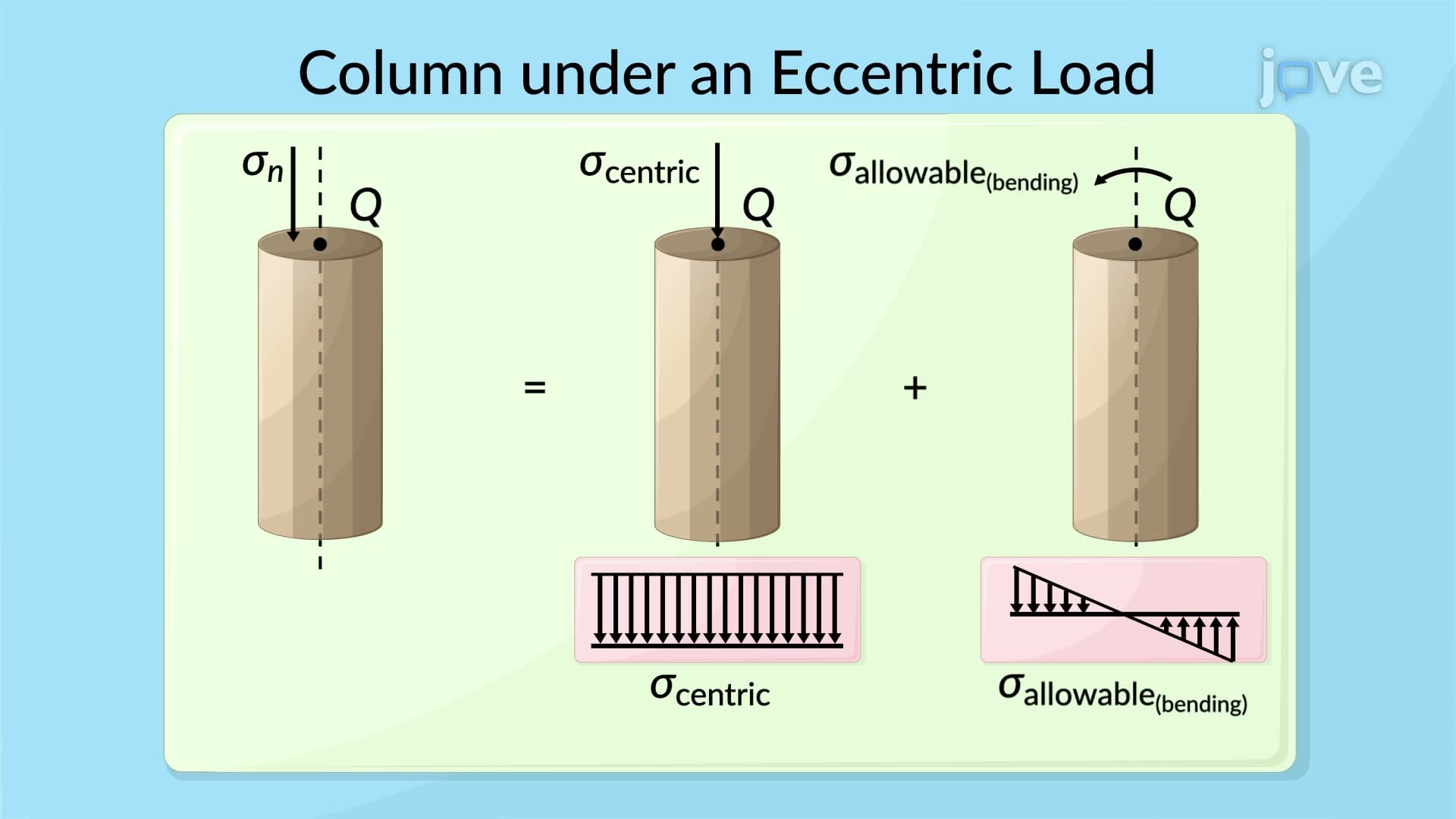
5. Eccentric Loading Analysis: Real columns rarely experience perfectly centered loads, making eccentric loading analysis essential. When loads are applied off-center, columns experience both axial compression and bending, similar to how wind creates eccentric loads on building columns. Engineers use the secant formula to calculate maximum stresses and deflections, ensuring structures like the Gateway Arch in St. Louis remain stable under combined loading conditions.
6. Design Methods for Column Safety: Two primary design approaches ensure column safety under eccentric loads. The allowable stress method conservatively limits all stresses to safe levels, while the interaction method more efficiently accounts for the combined effects of axial loads and bending moments. These methods are codified in American standards like AISC (American Institute of Steel Construction) specifications, guiding the design of everything from warehouse columns to skyscraper frames throughout the United States.