Loading video…


 7 Concepts
 4.1K views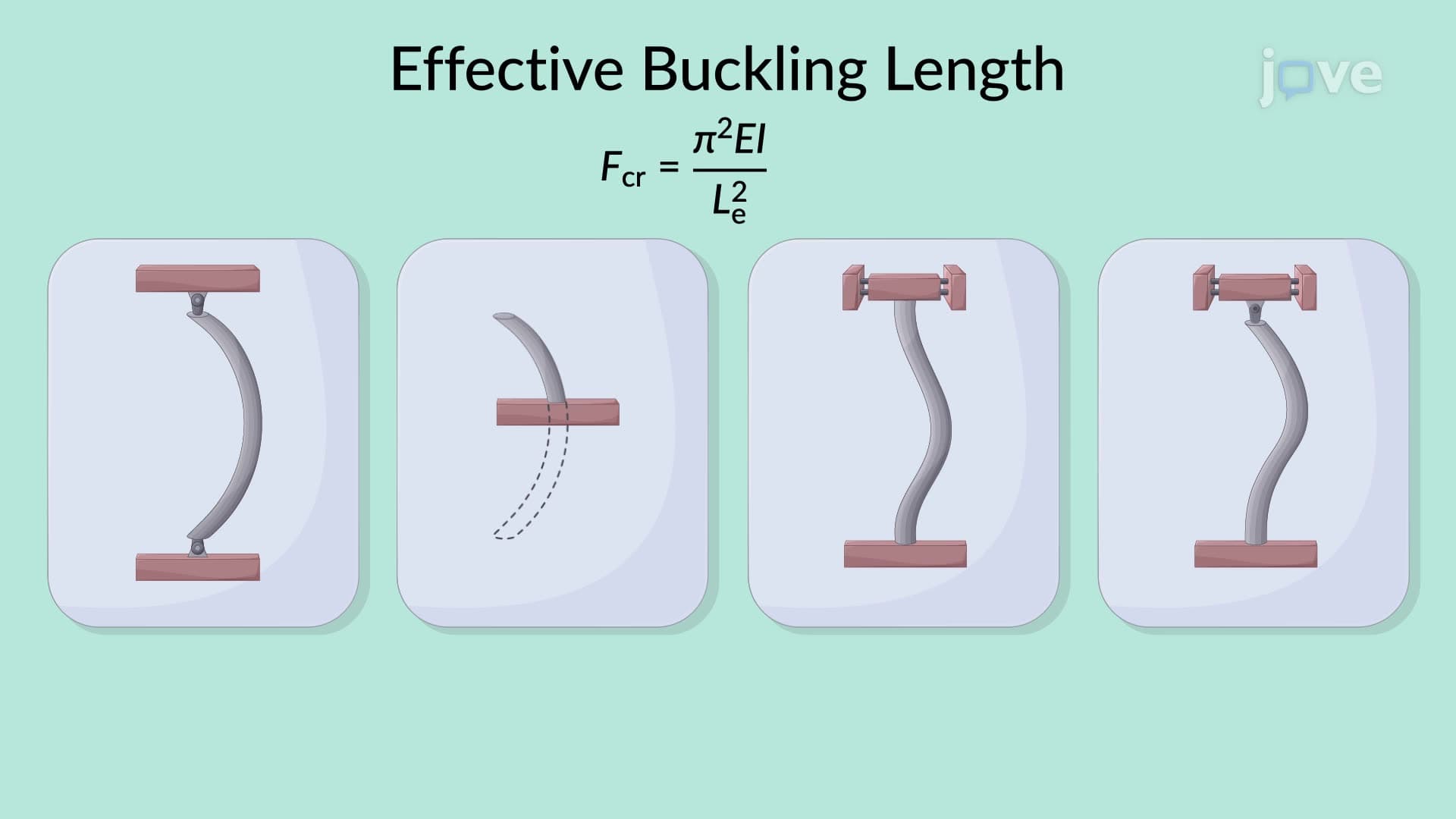

Video Summary: Euler S Column Buckling Formula for Various End Conditions
Did you know that the 2007 Minneapolis I-35W bridge collapse was partly attributed to inadequate column buckling analysis? Euler's column buckling formula for various end conditions predicts when structural columns fail under compression, making it crucial for designing everything from skyscrapers to highway overpasses. This fundamental engineering principle accounts for different support configurations-whether a column is pinned, fixed, or free at its ends-dramatically affecting its load-bearing capacity. Understanding these end conditions can mean the difference between a safe structure and catastrophic failure. Watch the full video on JoVE Coach to master this concept with expert-led visuals and step-by-step explanations.
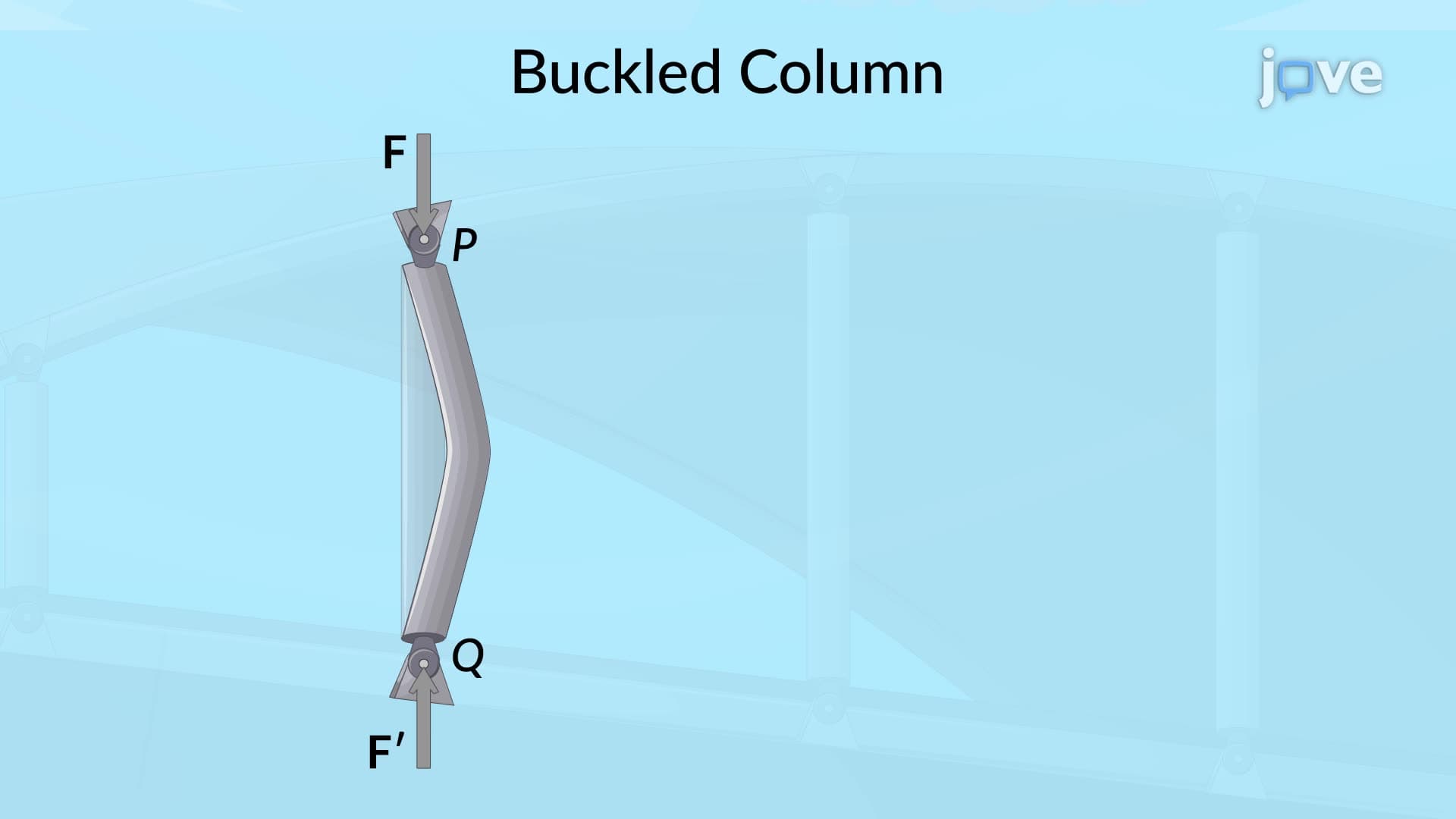
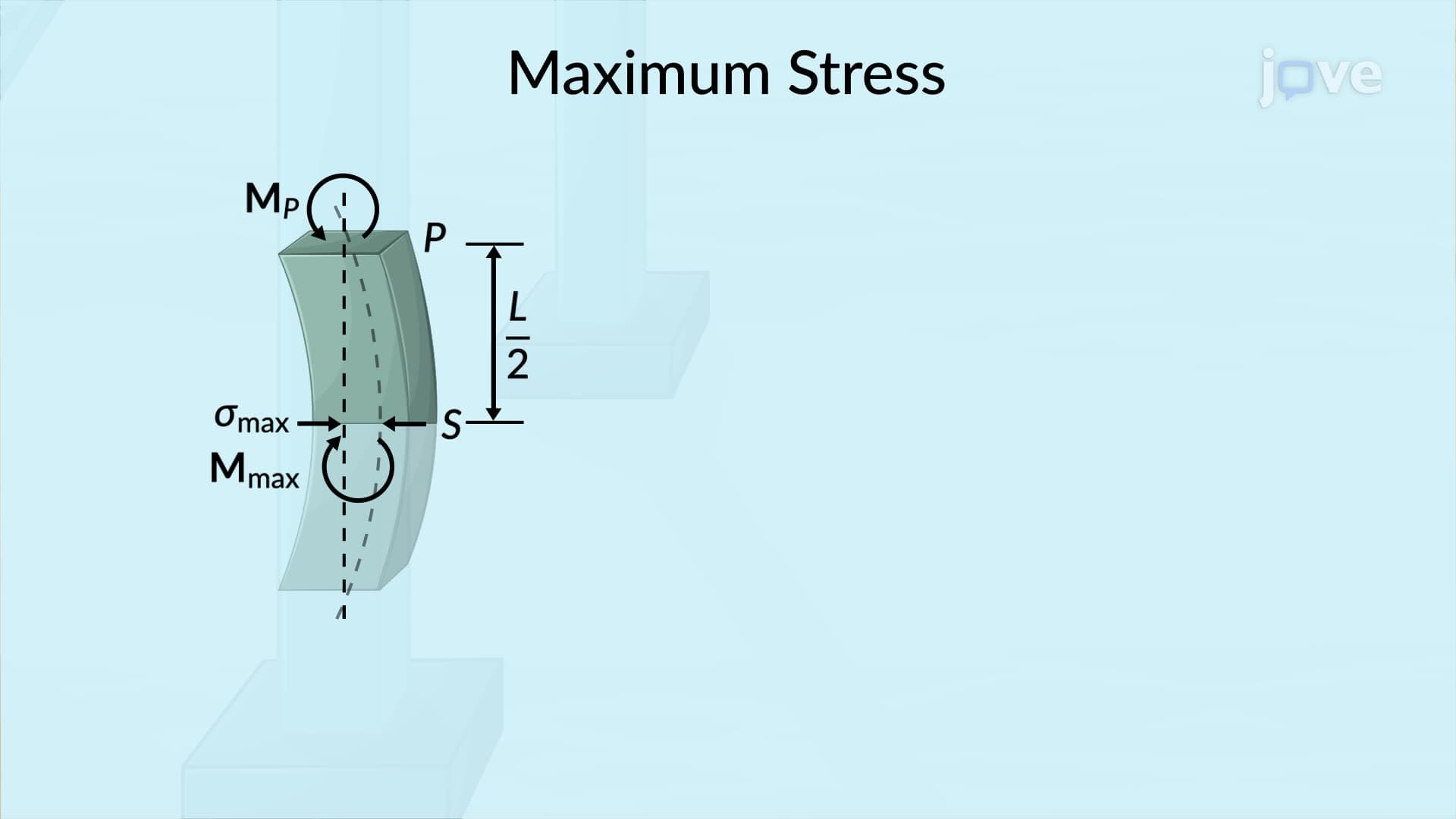
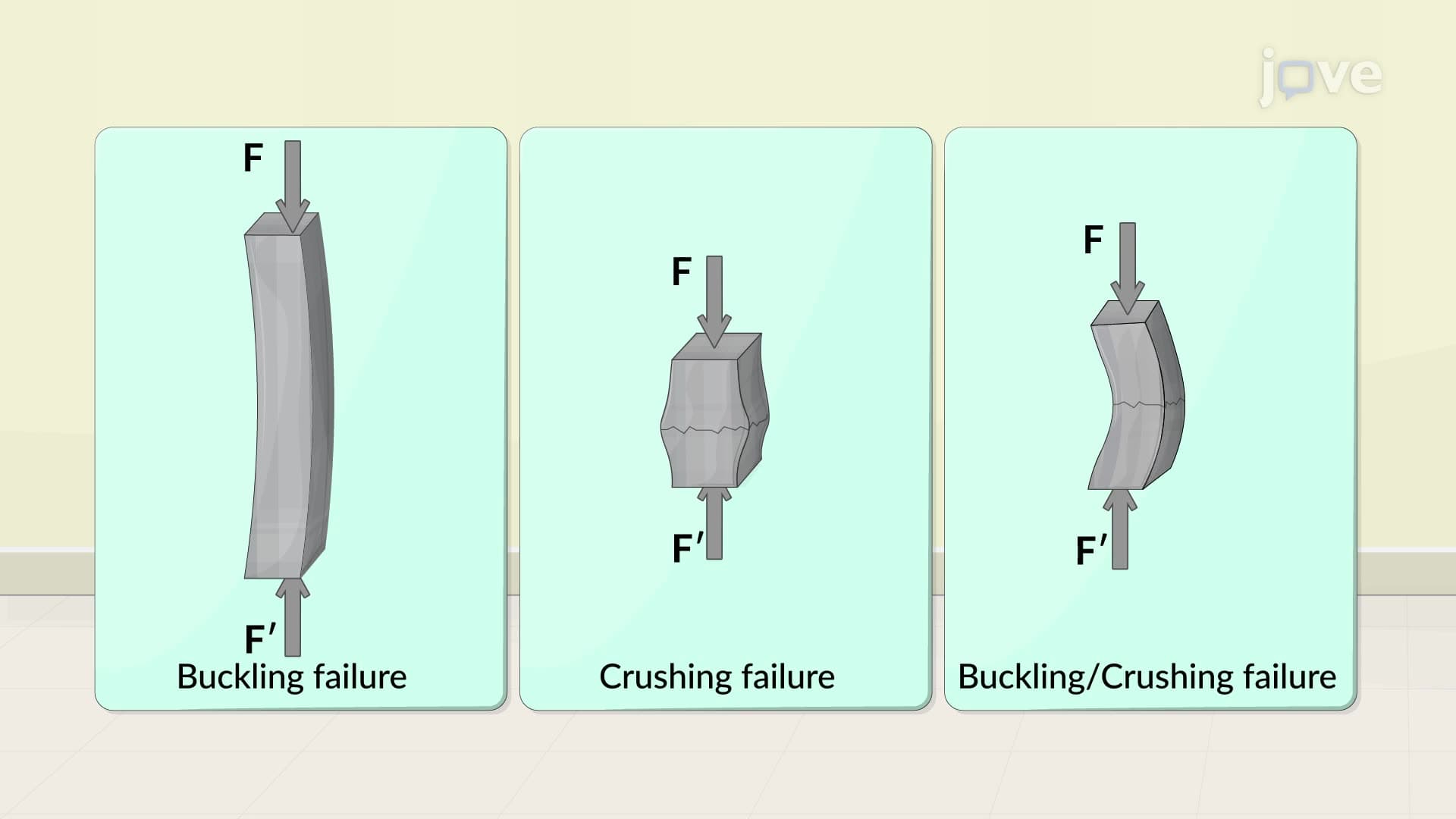
Euler's column buckling formula for various end conditions represents one of structural engineering's most critical safety concepts. When Leonhard Euler first derived his buckling equation in 1757, he established the foundation for understanding how slender columns fail under compression-not by crushing, but by sudden lateral deflection called buckling.
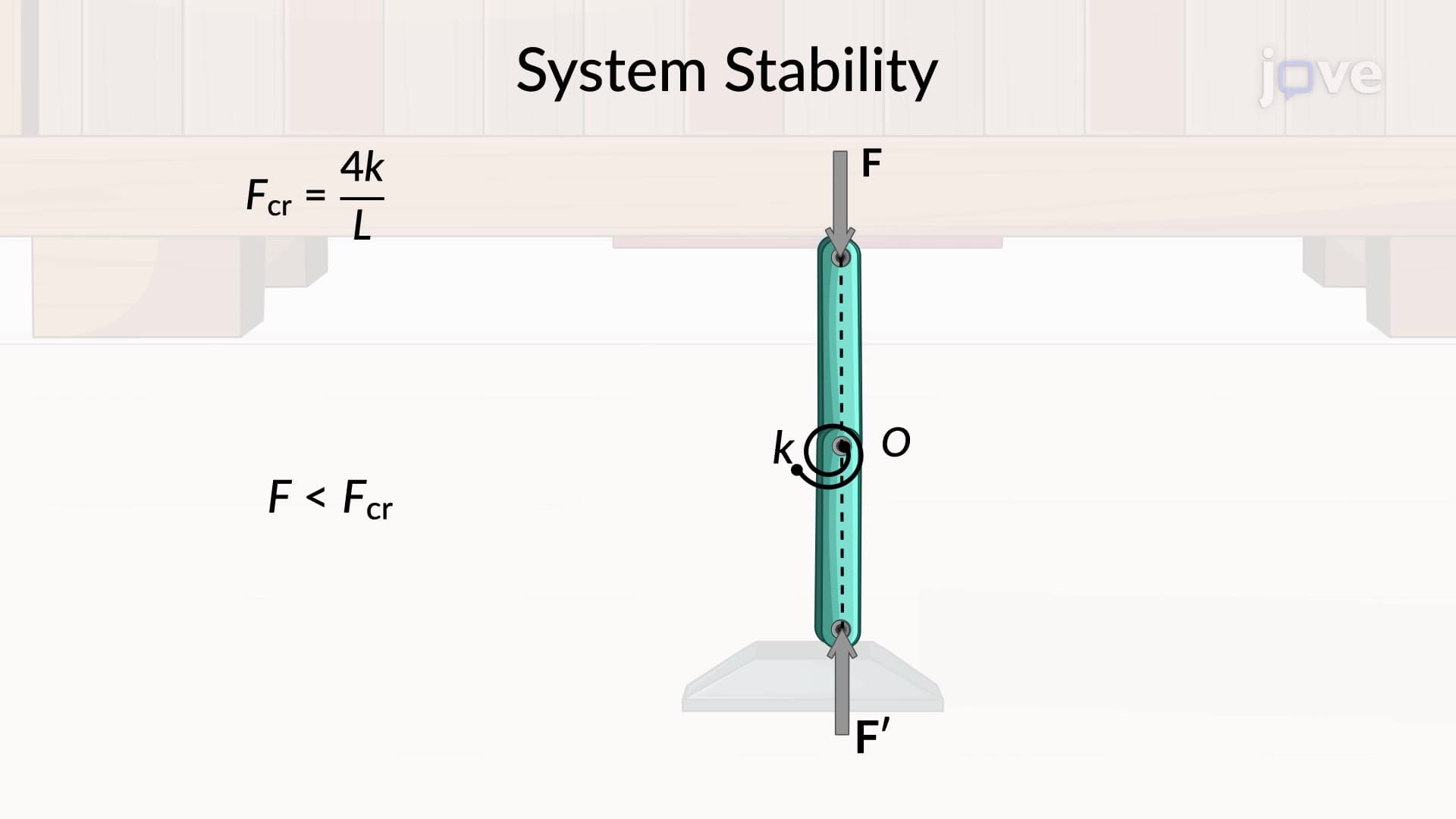
The fundamental Euler formula for pin-ended columns states: P(critical) = π²EI/L², where E represents the material's modulus of elasticity, I is the second moment of area, and L is the column length. However, real-world columns rarely have perfect pin connections at both ends, making the understanding of various end conditions essential for practical engineering applications.
The genius of Euler's extended formula lies in the effective length factor (k), which accounts for different boundary conditions. This modification transforms the basic equation to: P(critical) = π²EI/(kL)², where kL represents the effective length.
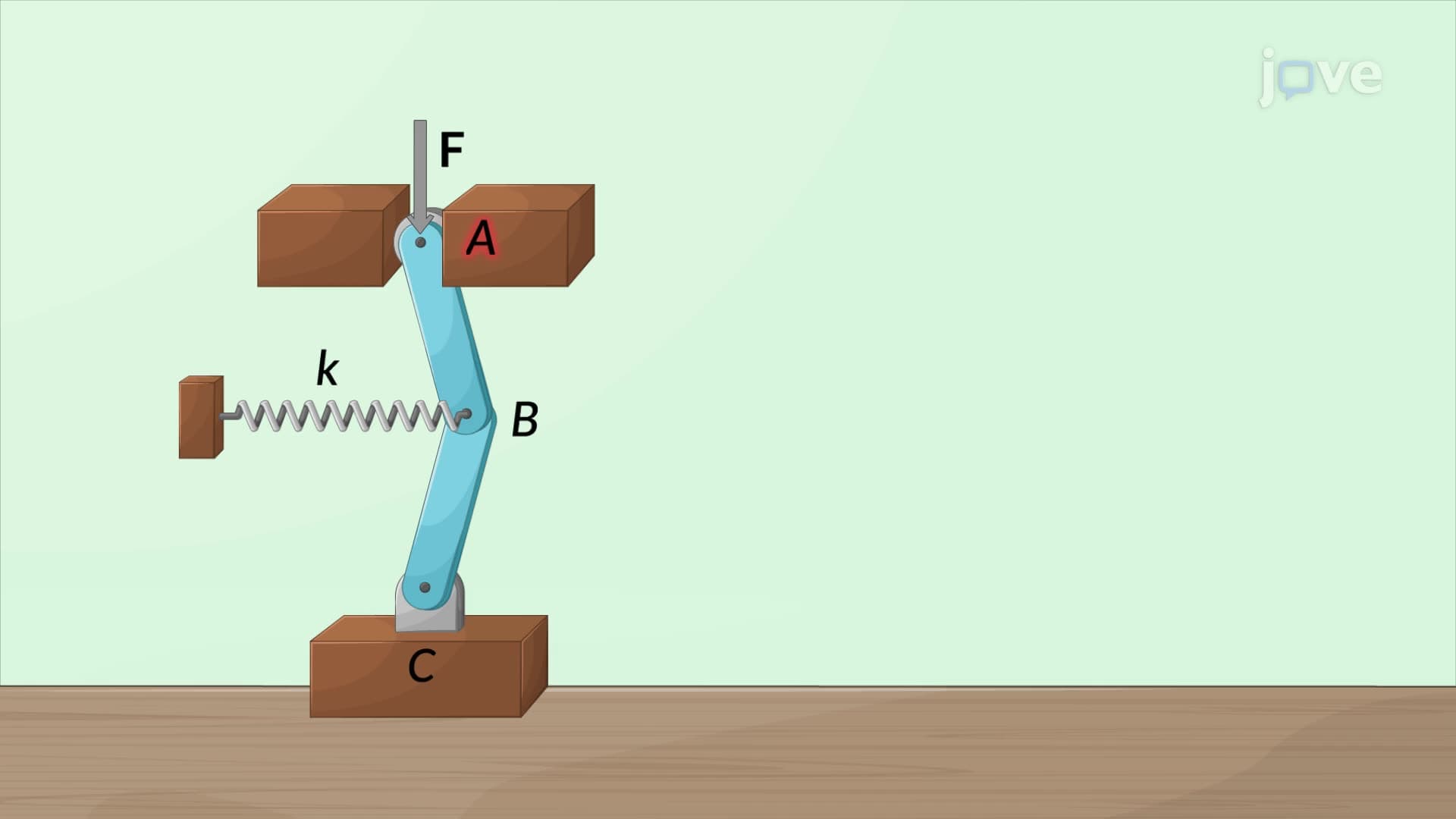
For fixed-free columns (like flagpoles), k = 2.0, making these the weakest configuration. The free end can deflect without restraint, essentially doubling the effective length. Fixed-fixed columns represent the strongest case with k = 0.5, where both ends resist rotation and translation. Fixed-pinned columns fall between these extremes at k = 0.7, while the original pin-pin condition uses k = 1.0.
American structural engineers routinely apply these principles when designing building frames, bridge piers, and industrial structures. The American Institute of Steel Construction (AISC) incorporates these k-factors into standard design procedures. For instance, when designing the columns supporting New York's One World Trade Center, engineers carefully analyzed end conditions to optimize both safety and material efficiency.
Students encounter Euler's column buckling in various US academic settings. AP Physics C mechanics covers basic buckling concepts, while engineering programs at institutions like MIT, Stanford, and Georgia Tech extensively explore advanced applications. The Fundamentals of Engineering (FE) exam frequently tests k-factor selection, and Professional Engineering (PE) license examinations include detailed buckling analysis problems.
Understanding slenderness ratios (L/r, where r is the radius of gyration) helps students recognize when Euler's formula applies versus other failure modes like yielding or local buckling, particularly important for materials like steel and aluminum commonly used in US construction.
Related Micro-courses