Loading video…


 7 Concepts
 4.1K views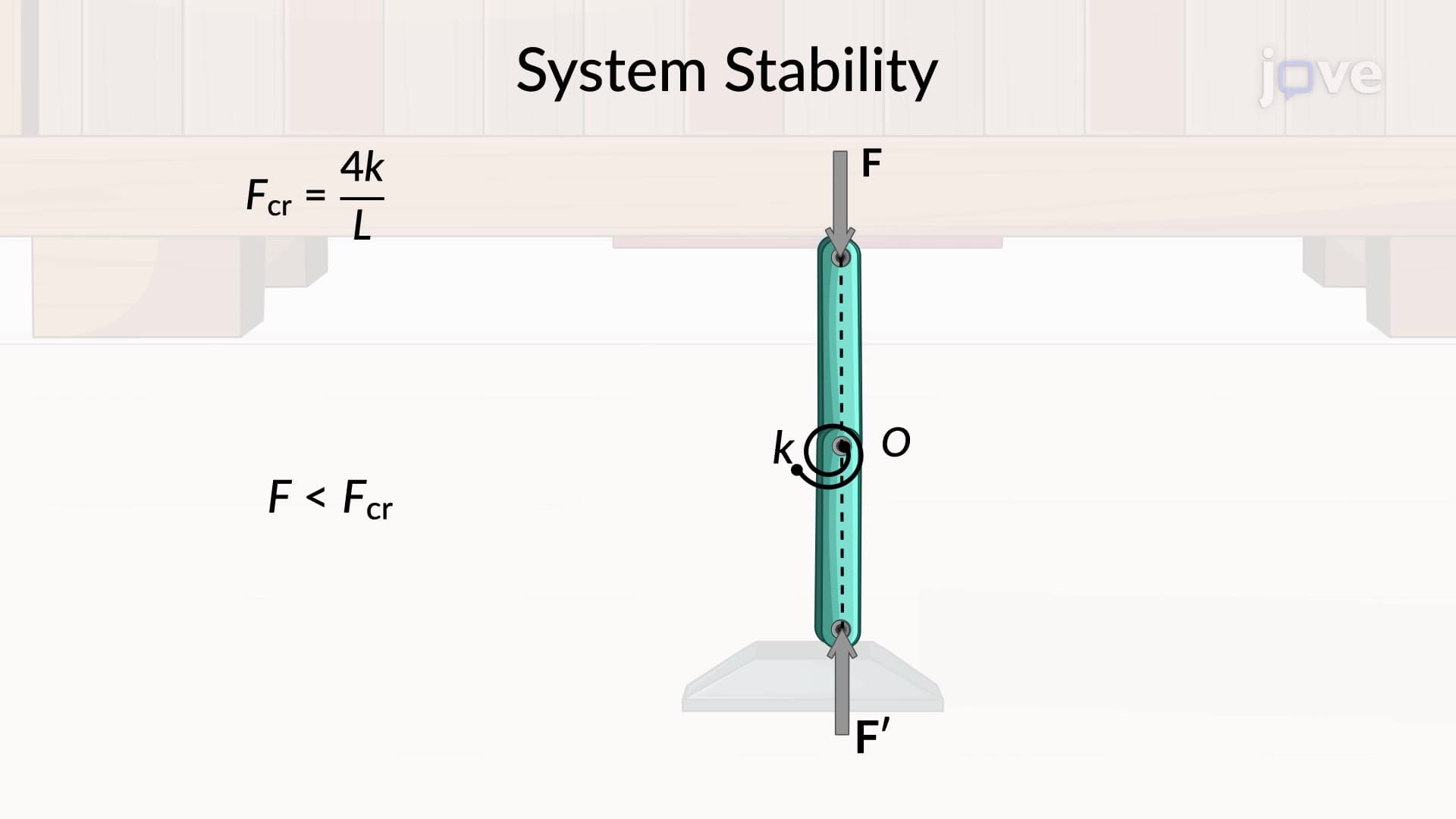

Video Summary: What are Stability of Structures
Ever wonder why the Golden Gate Bridge doesn't collapse under heavy traffic loads while a house of cards falls from the slightest breeze? The stability of structures determines whether engineering systems can withstand applied forces or buckle under pressure. This fundamental concept explains how engineers analyze the critical balance between destabilizing loads and restoring forces in everything from California's iconic suspension bridges to NASA's rocket assemblies. Understanding What are Stability of Structures reveals the mathematical relationships that prevent catastrophic structural failures. Watch the full video on JoVE Coach to master this concept with expert-led visuals and step-by-step explanations.
Stability of structures represents a fundamental engineering concept that determines whether a structural system maintains its equilibrium position when subjected to external forces or small disturbances. This principle governs everything from skyscraper design to spacecraft engineering, making it essential knowledge for AP Physics, college-level statics courses, and professional engineering examinations.
At its core, structural stability involves analyzing the balance between destabilizing forces and restoring mechanisms. When engineers design structures like the Willis Tower in Chicago or evaluate bridge safety protocols, they must ensure that applied loads remain below critical thresholds that would cause catastrophic failure.
Engineers classify structural stability into three primary categories based on system response to disturbances. Stable equilibrium occurs when structures return to their original position after minor displacements, similar to how a properly tensioned guitar string vibrates back to its rest position. Unstable equilibrium describes systems that continue deforming once displaced, like a pencil balanced on its tip. Neutral equilibrium represents intermediate cases where structures remain in their displaced position without returning or continuing to move.
The mathematical distinction between these states depends on comparing applied loads to critical load values. When applied forces exceed critical thresholds, structures transition from stable to unstable behavior, potentially leading to buckling or collapse. This concept appears frequently in MCAT physics sections and forms the foundation for advanced structural analysis in engineering programs.
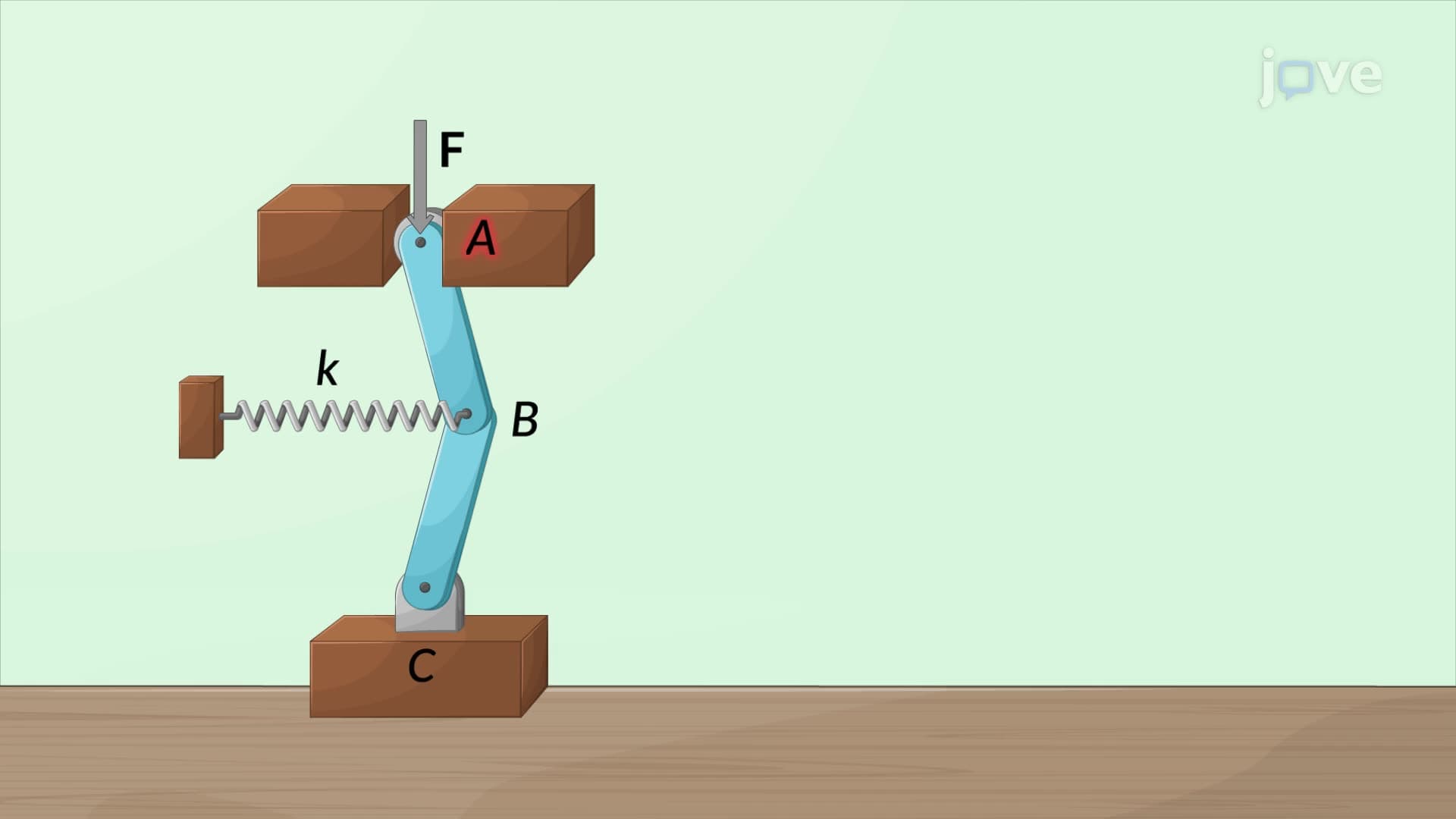
The critical load represents the maximum force a structure can support while maintaining stability. Engineers calculate this value by analyzing competing moments: destabilizing moments from external loads versus restoring moments from structural elements like springs, supports, or material elasticity. When these moments balance, the critical load condition emerges.
Consider the engineering analysis of wind loads on communication towers across tornado-prone regions like Kansas and Oklahoma. Engineers must ensure that maximum anticipated wind forces remain below critical buckling loads, incorporating safety factors that account for dynamic effects and material uncertainties. This analysis directly applies concepts students encounter in college-level mechanics courses and professional engineering licensing examinations.
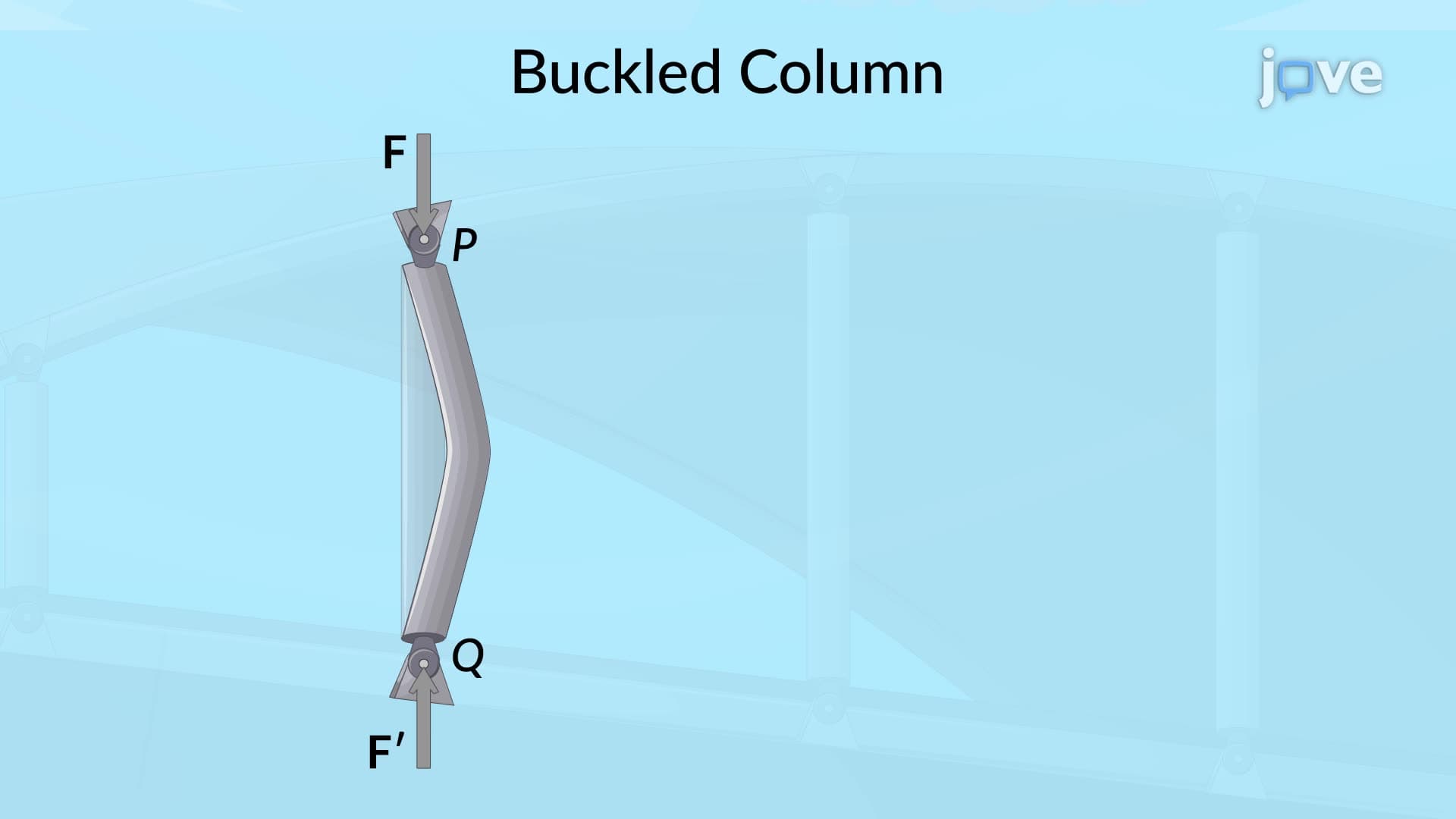
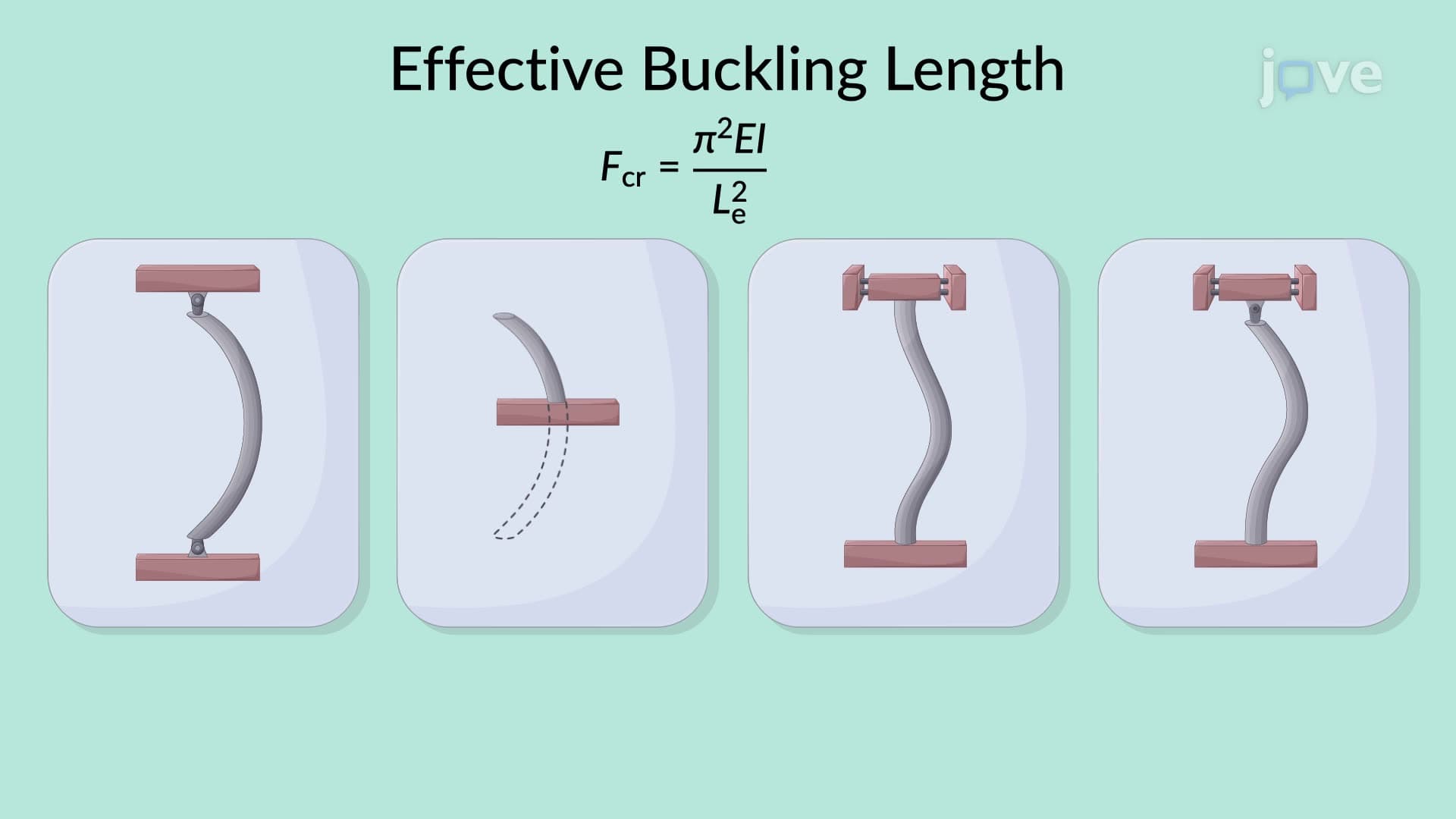
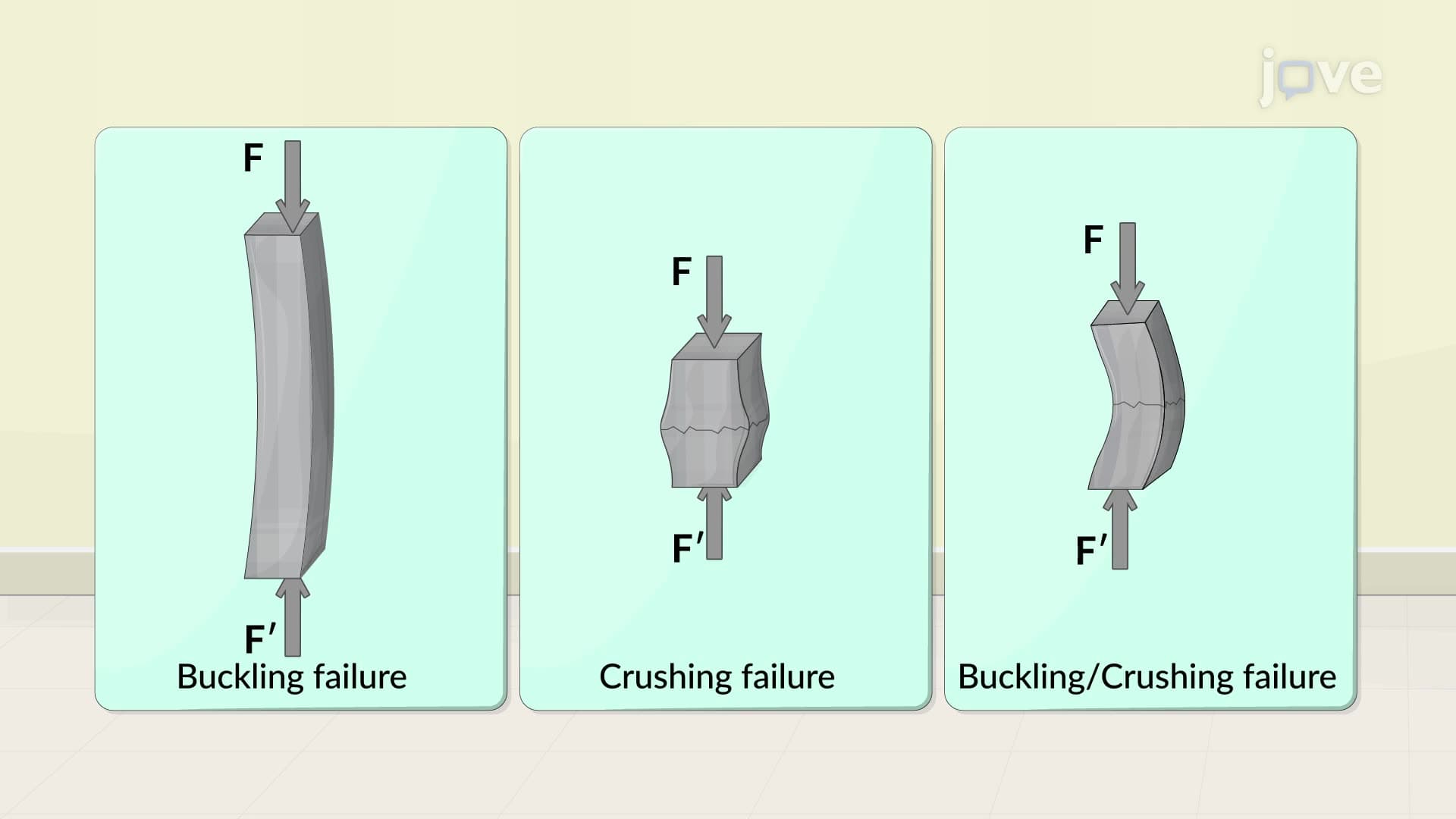
Stability of structures concepts appear extensively in standardized testing, particularly AP Physics C mechanics problems and college engineering coursework. Students often encounter stability analysis when studying Euler buckling of columns, where slender structural members fail through lateral buckling rather than material crushing.
NASA's Space Launch System provides an excellent example of stability analysis in practice. Engineers must evaluate rocket stability during ascent, ensuring that aerodynamic forces don't exceed critical loads that would cause structural failure. This application demonstrates how theoretical stability principles translate into life-critical engineering decisions, reinforcing the importance of mastering these concepts for future STEM careers.
Related Micro-courses