13 Concepts
10 Concepts
17 Concepts
6 Concepts
20 Concepts
9 Concepts
17 Concepts
14 Concepts
19 Concepts
13 Concepts
12 Concepts
12 Concepts
4 Concepts
5 Concepts
12 Concepts
13 Concepts
10 Concepts
8 Concepts
20 Concepts
12 Concepts
18 Concepts
4 Concepts
6 Concepts
10 Concepts
4 Concepts
9 Concepts
7 Concepts
8 Concepts
Principal stresses under a given loading occur when structural members experience multiple force types simultaneously, creating complex stress states. This comprehensive analysis covers combined bending and torsion in beams, transmission shaft design under power transfer conditions, and stress superposition in curved members. JoVE Coach demonstrates these critical engineering principles through practical applications in American infrastructure projects, from bridge construction to industrial machinery design.
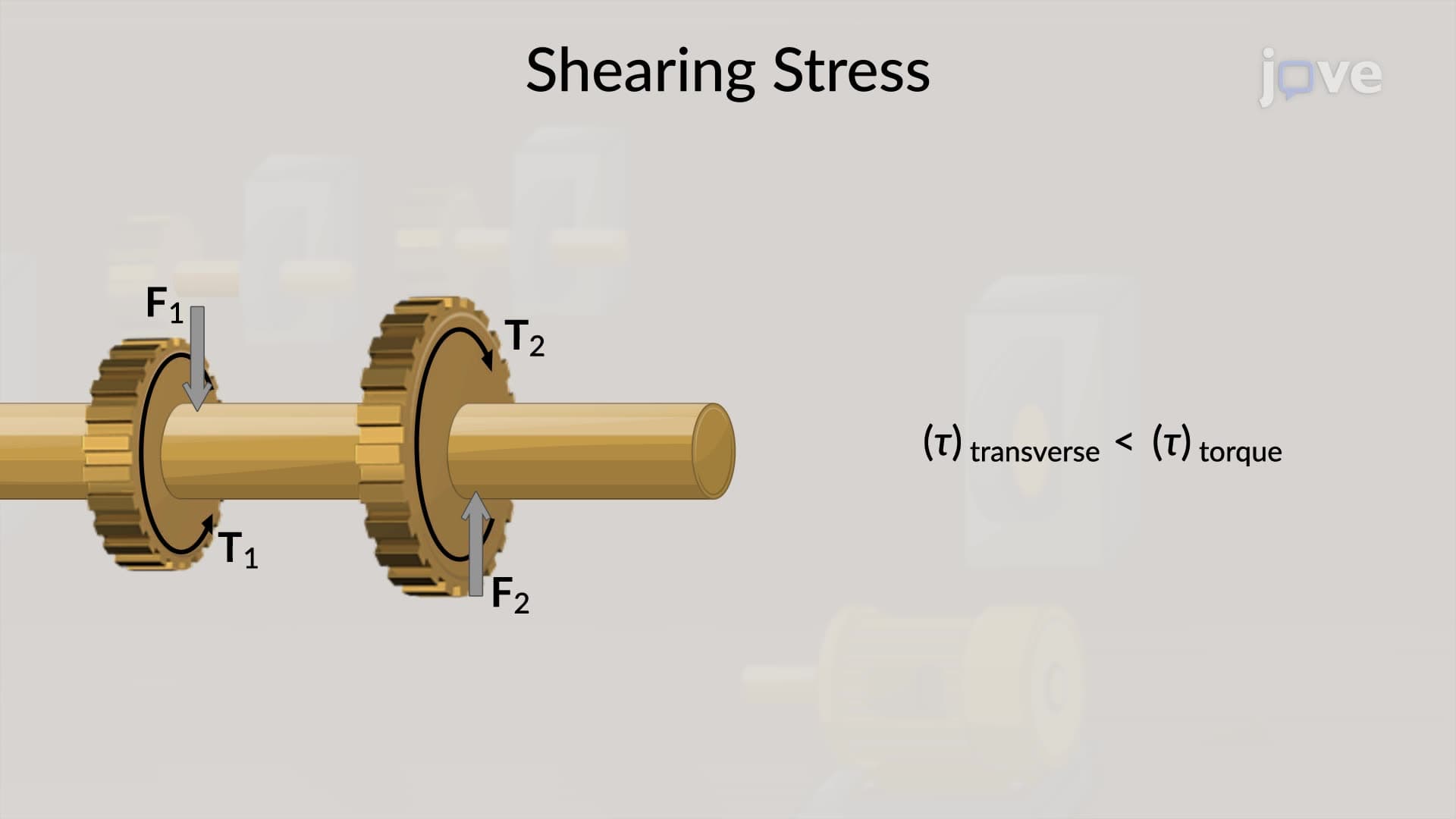
1. Combined Bending and Torsion Analysis: When transmission shafts in American manufacturing plants transfer power through gear systems, they experience both bending moments from transverse forces and torques from rotational motion. The resulting stress state requires analyzing normal stresses from bending and shearing stresses from torsion simultaneously. Engineers must calculate the maximum resultant stress by combining these components using the square root of the sum of squares method, ensuring the shaft diameter meets safety requirements for industrial applications like automotive assembly lines.
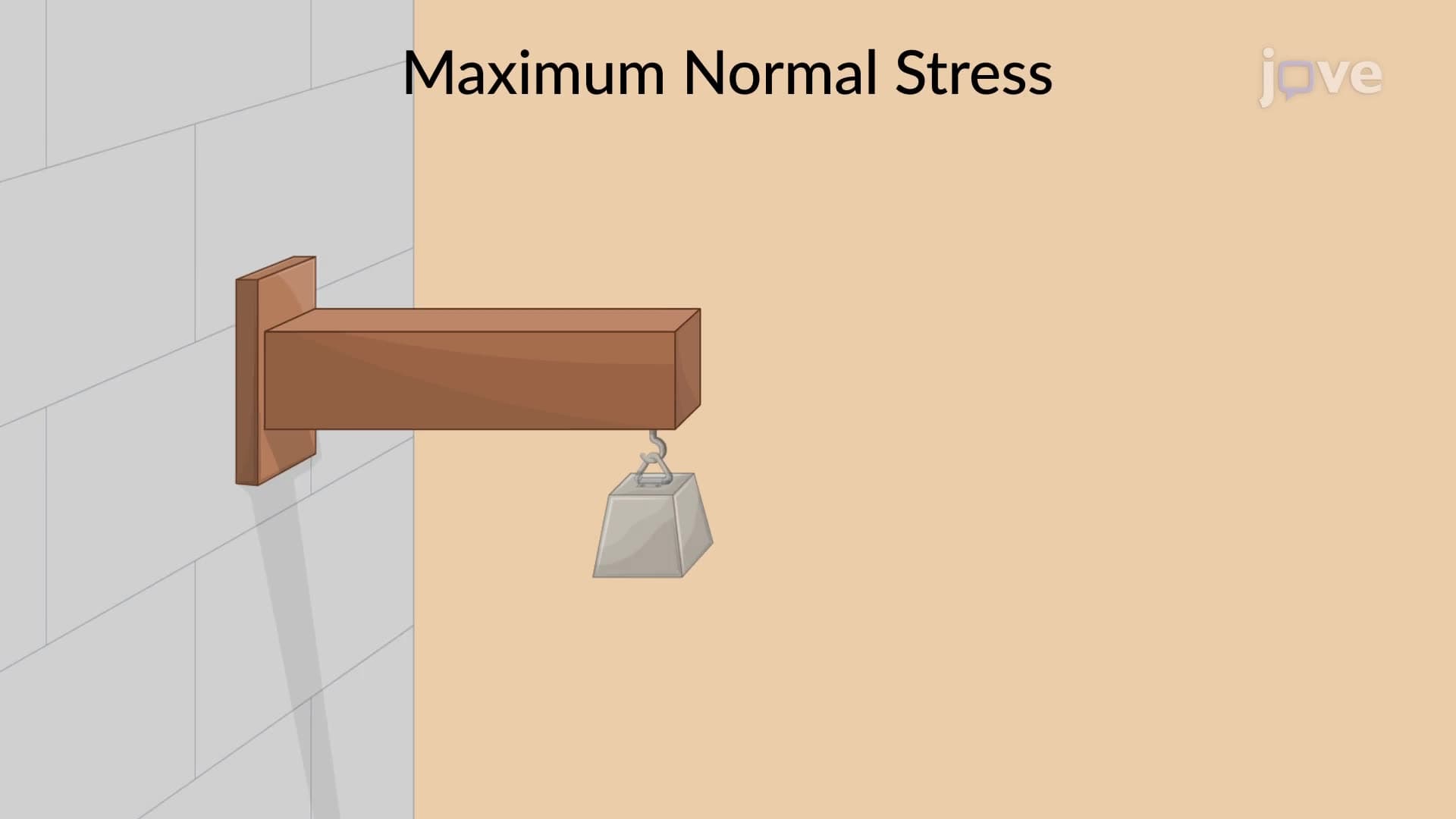
2. Principal Stress Distribution in Beams: Rectangular cantilever beams supporting loads in American construction projects exhibit complex stress patterns where maximum normal stress may exceed surface stress values. The stress analysis considers both shearing stress on neutral surfaces and normal stress on beam surfaces. Critical locations often occur near load application points where shearing stresses become significant compared to normal stresses, requiring careful evaluation for structures like building overhangs and crane supports.
3. Transmission Shaft Design Methodology: Solid and hollow circular shafts in American power transmission systems require systematic design approaches considering allowable shearing stress limits. Engineers calculate minimum polar moment ratios by analyzing maximum bending moments and torques throughout the shaft length. The design process involves determining tangential forces from gear interactions, constructing bending moment diagrams for horizontal and vertical planes, and selecting appropriate shaft diameters for applications ranging from wind turbine generators to factory conveyor systems.
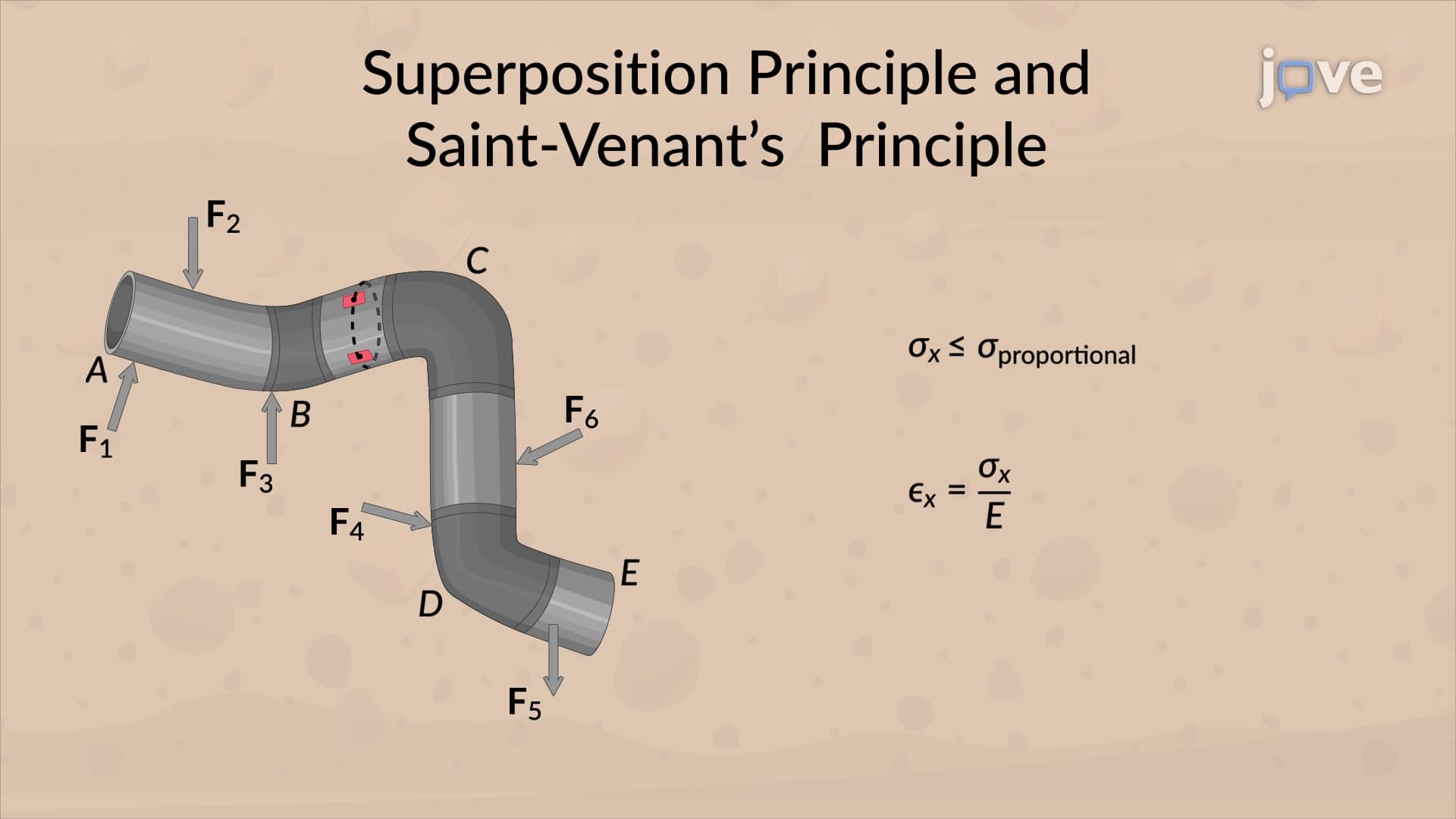
4. Stress Superposition in Complex Geometries: Curved structural members like those found in American bridge designs experience multiple stress types including axial forces, bending couples, and twisting moments. The analysis applies Saint-Venant's principle to combine normal stresses from centric forces and bending with shearing stresses from torsion and transverse forces. This approach enables engineers to determine principal stress orientations and maximum shearing stresses at critical points, essential for designing safe infrastructure components like curved highway ramps and architectural arches.