13 Concepts
10 Concepts
17 Concepts
6 Concepts
20 Concepts
9 Concepts
17 Concepts
14 Concepts
19 Concepts
13 Concepts
12 Concepts
12 Concepts
4 Concepts
5 Concepts
12 Concepts
13 Concepts
10 Concepts
8 Concepts
20 Concepts
12 Concepts
18 Concepts
4 Concepts
6 Concepts
10 Concepts
4 Concepts
9 Concepts
7 Concepts
8 Concepts
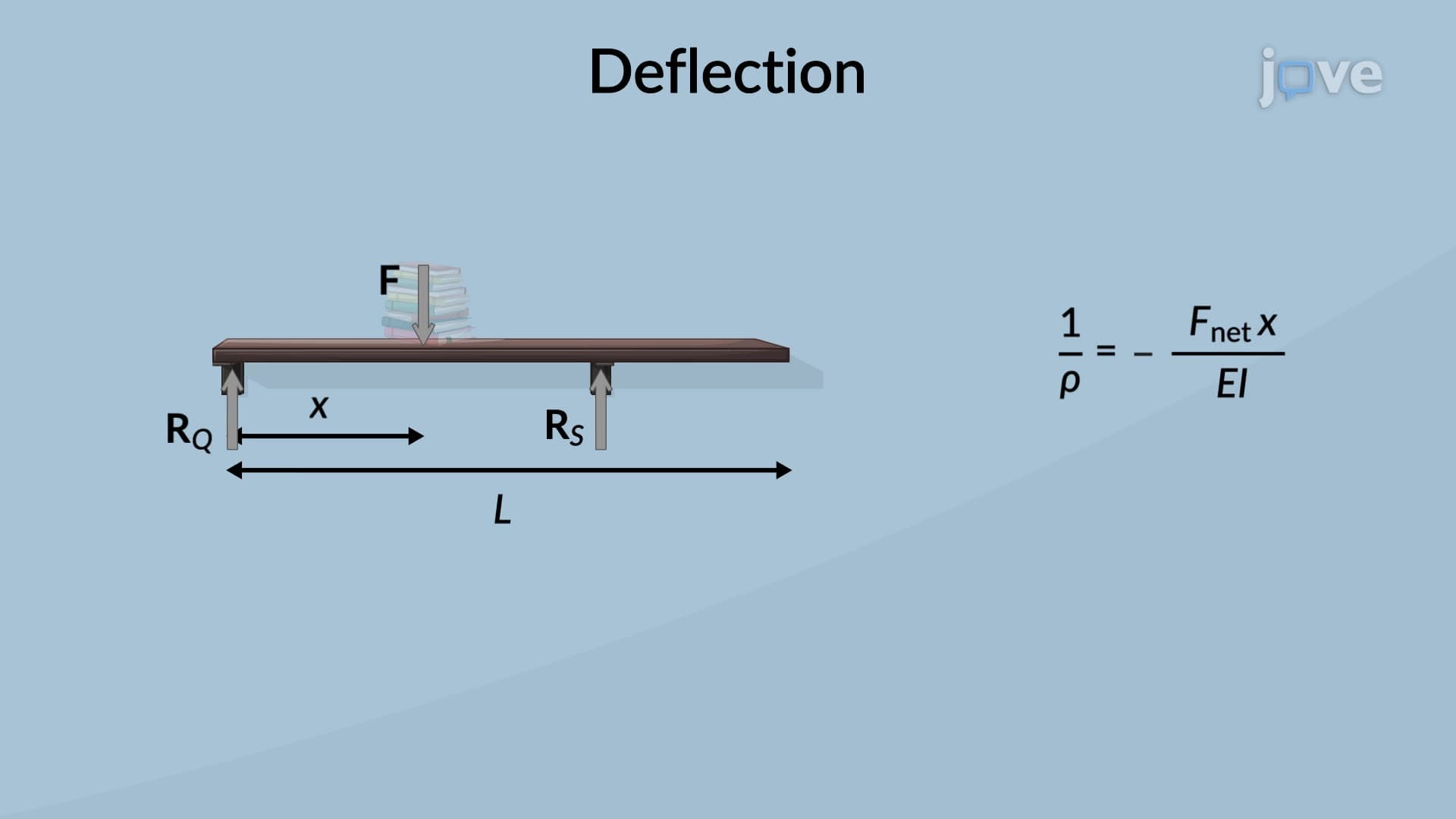
Deflection of beams is a critical concept in structural engineering that determines how much a beam bends under various loads. This comprehensive course covers essential beam deflection calculation methods including the elastic curve equation, moment-area theorems, and superposition principles. Students will explore practical applications from analyzing bridge structures to designing building floor systems, mastering the analytical tools used by engineers across the United States with JoVE Coach.
1. Fundamentals of Beam Deformation: Beam deflection occurs when structural members bend under applied loads, creating an elastic curve that engineers must predict and control. In real applications like highway overpasses in California or office building floors in New York, excessive deflection can cause structural failure or serviceability issues. The relationship between applied loads, material properties, and geometric dimensions determines the deflection magnitude. Understanding this relationship helps engineers design safe structures that meet building codes while remaining economical and functional.
2. Elastic Curve Equation Development: The governing differential equation for beam deflection relates curvature to bending moment through the flexural rigidity (EI). For prismatic beams with constant cross-sections, this second-order differential equation can be integrated twice to obtain slope and deflection functions. The integration constants are determined using boundary conditions specific to support types. This mathematical framework forms the foundation for all deflection calculations in structural analysis used by engineers designing everything from pedestrian bridges to skyscraper frameworks.
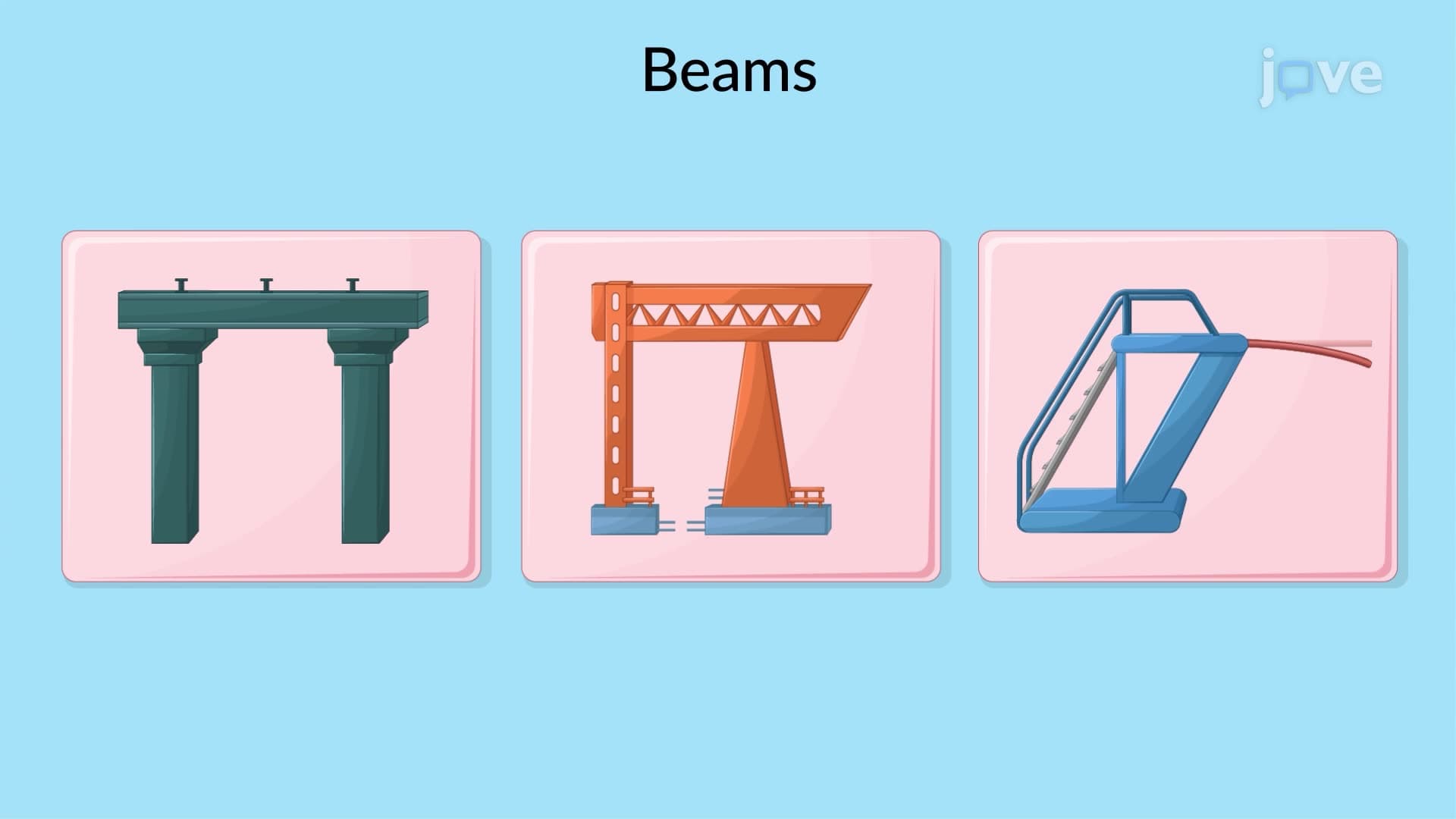
3. Boundary Conditions and Support Types: Different support configurations create unique boundary conditions that define the constants in deflection equations. Simply supported beams have zero deflection at both supports, while cantilever beams have zero deflection and slope at the fixed end. Overhanging beams combine characteristics of both support types. These conditions reflect real structural scenarios like bridge girders (simply supported), building balconies (cantilever), or warehouse roof beams (overhanging), making proper identification crucial for accurate analysis.
4. Singularity Functions and Load Representation: Complex loading patterns requiring multiple functions can be simplified using singularity functions, which provide a unified mathematical approach for representing concentrated loads, distributed loads, and moments. This method eliminates the need for separate equations in different beam regions, streamlining calculations for structures like multi-span bridges or building frames with varying load distributions. Engineers use this approach to analyze structures efficiently while maintaining mathematical rigor and accuracy in their designs.
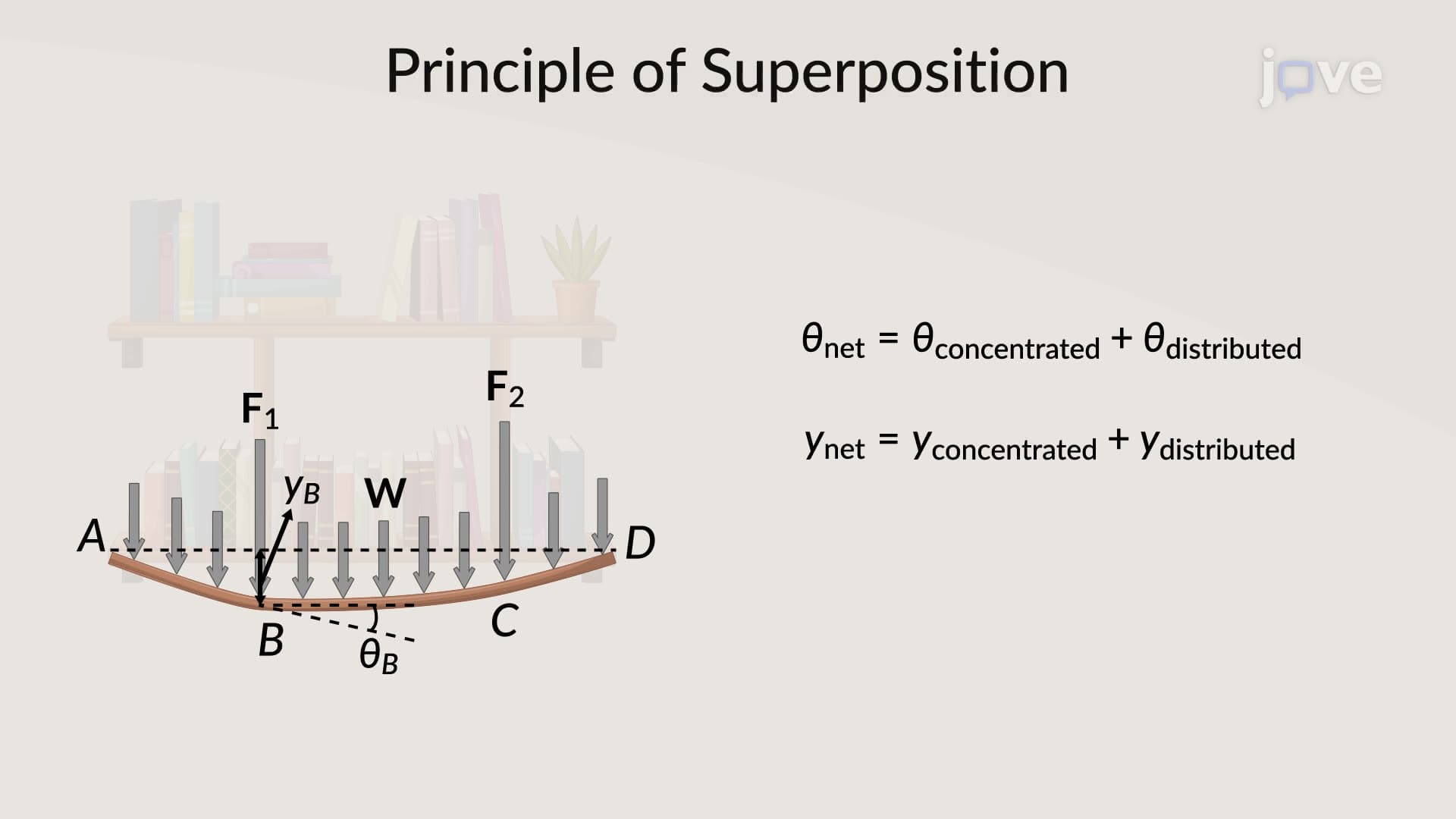
5. Method of Superposition: When beams experience multiple loads simultaneously, the superposition principle allows engineers to calculate individual deflections for each load separately, then sum the results to find total deflection. This approach is particularly valuable for analyzing complex structures like airport terminal roofs or stadium grandstands where dead loads, live loads, and environmental loads all contribute to structural deformation. The method's effectiveness relies on the linear elastic behavior of materials within their working stress ranges.
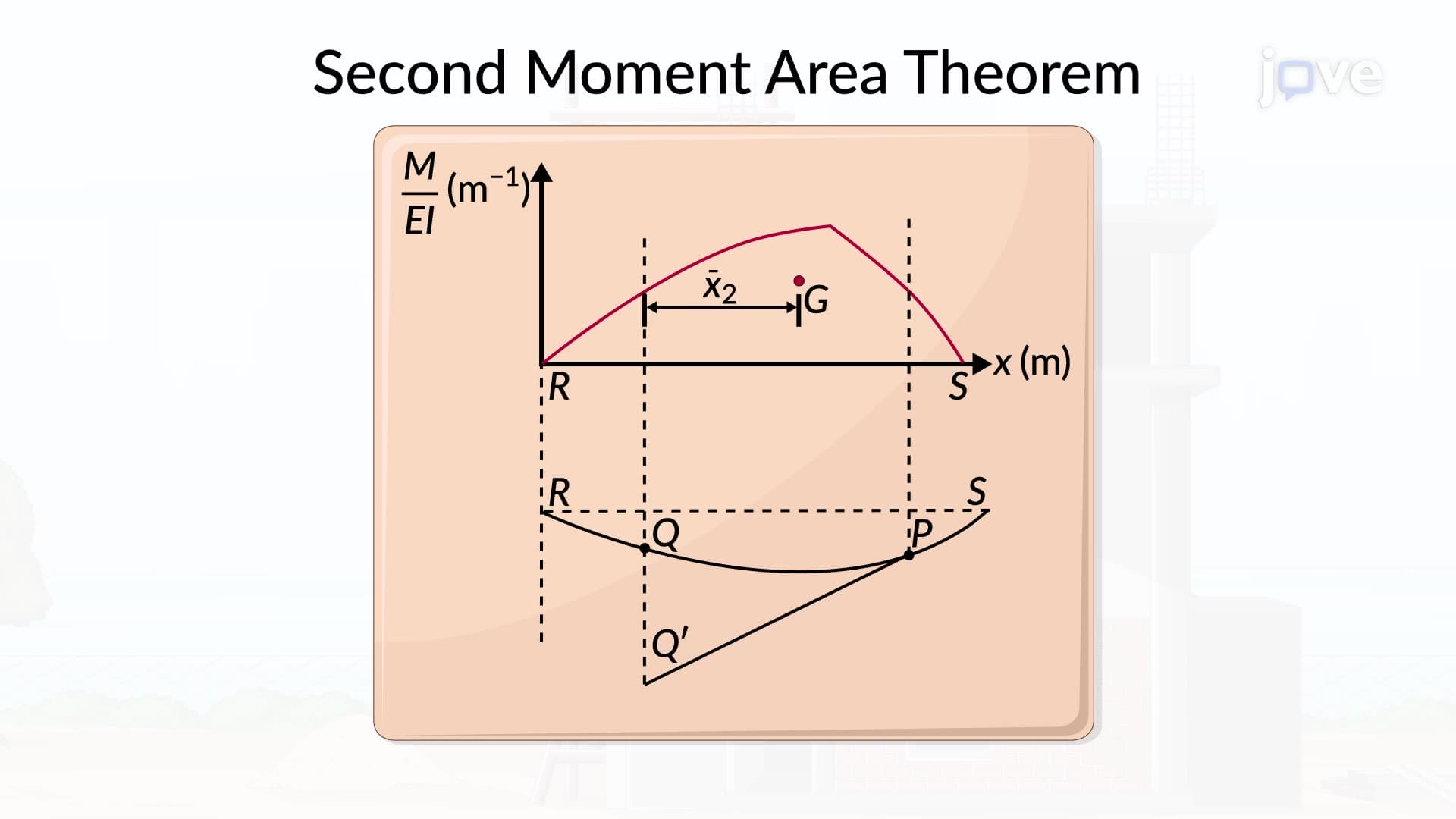
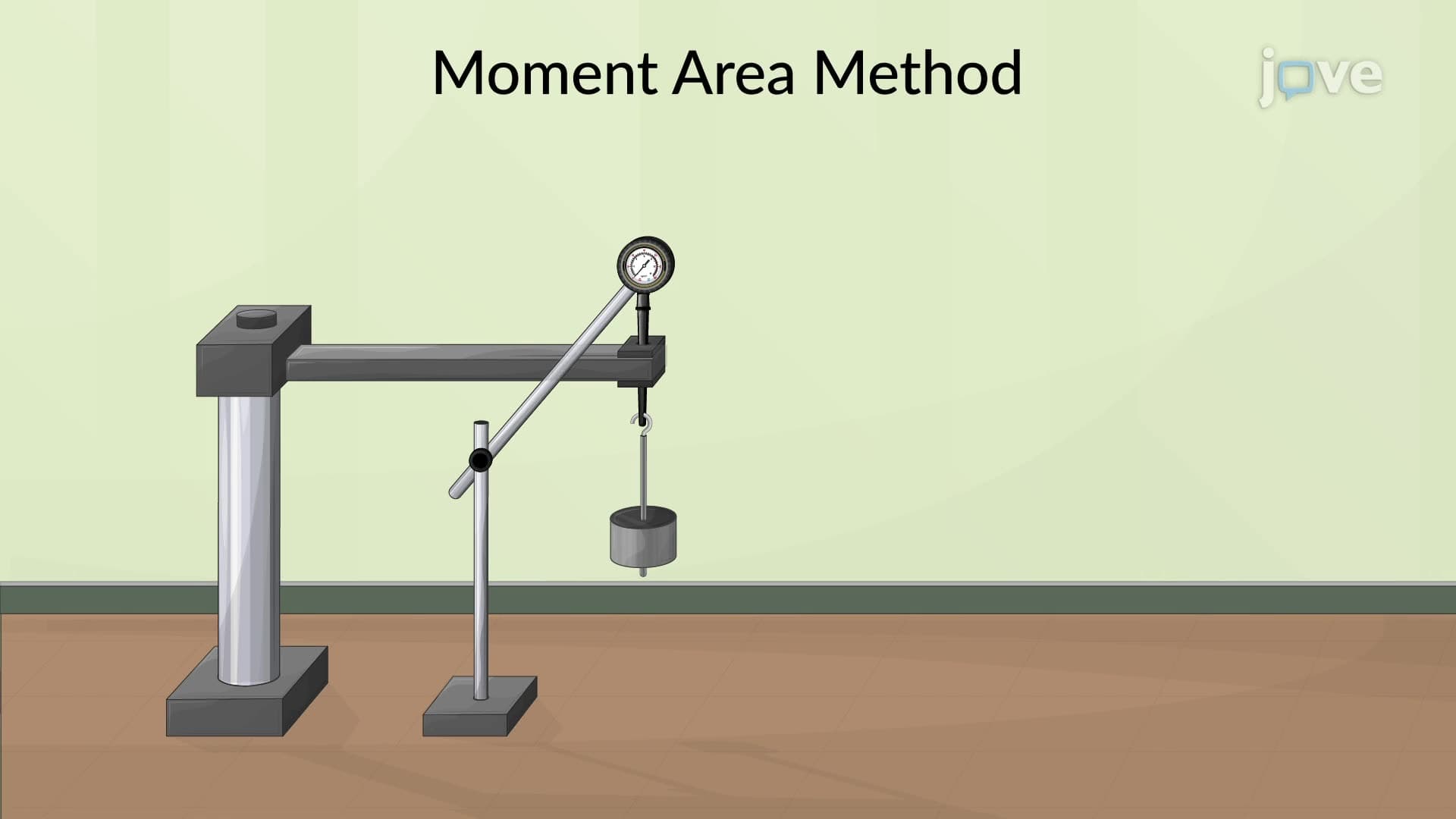
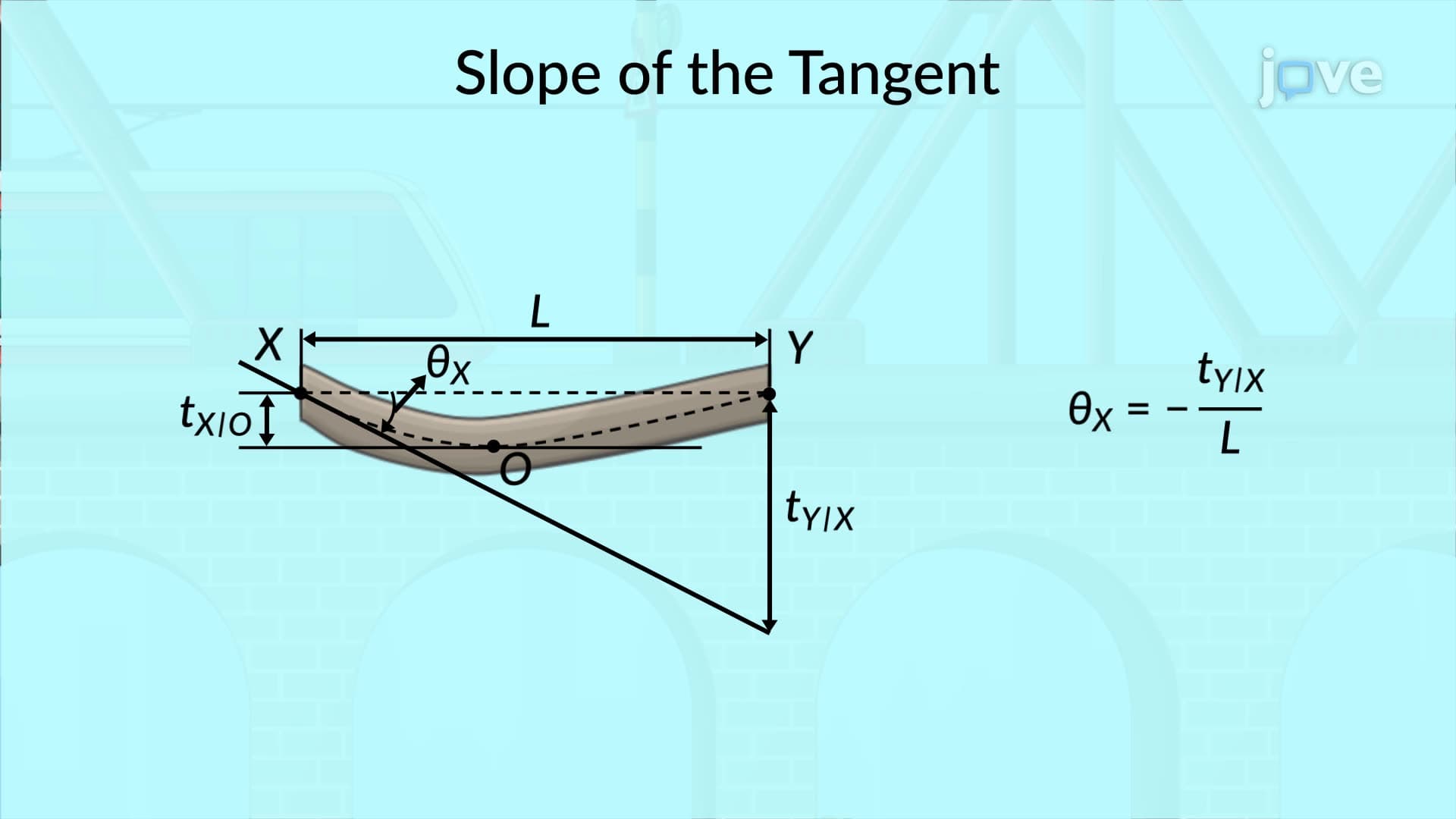
6. Moment-Area Theorems: These geometric relationships between bending moment diagrams and beam deflection provide powerful tools for calculating slopes and deflections without integration. The first theorem relates the angle between tangents to areas under the M/EI diagram, while the second theorem connects tangential deviations to first moments of these areas. Engineers apply these theorems to analyze structures like crane beams in manufacturing facilities or highway bridge girders where specific deflection limits must be verified for safety and serviceability requirements.