Loading video…


 9 Concepts
 5.2K views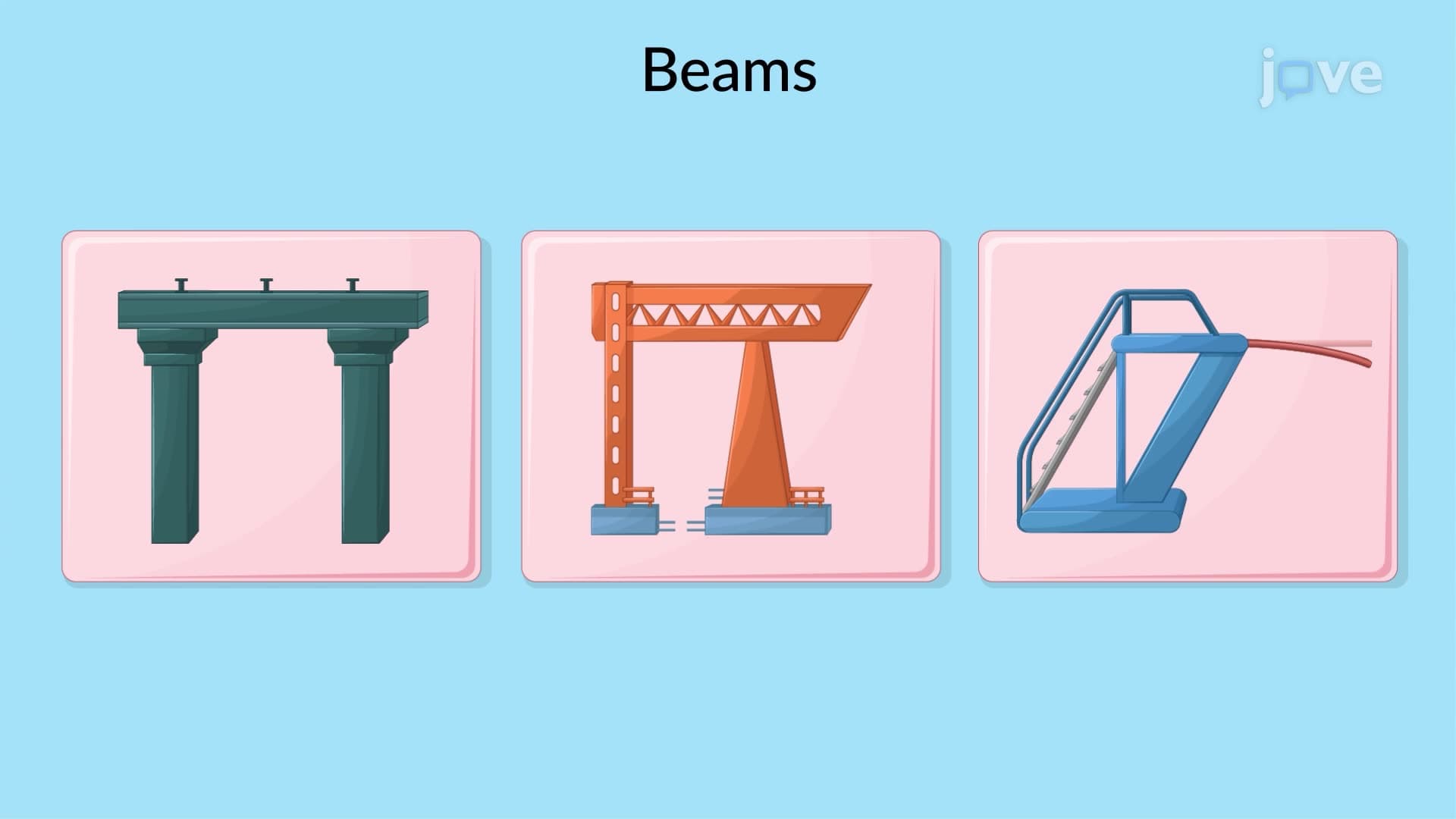

Video Summary: What Is Equation Elastic Curve
Ever wondered why the Golden Gate Bridge doesn't collapse under traffic loads? The equation elastic curve governs how beams bend under stress, making skyscrapers and bridges safe. This fundamental engineering concept describes the mathematical relationship between applied forces and beam deflection through second-order differential equations. From designing the structural framework of the Empire State Building to calculating load limits for highway overpasses, understanding the equation elastic curve is essential for structural integrity. Watch the full video on JoVE Coach to master this concept with expert-led visuals and step-by-step explanations.
The equation elastic curve represents one of the most fundamental concepts in structural mechanics, describing how beams deform under applied loads. This mathematical framework uses differential equations to predict exactly how much a beam will bend at any given point, which is crucial for ensuring structural safety in everything from residential homes to massive infrastructure projects like the Hoover Dam.
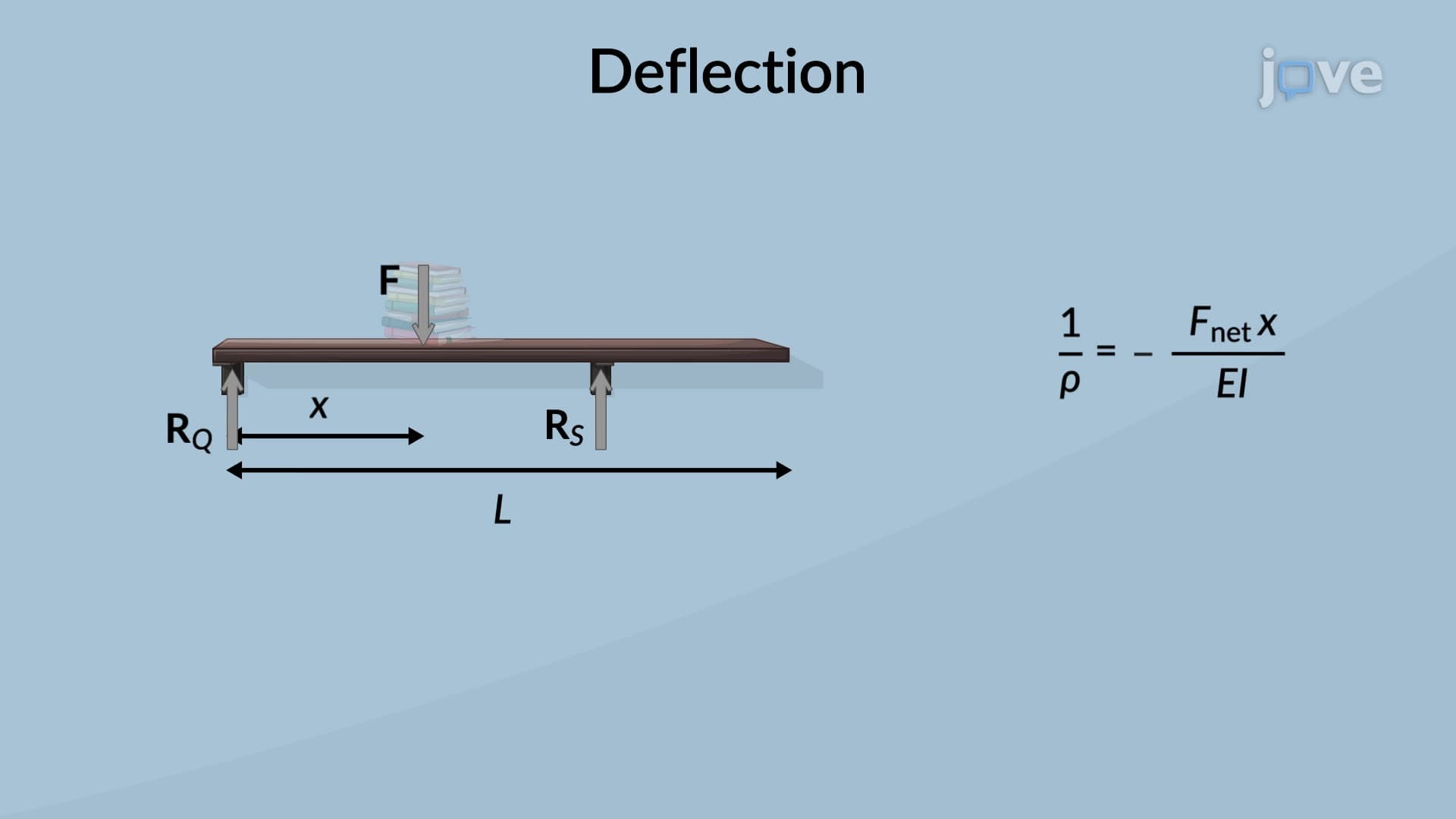
At its core, the elastic curve equation emerges from the relationship between a beam's curvature and the bending moment it experiences. The governing equation takes the form of a second-order linear differential equation: EI(d²y/dx²) = M(x), where E represents the material's modulus of elasticity, I is the moment of inertia, and M(x) describes how bending moment varies along the beam's length.
The term "flexural rigidity" (EI) plays a central role in the equation elastic curve. For prismatic beams-those with uniform cross-sections like standard I-beams used in construction-this value remains constant throughout the beam's length. However, when dealing with tapered beams or variable cross-sections, flexural rigidity becomes a function of position, significantly complicating the mathematical analysis.
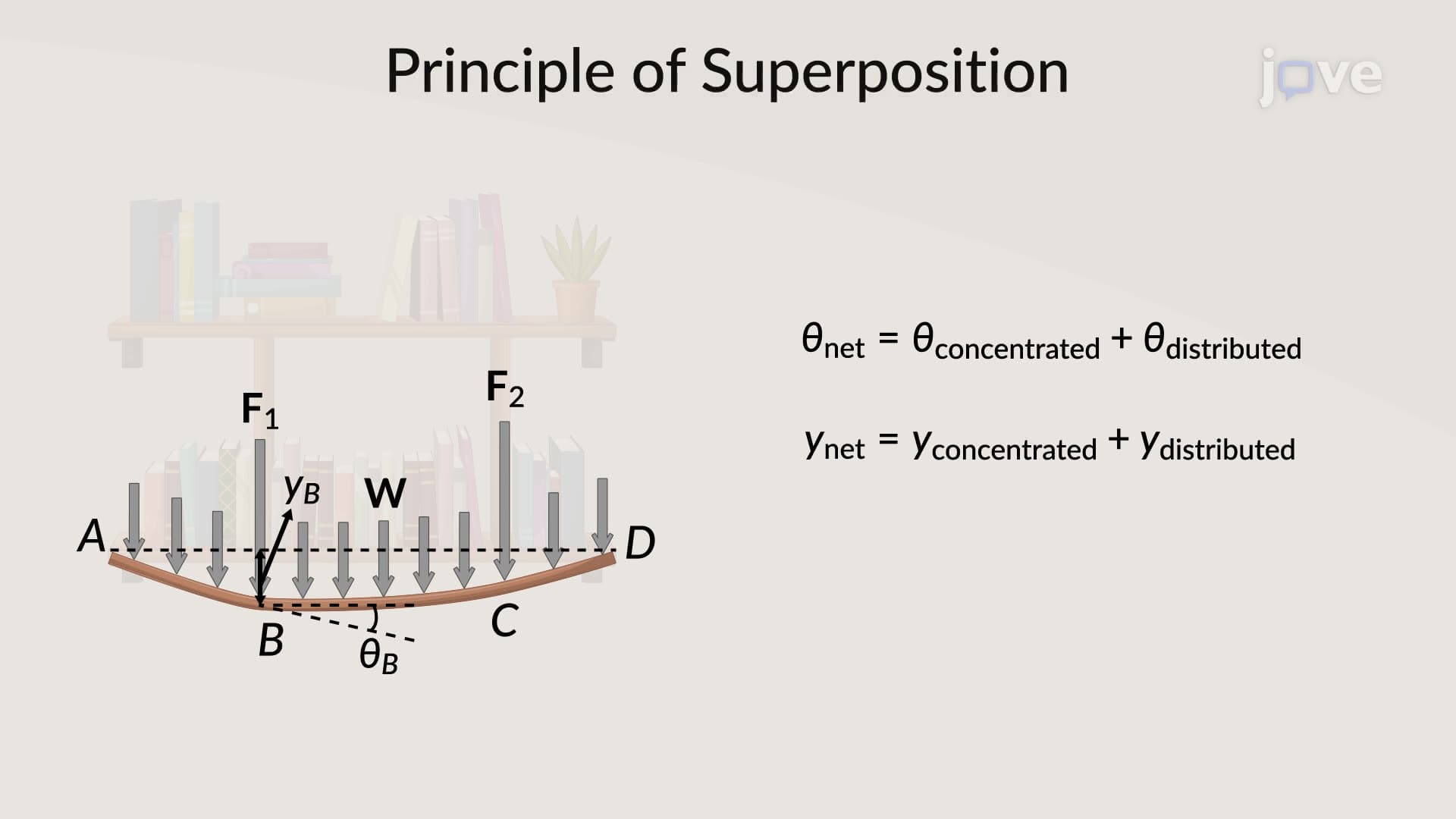
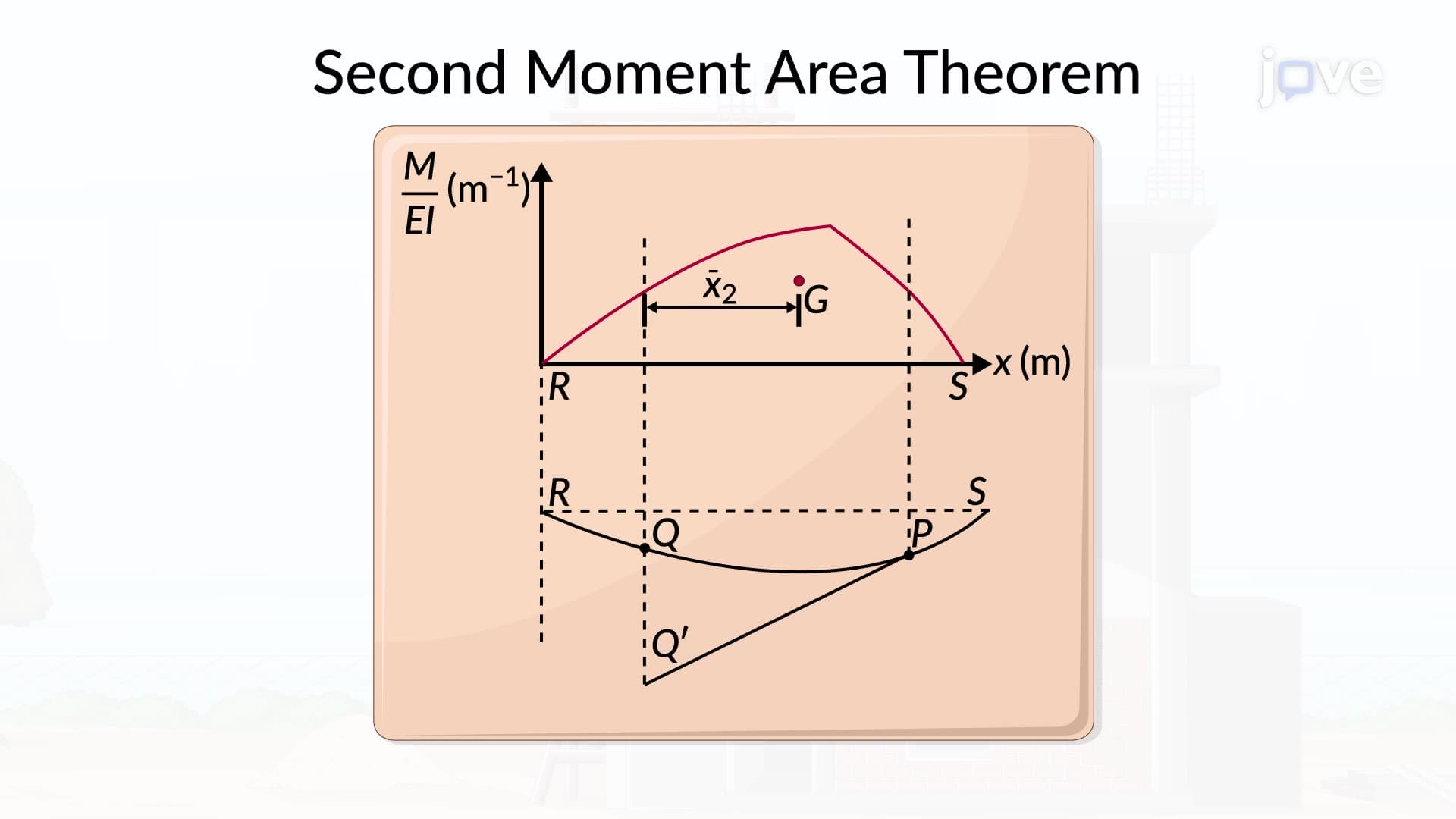
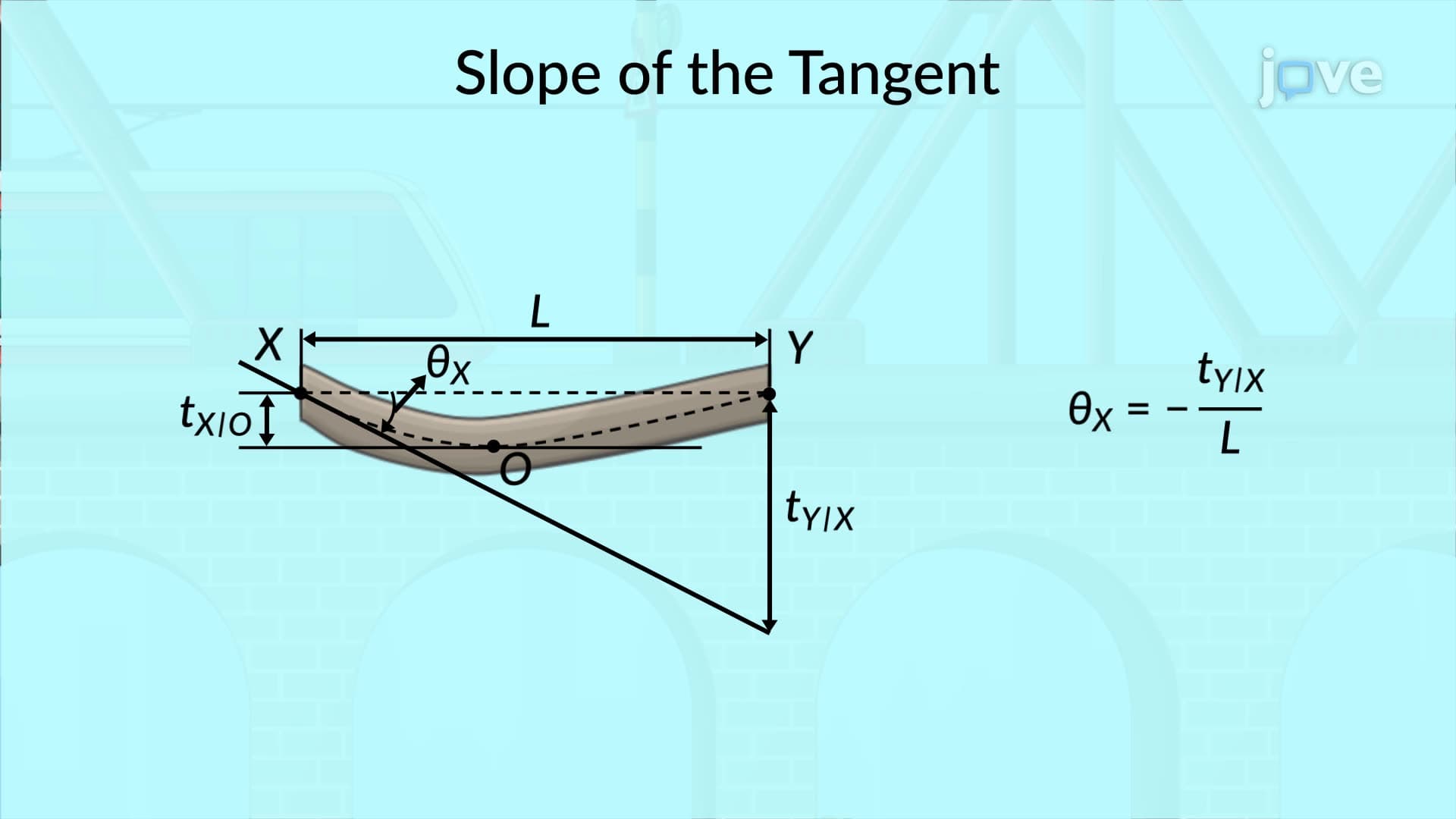
Students preparing for AP Physics C or college-level statics courses should understand that the first integration of the elastic curve equation yields the slope angle (θ = dy/dx), while the second integration provides the actual deflection (y). These concepts frequently appear on engineering fundamentals exams and are essential for understanding more advanced topics in structural analysis.
The practical application of elastic curve equations depends heavily on boundary conditions, which vary based on beam support types. Simply supported beams, like those in typical bridge spans, have zero deflection at both support points. Cantilever beams, such as diving boards or building balconies, exhibit both zero deflection and zero slope at the fixed support. Overhanging beams combine characteristics of both types, creating unique boundary condition challenges.
These boundary conditions allow engineers to solve for integration constants, transforming general solutions into specific predictions for real structures. For instance, when designing the cantilever sections of San Francisco's Bay Bridge, engineers used these principles to ensure adequate safety margins while optimizing material usage and construction costs.
Related Micro-courses