Loading subject page…


5,176 views
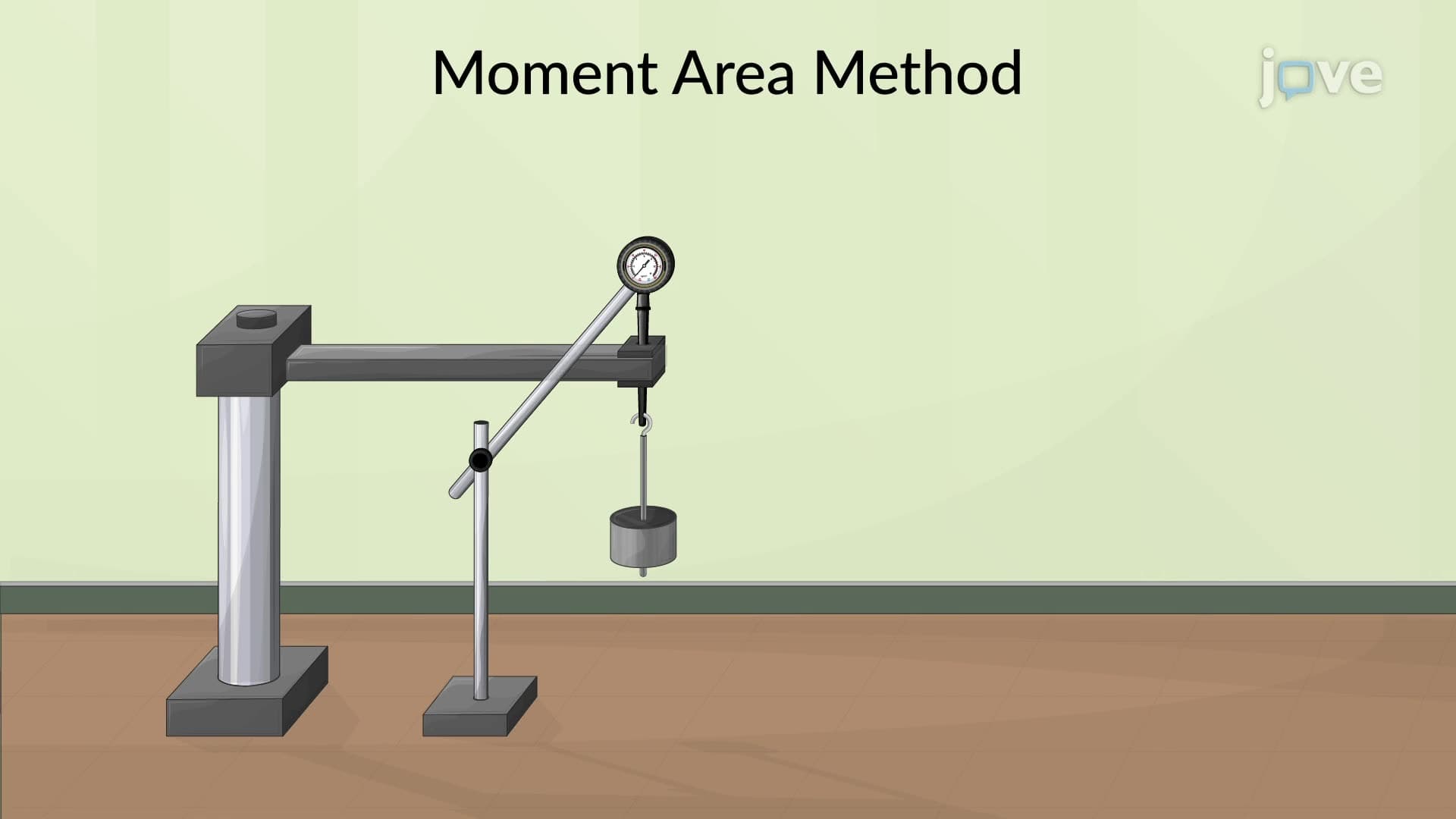

Video Summary: What Is Beams with Symmetric Loadings
Ever wondered why suspension bridge cables distribute weight so evenly across their spans? Beams with symmetric loadings represent one of the most fundamental concepts in structural engineering, where forces and moments are arranged identically on both sides of a beam's centerline. Picture the Golden Gate Bridge's deck structure, where traffic loads create perfectly balanced loading patterns. Understanding what is beams with symmetric loadings helps engineers predict how structures will bend and deflect under real-world conditions. Watch the full video on JoVE Coach to master this concept with expert-led visuals and step-by-step explanations.
Beams with symmetric loadings occur when forces, moments, and distributed loads are arranged identically on both sides of a beam's center point or axis of symmetry. This loading pattern creates predictable structural behavior that simplifies engineering analysis significantly. In symmetric loading conditions, the beam experiences identical bending moments and shear forces at corresponding points equidistant from the centerline.
The beauty of symmetric loading lies in its mathematical elegance. When analyzing such beams, engineers can focus on just one half of the structure, knowing that the other half will behave identically. This principle reduces calculation time and minimizes the potential for analytical errors during design phases.
Symmetric loading patterns exhibit several distinctive features that make them particularly valuable in structural analysis. The maximum deflection always occurs at the beam's center, creating a predictable deformation pattern. Additionally, the slope of the deflected beam at the center point equals zero due to symmetry, which serves as a crucial boundary condition for analytical solutions.
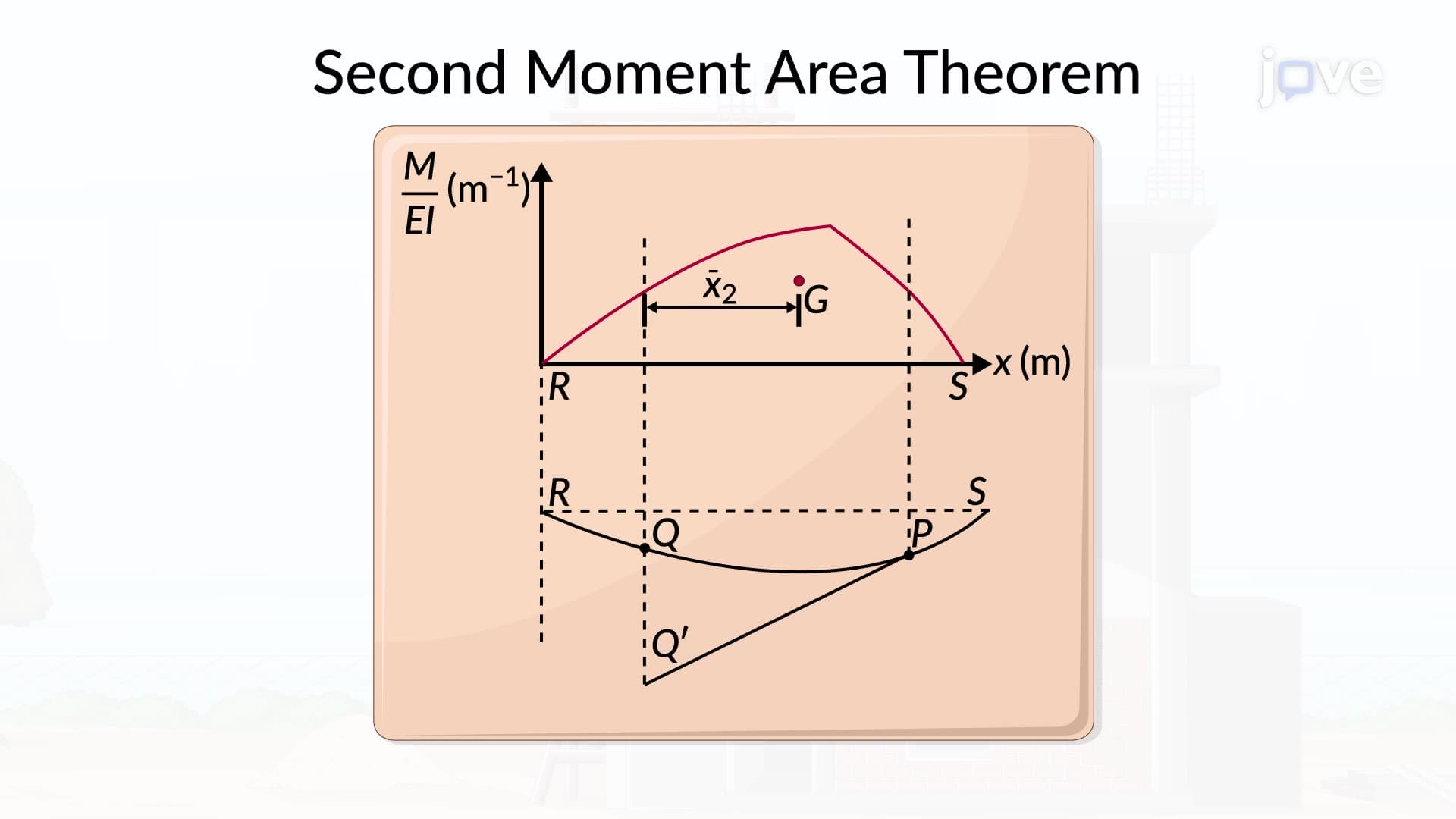
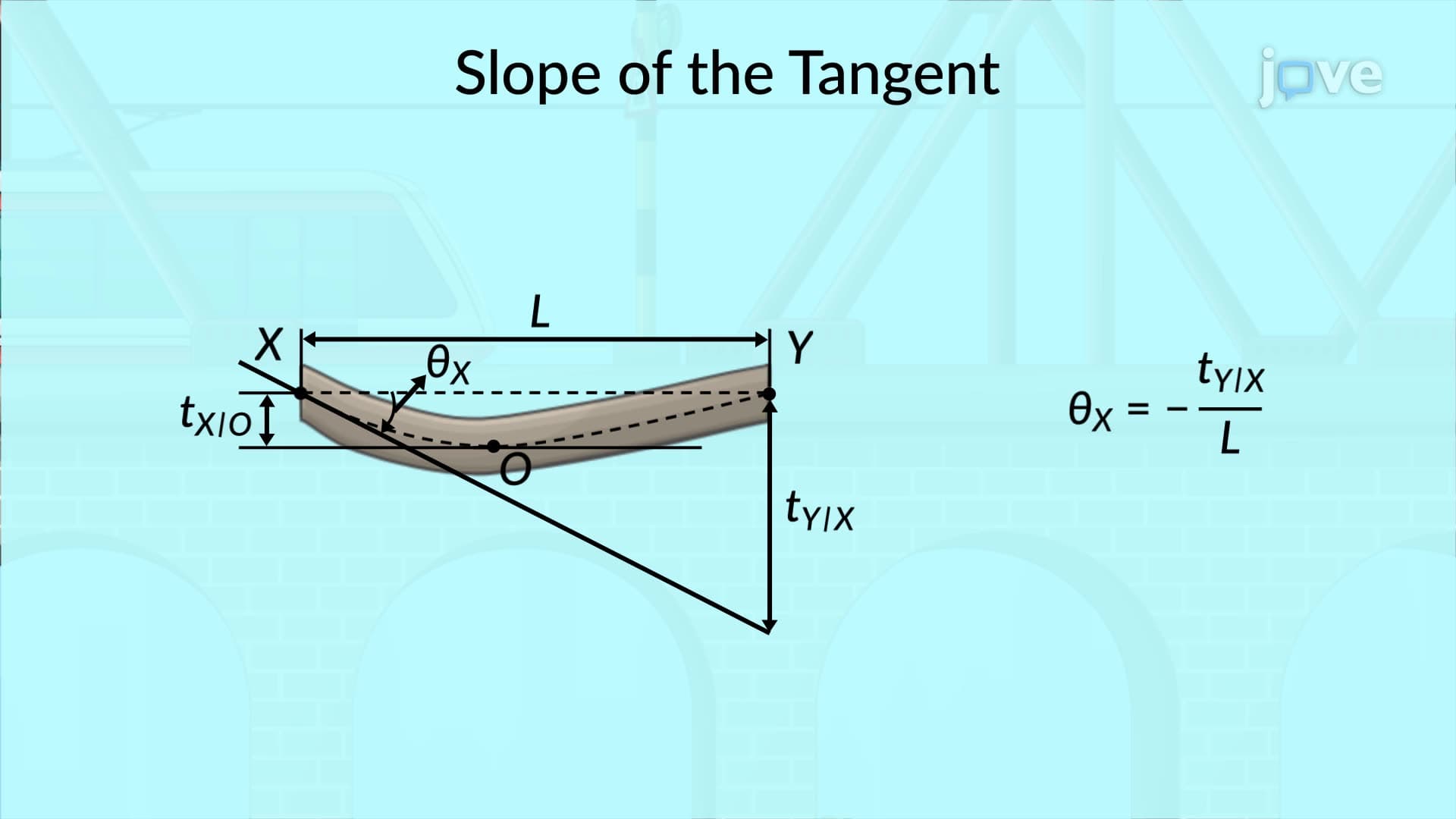
The moment-area method, as referenced in advanced structural analysis, becomes especially powerful when applied to symmetric loading scenarios. Engineers can calculate deflections and slopes by examining the area under the moment diagram, with the symmetry allowing for streamlined computations. This approach is frequently tested in AP Physics C mechanics exams and college-level statics courses.
American infrastructure showcases numerous examples of symmetric beam loading principles. The Brooklyn Bridge's suspension system demonstrates how symmetric loading distributes traffic loads evenly across the span. Similarly, highway overpasses utilize symmetric loading patterns when designing for uniform traffic distribution.
In residential construction, floor joists supporting evenly distributed furniture loads represent classic symmetric loading applications. The International Building Code (IBC) specifically addresses these scenarios in its load combination requirements, emphasizing the practical importance of understanding symmetric loading behavior.
Students preparing for standardized tests like the Fundamentals of Engineering (FE) exam will encounter symmetric loading problems regularly. These questions typically involve calculating maximum deflections, determining support reactions, or analyzing moment distributions. College-level courses in mechanics of materials and structural analysis dedicate significant time to symmetric loading principles, as they form the foundation for more complex asymmetric loading scenarios.
Related Micro-courses