Loading video…


 9 Concepts
 5.2K views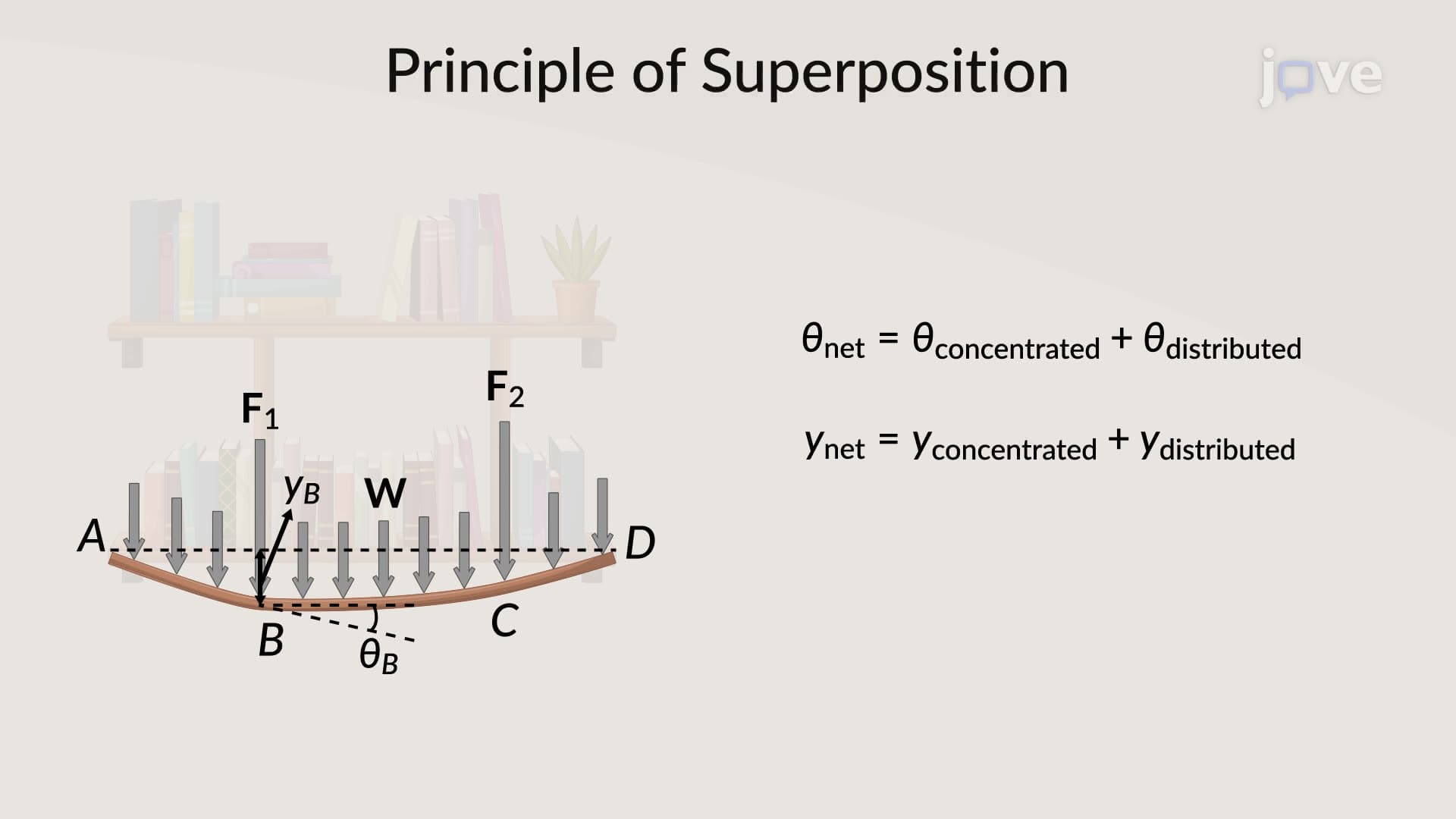

Video Summary: What Is Method of Superposition
Ever wonder how engineers ensure skyscrapers like New York's One World Trade Center can handle everything from wind loads to thousands of people? The method of superposition provides the answer by breaking down complex loading scenarios into manageable calculations. This powerful structural engineering principle allows engineers to analyze each load acting on a beam separately, then combine the results to determine total deflection and slope. From calculating how much a highway bridge beam bends under traffic loads to designing floor joists in residential construction, understanding what is method of superposition enables precise structural analysis. Watch the full video on JoVE Coach to master this concept with expert-led visuals and step-by-step explanations.
The method of superposition represents one of structural engineering's most elegant problem-solving approaches. This technique transforms seemingly overwhelming multi-load scenarios into a series of straightforward, single-load calculations. When engineers face beams subjected to various forces-such as a hospital floor supporting medical equipment, patient beds, and staff-superposition allows them to analyze each load type independently before combining results.
The mathematical principle relies on linear elastic behavior, meaning the beam's material follows Hooke's Law within its elastic limit. This linearity ensures that deflections and slopes caused by individual loads can be algebraically added to determine total structural response. For students preparing for AP Physics or college-level statics courses, mastering this concept proves essential for beam analysis problems.
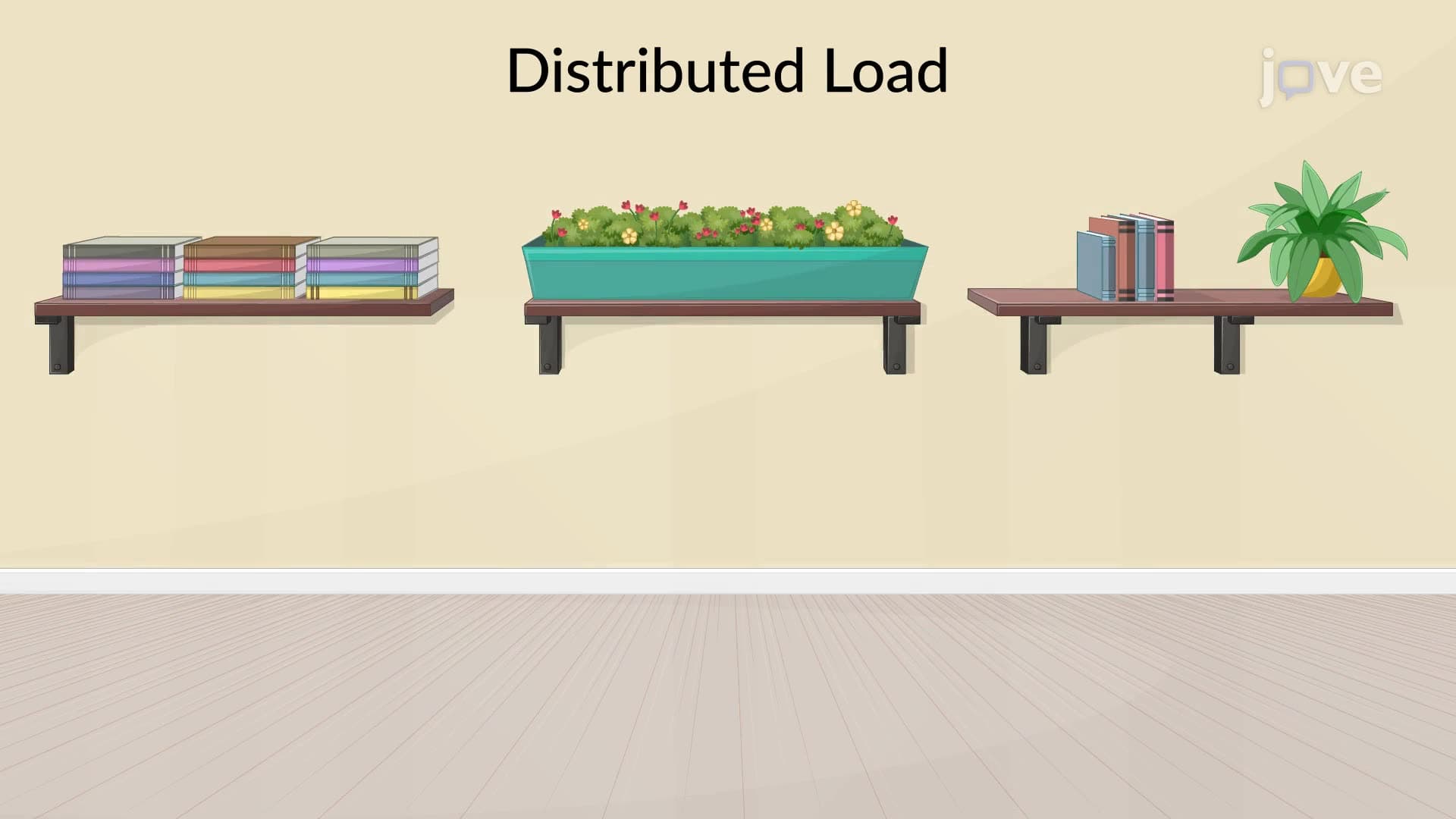
Consider a typical scenario found in structural engineering textbooks and AP Physics exams: a simply supported beam carrying both a concentrated load (like an HVAC unit) and a distributed load (like snow across a roof). Rather than deriving one complex equation accounting for both loads simultaneously, engineers apply the method of superposition definition by solving two separate problems.
First, they calculate deflection and slope caused solely by the concentrated load using standard beam formulas. Next, they determine deflection and slope from the distributed load alone. The principle of superposition then guides the final step: adding these individual responses to find total beam behavior. This approach proves particularly valuable when studying for college midterms or professional engineering exams, where time management and systematic problem-solving are crucial.
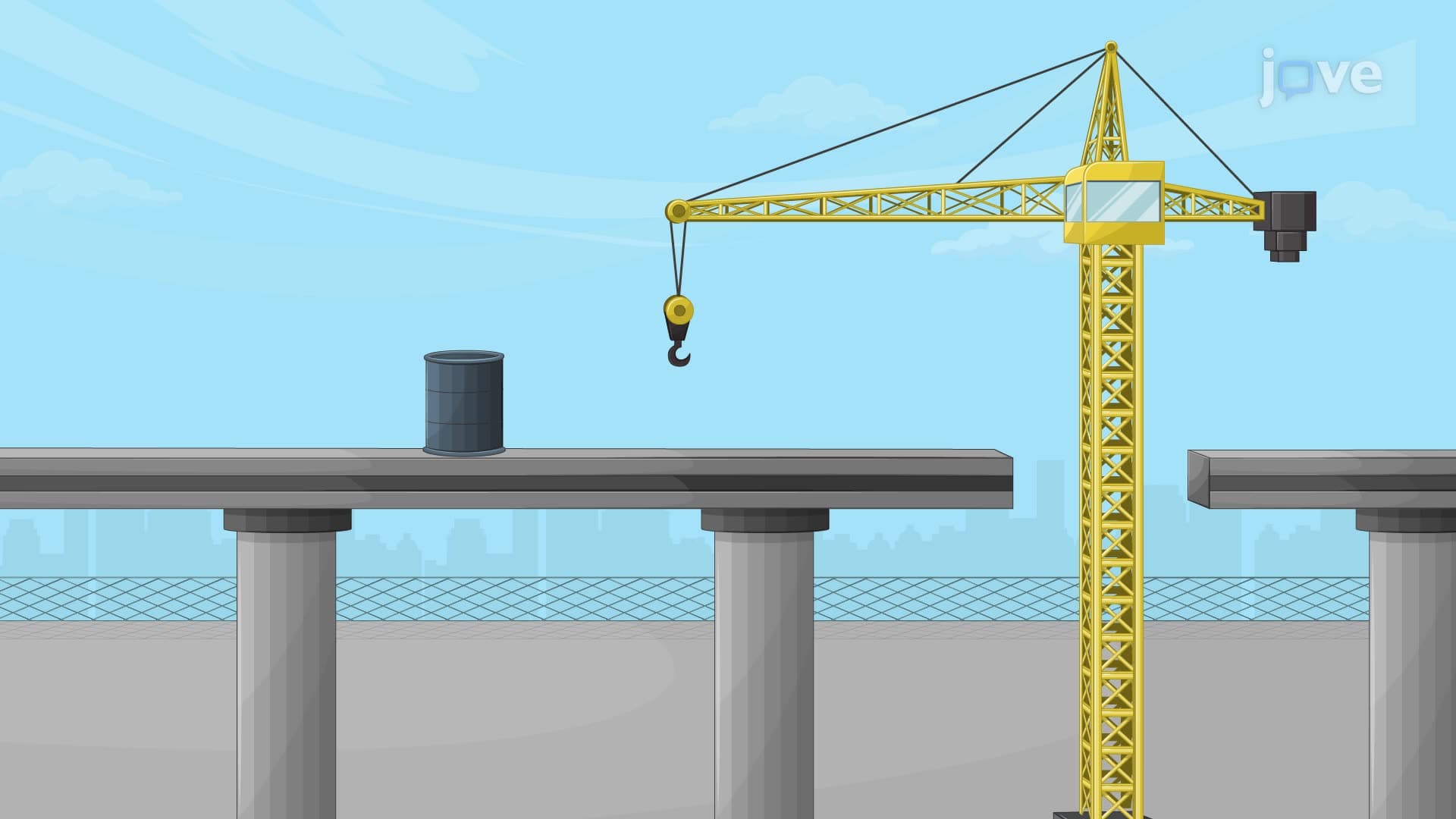
Understanding what is method of superposition in detail becomes clear when examining actual engineering projects. The Golden Gate Bridge's deck system, for instance, experiences multiple simultaneous loads: vehicle traffic (distributed), pedestrians (distributed), wind forces (distributed), and potentially concentrated loads from emergency vehicles or maintenance equipment. Engineers used superposition principles during design to analyze each loading condition separately before combining effects.
Similarly, in residential construction throughout the United States, floor joists must support dead loads (permanent structural weight), live loads (furniture, occupants), and potentially snow loads in northern climates. Building codes like the International Residential Code (IRC) rely on superposition-based calculations to establish safe load limits. Students studying for the Fundamentals of Engineering (FE) exam frequently encounter such multi-load scenarios.
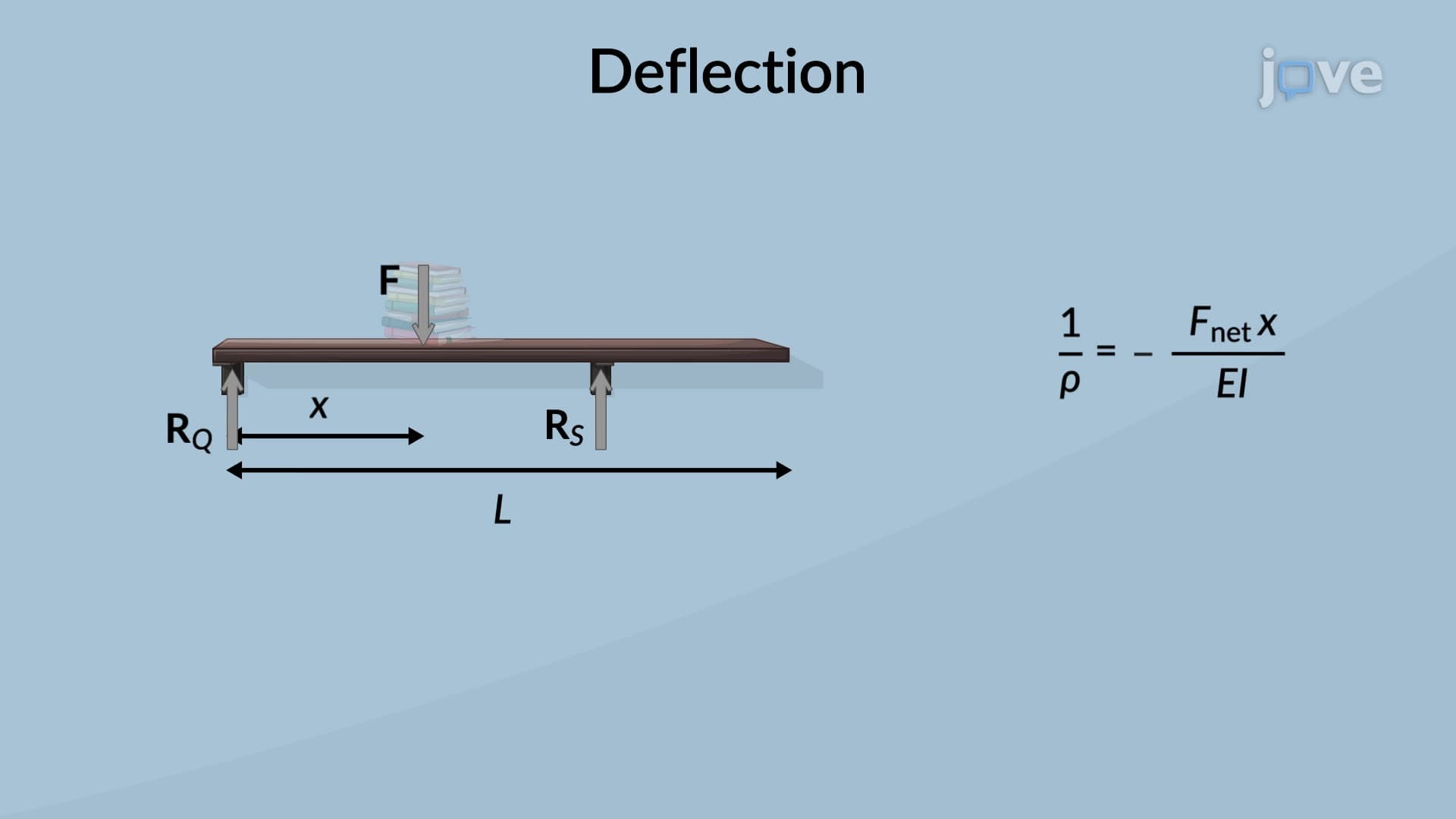
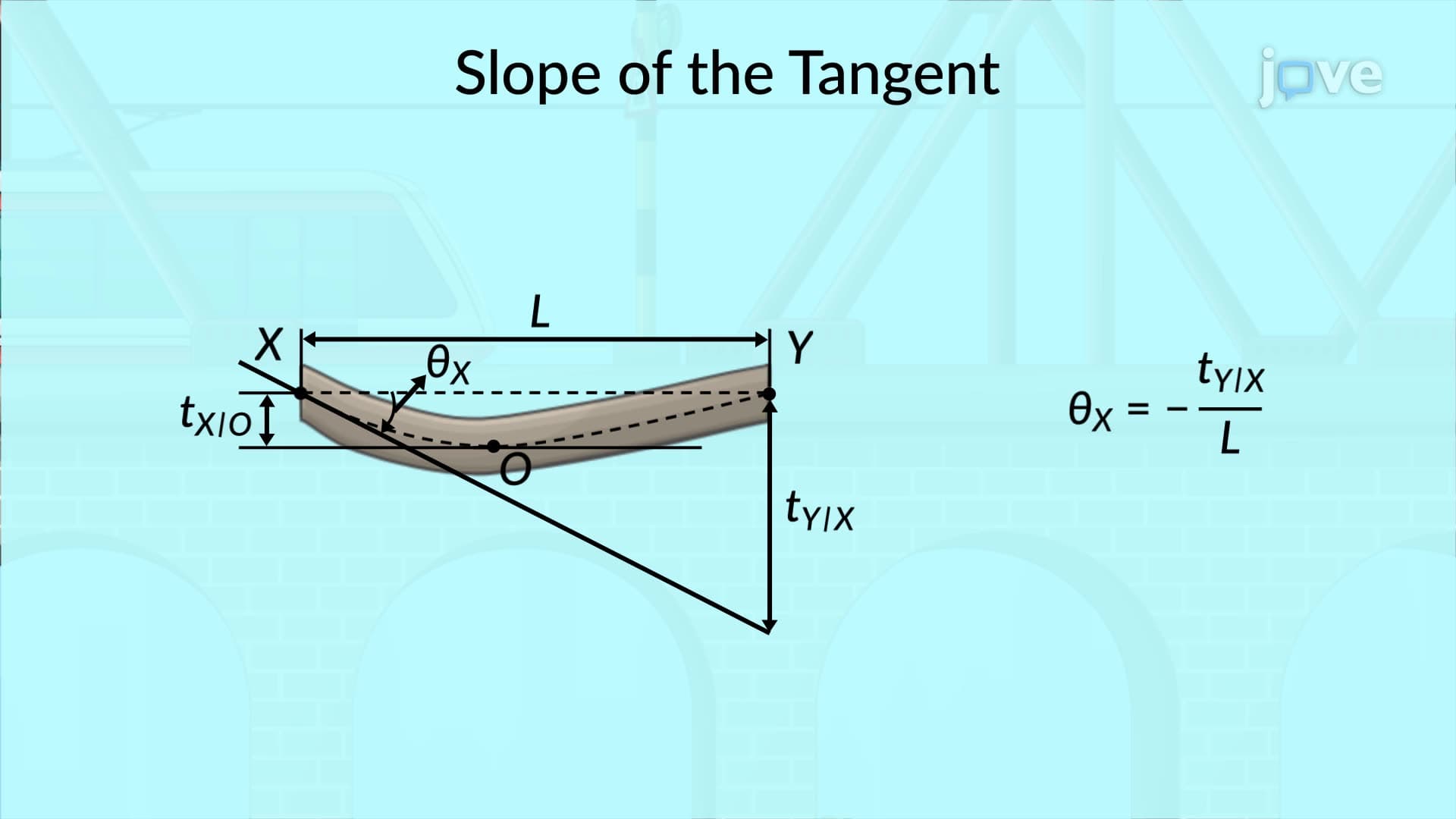
The method of superposition overview includes understanding the mathematical relationships between deflection and slope. Since slope equals the first derivative of deflection with respect to position along the beam, once deflection equations are established for individual loads, slope equations follow through differentiation. This mathematical connection frequently appears on college calculus-based physics exams and engineering coursework.
For effective exam preparation, students should practice identifying load types, selecting appropriate deflection formulas from engineering handbooks, and systematically applying superposition. The method of superposition study guide approach involves working through progressively complex problems, starting with two-load scenarios before advancing to multiple distributed and concentrated loads. This methodical progression builds confidence and ensures comprehensive understanding method of superposition for both academic success and future engineering practice.
Related Micro-courses