Loading video…


 9 Concepts
 5.2K views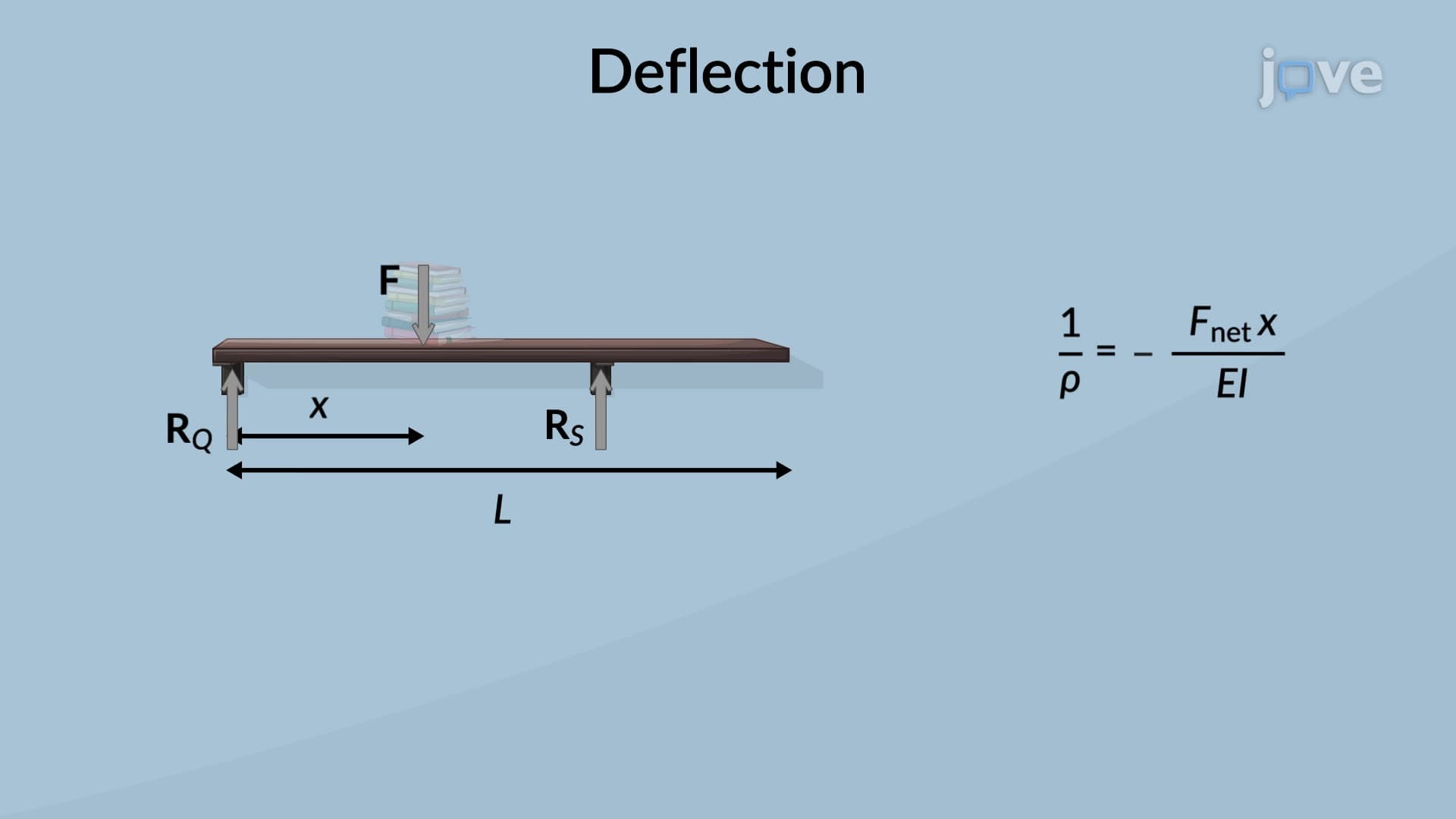

Video Summary: Deformation Beam Under Transverse Loading Explained
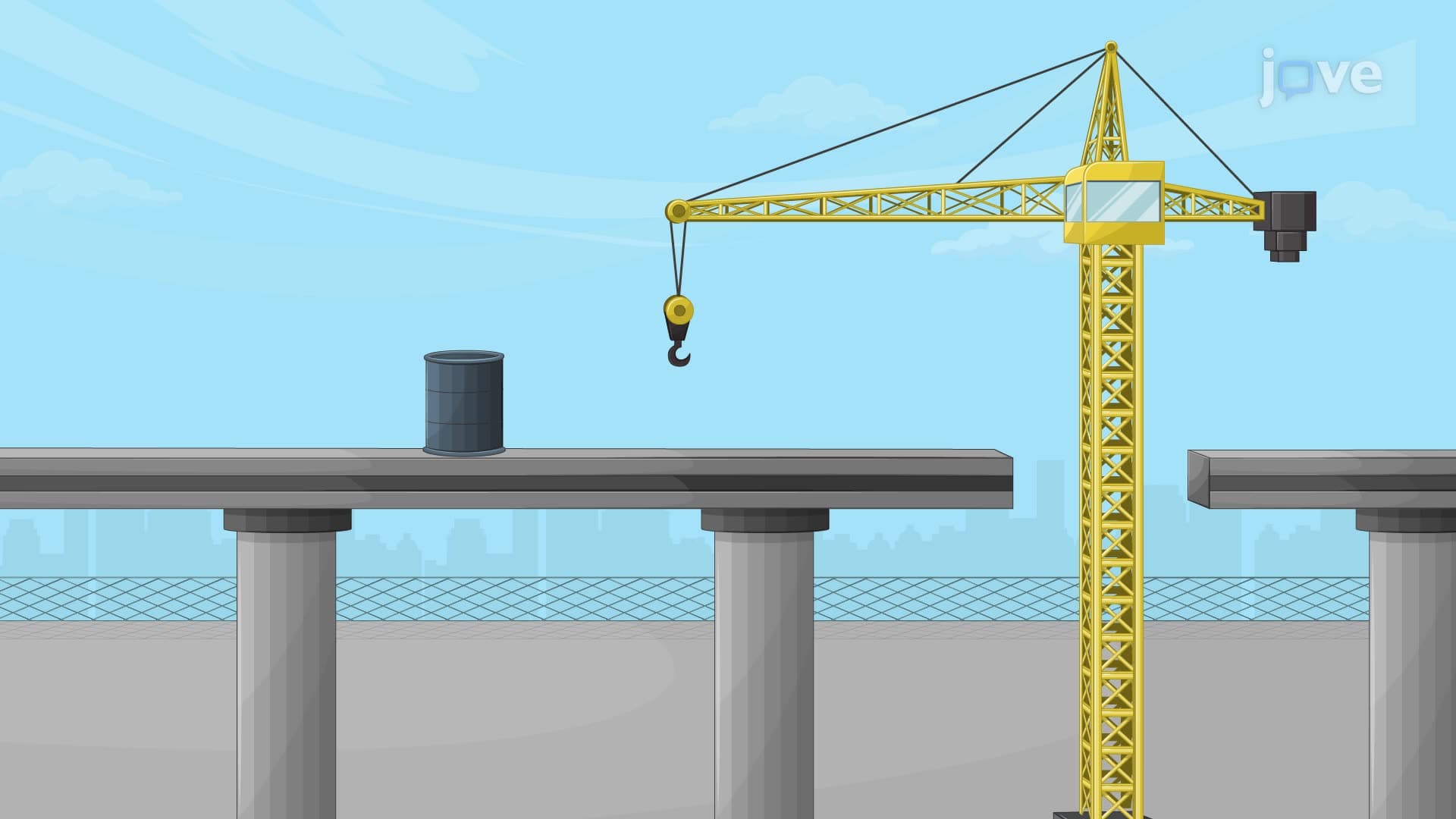
Ever wonder why bridges don't collapse under the weight of heavy trucks? Deformation beam under transverse loading analysis ensures structures like the Golden Gate Bridge can safely handle concentrated forces without catastrophic failure. Engineers must precisely calculate how beams bend and deflect when subjected to perpendicular loads to prevent structural disasters. Watch the full video on JoVE Coach to master this concept with expert-led visuals and step-by-step explanations.
Deformation beam under transverse loading represents one of the most critical concepts in structural mechanics, forming the foundation for safe building and bridge design across America. When forces act perpendicular to a beam's longitudinal axis, complex stress and strain patterns develop that engineers must thoroughly understand to prevent catastrophic failures.
Transverse loading creates bending moments that vary along the beam's length, resulting in characteristic deflection patterns. The beam's response depends on material properties, cross-sectional geometry, support conditions, and load magnitude. Students preparing for AP Physics or college-level statics courses encounter this concept as a gateway to advanced structural analysis.
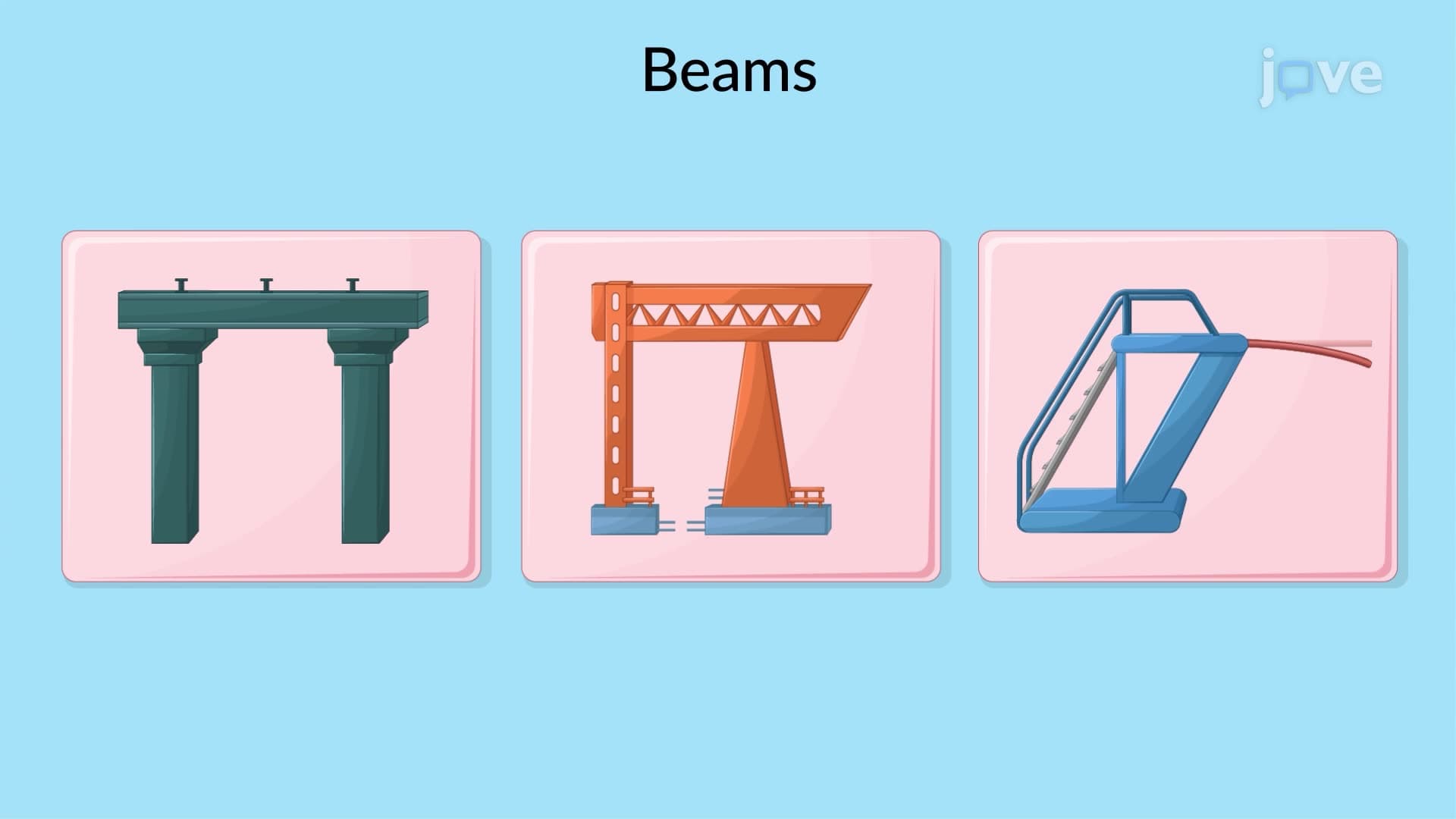
Successful beam analysis begins with constructing accurate free-body diagrams that isolate the beam and identify all external forces. Support reactions must satisfy equilibrium conditions: the sum of vertical forces equals zero, and the sum of moments about any point equals zero. For overhanging beams-common in highway overpasses like those found throughout California's freeway system-reaction calculations become more complex due to the extended cantilever sections.
Engineers use these reaction forces to establish internal force distributions, particularly shear forces and bending moments. The relationship between load intensity, shear force, and bending moment follows fundamental differential equations that students encounter in engineering mechanics courses at institutions like MIT or Stanford.
Bending moment diagrams provide visual representations of how internal moments vary along the beam's length. Positive bending moments cause upward curvature (sagging), while negative moments create downward curvature (hogging). The maximum bending moment typically occurs at support locations or under concentrated loads, corresponding to the minimum radius of curvature.
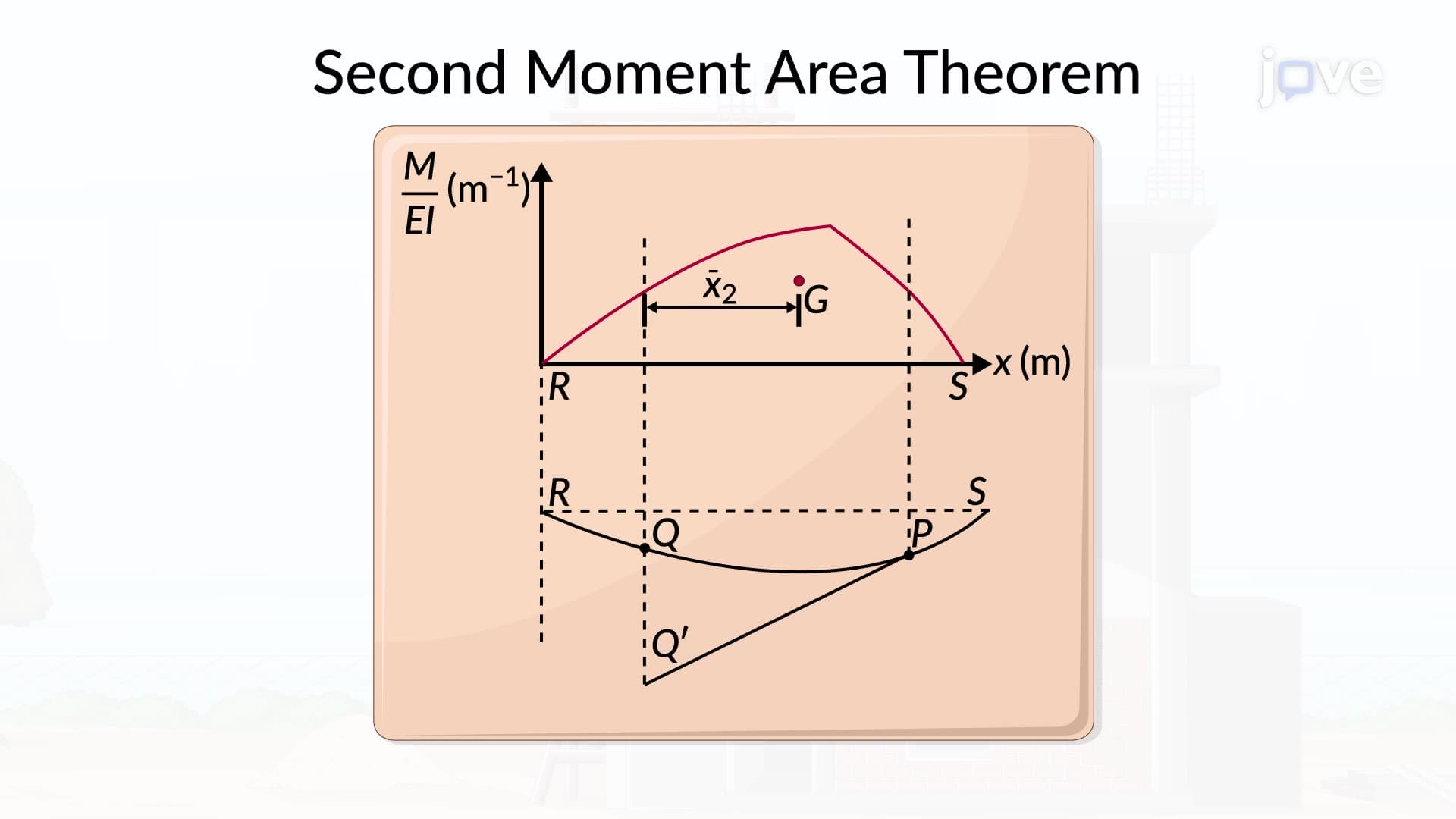
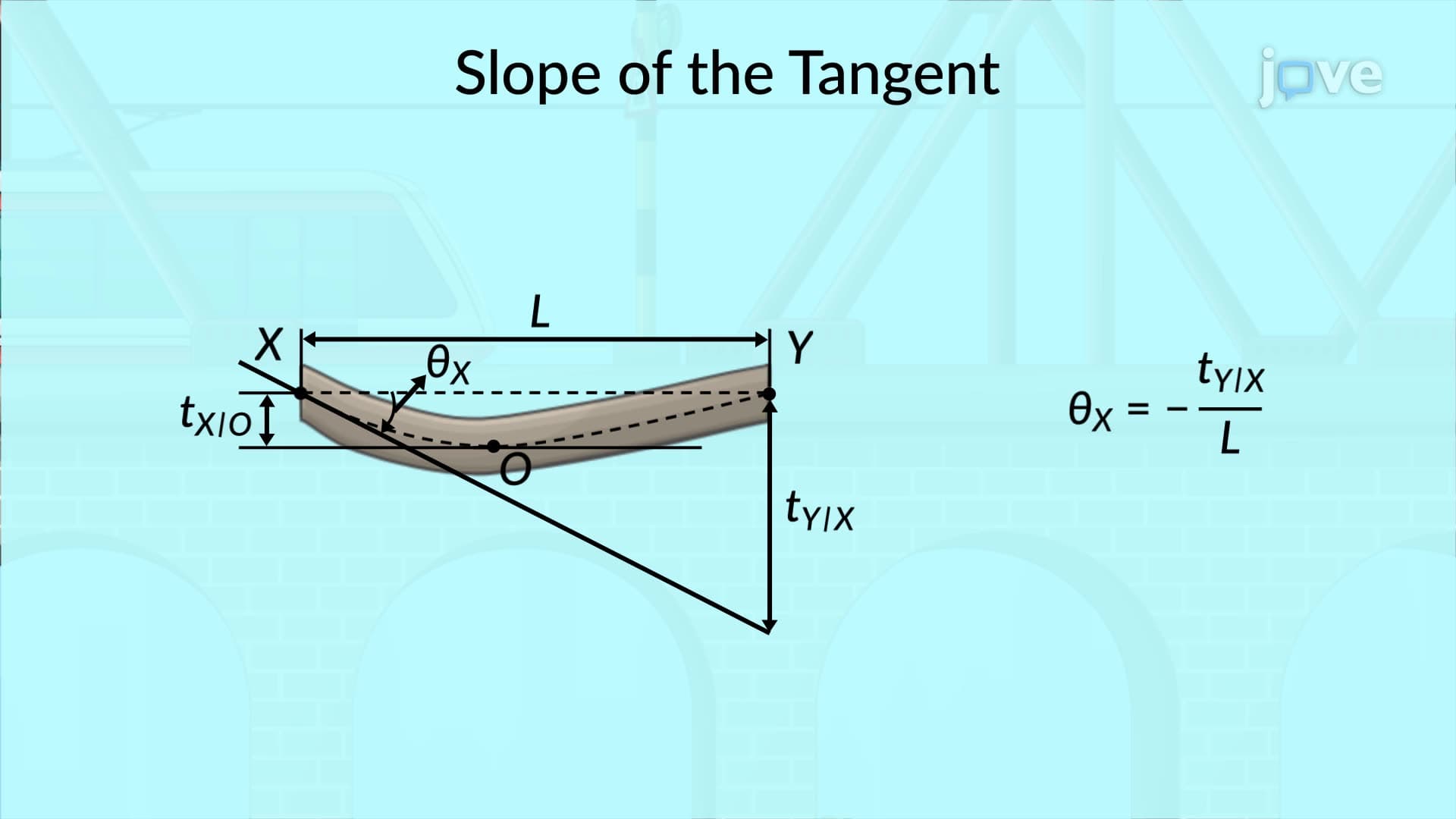
Understanding this curvature relationship proves essential for deflection calculations using methods like the moment-area theorem or conjugate beam method. Students studying for engineering fundamentals exams must master these graphical techniques to solve complex indeterminate structures.
Real-world applications span from residential floor joists to massive infrastructure projects like the Chesapeake Bay Bridge. Engineers must ensure deflection limits don't exceed serviceability criteria-typically span length divided by 360 for live loads. Excessive deflection can cause cracking in finishes, equipment malfunction, or user discomfort without necessarily indicating structural failure.
Modern building codes require detailed deflection analysis for all structural members, making this concept indispensable for practicing engineers and essential knowledge for students pursuing engineering careers.
Related Micro-courses