13 Concepts
10 Concepts
17 Concepts
6 Concepts
20 Concepts
9 Concepts
17 Concepts
14 Concepts
19 Concepts
13 Concepts
12 Concepts
12 Concepts
4 Concepts
5 Concepts
12 Concepts
13 Concepts
10 Concepts
8 Concepts
20 Concepts
12 Concepts
18 Concepts
4 Concepts
6 Concepts
10 Concepts
4 Concepts
9 Concepts
7 Concepts
8 Concepts
Force system resultants combine the effects of multiple forces and moments acting on engineering structures into simplified equivalent systems. From analyzing the moments on bicycle pedals to calculating loads on hydroelectric dams, understanding resultants is essential for structural analysis and mechanical design. This comprehensive course covers scalar and vector formulations, couples, distributed loads, and system reduction techniques using JoVE Coach educational videos.
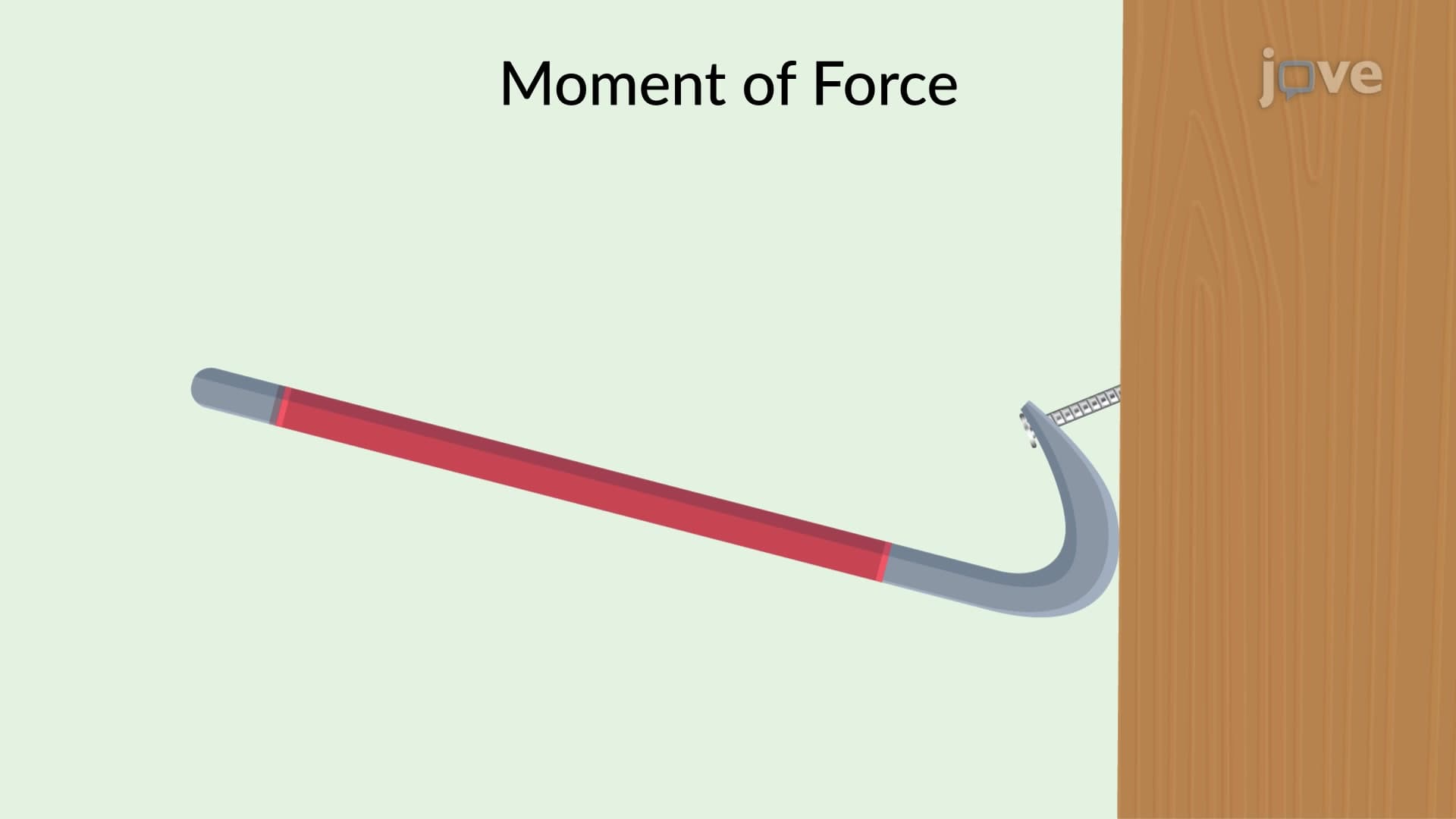
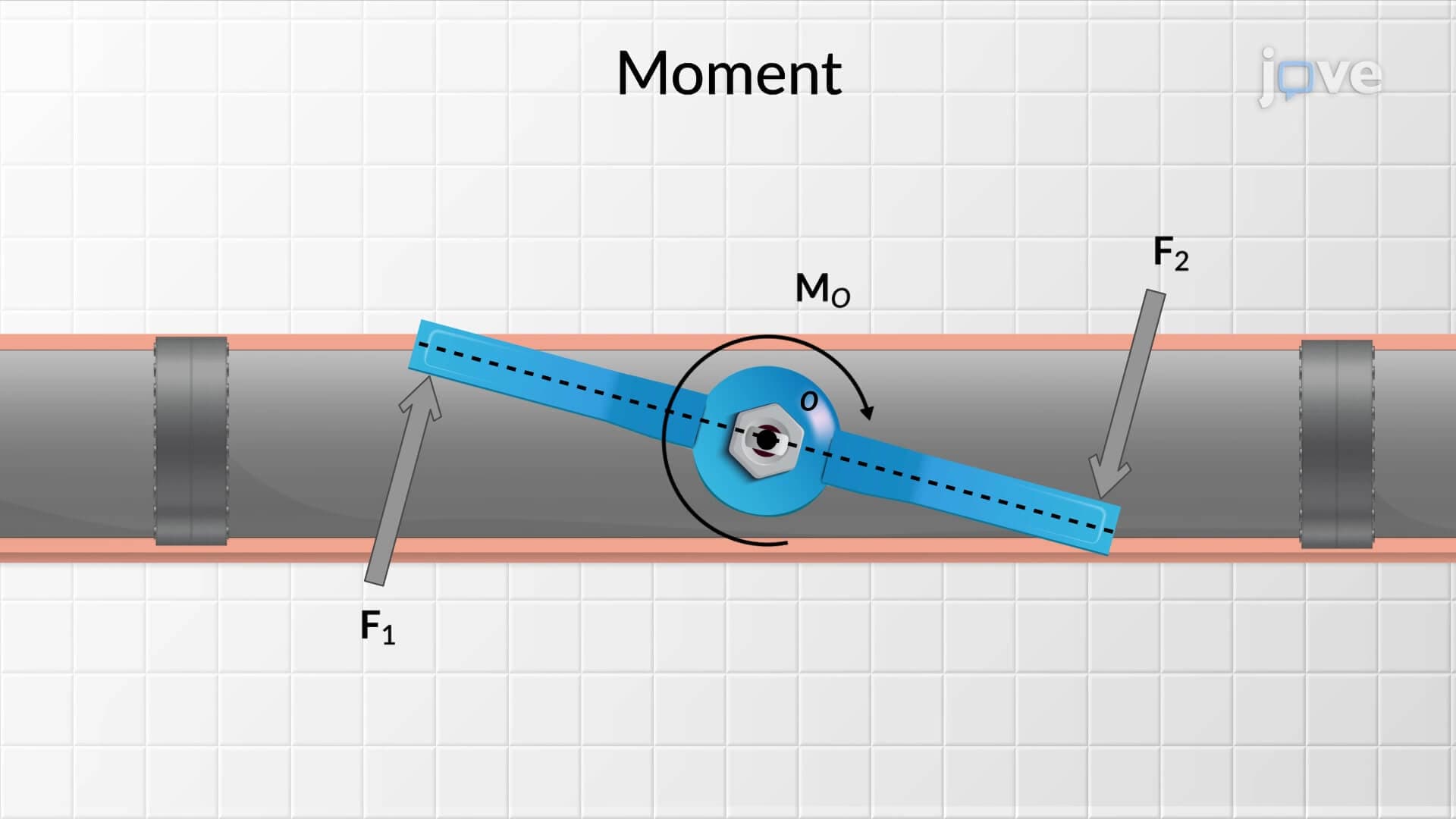
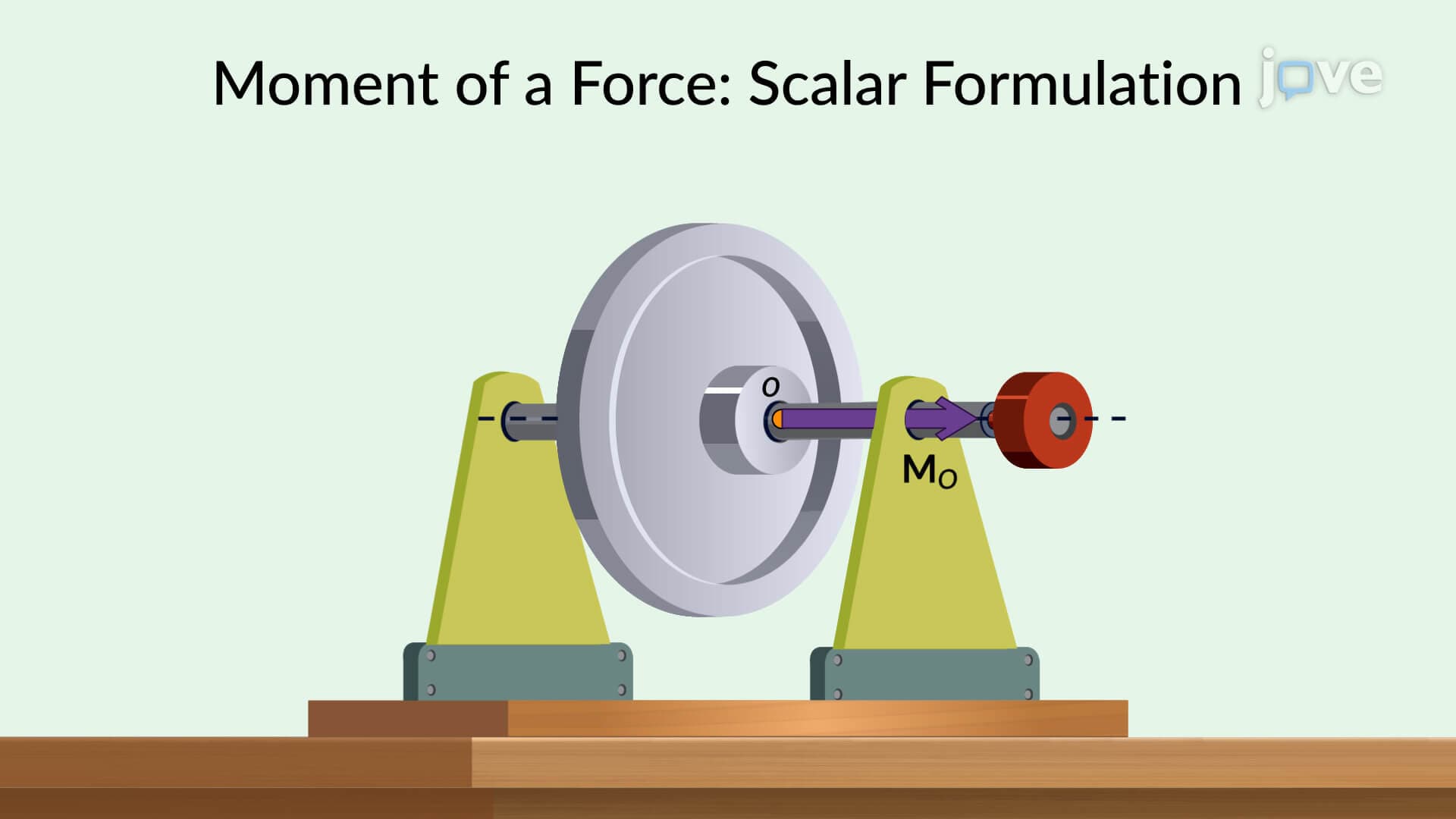
1. Moment of a Force - Scalar Formulation The moment (or torque) represents a force's ability to cause rotation about a point. In scalar form, moment equals force magnitude multiplied by the perpendicular distance (moment arm) from the rotation point to the force's line of action. Using the right-hand rule, counterclockwise rotation is conventionally positive. Applications include analyzing crowbar leverage, where a small input force creates sufficient moment to extract nails, and calculating required forces in manual tools.
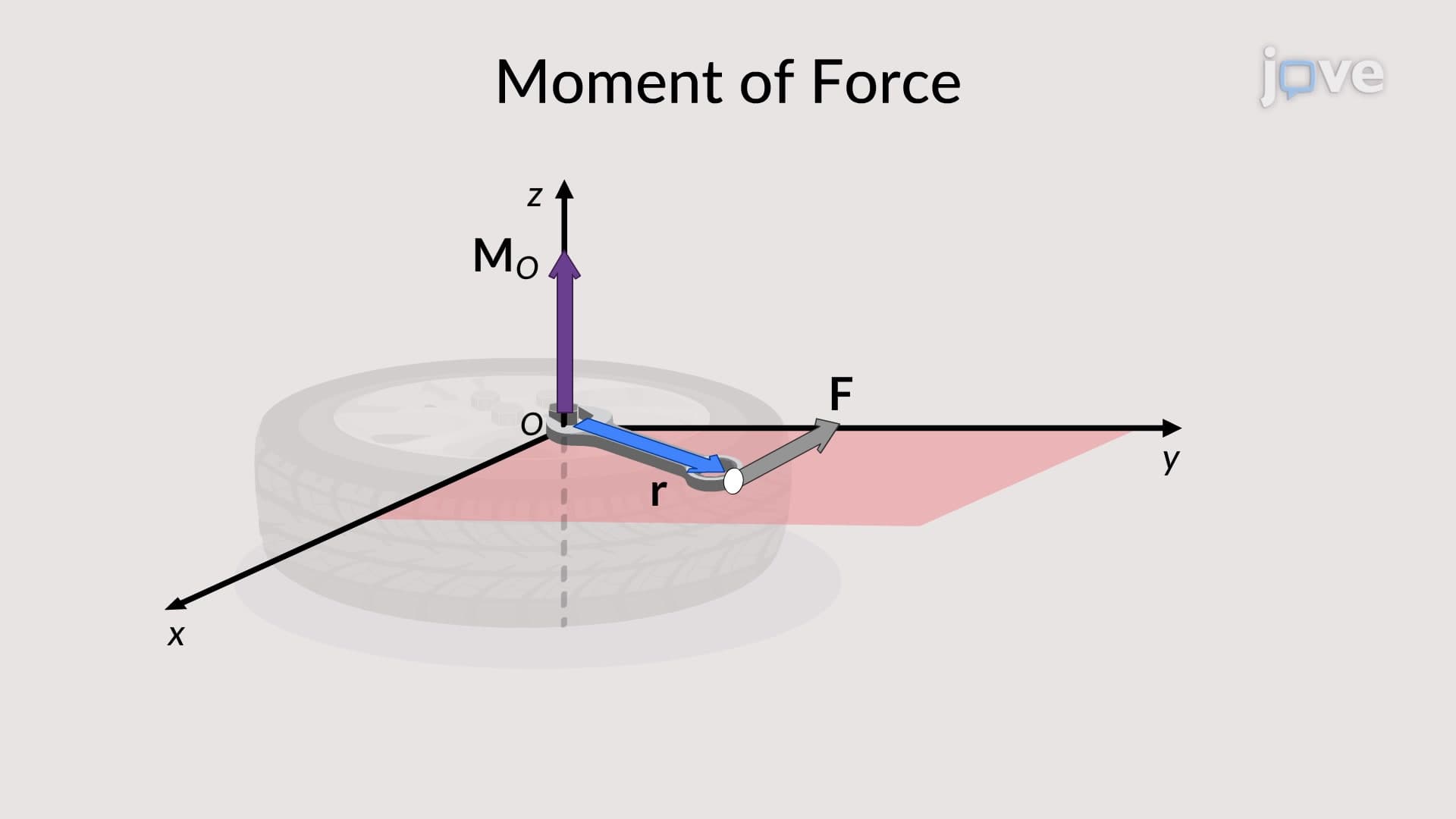
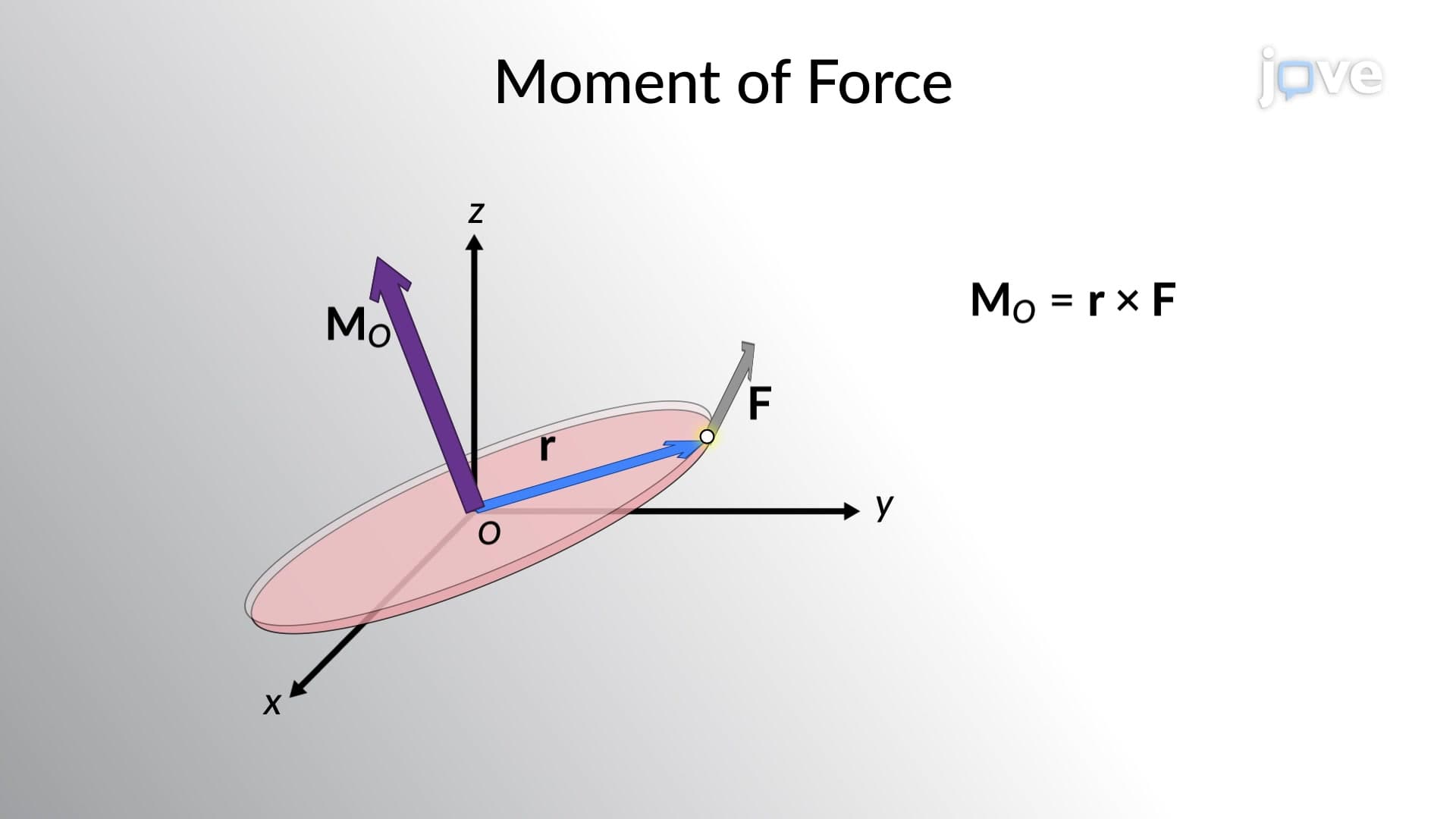
2. Vector Formulation and Cross Products Vector formulation expresses moments as cross products of position and force vectors (M = r × F). This three-dimensional approach determines both magnitude and direction simultaneously. The magnitude equals |r||F|sin θ, maximized when force and position vectors are perpendicular. Examples include revolving door analysis, where forces applied perpendicular to the door create maximum rotational effect, and wrench applications in mechanical systems.
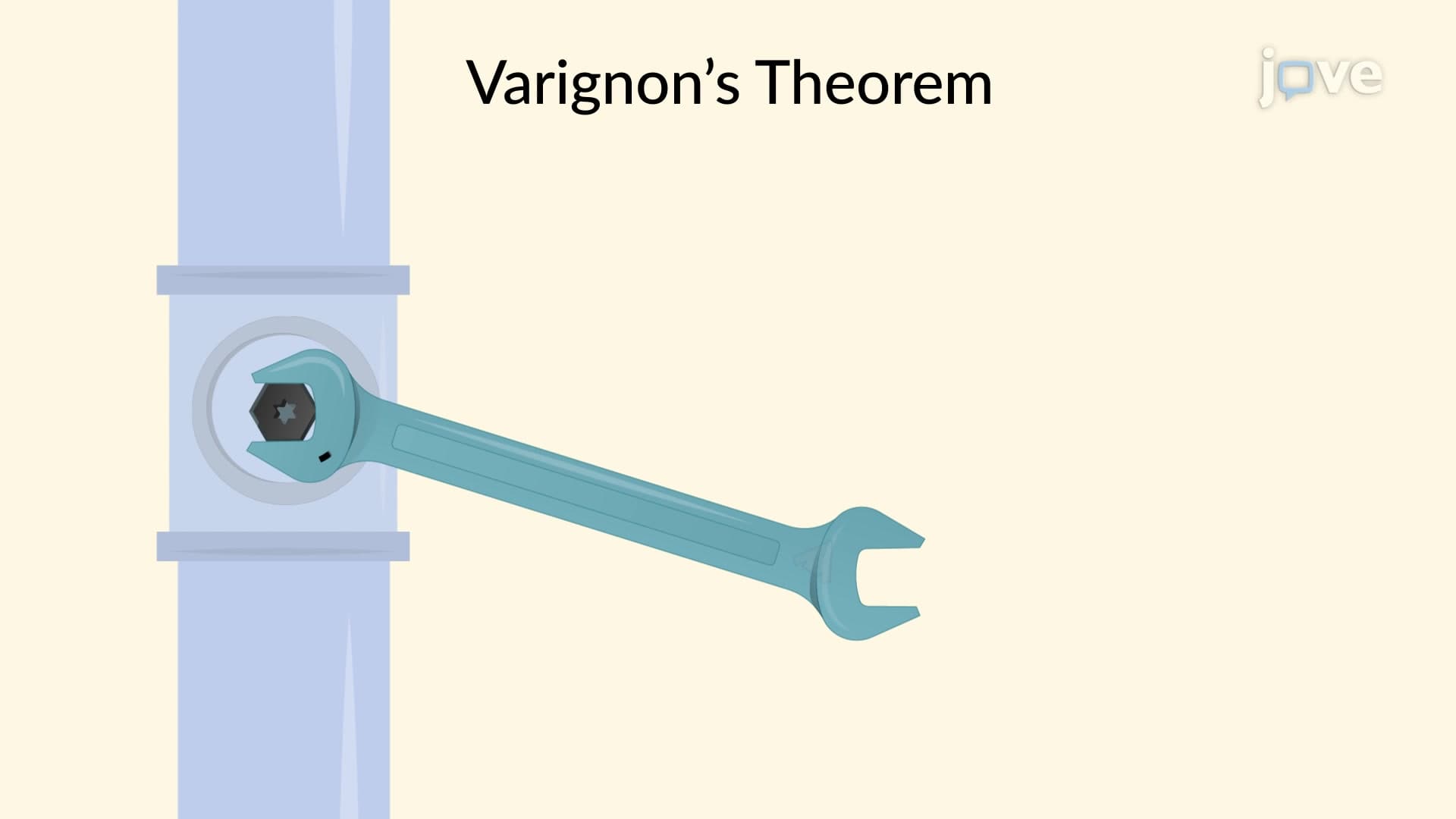
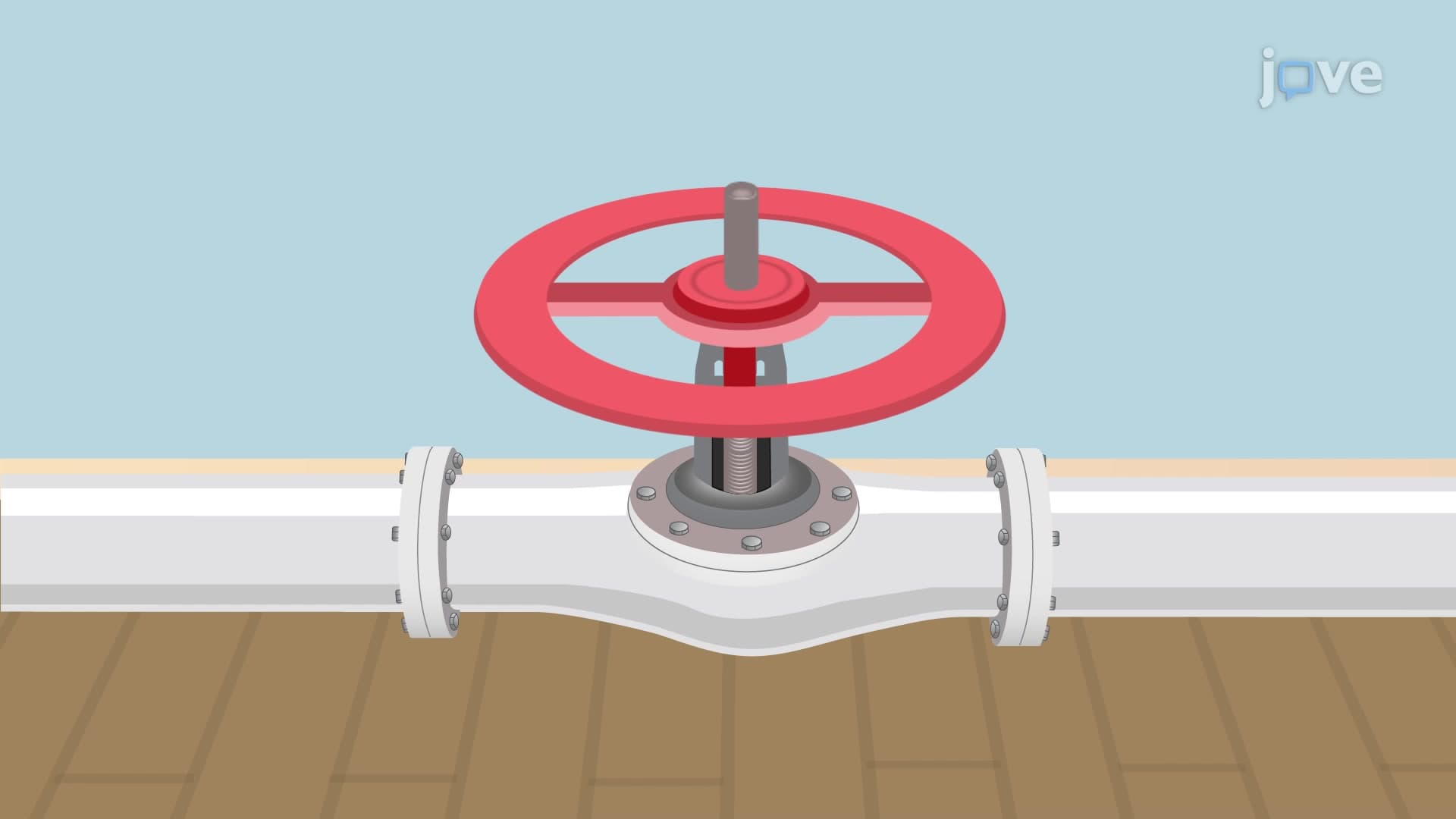
3. Principle of Moments (Varignon's Theorem) This fundamental principle states that a force's moment about a point equals the sum of moments created by the force's components about the same point. This allows complex force analysis by breaking forces into convenient rectangular components. Applications include valve wheel operation, where applied forces can be resolved into horizontal and vertical components, simplifying moment calculations for design purposes.
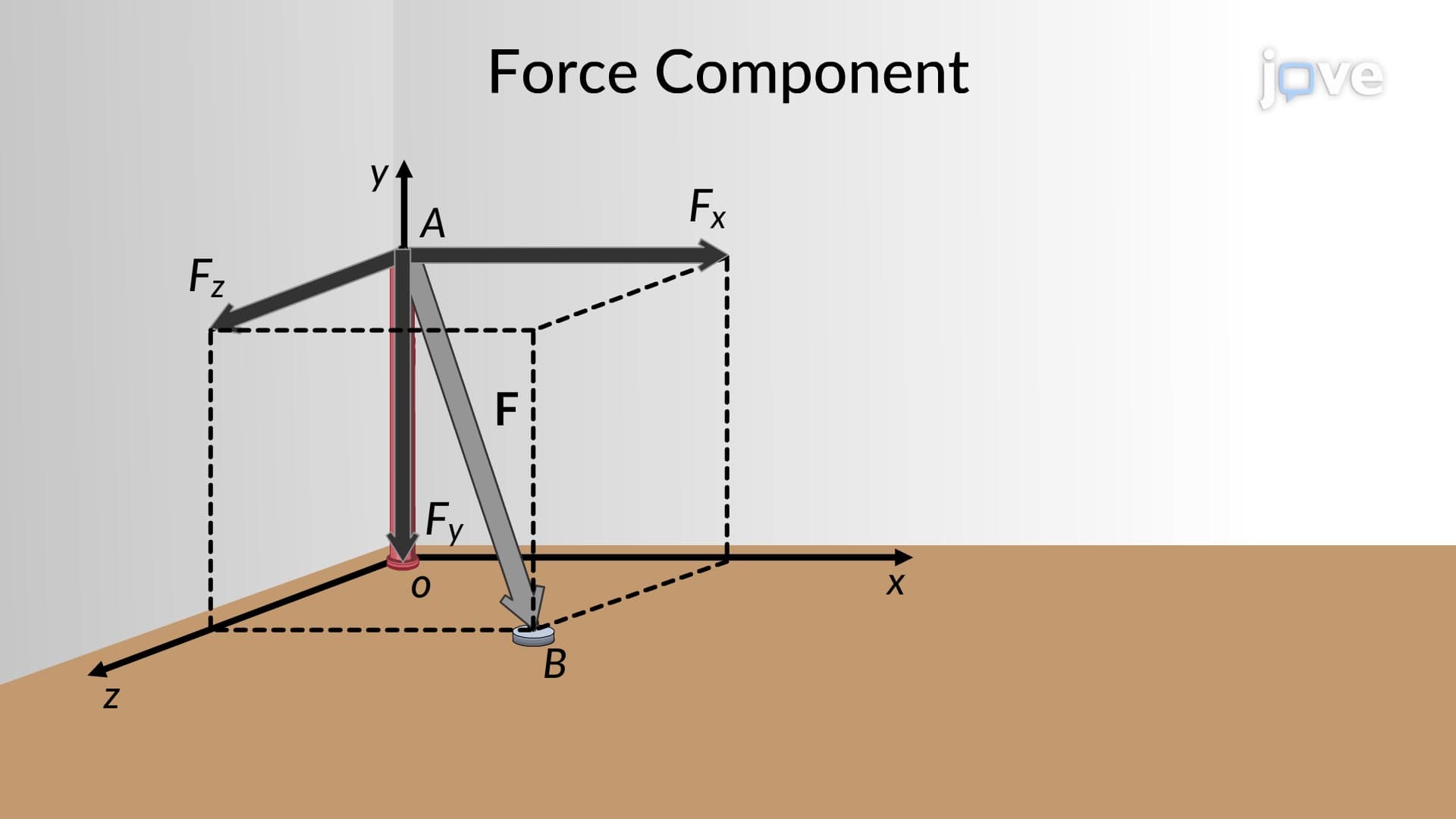
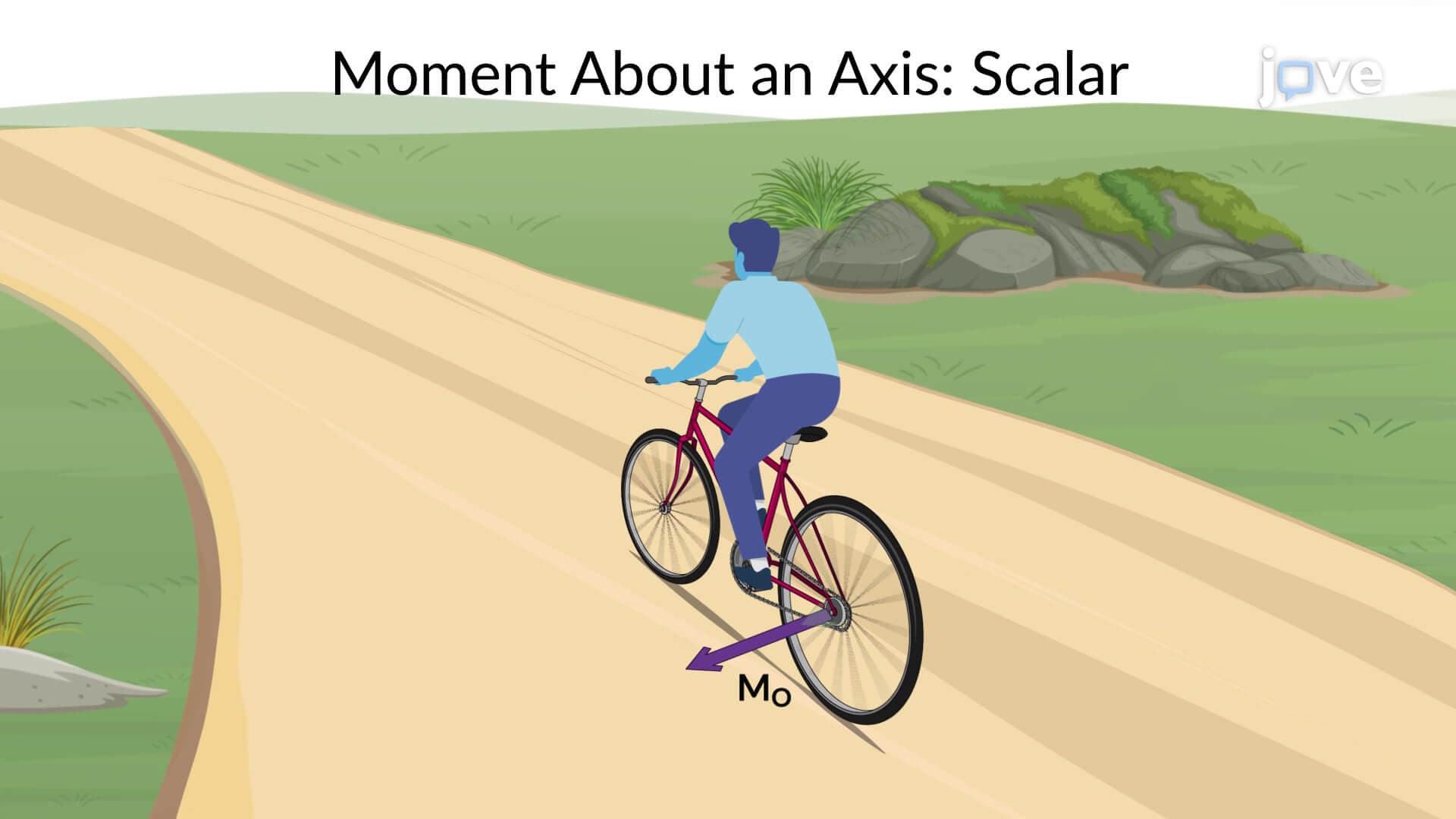
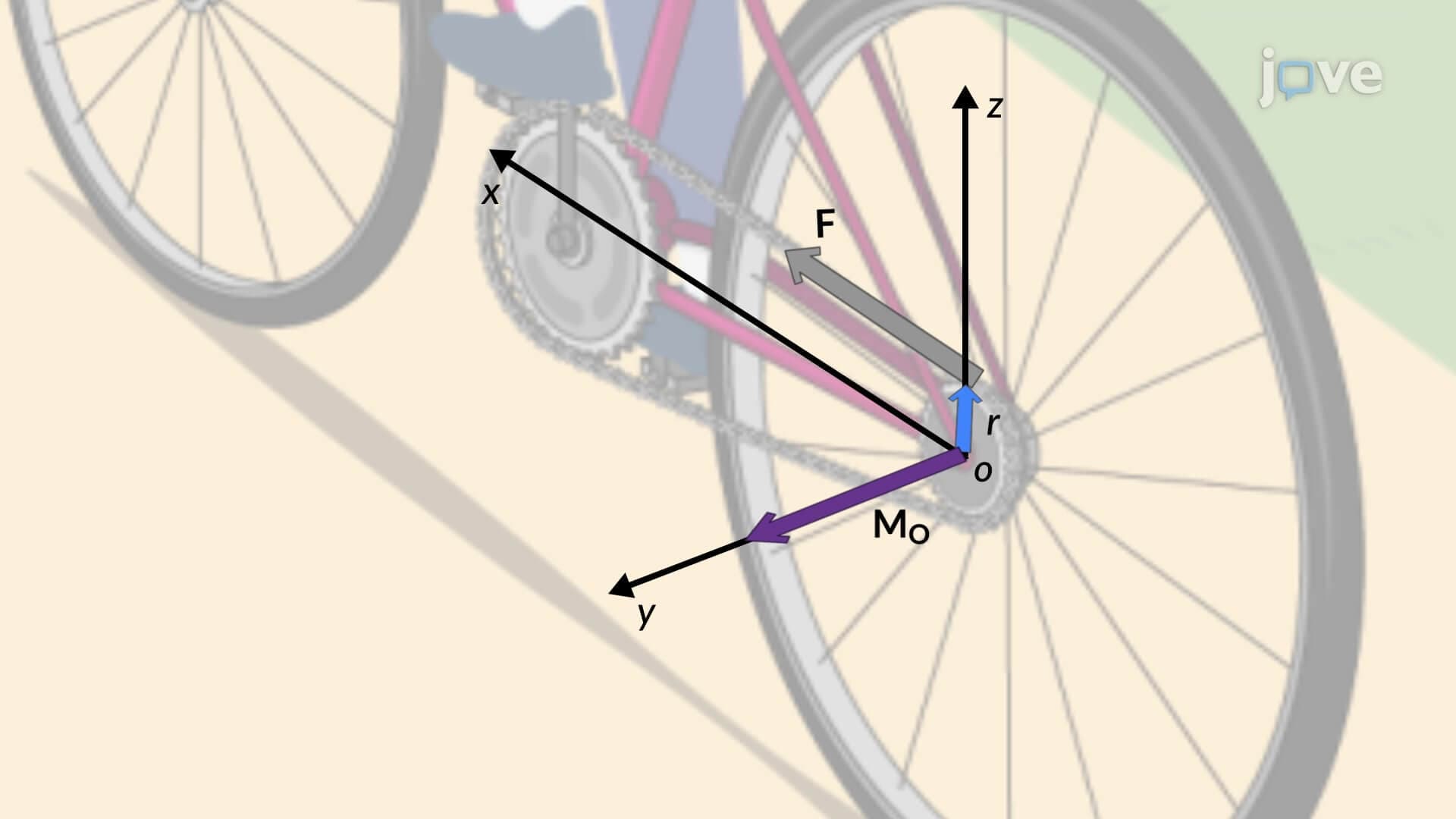
4. Moments About Specific Axes Three-dimensional systems require calculating moments about particular coordinate axes. This involves projecting forces onto planes perpendicular to the axis and determining rotational effects. Bicycle pedaling exemplifies this concept, where pedal forces create moments about the crankshaft axis. The analysis considers only force components that contribute to rotation, ignoring those parallel to the axis.
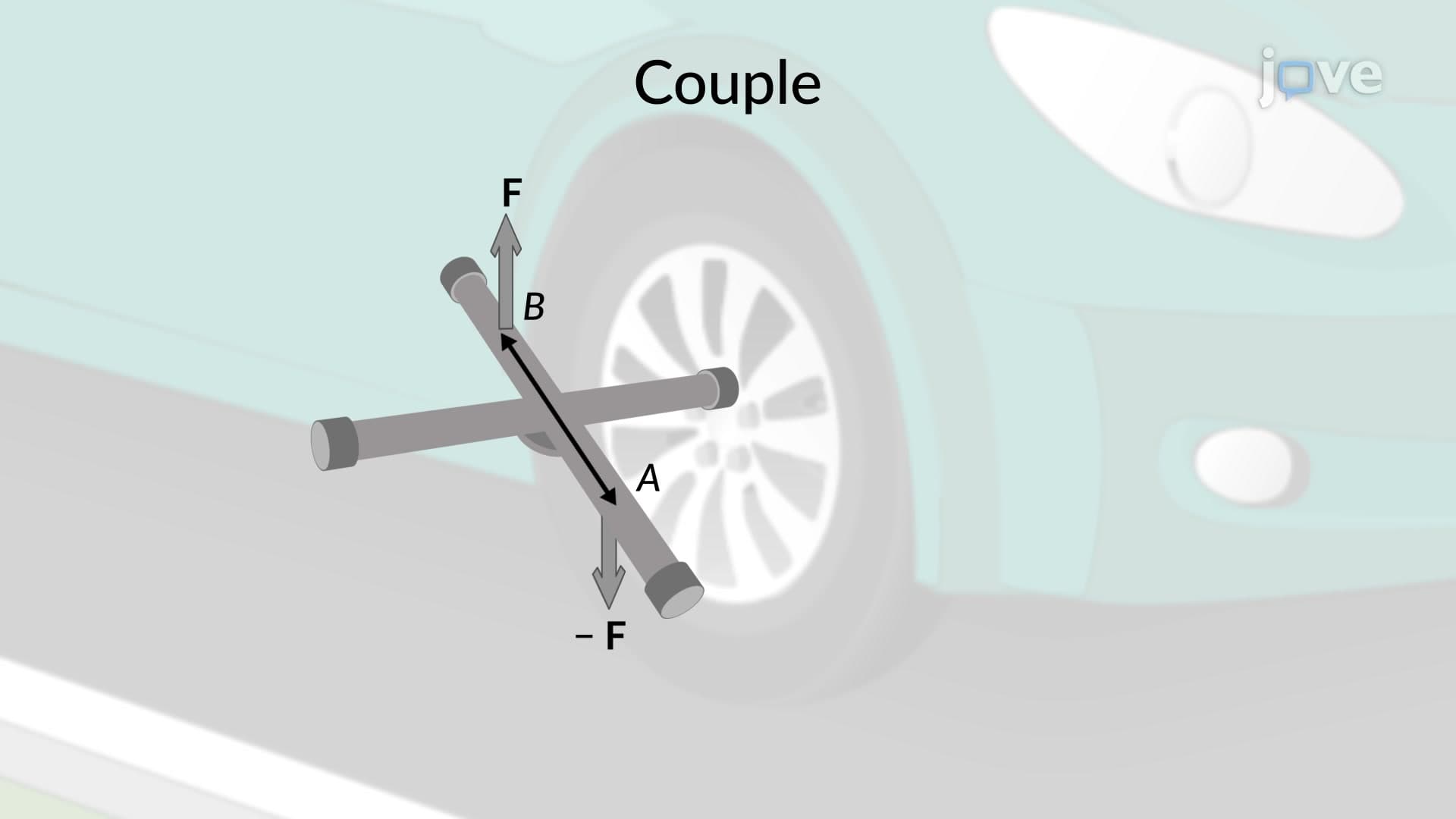
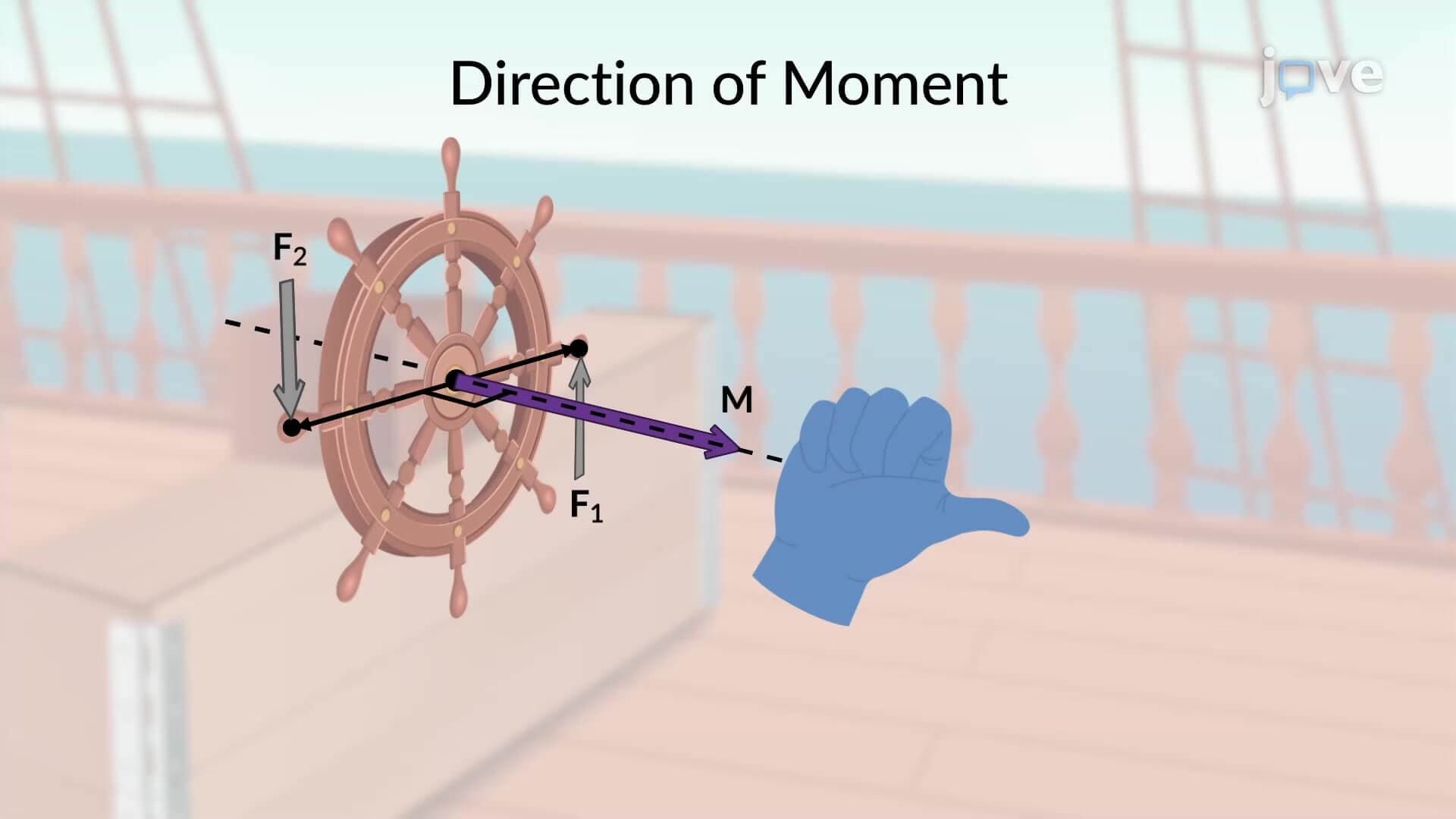
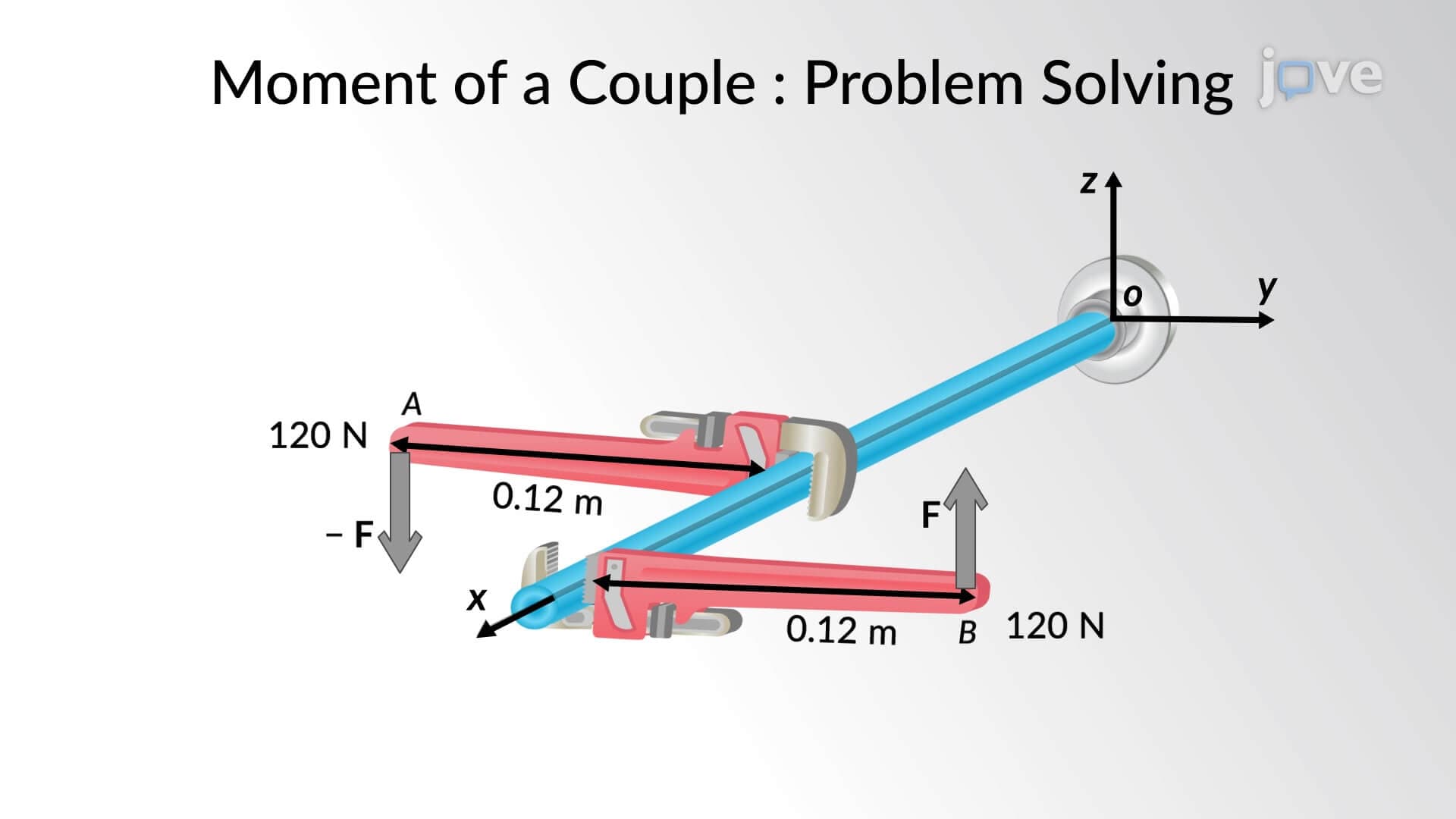
5. Couples and Couple Moments A couple consists of two parallel forces with equal magnitudes but opposite directions, separated by a perpendicular distance. Couples produce pure rotation without translation, creating moments independent of the reference point chosen. Examples include steering wheel operation and wrench usage, where opposing forces create controlled rotational motion. Couple moments are free vectors that can be moved anywhere on a rigid body.
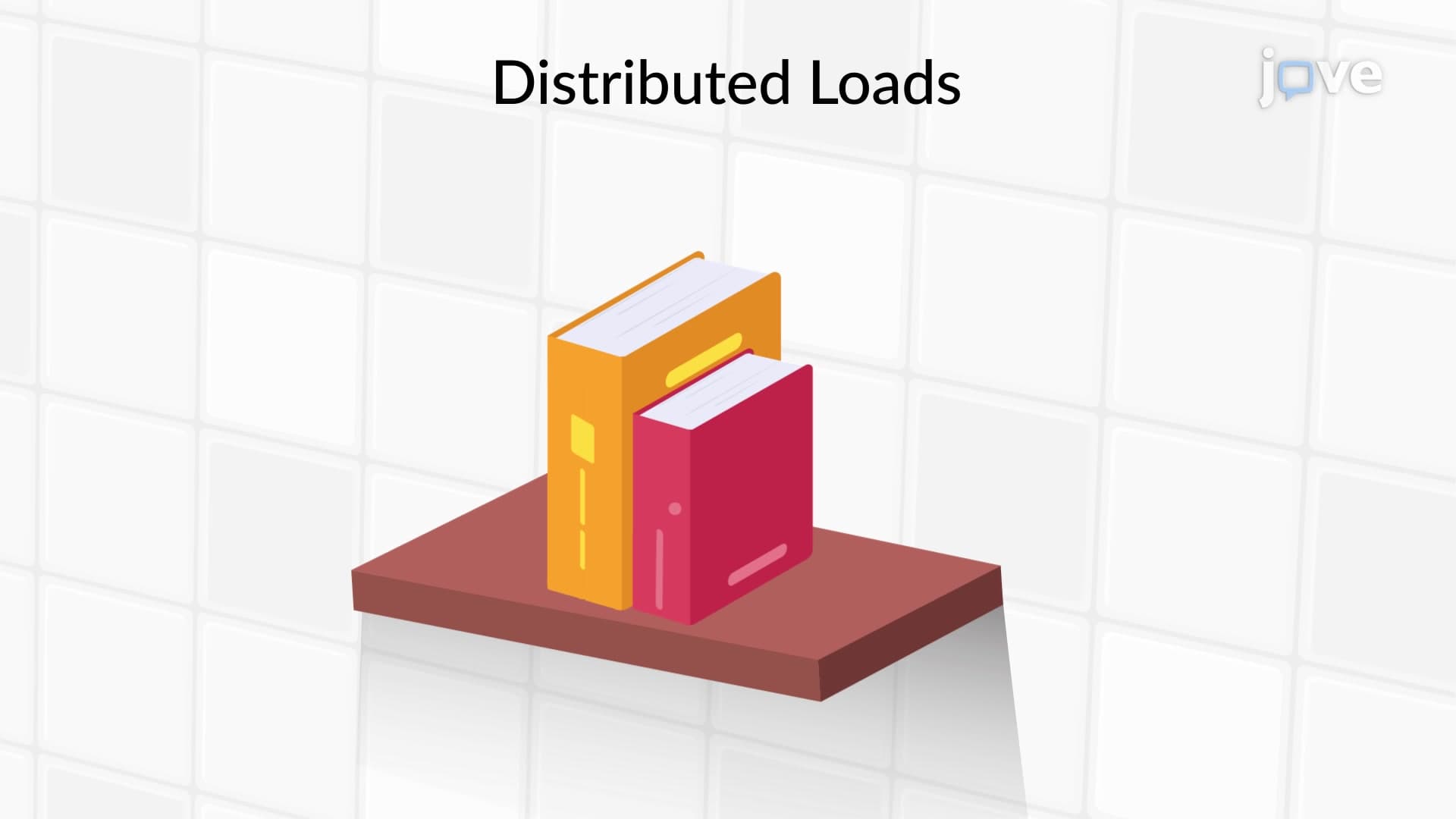
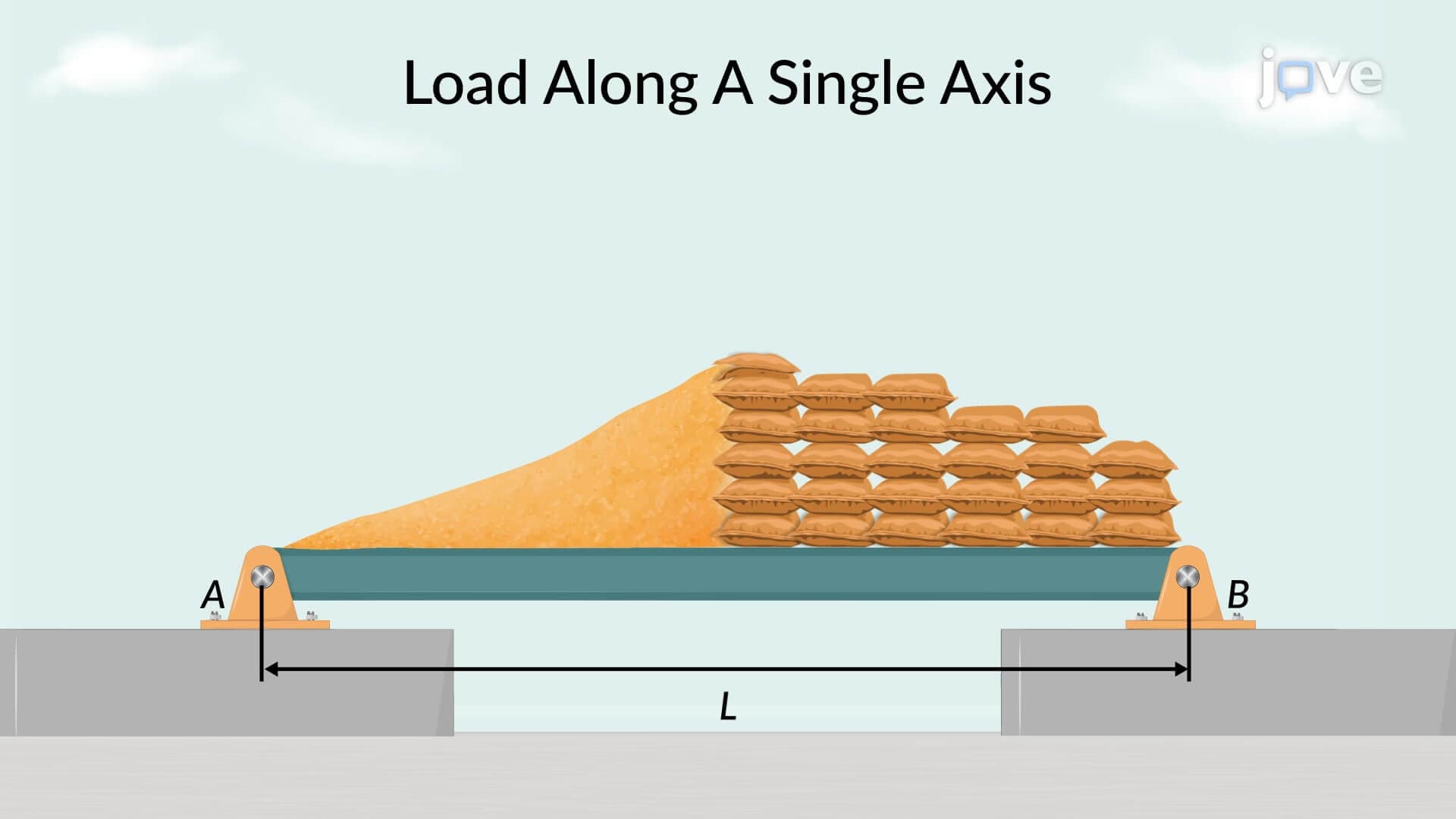
6. Distributed Loads and Load Reduction Distributed loads spread over surfaces or lengths, like snow on rooftops or water pressure on dam walls. These continuous loads can be replaced by equivalent concentrated forces acting at the load distribution's centroid. The equivalent force magnitude equals the area under the load distribution curve. This concept applies to beam design, where complex loading patterns are simplified for structural analysis.
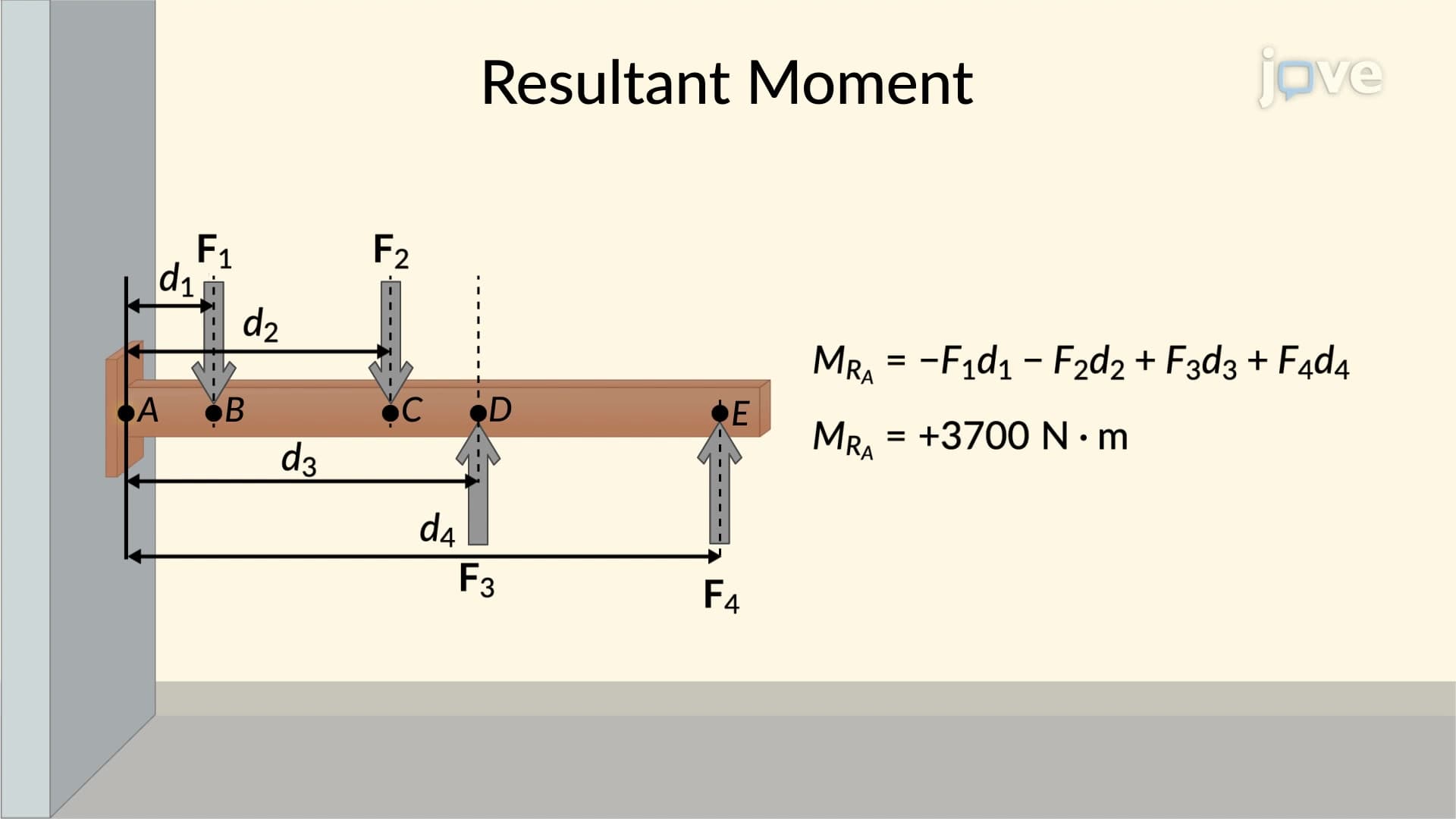
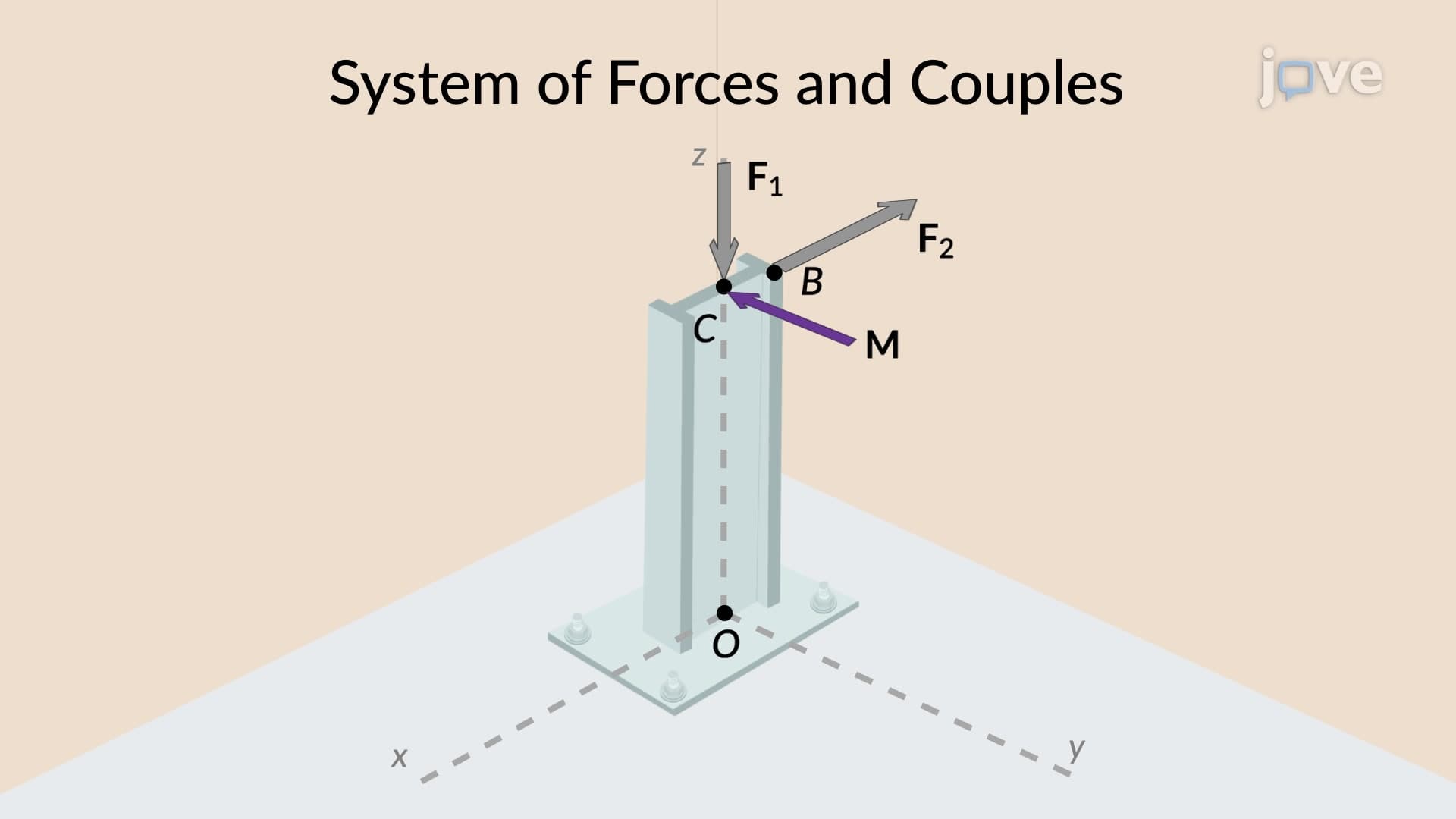
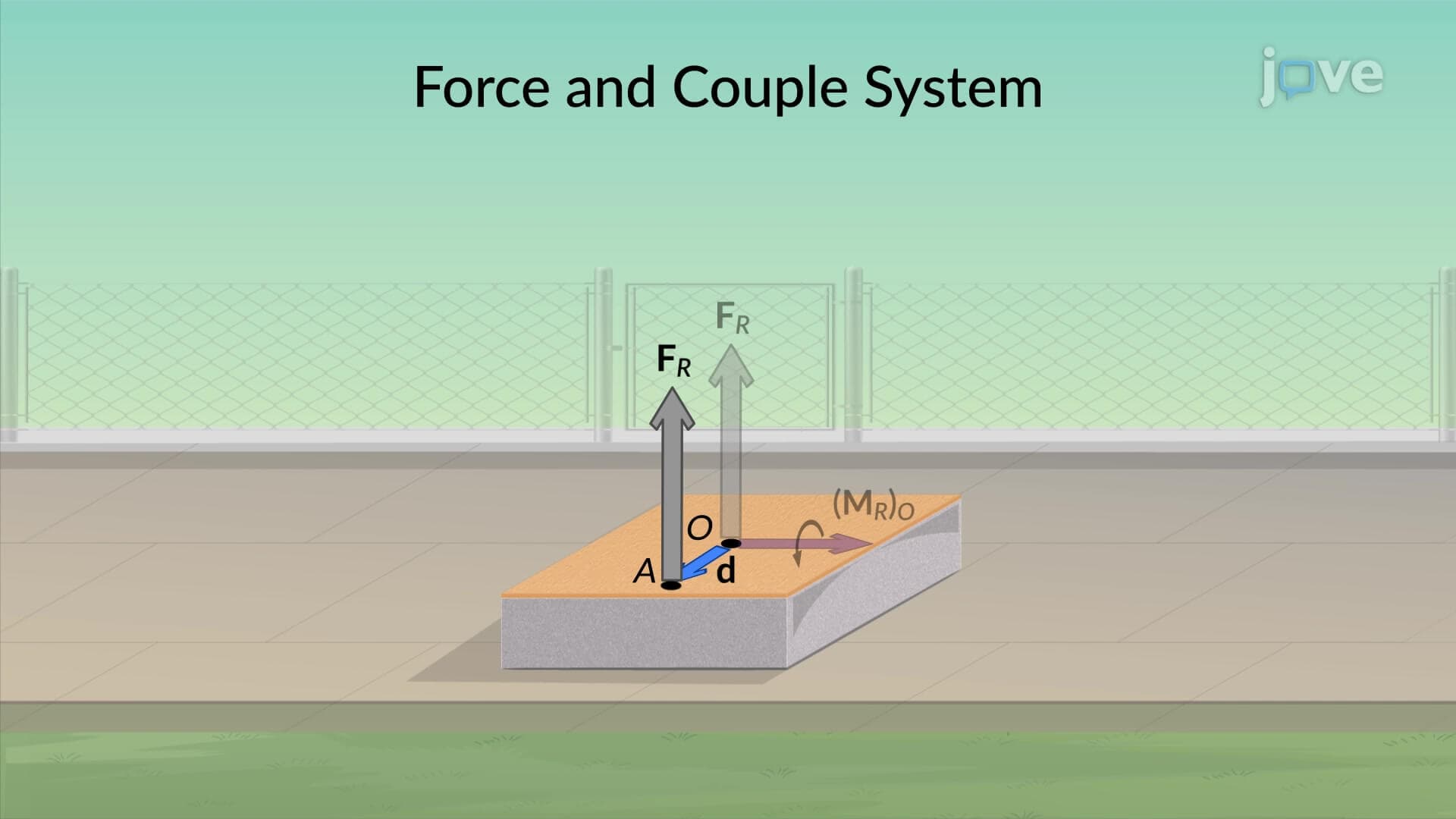
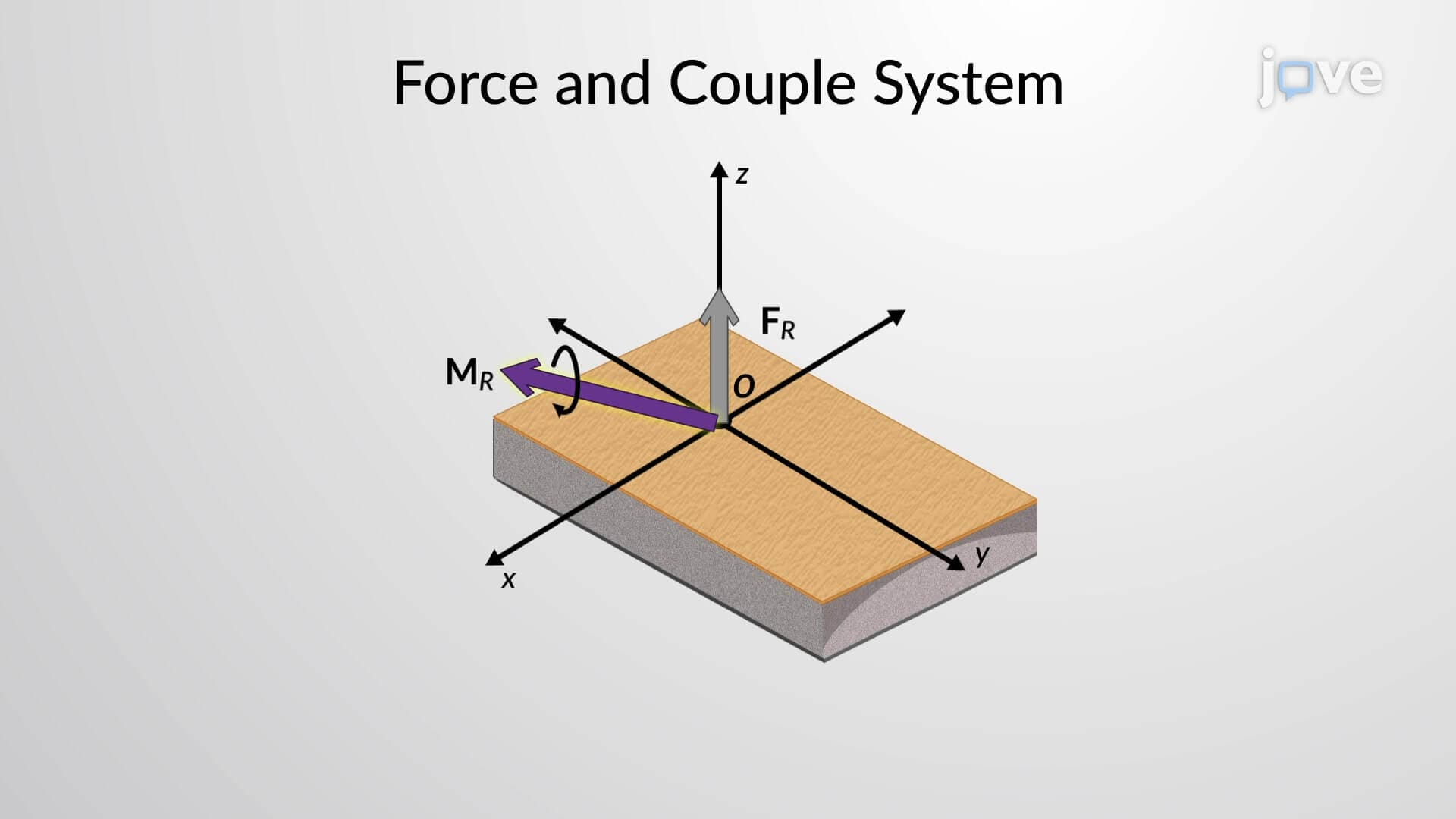
7. Force and Couple System Simplification Complex systems with multiple forces and couples can be reduced to equivalent simpler systems - either a single resultant force, a wrench (force plus parallel couple), or pure couple moment. This reduction process involves vector addition of forces and moments, considering their points of application. Applications include analyzing forces on aircraft wings or determining equivalent loads on building foundations.