Loading video…


 20 Concepts
 25.8K views

Video Summary: What Is Moment Force Problem Solving
Ever wonder how a 150-pound person can lift a 2,000-pound car using just a car jack? Moment force problem solving is the physics principle that explains this mechanical advantage through rotational forces. Construction workers across America rely on this concept daily when using crowbars to remove nails, calculating the precise force needed at different distances from the pivot point. What is moment force problem solving becomes clear when you analyze how force and distance work together around a fulcrum. Watch the full video on JoVE Coach to master this concept with expert-led visuals and step-by-step explanations.
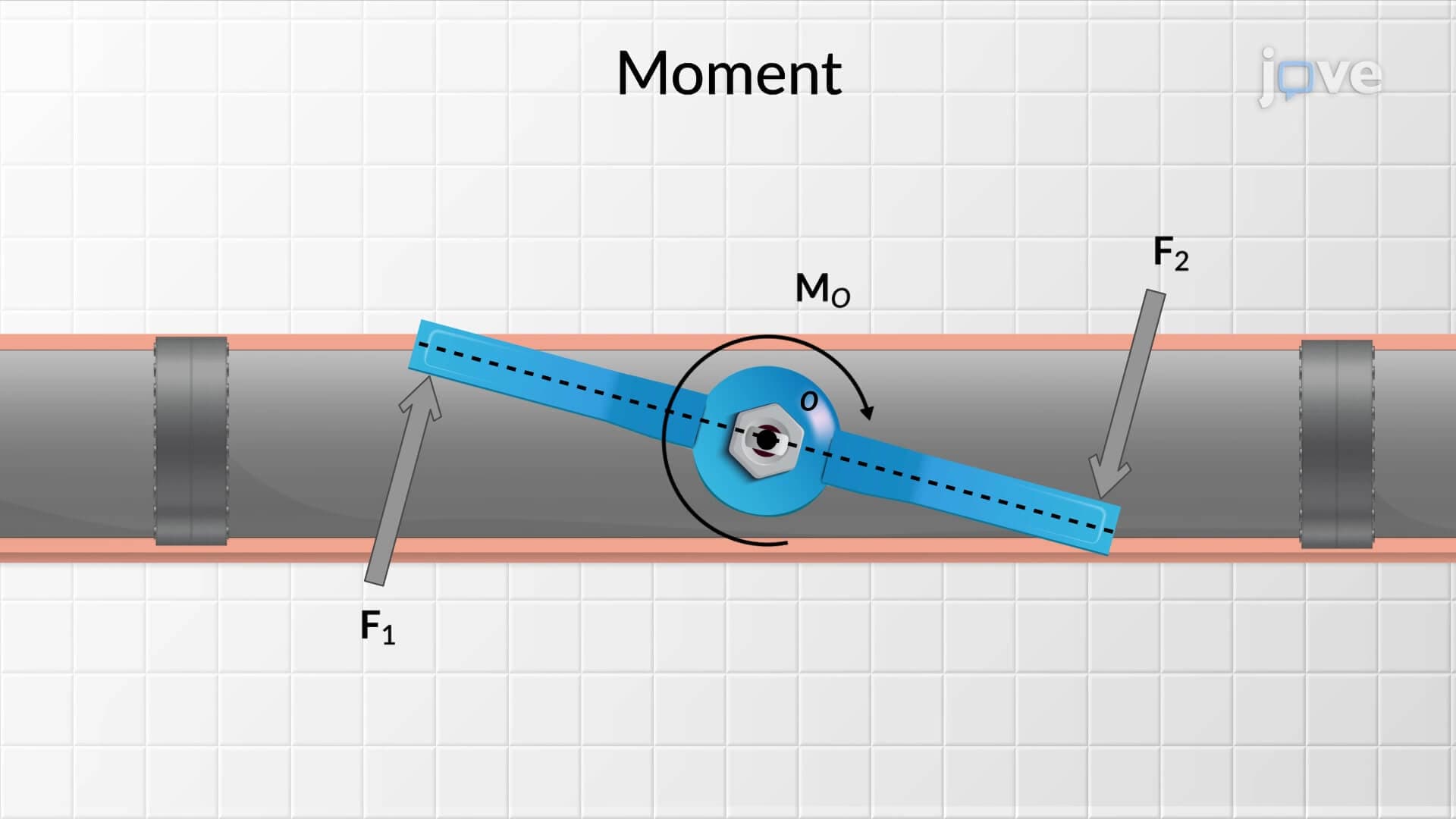
Moment force problem solving represents a critical branch of statics that analyzes rotational forces around pivot points. Unlike linear force problems that focus on straight-line motion, moment problems examine how forces create turning effects around fixed axes. This concept forms the foundation for understanding levers, torque applications, and rotational equilibrium-topics frequently tested on AP Physics exams and college-level statics courses.
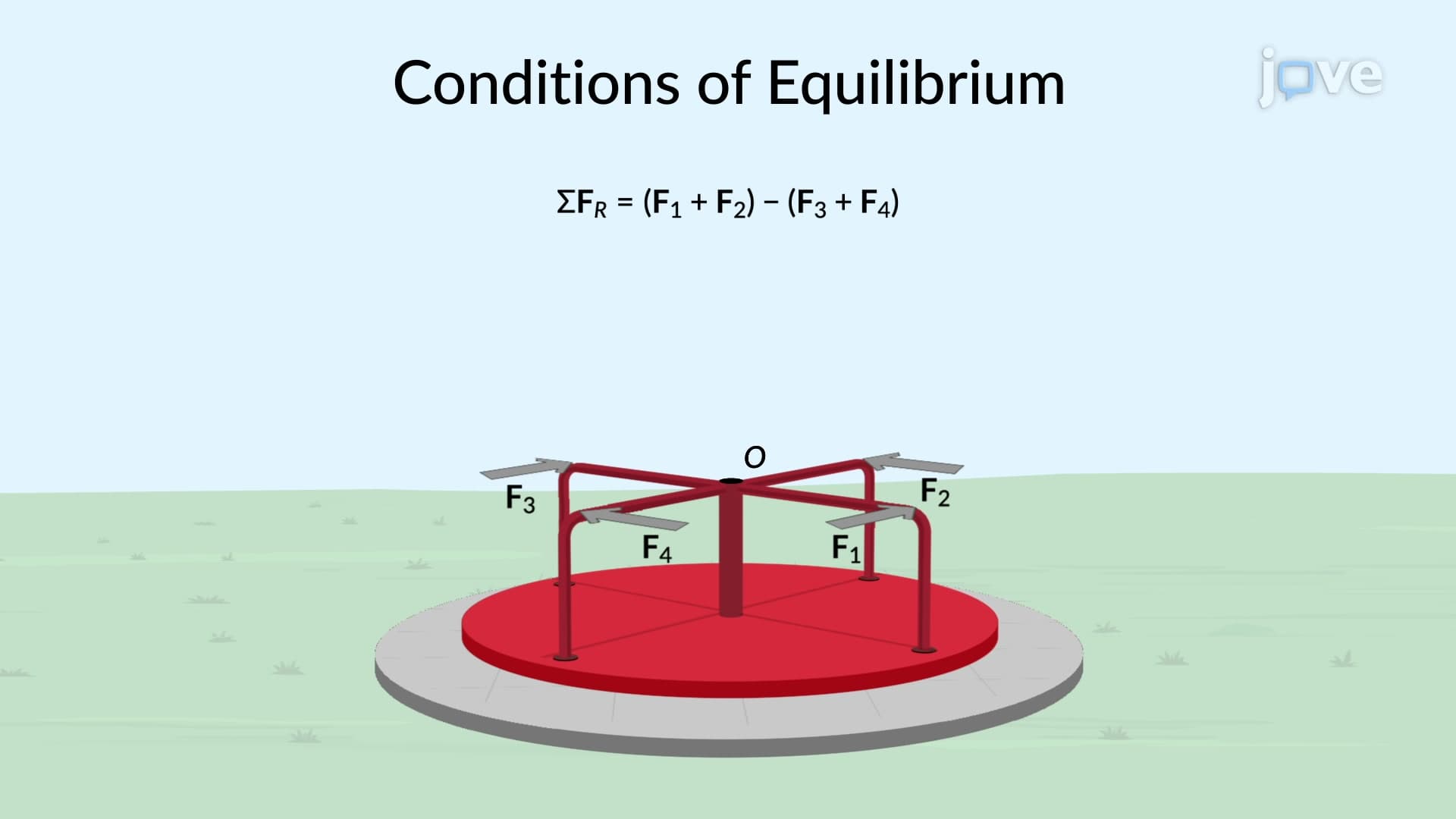
The mathematical relationship follows the principle that moment equals force multiplied by perpendicular distance: M = F × d. However, real-world applications require students to decompose forces into components, identify proper moment arms, and establish equilibrium conditions where clockwise moments equal counterclockwise moments.
Construction and manufacturing industries across the United States rely heavily on moment force principles. Crane operators calculate lifting moments to prevent tipping, ensuring loads don't exceed the crane's stability limits. Automotive technicians use torque wrenches calibrated to specific moment values when tightening wheel bolts to manufacturer specifications. Even NASA engineers apply these principles when designing spacecraft control systems that require precise rotational positioning.
Bridge construction provides another compelling example. Engineers must calculate wind load moments acting on suspension cables, ensuring structural integrity during severe weather events like those experienced during hurricane seasons along the Gulf Coast.
Successful moment force problem solving requires a systematic approach that AP Physics and college engineering students must master. Begin by identifying all forces acting on the system and their points of application. Next, establish a reference pivot point-often chosen to eliminate unknown forces from calculations. Draw clear free-body diagrams showing force vectors and their perpendicular distances to the pivot.
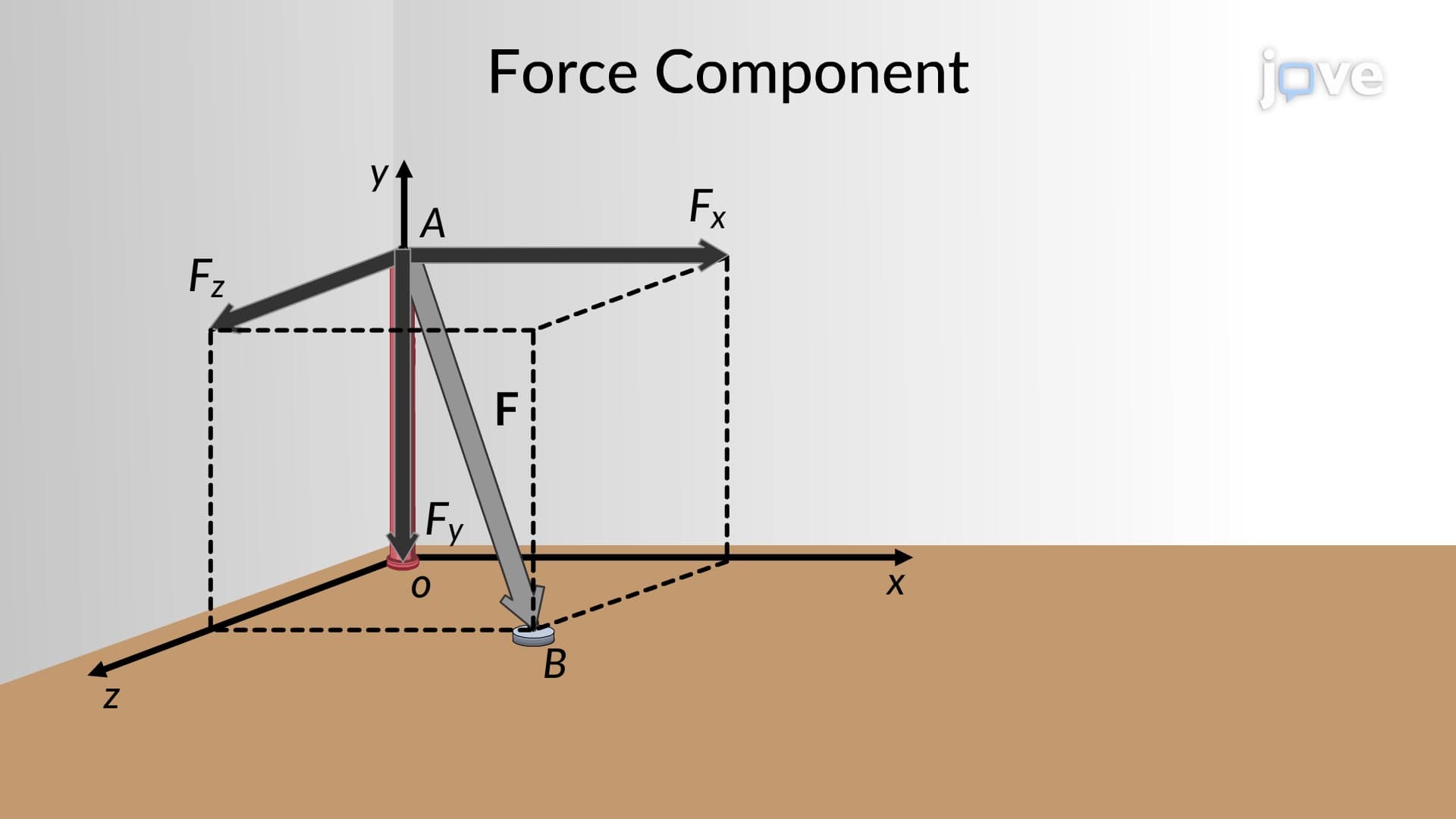
For SAT Subject Test Physics and college midterm exams, students commonly encounter problems involving multiple forces with varying angles. The key strategy involves resolving angled forces into perpendicular and parallel components, using only the perpendicular component for moment calculations. Practice with scenarios like seesaw balance problems, where children of different weights sit at various distances from the fulcrum.
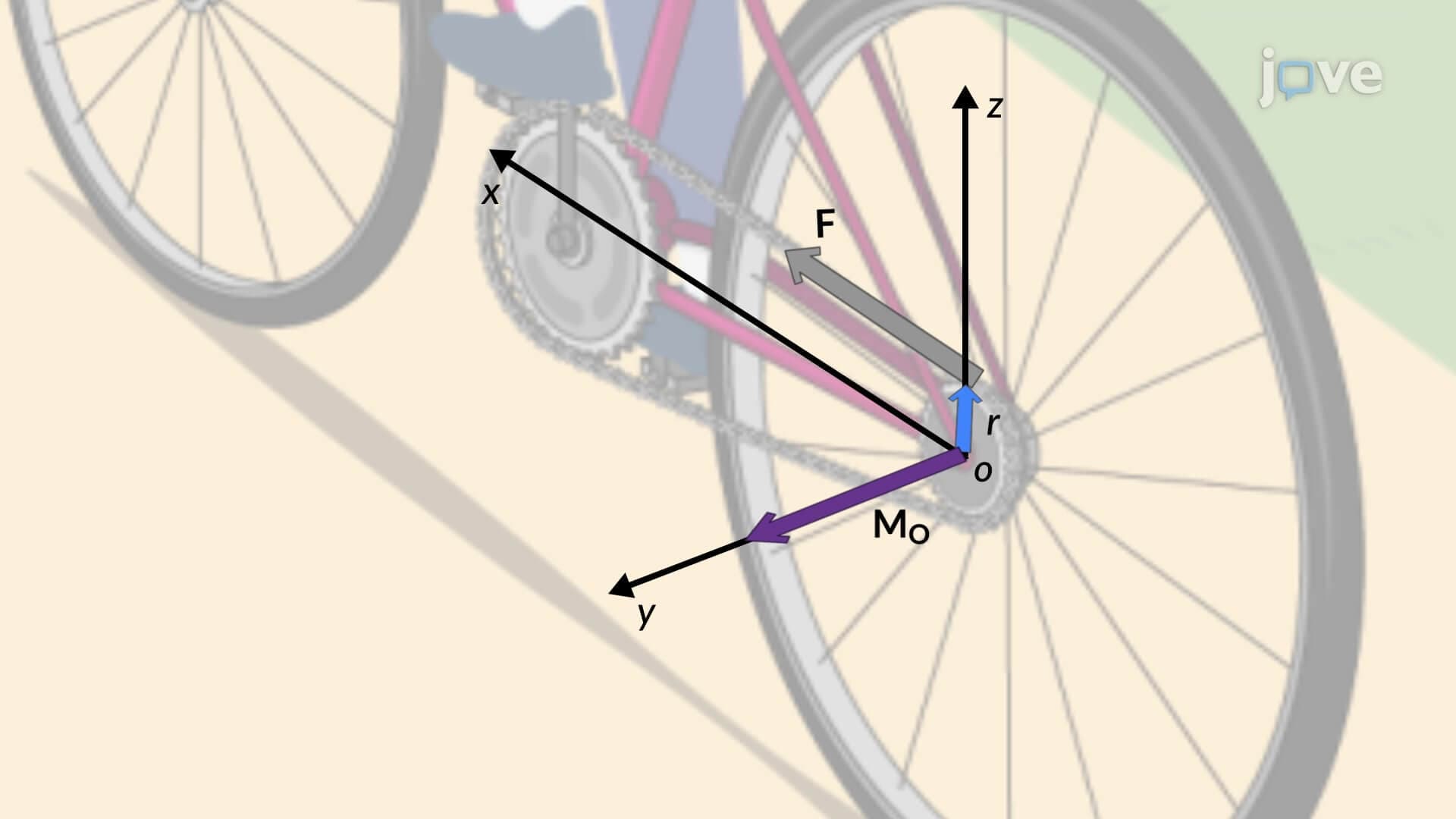
Beyond basic equilibrium problems, moment force problem solving extends into dynamic systems where acceleration produces additional moment effects. Mechanical engineering students study how these principles apply to gear systems, where input and output torques must balance according to gear ratios. This knowledge proves essential for students pursuing careers in automotive engineering, robotics, or aerospace design.
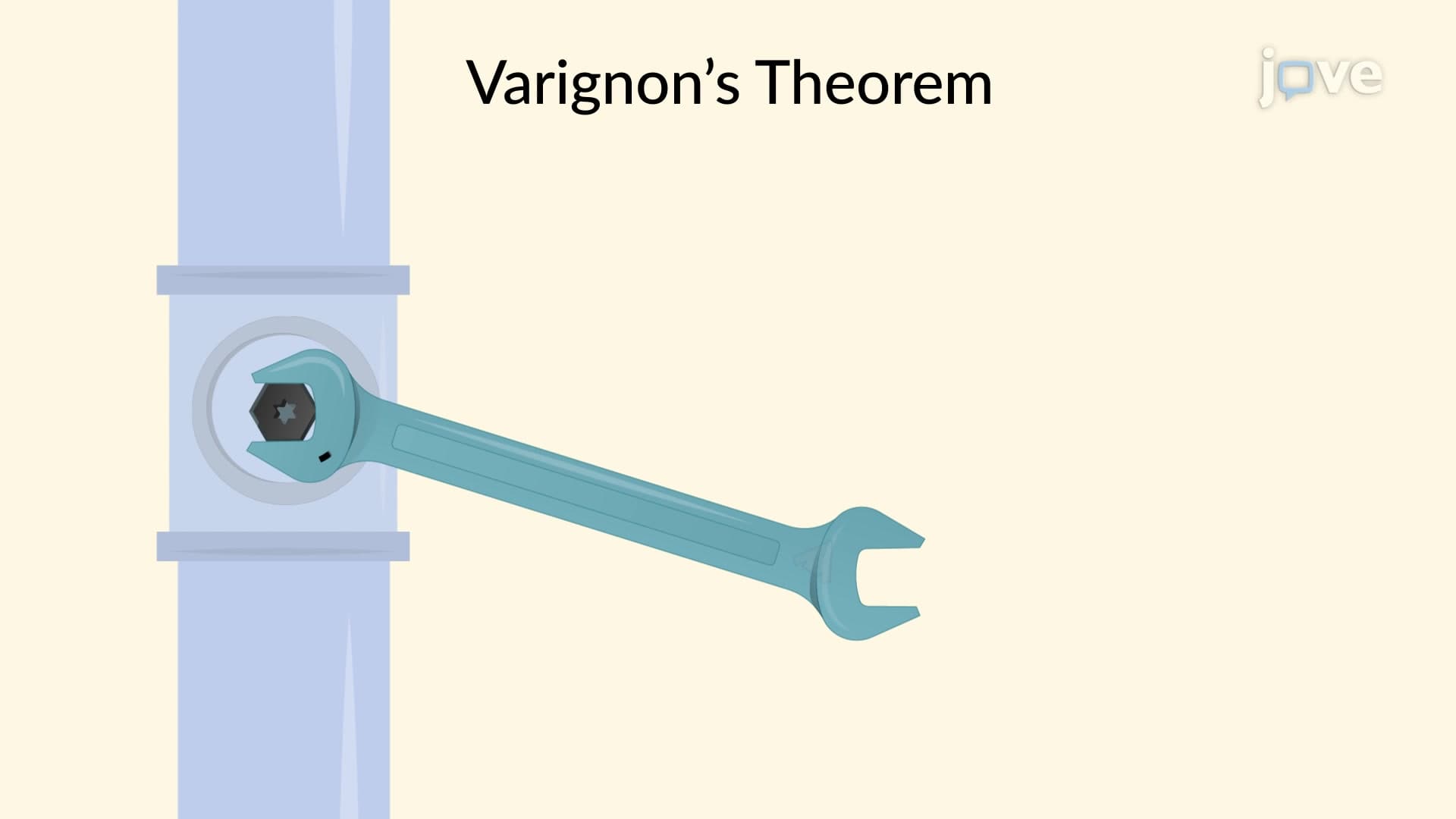
Understanding moment distribution also helps explain why tools like crowbars, wrenches, and pliers are designed with specific handle lengths-maximizing mechanical advantage while minimizing required input force.
Related Micro-courses