Loading video…


 20 Concepts
 25.8K views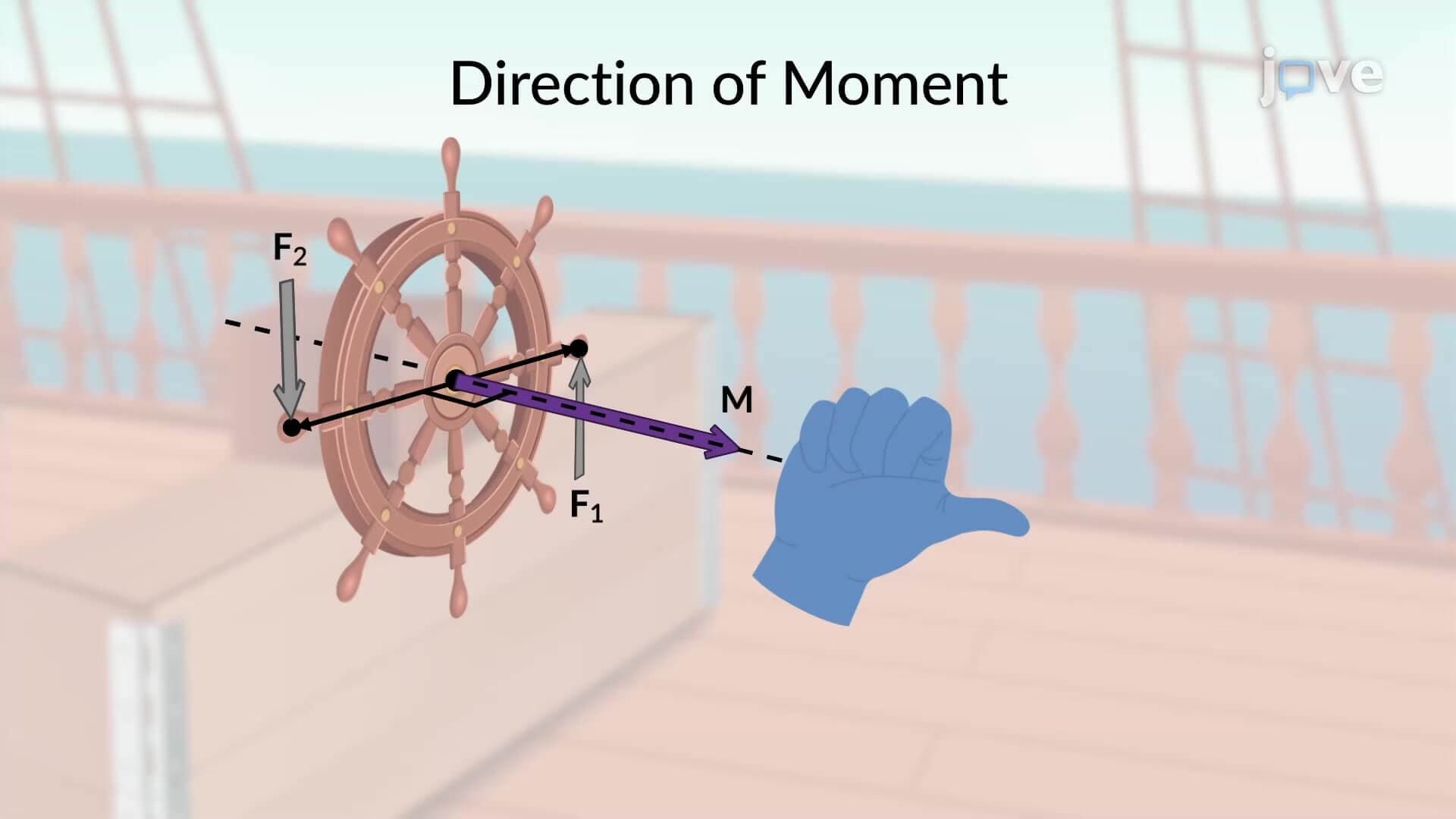

Video Summary: Couples Scalar and Vector Formulation Tutorial
Ever wonder how engineers design the precise steering mechanisms in Navy destroyers or calculate the forces needed to operate massive industrial machinery? Couples scalar and vector formulation provides the mathematical foundation for analyzing these rotational force systems. This engineering concept explains how two equal, parallel, and oppositely directed forces create pure rotation without translation, like the forces applied to a car's steering wheel. From aerospace engineering at MIT to mechanical design programs at Georgia Tech, understanding couples scalar and vector formulation is essential for solving complex rotational problems. Watch the full video on JoVE Coach to master this concept with expert-led visuals and step-by-step explanations.
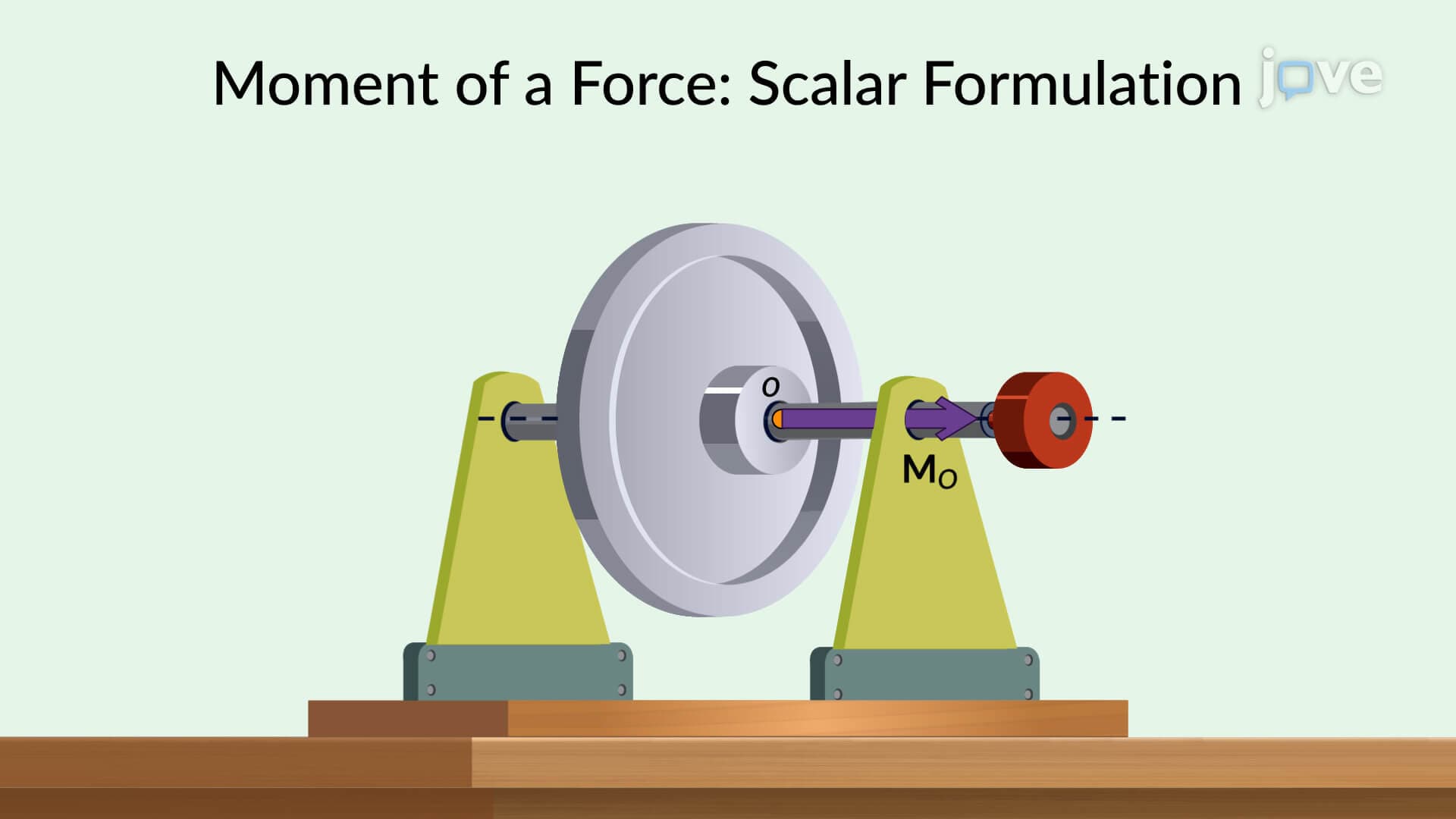
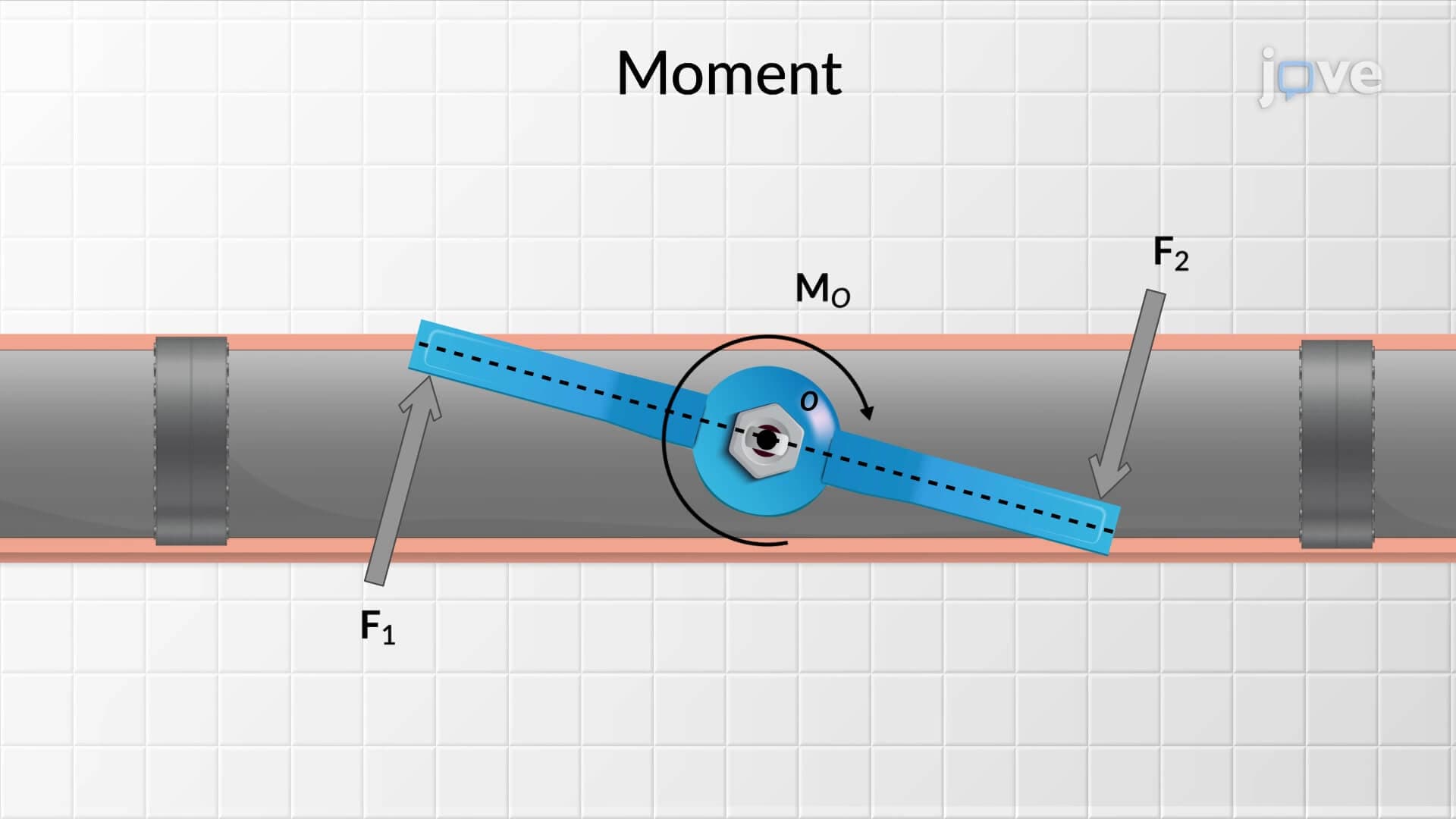
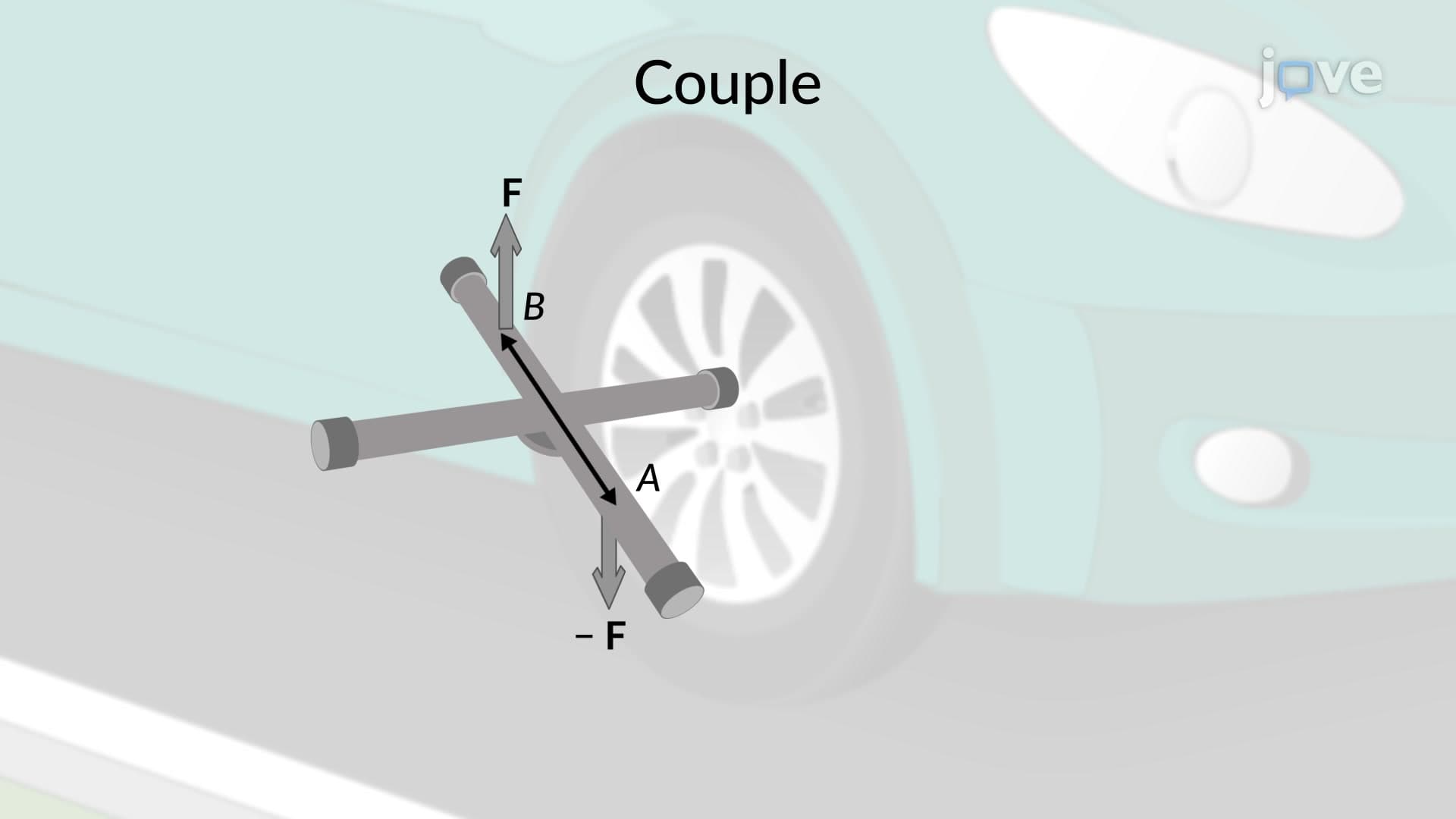
Couples scalar and vector formulation represents a cornerstone concept in engineering mechanics, providing two complementary approaches to analyze rotational force systems. A couple consists of two forces that are equal in magnitude, parallel in direction, opposite in sense, and separated by a perpendicular distance. Unlike single forces that can cause both translation and rotation, couples produce pure rotational motion, making them invaluable in mechanical design applications from automotive steering systems to industrial robotics.
The fundamental distinction between scalar and vector approaches lies in mathematical complexity and information provided. Scalar formulation offers straightforward calculations for magnitude, while vector formulation provides complete directional information essential for three-dimensional analysis. This dual approach mirrors teaching methodologies used in top engineering programs like those at Stanford University and UC Berkeley.
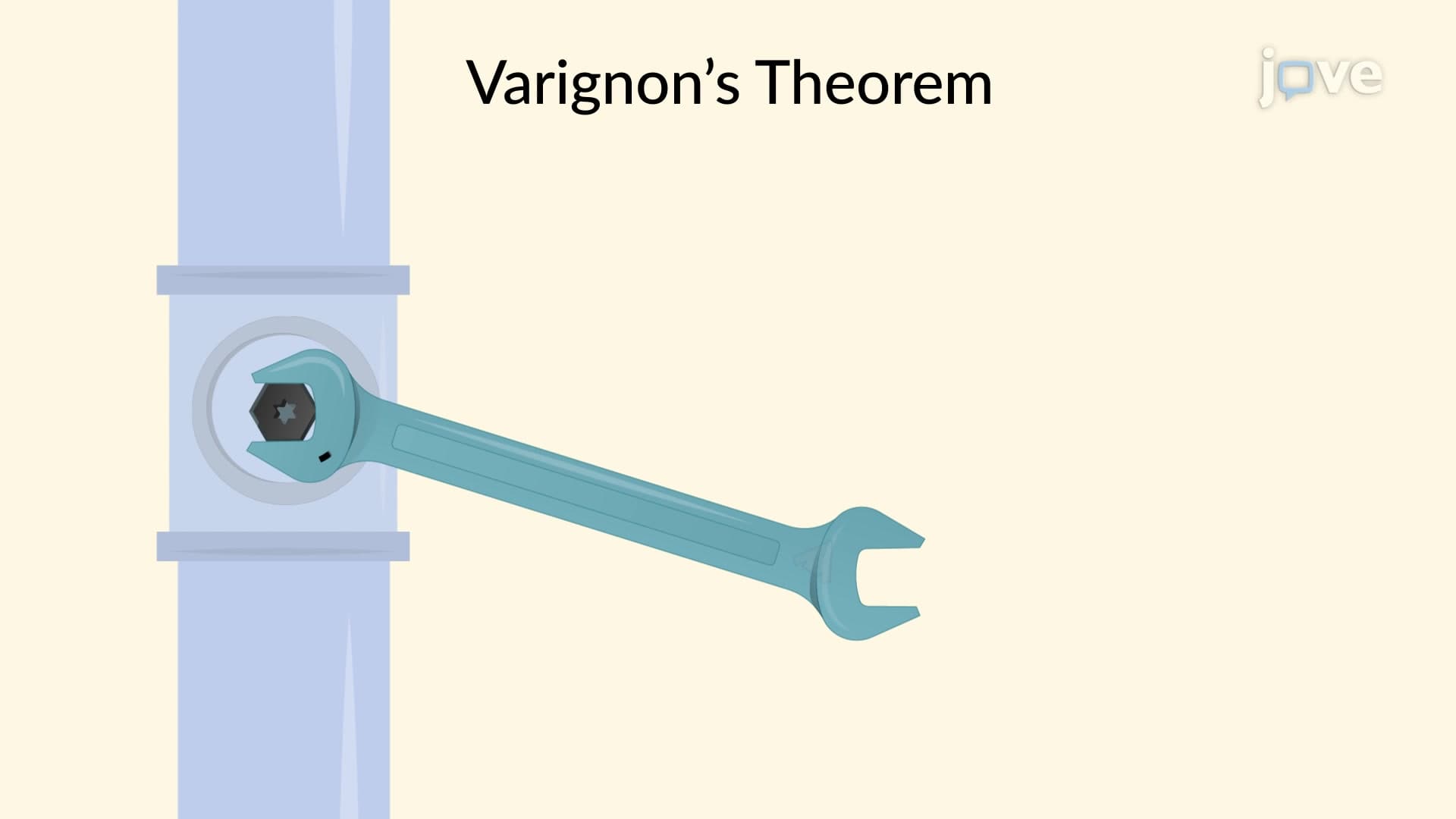
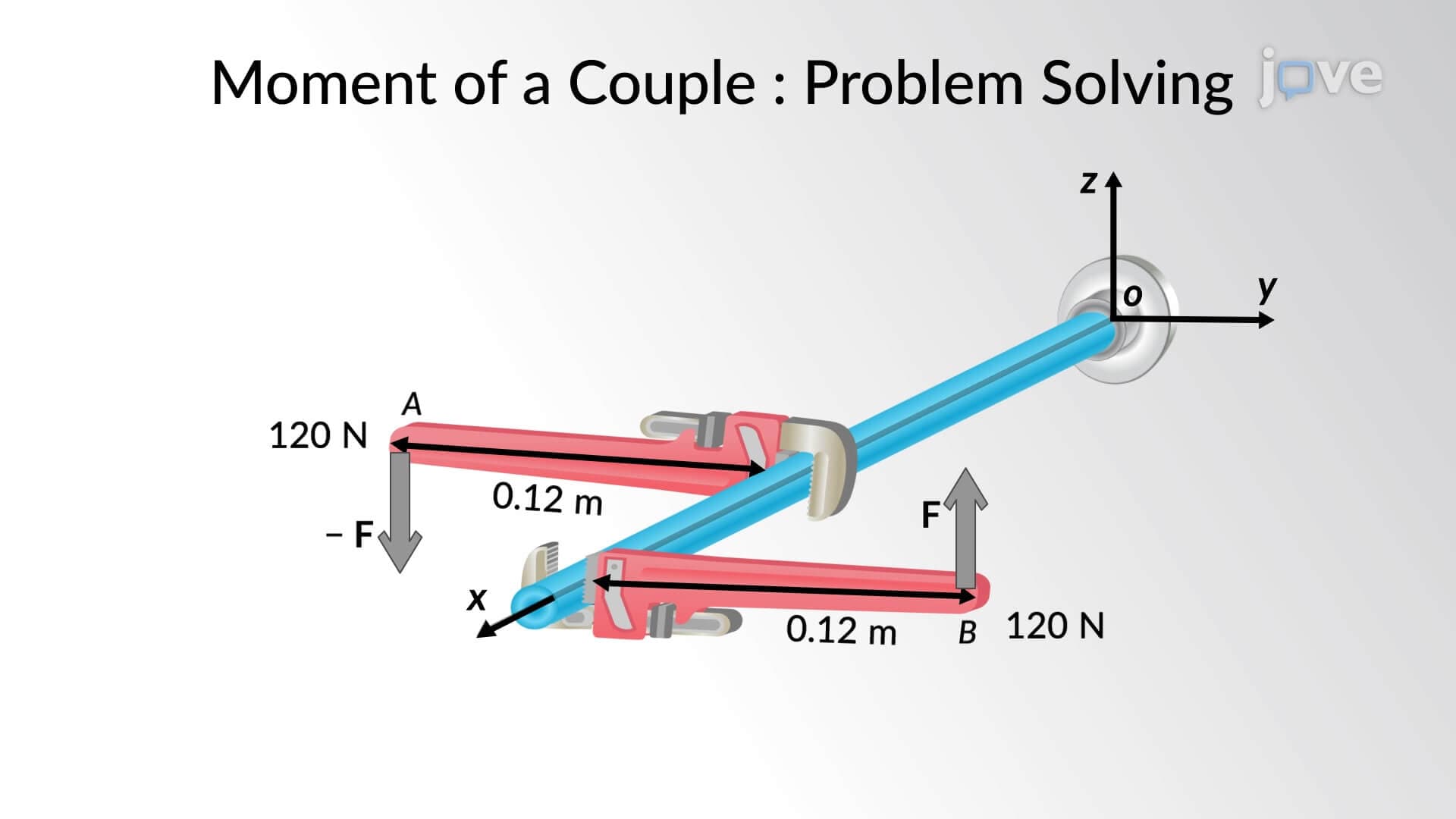
In scalar formulation, the couple moment magnitude equals the force magnitude multiplied by the perpendicular distance between force lines of action: M = F × d. This elegant simplicity makes scalar analysis ideal for introductory courses and AP Physics problems. Consider a mechanic applying 50 pounds of force to opposite sides of a wrench with an 8-inch span-the resulting couple moment equals 400 pound-inches.
The scalar approach proves particularly valuable when analyzing two-dimensional problems or when only moment magnitude matters for design calculations. Engineering students at institutions like Purdue University and Virginia Tech frequently encounter scalar couple problems in statics courses, especially when designing gear systems or analyzing bolt tightening procedures in automotive applications.
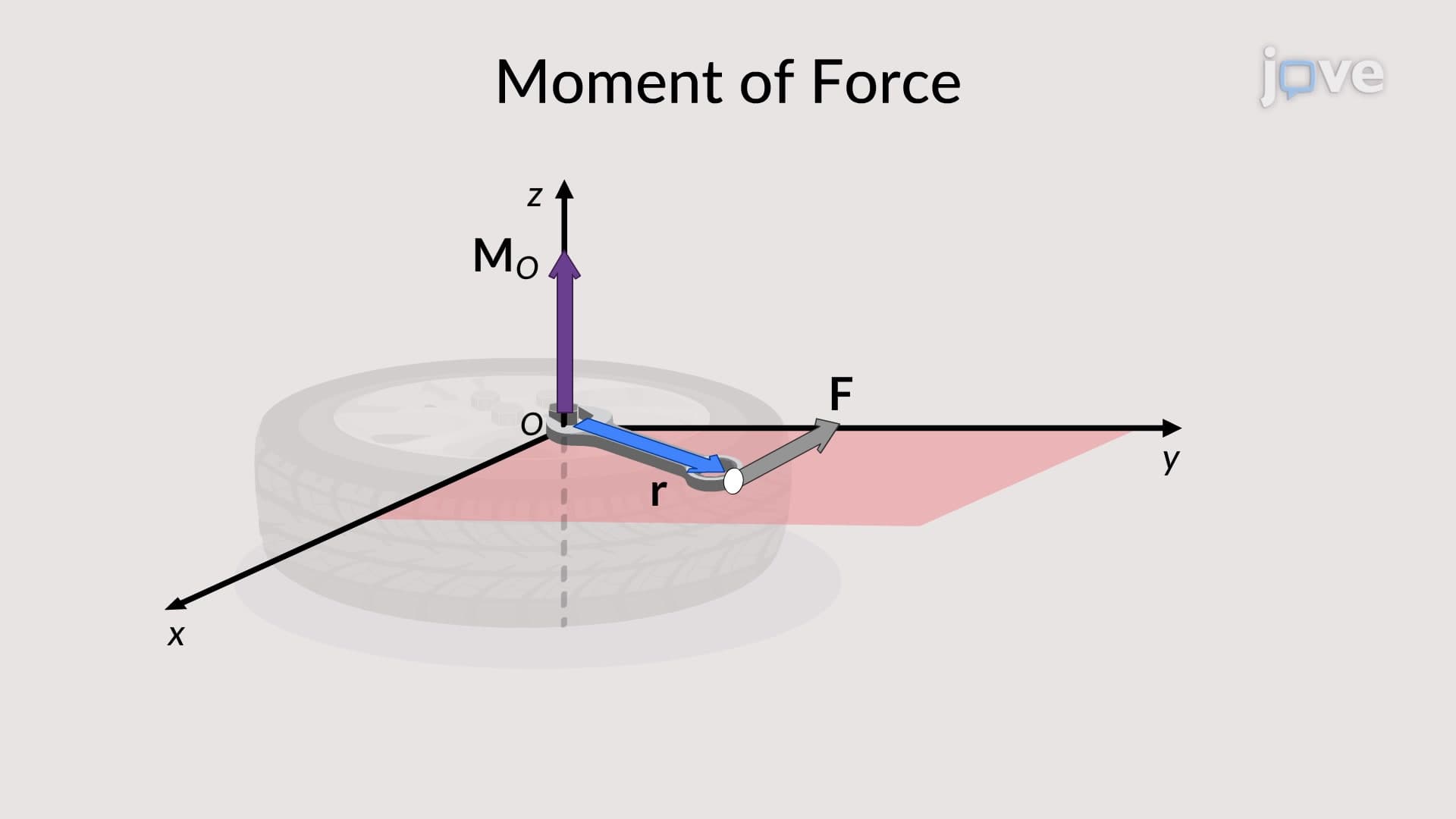
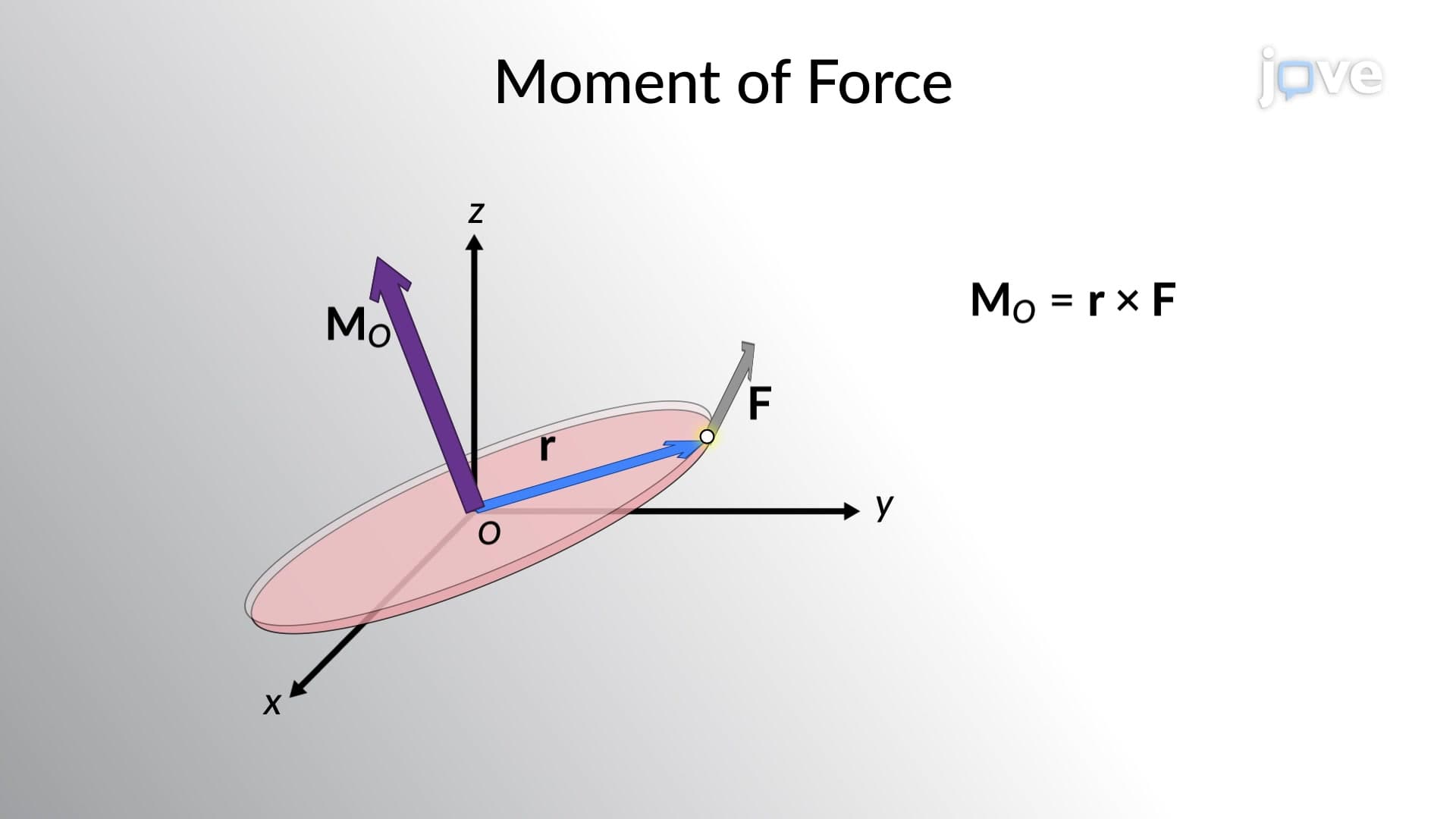
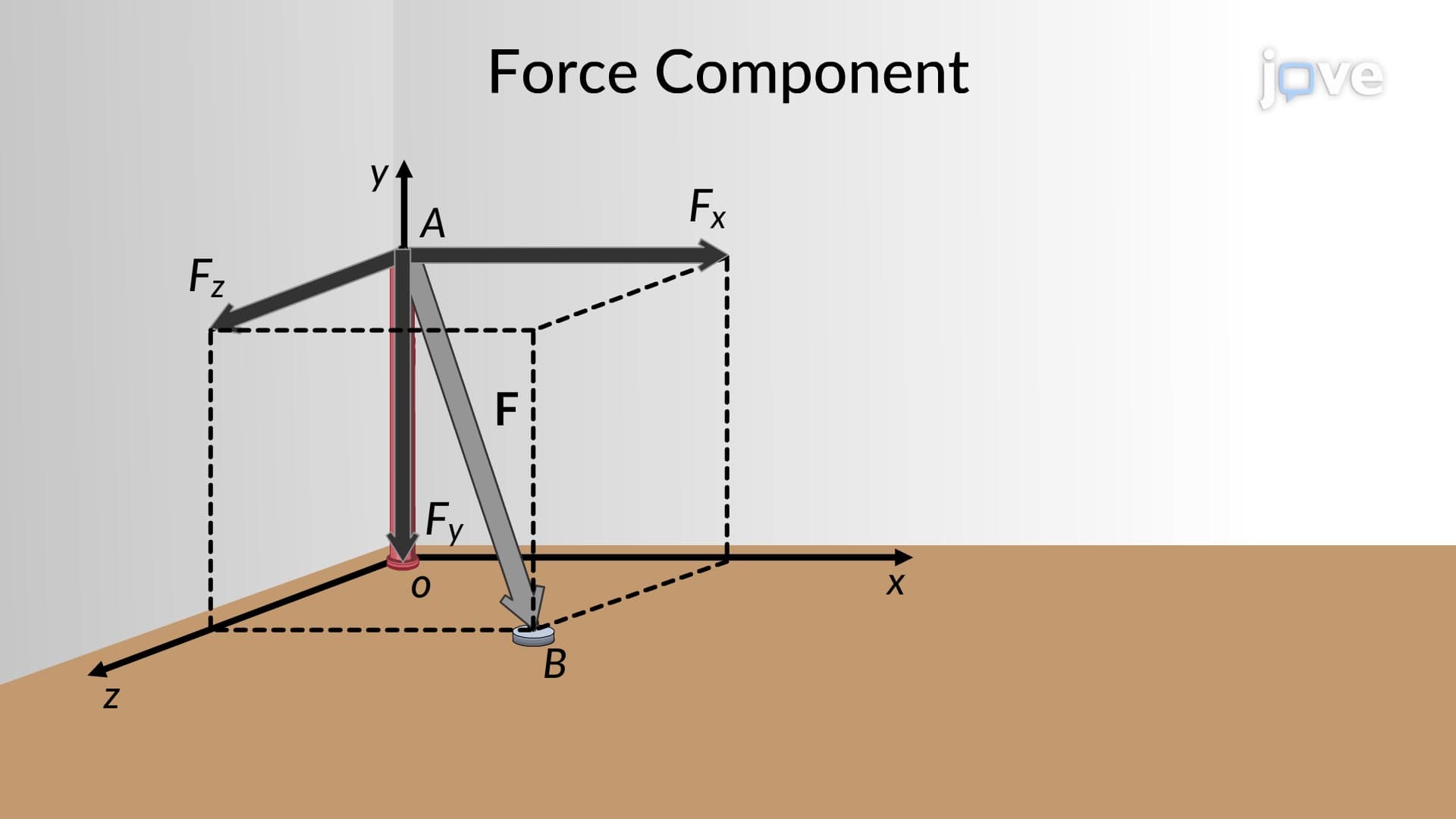
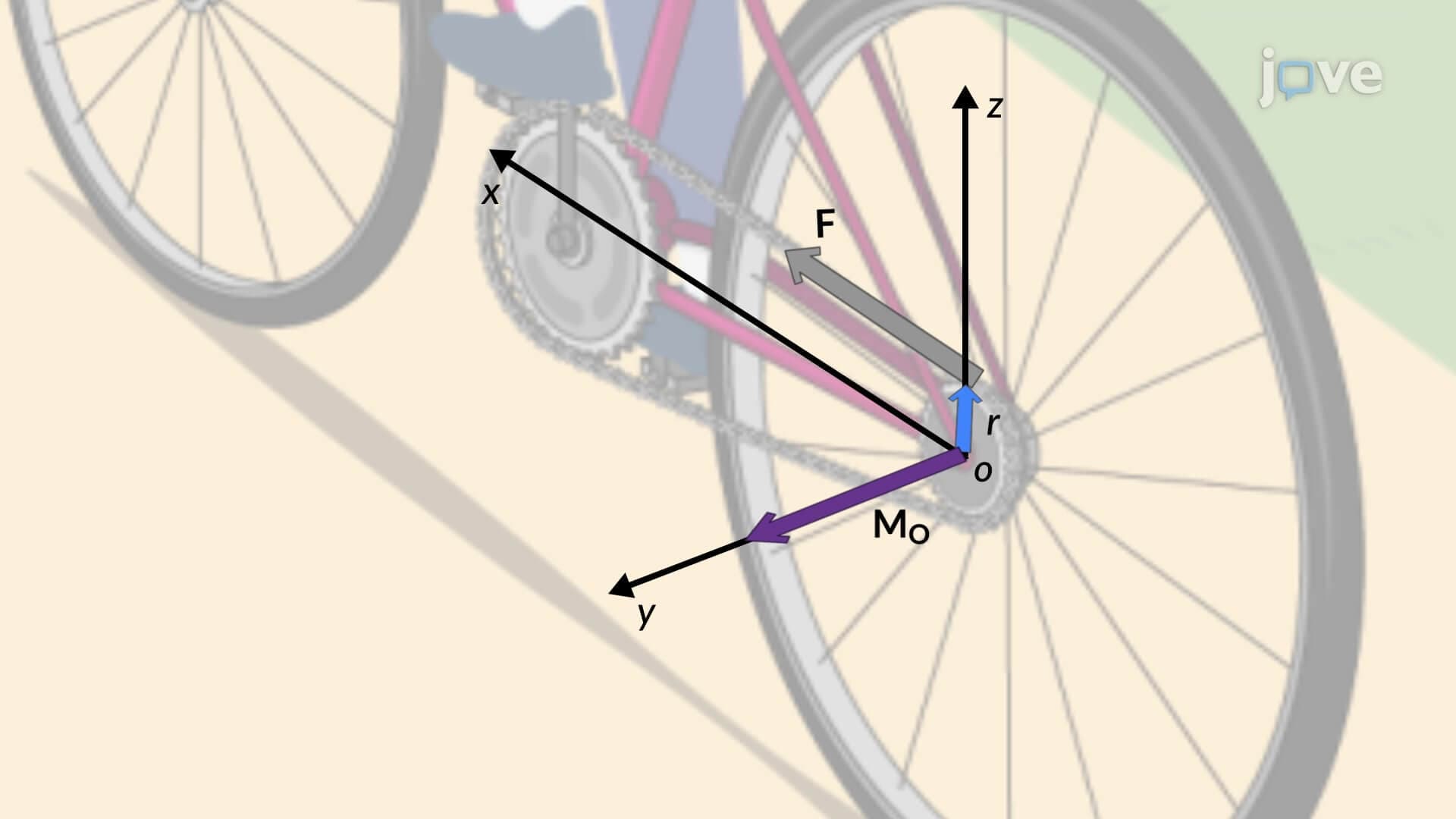
Vector formulation employs cross products to determine both magnitude and direction simultaneously. The couple moment vector equals the cross product of the position vector (from one force's line of action to the other) and the applied force vector: M = r × F. This mathematical rigor becomes essential in advanced applications like spacecraft attitude control or robotic arm design.
The right-hand rule determines moment direction: when fingers curl along rotation direction, the thumb indicates the moment vector direction. This vector always acts perpendicular to the plane containing both forces, explaining why couple moments can rotate objects without causing linear motion. NASA engineers rely heavily on vector couple analysis when designing reaction wheel systems for satellite orientation control.
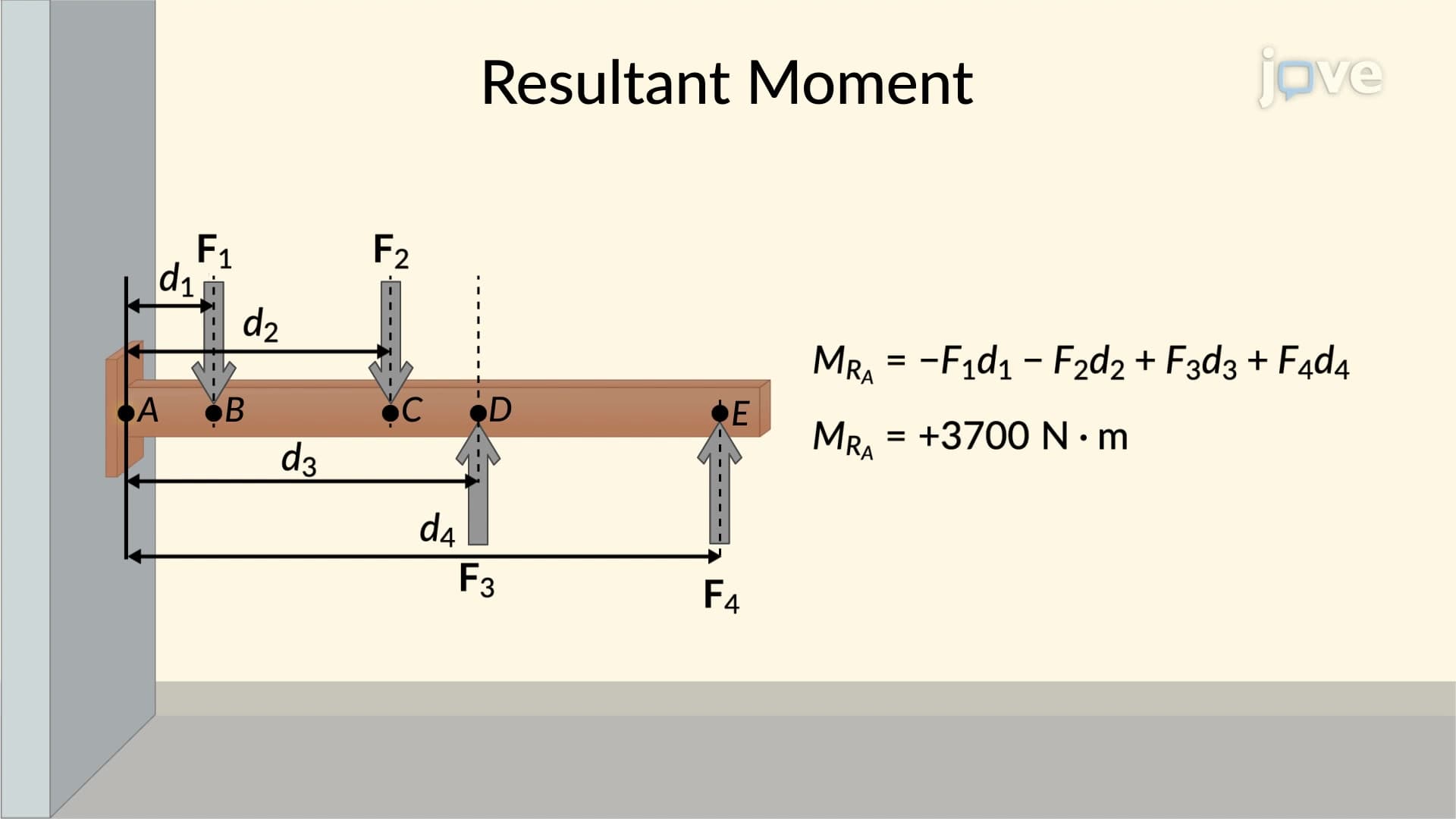
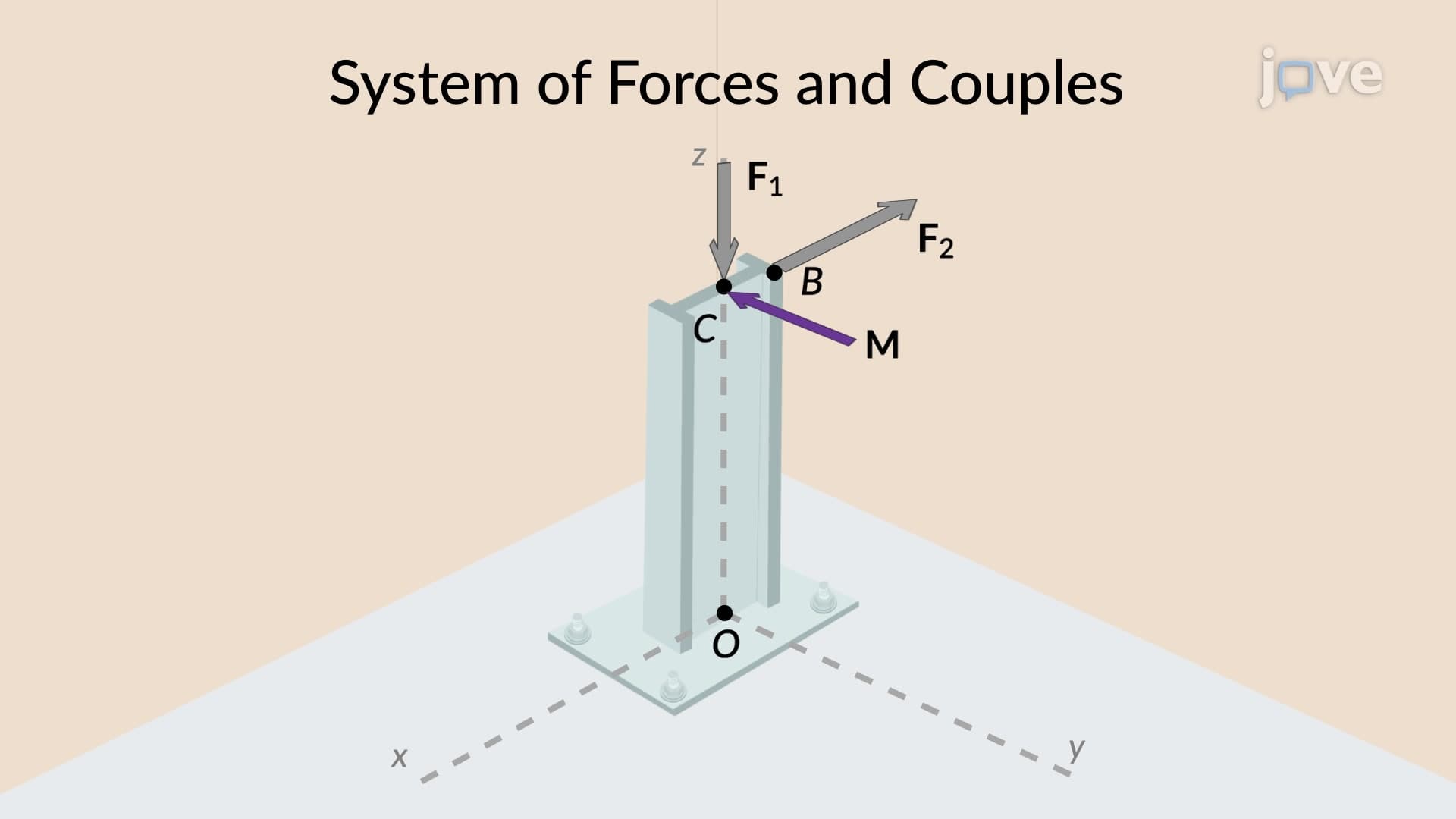
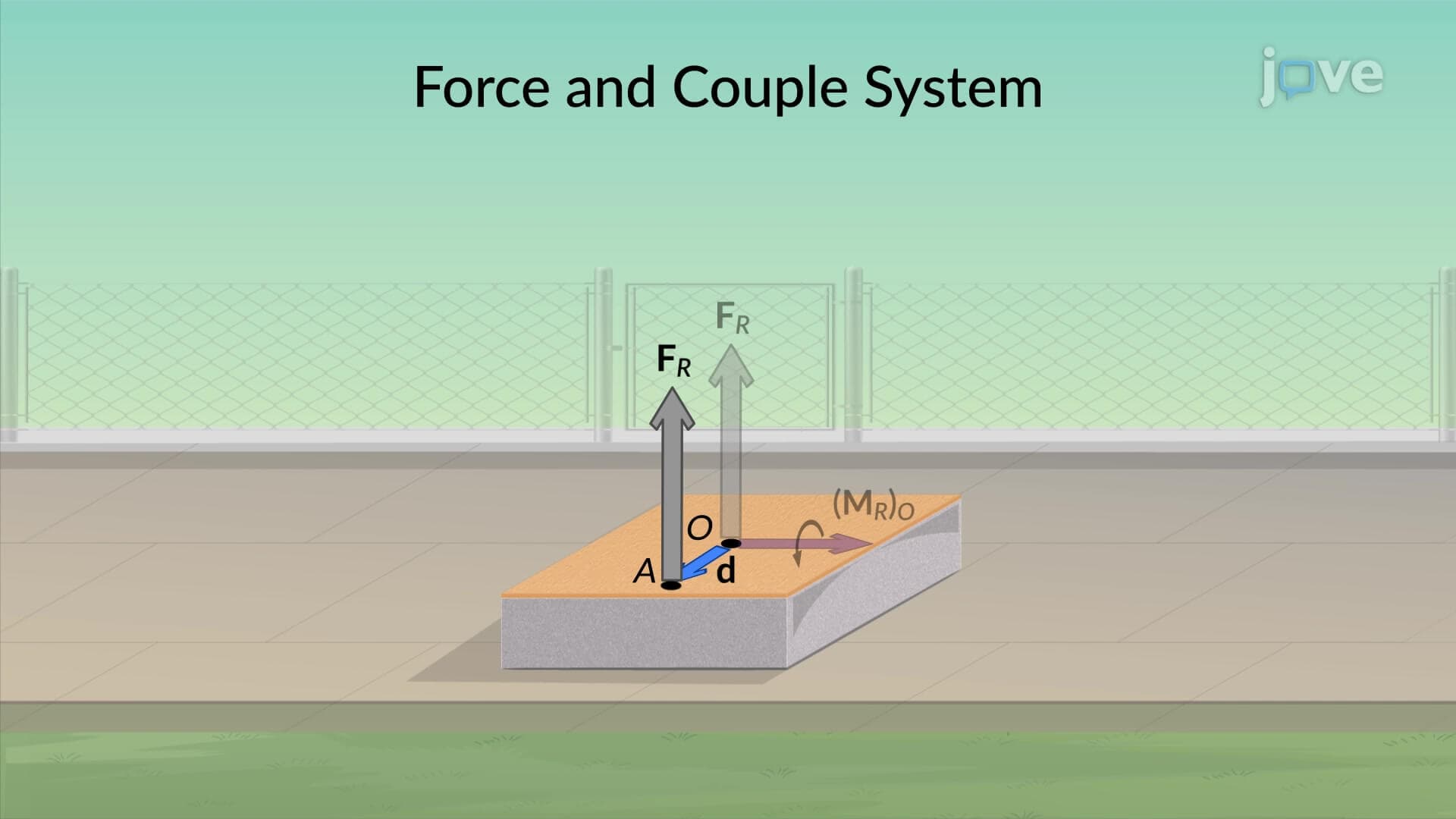
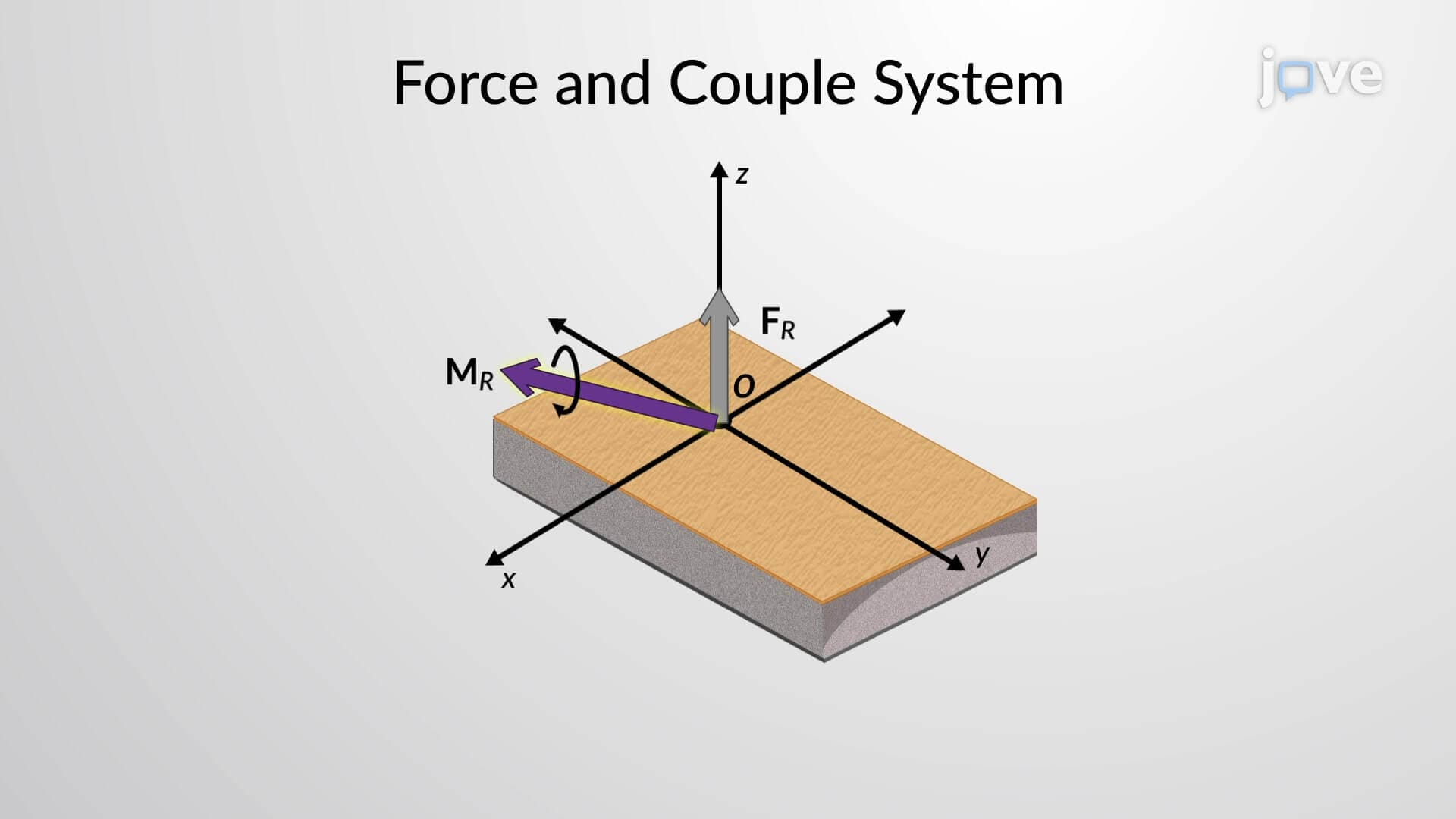
Multiple couple analysis requires vector addition to determine resultant moments. This principle appears frequently in college mechanics courses and engineering licensing examinations. When analyzing complex systems like the differential mechanisms in Ford vehicles or the gear reducers used in wind turbine installations, engineers must combine multiple couple effects to predict overall system behavior.
Students preparing for the Fundamentals of Engineering (FE) exam or advanced placement tests should master both formulations, as problems often require transitioning between scalar and vector approaches depending on given information and required solutions.
Related Micro-courses