Loading video…


 20 Concepts
 25.8K views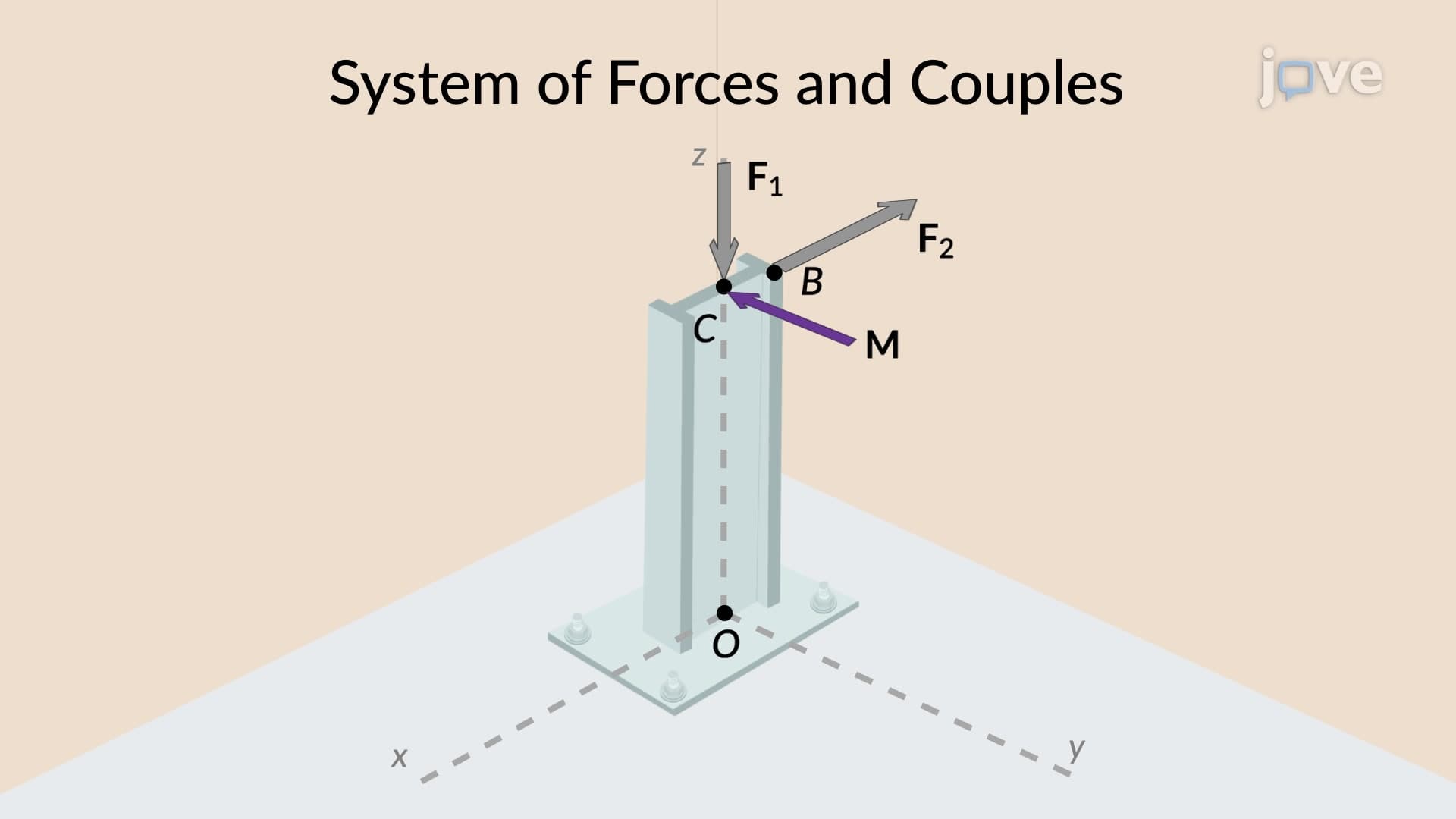

Video Summary: System of Forces and Couples Explained
Ever wonder how engineers ensure skyscrapers like New York's One World Trade Center remain stable under wind loads and seismic forces? The system of forces and couples provides the fundamental framework for analyzing complex loading conditions in structural engineering. This concept explains how multiple forces and moments acting on a body can be simplified into equivalent systems at any chosen point. By understanding how forces transmit along their lines of action and how couple moments behave as free vectors, engineers can predict structural behavior with precision. Watch the full video on JoVE Coach to master this concept with expert-led visuals and step-by-step explanations.
The system of forces and couples represents one of the most powerful analytical tools in engineering mechanics, enabling engineers to simplify complex loading scenarios into manageable mathematical expressions. This concept becomes essential when analyzing structures like the Golden Gate Bridge, where wind forces, traffic loads, and the bridge's own weight create intricate force patterns that must be understood for safe design.
At its core, this system recognizes two distinct types of mechanical actions: forces (which have specific points of application) and couples (which create pure rotation regardless of location). The genius lies in the ability to relocate these actions to any convenient analysis point while maintaining mathematical equivalence.
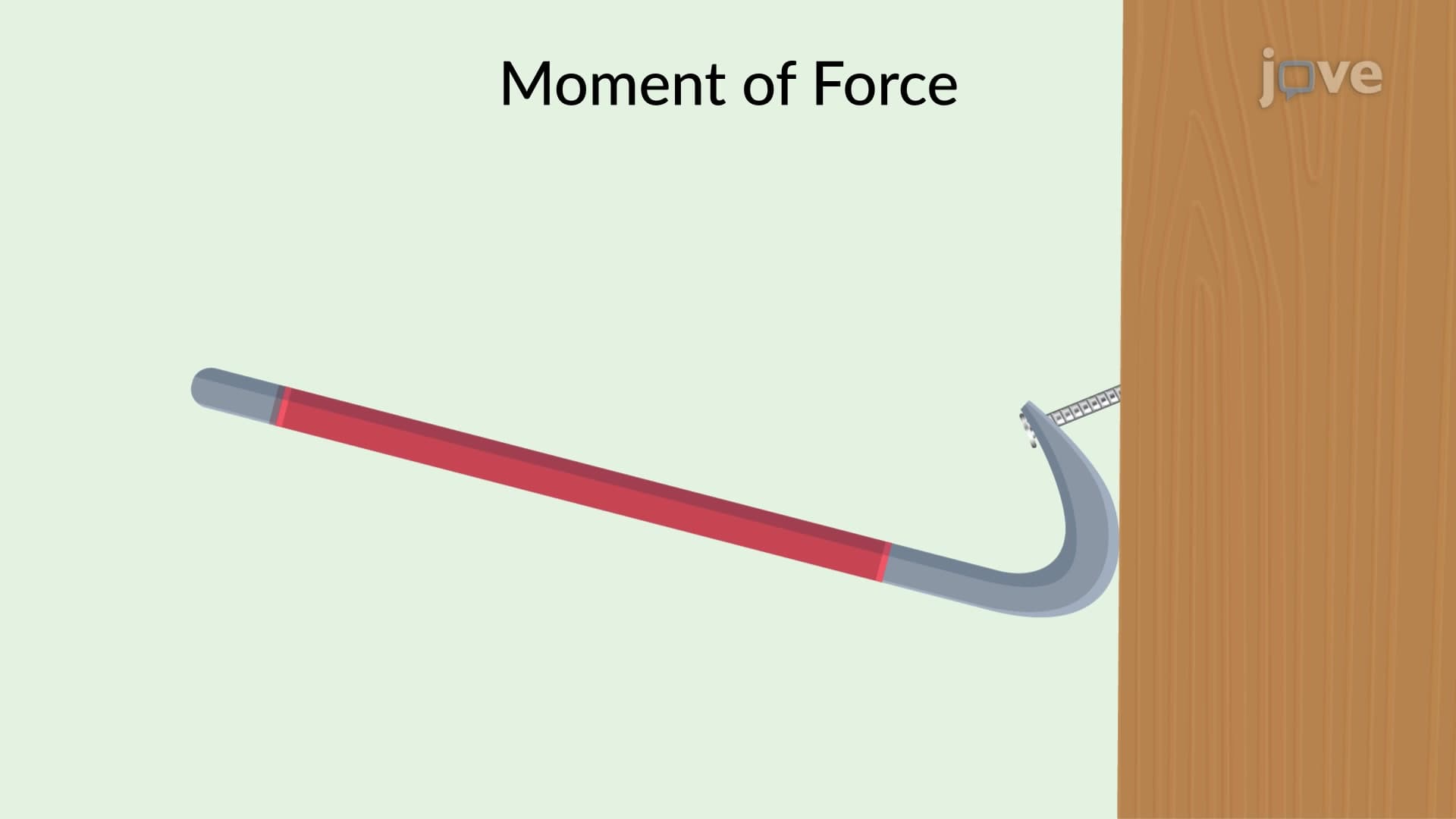
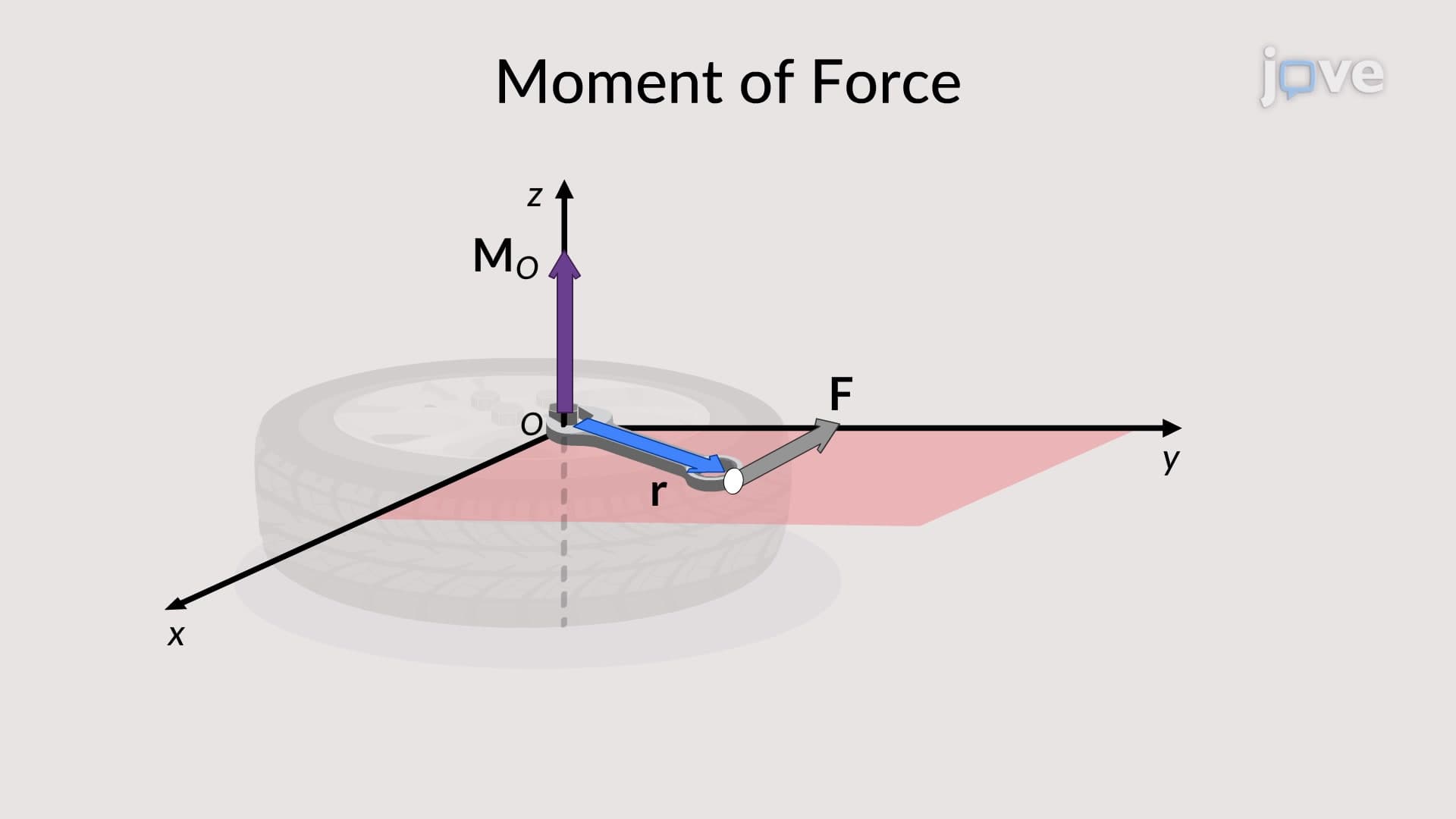
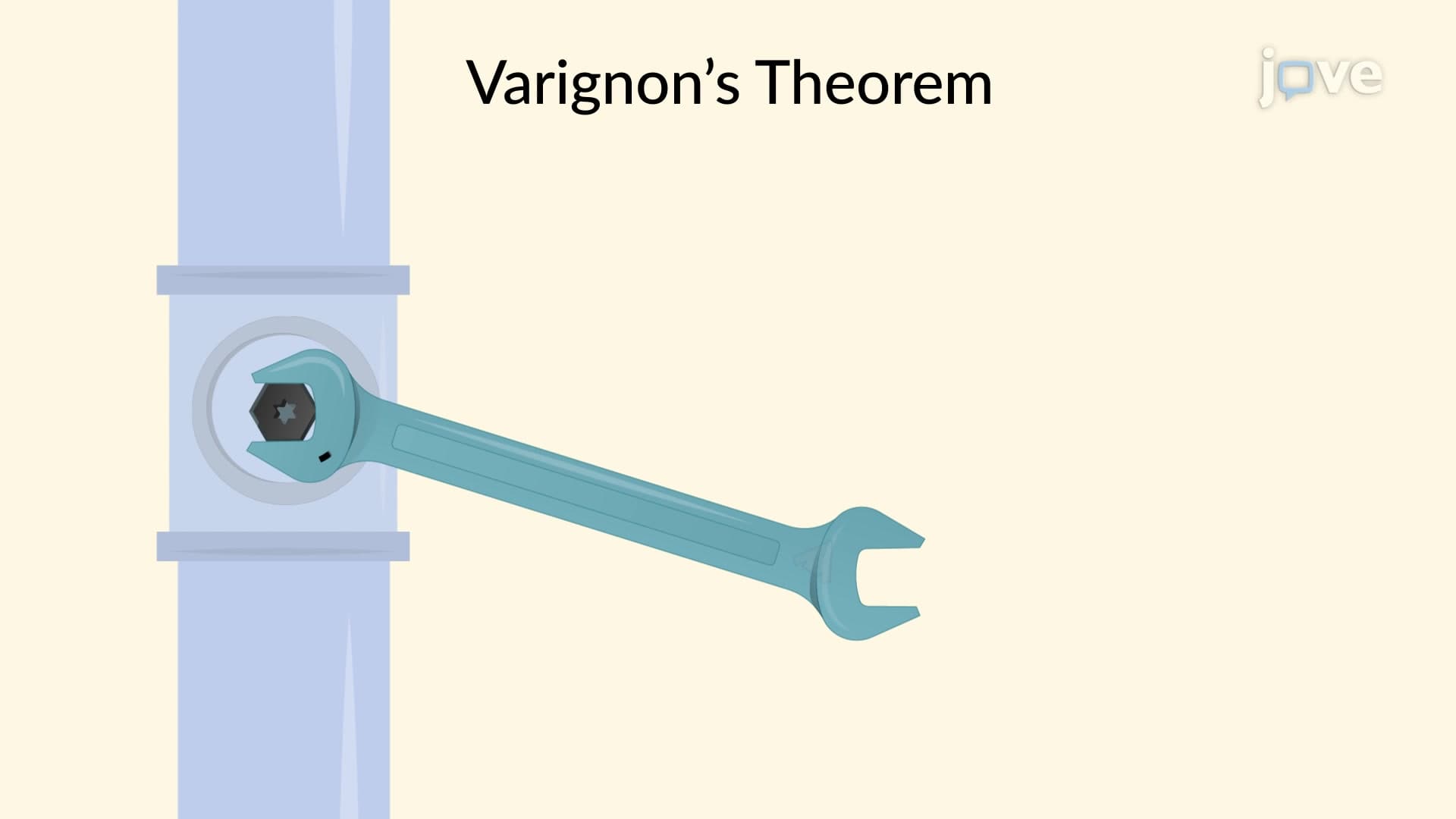
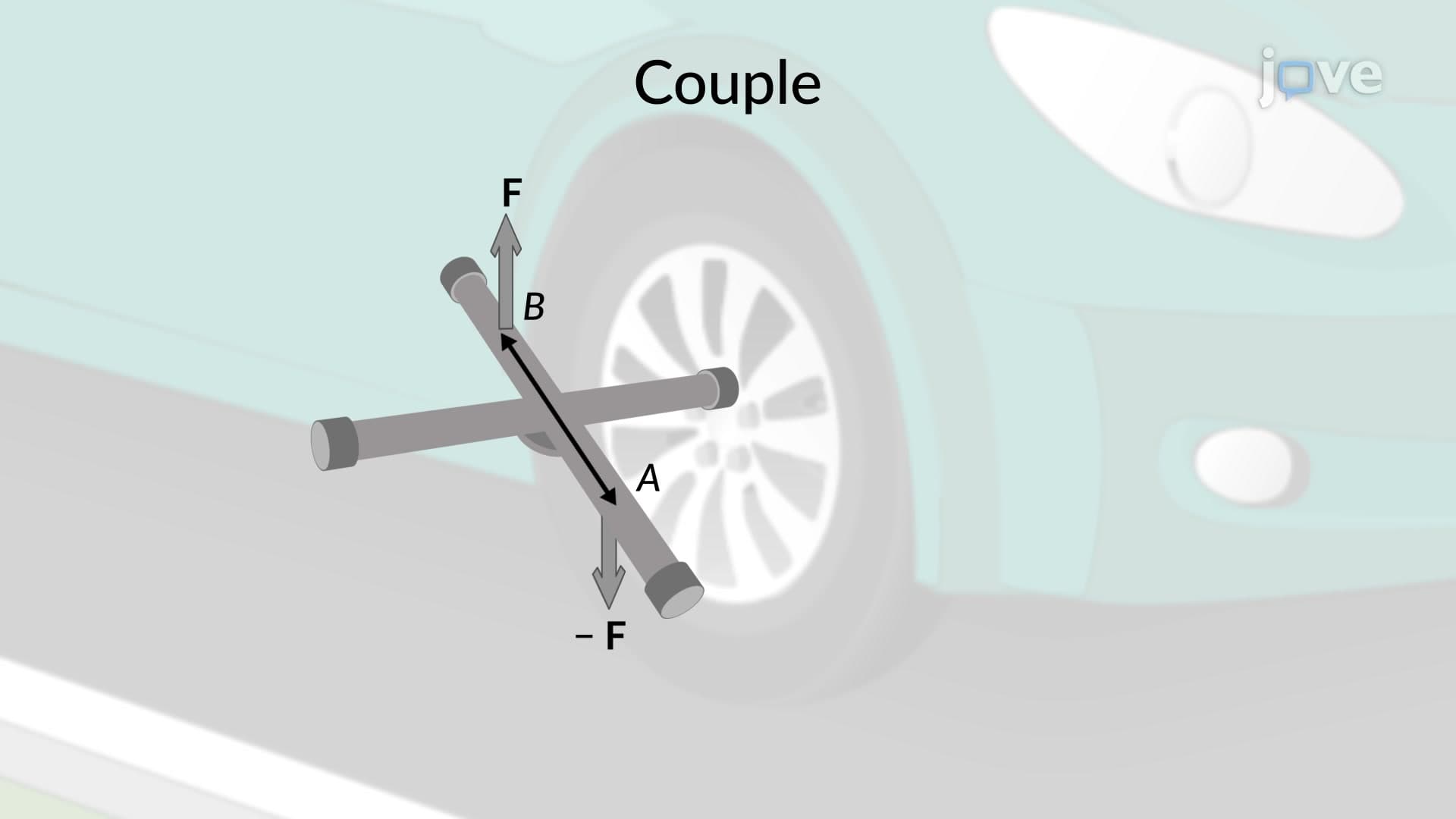
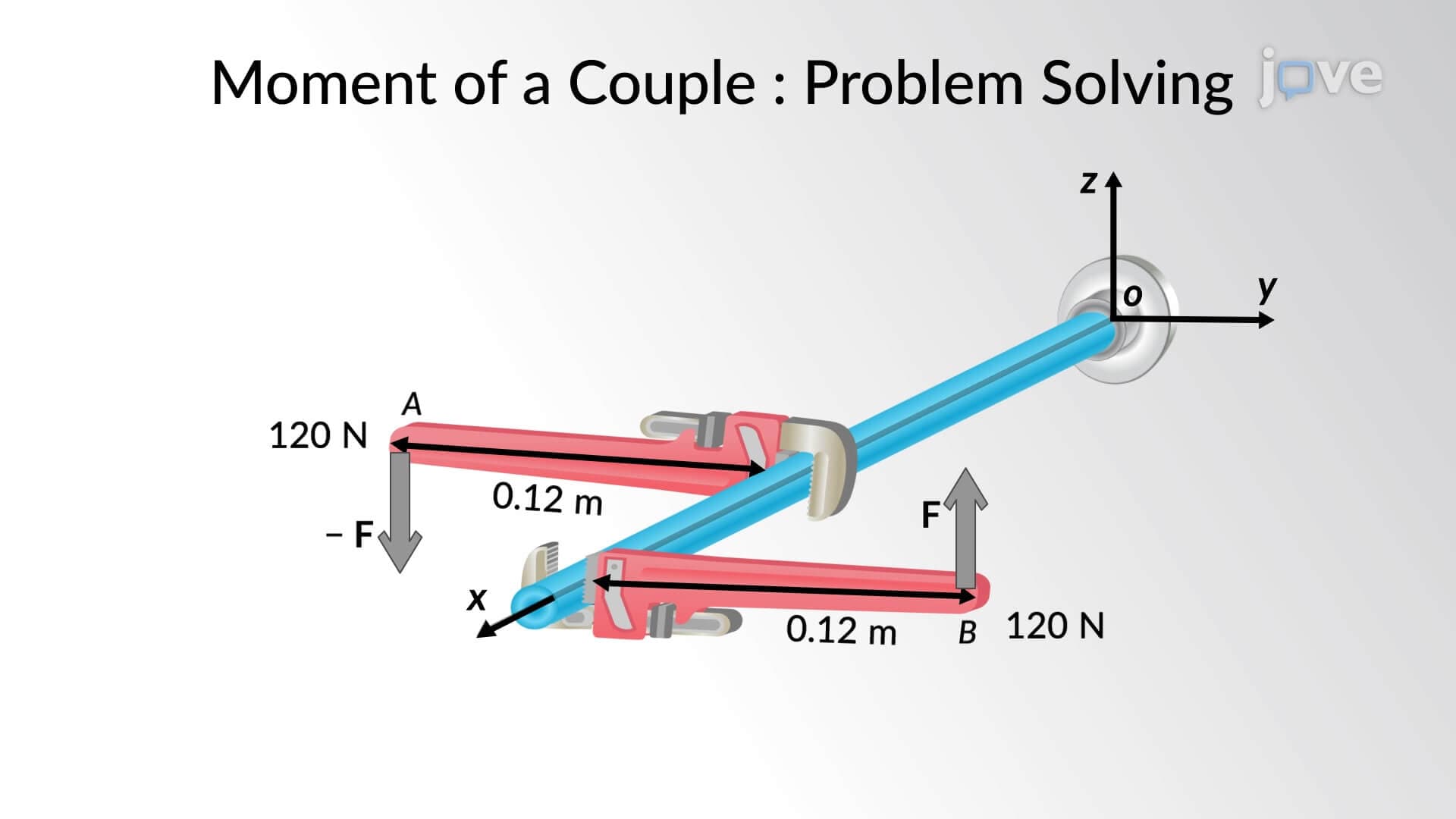
Force transmissibility forms the theoretical backbone of this concept. According to this principle, a force acting on a rigid body can slide along its line of action without altering the body's external response. Consider a wrench tightening a bolt - whether you push at the handle's end or middle (along the force's line of action), the bolt experiences identical rotational effects.
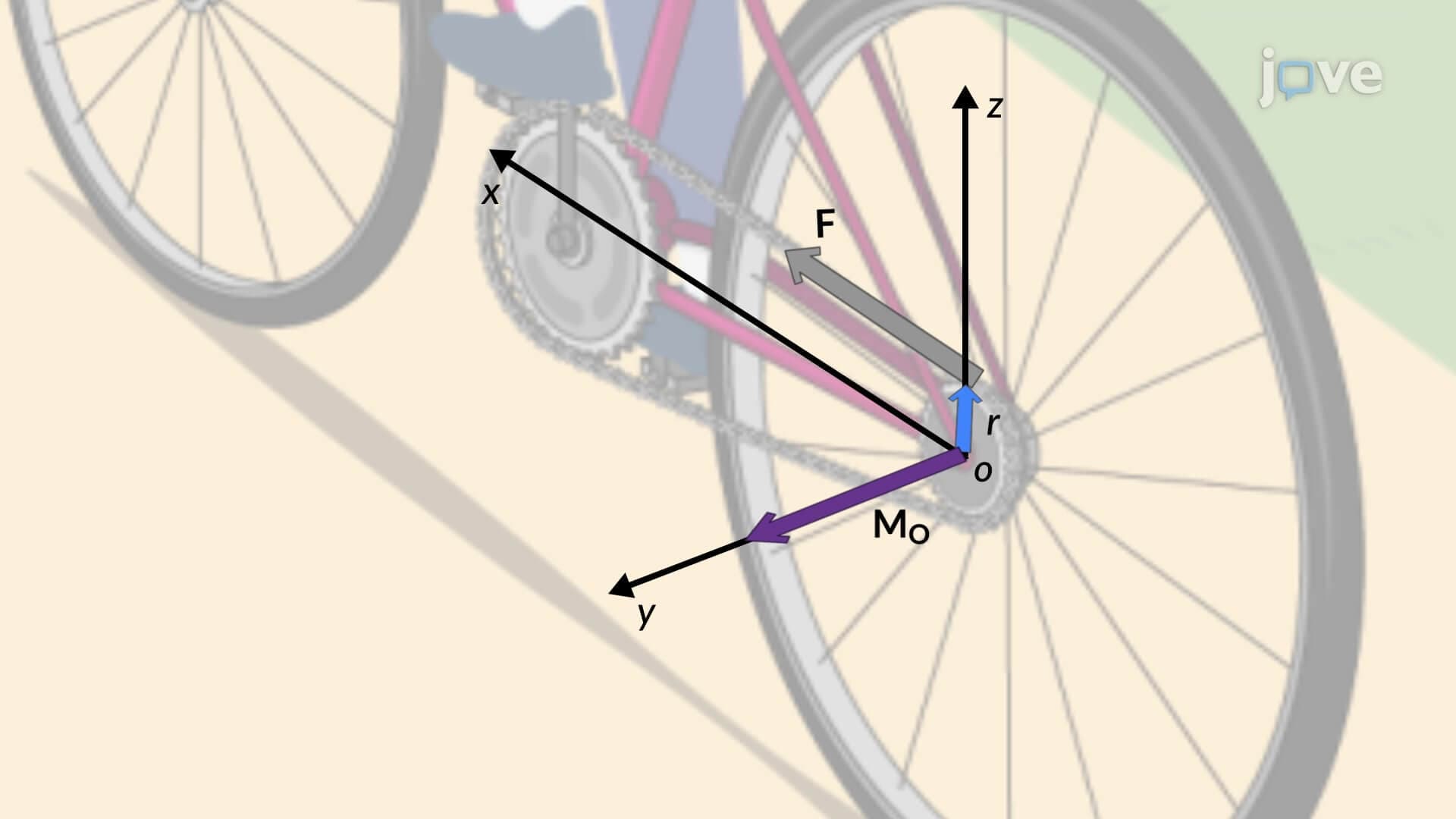
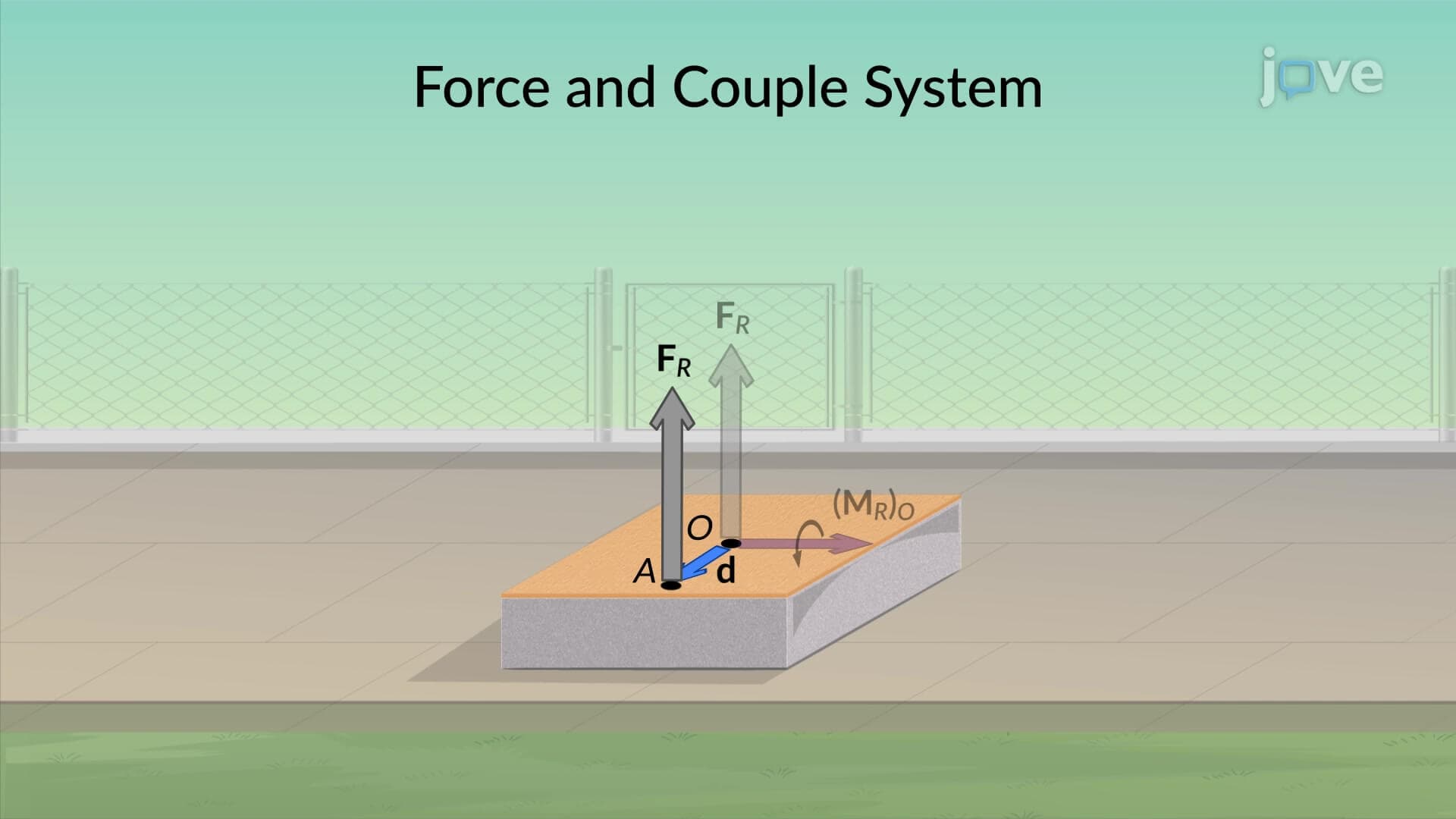
However, when engineers need to analyze forces at points not lying on their original lines of action, additional steps become necessary. This scenario frequently occurs in structural analysis of buildings, where loads applied at various points must be evaluated at the building's center of mass or foundation level.
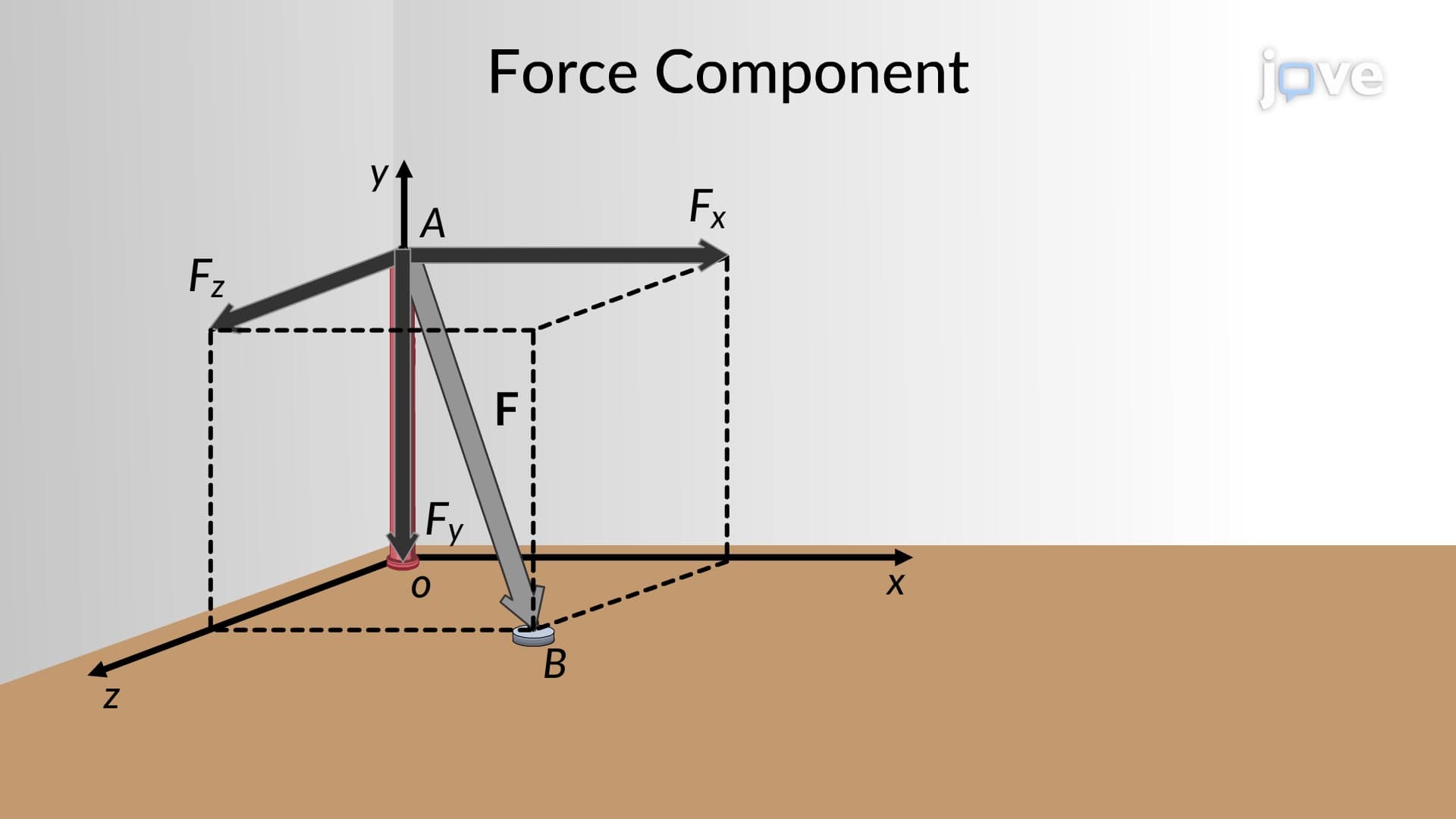
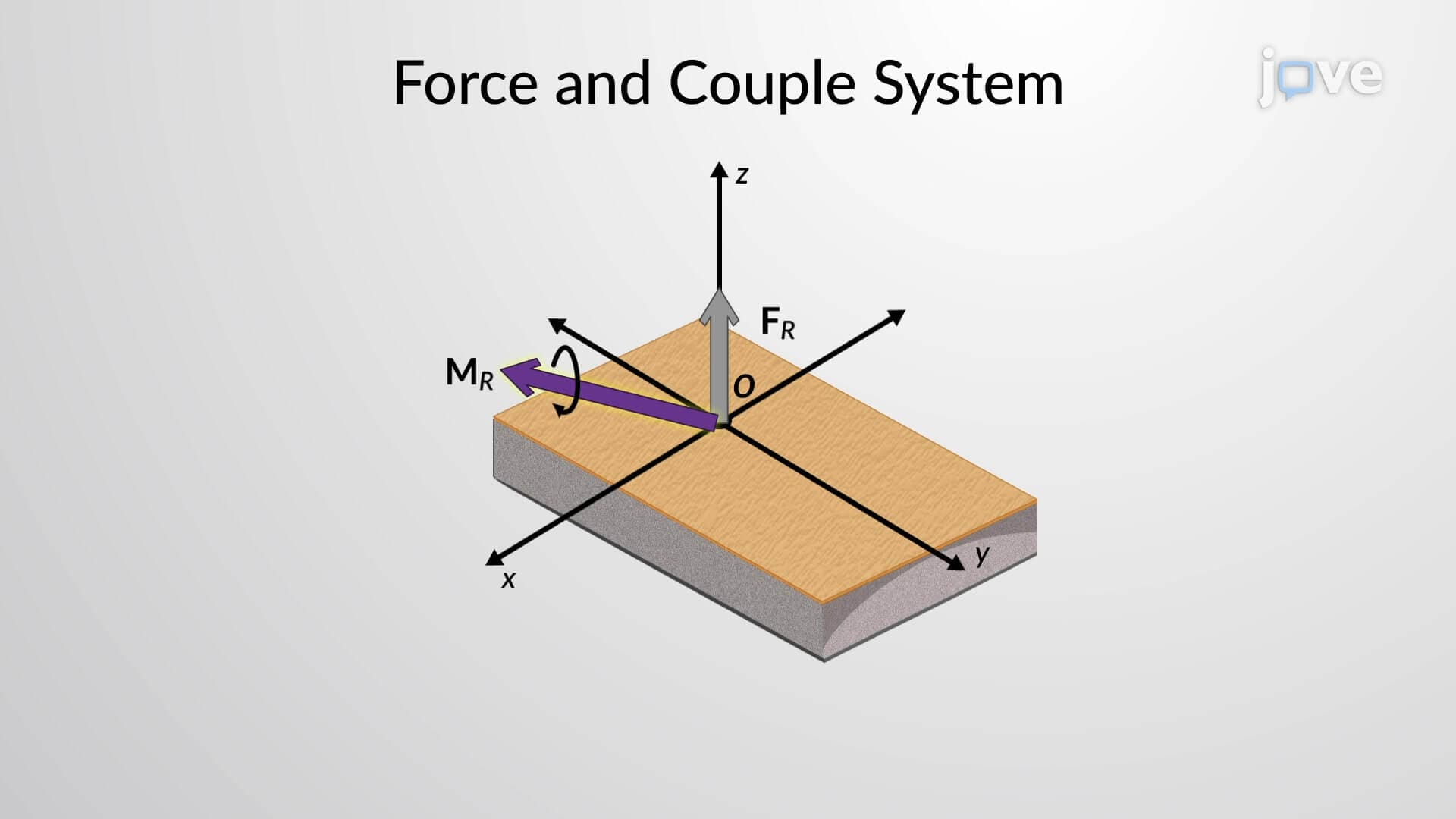
The mathematical beauty of this system emerges through its systematic approach. The resultant force equals the vector sum of all individual forces, remaining independent of the chosen reference point. This property proves invaluable in AP Physics courses and college statics exams, where students must demonstrate conceptual understanding alongside computational skills.
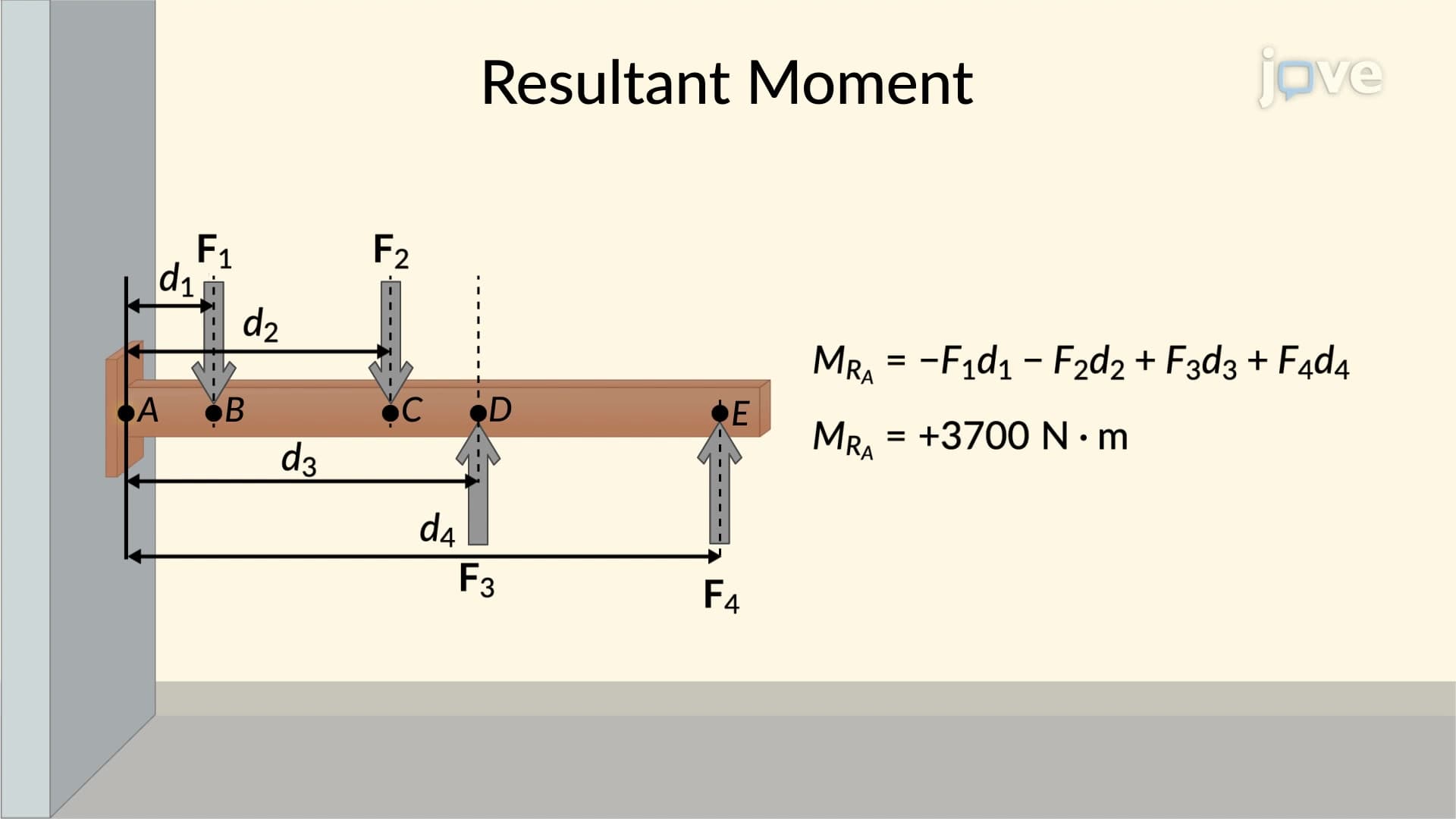
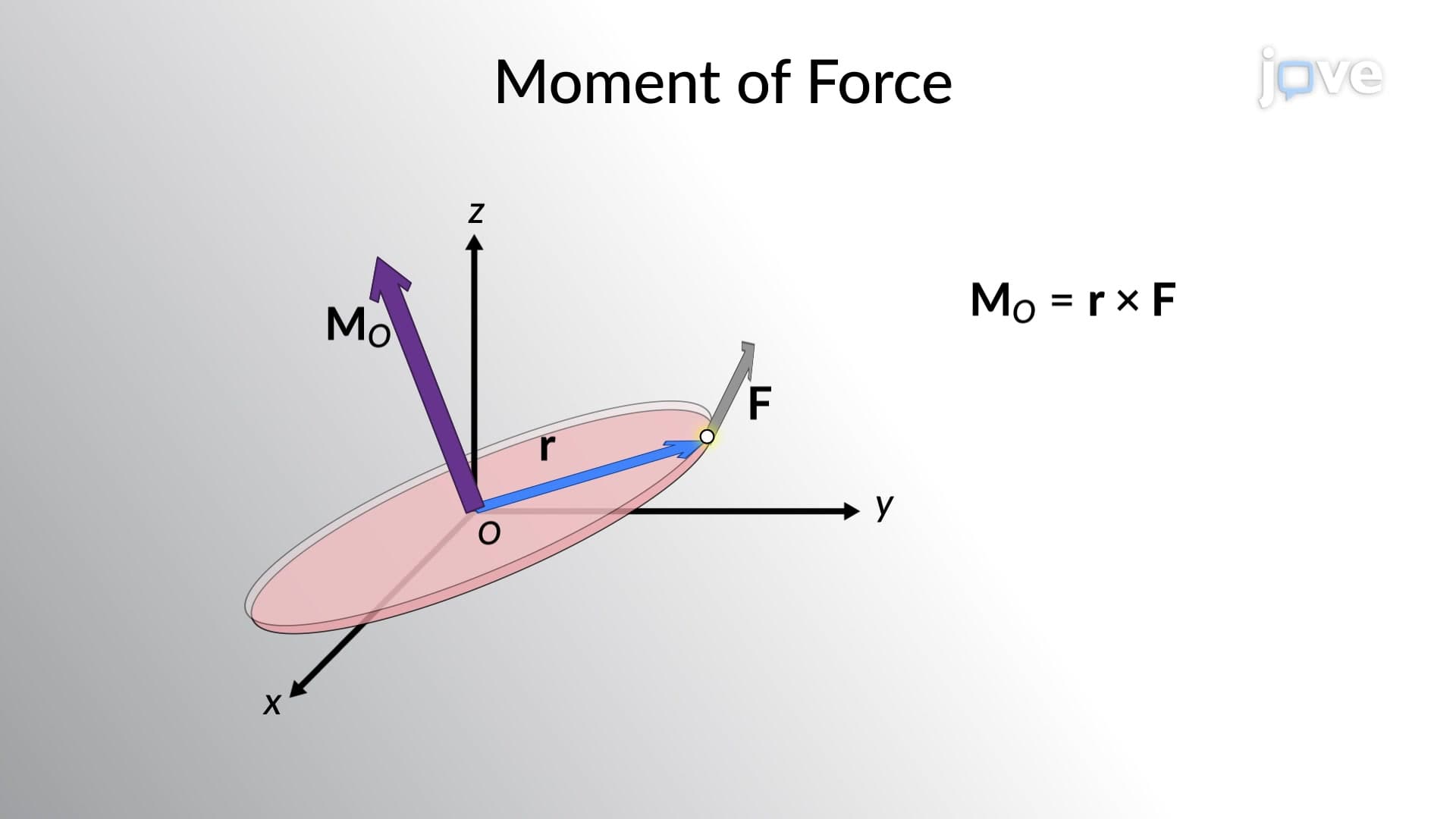
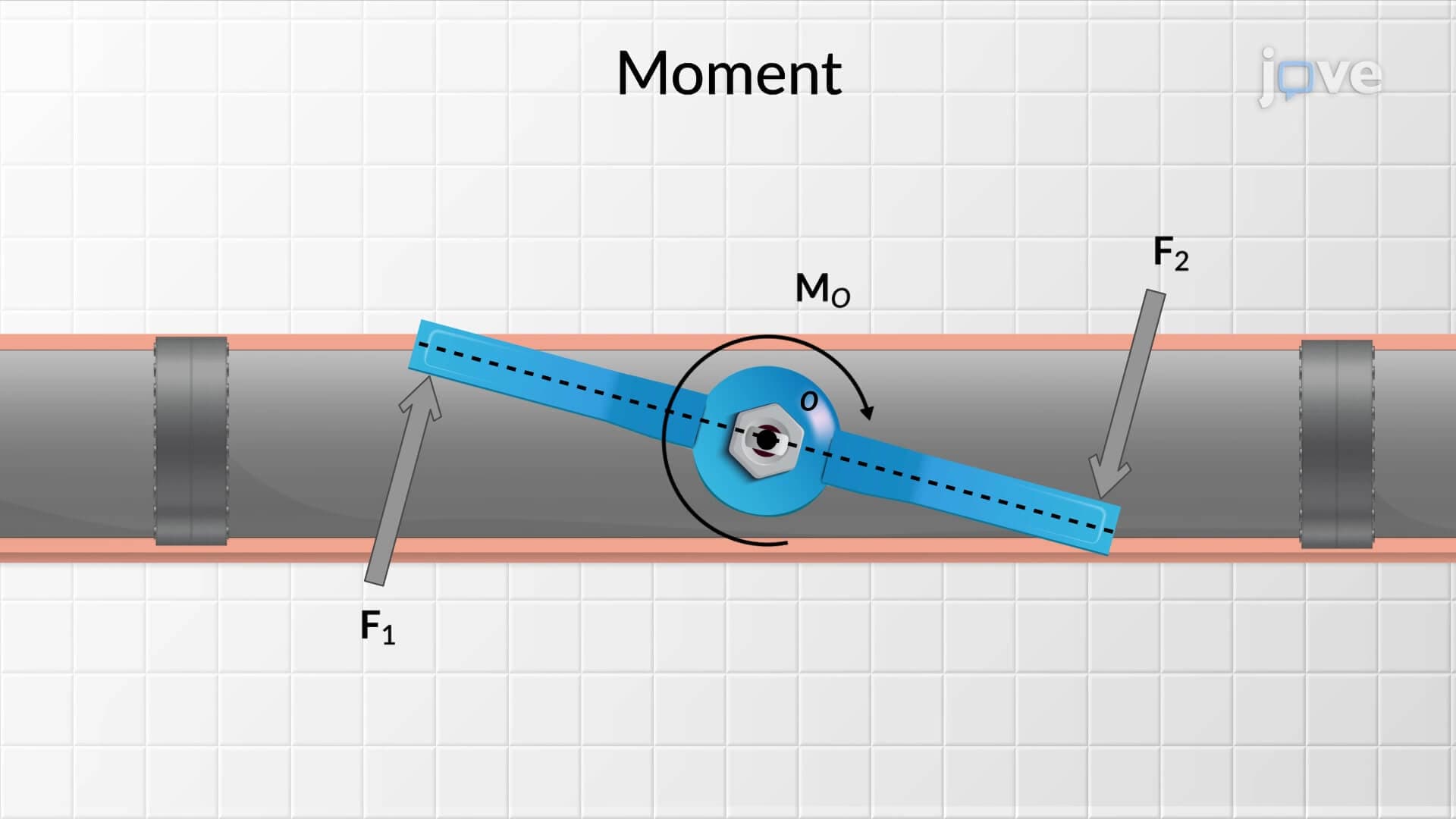
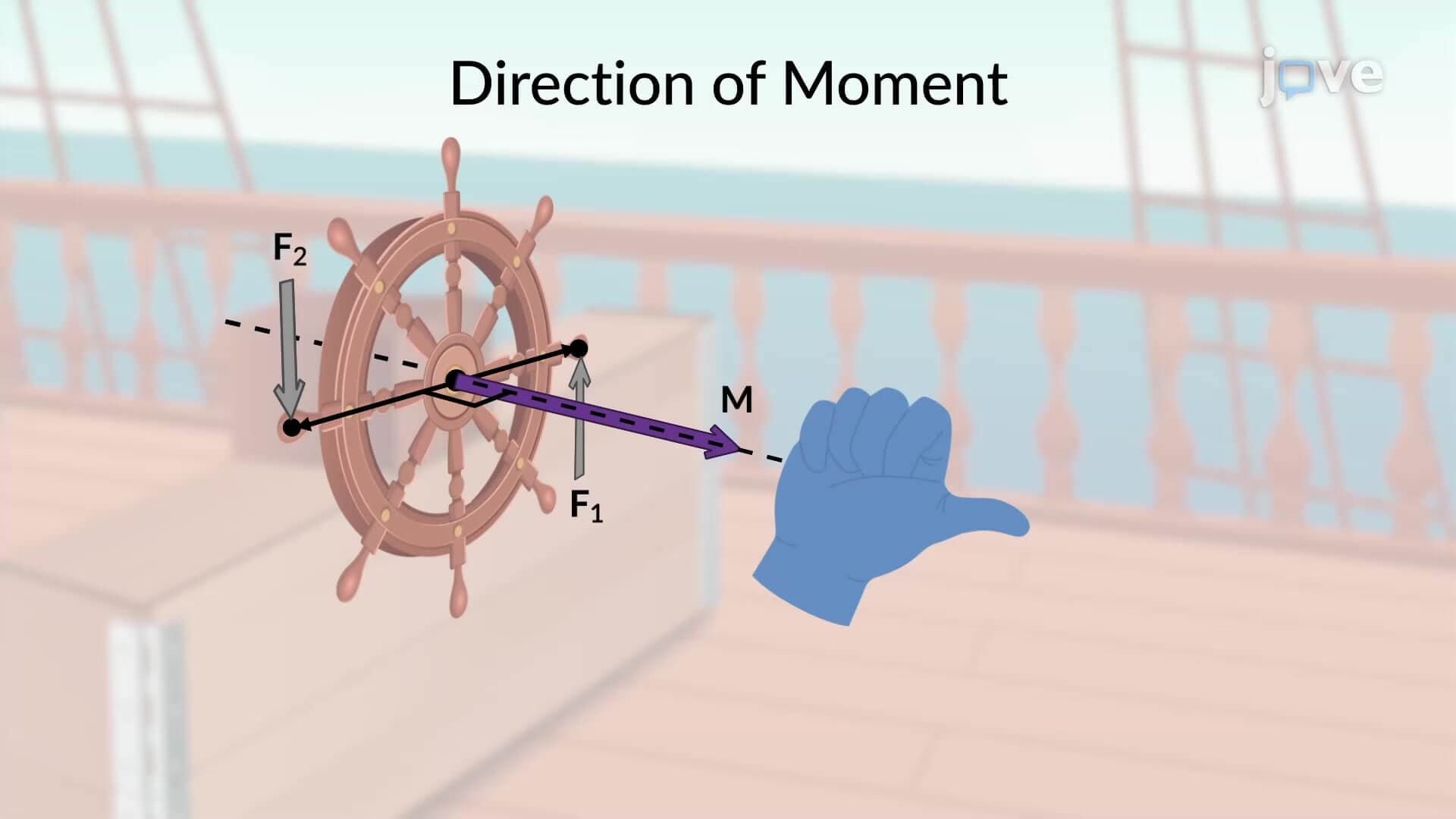
The resultant couple moment, however, exhibits point-dependent behavior. It equals the sum of all applied couple moments plus the moments created by forces about the chosen reference point. This dependency makes reference point selection crucial for efficient problem-solving in MCAT physics sections and engineering coursework.
Professional applications span from aerospace engineering (analyzing forces on aircraft wings) to biomedical engineering (understanding forces in prosthetic joint design). Students preparing for standardized tests like the AP Physics C exam encounter these concepts in rotational mechanics problems, while pre-med students see applications in MCAT physics passages involving human biomechanics.
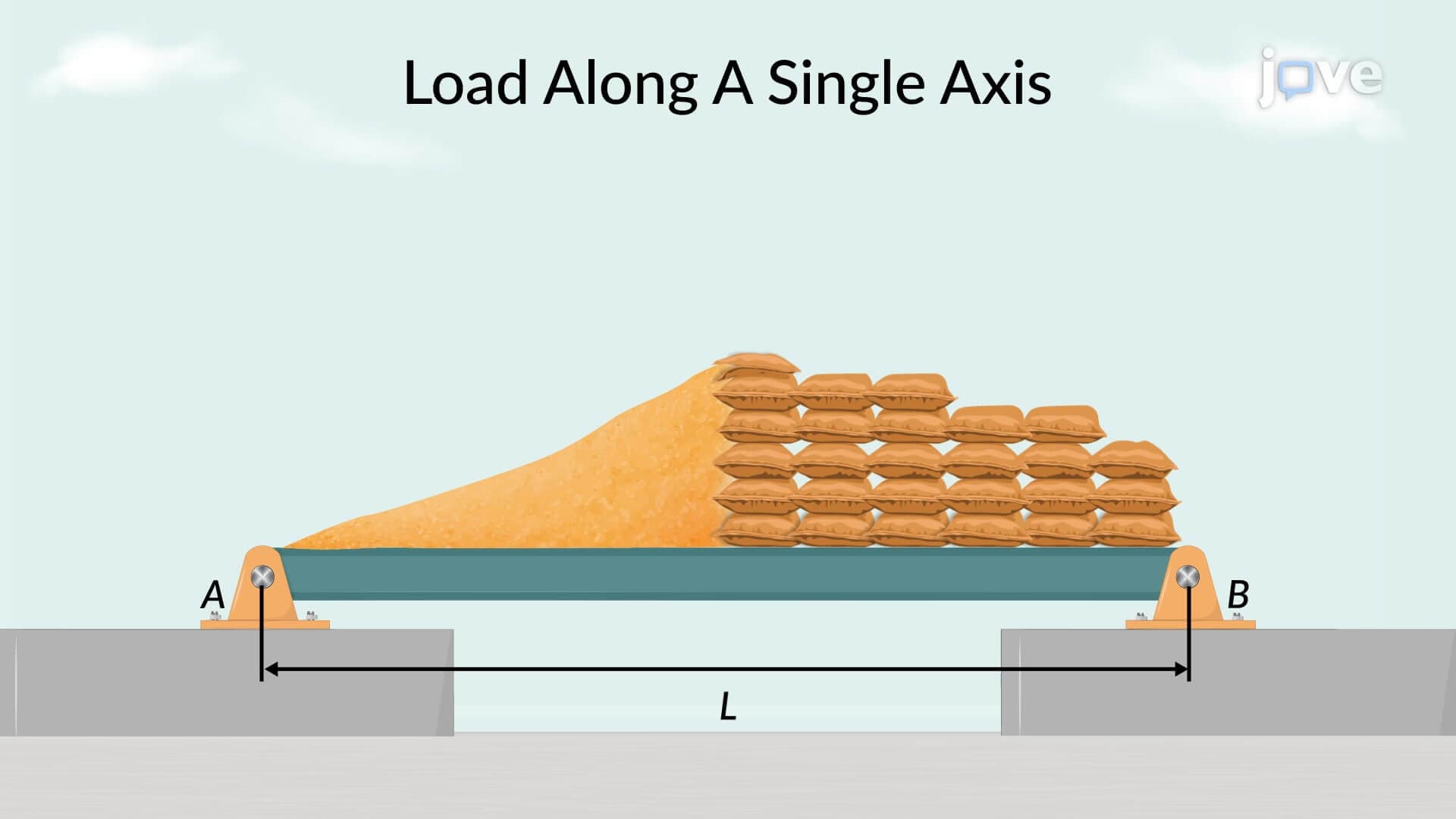
The concept's versatility extends to multiple force and couple combinations, making it indispensable for analyzing complex systems like suspension bridges, robotic arms, and even the human skeletal system under various loading conditions.
Related Micro-courses