Loading video…


 20 Concepts
 25.8K views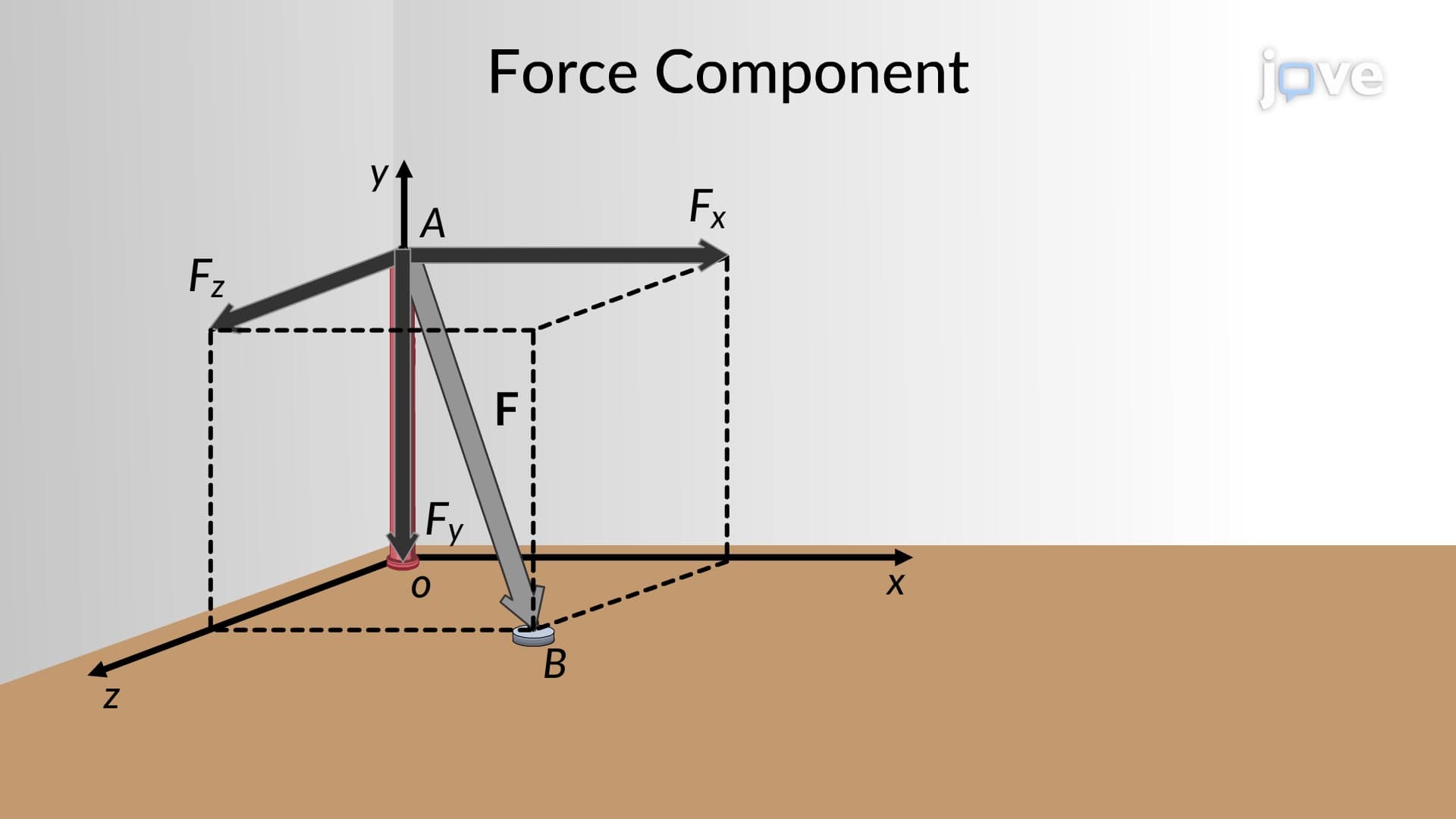

Video Summary: Principle of Moments Problem Solving Explained
Why do construction cranes stay balanced despite lifting massive steel beams? The answer lies in principle of moments problem solving, a fundamental physics concept that governs rotational equilibrium. Engineers at sites like New York's One World Trade Center use this principle daily to calculate forces and prevent structural failures. This Principle of Moments Problem Solving Explained tutorial demonstrates two powerful methods for solving 3D moment problems using vector analysis and component resolution. Watch the full video on JoVE Coach to master this concept with expert-led visuals and step-by-step explanations.
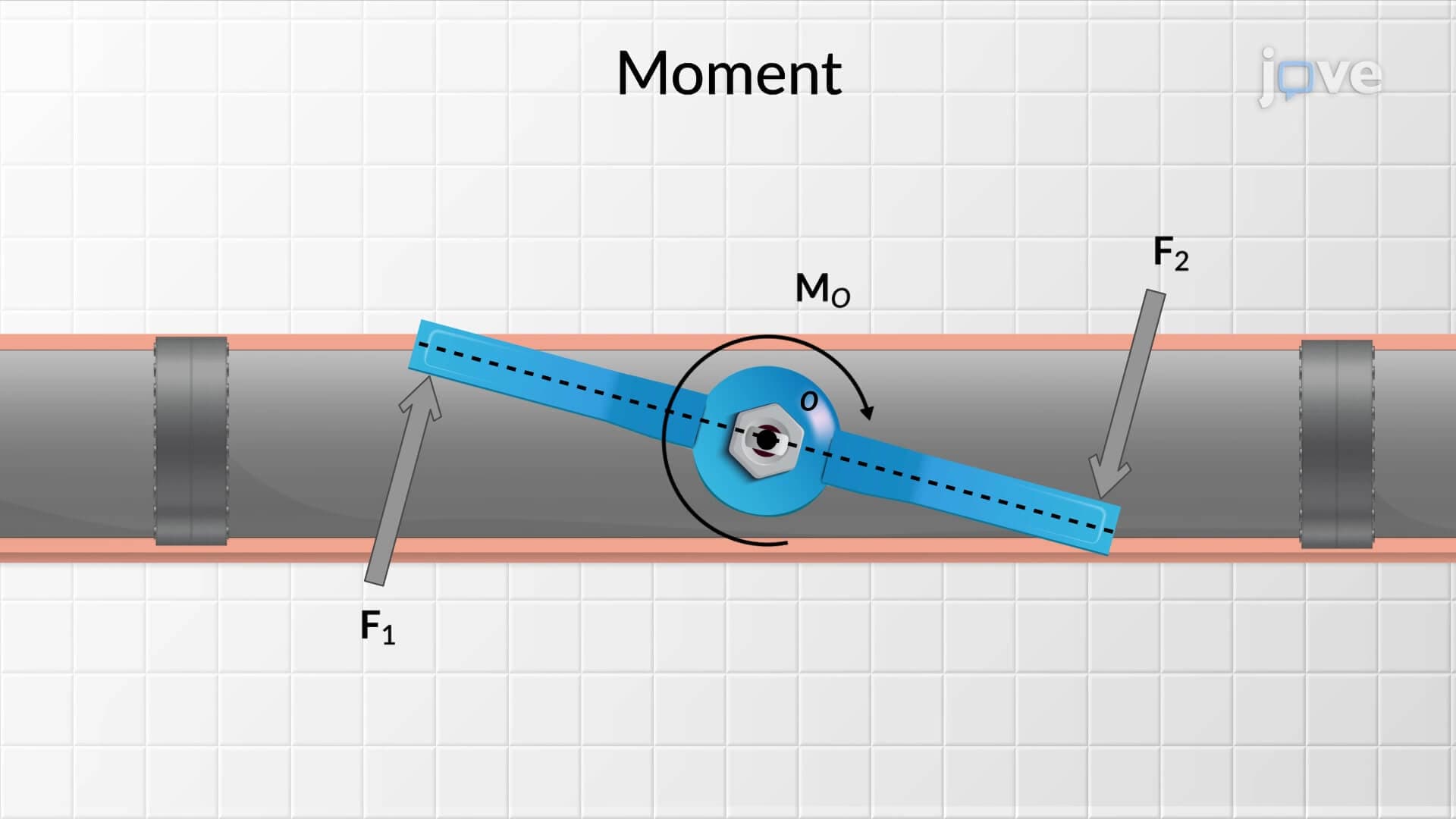
The principle of moments problem solving forms the backbone of structural analysis and mechanical engineering design. This concept extends beyond simple 2D lever problems to complex 3D scenarios involving cables, supports, and multi-directional forces. When engineers design suspension bridges like San Francisco's Golden Gate Bridge, they must calculate moments about multiple axes to ensure structural integrity under varying load conditions.
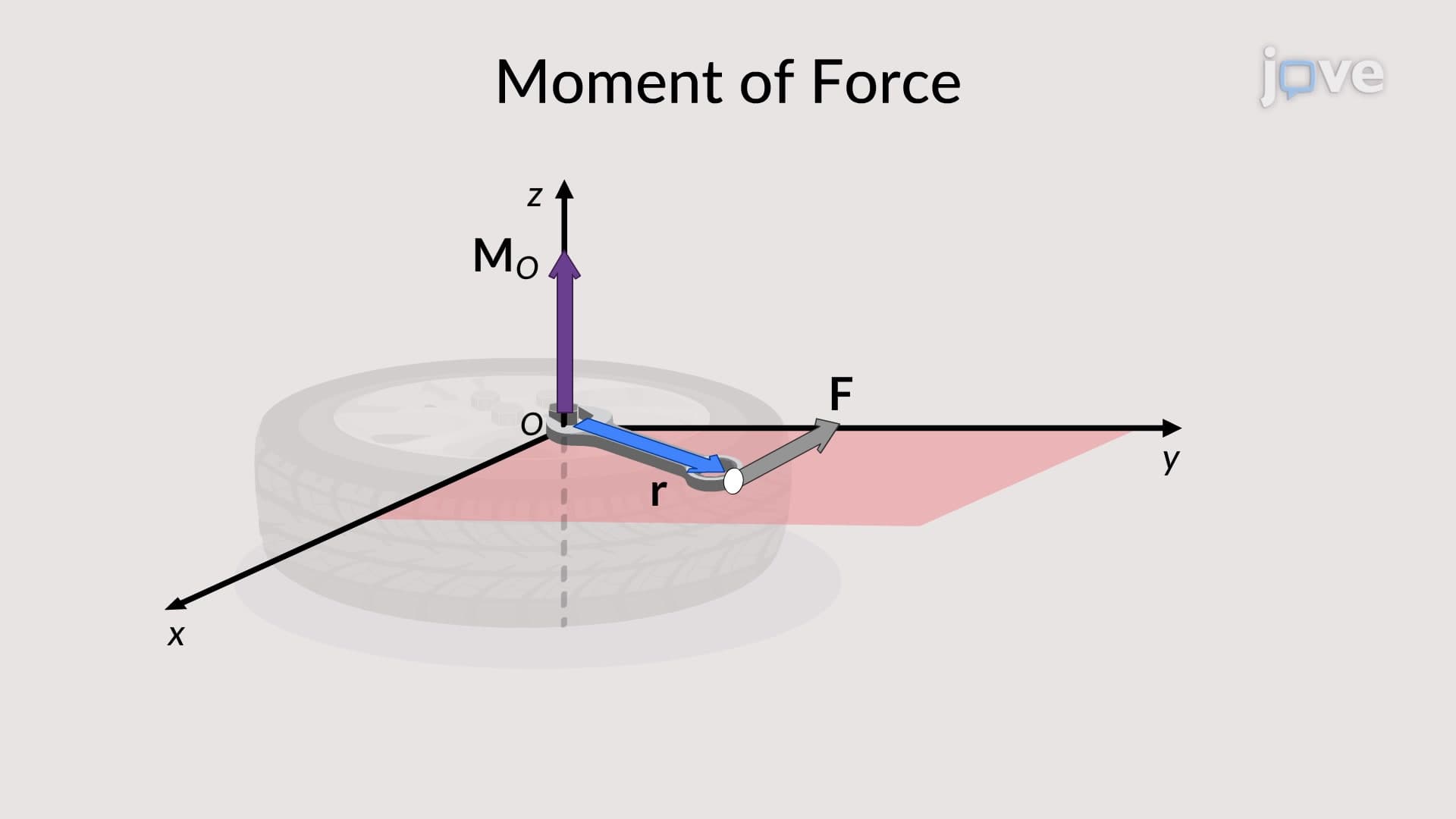
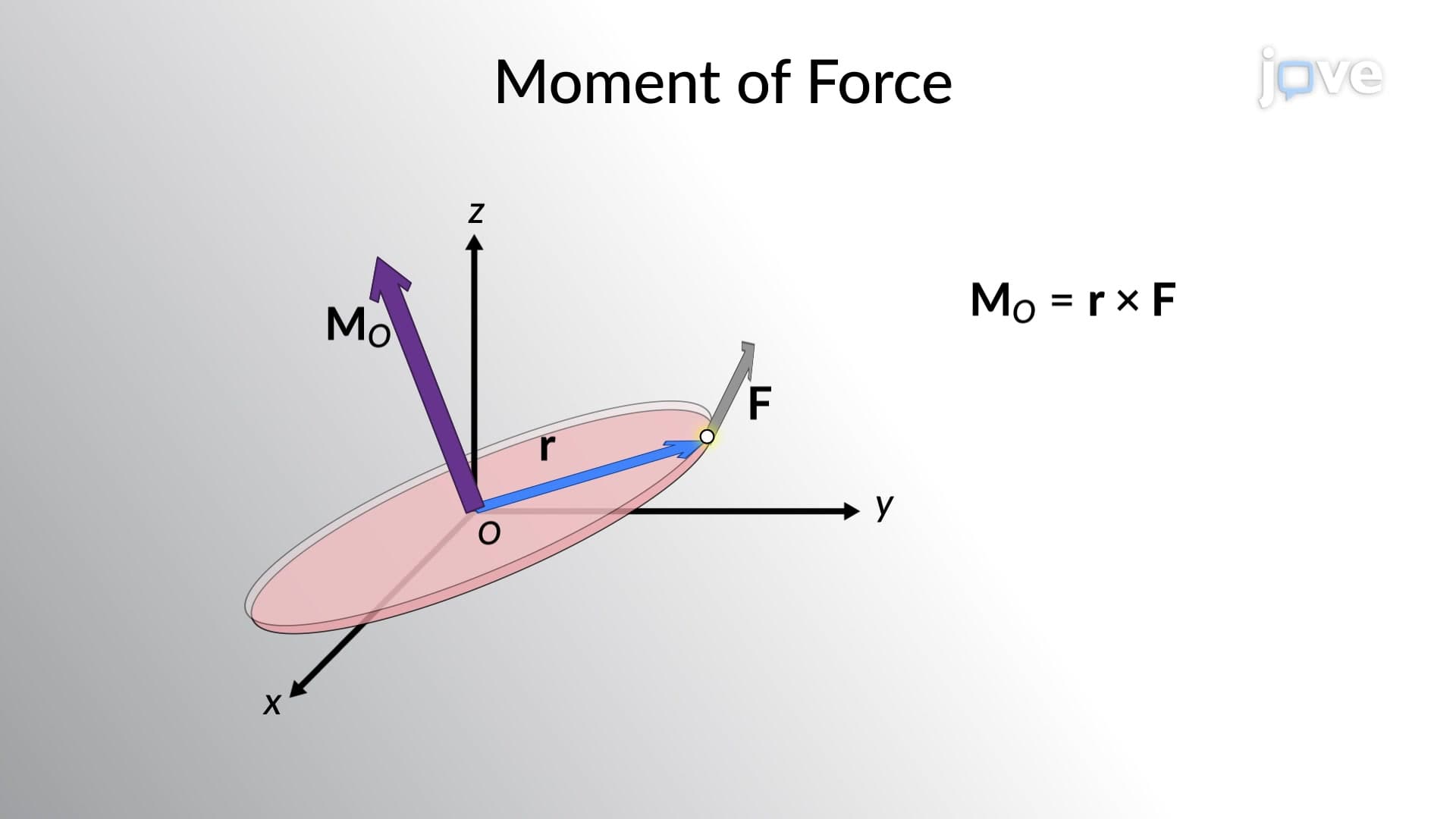
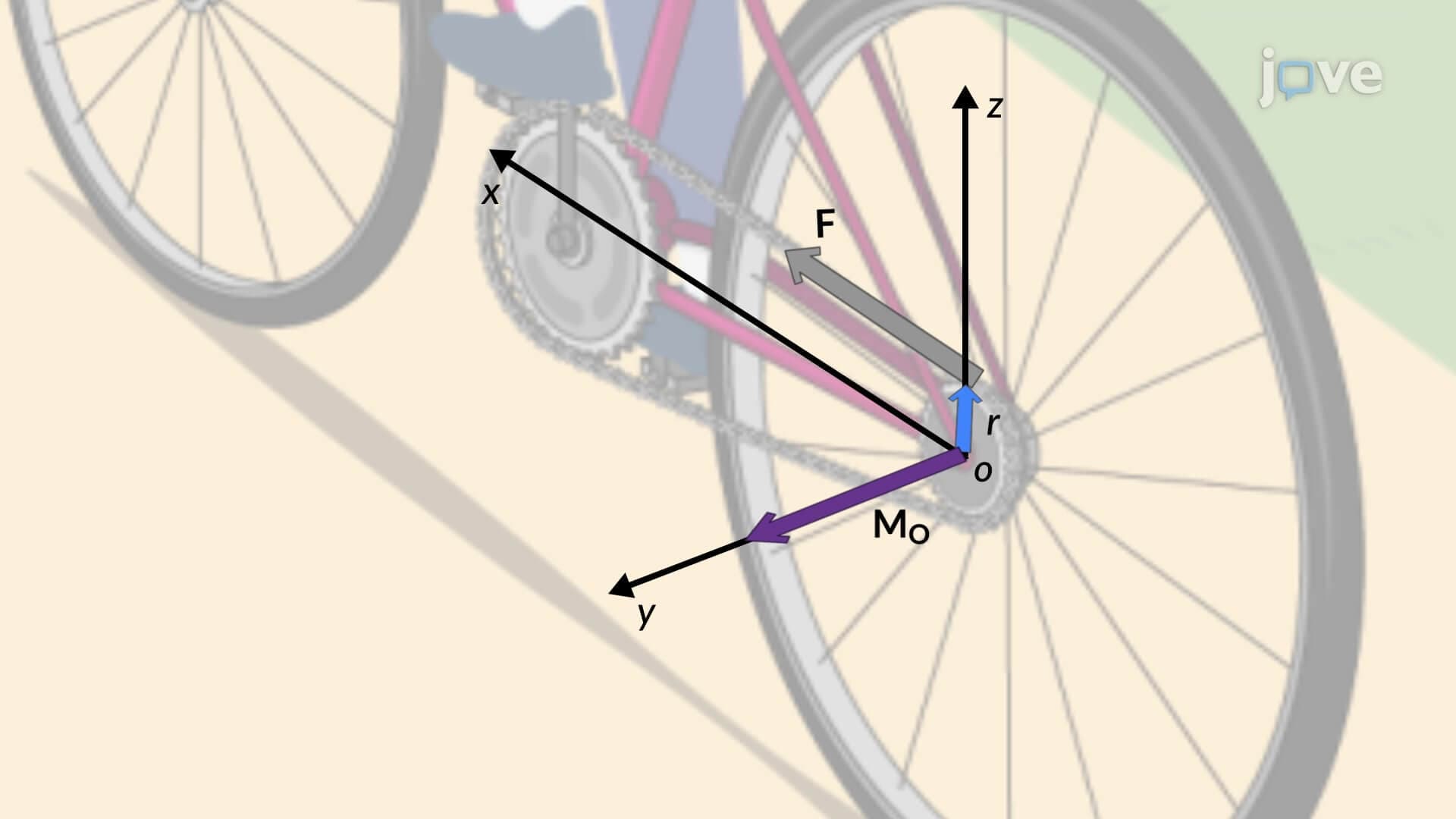
The first approach to principle of moments problem solving utilizes vector mathematics. This method begins by establishing the position vector from the reference point (typically the origin) to the point where force is applied. The force vector represents both magnitude and direction of the applied load. The moment about the origin equals the cross-product of position vector and force vector: M = r × F.
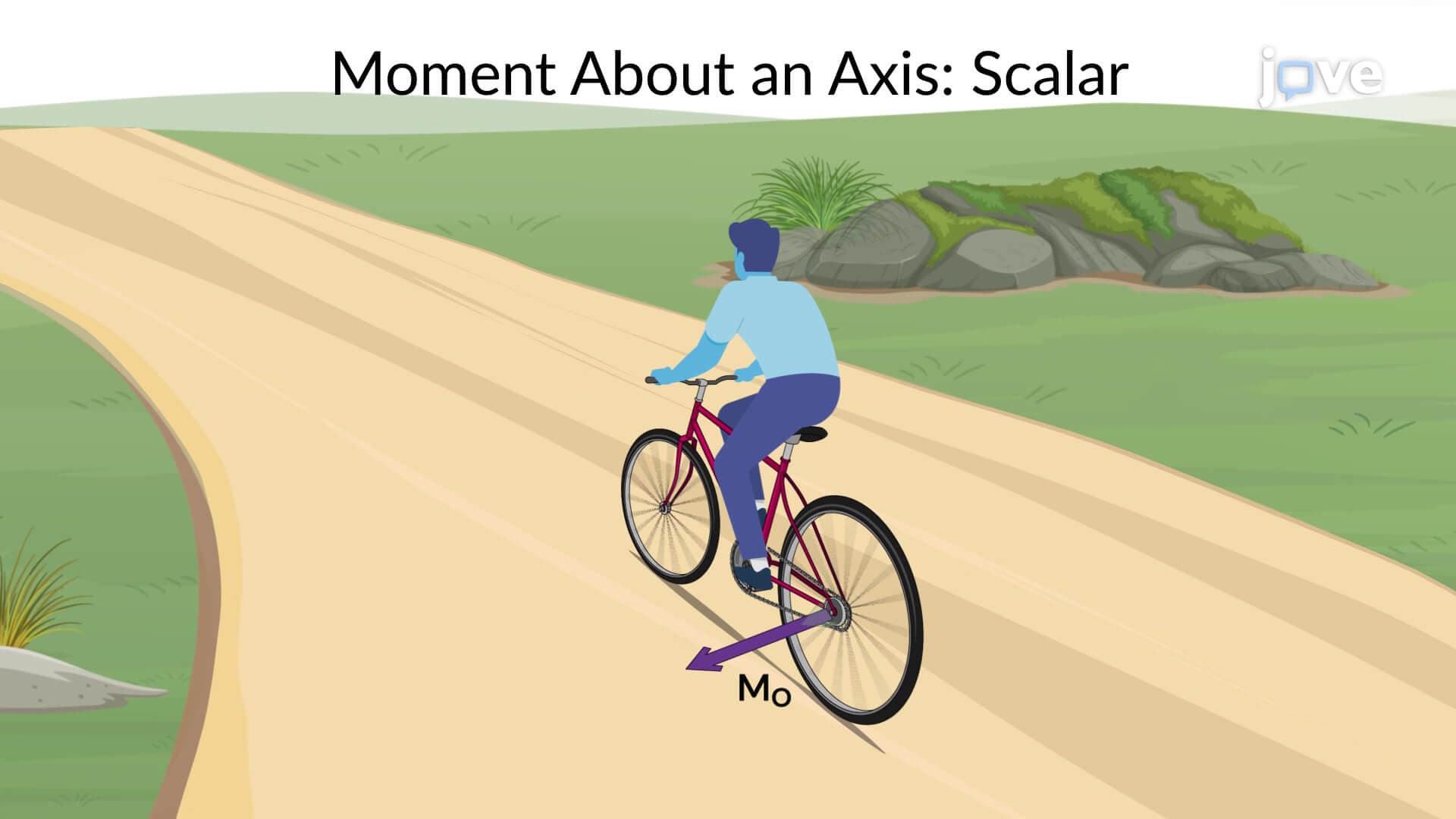
To find the moment about a specific axis (like the z-axis), calculate the dot product between the moment vector and the unit vector along that axis. This technique proves particularly valuable when dealing with complex 3D systems where forces act at angles to coordinate planes. Students preparing for AP Physics C or college-level statics courses frequently encounter this method in exam problems.
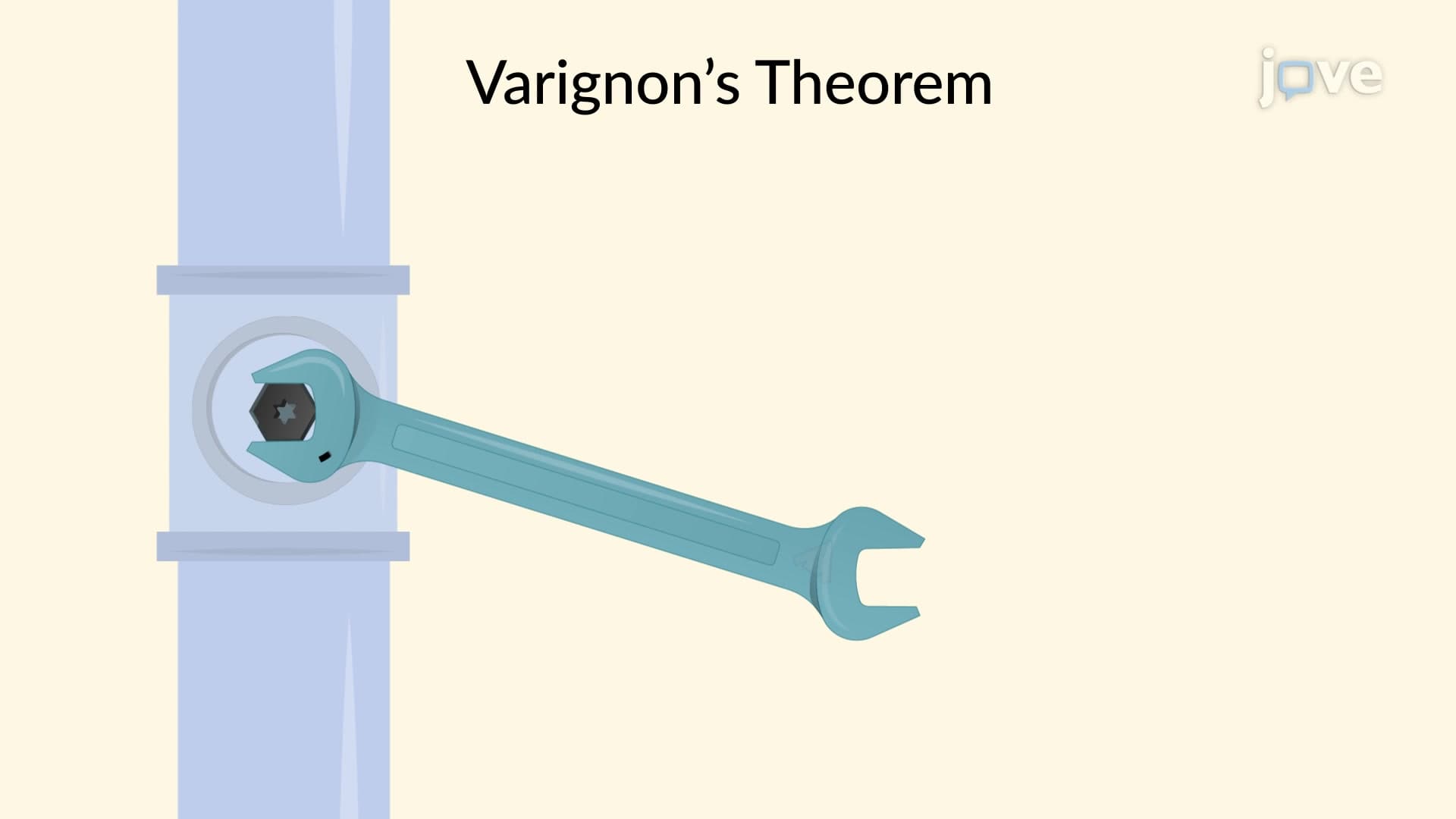
The alternative principle of moments problem solving approach breaks forces into x, y, and z components. This method leverages a crucial principle: force components passing through an axis or parallel to that axis produce zero moment about the axis. For a moment about the z-axis, only the x and y force components contribute to rotation.
Direction cosines help determine force components. If tension T acts along a cable, the x-component equals T × cos(θx), where θx represents the angle between the force and x-axis. This systematic approach often proves more intuitive for students beginning their study of 3D mechanics.
Understanding how principle of moments problem solving works enables engineers to design everything from construction cranes to aircraft wings. Boeing engineers use these calculations when designing commercial aircraft to ensure proper weight distribution and control surface effectiveness. Similarly, civil engineers apply moment analysis when designing building foundations and determining optimal placement of structural supports in earthquake-prone regions like California.
Related Micro-courses