Loading subject page…


25,826 views

Video Summary: What Is Resultant Moment Scalar Formulation
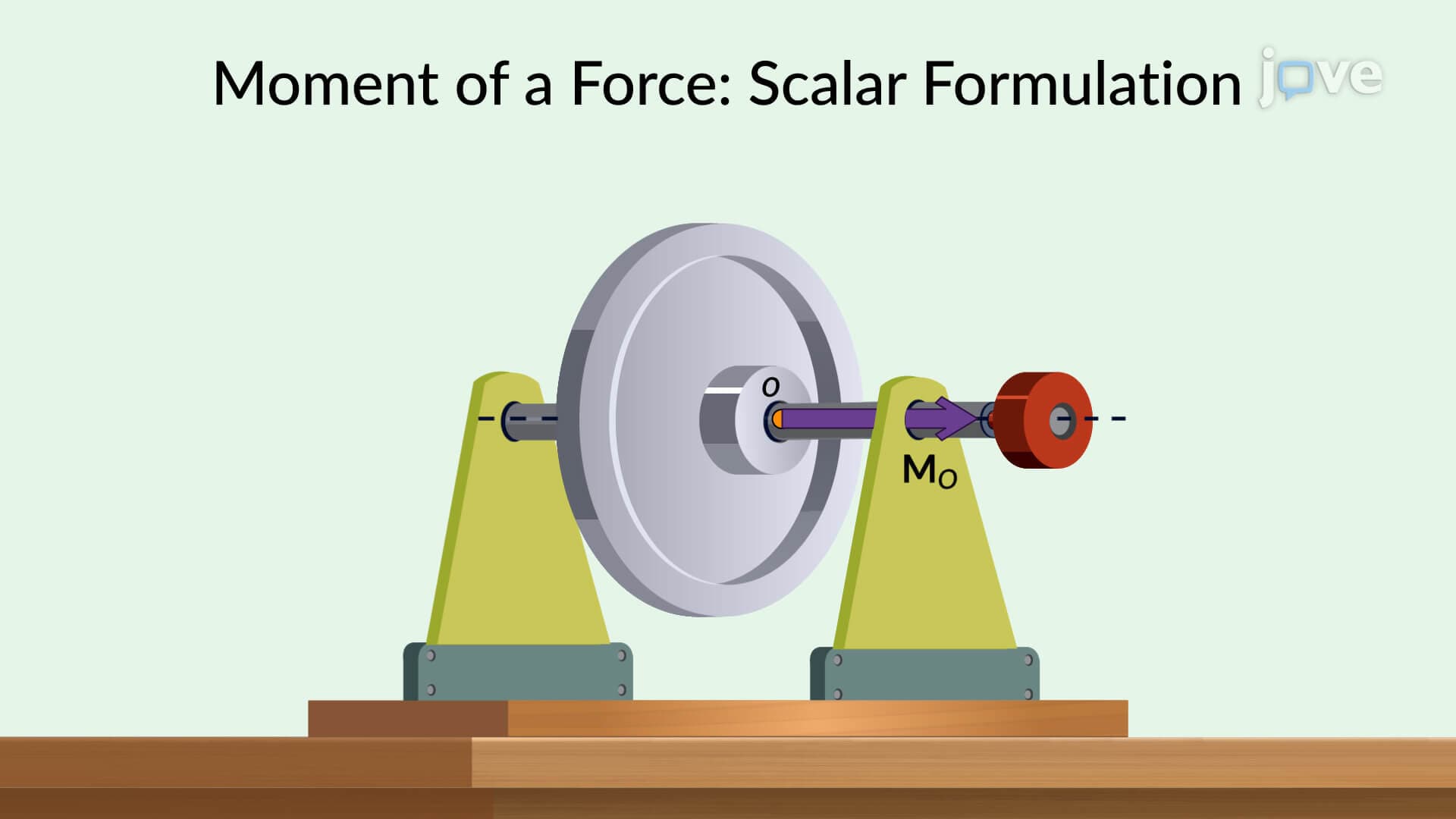
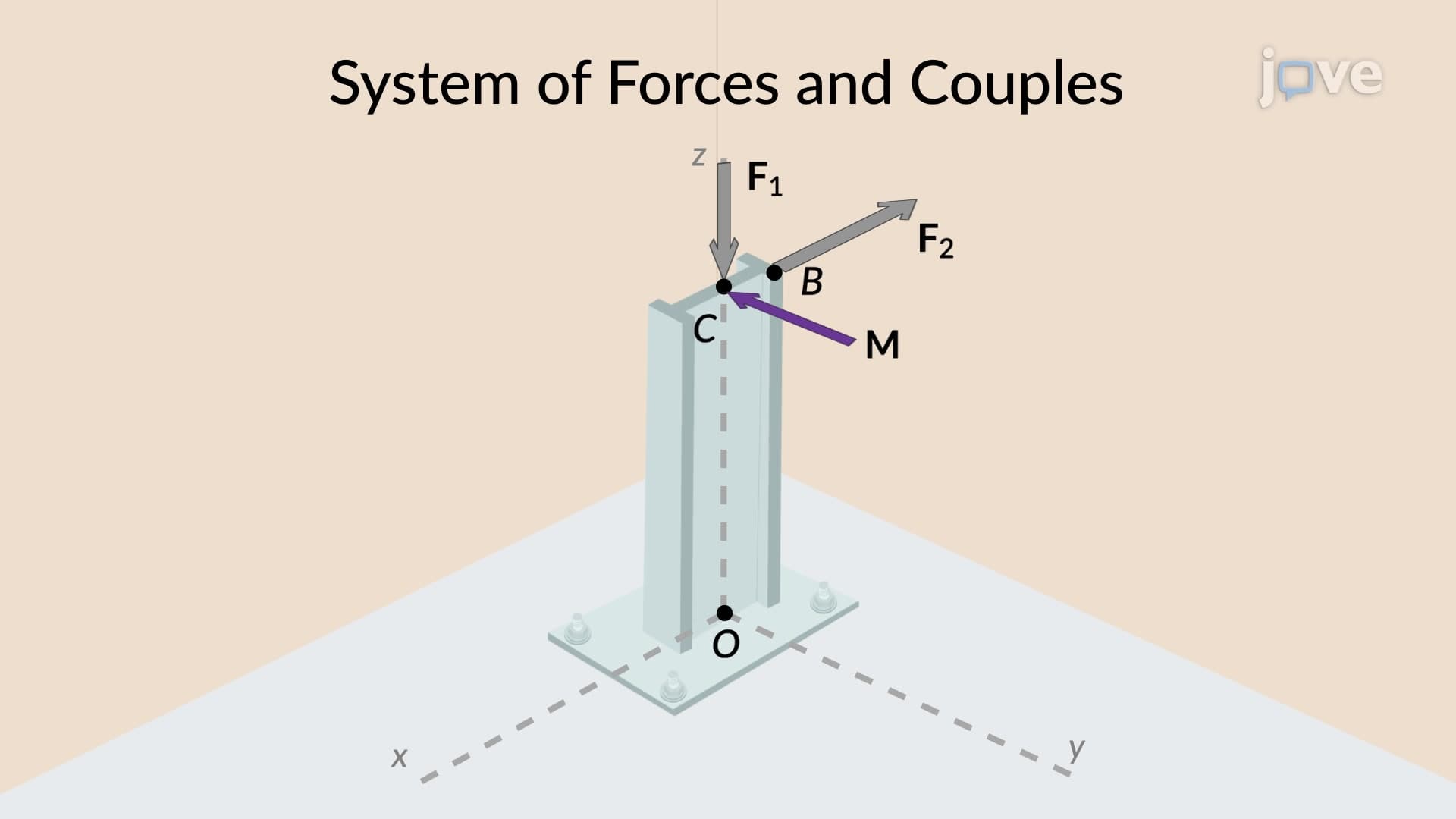
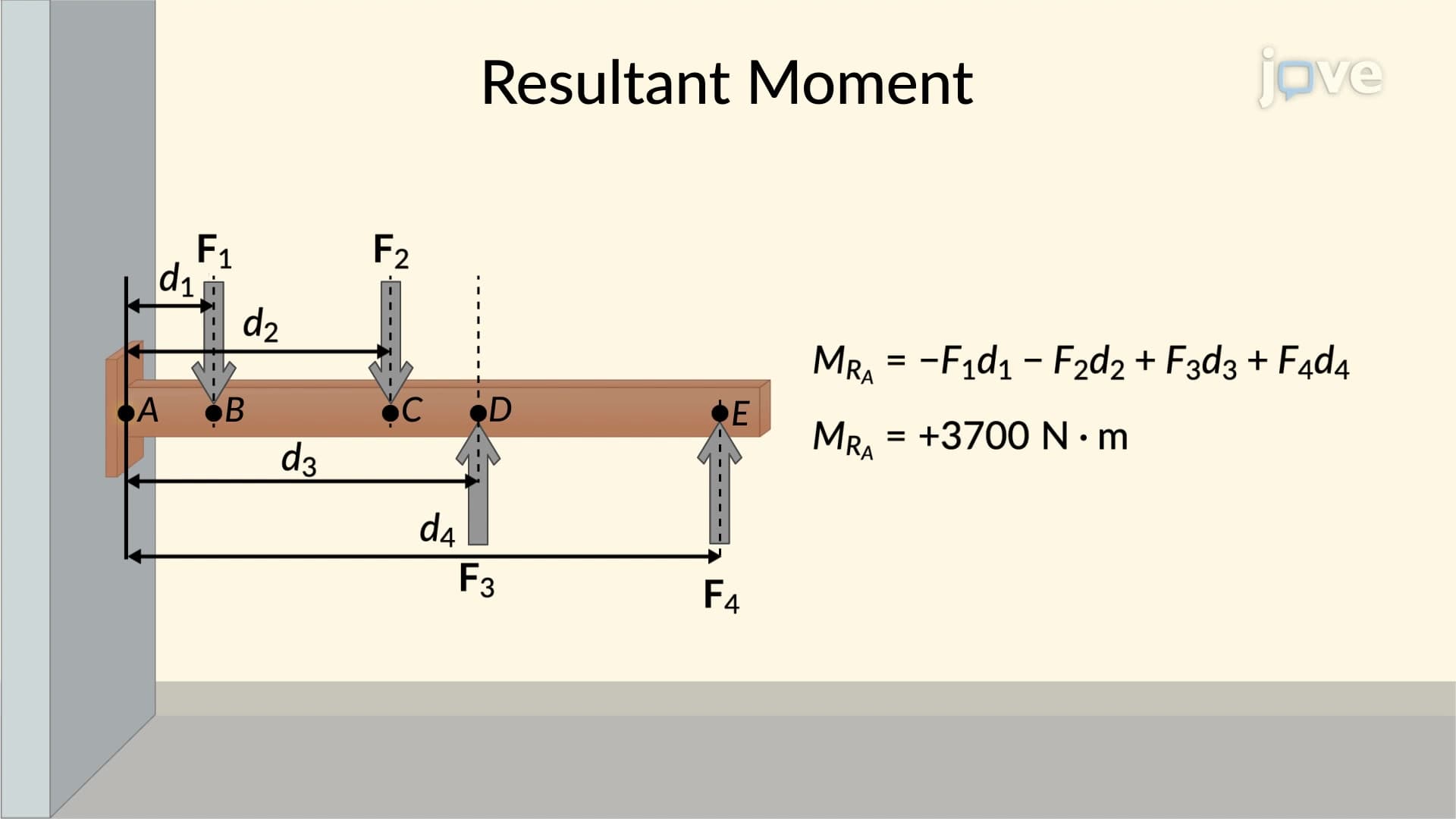
Ever wondered how civil engineers calculate whether a highway overpass will remain stable under traffic loads? Resultant moment scalar formulation is the mathematical method that determines the net rotational effect when multiple forces act on a structure simultaneously. Consider the Golden Gate Bridge's suspension towers-engineers must account for wind forces, vehicle loads, and cable tensions all creating different moments about critical points. Understanding what is resultant moment scalar formulation helps predict whether these combined forces will cause dangerous rotation or maintain structural equilibrium. Watch the full video on JoVE Coach to master this concept with expert-led visuals and step-by-step explanations.
Resultant moment scalar formulation represents one of the most critical concepts in structural mechanics, providing engineers with a systematic approach to analyze rotational effects in complex force systems. This mathematical framework becomes essential when multiple forces act on a structure simultaneously, requiring careful consideration of both magnitude and direction to ensure structural integrity.
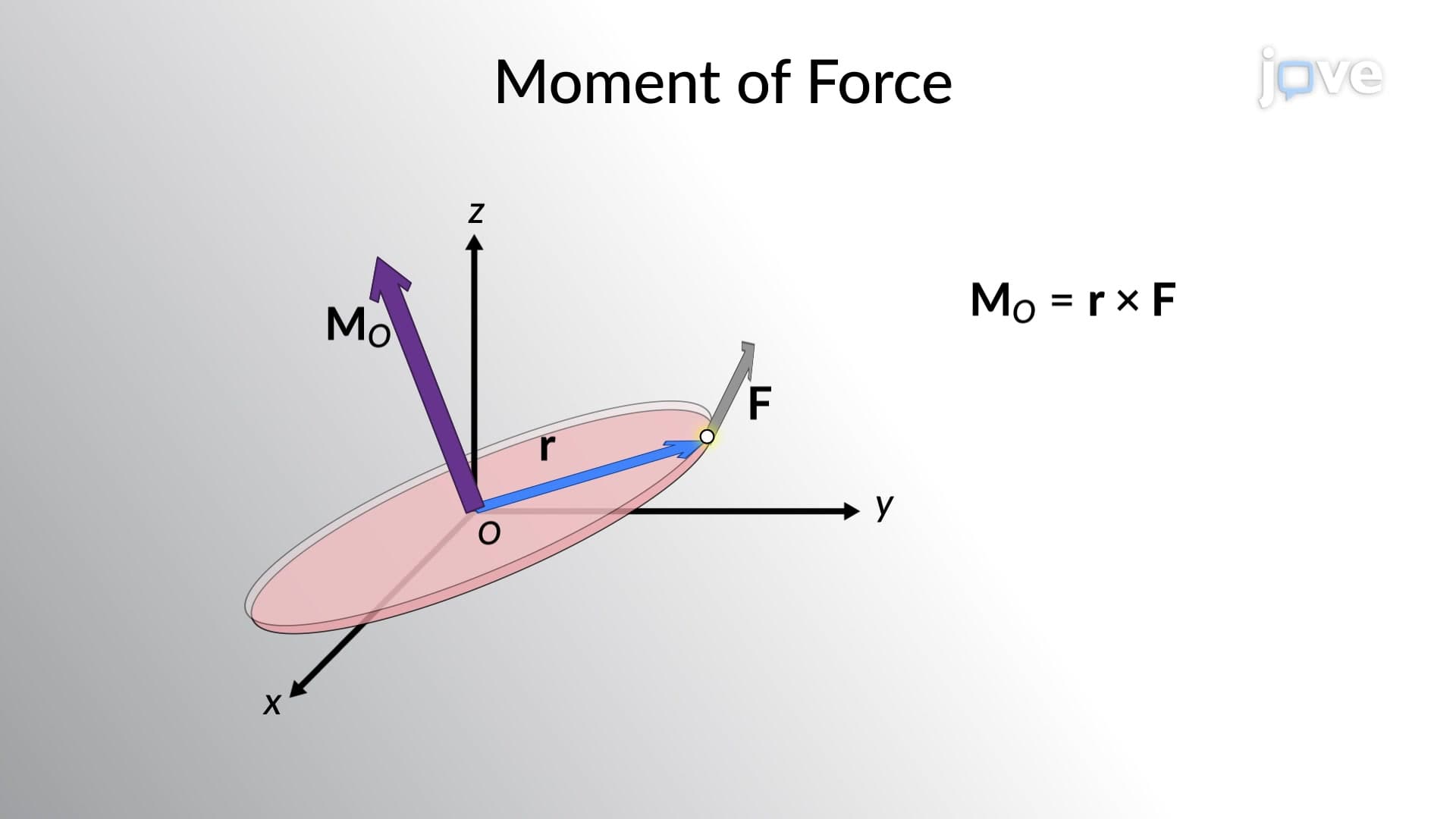
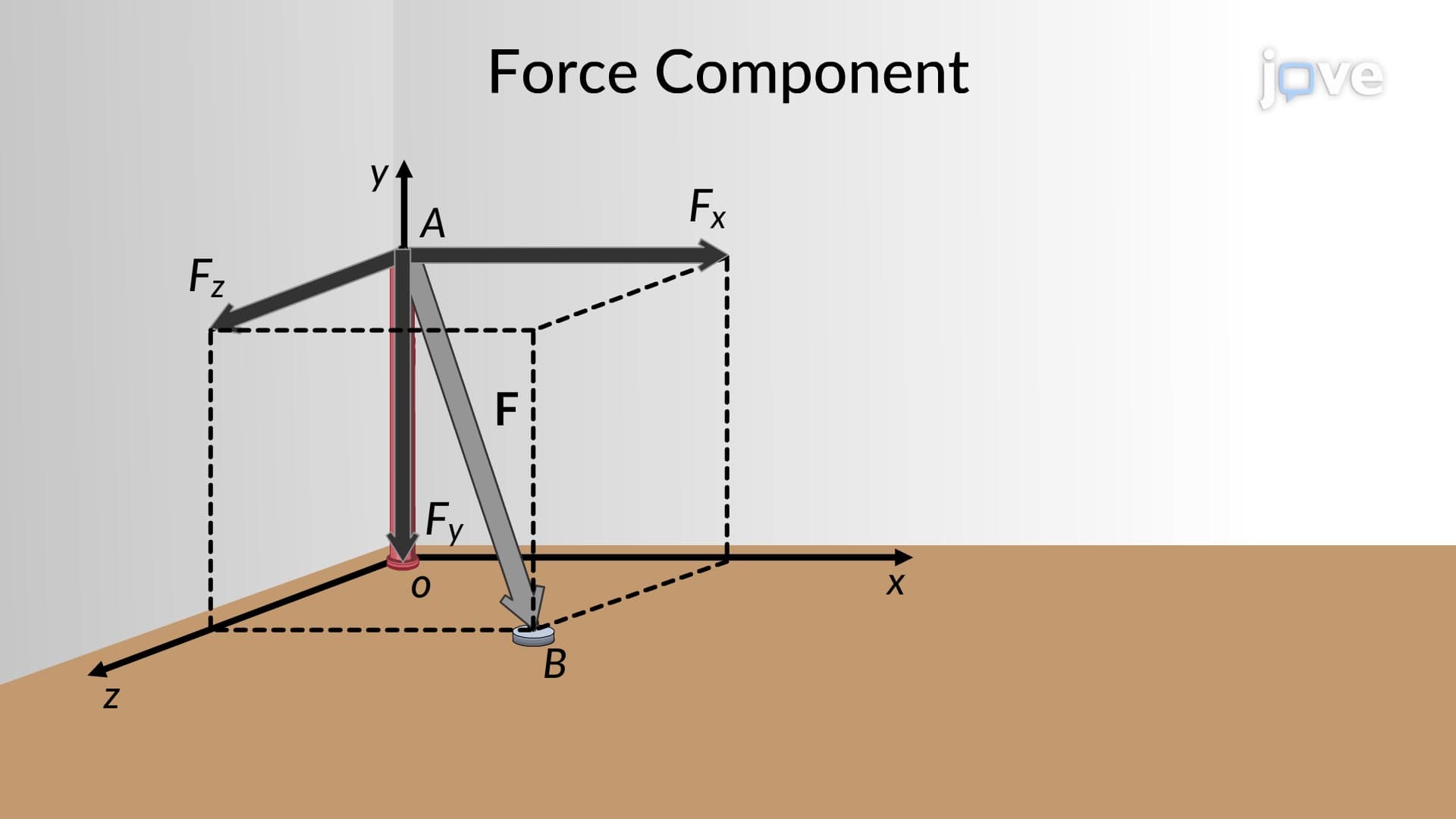
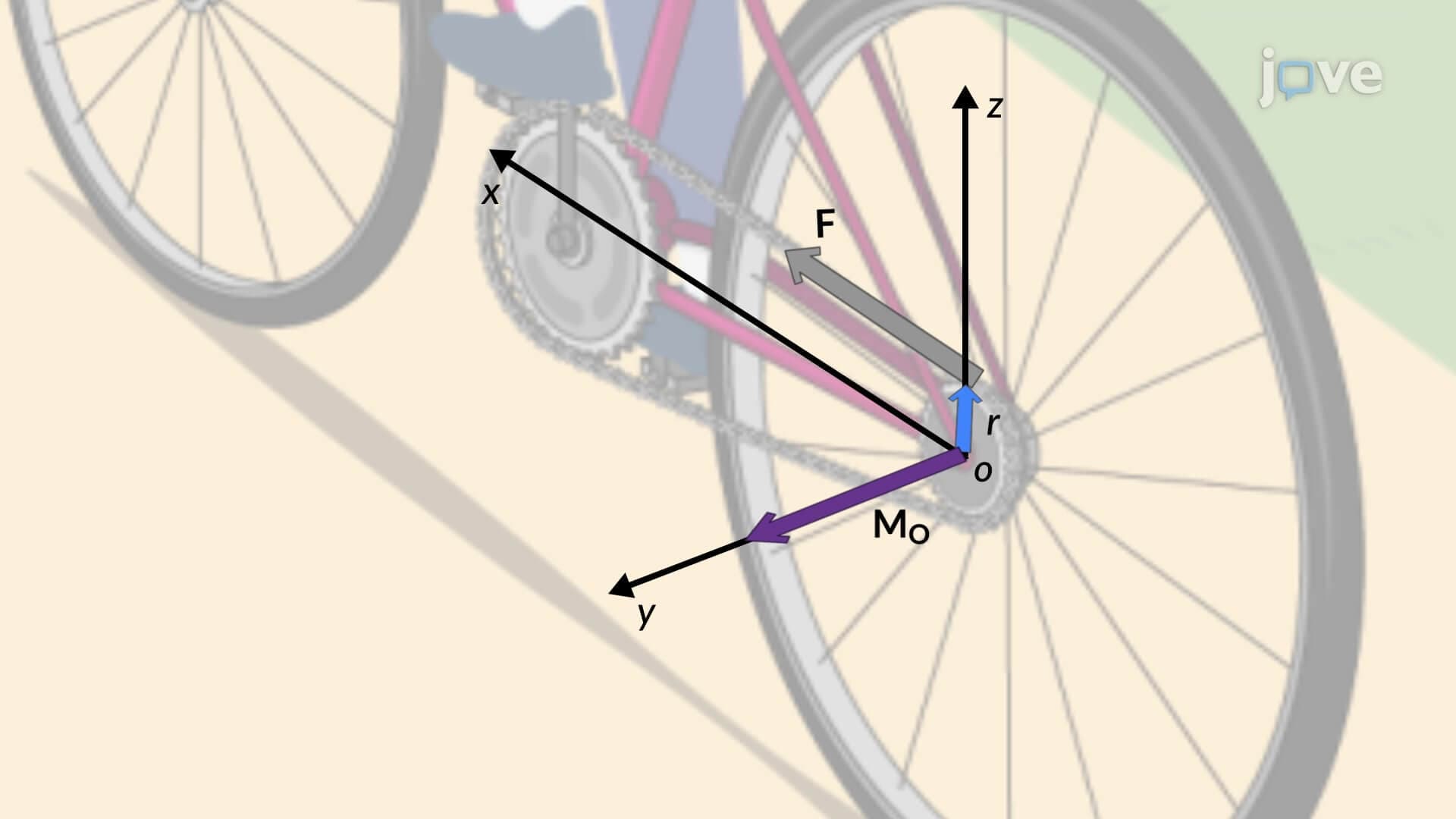
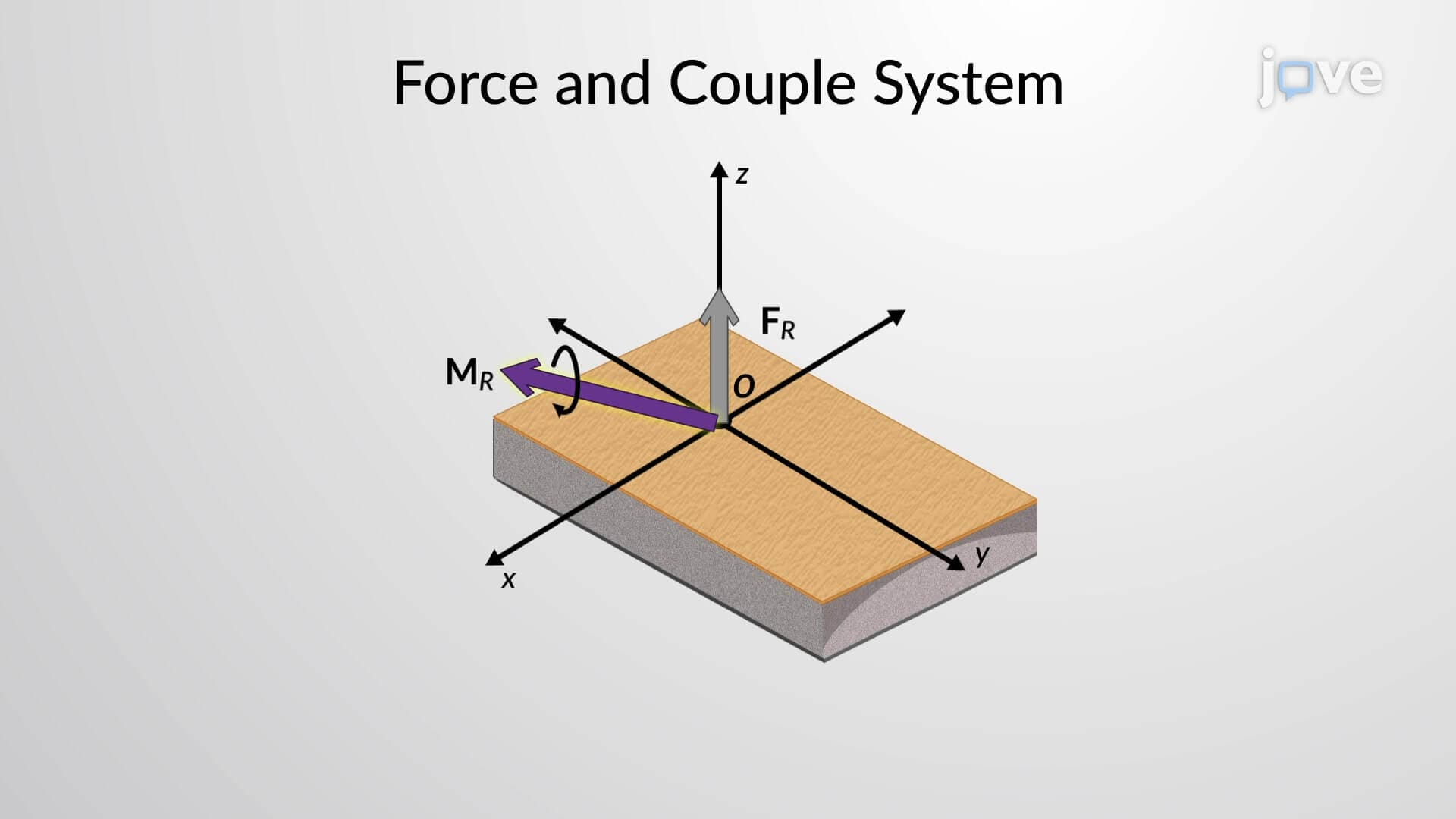
The scalar approach simplifies three-dimensional problems into manageable calculations by focusing on moments about a specific axis. In practical applications, such as analyzing the support reactions in a hospital building's cantilever emergency room extension, engineers must account for dead loads, live loads, wind forces, and seismic effects-all creating different moments about critical support points.
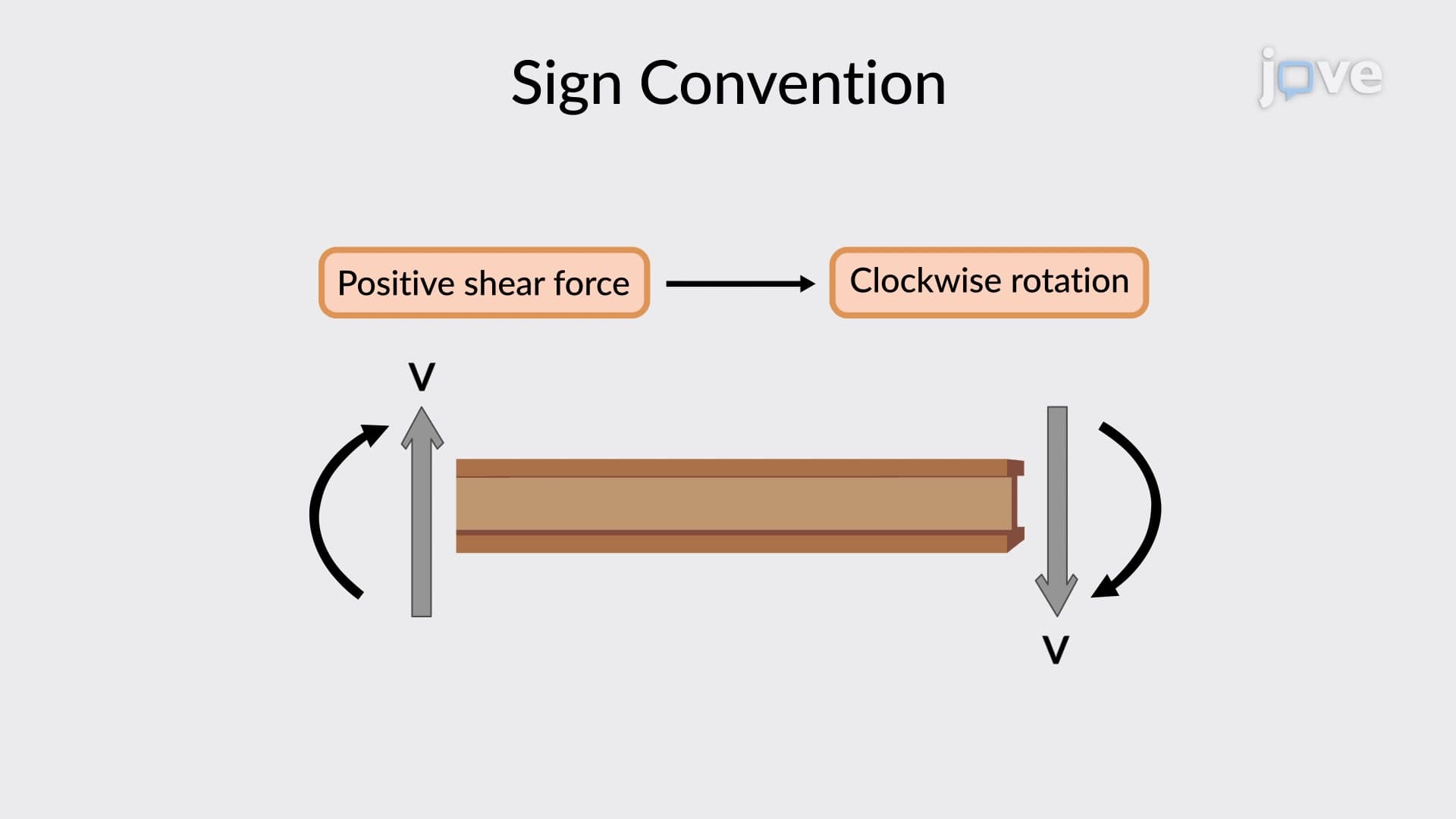
Professional engineering practice relies on consistent sign conventions to avoid calculation errors that could compromise structural safety. The standard convention treats counterclockwise moments as positive and clockwise moments as negative when viewed from above. This consistency becomes crucial when analyzing structures like the cantilever sections of Seattle's Space Needle, where wind loads create moments in various directions about the central support column.
Understanding this convention proves essential for students preparing for Advanced Placement Physics exams or college-level statics courses. The College Board's AP Physics C mechanics curriculum specifically emphasizes moment calculations, making this concept fundamental for academic success and future engineering coursework.
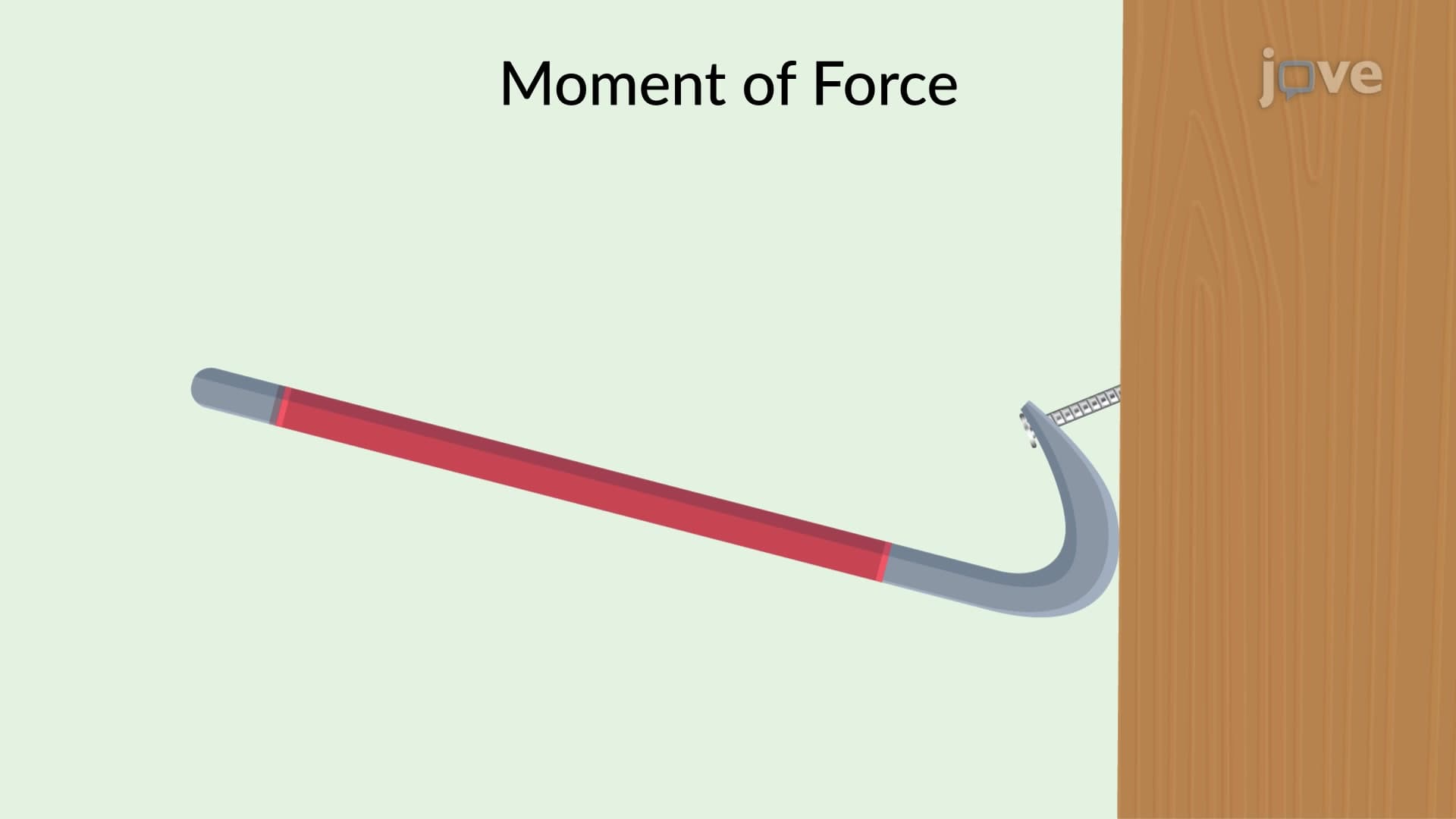
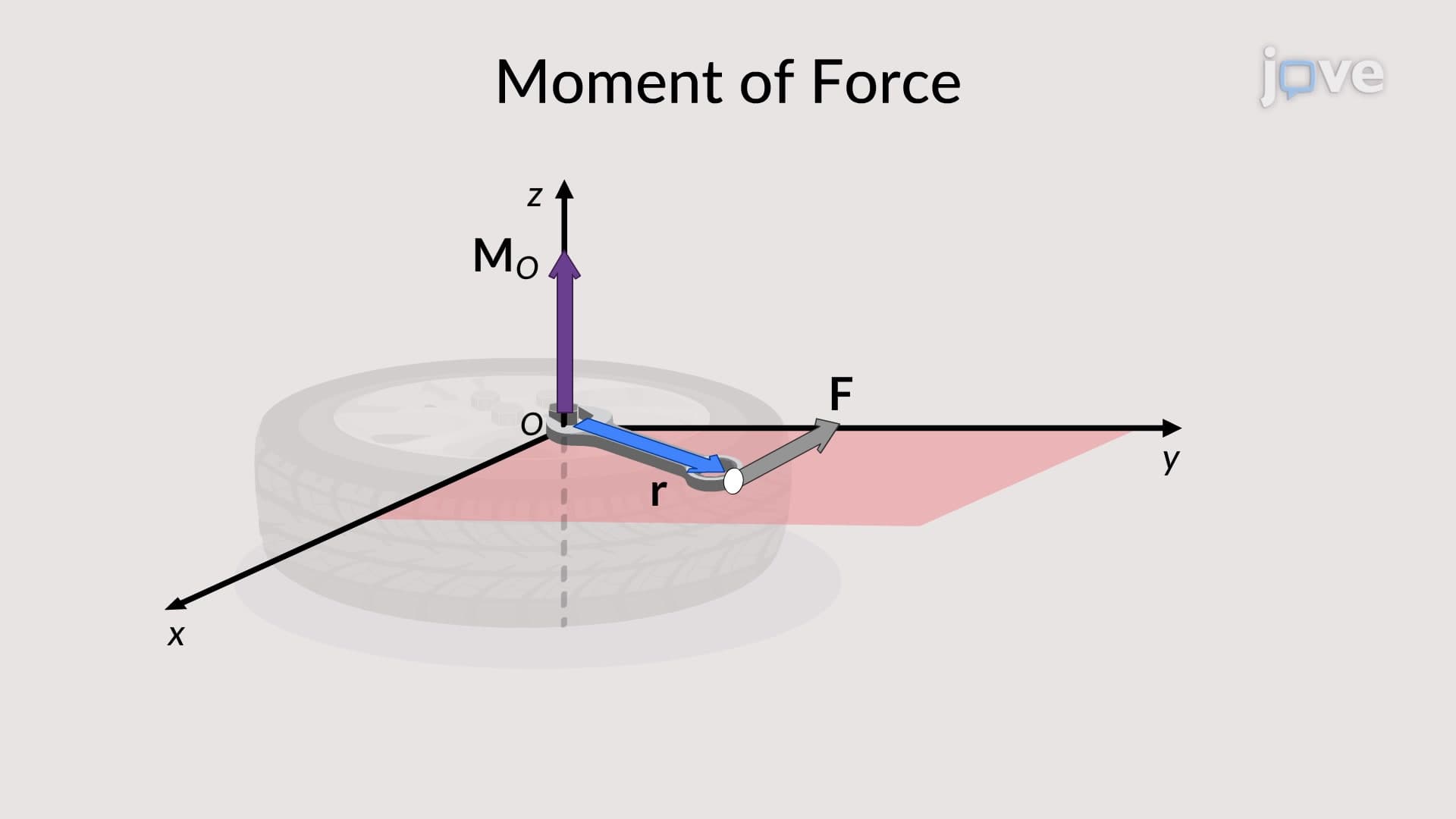
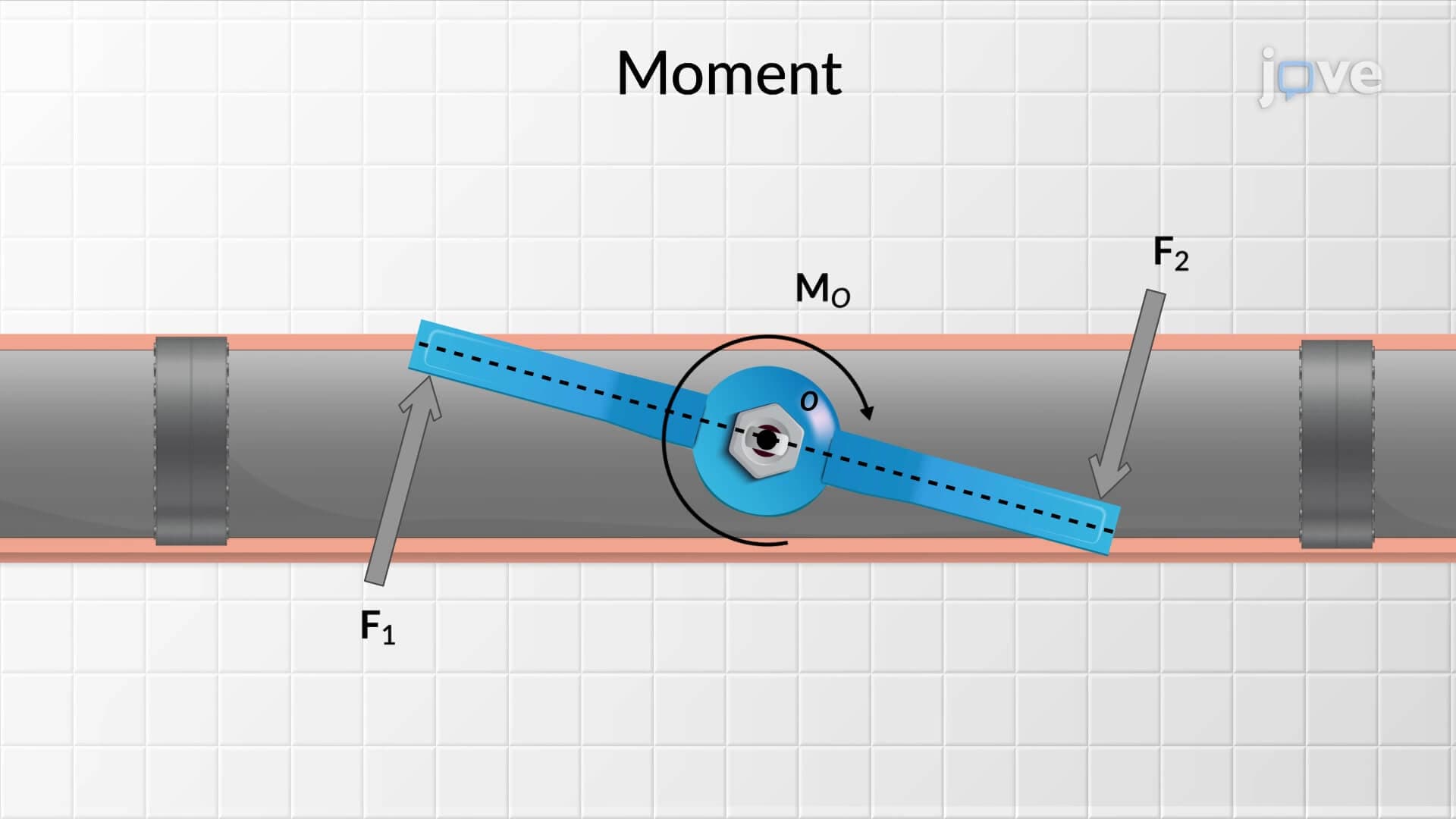
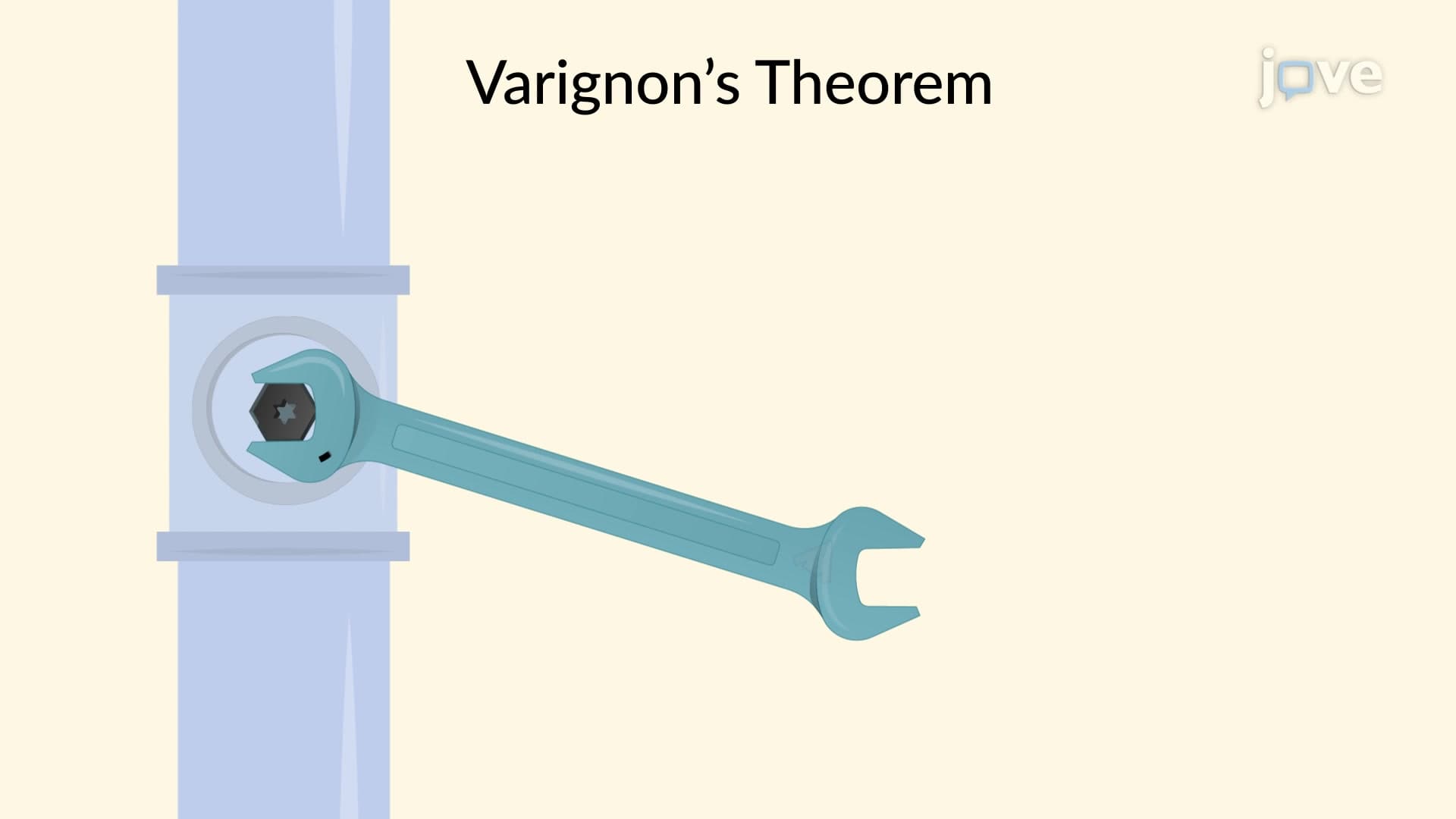
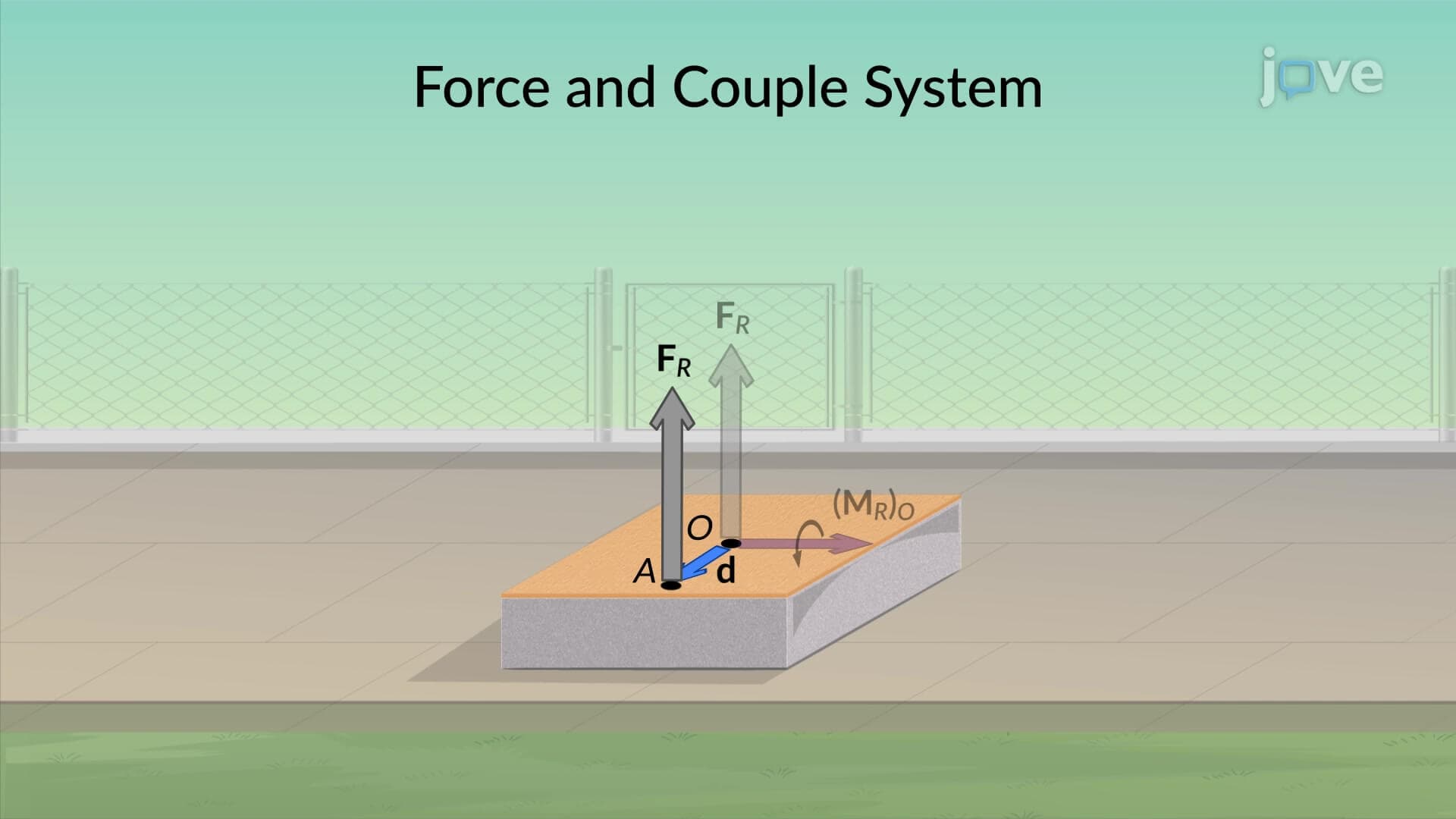
The perpendicular distance, or moment arm, directly determines moment magnitude through the relationship M = F × d. This distance represents the shortest path between the line of action of the force and the axis of rotation. In practical terms, consider the design of a highway sign mounted on a cantilever post-wind forces acting farther from the support base create larger overturning moments, requiring stronger foundation systems.
Students often encounter this concept in college mechanics courses, where professors emphasize the geometric interpretation of moment arms. Universities like MIT and Stanford incorporate extensive moment analysis in their civil and mechanical engineering programs, recognizing its fundamental importance in structural design and analysis.
American infrastructure projects demonstrate the practical importance of resultant moment calculations. The construction of New York City's One World Trade Center required extensive moment analysis to ensure the building's unique asymmetrical design could withstand hurricane-force winds while maintaining occupant safety. Similarly, California's earthquake-resistant building codes mandate thorough moment analysis to prevent structural failure during seismic events.
These real-world applications appear frequently in professional engineering licensing exams, including the Fundamentals of Engineering (FE) exam required for engineering practice in all US states. Understanding resultant moment scalar formulation provides the foundation for more advanced topics like structural dynamics and seismic design.
Related Micro-courses