Loading video…


 20 Concepts
 25.8K views

Video Summary: What Is Distributed Loads Problem Solving
Did you know that when engineers design bridges like San Francisco's Golden Gate Bridge, they must calculate how wind and traffic loads are distributed across the entire span? Distributed loads problem solving is the engineering method used to analyze how forces spread across structures rather than acting at single points. This technique transforms complex load patterns into equivalent single forces, making structural analysis manageable for everything from highway overpasses to skyscraper beams. Watch the full video on JoVE Coach to master this concept with expert-led visuals and step-by-step explanations.
Distributed loads problem solving represents one of the most practical skills in structural and mechanical engineering. Unlike point loads that act at specific locations, distributed loads spread across surfaces or lengths of structural members. This concept becomes crucial when analyzing real structures like the beam supports in Chicago's Willis Tower or the load distribution across airplane wings during flight.
The fundamental principle involves transforming complex, continuously varying loads into equivalent single forces. This mathematical approach allows engineers to use simpler static equilibrium equations while maintaining accuracy in their structural analysis.
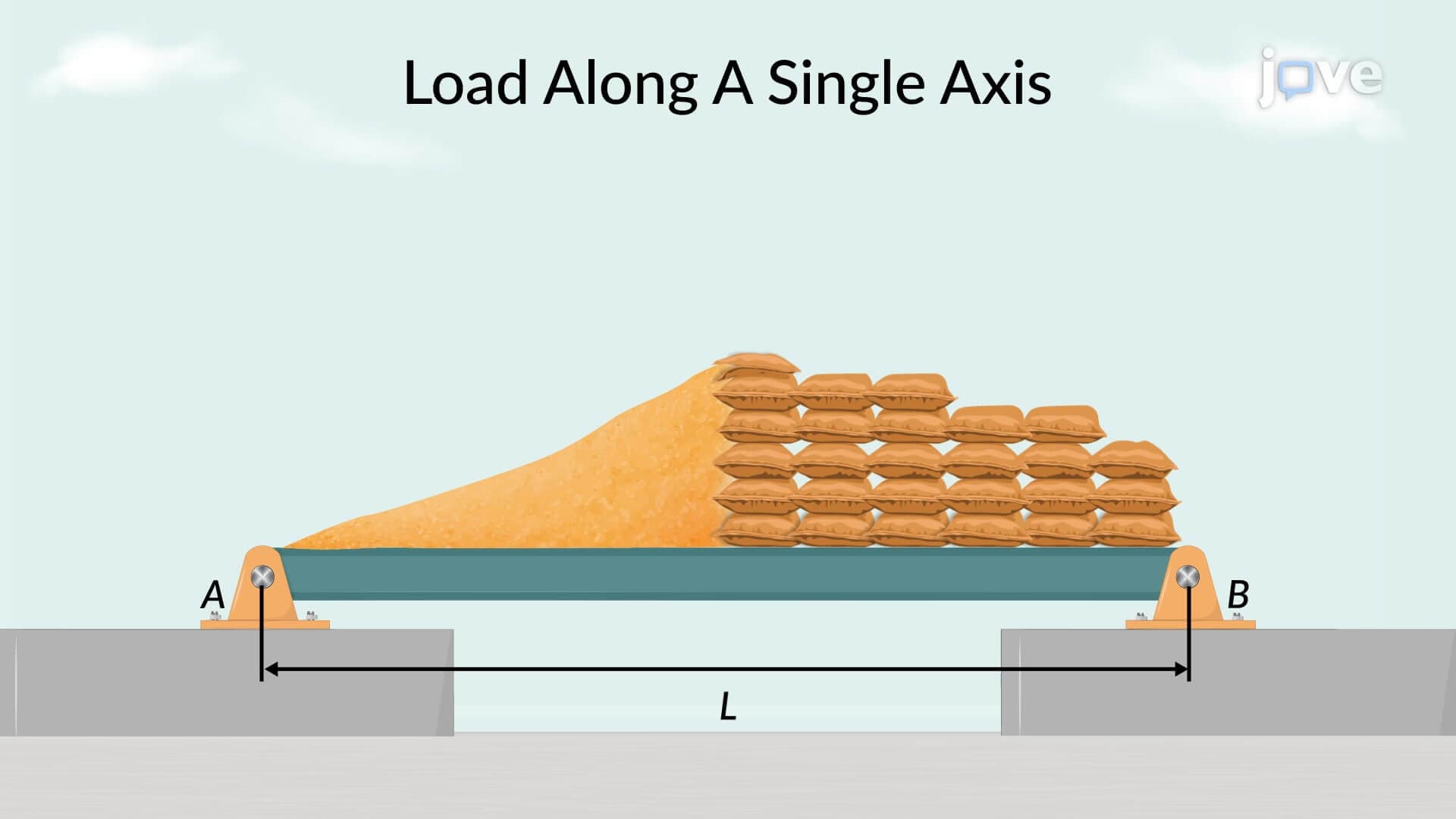
The distributed loads problem solving definition centers on geometric decomposition. Engineers divide irregular load distributions into recognizable shapes-primarily triangles, rectangles, and trapezoids. Each shape's area represents the magnitude of its equivalent force, while the centroid indicates where this force acts.
For triangular distributions, the resultant force equals the triangle's area (1/2 × base × height), acting at the centroid located one-third from the triangle's base. This method appears frequently in AP Physics C mechanics problems and college-level statics courses, where students must master both the mathematical principles and practical applications.
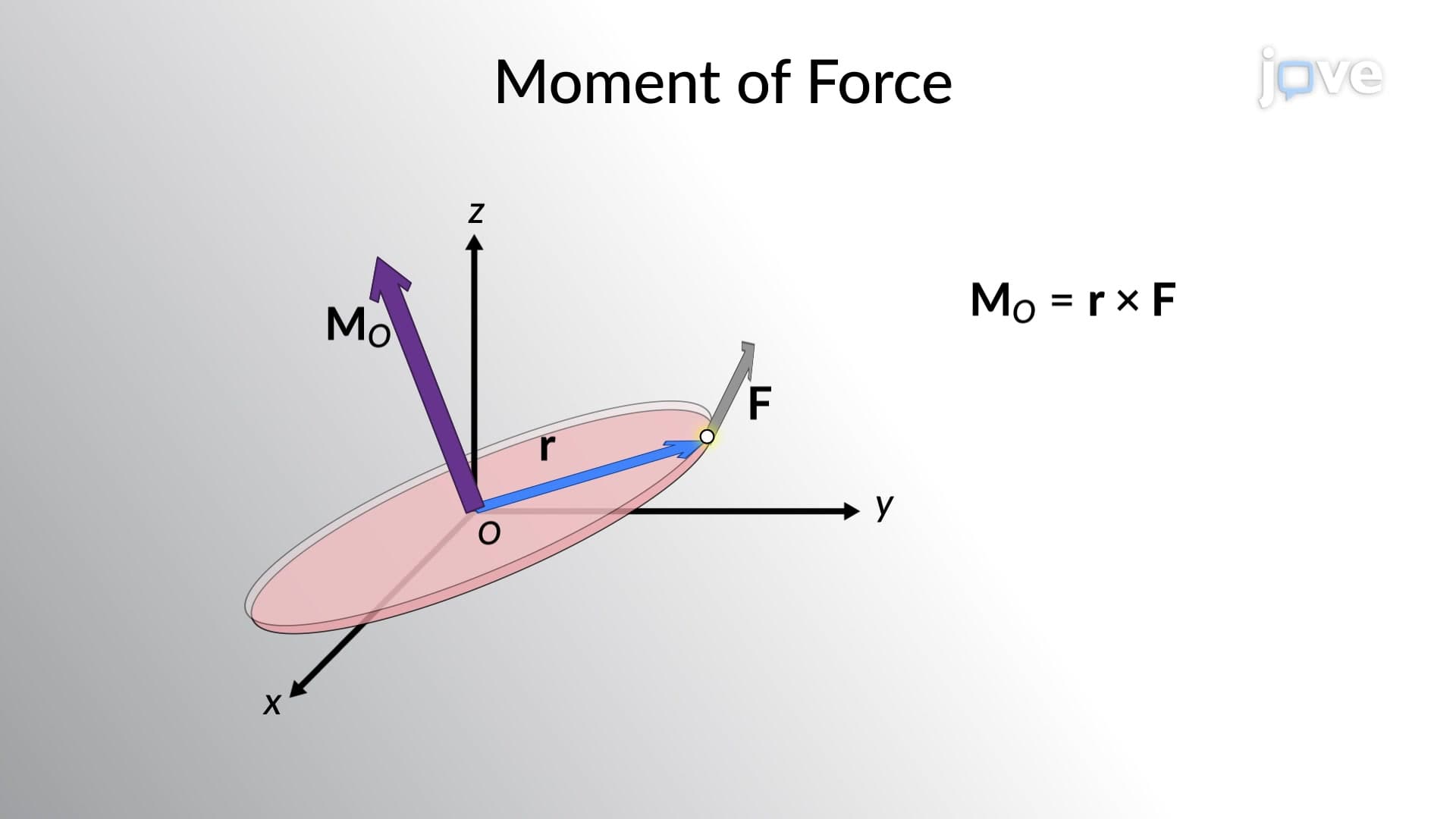
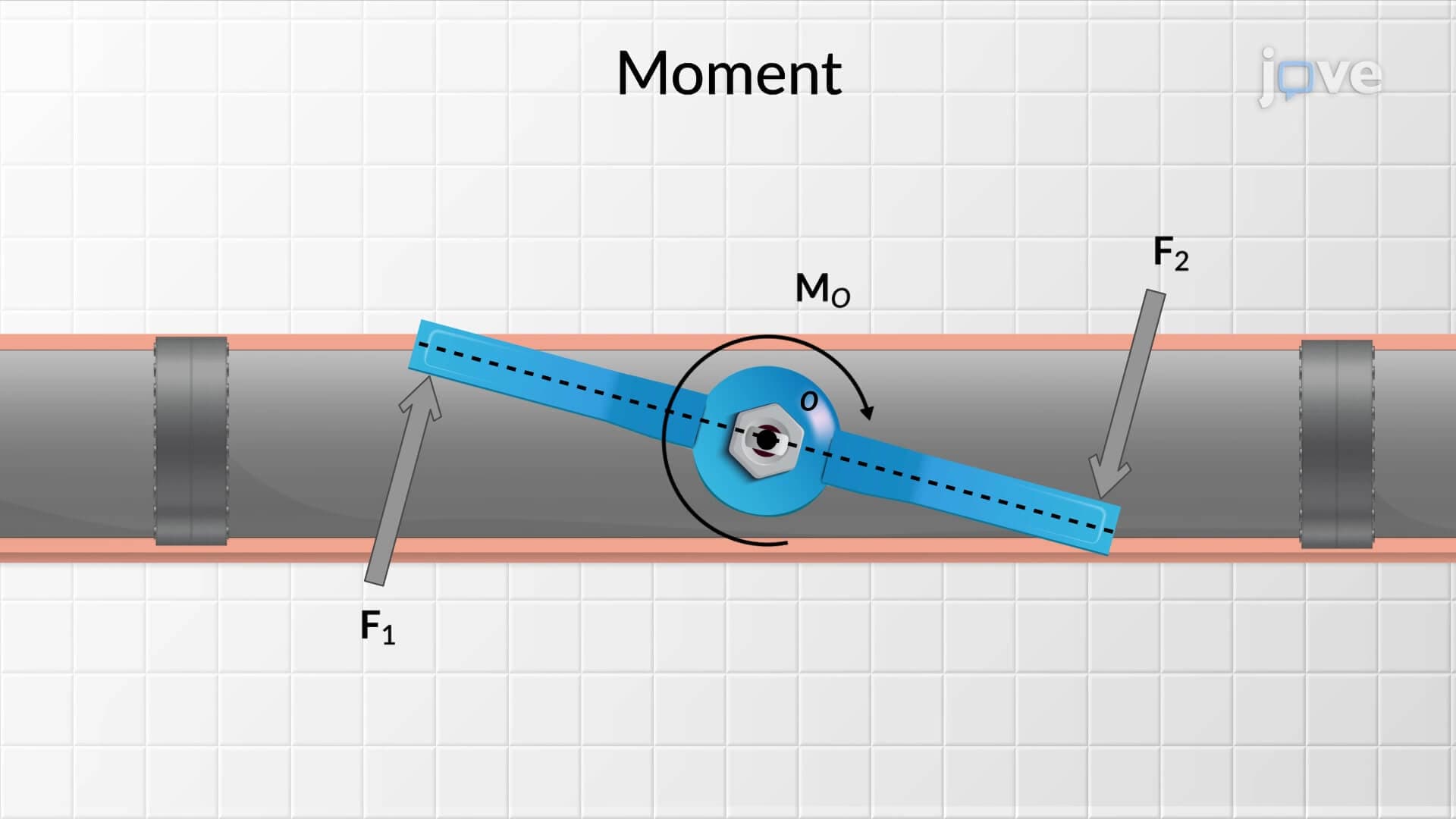
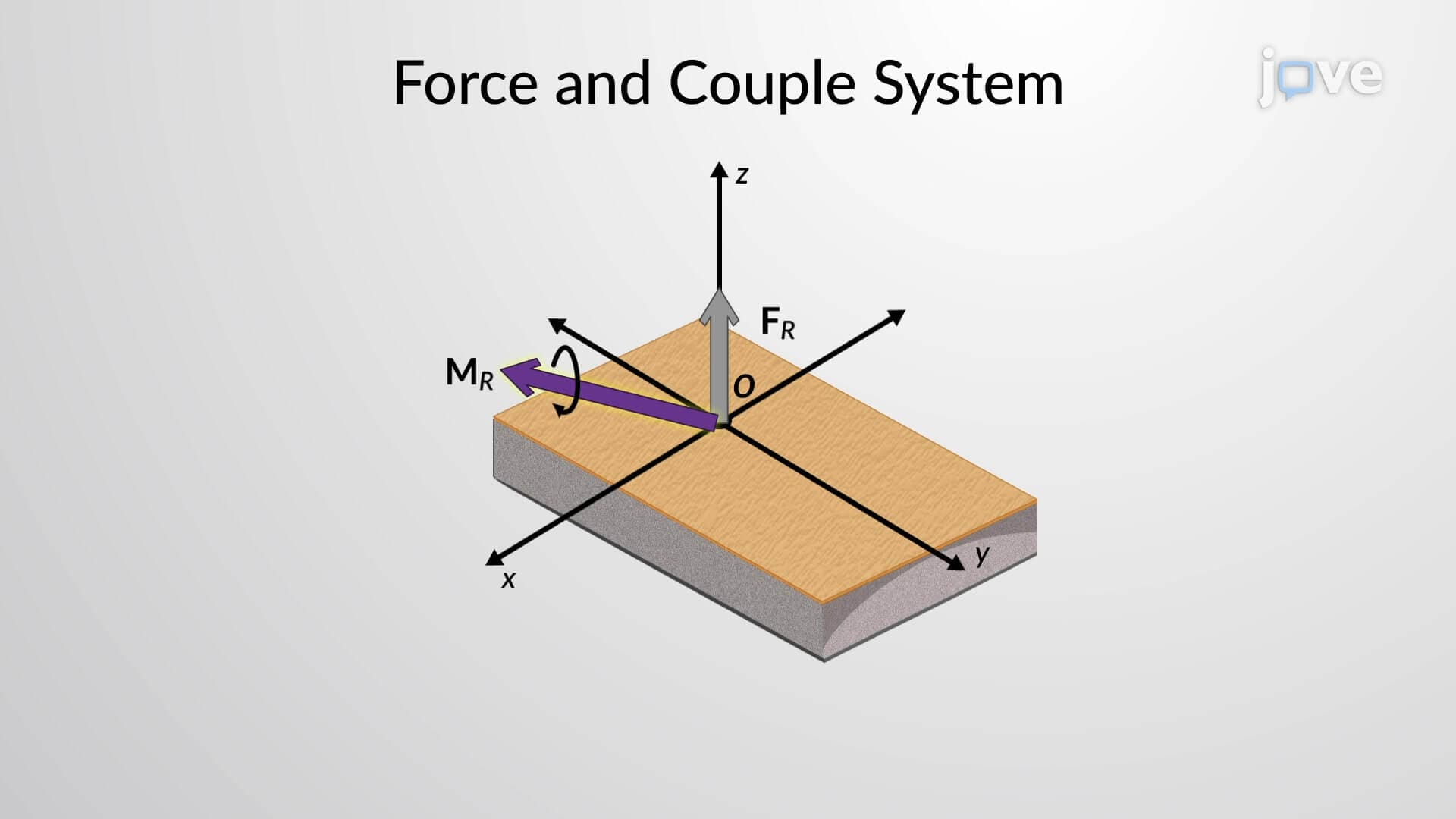
Understanding distributed loads problem solving requires grasping moment principles. The equivalent resultant force must produce the same rotational effect as the original distributed load. Engineers calculate individual moments about a reference point, sum these values, then divide by the total resultant force to find the equivalent force's location.
This process proves essential when designing cantilever beams, like those supporting highway signs or building overhangs. The California Department of Transportation, for example, uses these calculations to ensure sign structures can withstand wind loads distributed across their surfaces.
Students encounter distributed loads problem solving concepts in various academic contexts. SAT Subject Tests in Physics may include basic distributed load scenarios, while AP Physics C: Mechanics examinations often feature more complex applications. College engineering programs typically dedicate entire units to this topic in statics and mechanics of materials courses.
Professional applications span from analyzing snow loads on Minnesota building roofs to calculating pressure distributions on submarine hulls for the US Navy. Civil engineers working on projects like New York's Second Avenue Subway must consider distributed loads from soil pressure, groundwater, and surface traffic when designing tunnel supports.
Related Micro-courses