Loading video…


 20 Concepts
 25.8K views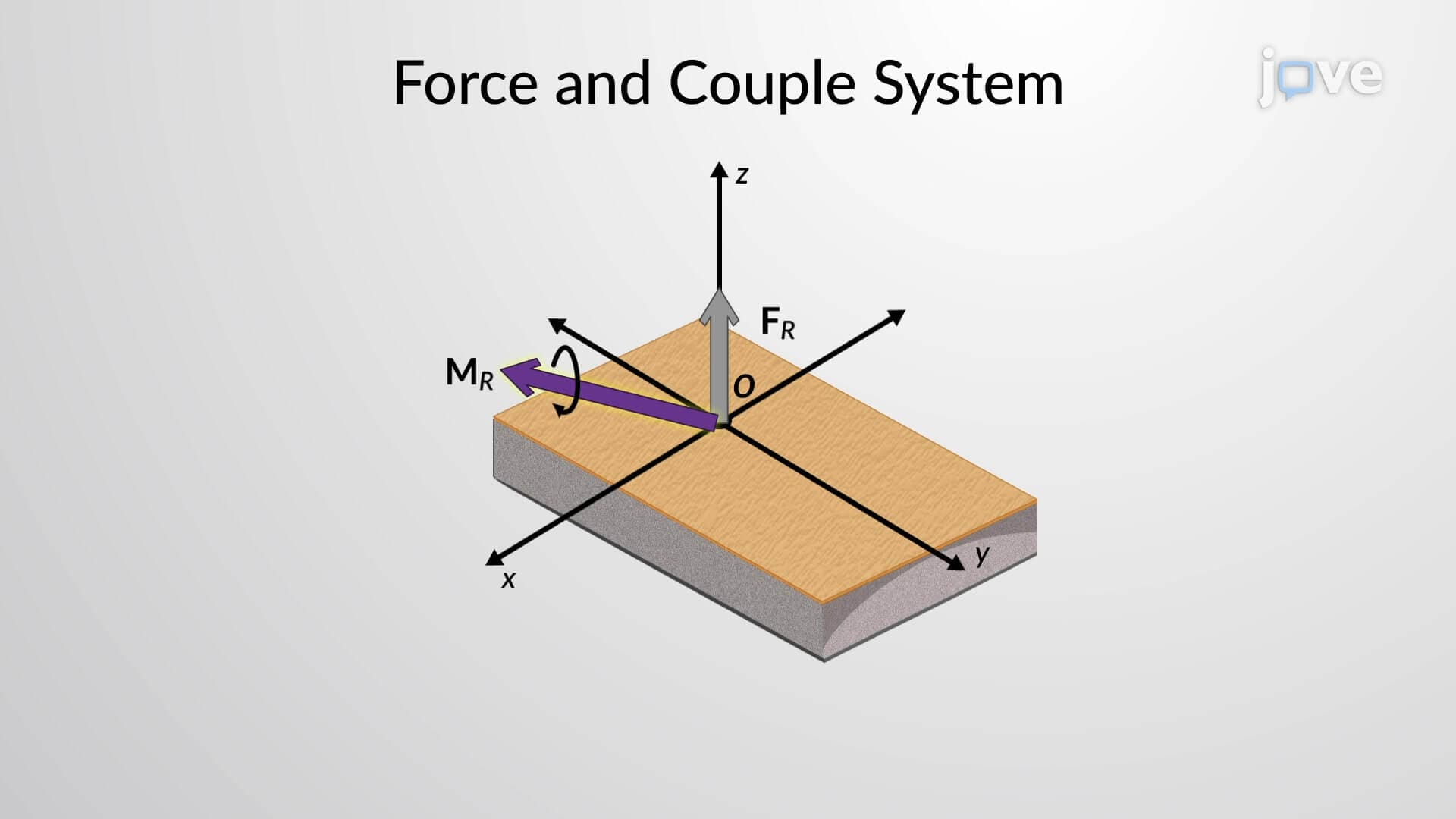

Video Summary: Simplification Force and Couple System Ii Explained
Ever wonder how aerospace engineers at Boeing determine the exact forces needed to stabilize a rotating aircraft wing during turbulence? The simplification force and couple system ii reveals how complex three-dimensional force systems can be reduced to a single resultant force and moment-called a wrench or screw system. This powerful concept transforms multiple forces acting on a body into one equivalent system that both translates and rotates the object simultaneously. Watch the full video on JoVE Coach to master this concept with expert-led visuals and step-by-step explanations.
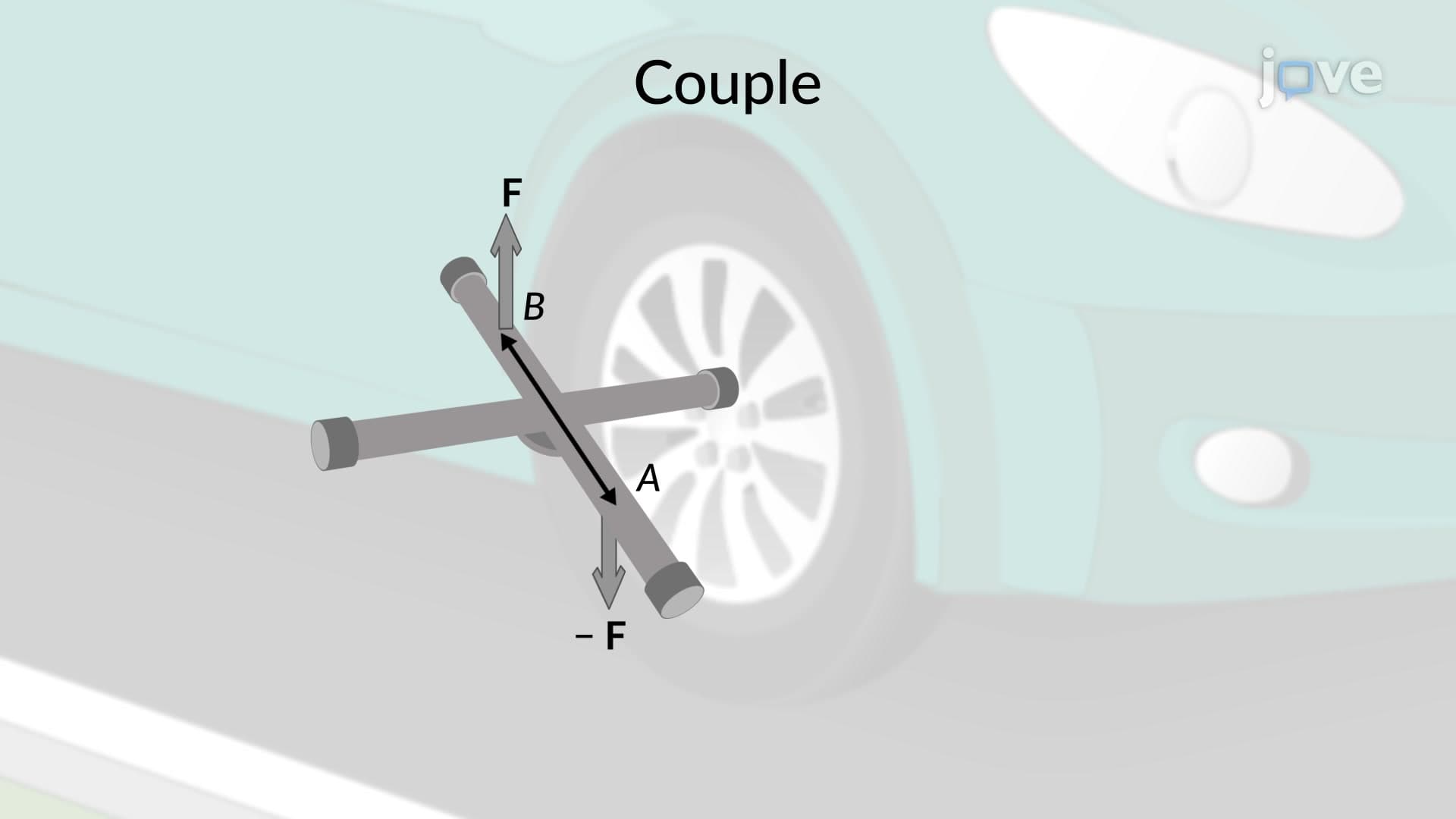
The simplification force and couple system ii represents one of the most elegant concepts in statics and dynamics. When multiple forces act on a three-dimensional object, engineers need an efficient way to analyze their combined effect. This system reduces any complex arrangement of forces and moments to a single resultant force paired with a collinear couple moment-creating what's known as a wrench.
Unlike simpler force systems where forces and moments act independently, a wrench system creates simultaneous translation and rotation. Think of a drill bit penetrating wood-it moves forward (translation) while spinning (rotation) about its axis. The resultant force handles the translational motion, while the collinear couple moment manages the rotational component.
In structural engineering applications, like analyzing forces on a skyscraper's support beams during wind loading, this concept proves invaluable. Engineers at firms like Skidmore, Owings & Merrill use wrench analysis to determine how wind forces will both push the building sideways and create twisting moments.
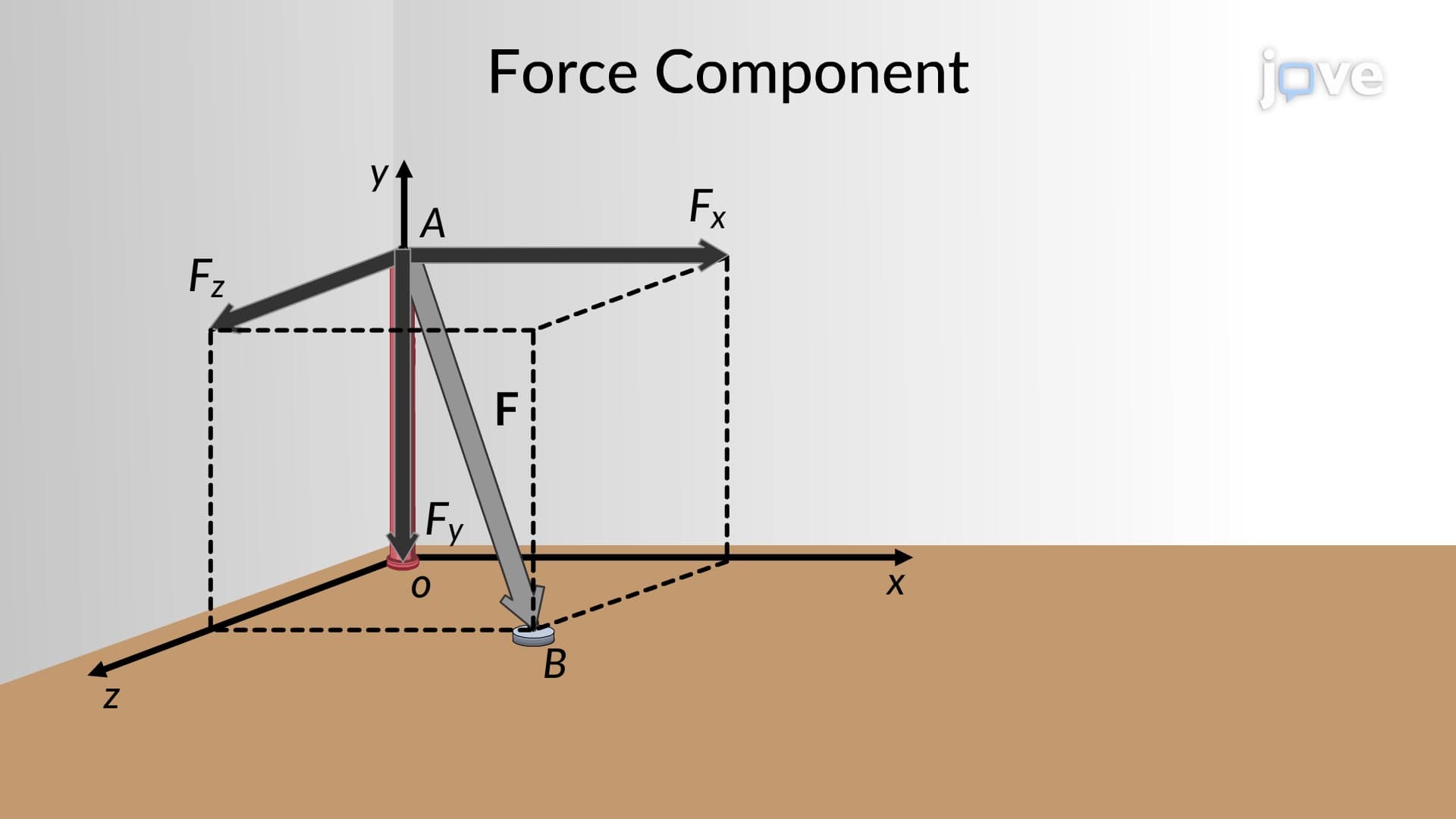
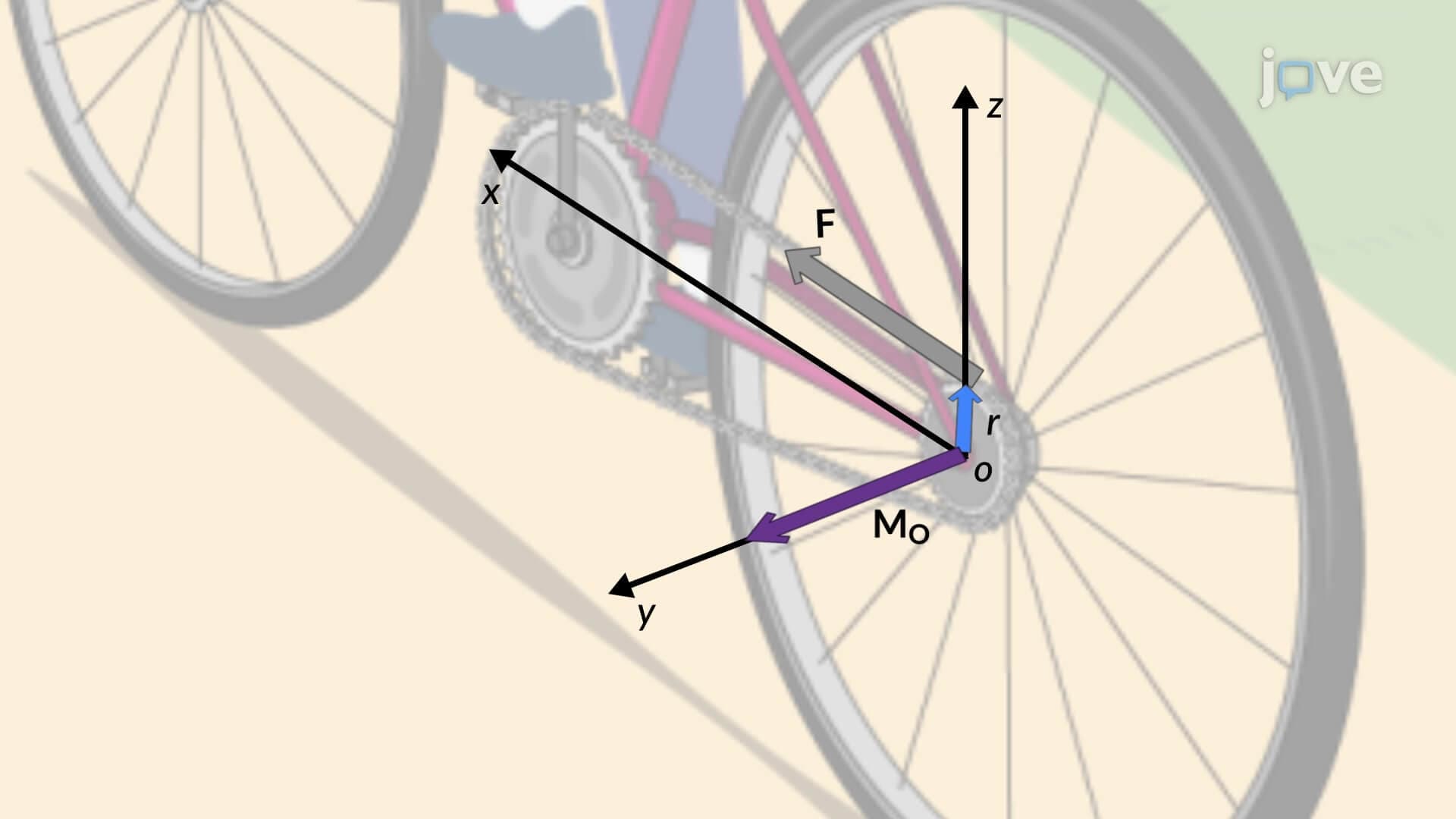
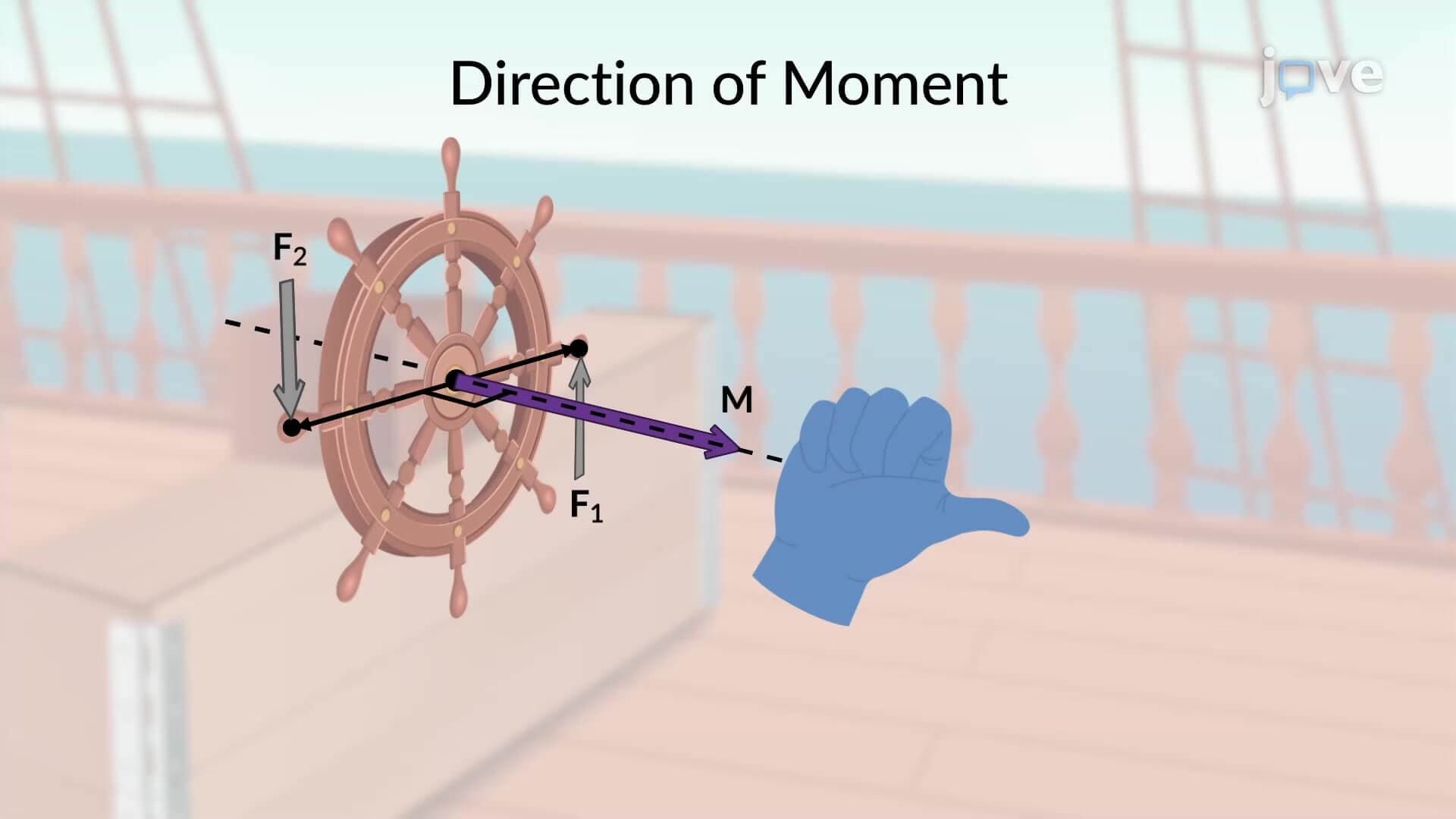
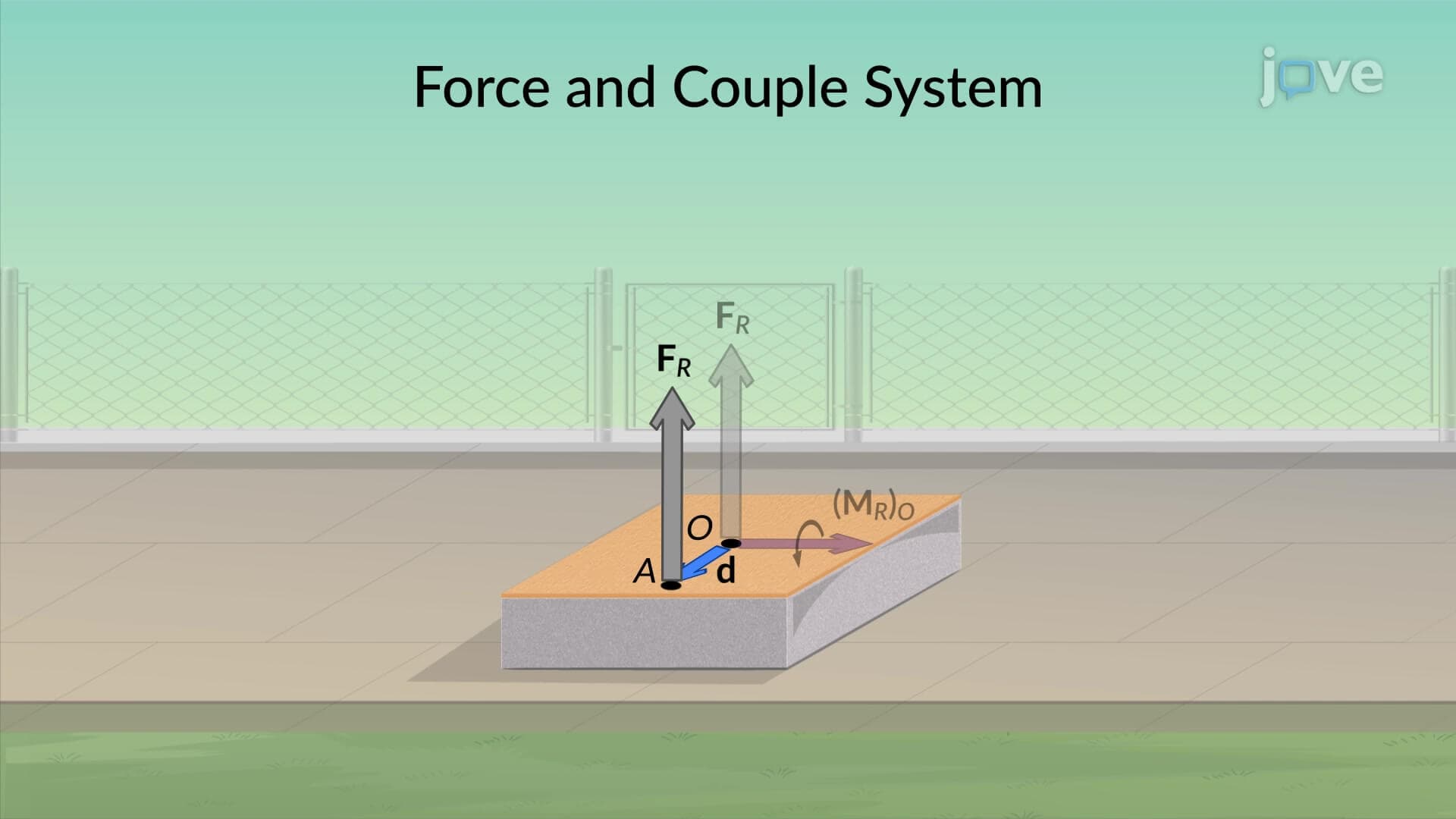
The mathematical foundation involves resolving the resultant couple moment into components parallel and perpendicular to the resultant force's line of action. The perpendicular component can be eliminated by strategically relocating the resultant force, leaving only the parallel component as the wrench's couple moment.
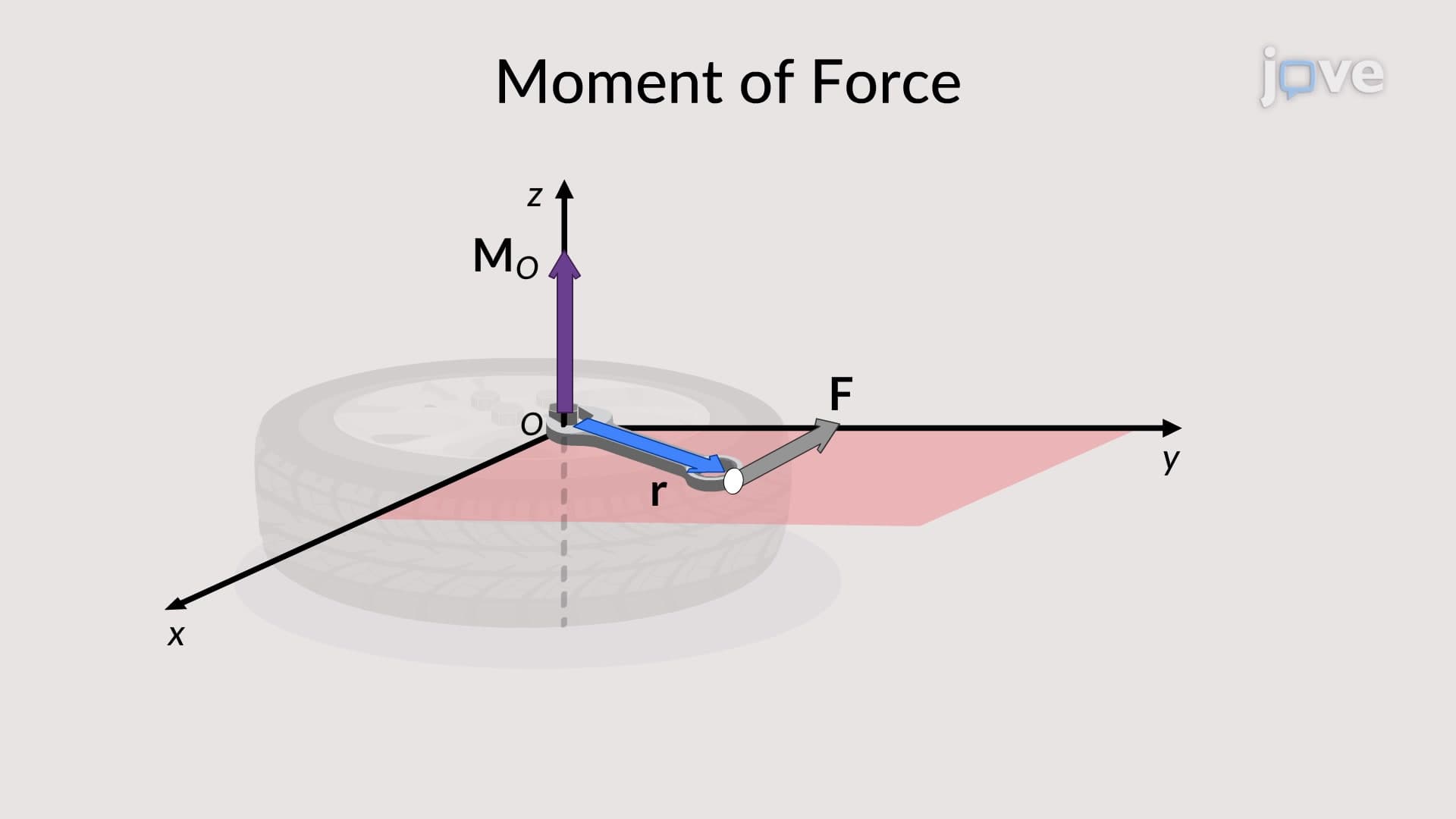
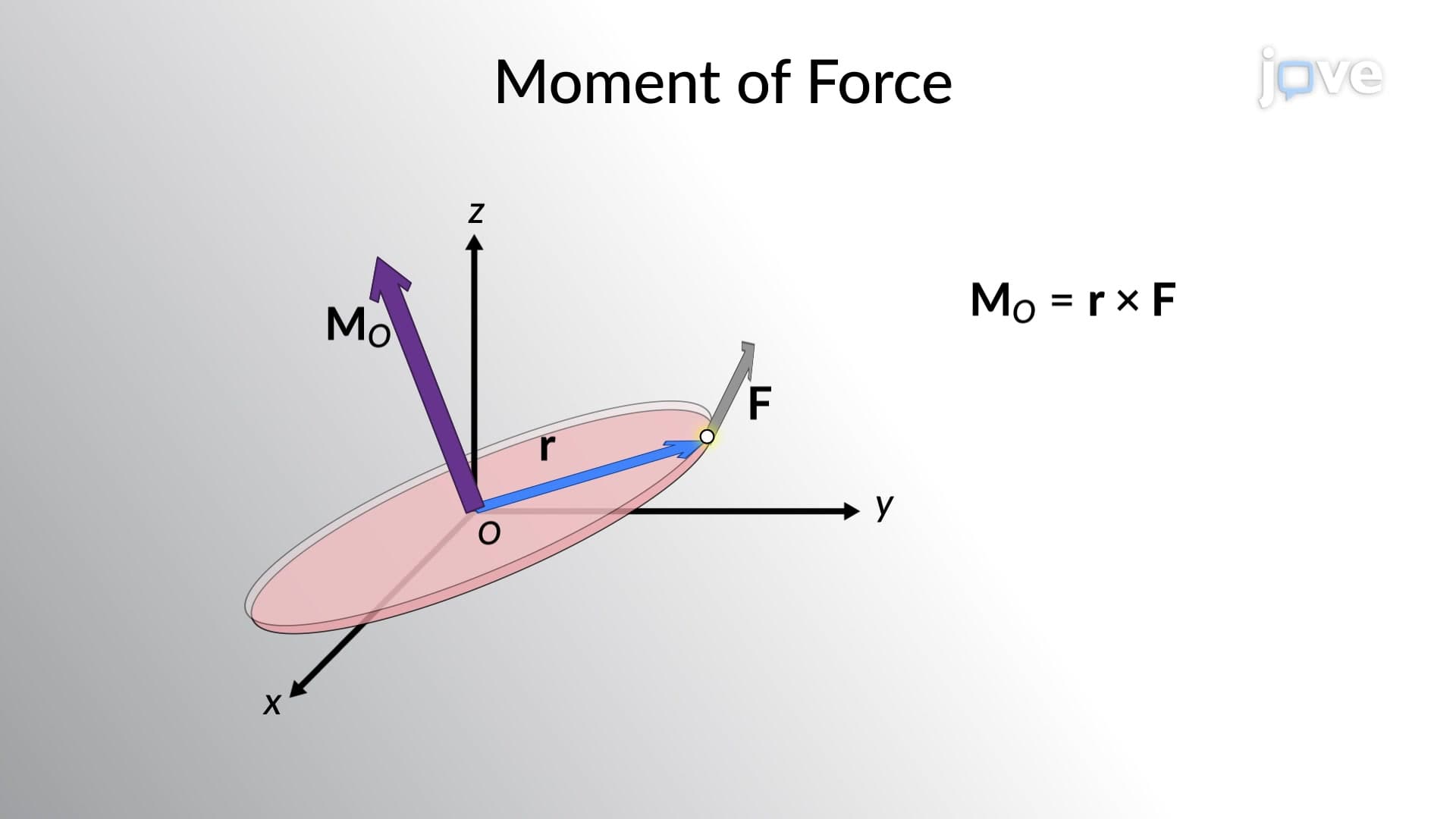
Students preparing for AP Physics C or college-level statics courses should master the cross product calculations: M(resultant) = r × F, where r represents position vectors from force application points to the wrench's intersection point. This appears frequently on exams, particularly in problems involving equilibrium of rigid bodies.
The brick example from the transcript illustrates a typical textbook scenario, but real applications extend to robotics, aerospace, and mechanical systems. NASA engineers use wrench analysis when designing robotic arms for the International Space Station, ensuring precise control of both position and orientation simultaneously.
For exam success, focus on the systematic approach: calculate resultant force magnitude and direction, determine position vectors, apply cross products for moments, then solve the system of equations for intersection coordinates. This methodology appears consistently in engineering mechanics courses at universities like MIT, Stanford, and Georgia Tech.
Related Micro-courses