Loading video…


 18 Concepts
 6.9K views

Video Summary: What Is Bending
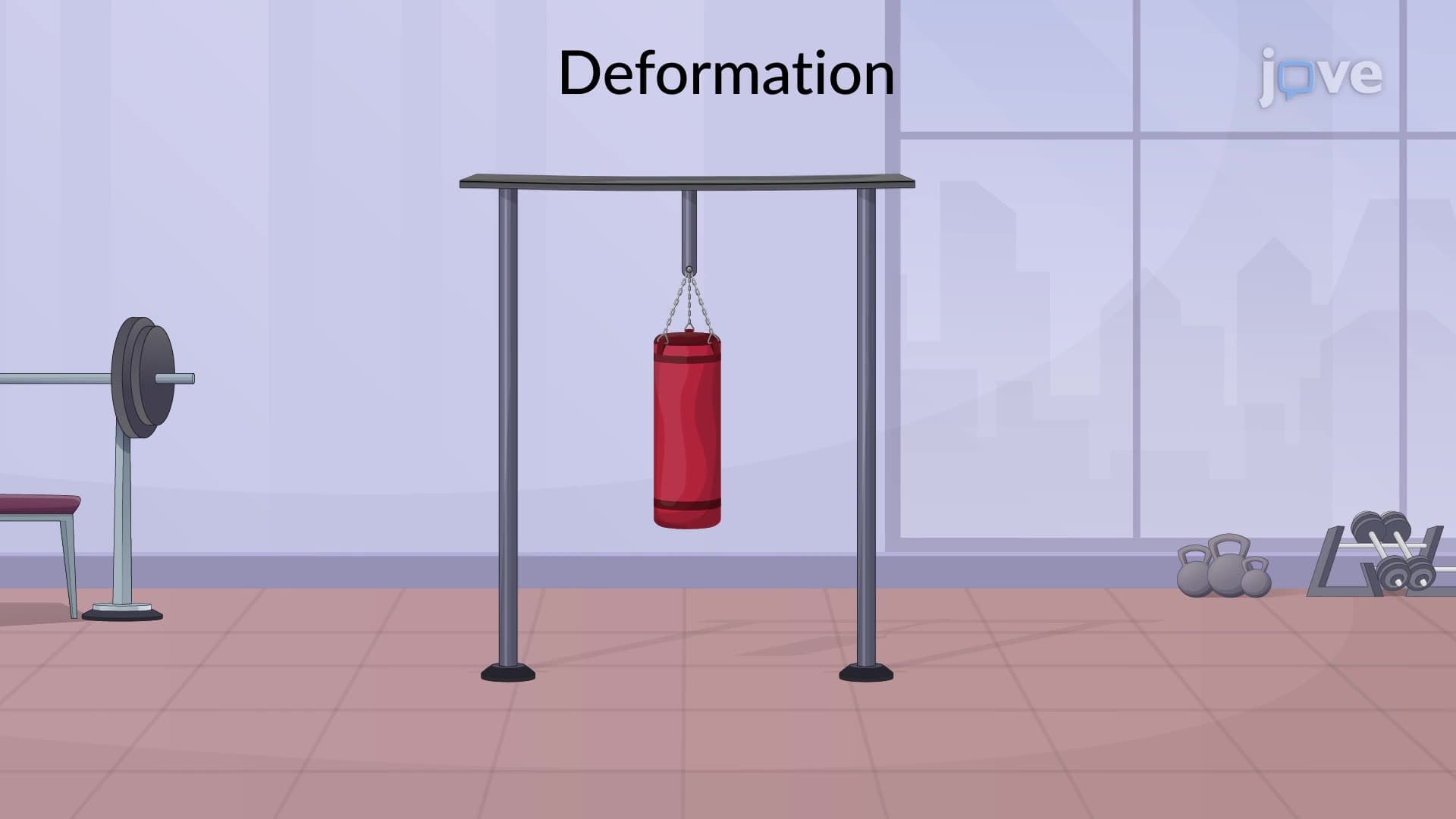
Ever wonder why a diving board flexes perfectly under a diver's weight without snapping? Bending occurs when structural members experience forces that cause them to curve or deform while maintaining their overall integrity. This fundamental engineering concept explains how beams in skyscrapers, bridge spans across the Mississippi River, and even simple diving boards at your local pool resist applied loads through internal stress distribution. Watch the full video on JoVE Coach to master this concept with expert-led visuals and step-by-step explanations.
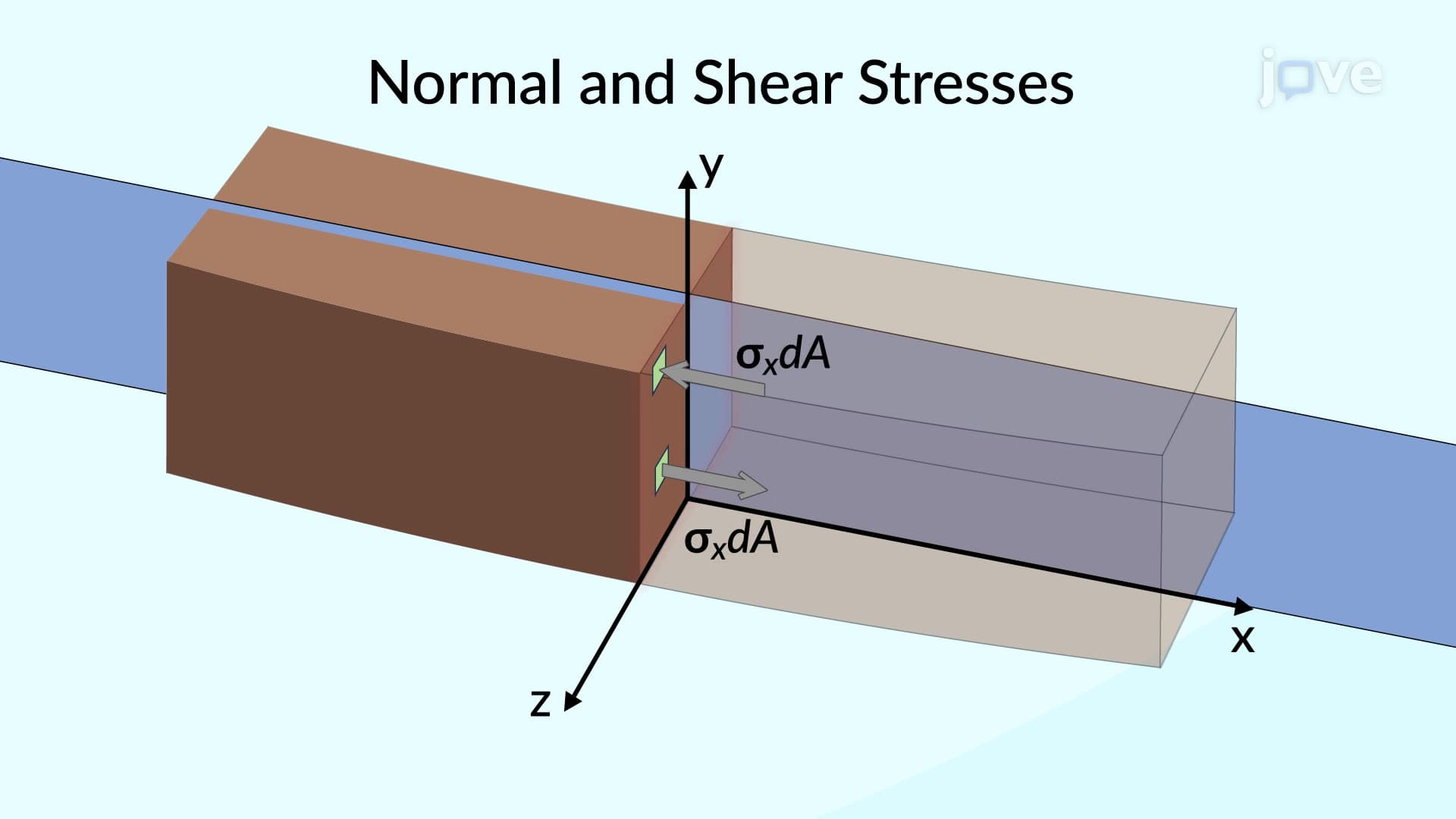
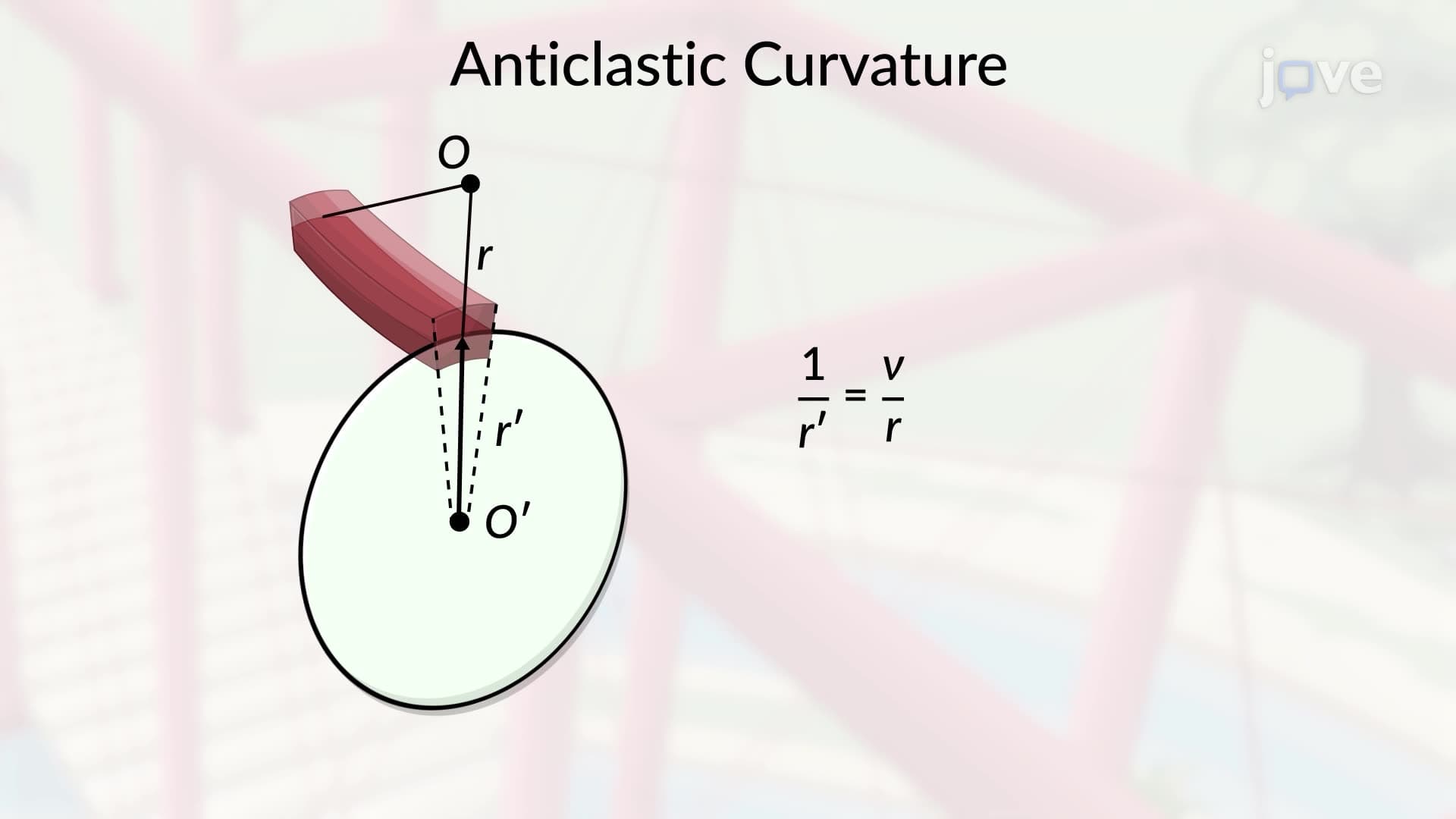
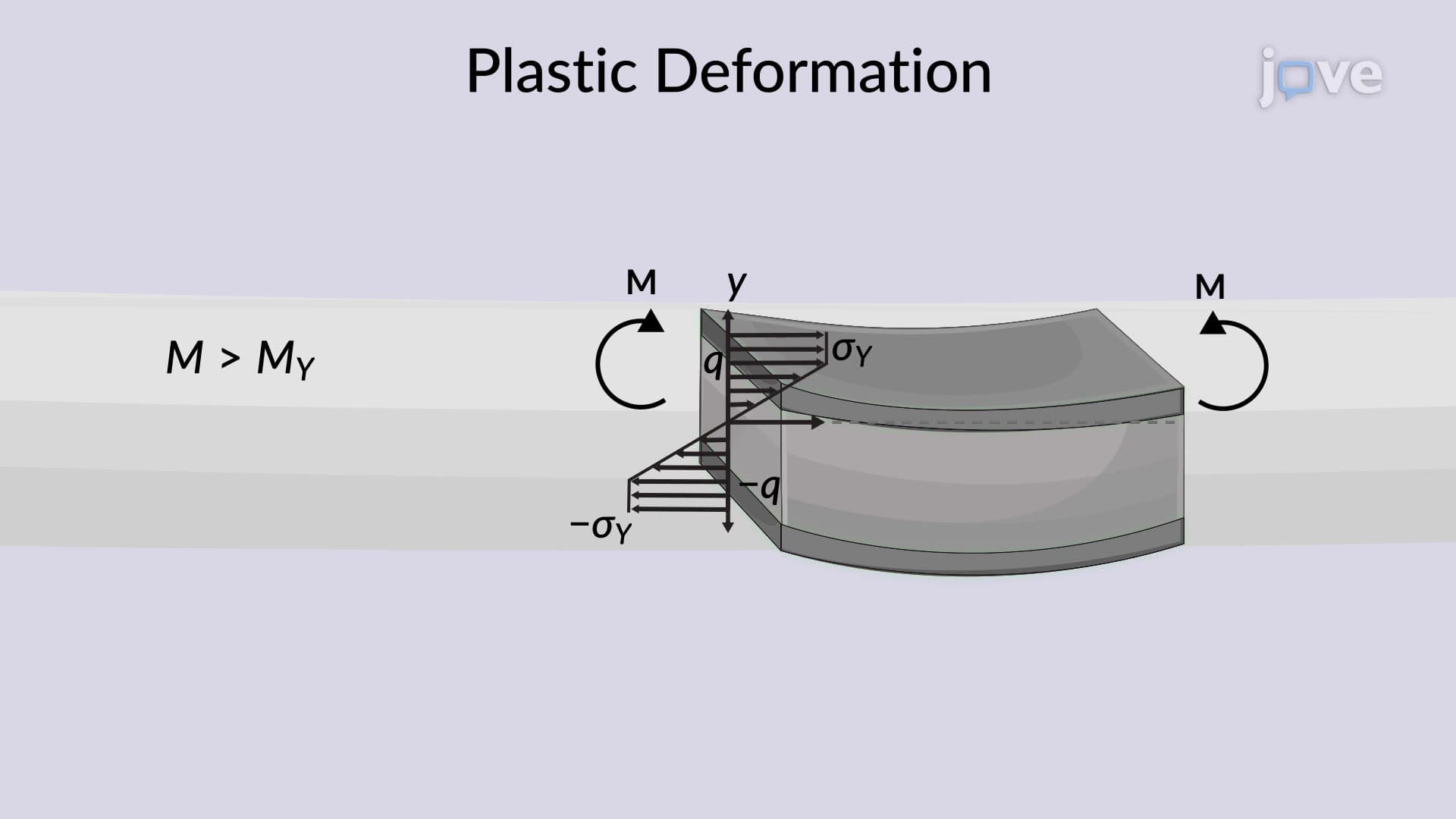
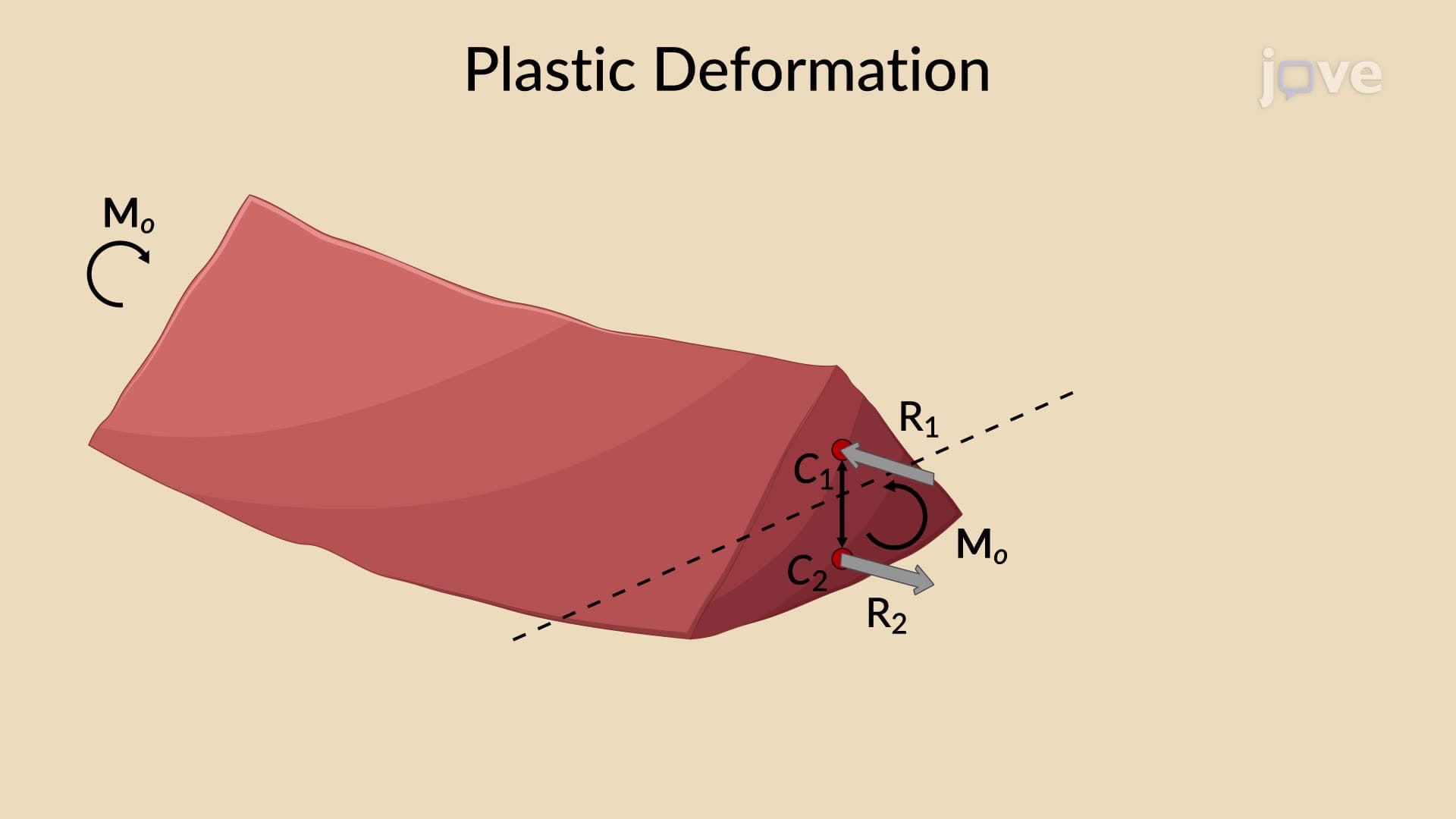
Bending represents one of the most critical loading conditions in structural engineering and mechanics of materials. When we examine what is bending in detail, we discover it involves the deformation of structural members under applied loads that create internal moments. This deformation causes one side of the member to experience compression while the opposite side undergoes tension, with a neutral axis experiencing zero stress.
The bending definition encompasses two primary categories. Pure bending occurs when a structural member experiences only couples (moments) without any transverse forces. This idealized condition helps engineers understand fundamental stress patterns. Consider a steel beam in a high-rise building in Chicago-the middle sections often approximate pure bending conditions when subjected to uniformly distributed loads from floors above.
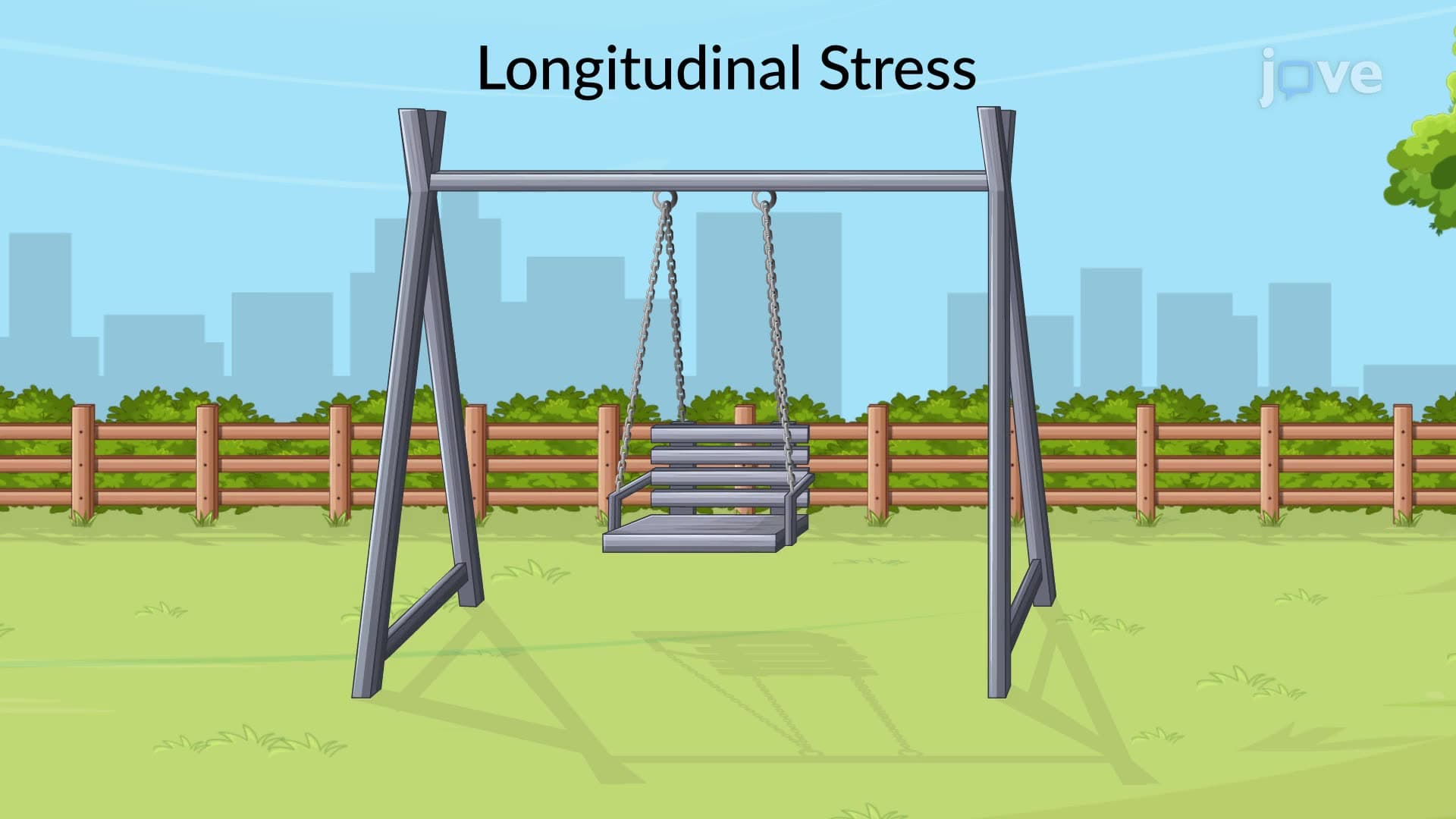
Transverse bending, more common in practice, involves both moments and shear forces. The Golden Gate Bridge's main cables experience this type of bending when supporting the bridge deck's weight combined with traffic loads and wind forces.
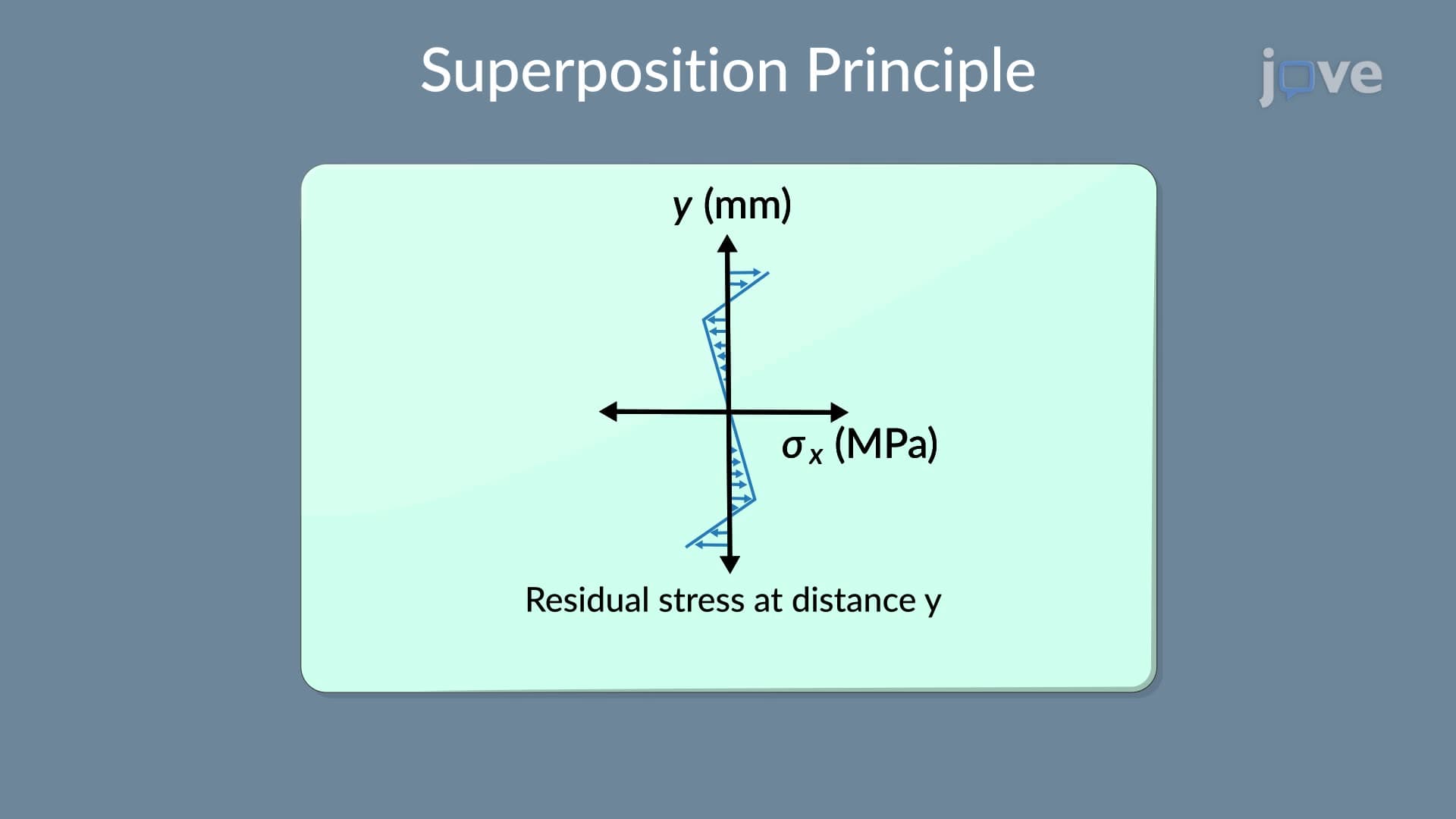
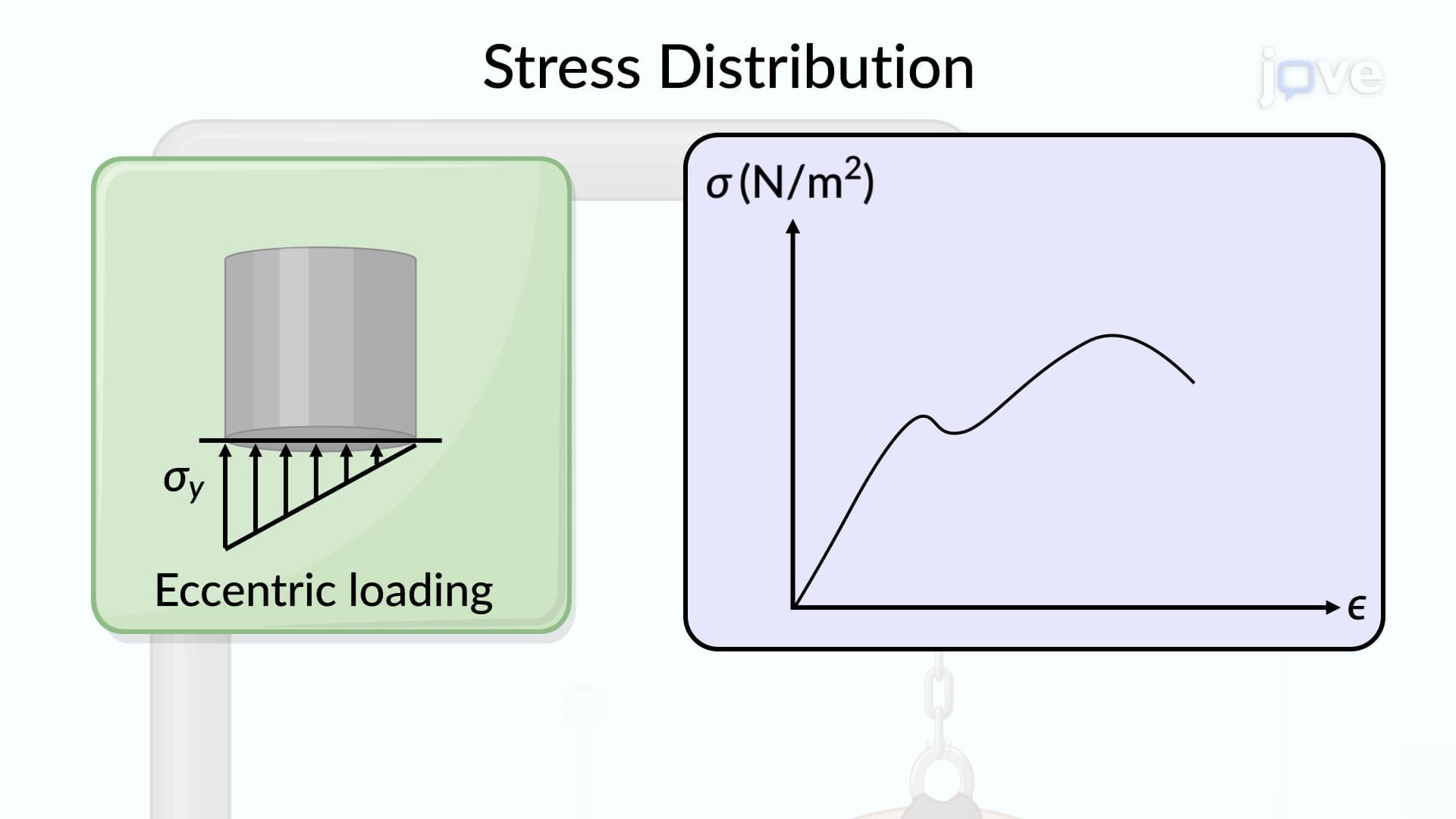
The bending concept centers on how normal stresses vary linearly across a beam's cross-section. The fundamental bending formula, stress = M*y/I, where M represents the applied moment, y is the distance from the neutral axis, and I is the moment of inertia, allows engineers to predict maximum stresses in structural members.
This bending study guide principle appears frequently on AP Physics exams and college-level statics courses. Students at universities like MIT and Stanford apply this formula to design everything from aircraft wings to stadium roof structures.
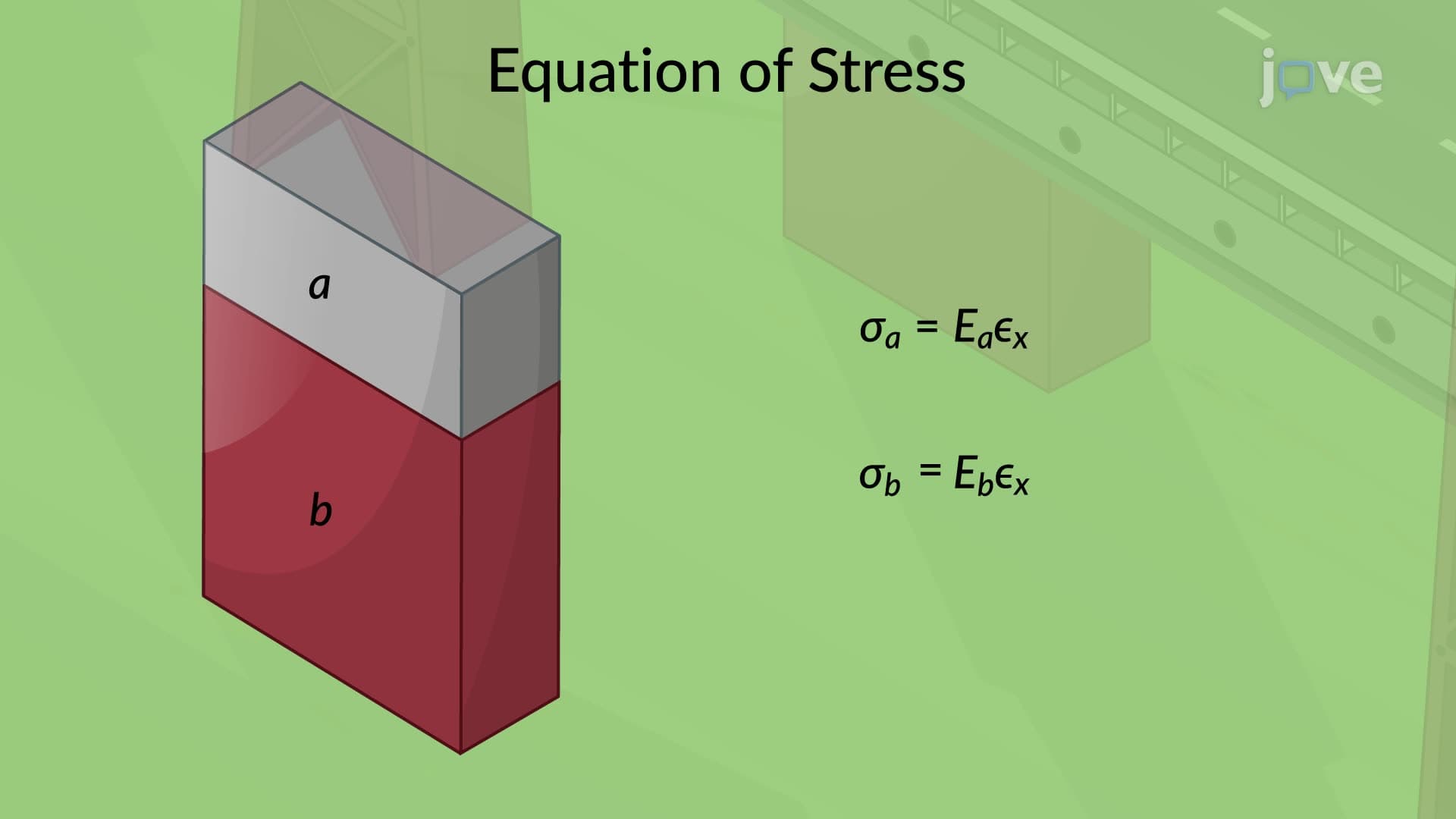
Modern engineering extensively uses composite materials that exhibit unique bending characteristics. Reinforced concrete beams in structures like the Hoover Dam combine concrete's compressive strength with steel's tensile capacity. Understanding bending allows engineers to optimize these composite systems for maximum efficiency while maintaining safety factors required by US building codes.
The bending overview extends to advanced applications in aerospace engineering, where carbon fiber composites in aircraft fuselages must withstand complex bending loads during flight maneuvers while maintaining structural integrity under extreme conditions.
Related Micro-courses