Loading video…


 18 Concepts
 6.9K views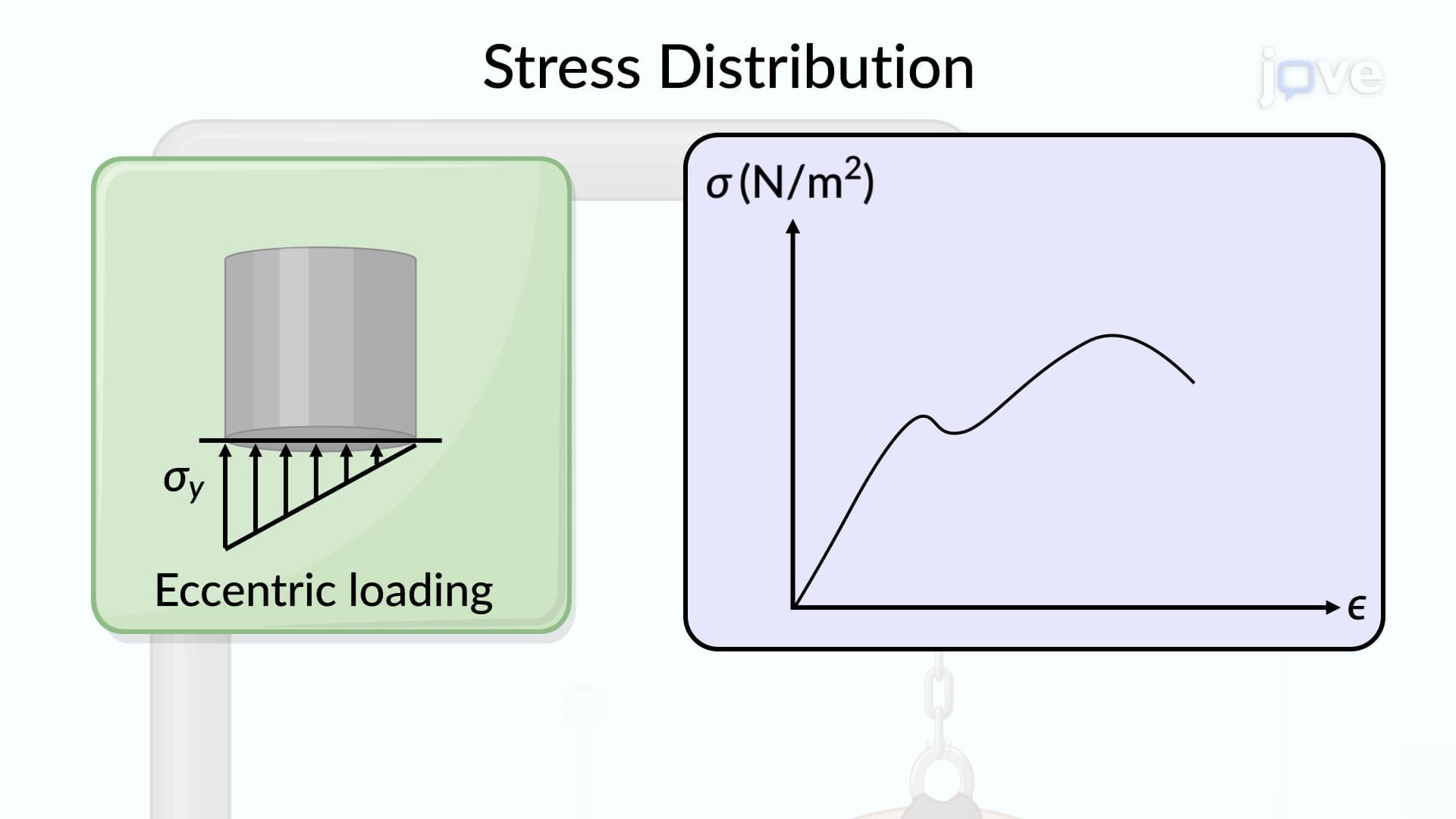

Video Summary: What Is Eccentric Axial Loading
When you see a building's support column slightly bent after an earthquake or notice how a bridge pier handles off-center traffic loads, you're witnessing eccentric axial loading in action. Eccentric axial loading occurs when forces don't align perfectly with a structural member's center, creating both compression and bending effects simultaneously. This phenomenon is critical in analyzing everything from skyscraper columns in Manhattan to highway bridge supports across the United States. Watch the full video on JoVE Coach to master this concept with expert-led visuals and step-by-step explanations.
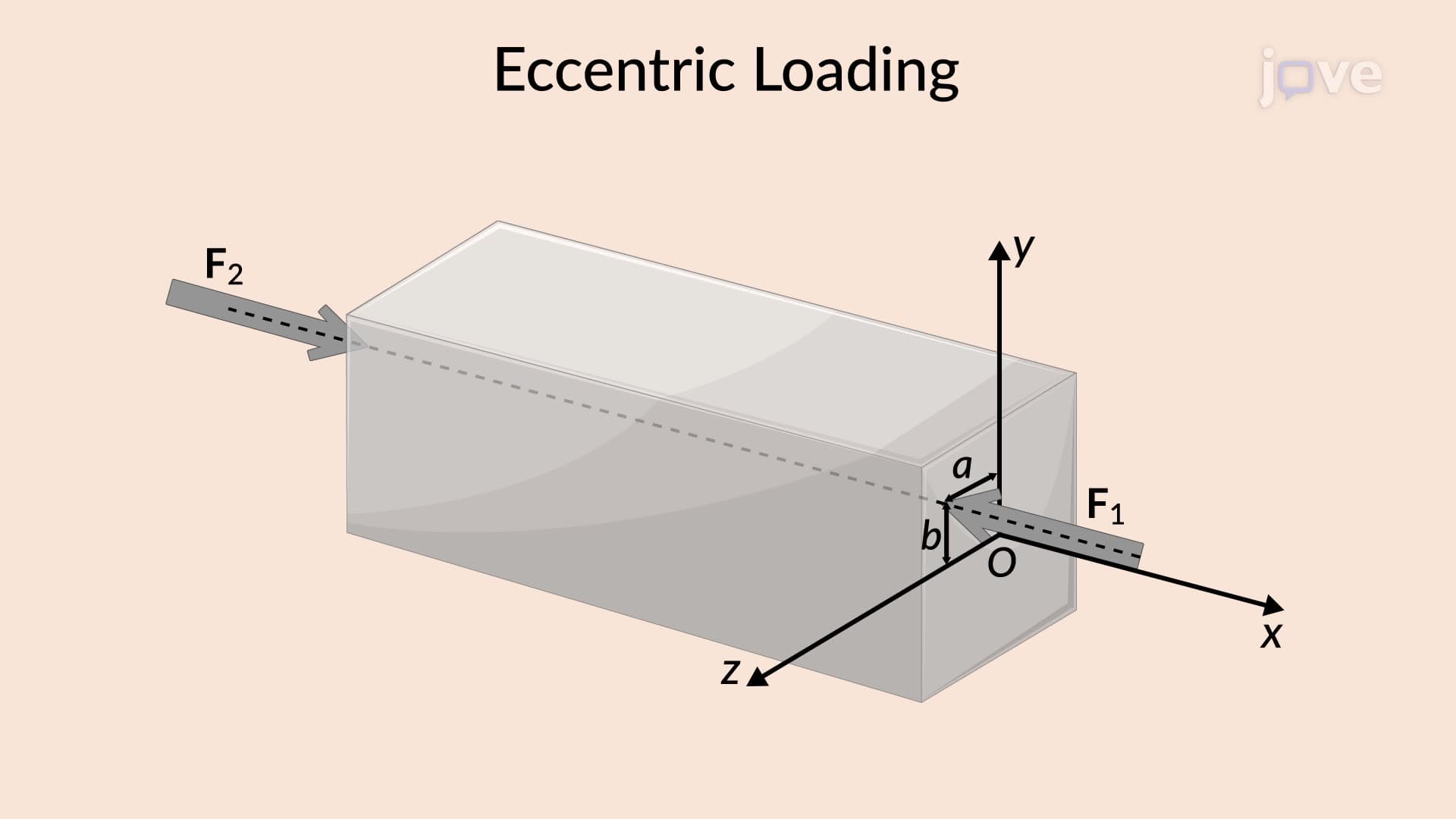
Eccentric axial loading represents one of the most important concepts in structural engineering and mechanics of materials. Unlike pure axial loading where forces pass directly through a member's centroidal axis, eccentric axial loading occurs when the applied force is offset from this central axis. This offset creates a more complex stress state that combines both direct stress and bending stress within the structural member.
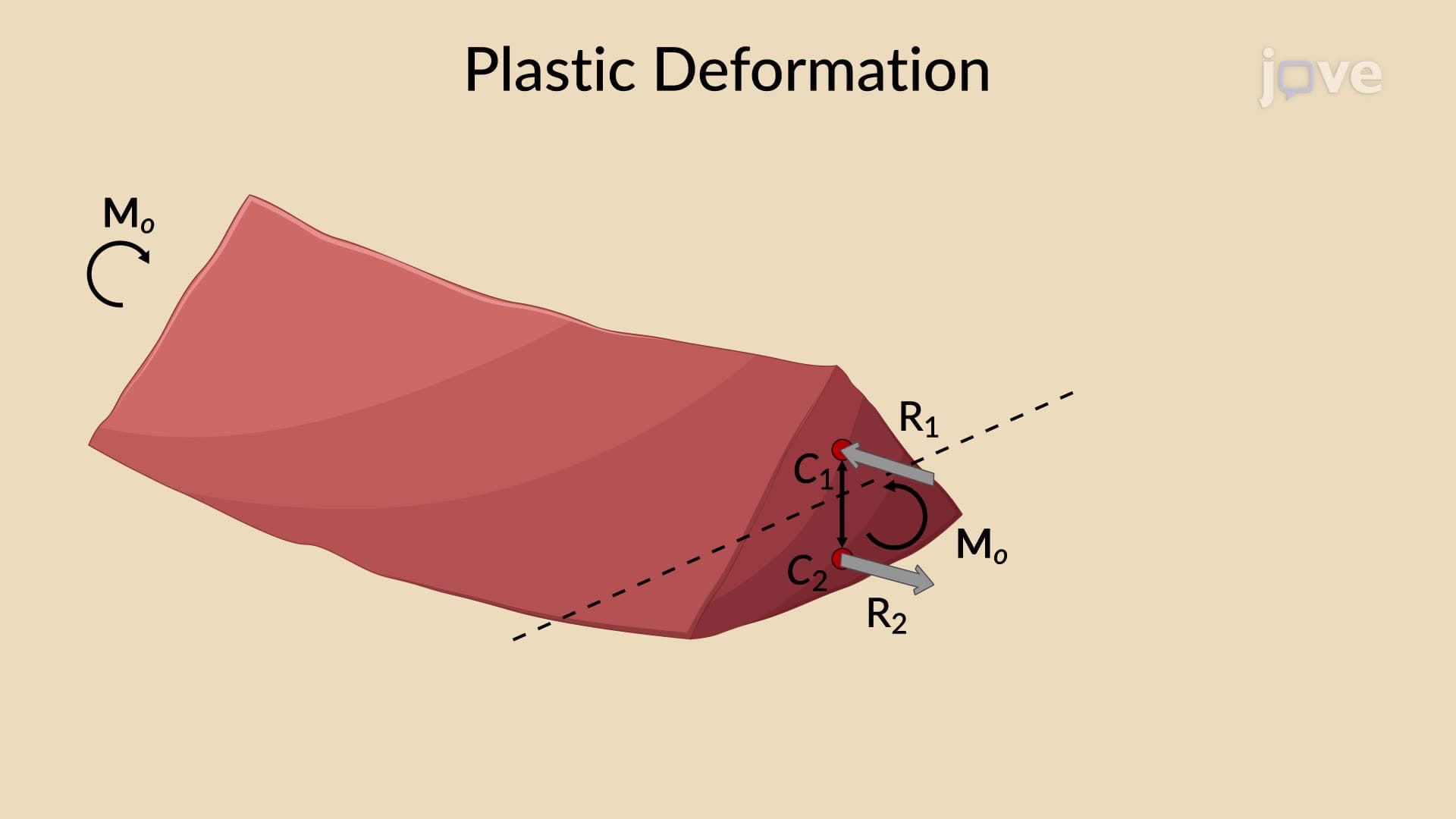
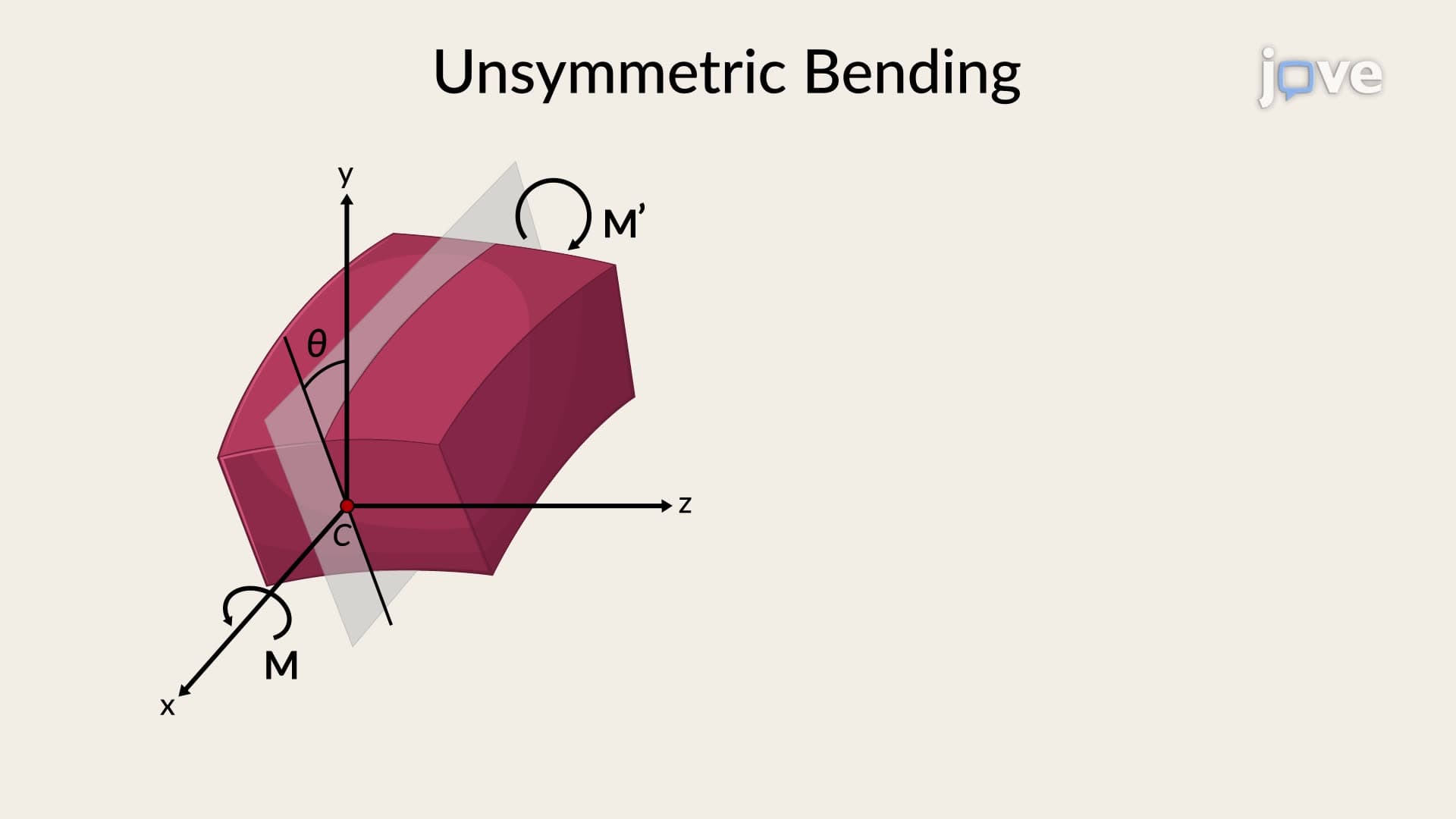
The fundamental principle behind eccentric axial loading lies in the fact that any off-center force can be mathematically replaced by an equivalent system: a force acting at the centroid plus a couple (moment) equal to the original force multiplied by its eccentricity distance. This transformation allows engineers to analyze complex loading conditions using well-established principles of statics and mechanics.
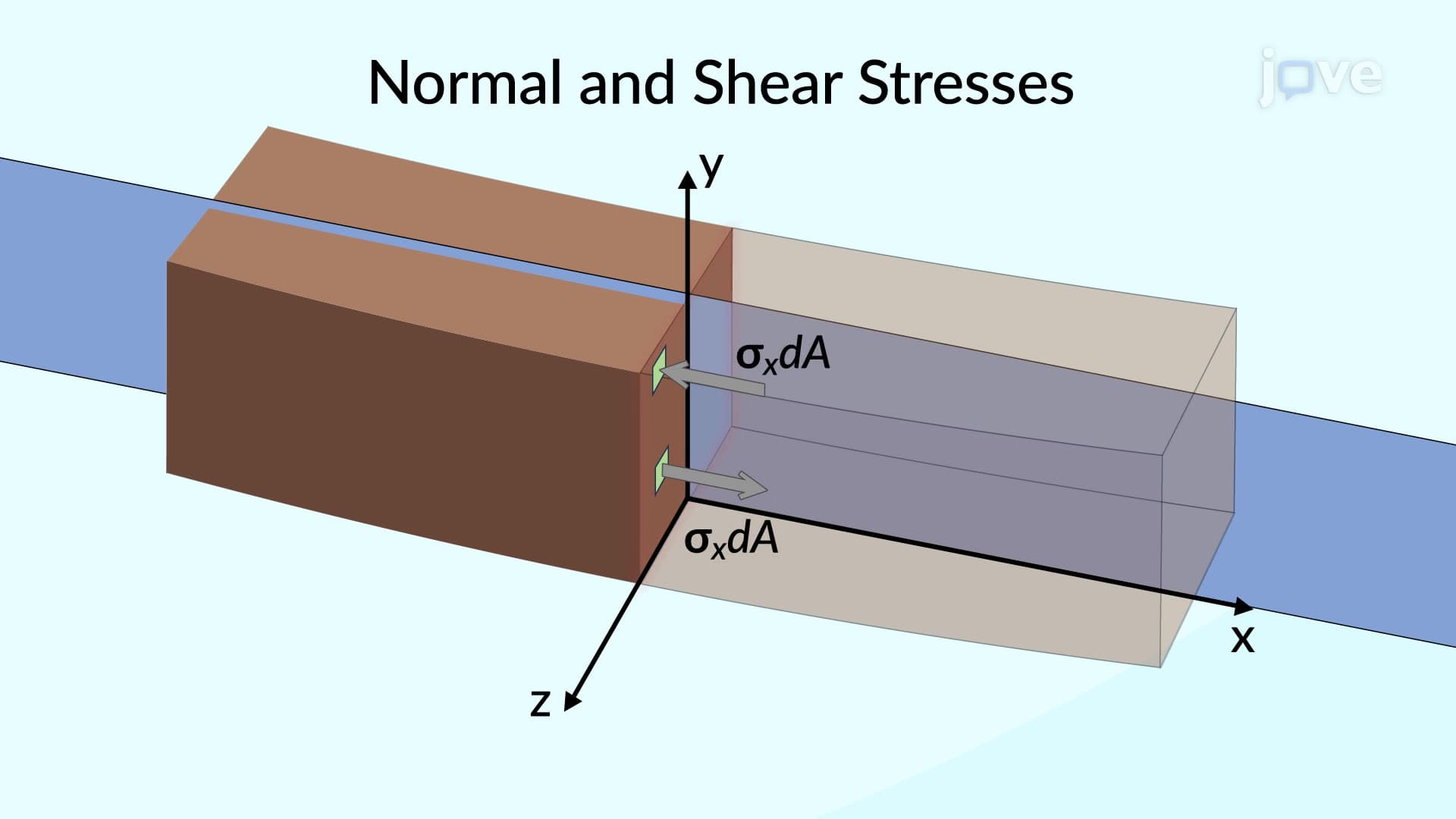
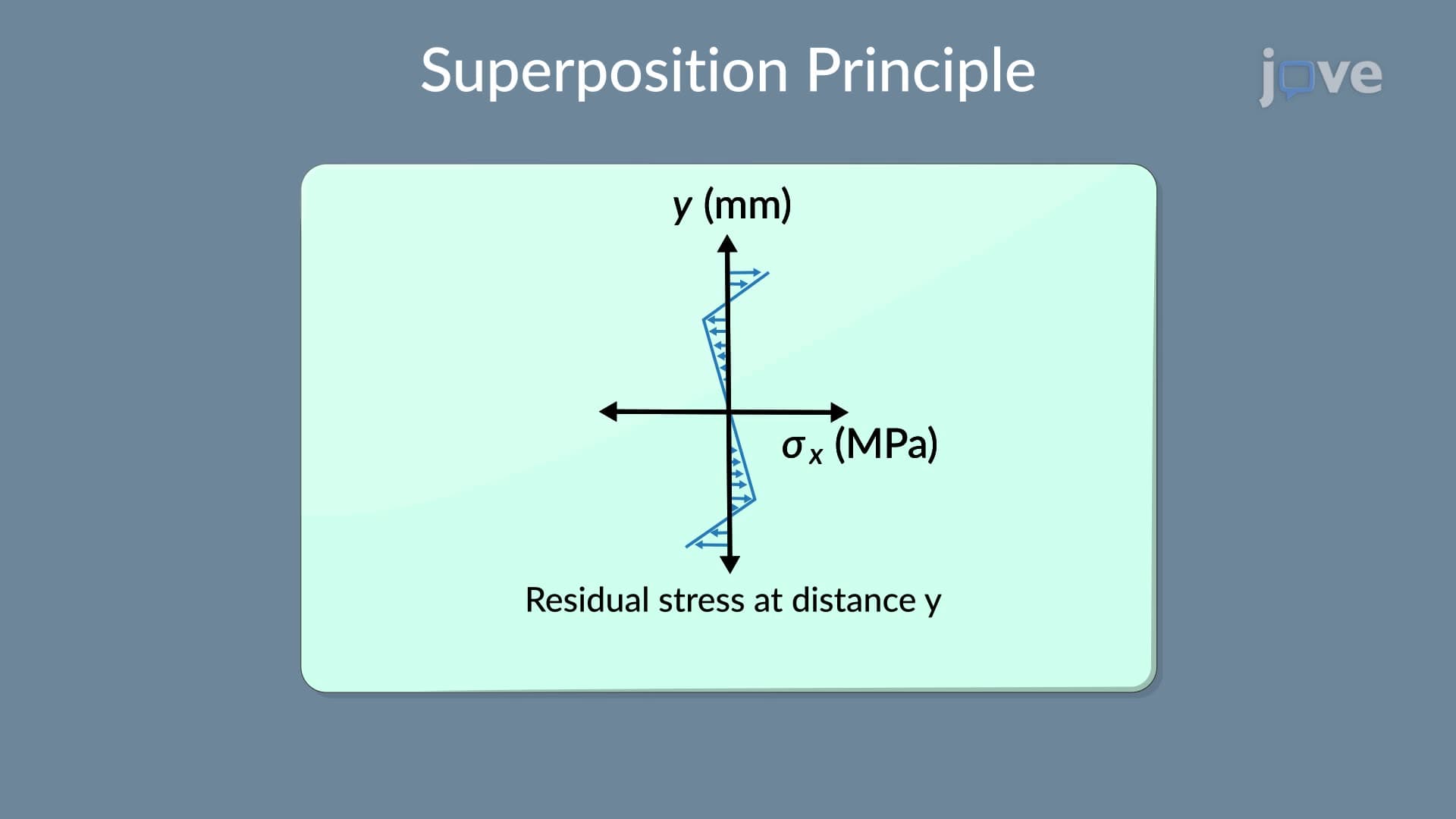
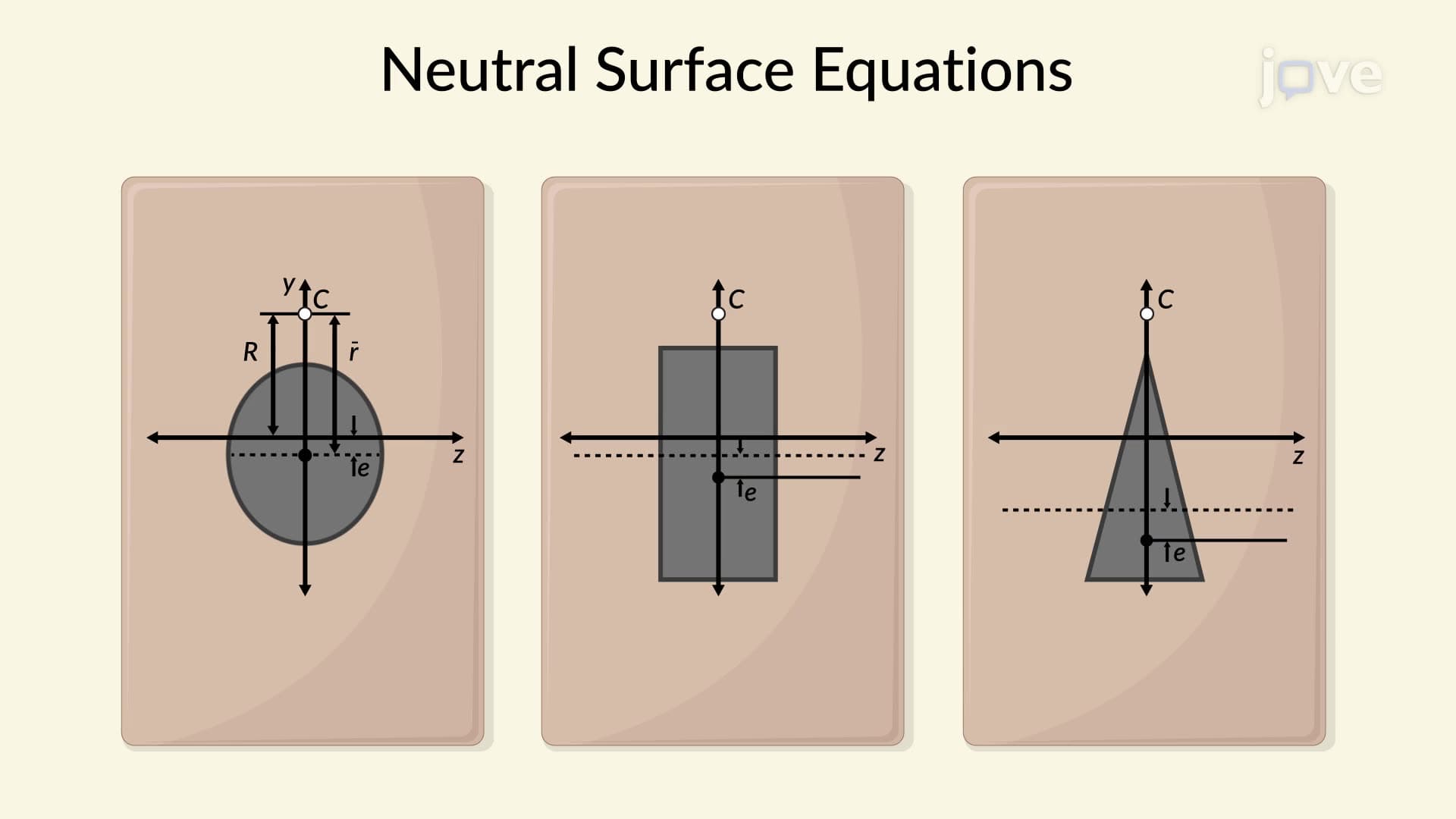
The beauty of eccentric axial loading analysis lies in the superposition principle. The total stress at any point in the cross-section equals the sum of two components: the uniform axial stress (P/A) and the varying bending stress (Mc/I). This linear combination creates a characteristic stress distribution that varies linearly across the section but is no longer uniform.
For rectangular sections commonly found in building construction, this analysis becomes particularly relevant when designing columns that may experience wind loads or seismic forces. The maximum stress occurs at the extreme fiber farthest from the neutral axis, while minimum stress (which could even become tension) occurs at the opposite extreme. This understanding is crucial for AP Physics students and college engineering majors studying structural analysis.
Consider the concrete columns supporting a parking garage in Los Angeles during an earthquake. These columns experience both vertical loads from the building weight and horizontal forces from seismic motion, creating classic eccentric loading conditions. Similarly, highway bridge piers across the United States must handle both the vertical weight of traffic and horizontal wind or seismic forces.
The analysis becomes critical in professional engineering practice and appears frequently on the Fundamentals of Engineering (FE) exam taken by aspiring engineers. Students preparing for college-level mechanics of materials courses will encounter this concept in homework problems and midterm examinations, often requiring both conceptual understanding and numerical calculation skills.
Engineering applications of eccentric axial loading extend beyond simple stress calculations. Design codes like the American Concrete Institute (ACI) Building Code incorporate eccentric loading principles to ensure structural safety margins. The concept directly influences column design, foundation analysis, and connection details in steel and concrete structures throughout American infrastructure.
Related Micro-courses