Loading video…


 18 Concepts
 6.9K views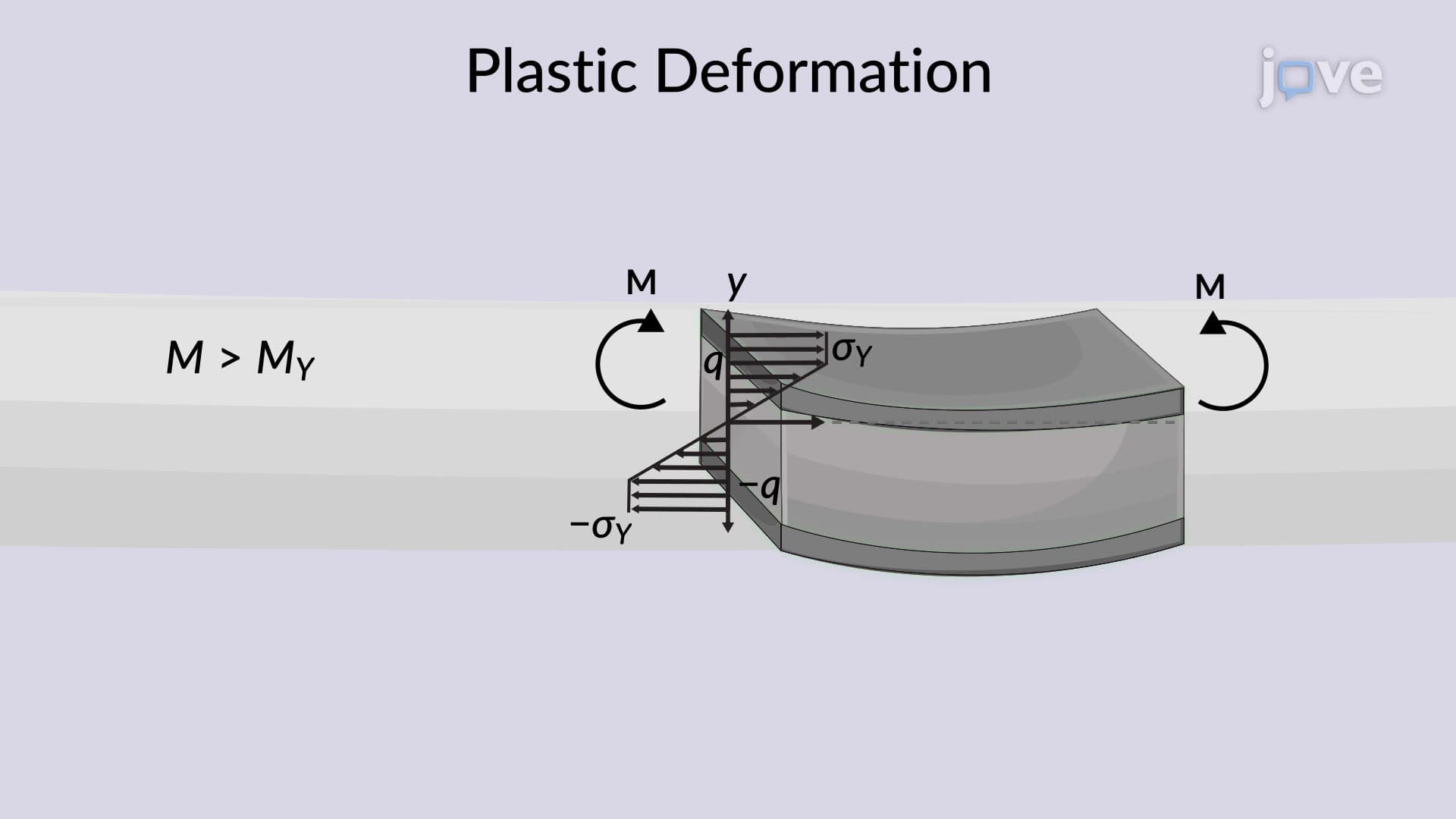

Video Summary: Members Made of Elastoplastic Material Explained
Ever wondered why the Golden Gate Bridge can bend in strong winds without breaking? Members made of elastoplastic material demonstrate this fascinating behavior through their unique stress-strain relationship. These structural components, commonly found in steel beams used in American skyscrapers and bridges, transition from elastic deformation (where they return to original shape) to plastic deformation (permanent shape change) as loading increases. Watch the full video on JoVE Coach to master this concept with expert-led visuals and step-by-step explanations.
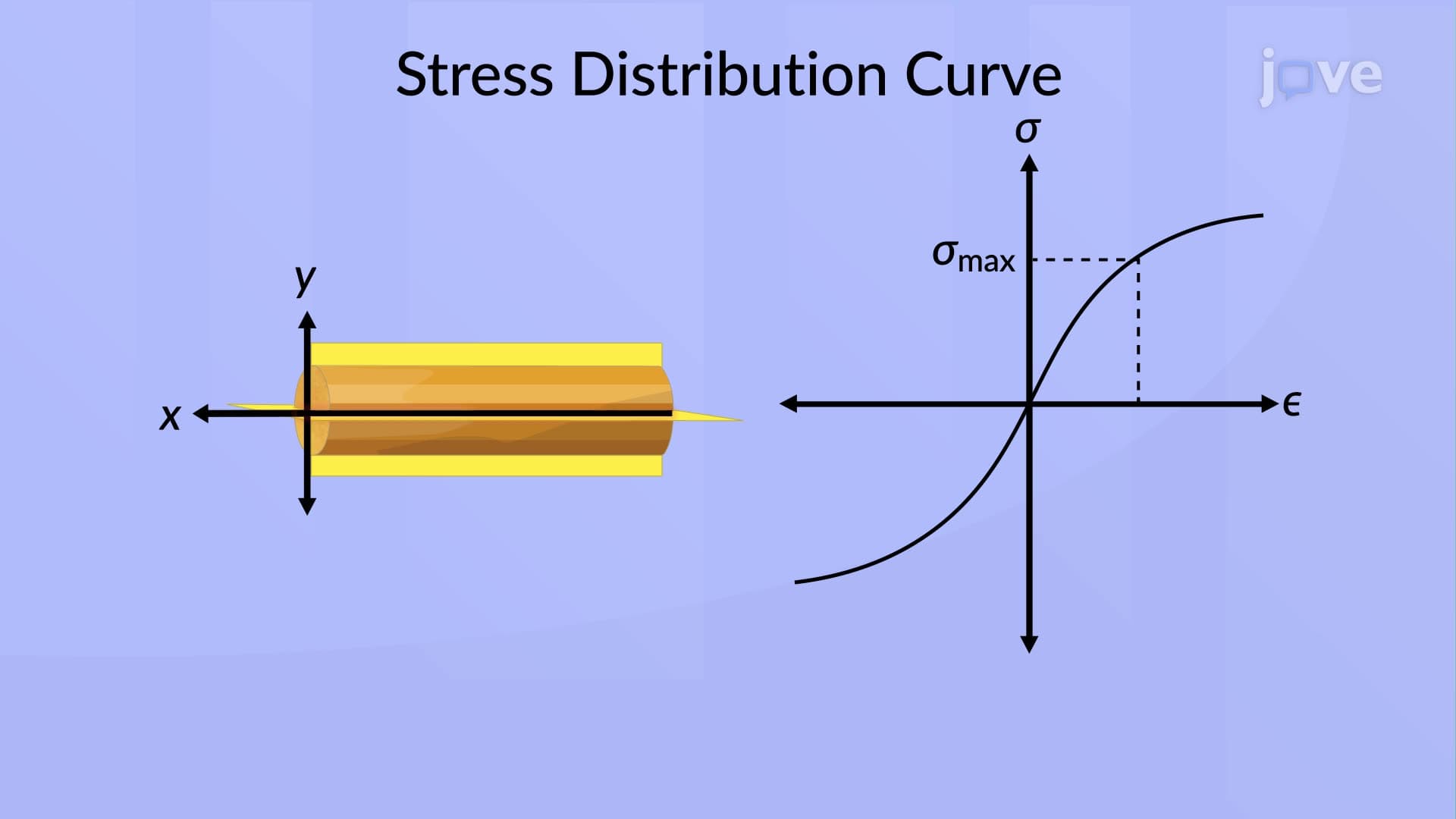
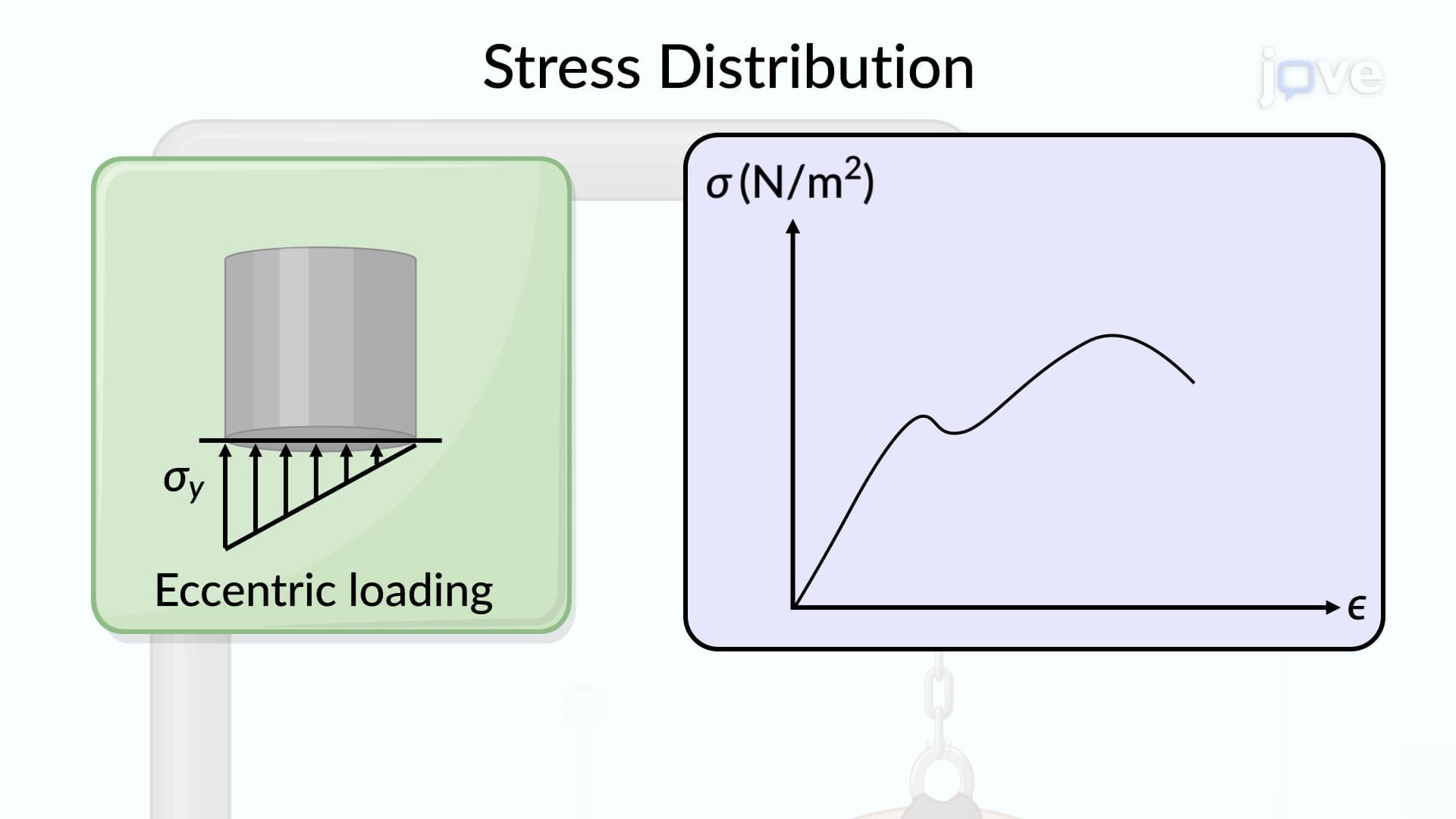
Members made of elastoplastic material represent a critical concept in structural engineering, particularly relevant to understanding how modern buildings and bridges handle loads. These materials exhibit two distinct behavioral phases: an initial elastic phase where deformation is recoverable, followed by a plastic phase where permanent deformation occurs.
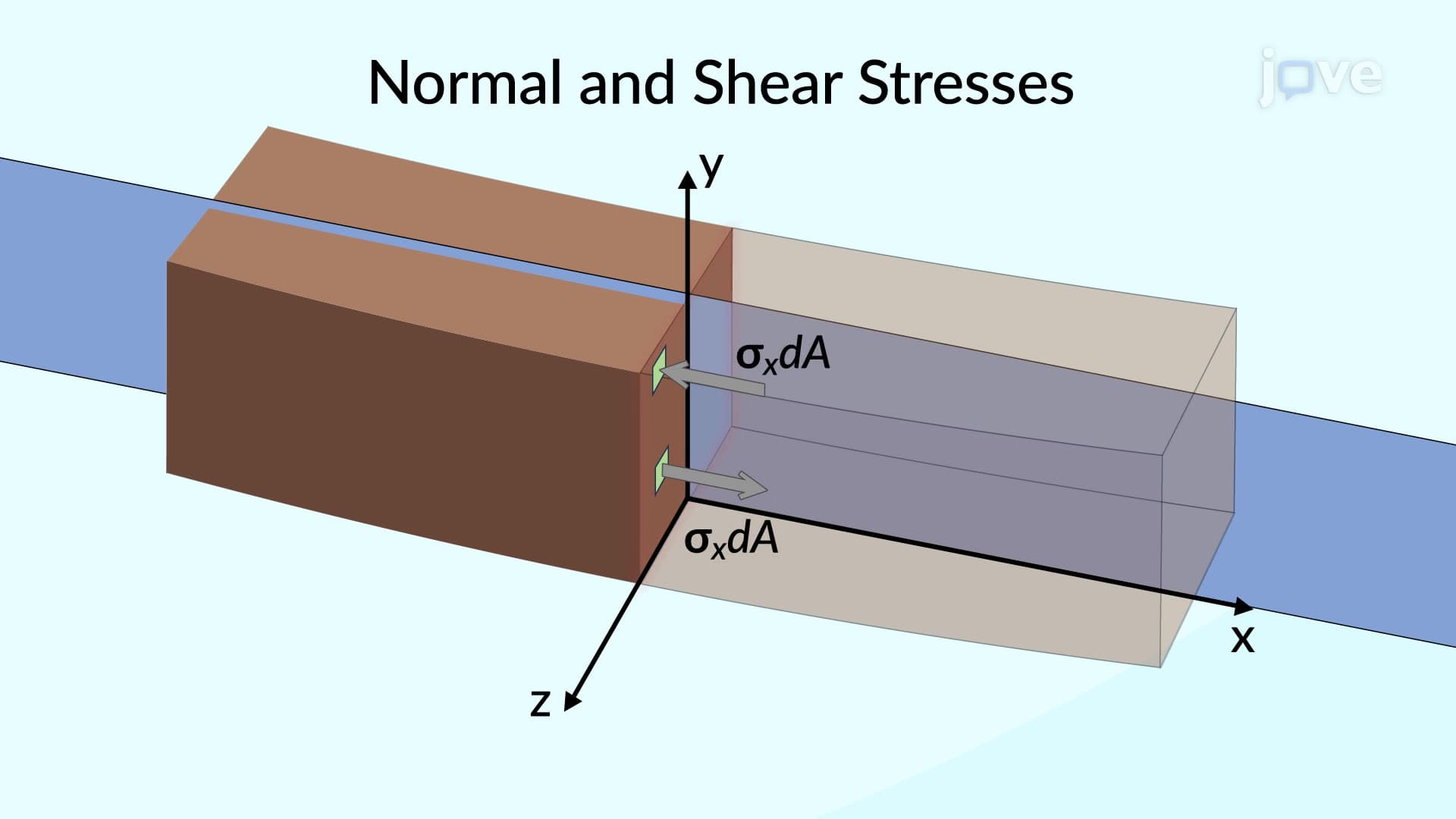
During the elastic phase, stress distribution across a rectangular cross-section follows a linear pattern. This behavior is governed by Hooke's Law and forms the foundation for elastic beam theory taught in college-level mechanics courses. The maximum stress occurs at the extreme fibers (top and bottom surfaces), while stress is zero at the neutral axis. This concept frequently appears on AP Physics exams and college structural analysis midterms, where students must calculate maximum allowable loads before yielding begins.
The maximum elastic moment represents the critical threshold where plastic deformation first initiates. Engineers use this value to establish safe working loads for structures like the steel framework in Chicago's Willis Tower or the suspension cables of the Verrazano-Narrows Bridge in New York.
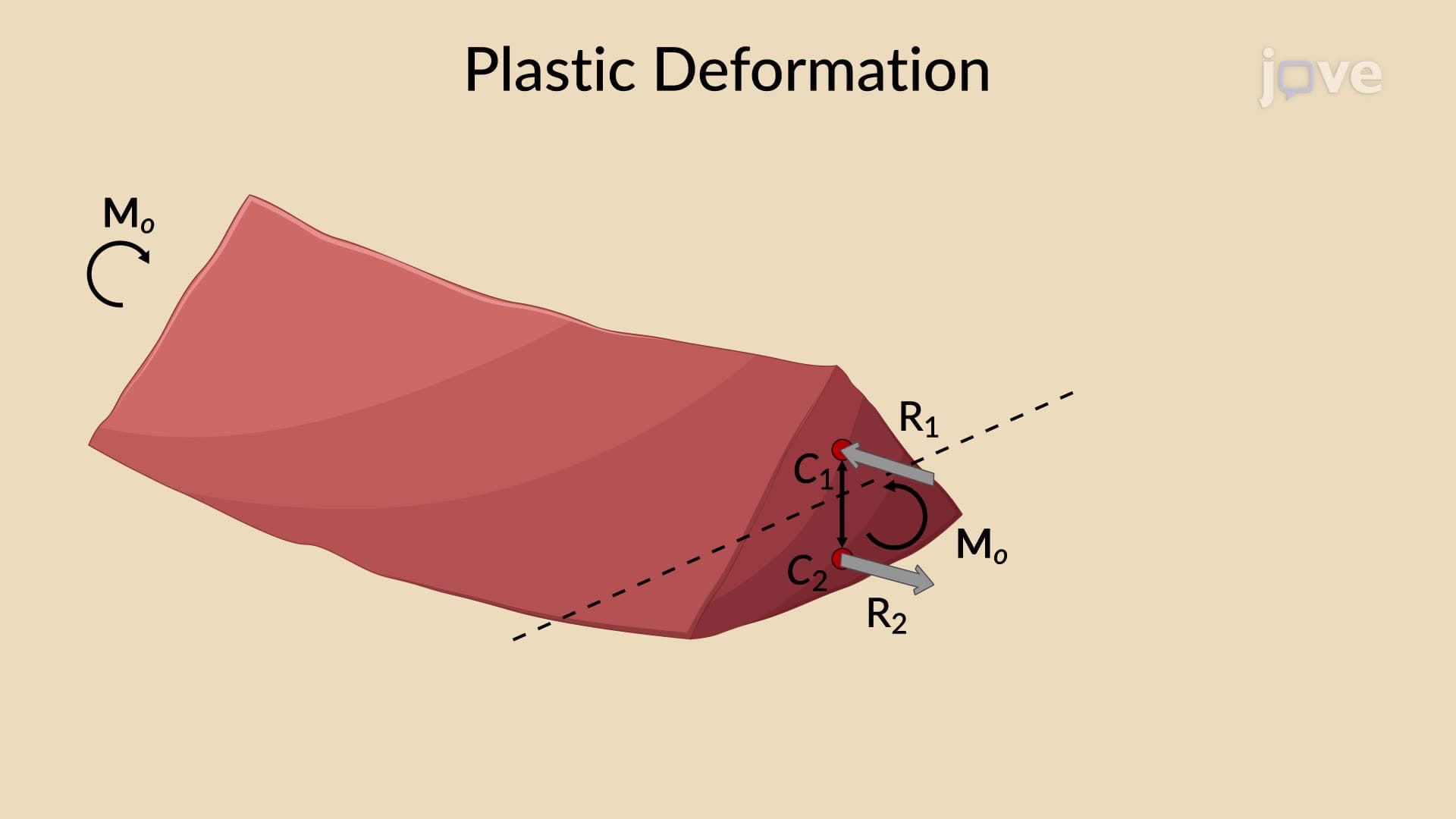
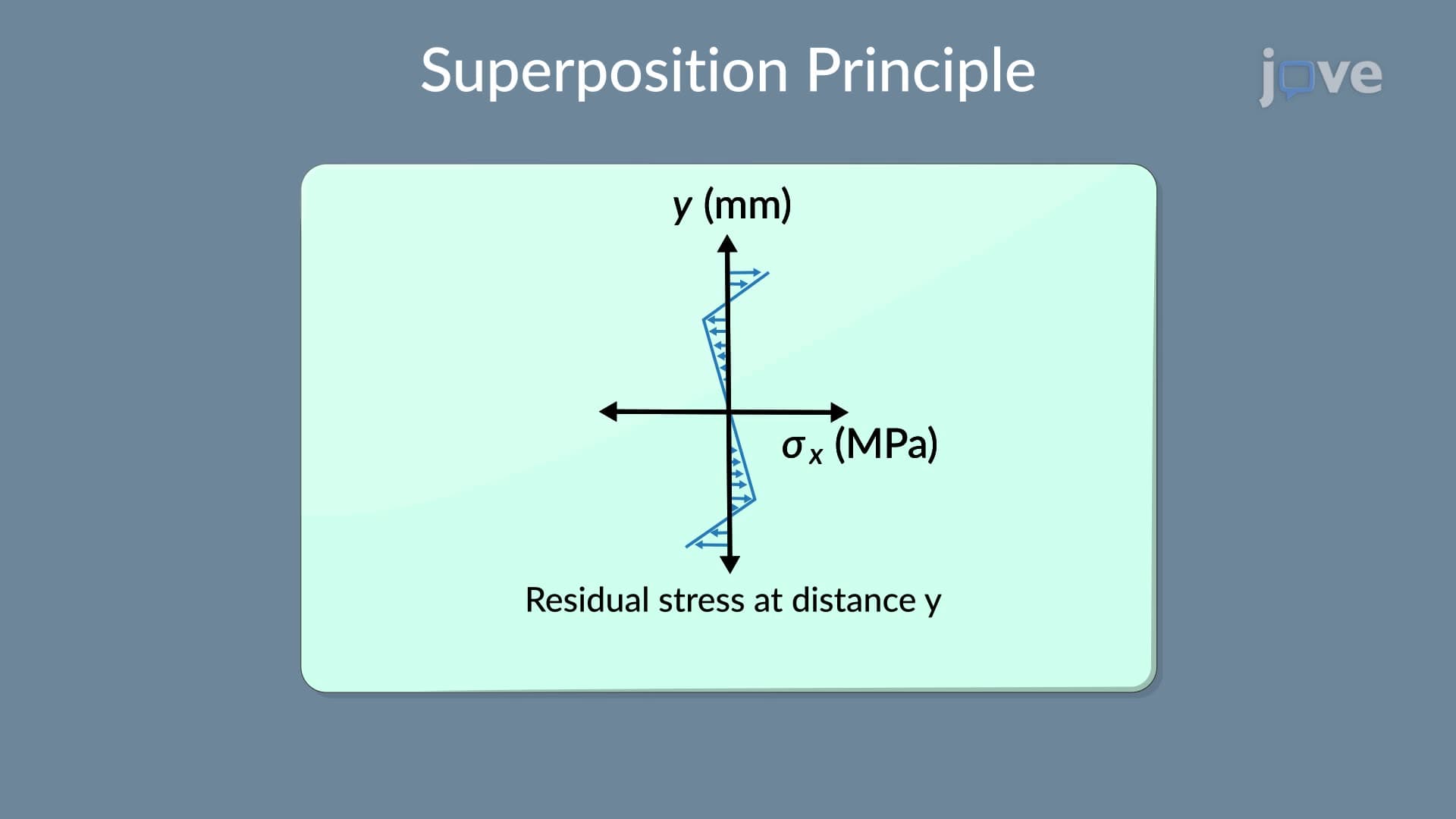
As bending moments exceed the elastic limit, fascinating changes occur in stress distribution. Unlike the linear elastic case, plastic zones develop at the extreme fibers while elastic cores remain in the center. This creates a unique stress pattern where maximum stresses plateau at the yield strength, while the elastic core maintains linear stress variation.
This transition phase is crucial for understanding structural safety factors and appears frequently in engineering coursework at universities like MIT and Stanford. The concept helps explain why steel structures can sustain overloads without catastrophic failure, a principle that saved lives during events like the 1994 Northridge earthquake in California.
At the fully plastic state, the entire cross-section has yielded, creating a rectangular stress distribution. The plastic moment represents the ultimate bending capacity and is approximately 1.5 times the maximum elastic moment for rectangular sections. This relationship is fundamental to plastic design methods used in American building codes like AISC specifications.
Related Micro-courses