Loading video…


 20 Concepts
 18.6K views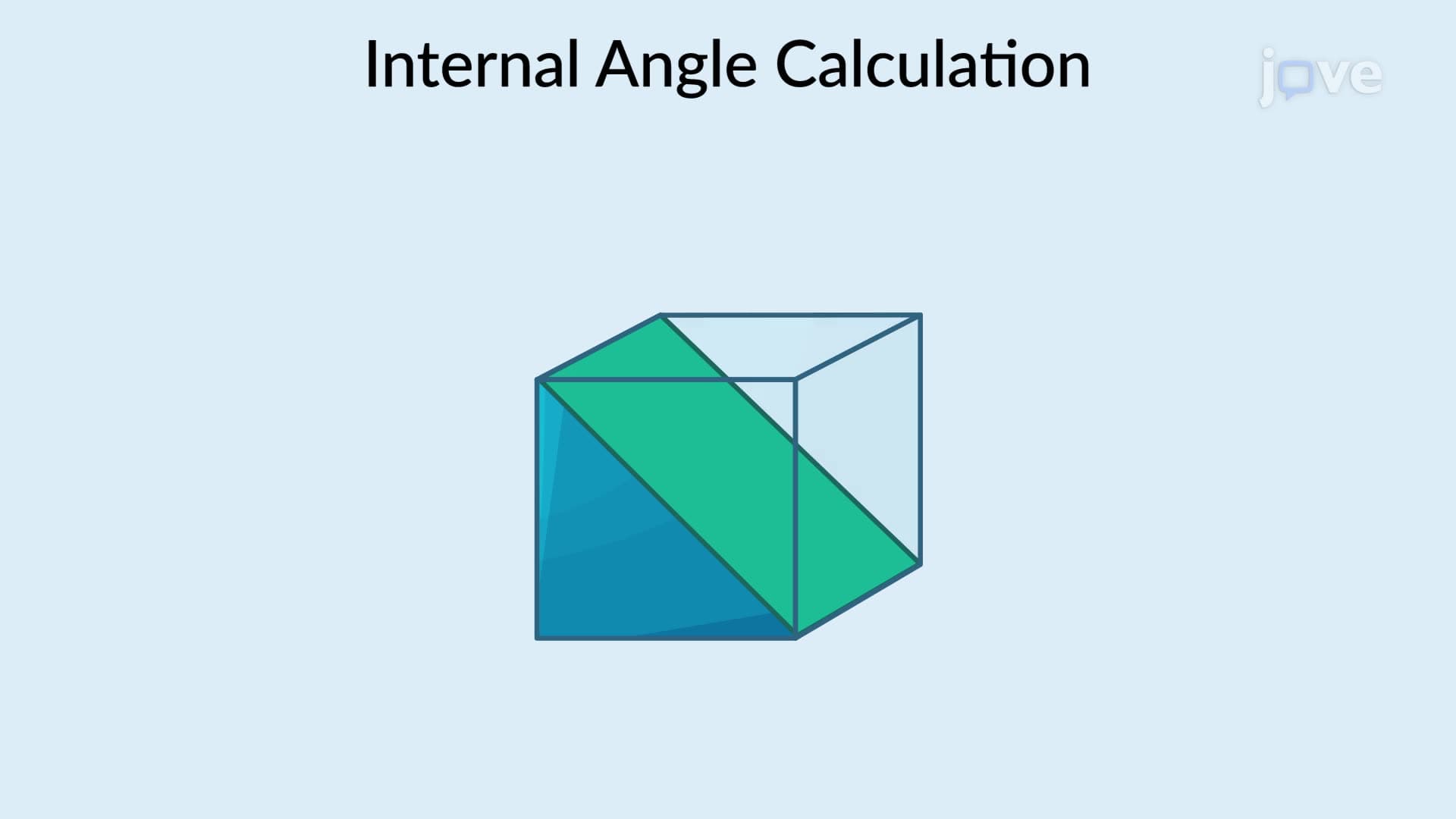

Video Summary: Relation Between Poissons Ratio Explained
Ever wonder why a rubber band gets thinner when you stretch it? The relation between Poisson's ratio explains this fascinating phenomenon that occurs in all materials under stress. When engineers design bridges like the Golden Gate Bridge in San Francisco, they must account for how steel beams change dimensions under load-not just lengthening, but also contracting sideways. Watch the full video on JoVE Coach to master this concept with expert-led visuals and step-by-step explanations.
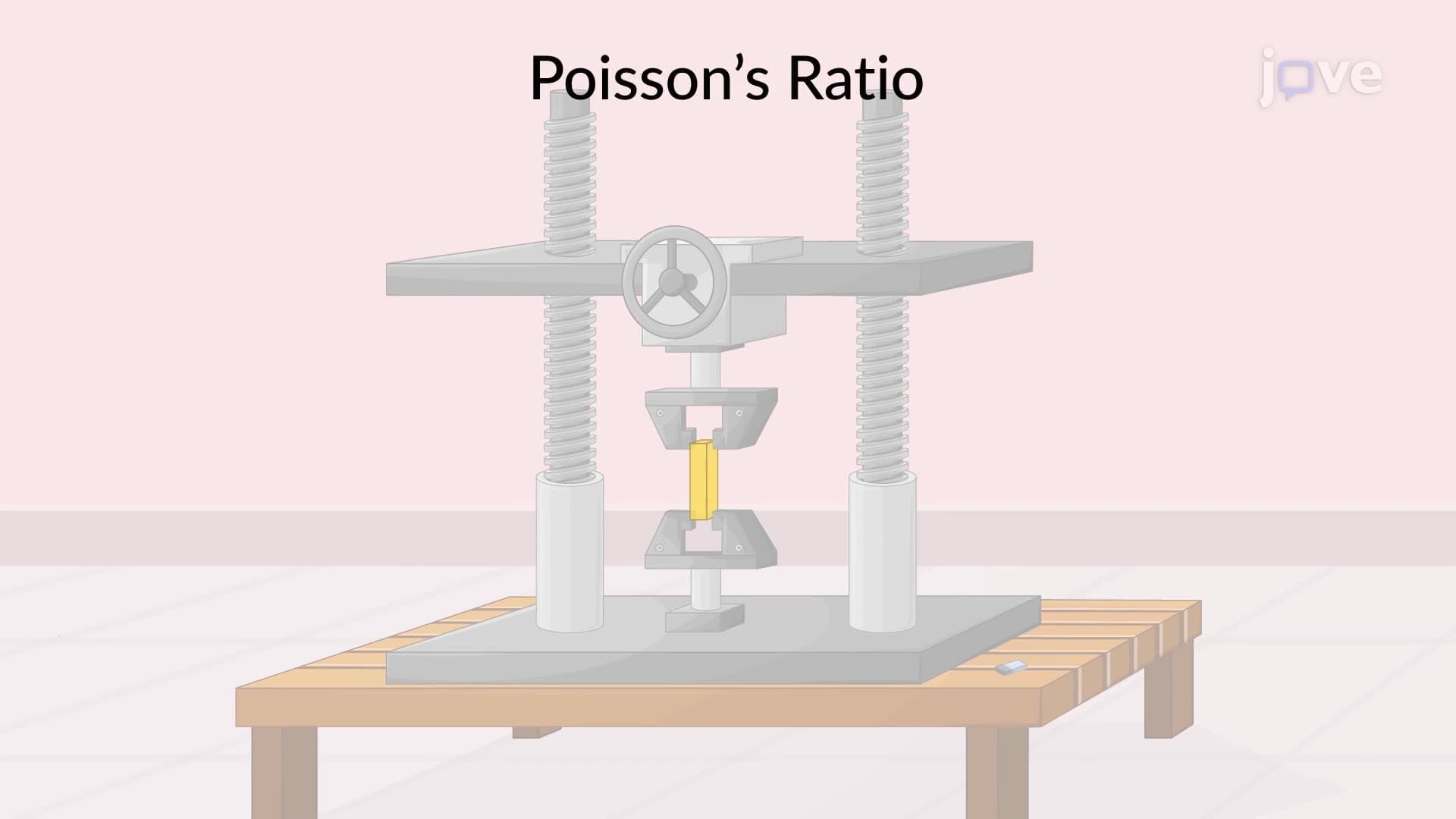
The relation between Poisson's ratio forms a cornerstone of materials science and mechanical engineering. When you apply force to any material-whether stretching a steel cable or compressing a concrete column-the material doesn't just change in the direction of the applied force. It also deforms perpendicular to that direction, creating a complex relationship between different types of strain that engineers must understand to design safe structures.
When engineers analyze structures like the Willis Tower in Chicago or calculate stress in aircraft components, they must consider how materials behave under load. A slender bar under axial tension experiences two primary deformations: elongation along the loading direction (axial strain) and contraction in the perpendicular directions (transverse strain). This dual deformation pattern affects every cubic element within the material, transforming perfect cubes into rectangular parallelepipeds or rhombic shapes depending on their orientation relative to the applied load.
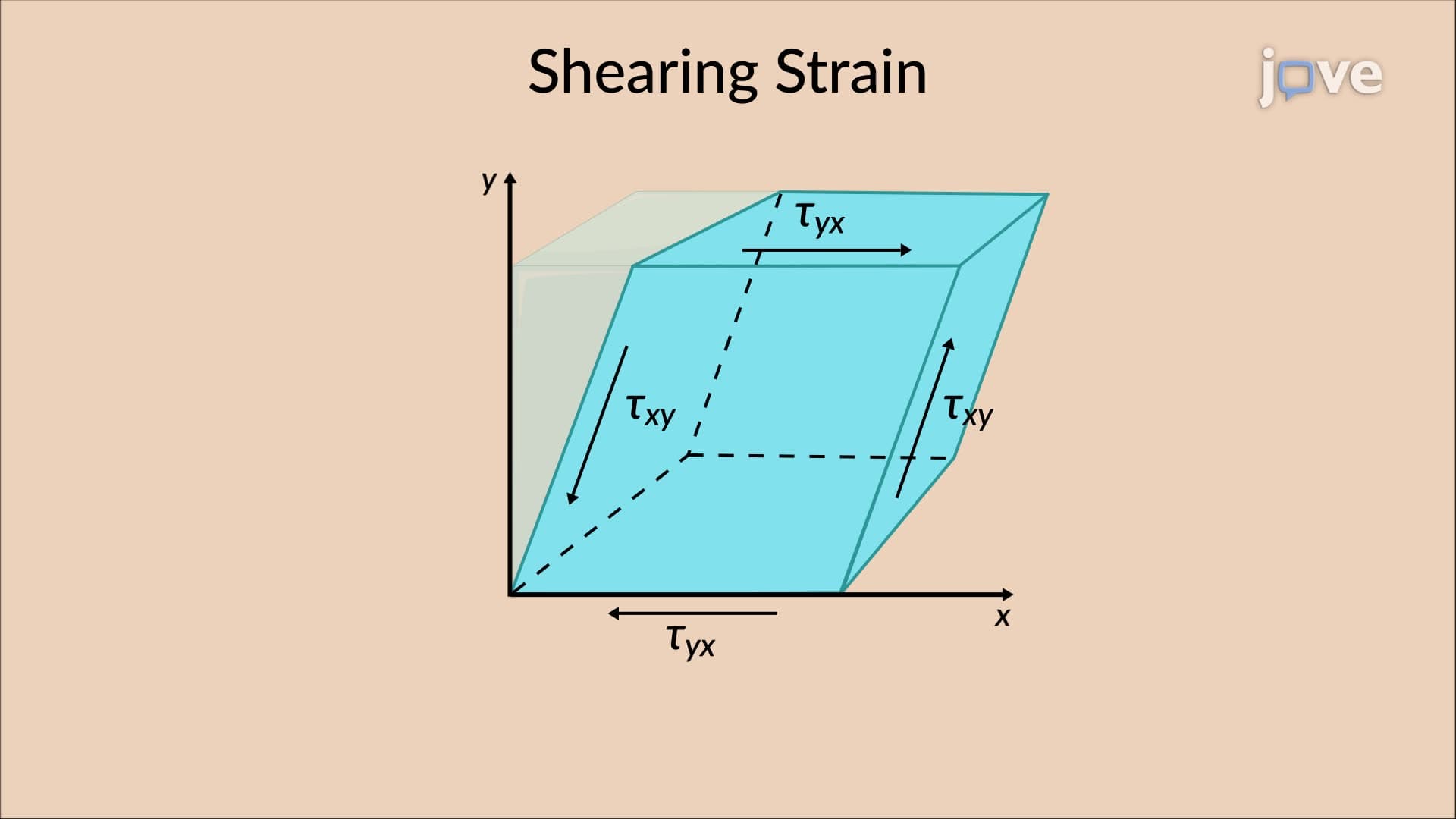
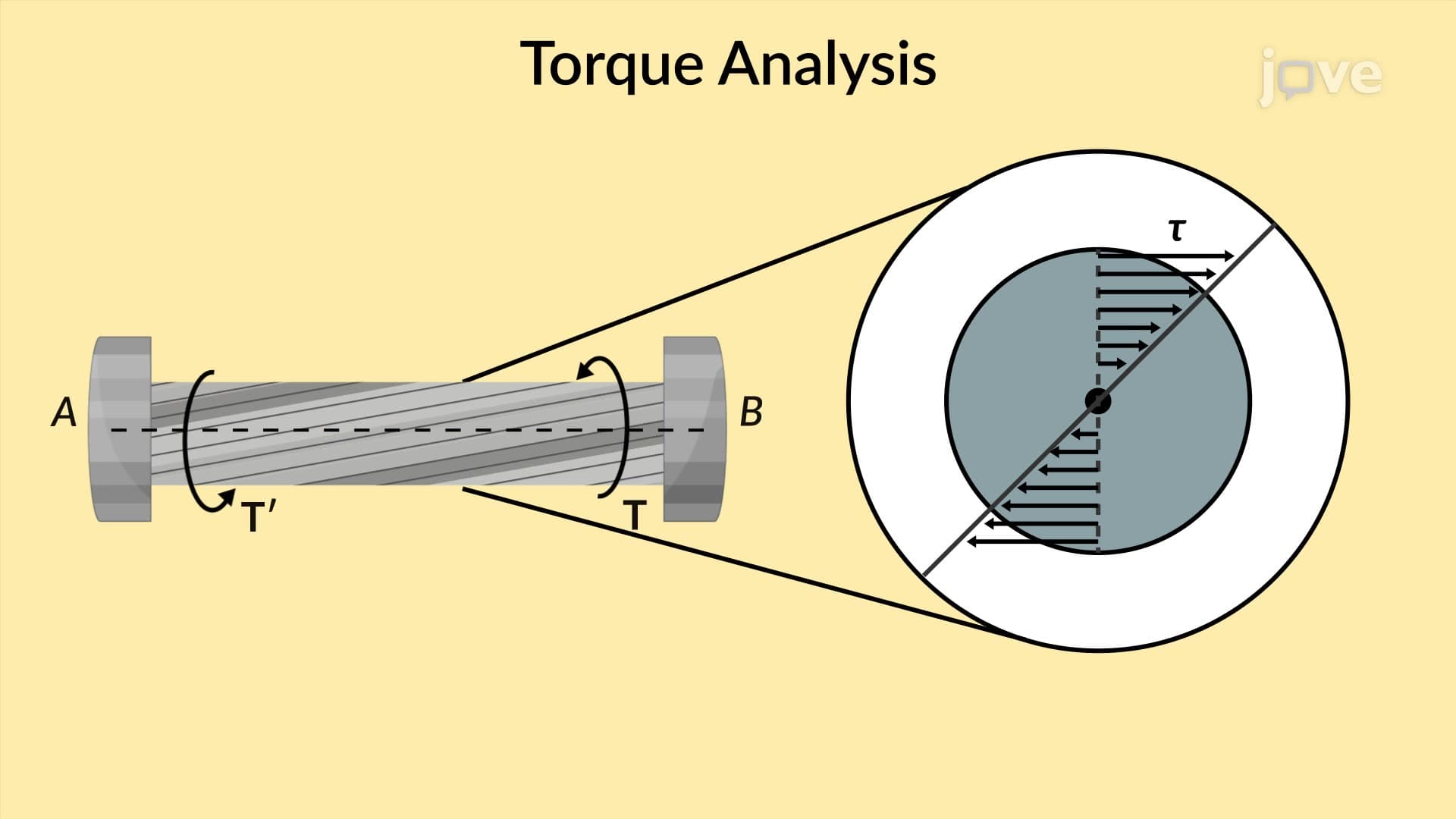
The most critical analysis occurs at elements oriented 45 degrees to the loading axis. At this orientation, the applied axial load creates both normal stresses (perpendicular to the surface) and shearing stresses (parallel to the surface). This combination is crucial for understanding material failure, as many materials fail in shear before they fail in tension. For students preparing for the AP Physics exam or engineering mechanics courses, mastering this concept explains why diagonal cracks appear in concrete beams and why ductile metals develop characteristic failure patterns.
The geometric transformation of prismatic elements under load provides the mathematical foundation for relating different elastic constants. Using trigonometric relationships and the tangent formula for angle differences, engineers derive the connection between maximum shearing strain and axial strain. Through Hooke's law applications, this geometric relationship translates into practical formulas that allow determination of any elastic constant when the other two are known. This interdependence appears frequently on the Fundamentals of Engineering (FE) exam and in undergraduate mechanics courses at institutions like MIT and Stanford.
Related Micro-courses