Loading video…


 20 Concepts
 18.6K views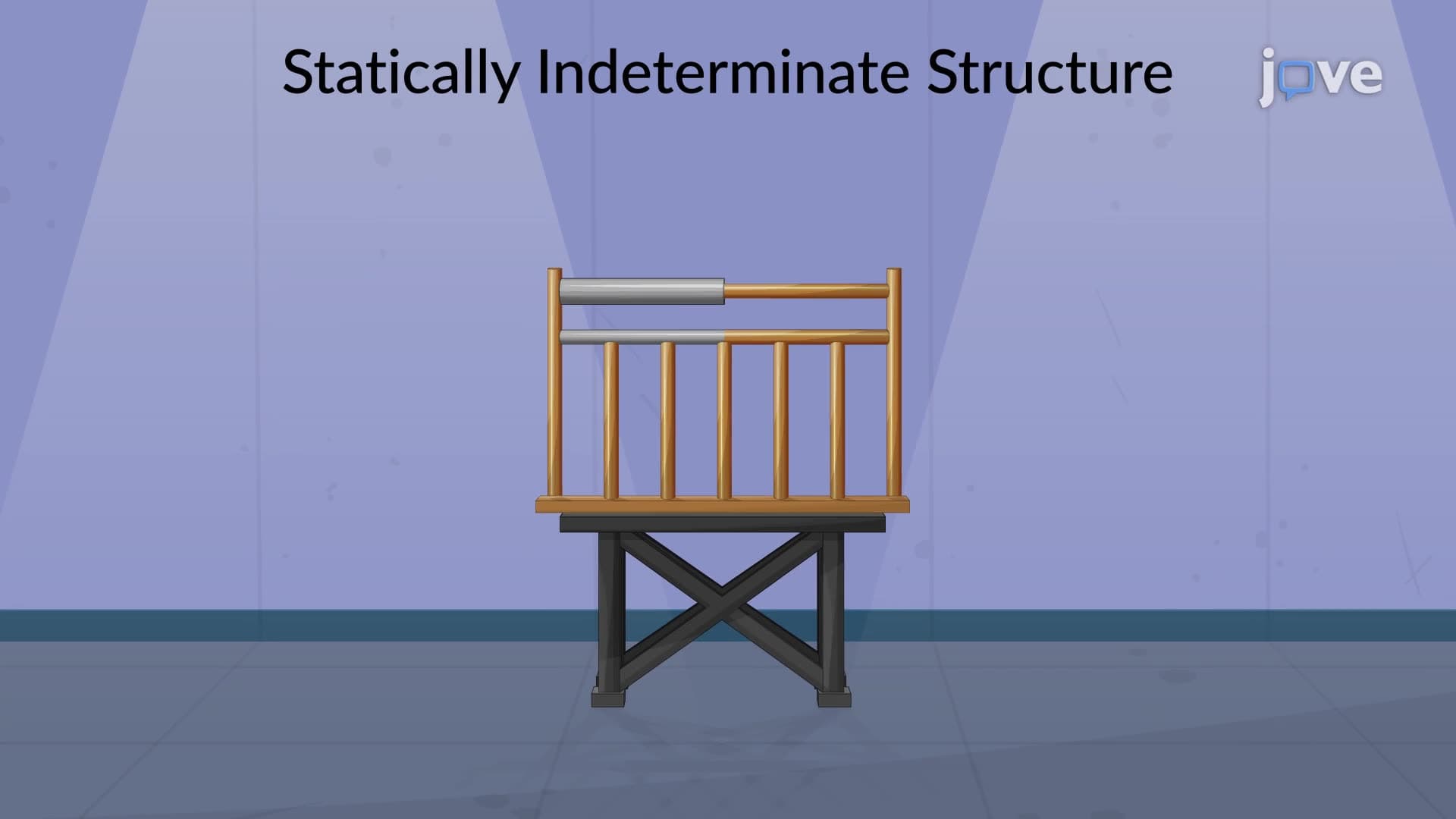

Video Summary: What Is Statically Indeterminate Problem Solving
Why do some engineering structures require more supports than others to remain stable? Statically indeterminate problem solving tackles structures with more supports than mathematically necessary for equilibrium, creating excess unknown forces. Consider the San Francisco Bay Bridge-its multiple support points create redundant reactions that must be solved using advanced methods like superposition. This statically indeterminate problem solving approach ensures structural safety by analyzing how forces distribute across all supports. Watch the full video on JoVE Coach to master this concept with expert-led visuals and step-by-step explanations.
Statically indeterminate problem solving represents a critical advancement in structural analysis beyond basic statics. Unlike statically determinate systems where the number of unknown reactions equals the number of equilibrium equations, statically indeterminate structures possess more supports than necessary for stability. This creates a mathematical challenge: more unknowns than equations.
The Golden Gate Bridge exemplifies this concept perfectly. Its towers, cables, and anchorages create numerous reaction points that exceed the three basic equilibrium equations (ΣFx = 0, ΣFy = 0, ΣM = 0). Engineers must employ sophisticated methods to determine how loads distribute among these redundant supports.
The superposition method serves as the primary tool for statically indeterminate problem solving. This technique involves strategically removing one or more redundant supports, treating them as unknown loads, then analyzing the resulting statically determinate structure. The key insight: the total deformation at the removed support point must equal zero in the original structure.
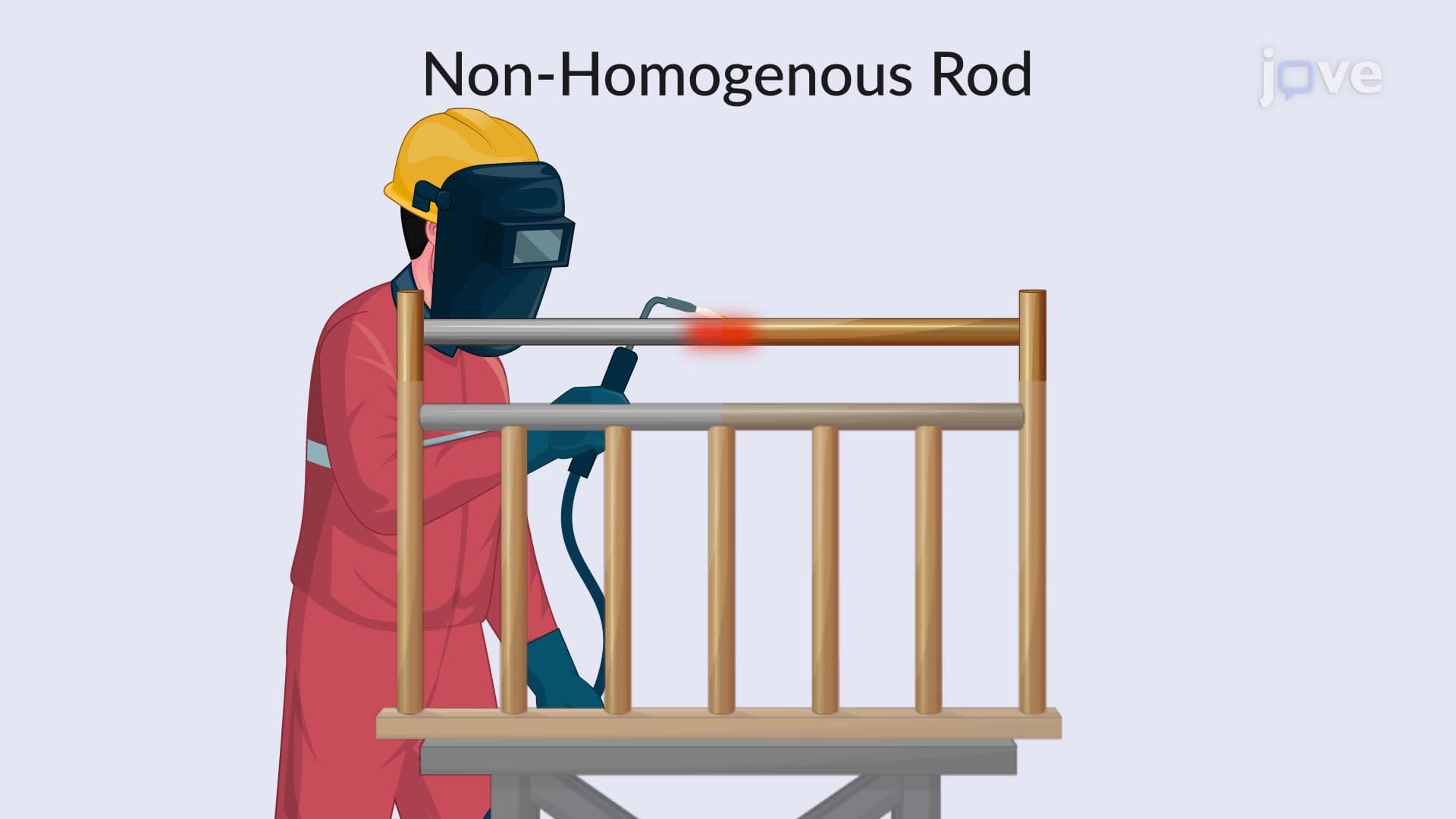
Consider a steel-brass composite rod fixed at both ends-a common scenario in AP Physics C and college engineering mechanics courses. By releasing one support and applying superposition, students can determine reaction forces by ensuring compatibility conditions are satisfied.
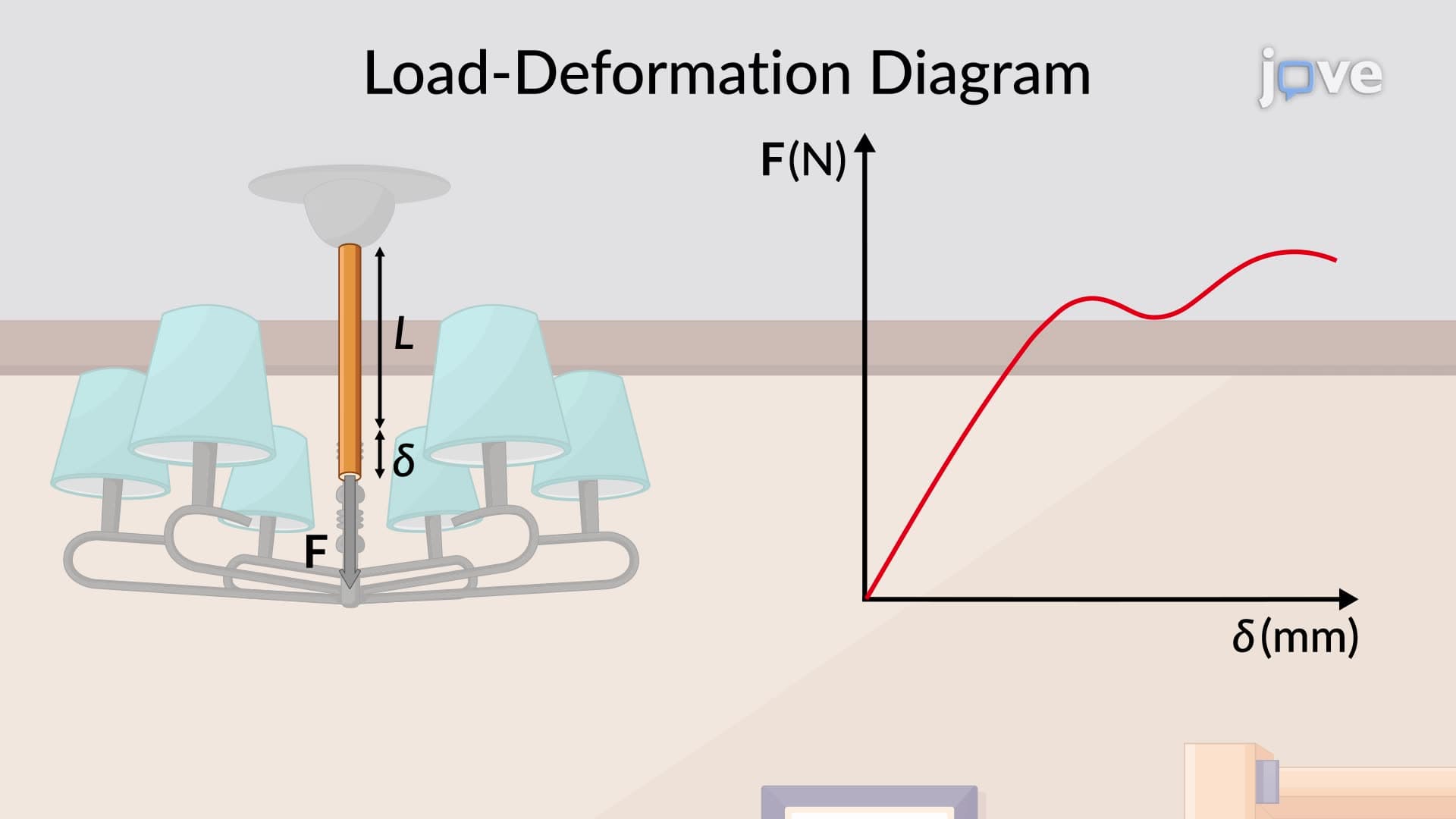
Understanding statically indeterminate problem solving requires mastery of material behavior under load. Different materials like steel (E = 29,000 ksi) and brass (E = 15,000 ksi) exhibit varying elastic moduli, affecting load distribution in composite structures. The deformation formula δ = PL/AE becomes crucial for calculating deflections in each segment.
This concept frequently appears on the Fundamentals of Engineering (FE) exam and in undergraduate mechanics of materials courses at institutions like MIT and Stanford. Students must apply boundary conditions and compatibility requirements to solve for unknown reactions.
Statically indeterminate systems dominate modern infrastructure. Highway overpasses, aircraft wings, and building frames all rely on redundant support systems for safety and load redistribution. When one support fails, others can carry additional loads-a principle called structural redundancy.
The statically indeterminate problem solving concept extends beyond academic exercises into professional engineering practice. Structural engineers use software like SAP2000 and ETABS, which employ the same superposition principles students learn in introductory courses.
Related Micro-courses