Loading video…


 20 Concepts
 18.6K views

Video Summary: What Is Plastic Behavior
Ever wondered why a bent paper clip won't spring back to its original shape? Plastic behavior occurs when materials undergo permanent deformation after stress exceeds their yield point, unlike elastic behavior where materials return to their original form. When bridge engineers design steel structures across the Mississippi River, they must account for plastic deformation to prevent catastrophic failures during extreme loading conditions. Understanding what is plastic behavior helps predict how materials respond under stress and prevents structural disasters. Watch the full video on JoVE Coach to master this concept with expert-led visuals and step-by-step explanations.
Plastic behavior represents a fundamental material property where substances undergo permanent, irreversible deformation when subjected to stress beyond their elastic limit. Unlike elastic behavior, where materials return to their original shape upon load removal, plastic behavior results in lasting structural changes that persist even after stress elimination.
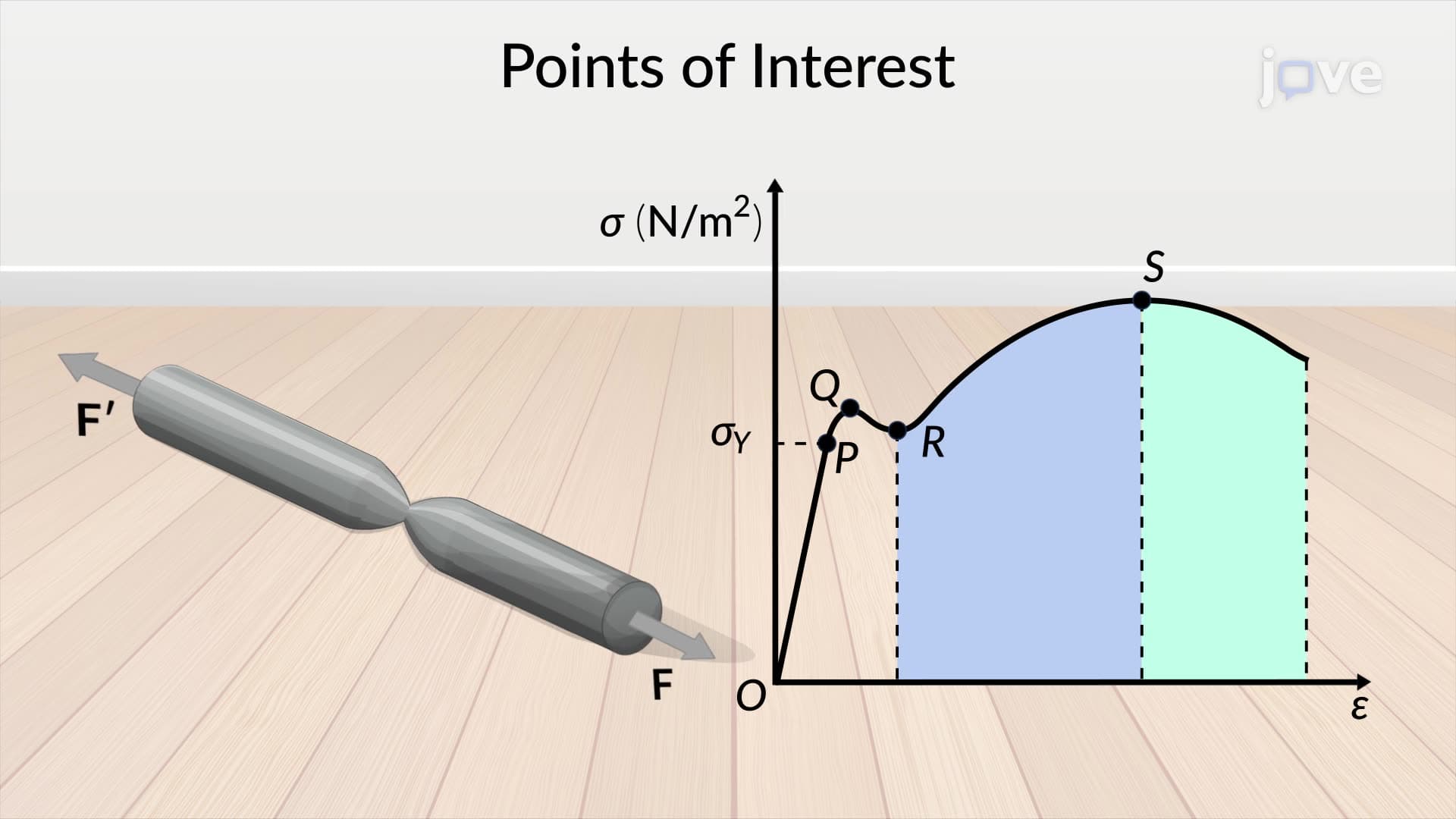
The plastic behavior definition centers on the yield point-the critical stress threshold where materials transition from reversible elastic deformation to permanent plastic deformation. When engineers at companies like Boeing or Ford test aluminum alloys, they carefully monitor this transition to ensure structural integrity while maximizing material efficiency.
What is plastic behavior in detail involves complex atomic-level processes where crystal structures permanently rearrange under excessive stress. During plastic deformation, atomic planes slide past each other, creating dislocations that prevent the material from returning to its original configuration. This phenomenon explains why a steel beam bent beyond its yield point maintains its curved shape even after removing the bending force.
The extent of plastic deformation depends on two critical factors: maximum stress magnitude and loading duration. Materials subjected to higher stress levels or prolonged loading exhibit more pronounced plastic behavior, which engineering firms must consider when designing everything from skyscraper frameworks to automotive components.
A fascinating aspect of plastic behavior basics involves strain-hardening, where materials become stronger but less ductile after plastic deformation. When reloading a previously deformed specimen, the material follows its unloading path until approaching the new, higher yield point. This behavior is crucial for manufacturers like Caterpillar, who design heavy machinery components that must withstand repeated loading cycles.
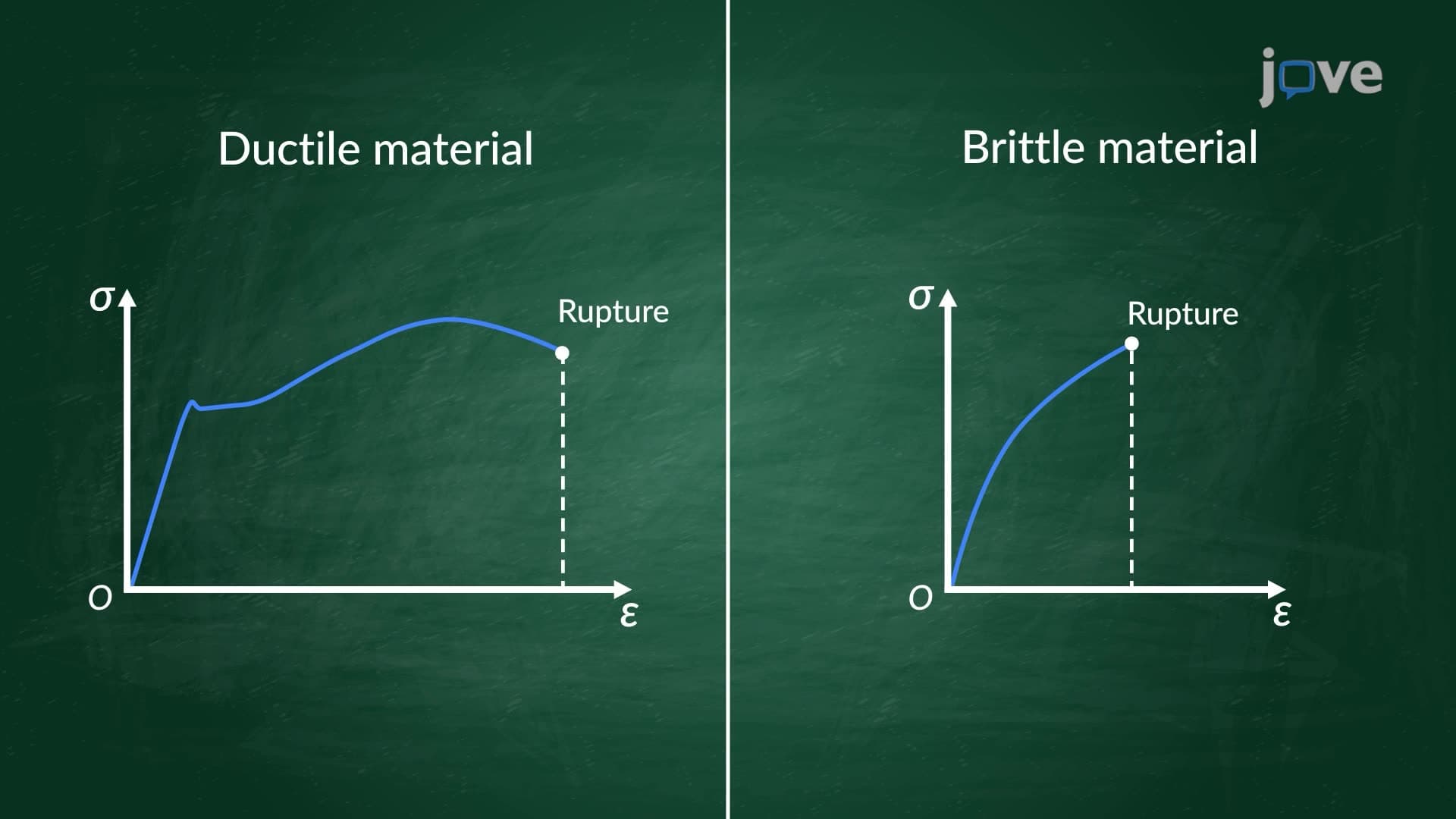
However, while yield strength increases through strain-hardening, the ultimate rupture point remains unchanged, indicating reduced ductility. This trade-off between strength and flexibility influences material selection for applications ranging from surgical instruments to aerospace components.
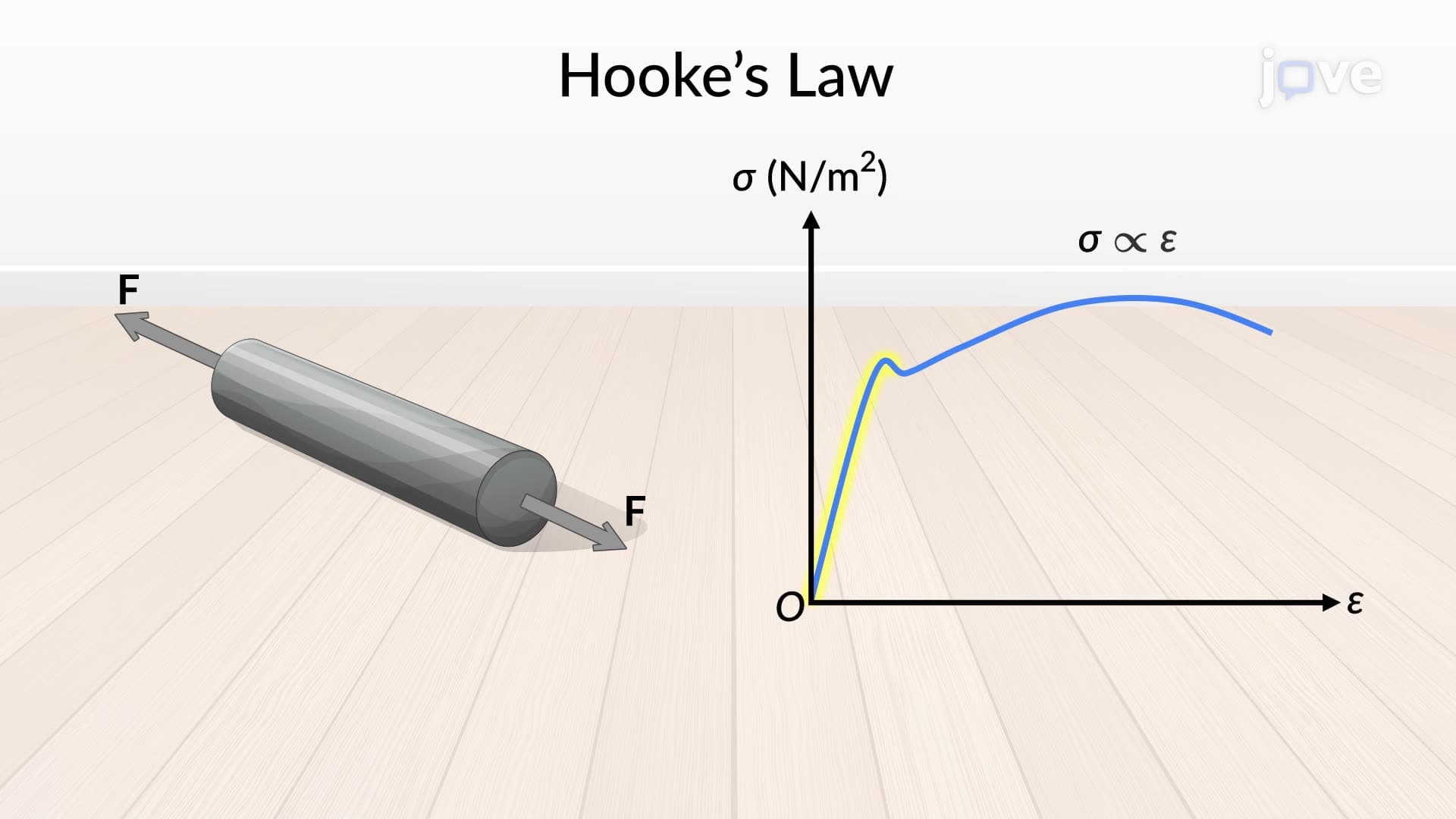
Understanding plastic behavior overview proves essential for AP Physics, college materials science courses, and professional engineering examinations. Students encounter plastic behavior problems in mechanics coursework, where they analyze stress-strain diagrams and calculate permanent deformation values. The concept frequently appears in MCAT physics sections and engineering fundamentals exams, making mastery crucial for academic success.
Real-world applications span from earthquake-resistant building design in California to crash-test analysis in Detroit's automotive industry, where engineers deliberately incorporate plastic deformation zones to absorb impact energy and protect occupants.
Related Micro-courses