Loading video…


 20 Concepts
 18.6K views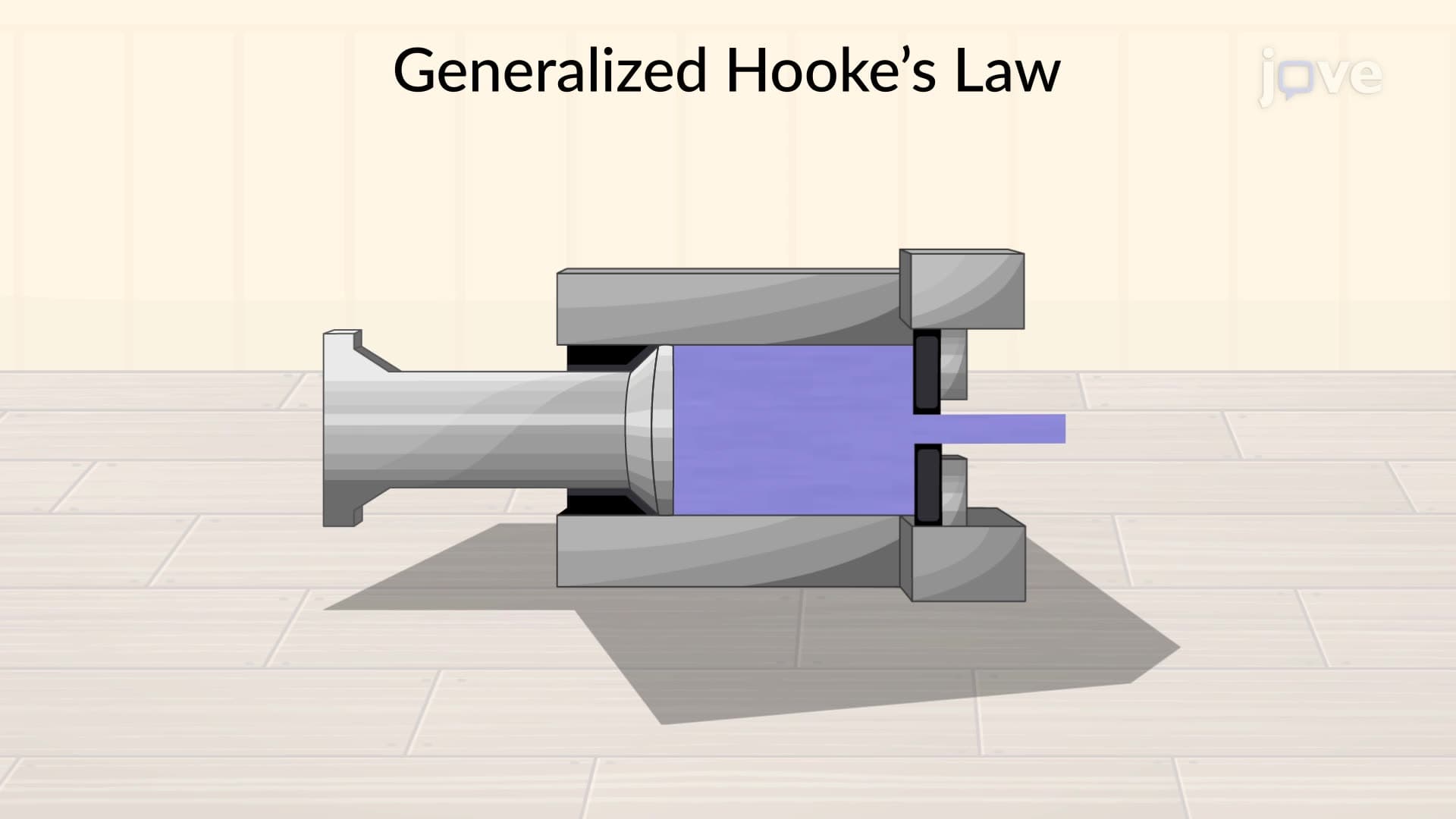

Video Summary: What Is Generalized Hookes Law
Why do airplane wings flex during turbulence without breaking? Generalized Hooke's Law explains how materials respond when forces act from multiple directions simultaneously, unlike simple one-dimensional stretching. This fundamental engineering principle governs everything from Boeing 787 wing design to earthquake-resistant skyscrapers in California, where materials must withstand complex stress patterns. Understanding What is Generalized Hooke's Law is essential for predicting material behavior under real-world loading conditions. Watch the full video on JoVE Coach to master this concept with expert-led visuals and step-by-step explanations.
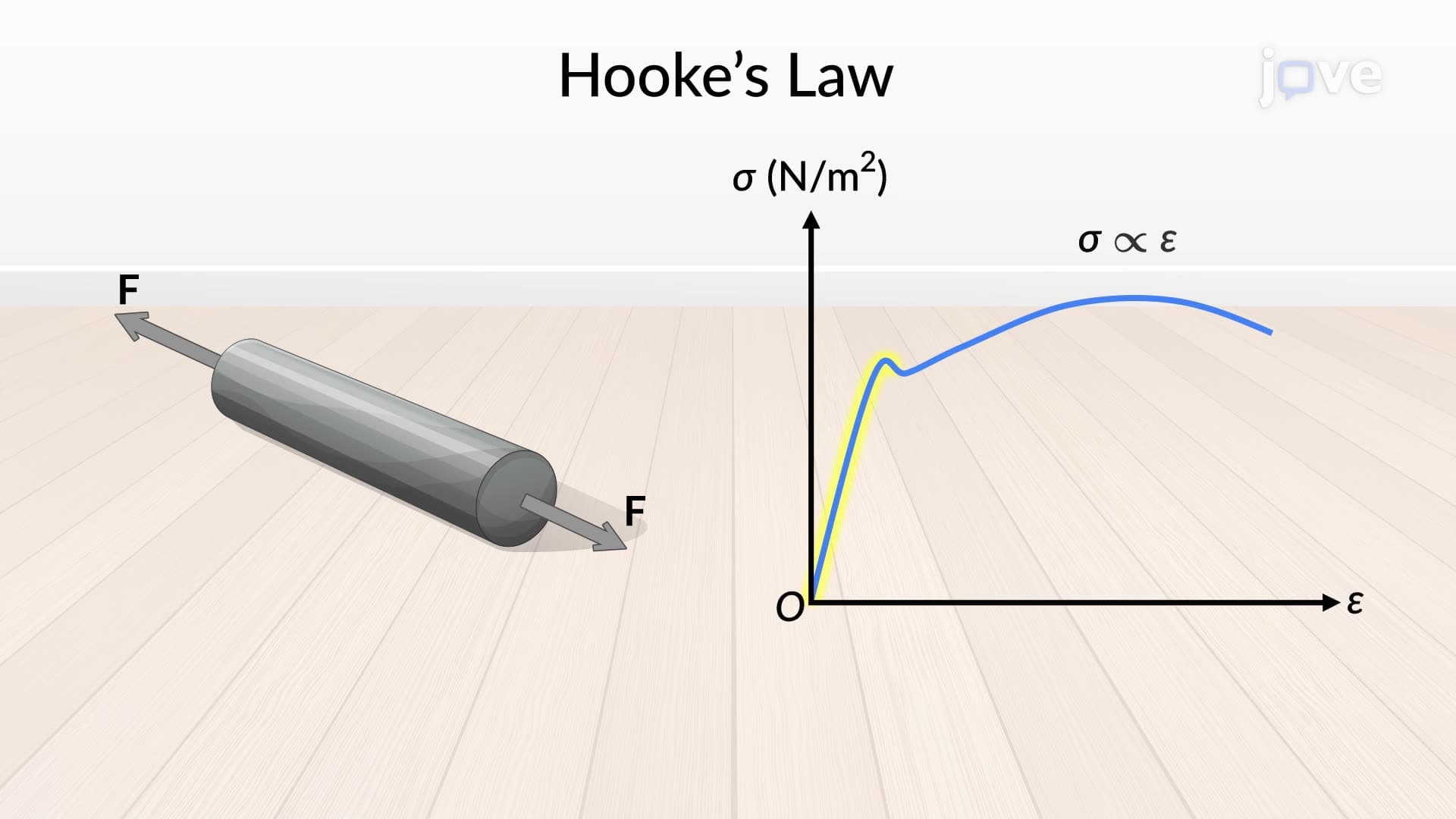
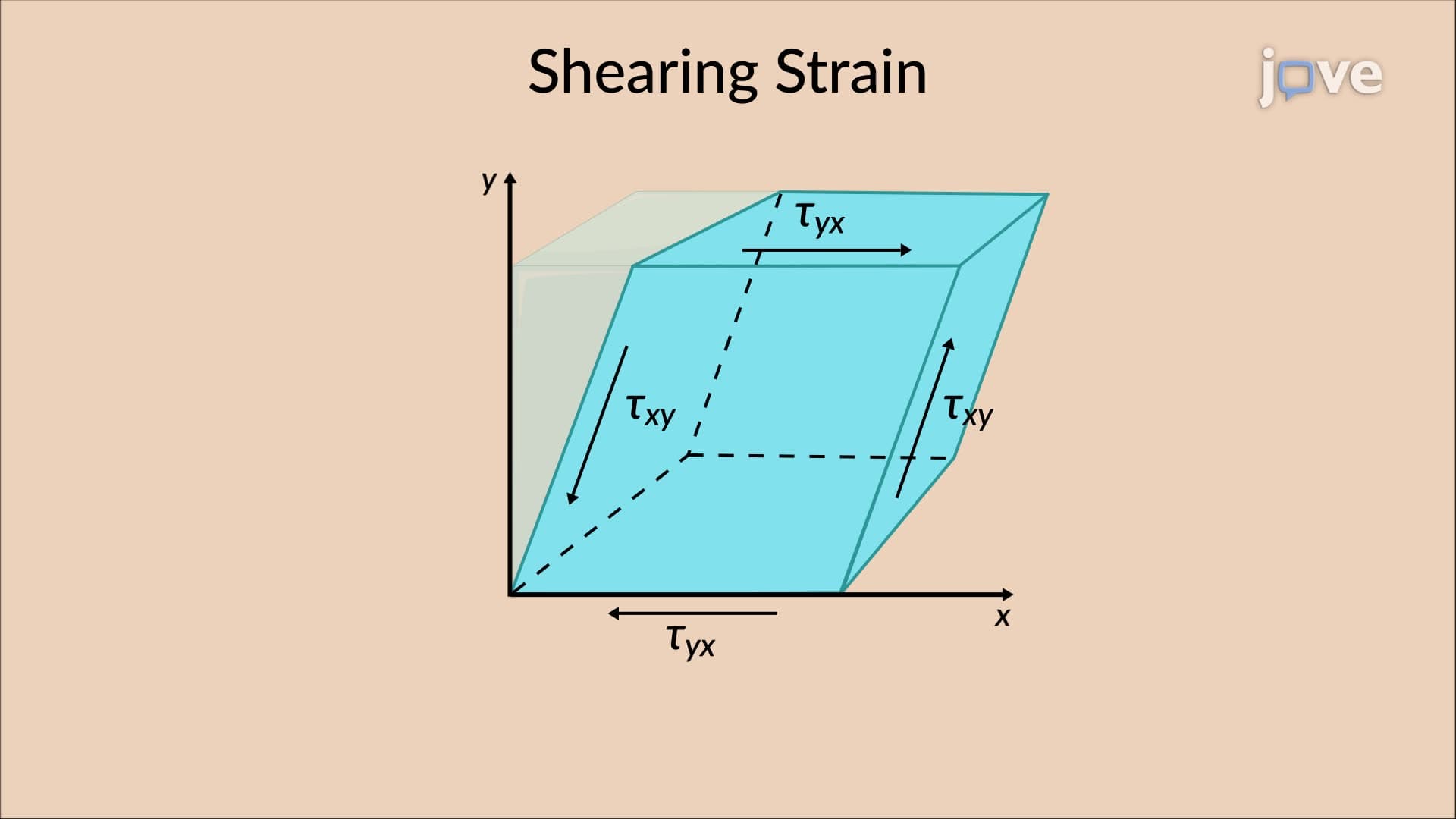
Generalized Hooke's Law represents a cornerstone principle in materials science and engineering mechanics, extending the familiar one-dimensional Hooke's law (stress = E × strain) to three-dimensional stress states. While basic Hooke's law describes simple tension or compression in one direction, real-world structures experience forces from multiple directions simultaneously. Consider the Golden Gate Bridge in San Francisco: wind loads, vehicle weight, and thermal expansion create complex stress patterns that require three-dimensional analysis.
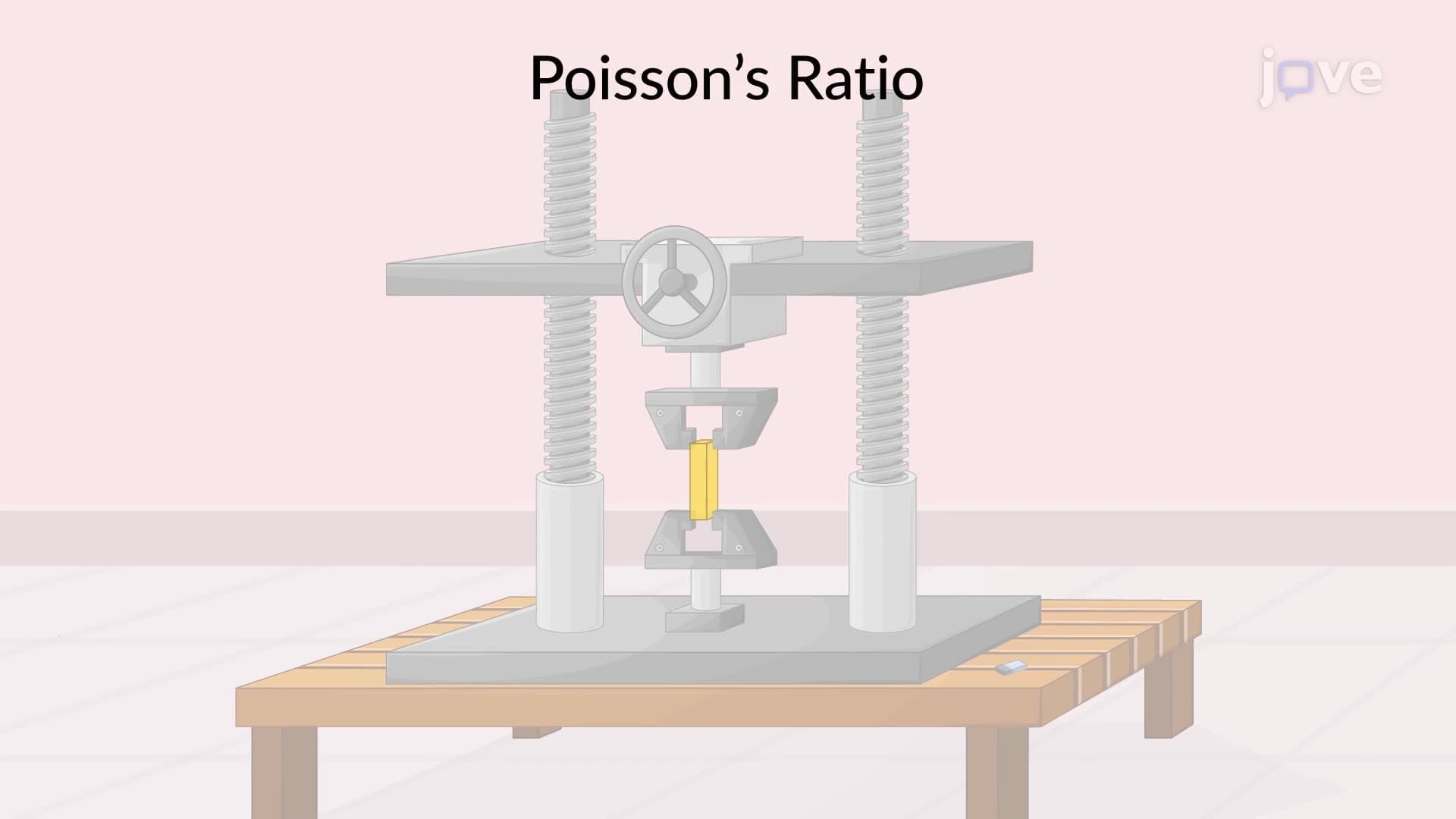
The generalized Hooke's law definition relies on the superposition principle, which states that individual effects of different stress components can be combined linearly. For an isotropic material (properties identical in all directions), each normal stress component creates both direct strain in its own direction and lateral strains in perpendicular directions through Poisson's effect. This relationship becomes:
εx = (1/E)[σx - ν(σy + σz)] εy = (1/E)[σy - ν(σx + σz)] εz = (1/E)[σz - ν(σx + σy)]
Where E represents Young's modulus and ν represents Poisson's ratio. Understanding what is generalized Hooke's law in detail requires grasping how these equations capture the coupling between different stress and strain components.
The practical significance of generalized Hooke's law becomes evident in structural design across American infrastructure. When Boeing engineers design aircraft fuselages, they must account for cabin pressurization (creating hoop stress), bending moments during flight maneuvers, and temperature variations. Similarly, petroleum engineers analyzing wellbore stability in Texas oil fields use these principles to predict rock deformation under the combined effects of overburden pressure, fluid pressure, and tectonic stresses.
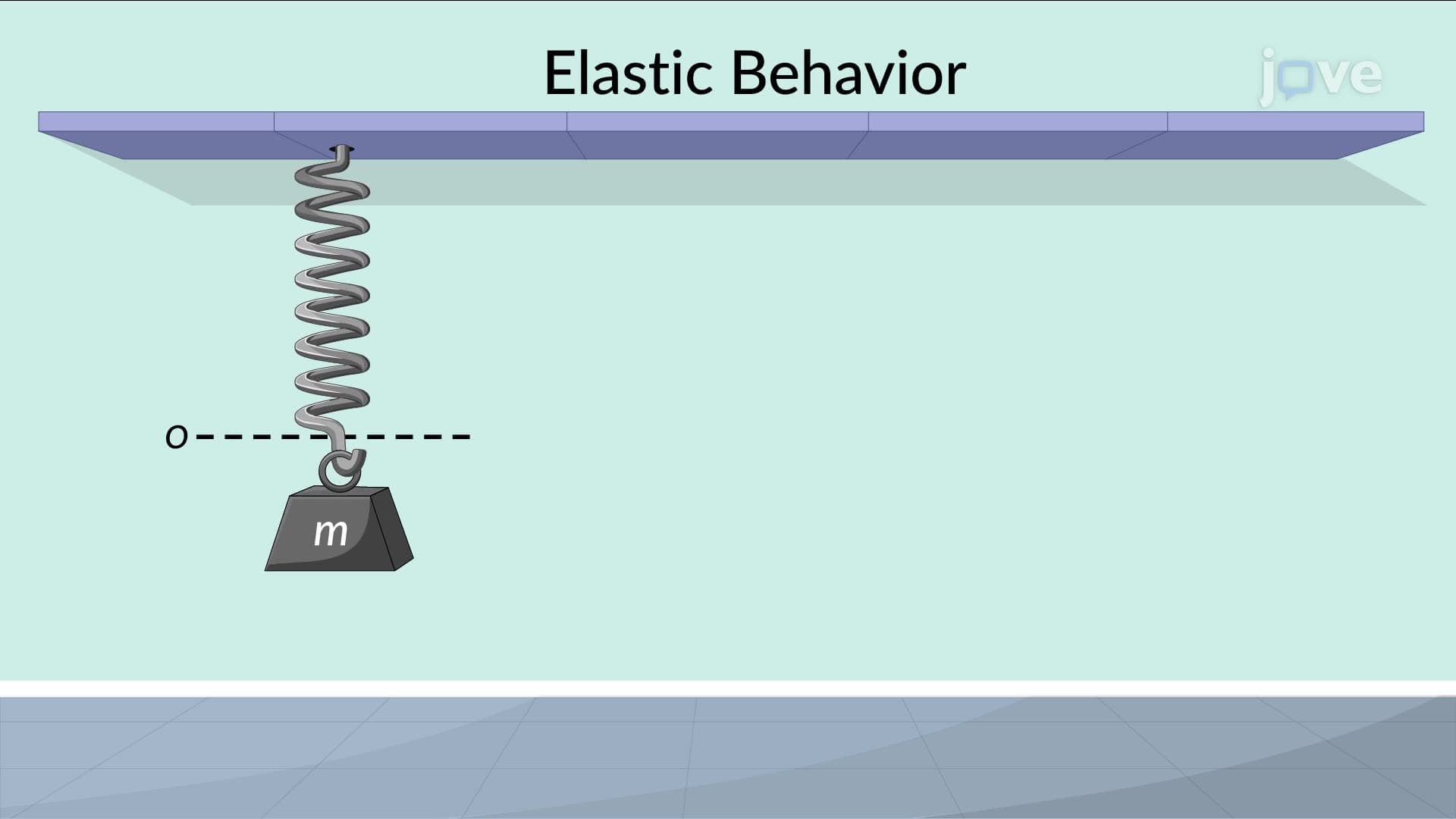
The generalized Hooke's law concept requires several critical assumptions: materials must behave elastically (no permanent deformation), deformations must remain small relative to original dimensions, and stress levels must stay below the proportional limit. These conditions typically hold for steel structures under normal service loads but may fail during extreme events like earthquakes or material fatigue. Understanding these limitations proves essential for AP Physics students and engineering undergraduates tackling mechanics problems on standardized exams.
Related Micro-courses