Loading video…


 17 Concepts
 17K views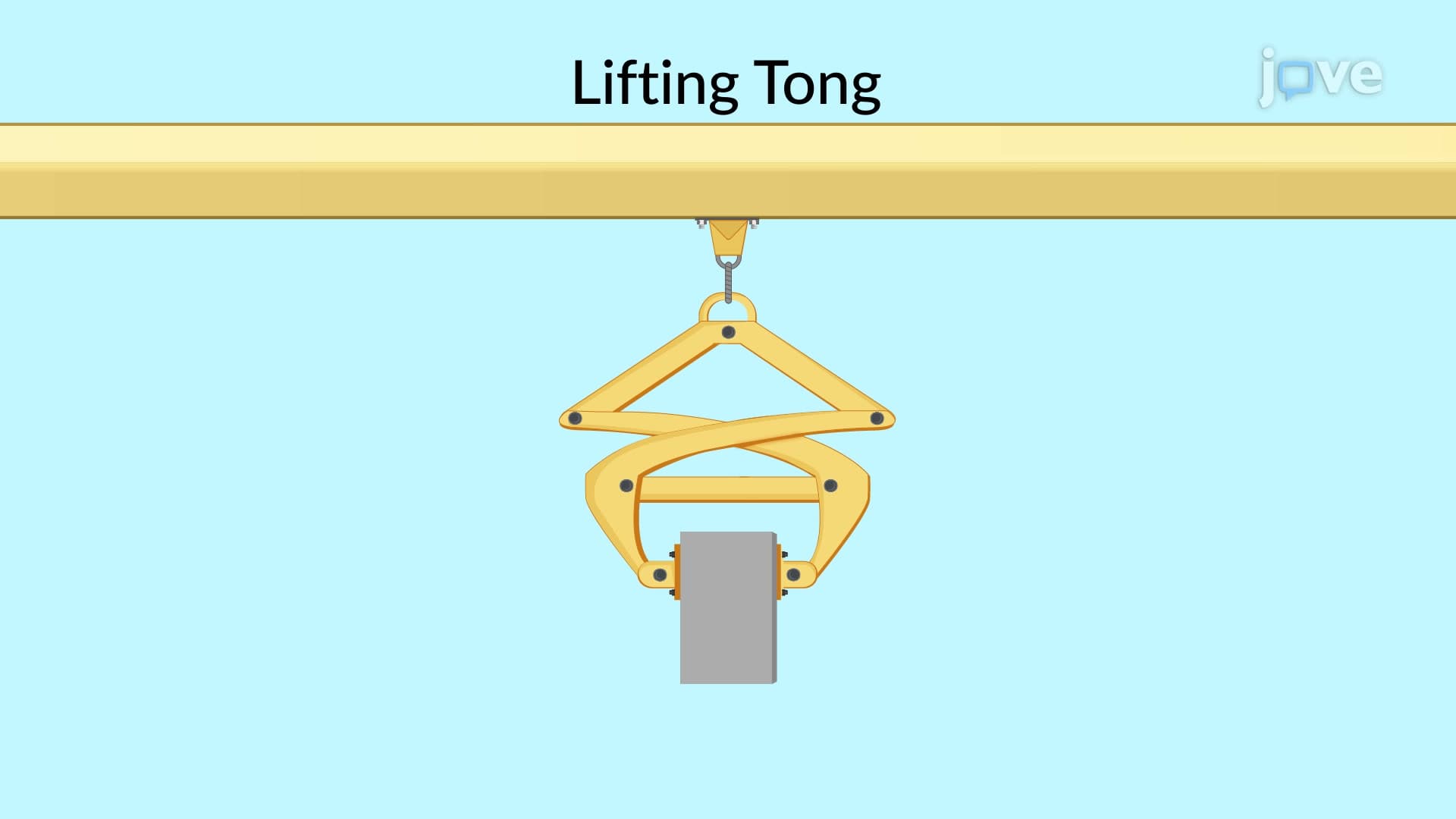

Video Summary: What Is Machines Problem Solving Ii
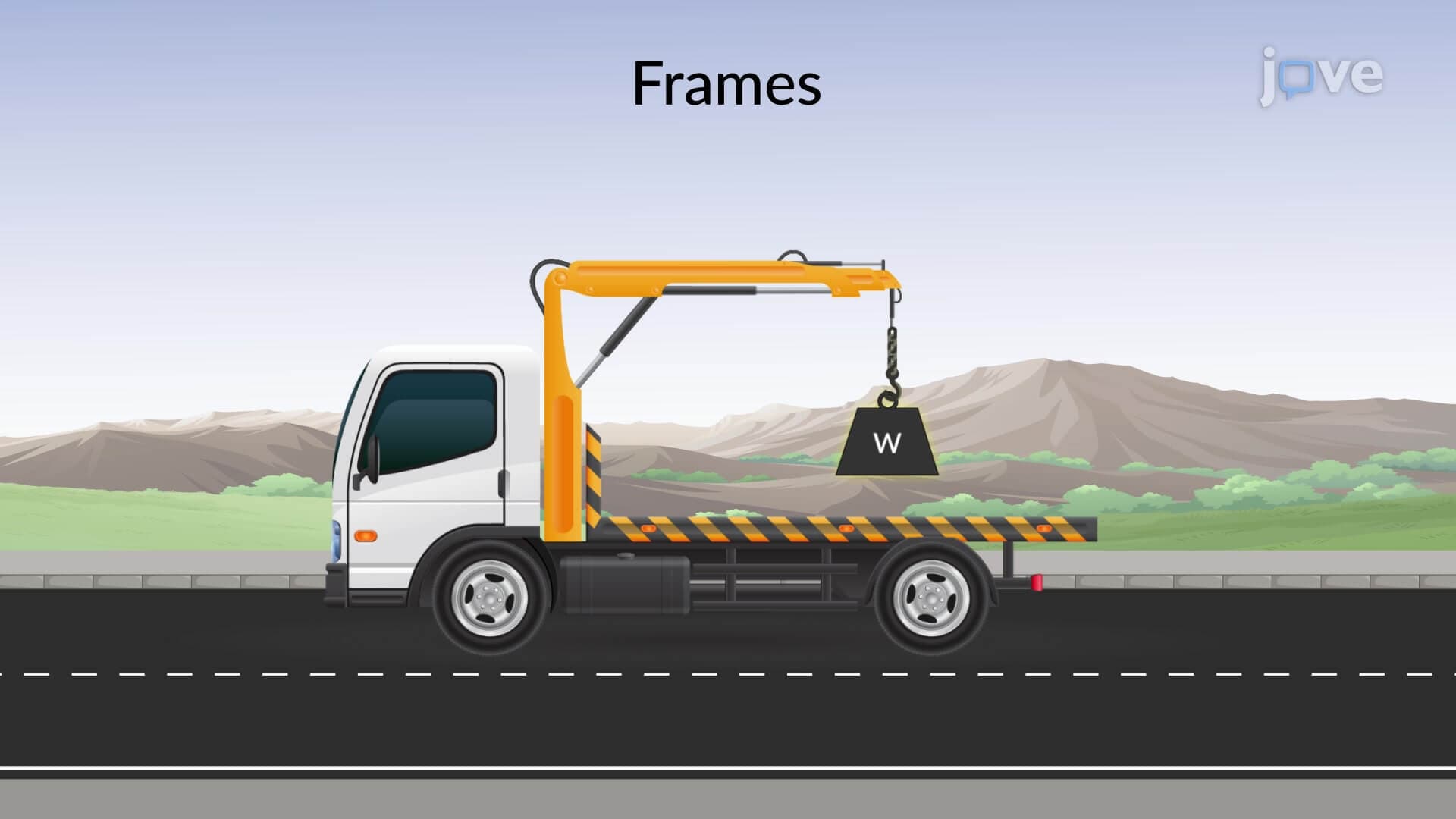
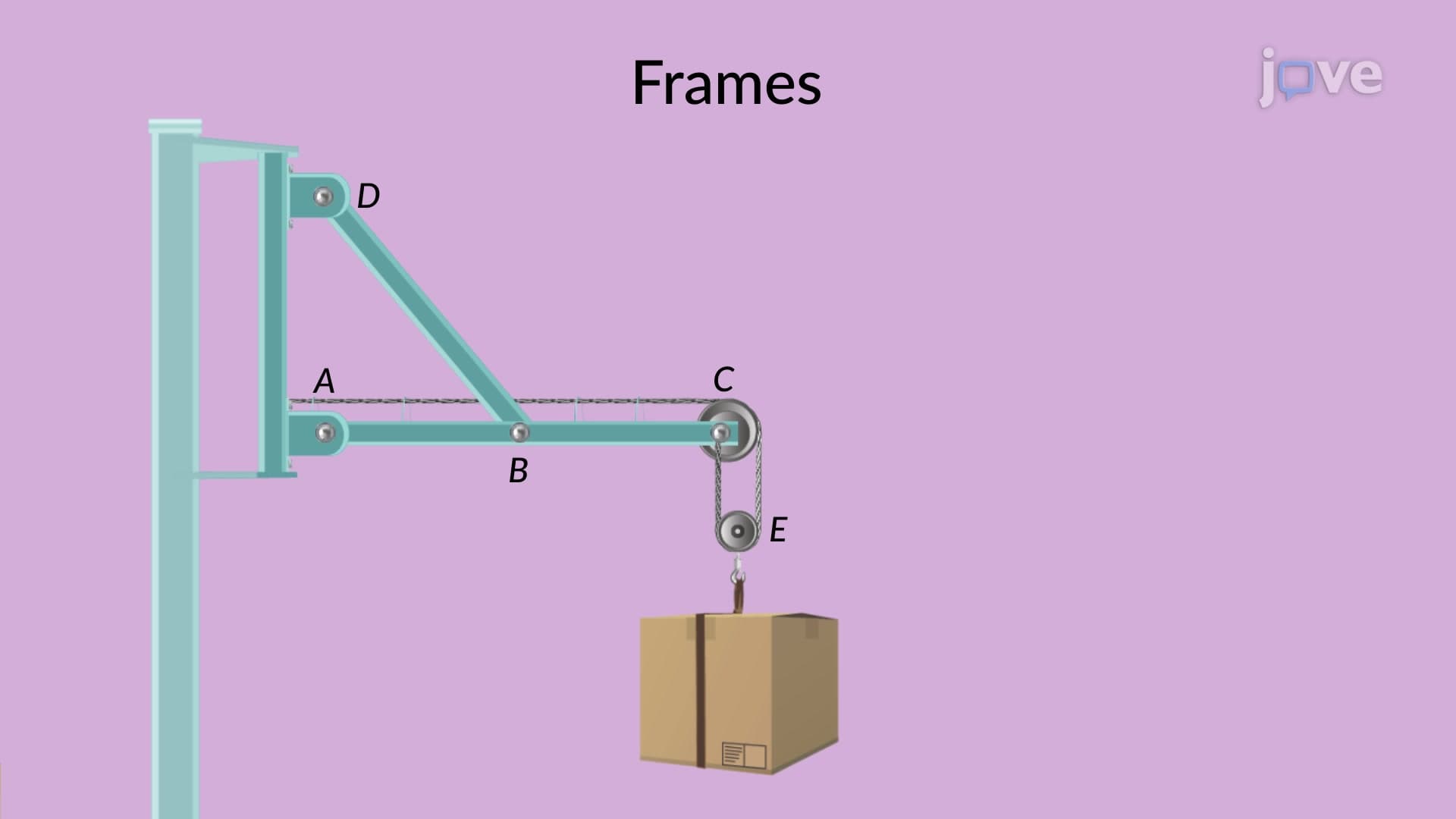
Ever wonder how construction cranes safely lift thousands of pounds without collapsing? Machines problem solving II tackles complex structural analysis where multiple forces interact simultaneously across interconnected members. This advanced engineering concept helps analyze systems like the lifting mechanisms used in Boeing aircraft assembly plants, where precise force calculations prevent catastrophic failures. What is Machines Problem Solving II demonstrates how engineers use free-body diagrams, equilibrium conditions, and geometric relationships to solve multi-member structural problems. Watch the full video on JoVE Coach to master this concept with expert-led visuals and step-by-step explanations.
Machines problem solving II represents an advanced level of structural analysis that builds upon fundamental statics principles. Unlike basic single-body problems, this approach tackles interconnected systems where multiple structural members work together to support loads. Students encounter this concept in AP Physics courses, college-level statics classes, and engineering mechanics curricula across US universities.
The core of machines problem solving II lies in recognizing how forces transfer between connected structural elements. Two-force members-components that experience forces at only two points-play a crucial role in these systems. These members can only sustain tension or compression forces directed along their length, simplifying force analysis significantly.
Consider the lifting tong example: when analyzing such mechanisms, engineers must identify which components act as two-force members versus those experiencing multiple force applications. This distinction directly impacts how forces are calculated and distributed throughout the structure.
Machines problem solving II extensively uses equilibrium principles, but applies them strategically across multiple points within the system. The method involves:
US engineering students preparing for the Fundamentals of Engineering (FE) exam frequently encounter similar problems, as they test practical application of theoretical concepts.
This analytical approach proves essential in designing everything from warehouse lifting equipment to suspension bridge components. Boeing's aircraft assembly facilities, for instance, rely on complex lifting mechanisms analyzed using these exact principles. The step-by-step methodology-drawing free-body diagrams, applying equilibrium conditions, and solving systematically-mirrors professional engineering practice.
Students should master this concept progression: identify system geometry, isolate individual components, apply equilibrium conditions, and verify solutions through alternative approaches. This systematic thinking prepares students for advanced coursework in mechanical design, structural engineering, and aerospace applications.
Related Micro-courses