Loading video…


 17 Concepts
 17K views

Video Summary: What are Method of Joints
Ever wondered how engineers ensure bridges like San Francisco's Golden Gate Bridge can safely support thousands of cars? The method of joints is a fundamental structural analysis technique that determines forces within truss members by applying equilibrium principles at each connection point. This systematic approach isolates individual joints as free-body diagrams, assuming frictionless pin connections and treating unknown forces as tensile until proven otherwise. Engineers use this method to analyze everything from roof trusses in residential construction to massive steel frameworks in skyscrapers. Watch the full video on JoVE Coach to master this concept with expert-led visuals and step-by-step explanations.
The method of joints represents one of the most systematic approaches to structural truss analysis, forming a cornerstone of engineering mechanics courses across US universities. This technique transforms complex truss structures into manageable problems by isolating each connection point and applying fundamental equilibrium principles. Students encounter this method extensively in AP Physics C, introductory engineering mechanics courses, and professional engineering (PE) exam preparation.
The method operates under several critical assumptions that simplify real-world complexities. First, all truss members connect through frictionless pins, eliminating moment considerations at joints. Second, loads apply only at joint locations, ensuring members experience purely axial forces-either tension or compression. Third, the analysis assumes all unknown forces act in tension initially, with negative results indicating compression. These assumptions align closely with actual construction practices in steel frame buildings throughout major US cities like New York and Chicago.
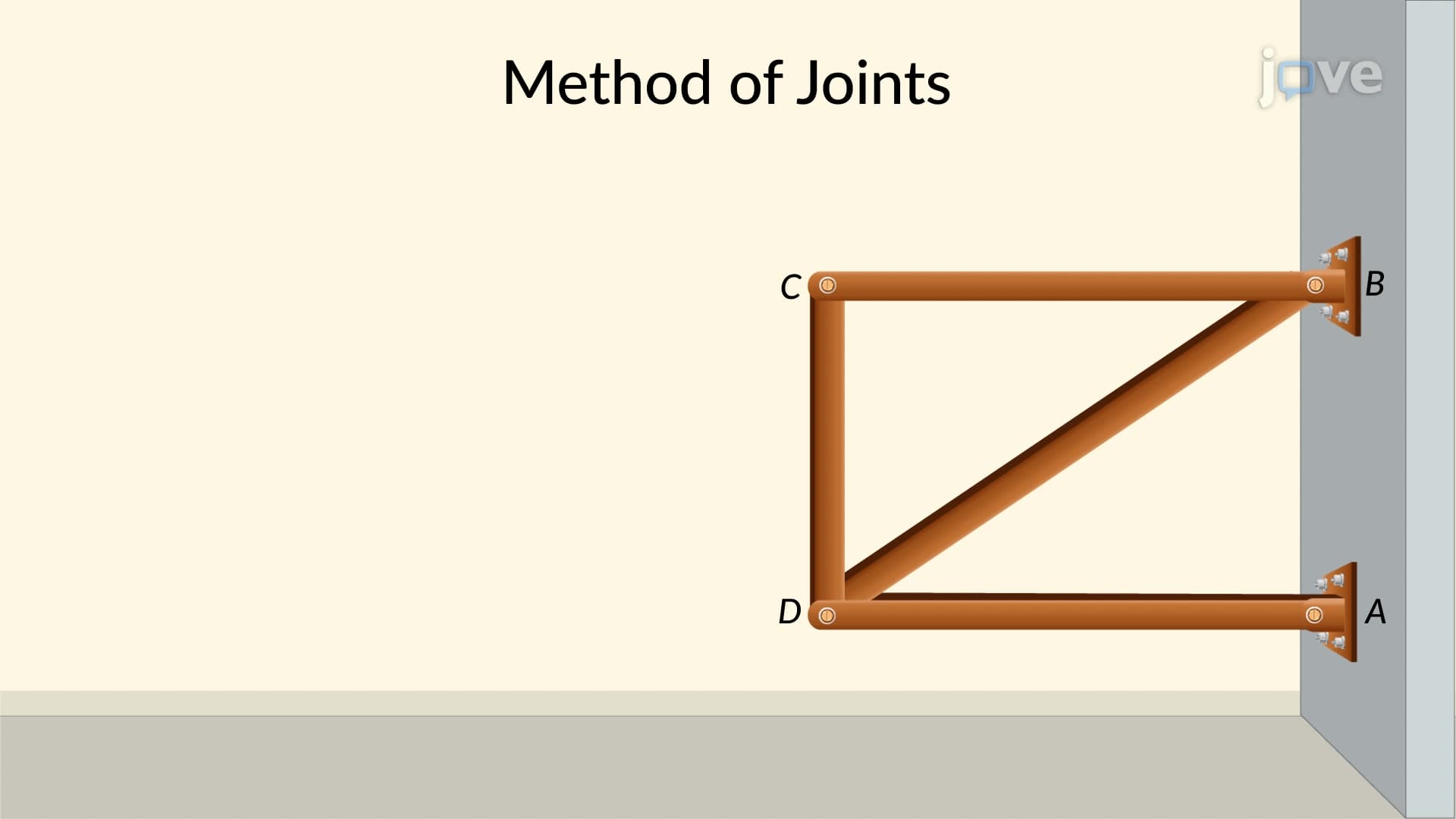
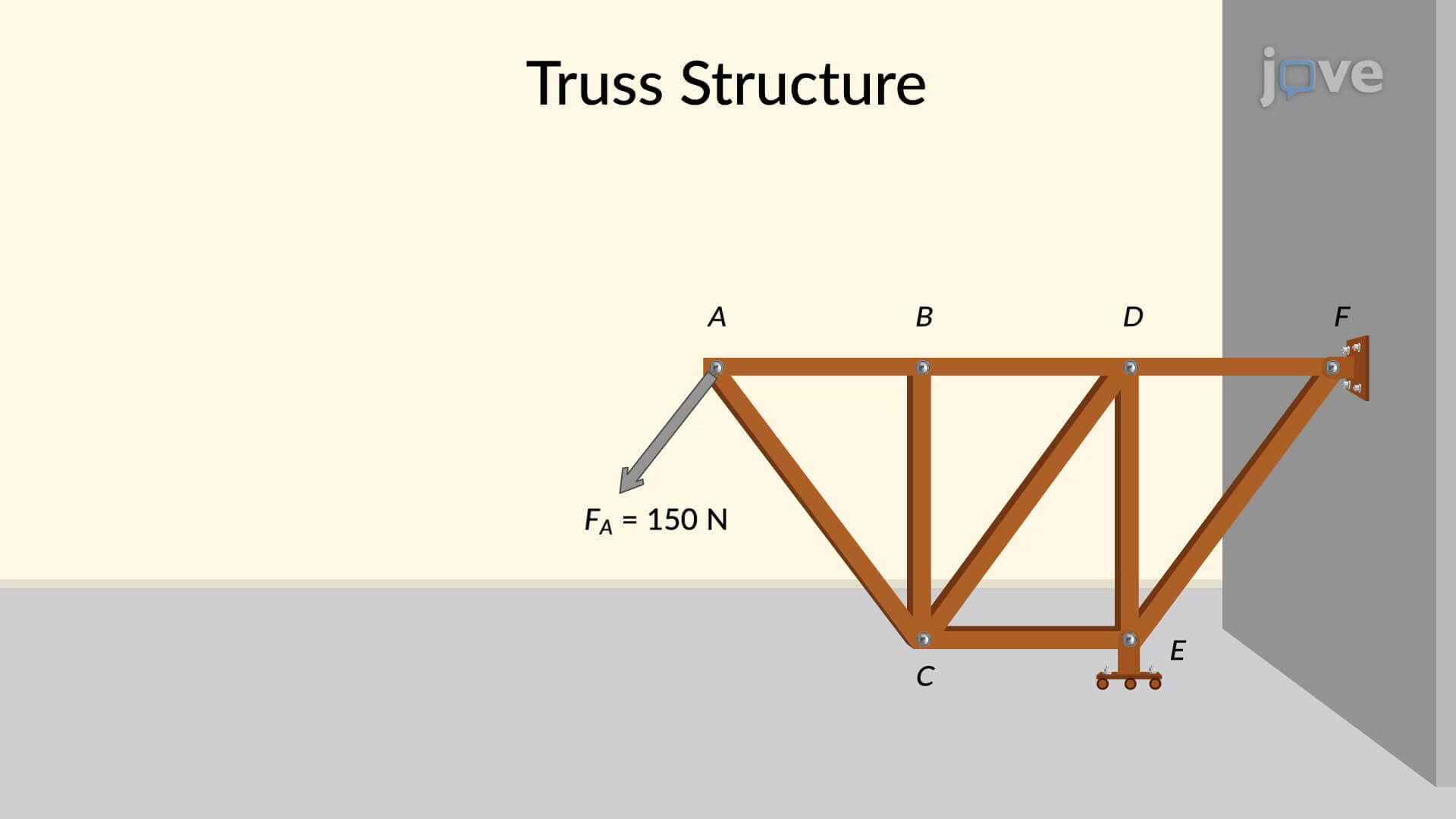
Implementation begins with joint identification and systematic labeling, typically using letters (A, B, C) or numbers (1, 2, 3). Engineers then create free-body diagrams for each joint, showing all known external forces and unknown member forces. The equilibrium equations-sum of forces in x-direction equals zero, sum of forces in y-direction equals zero-provide the mathematical foundation for solving unknown values. This process mirrors problem-solving approaches emphasized in SAT Math Level 2 and college-level statics examinations.
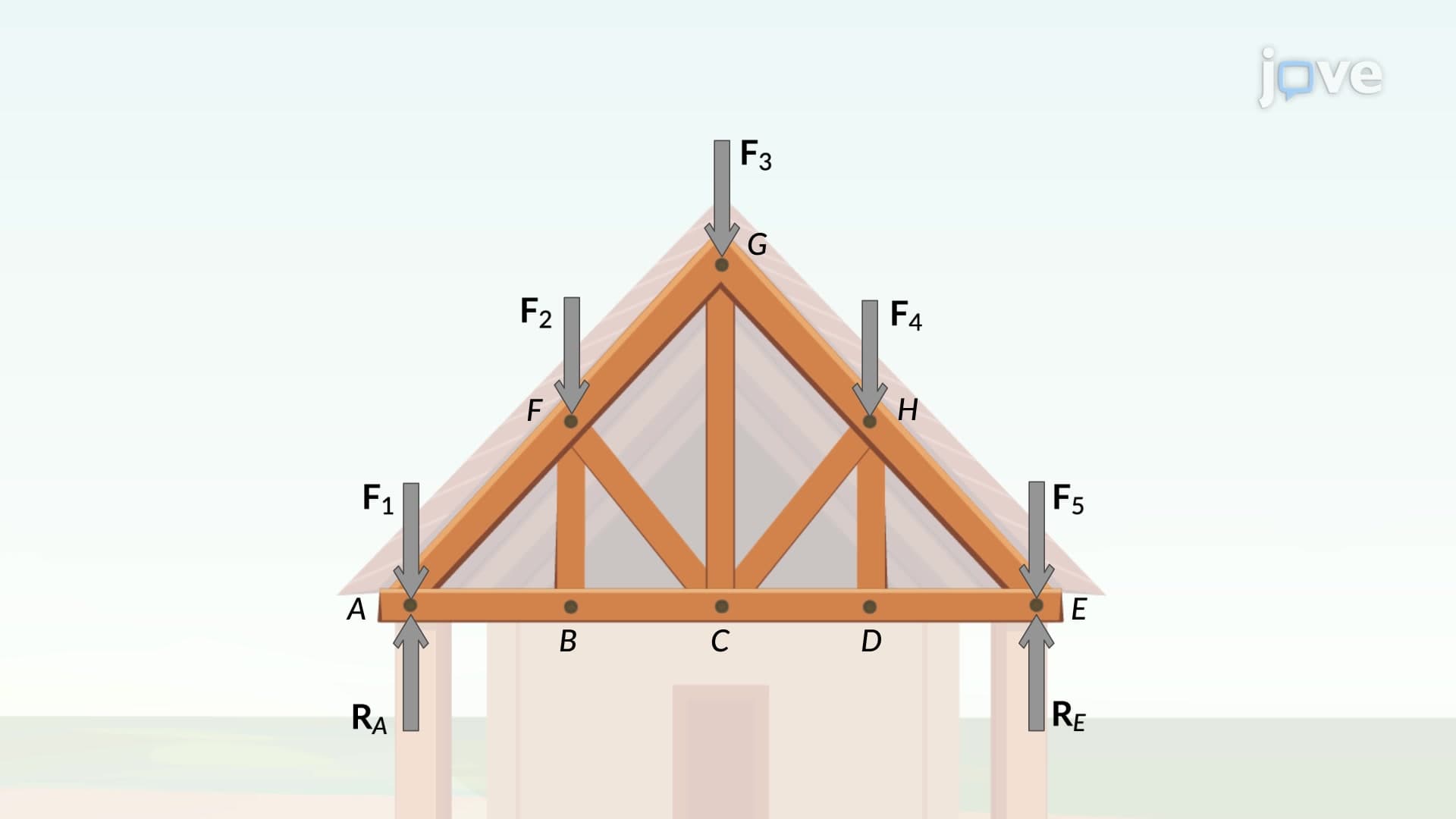
Structural engineers apply the method of joints daily when designing buildings, bridges, and industrial facilities across the United States. Consider the analysis of roof trusses in residential construction-engineers use this method to ensure each member can safely support snow loads specific to regional building codes. Similarly, bridge designers employ joint analysis when evaluating existing structures like Boston's Zakim Bridge or planning new infrastructure projects. The method's reliability has made it indispensable for Professional Engineering licensing examinations and continues to serve as a foundation for computer-aided structural analysis software used throughout the construction industry.
Related Micro-courses