Loading video…


 17 Concepts
 17K views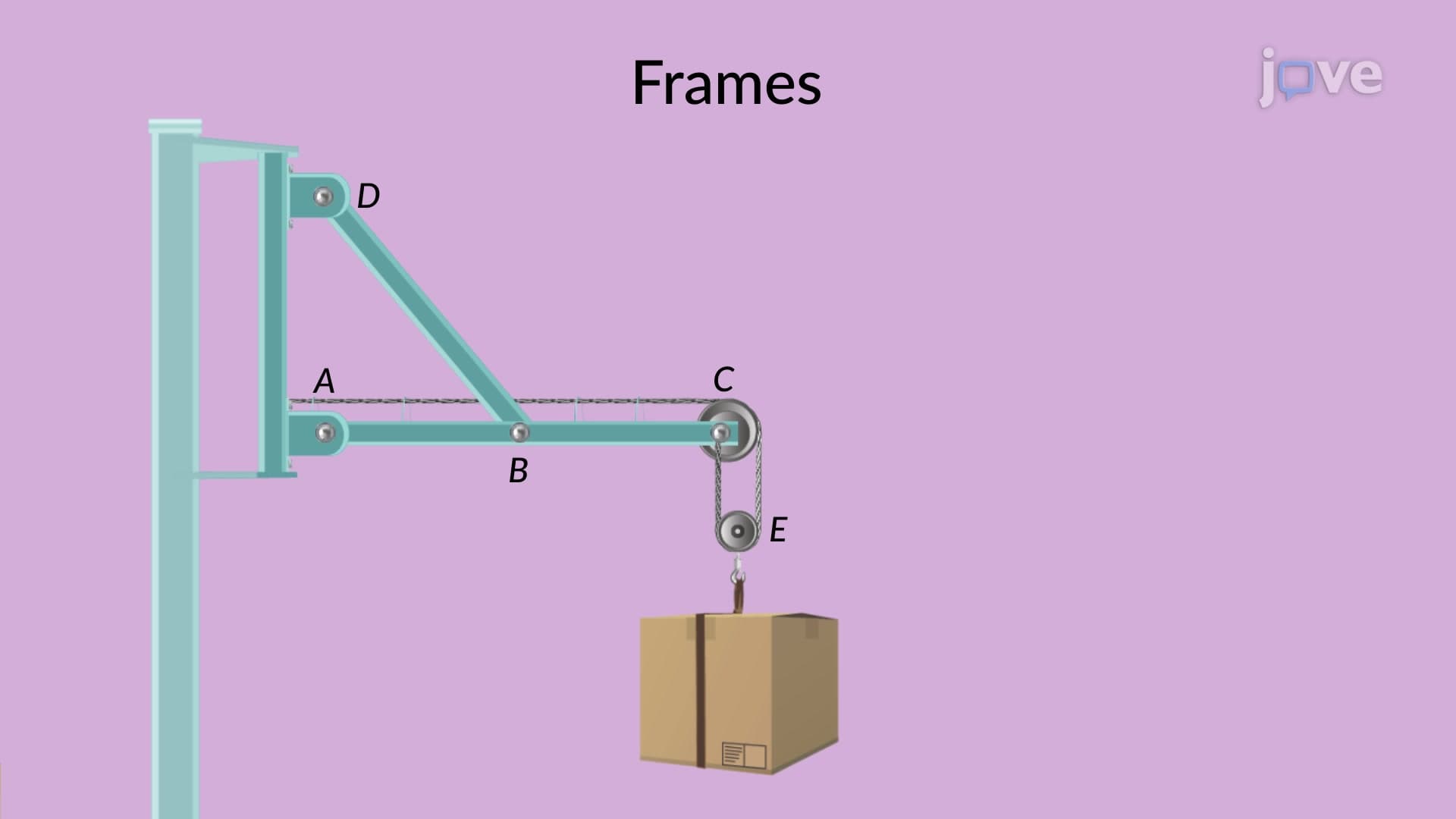

Video Summary: What Is Frames Problem Solving I
Ever wonder how engineers ensure a construction crane won't collapse under heavy loads? Frames problem solving I tackles this exact challenge by analyzing structural systems where multiple members connect at joints. Consider the iconic tower cranes dotting Manhattan construction sites-engineers must calculate precise reaction forces at every pin joint to guarantee worker safety. This fundamental engineering concept involves breaking down complex frame structures into manageable components, applying equilibrium equations, and solving for unknown forces systematically. Watch the full video on JoVE Coach to master this concept with expert-led visuals and step-by-step explanations.
What is Frames Problem Solving I represents the foundational approach to analyzing statically determinate frame structures in engineering mechanics. Unlike simple trusses where members experience only axial forces, frames contain members that can experience bending moments, shear forces, and axial forces simultaneously. This complexity requires a systematic methodology that engineering students encounter in courses like Statics (typically ENGR 2301 at universities nationwide) and on exams such as the Fundamentals of Engineering (FE) exam.
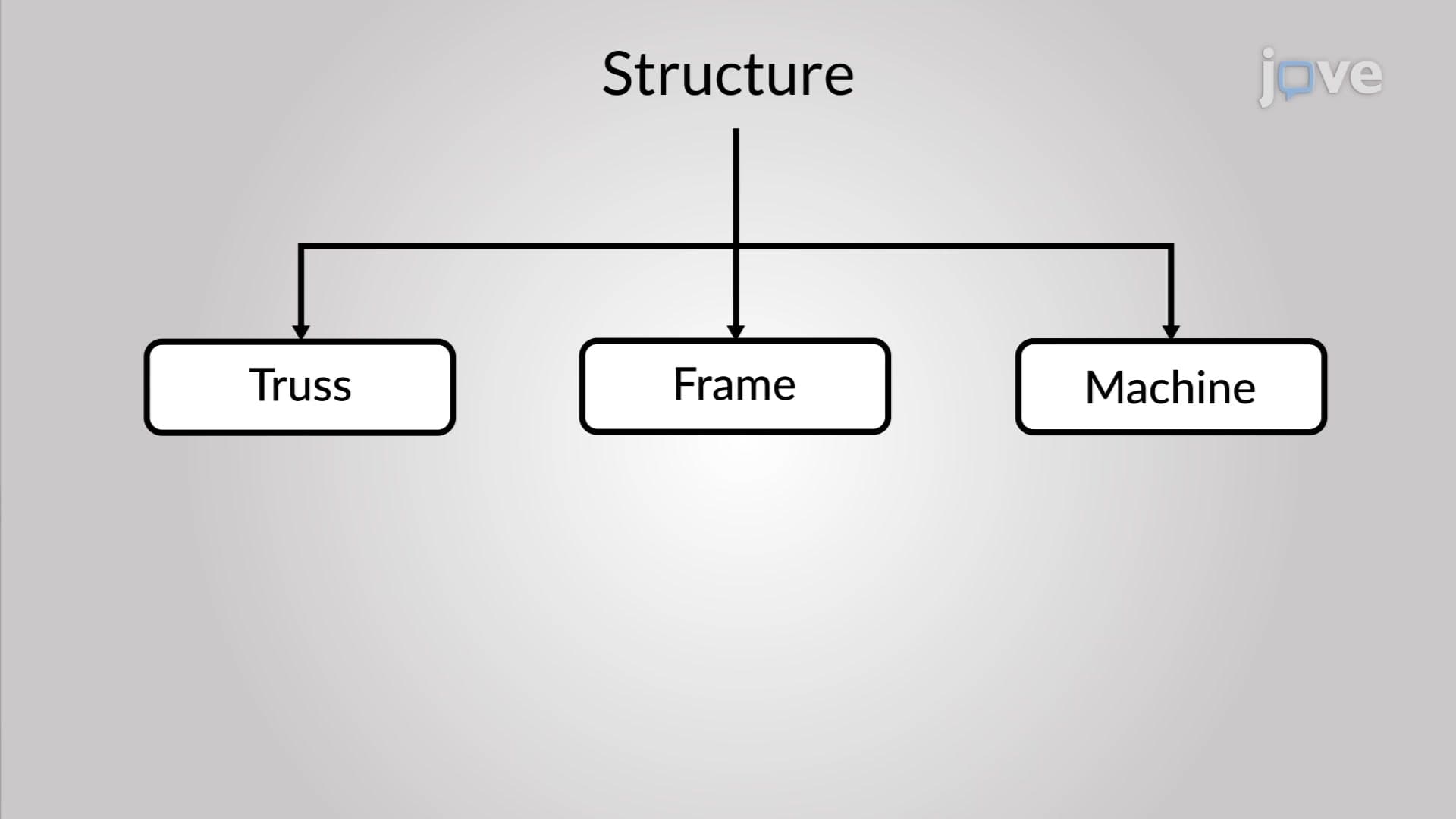
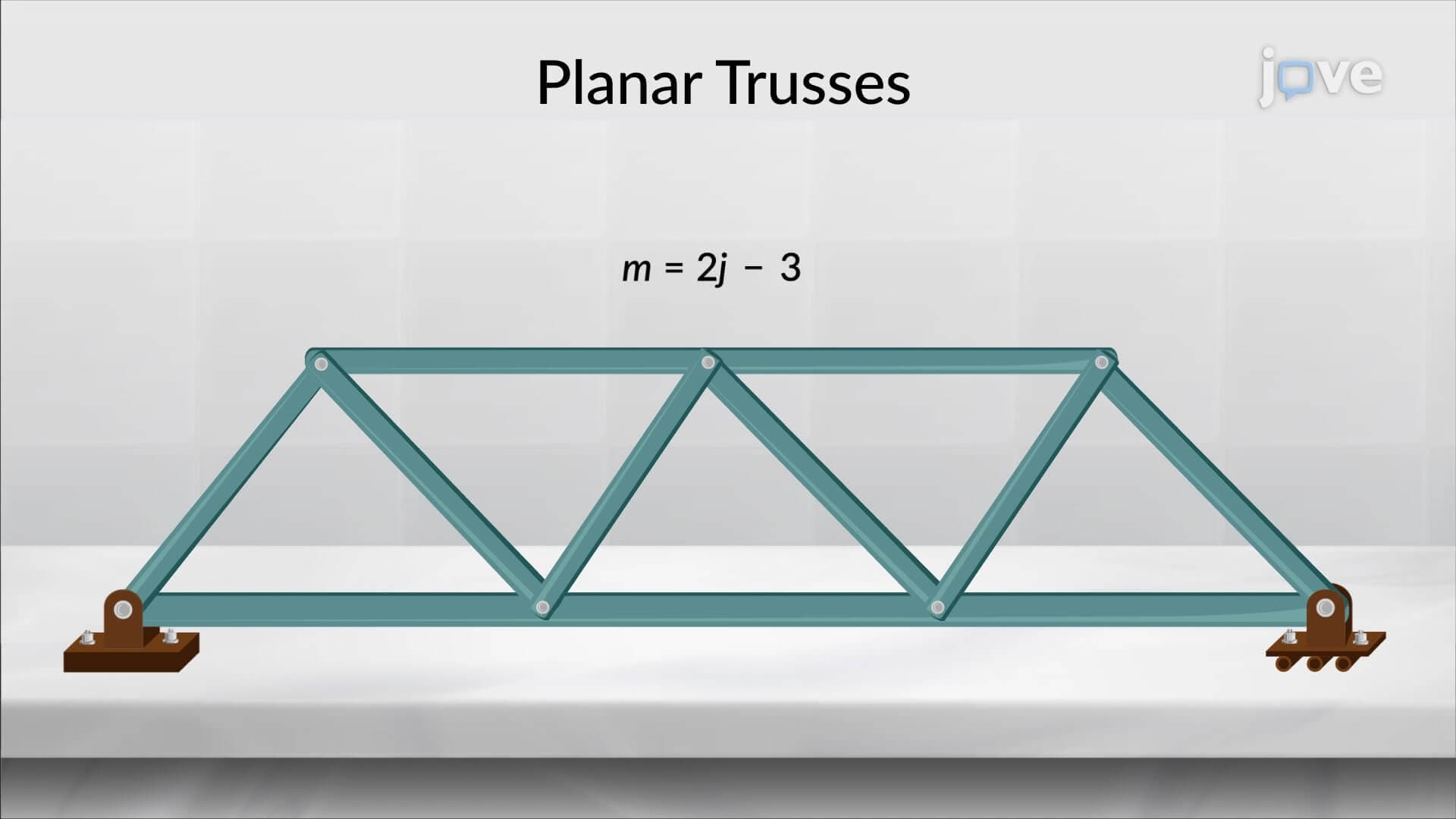
Frame structures consist of interconnected members joined at specific points called nodes or joints. The key distinction lies between two-force members and multi-force members. Two-force members, like the diagonal bracing in many structures, have forces applied at only two points and experience purely axial loading (tension or compression). Multi-force members, such as horizontal beams supporting multiple loads, experience forces at three or more points and must resist bending moments and shear forces in addition to axial loads.
Real-world examples include the structural frames supporting highway overpasses across the Interstate system, where engineers must account for vehicle loads, wind forces, and seismic activity. The pin joints commonly used in these structures allow rotation but prevent translation, creating specific boundary conditions that influence the force distribution throughout the frame.
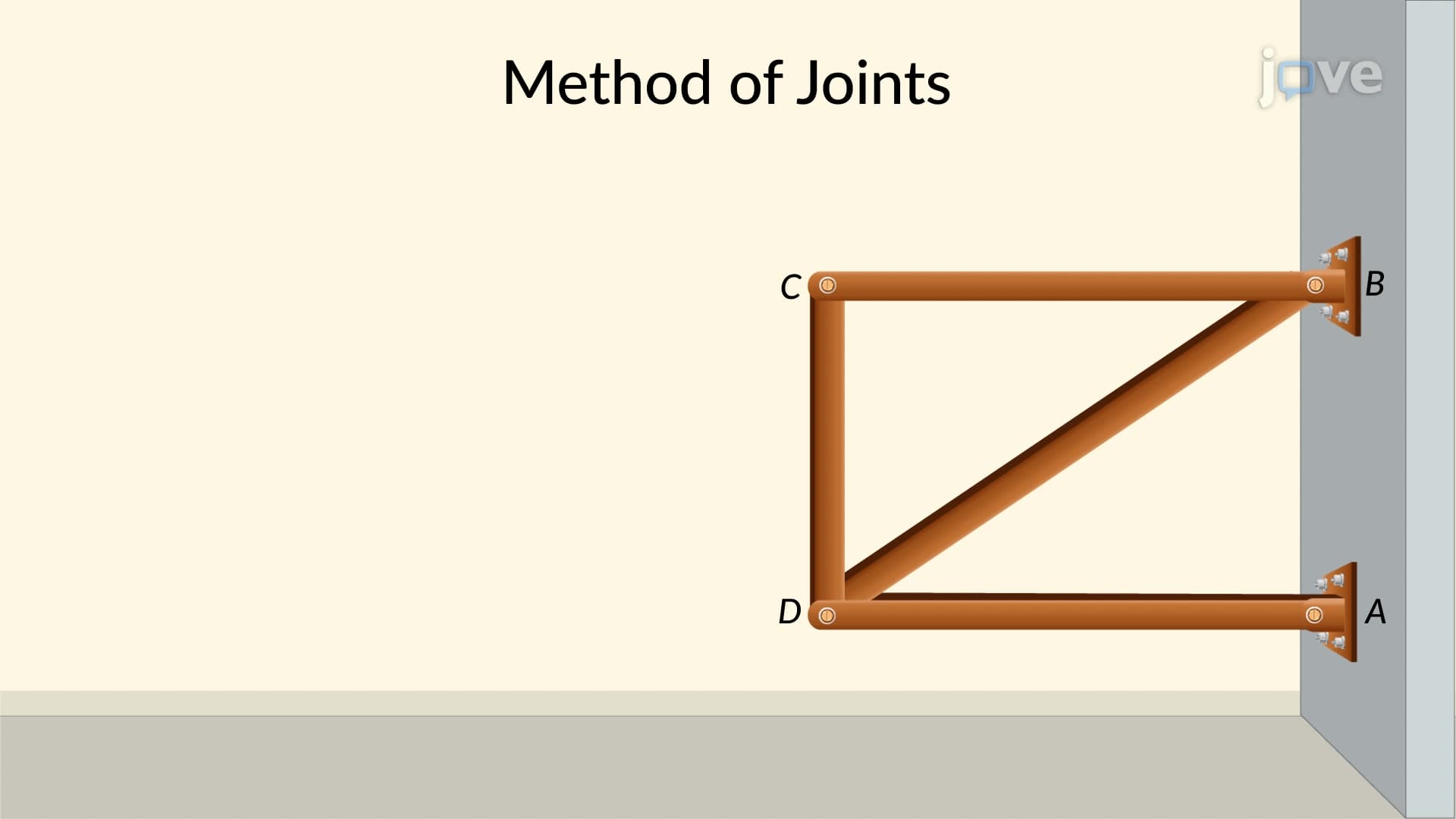
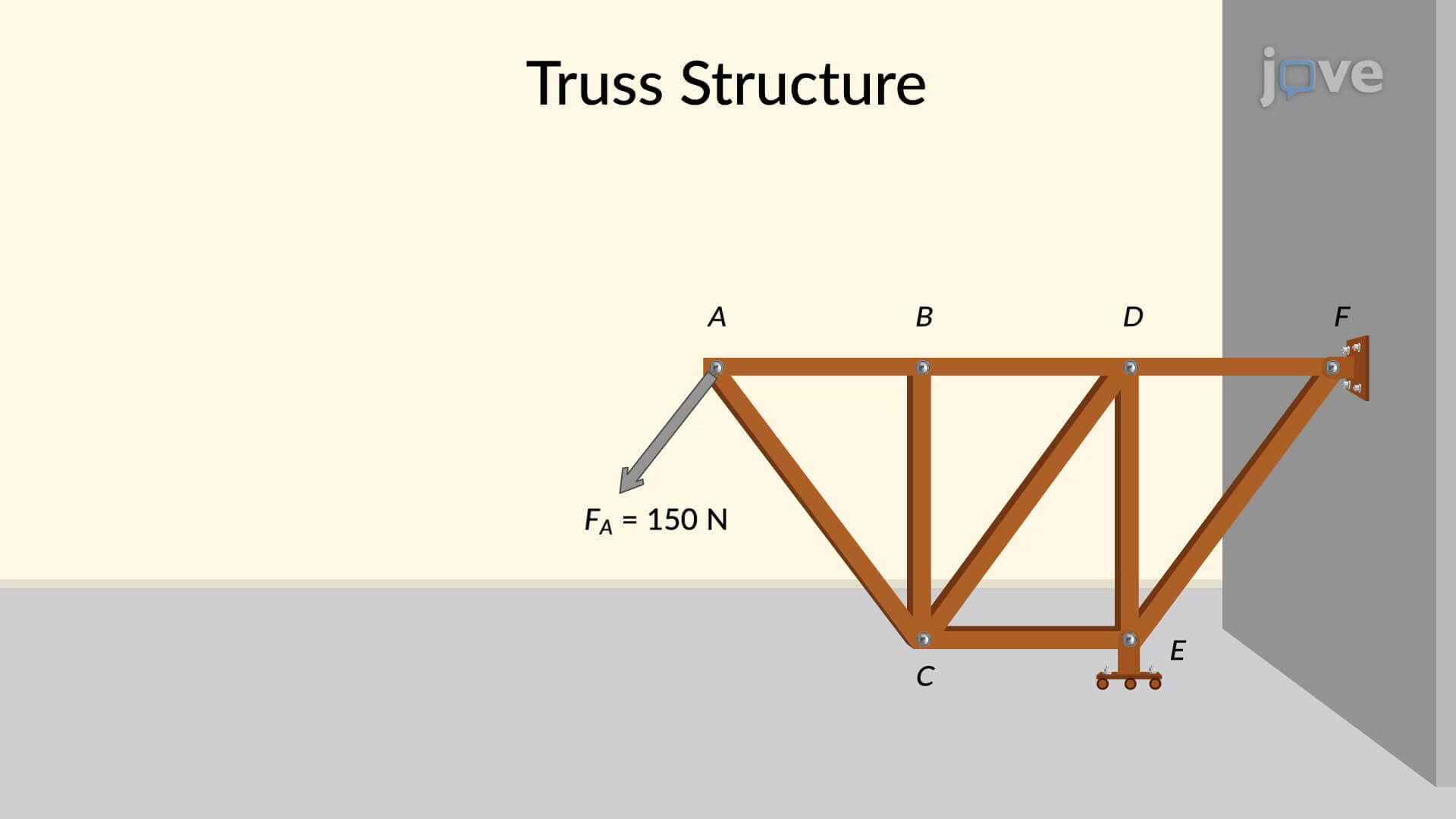
The systematic approach to frames problem solving I begins with identifying the structural configuration and drawing comprehensive free-body diagrams. For each component, engineers apply three fundamental equilibrium equations: sum of forces in the x-direction equals zero, sum of forces in the y-direction equals zero, and sum of moments about any point equals zero.
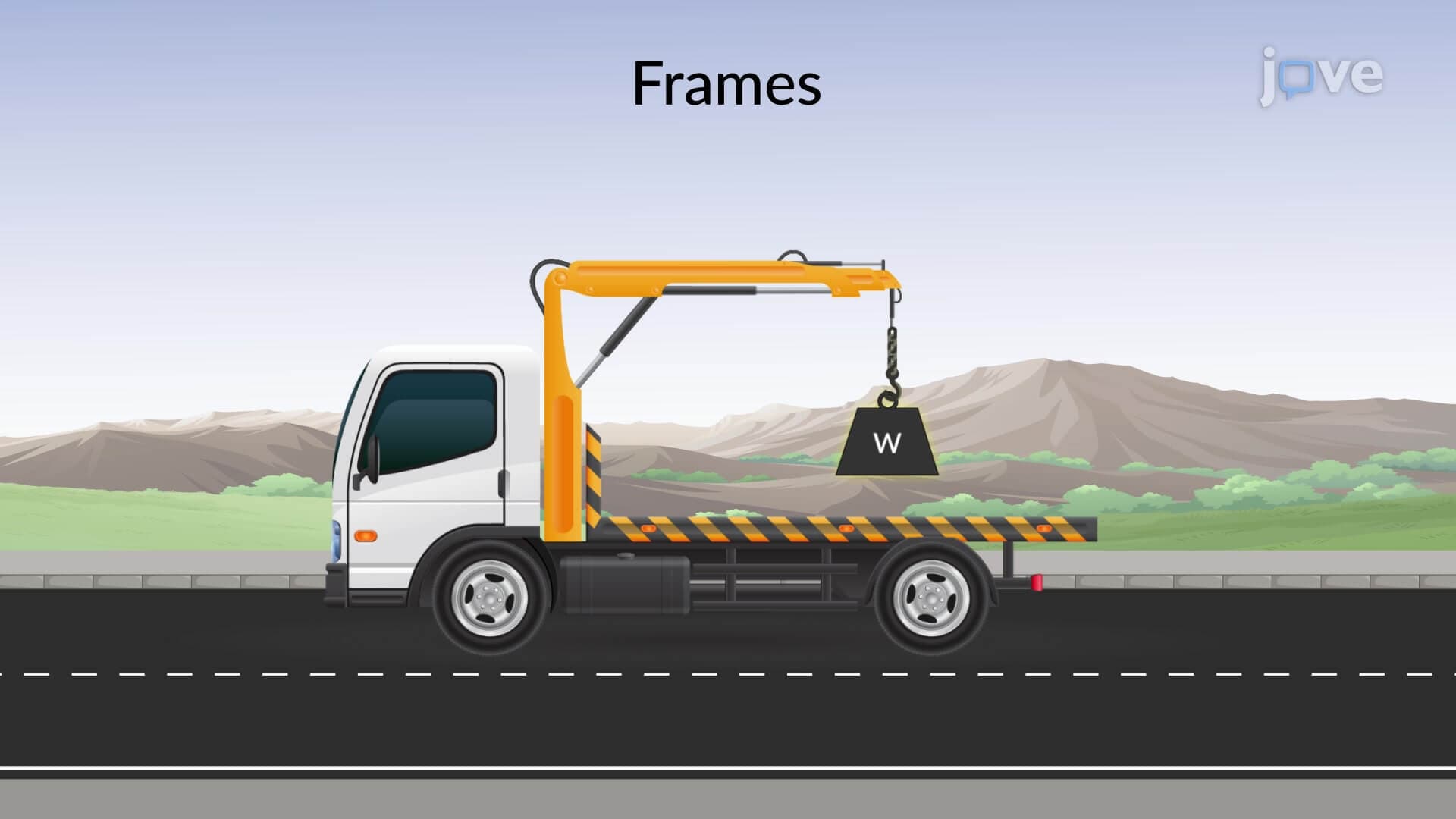
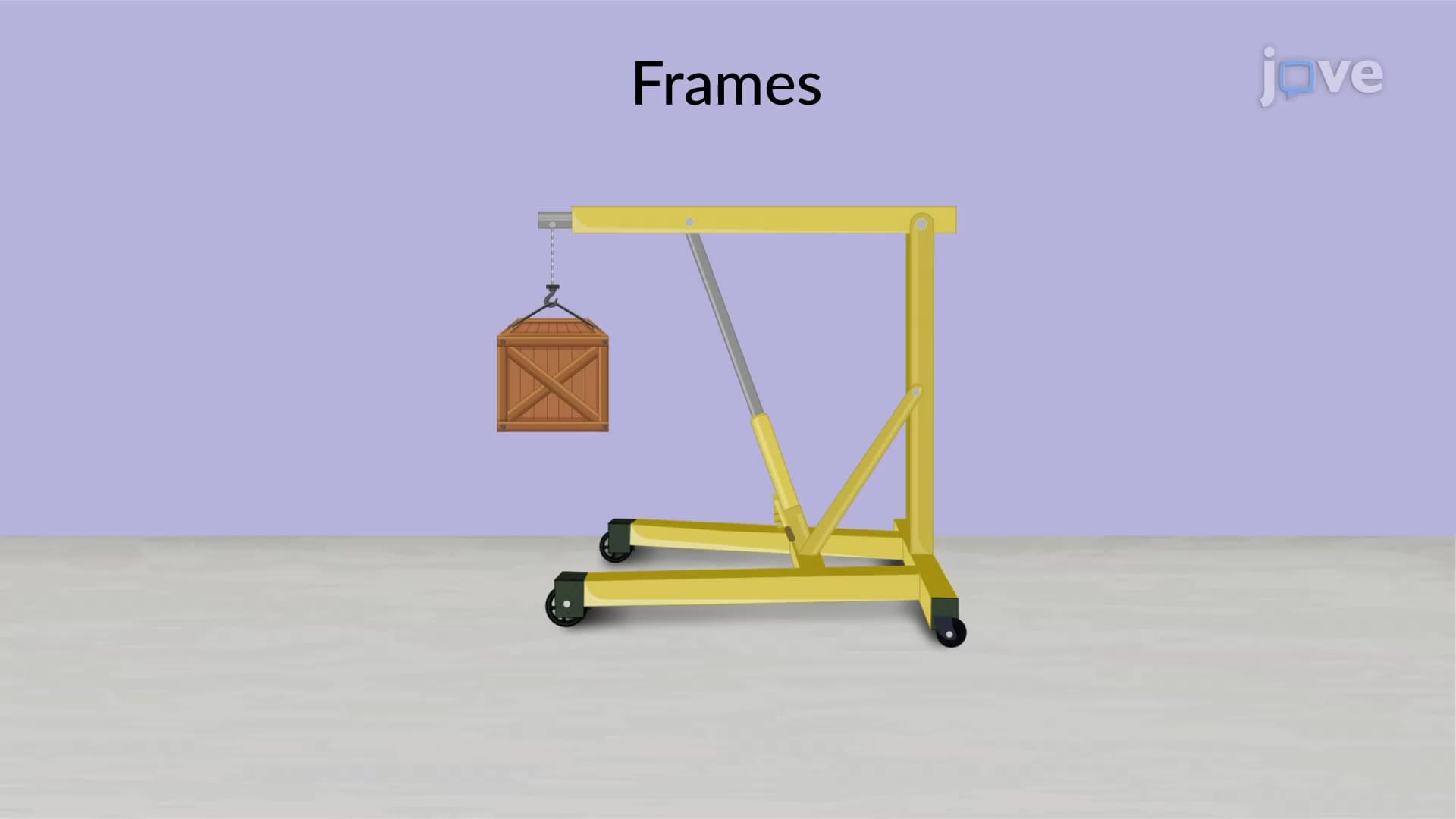
The process typically starts by analyzing external loads and working systematically through the structure. For example, when analyzing a jib crane system like those used in construction sites from California to New York, engineers first determine cable tensions by examining pulley systems, then proceed to analyze individual frame members. The use of slope triangles helps express forces in angled members-if a member makes a specific angle with the horizontal, the force components can be expressed using basic trigonometric relationships.
This problem-solving approach directly applies to numerous engineering disciplines and appears frequently on standardized exams. Students preparing for the AP Physics C: Mechanics exam encounter simplified frame problems, while engineering majors face more complex versions in courses like Structural Analysis and Steel Design. The methodology proves essential for professional engineering licensure exams and real-world structural design projects.
Modern structural analysis software like SAP2000 and ETABS automate these calculations for complex buildings, but engineers must understand the underlying principles to interpret results correctly and design safe structures that meet building codes throughout the United States.
Related Micro-courses