Loading video…


 17 Concepts
 17K views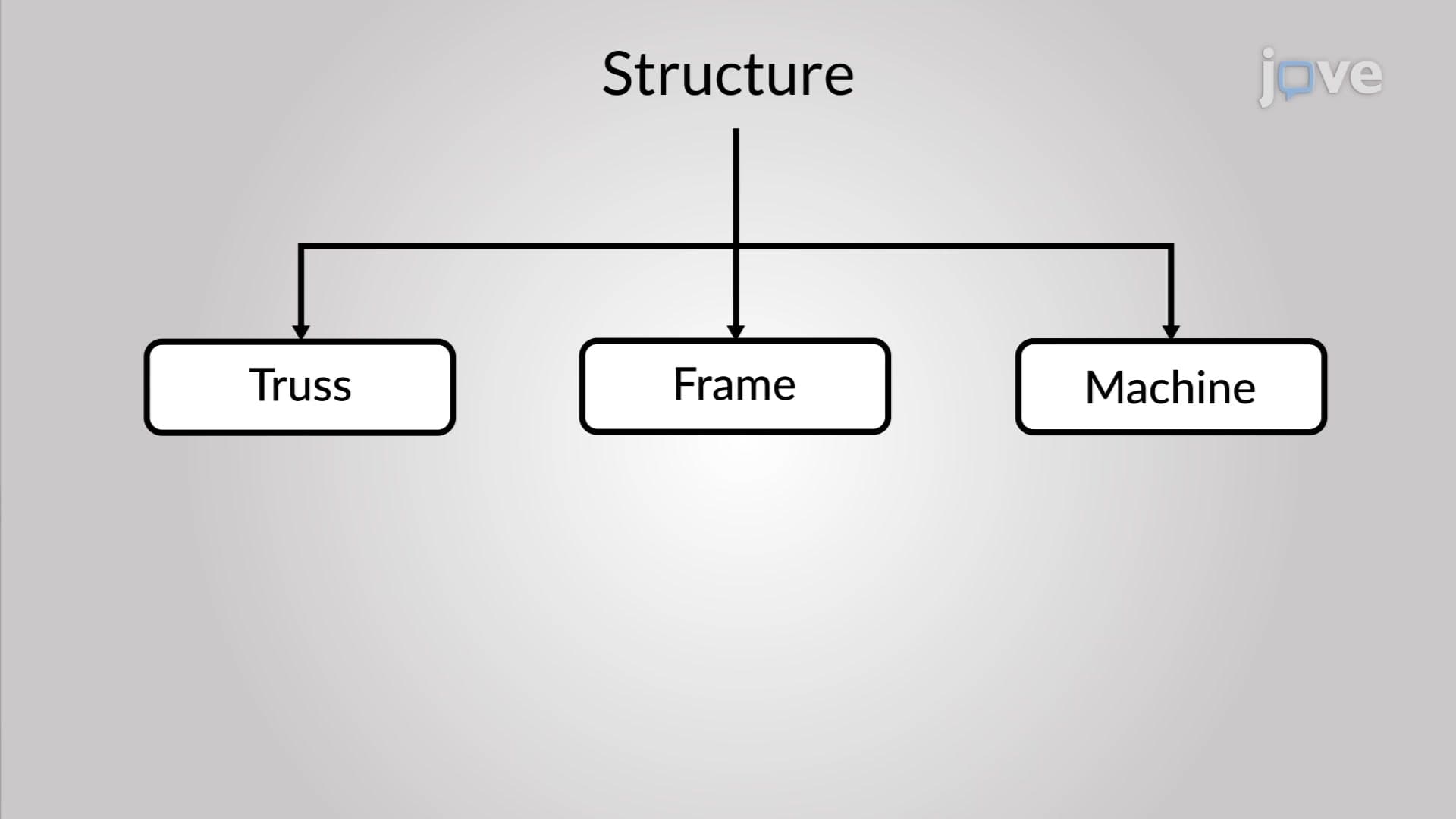

Video Summary: What are Structures
From the Golden Gate Bridge's massive suspension cables to the simple paper clip on your desk, structures surround us everywhere, quietly bearing loads and transferring forces to keep our world stable. Understanding what are structures reveals how engineers design everything from skyscrapers like New York's One World Trade Center to the chair you're sitting in. These interconnected systems of beams, joints, and members work together to safely withstand the forces acting upon them. Watch the full video on JoVE Coach to master this concept with expert-led visuals and step-by-step explanations.
Structures form the backbone of our built environment, from the simplest household items to the most complex architectural marvels. At its core, a structure represents a carefully designed system where individual components work collectively to resist forces and safely carry loads. This fundamental concept appears across multiple disciplines, making it essential knowledge for students pursuing engineering, architecture, or physics coursework.
When studying for the AP Physics exam or college-level statics courses, students encounter structural analysis as a critical problem-solving skill. The ability to break down complex systems into manageable components-through free-body diagram analysis-directly applies to exam questions involving equilibrium and force distribution.
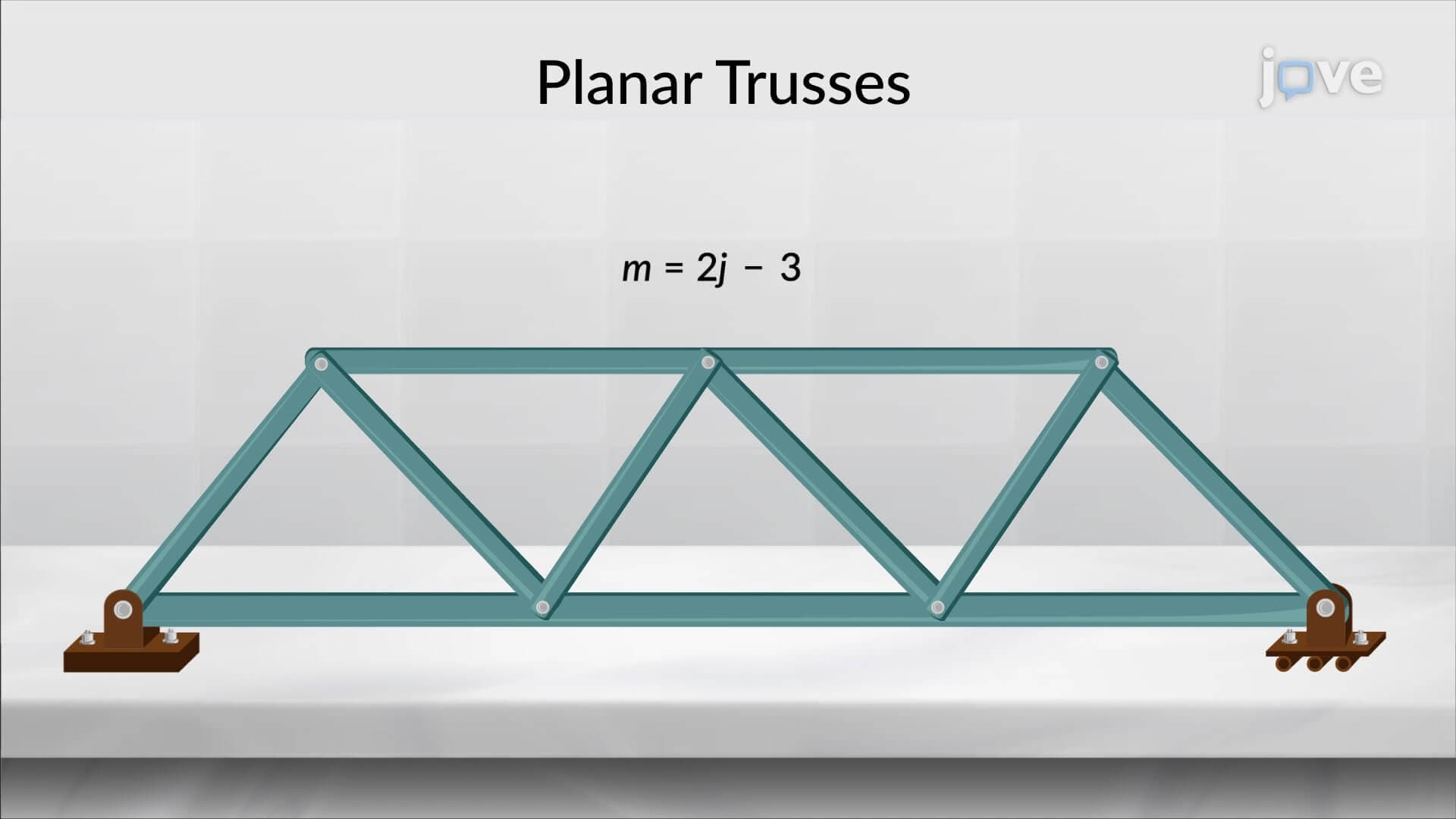
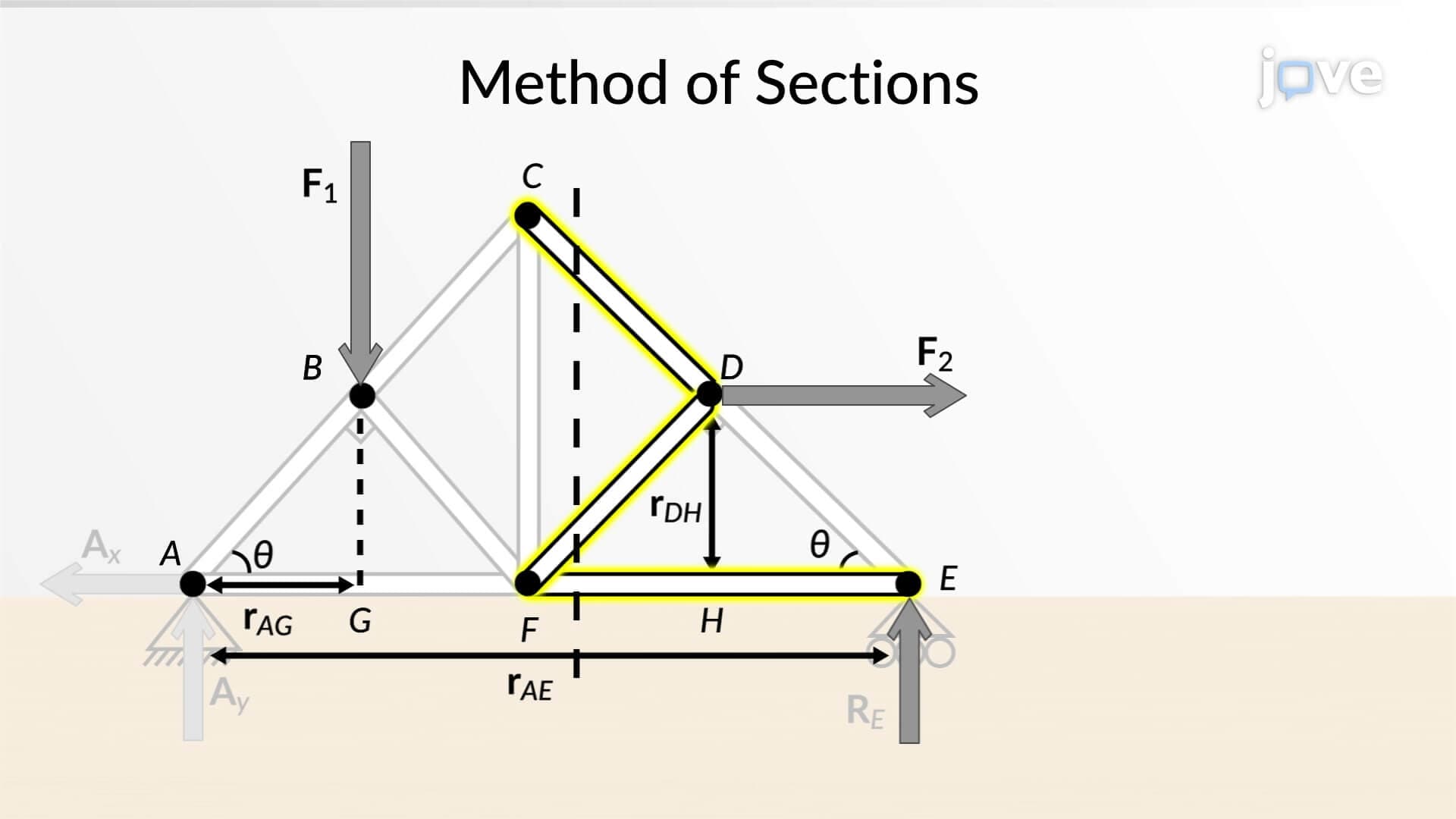
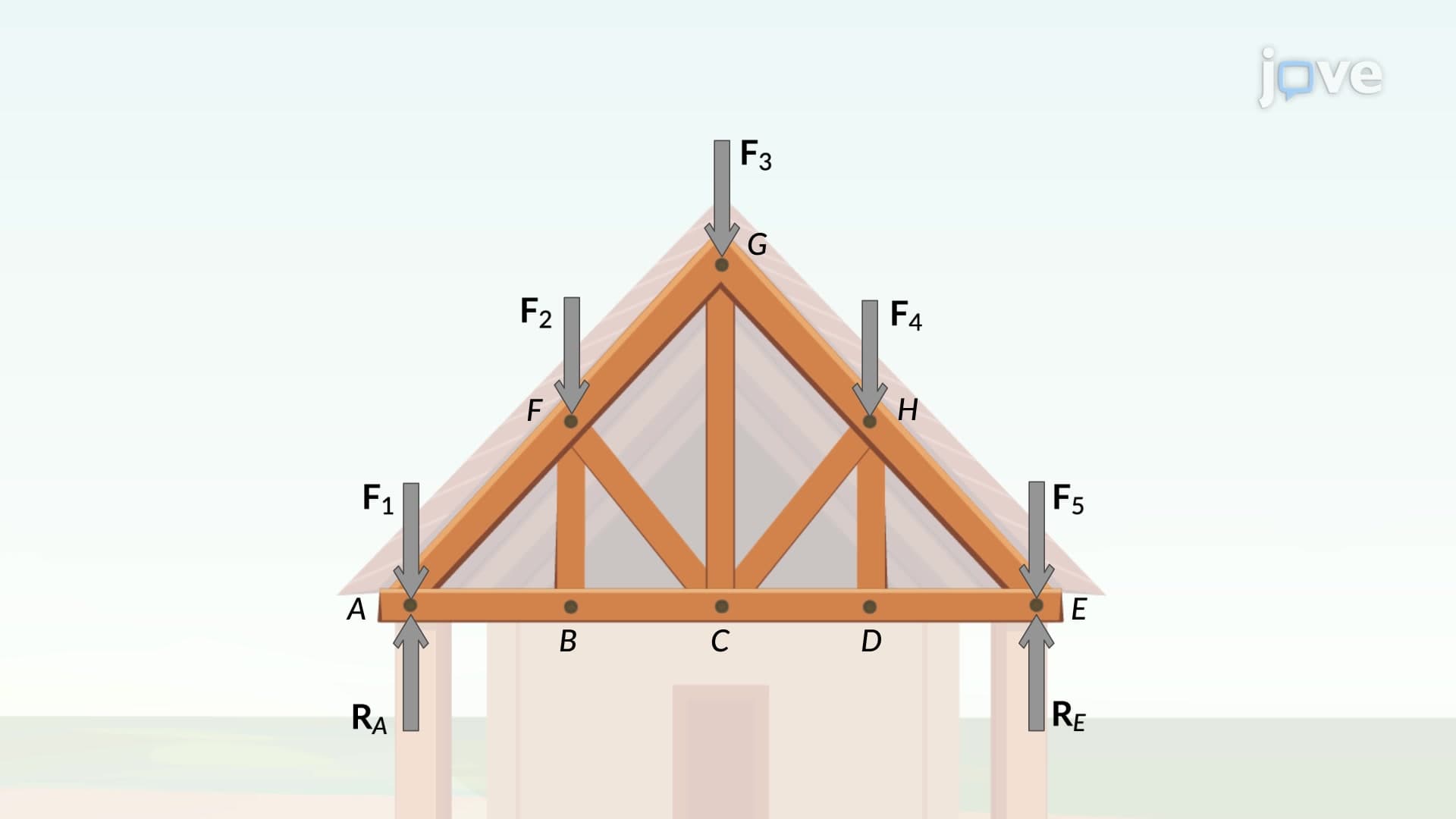
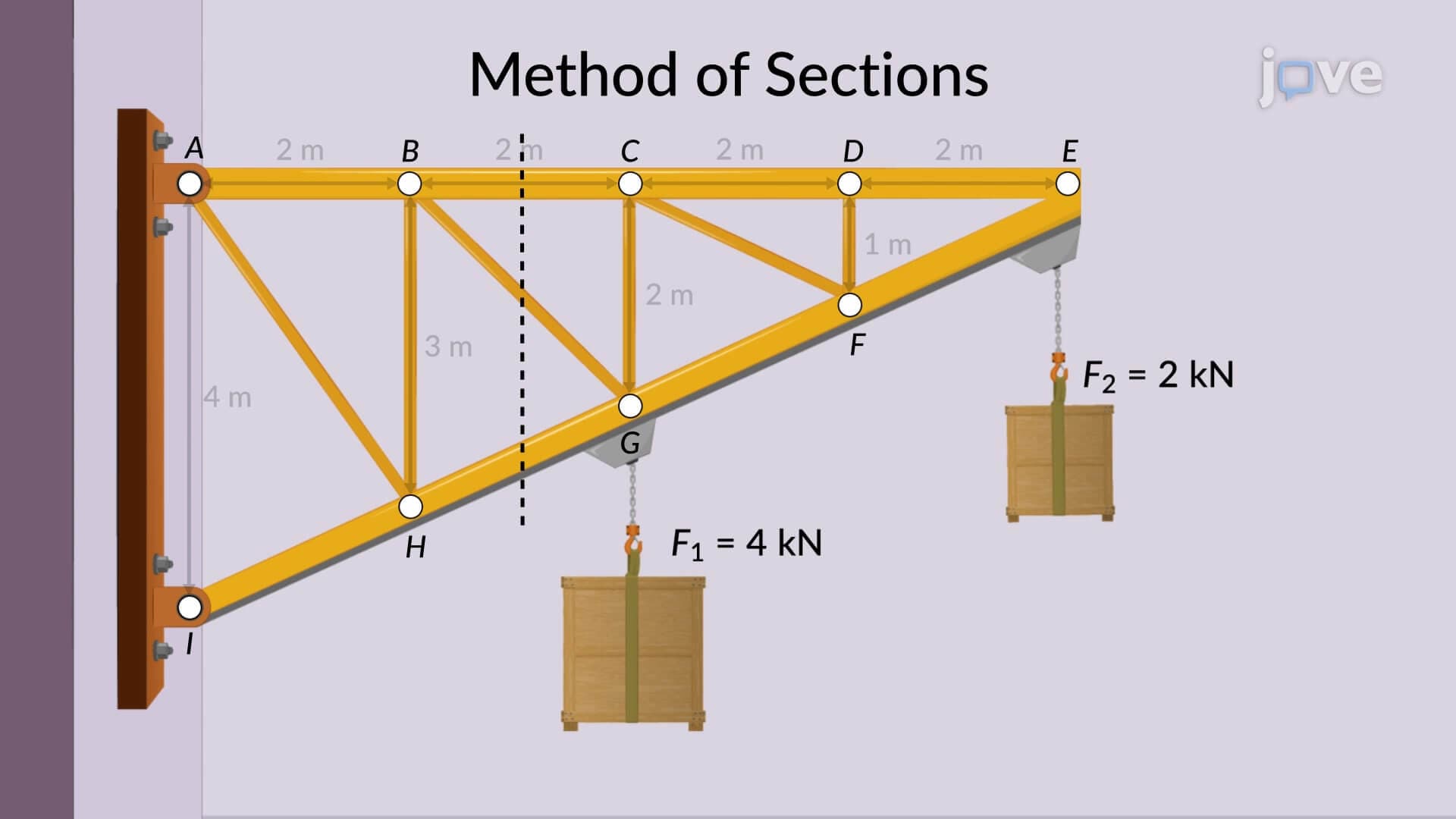
The classification of structures into three distinct categories helps engineers select appropriate design approaches for different applications. Trusses represent the most straightforward structural type, characterized by straight members connected at joints with forces acting only along member axes. Think of the steel framework supporting highway overpasses across the Interstate system-these triangulated patterns create incredibly strong, lightweight structures perfect for spanning large distances.
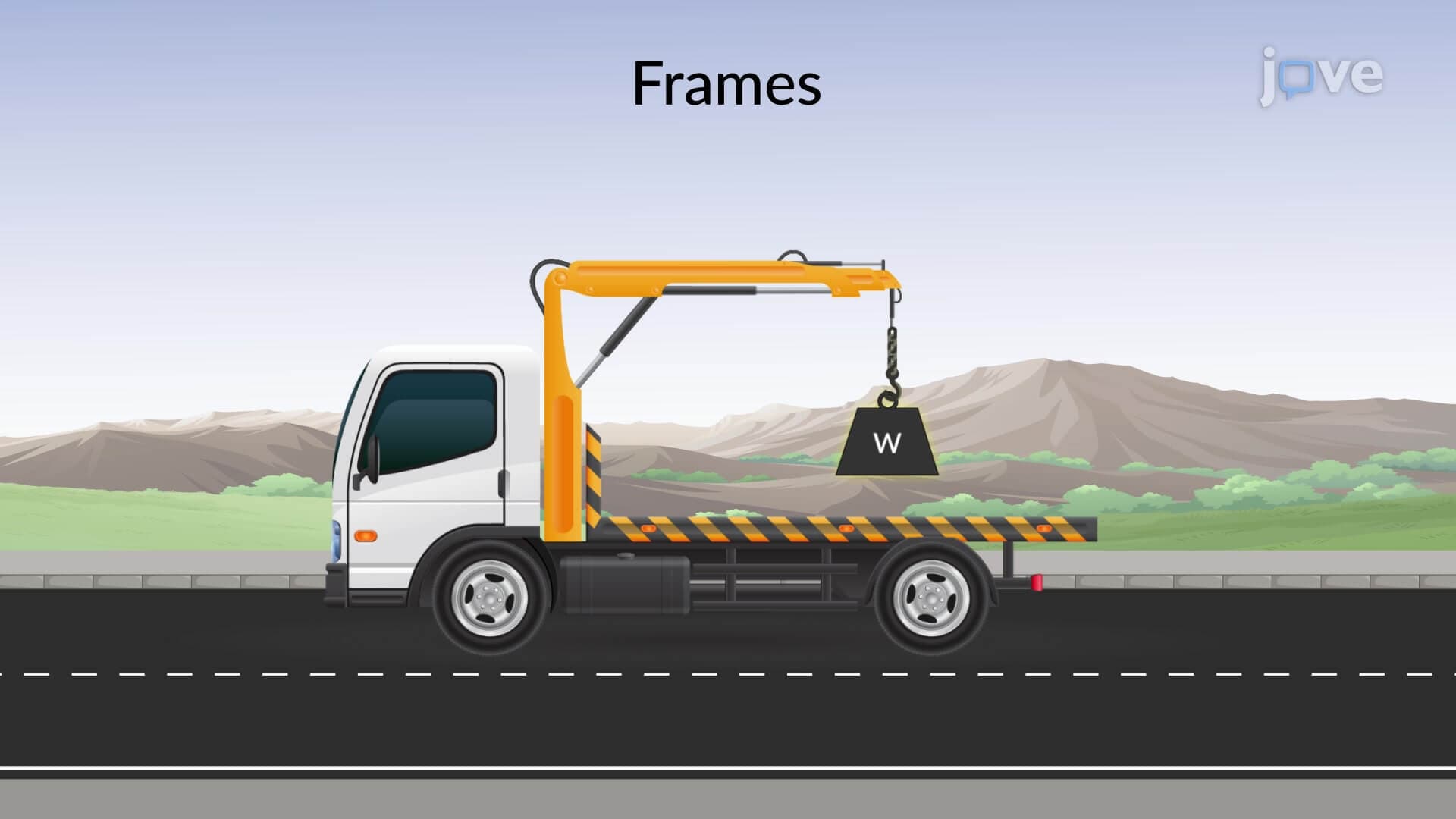
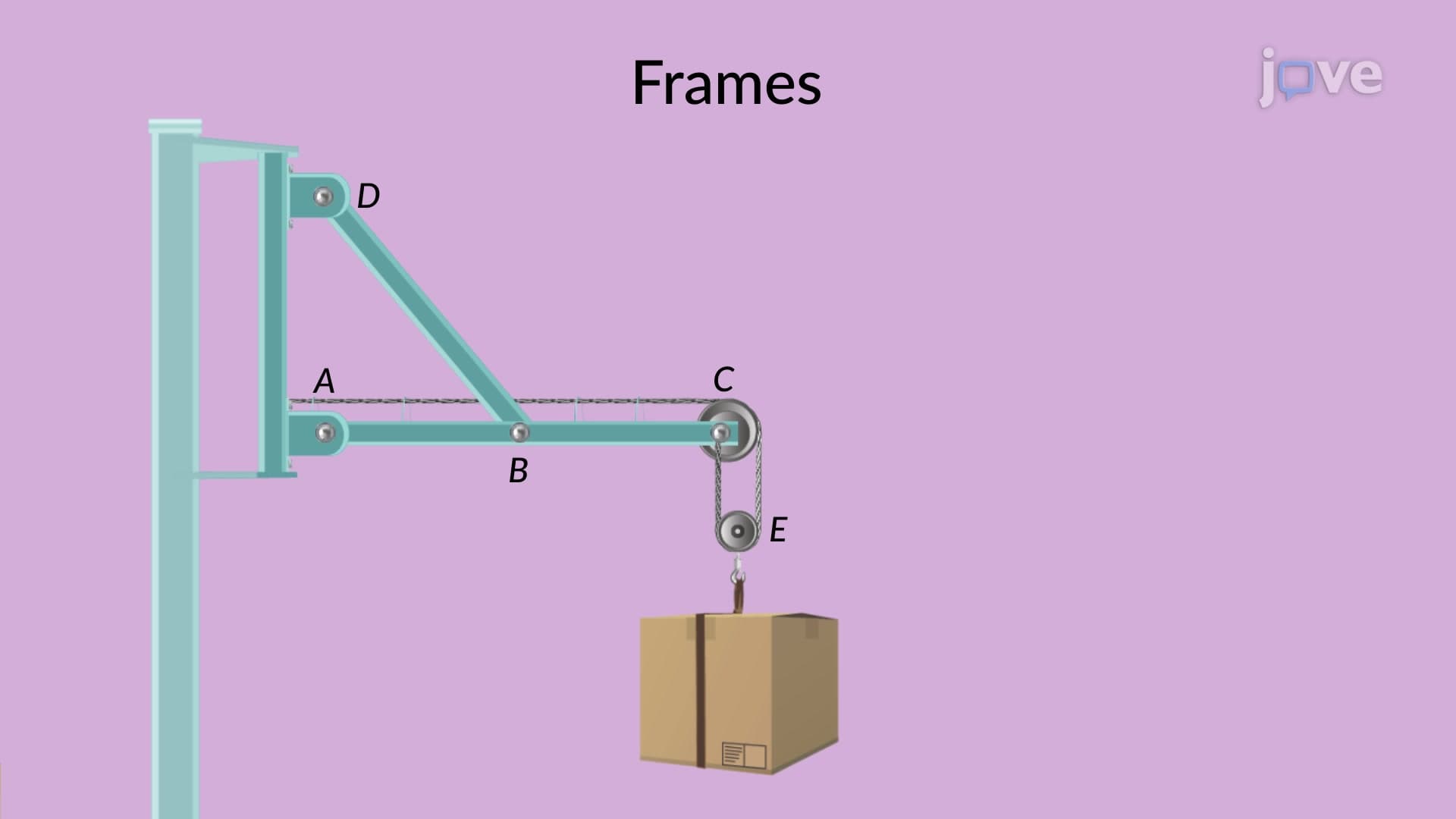
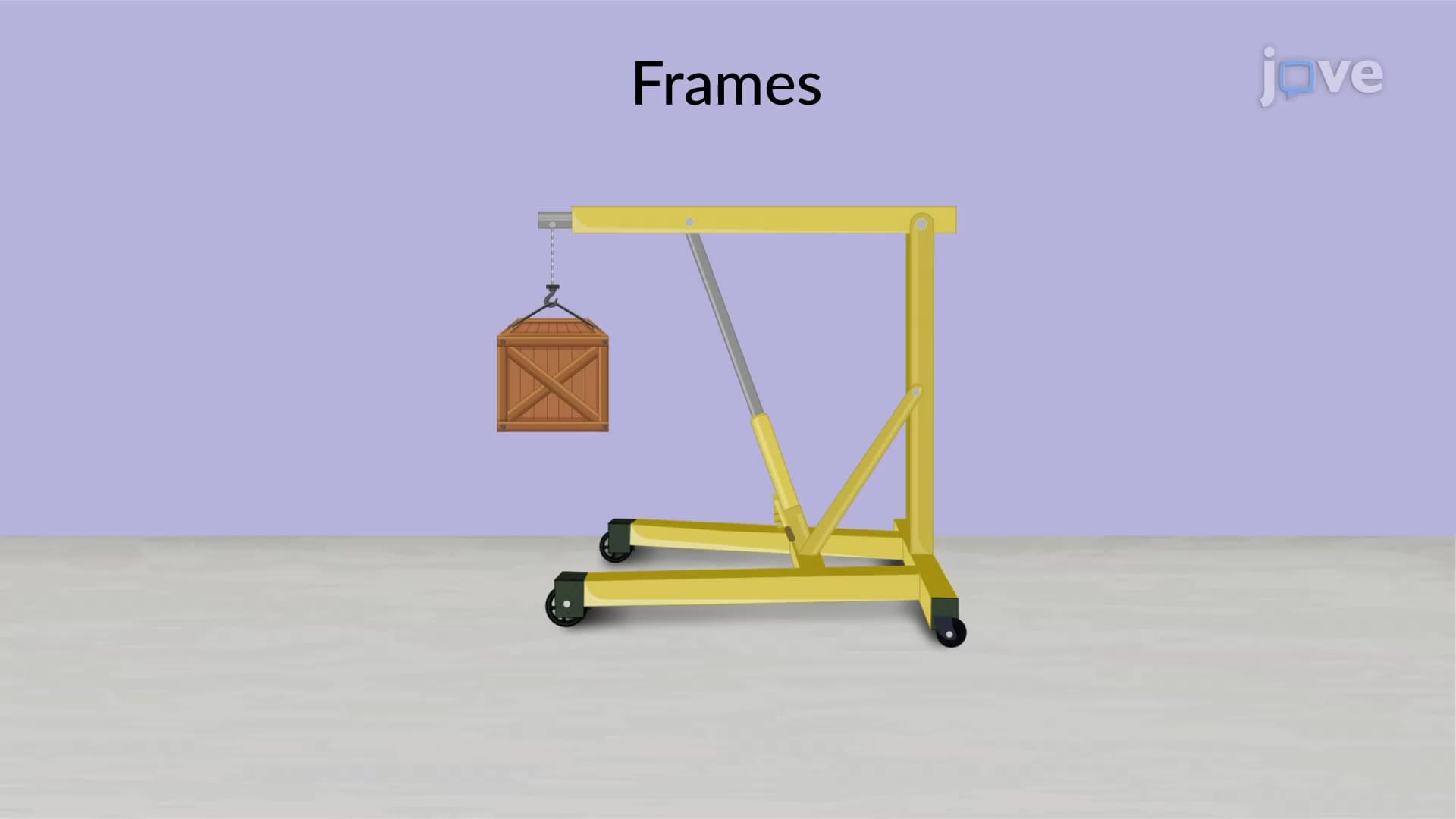
Frames introduce more complexity, featuring at least one member experiencing forces from multiple directions. The steel frame of Chicago's Willis Tower exemplifies this concept, where columns and beams must resist not only vertical gravity loads but also horizontal wind forces acting perpendicular to member axes.
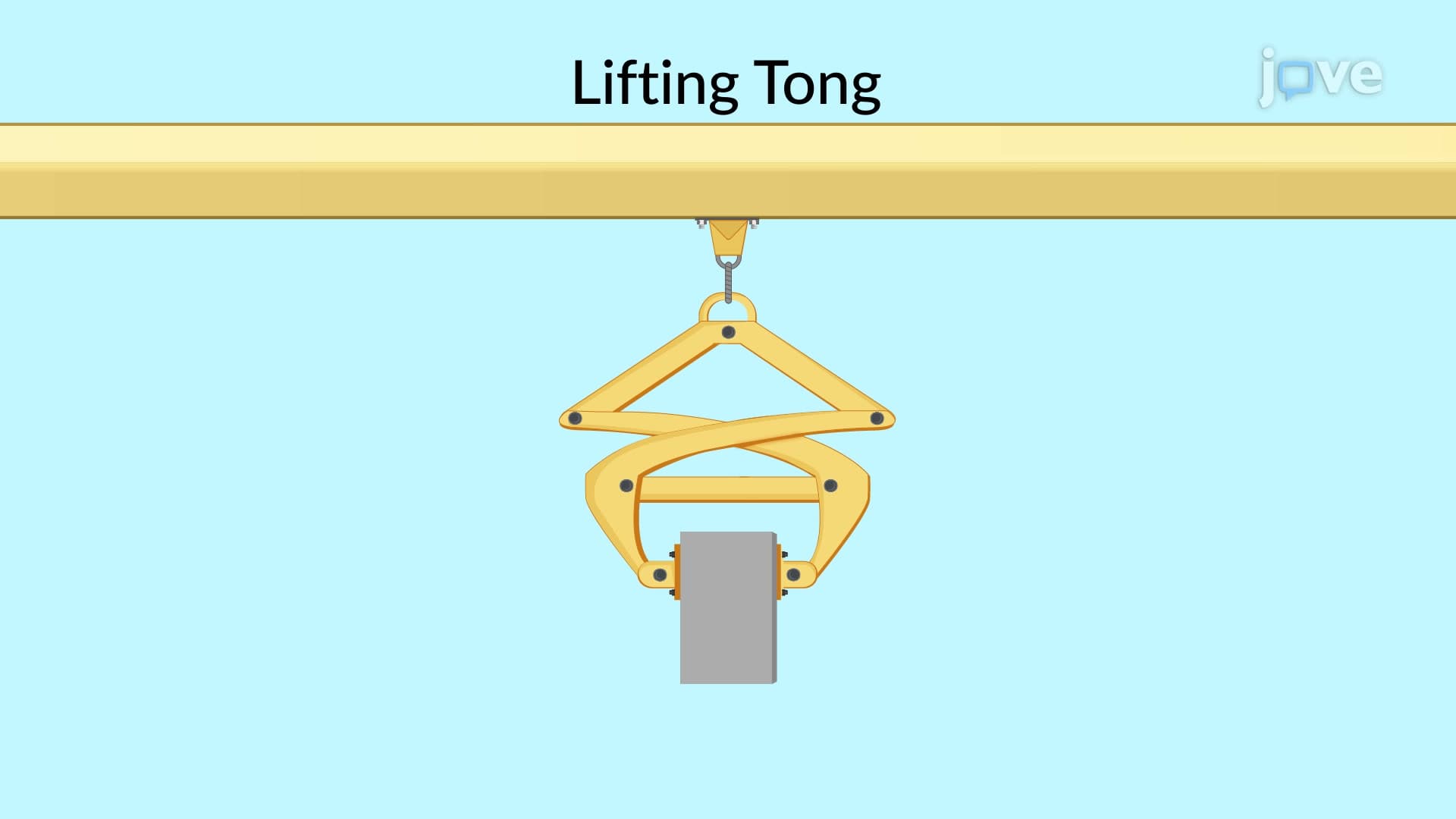
Machines represent the most dynamic structural category, incorporating moving parts that transmit and modify forces. Consider the hydraulic systems in construction equipment-these structures must maintain integrity while components move, creating constantly changing force distributions throughout the system.
Understanding structural behavior connects directly to performance on standardized tests like the MCAT, where physics principles involving statics and force analysis appear regularly. College engineering programs build upon these foundational concepts in courses like structural analysis, machine design, and materials science.
In practice, structural engineers apply these principles when designing everything from residential foundations to space shuttle components. The 2021 Surfside condominium collapse investigation highlighted how crucial proper structural analysis becomes for public safety-reinforcing why these concepts remain central to engineering education and professional practice.
Related Micro-courses