Loading video…


 17 Concepts
 17K views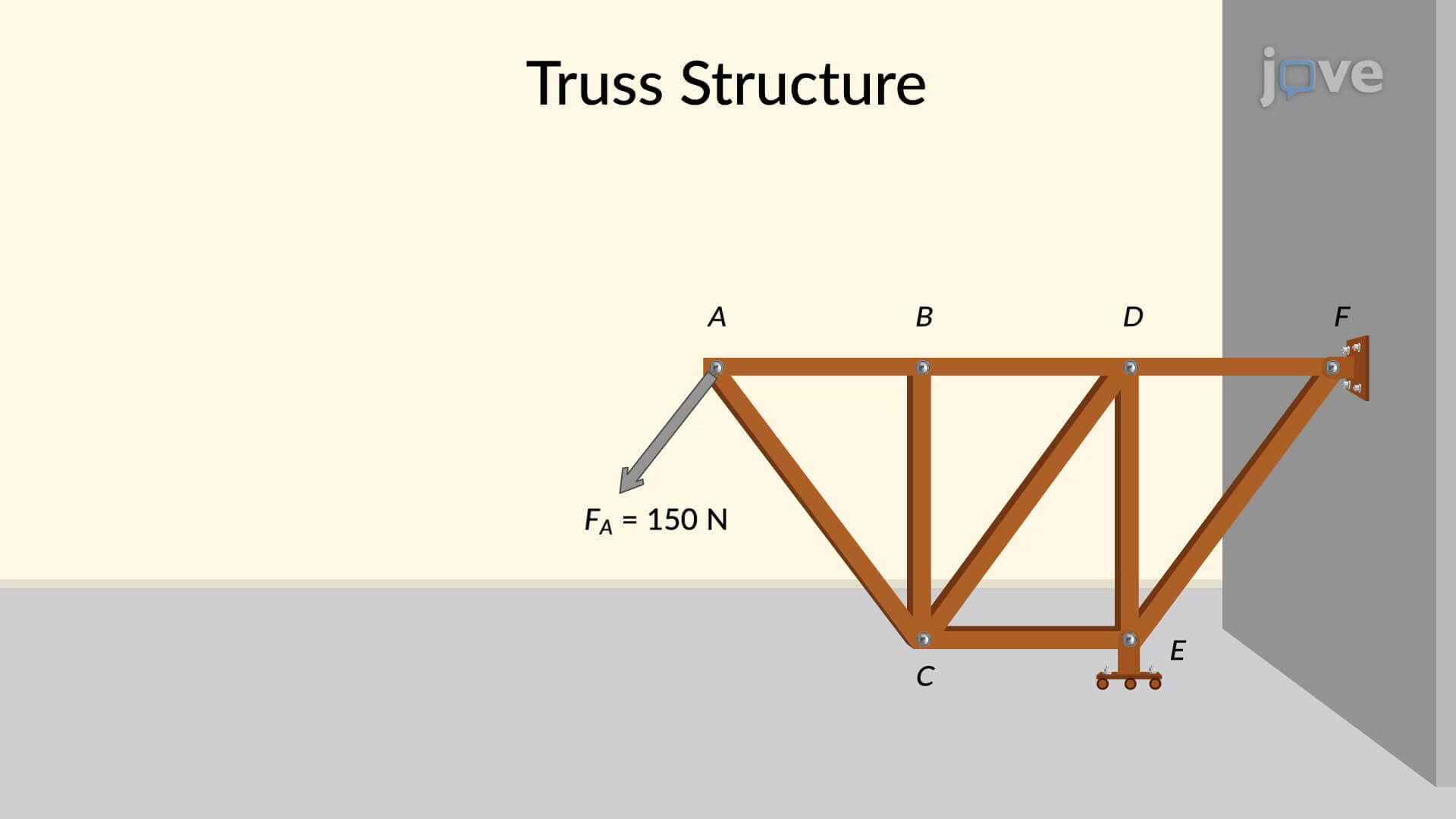

Video Summary: Method of Joints Problem Solving Ii Guide
Ever wonder how engineers ensure bridges like San Francisco's Golden Gate Bridge can safely support thousands of cars daily? The method of joints problem solving II approach enables structural engineers to calculate precise forces within complex truss systems, preventing catastrophic failures. This advanced technique builds upon basic equilibrium principles to solve multi-joint truss problems systematically. Watch the full video on JoVE Coach to master this concept with expert-led visuals and step-by-step explanations.
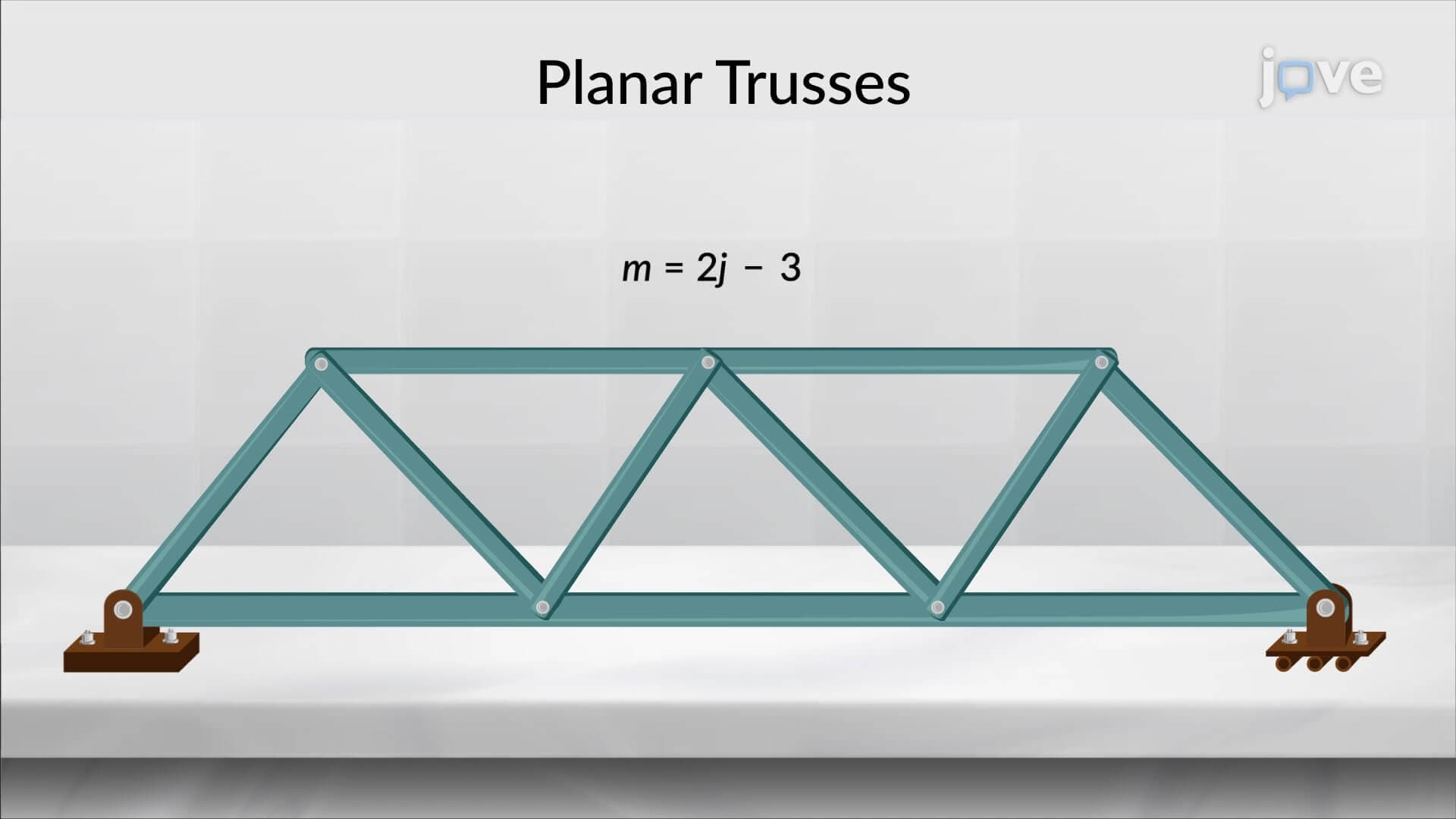
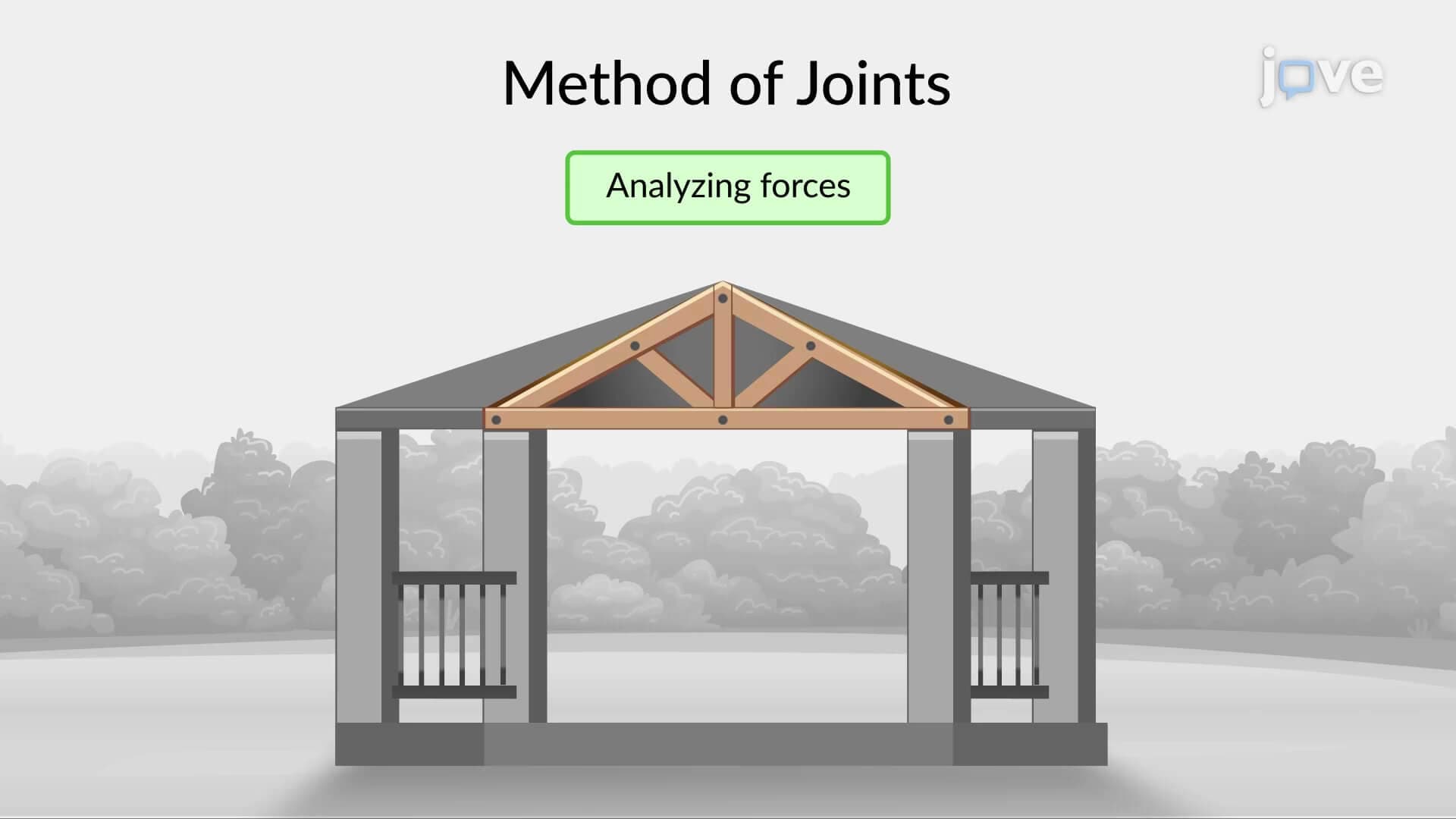
The method of joints problem solving II represents a systematic approach to analyzing complex truss structures that extends beyond simple three-member configurations. This advanced technique is essential for engineering students preparing for structural analysis courses and professionals designing real-world frameworks like transmission towers, bridge trusses, and building frameworks.
Unlike basic joint analysis, the method of joints problem solving II requires strategic planning to determine the optimal sequence for analyzing joints. Engineers typically begin with joints having only two unknown forces, then progress systematically through the structure. This approach mirrors the problem-solving methodology used in AP Physics C mechanics and college-level statics courses.
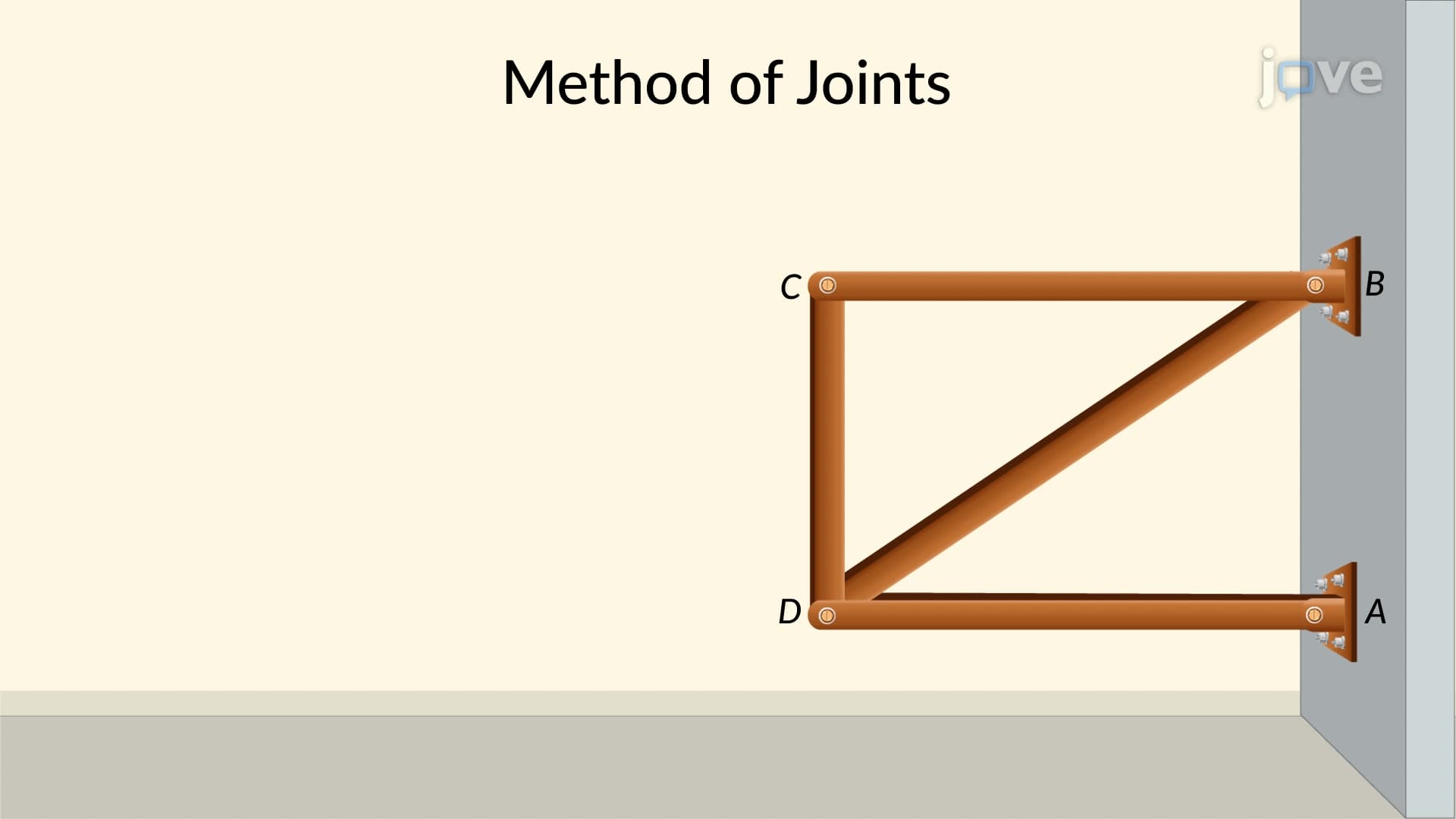
For the 150 N force example, the analysis begins at joint A where the applied load creates a known condition. The angle calculation using tan⁻¹(BC/AB) demonstrates how geometric relationships provide crucial information for force resolution. This trigonometric approach appears frequently on SAT Subject Tests and college engineering entrance exams.
Each joint analysis involves creating detailed free-body diagrams and applying equilibrium conditions. The horizontal equilibrium equation (ΣFx = 0) and vertical equilibrium equation (ΣFy = 0) form the foundation for solving unknown forces. Students encounter similar equilibrium problems in college statics courses and professional engineering licensing examinations.
Consider how this applies to real structures: the Mackinac Bridge in Michigan uses similar truss analysis principles. Engineers calculated thousands of member forces using sequential joint analysis to ensure the 5-mile span could withstand wind loads exceeding 100 mph.
The method extends to joints D and E, where force components require careful resolution. Members CD and EF demonstrate how internal forces transfer through the structure, creating a load path from applied forces to support reactions. This concept appears in college-level courses like Engineering Mechanics: Statics and forms the basis for more advanced topics in structural analysis.
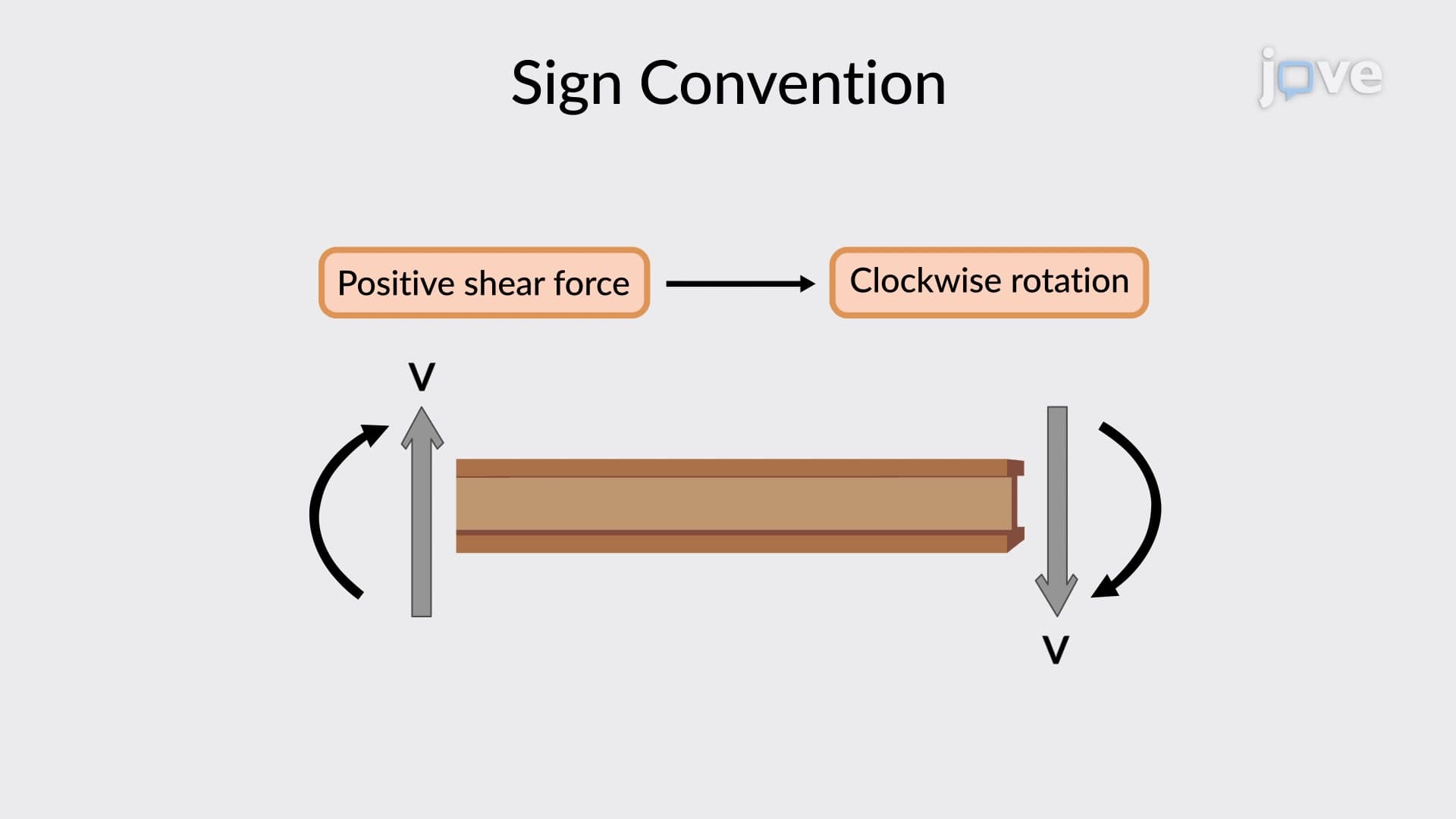
Understanding sign conventions becomes critical-tension forces pull away from joints while compression forces push toward joints. This distinction helps prevent calculation errors common in engineering examinations and professional practice.
Related Micro-courses