Loading subject page…


10,939 views


Video Summary: Support Reactions in Structural Analysis
Ever wonder why the Golden Gate Bridge doesn't collapse under traffic loads? Support reactions in structural analysis determine how forces transfer through structures to keep them stable. These fundamental mechanics principles explain how roller, pin, and fixed supports respond to applied loads in buildings, bridges, and machinery across America. From skyscrapers in Manhattan to highway overpasses in Texas, engineers rely on support reactions in structural analysis to design safe structures. Watch the full video on JoVE Coach to master this concept with expert-led visuals and step-by-step explanations.
Support reactions in structural analysis form the foundation of structural engineering, representing the forces and moments that develop at connection points between structures and their foundations or supports. These reactions maintain equilibrium by countering applied loads, ensuring structures remain stable under various loading conditions.
Roller Support Characteristics Roller supports represent the simplest constraint type, allowing movement in one direction while preventing motion perpendicular to the support surface. Common in bridge designs like expansion joints on Interstate highway bridges, roller supports generate a single reaction force acting normal (perpendicular) to the support surface. This design accommodates thermal expansion while maintaining vertical load transfer capability.
Pin Support Mechanics Pin supports, frequently used in truss connections and mechanical linkages, permit rotation while restricting translational movement. These supports produce reaction forces in the plane perpendicular to the pin axis, typically resolved into horizontal (Fx) and vertical (Fy) components. Steel frame buildings often utilize pin connections at beam-to-column interfaces, allowing controlled structural movement during seismic events.
Fixed Support Applications Fixed supports provide maximum restraint, preventing both translation and rotation in all directions. These connections generate two reaction force components plus a reaction moment, making them ideal for cantilever structures like highway sign supports and building facades. The reaction moment distinguishes fixed supports from other types, enabling structures to resist overturning forces effectively.
Support reaction analysis appears throughout US engineering curricula and professional practice. Civil engineering students at universities like UC Berkeley and MIT study these concepts in statics courses before advancing to structural analysis. The principles apply directly to:
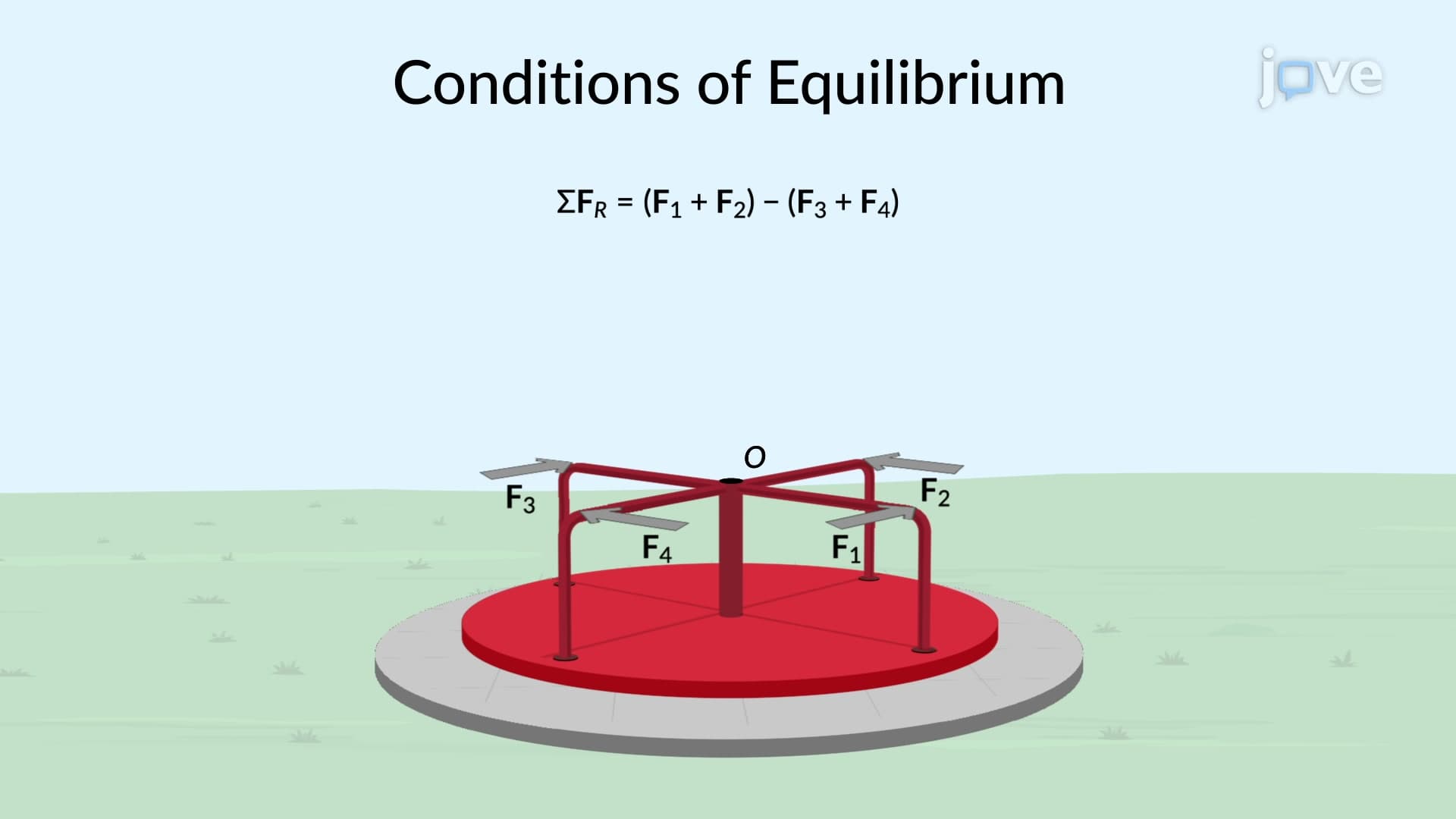
Support reactions frequently appear on AP Physics C exams, college engineering midterms, and Professional Engineer (PE) licensing examinations. Students should master force equilibrium equations (ΣF = 0, ΣM = 0) and understand how different support types affect structural behavior. Practice problems often involve determining unknown reaction forces using equilibrium principles and free-body diagram analysis.
Related Micro-courses