Loading video…


 6 Concepts
 1.7K views
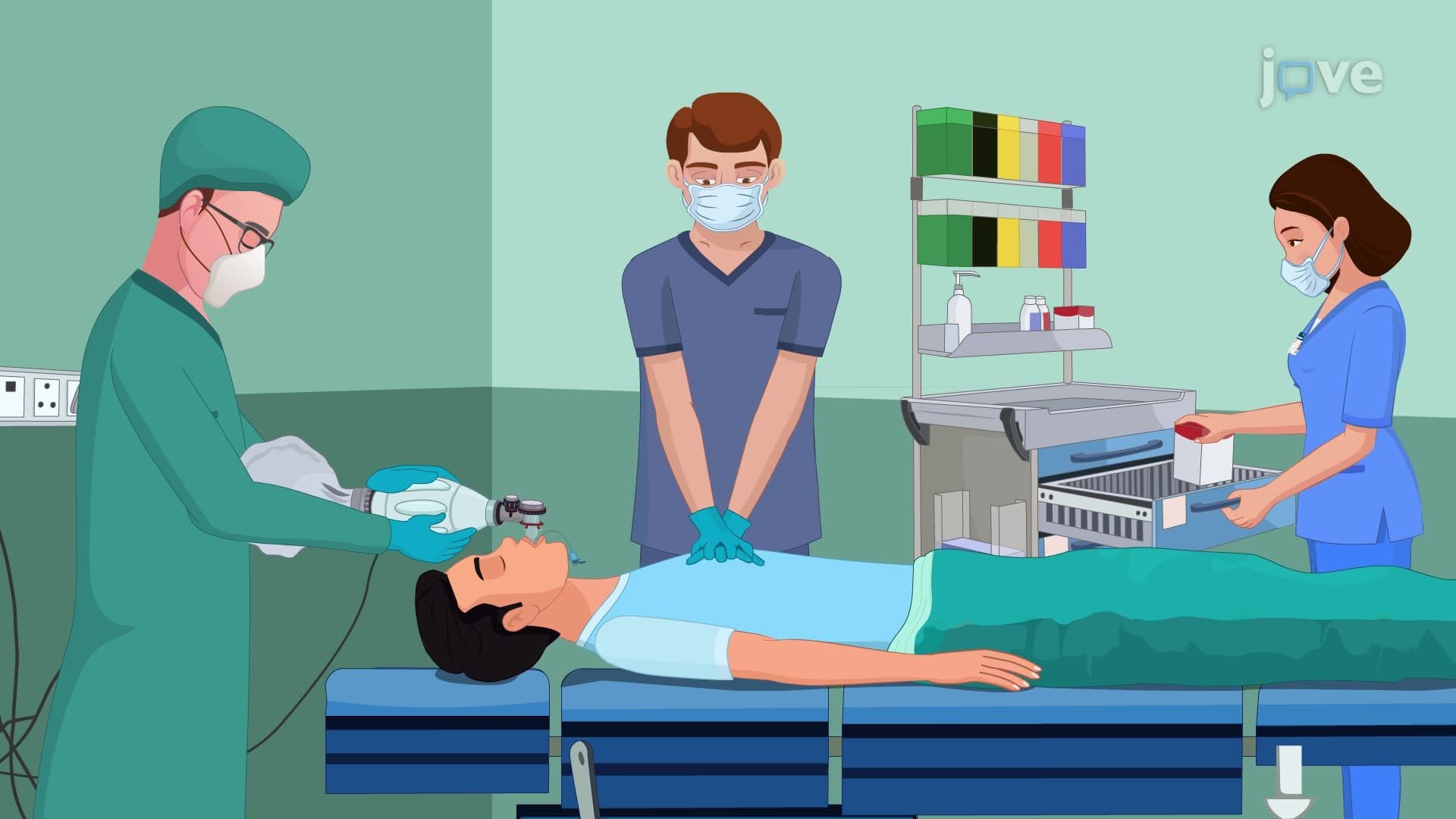

Video Summary: Cardiopulmonary Resuscitation Iv Pharmacological Management Explained
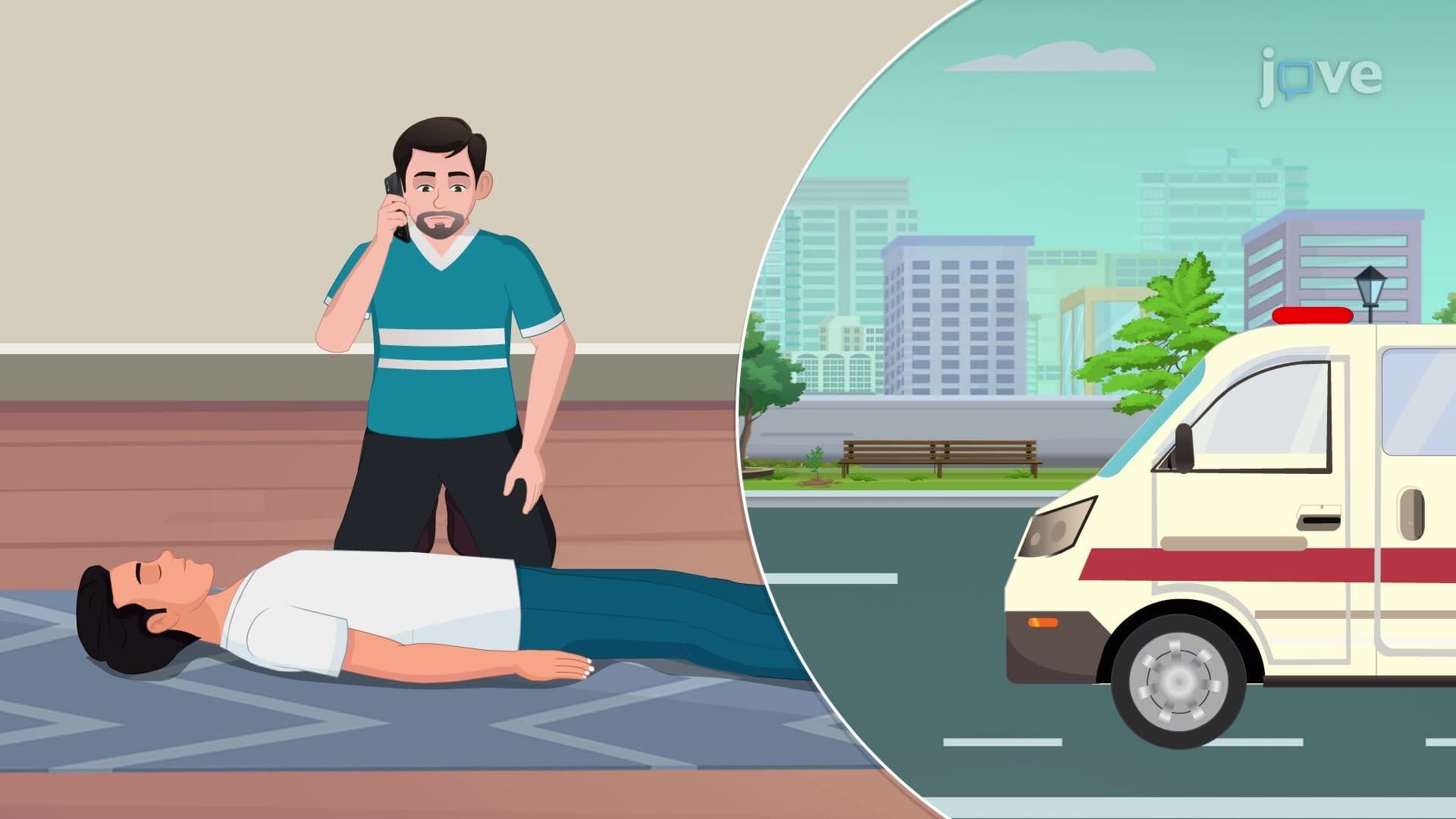
Every 36 seconds in the United States, someone dies from cardiovascular disease, making cardiopulmonary resuscitation IV pharmacological management a critical life-saving skill. During cardiac arrest at Houston Methodist Hospital, emergency teams follow precise drug protocols-epinephrine every 3-5 minutes for all pulseless rhythms, amiodarone for shock-resistant cases. Watch the full video on JoVE Coach to master this concept with expert-led visuals and step-by-step explanations.
Cardiopulmonary resuscitation IV pharmacological management represents a systematic approach to medication administration during cardiac emergencies. This protocol-driven intervention forms the backbone of Advanced Cardiovascular Life Support (ACLS), a certification required for healthcare providers in emergency departments, intensive care units, and ambulance services across the United States.
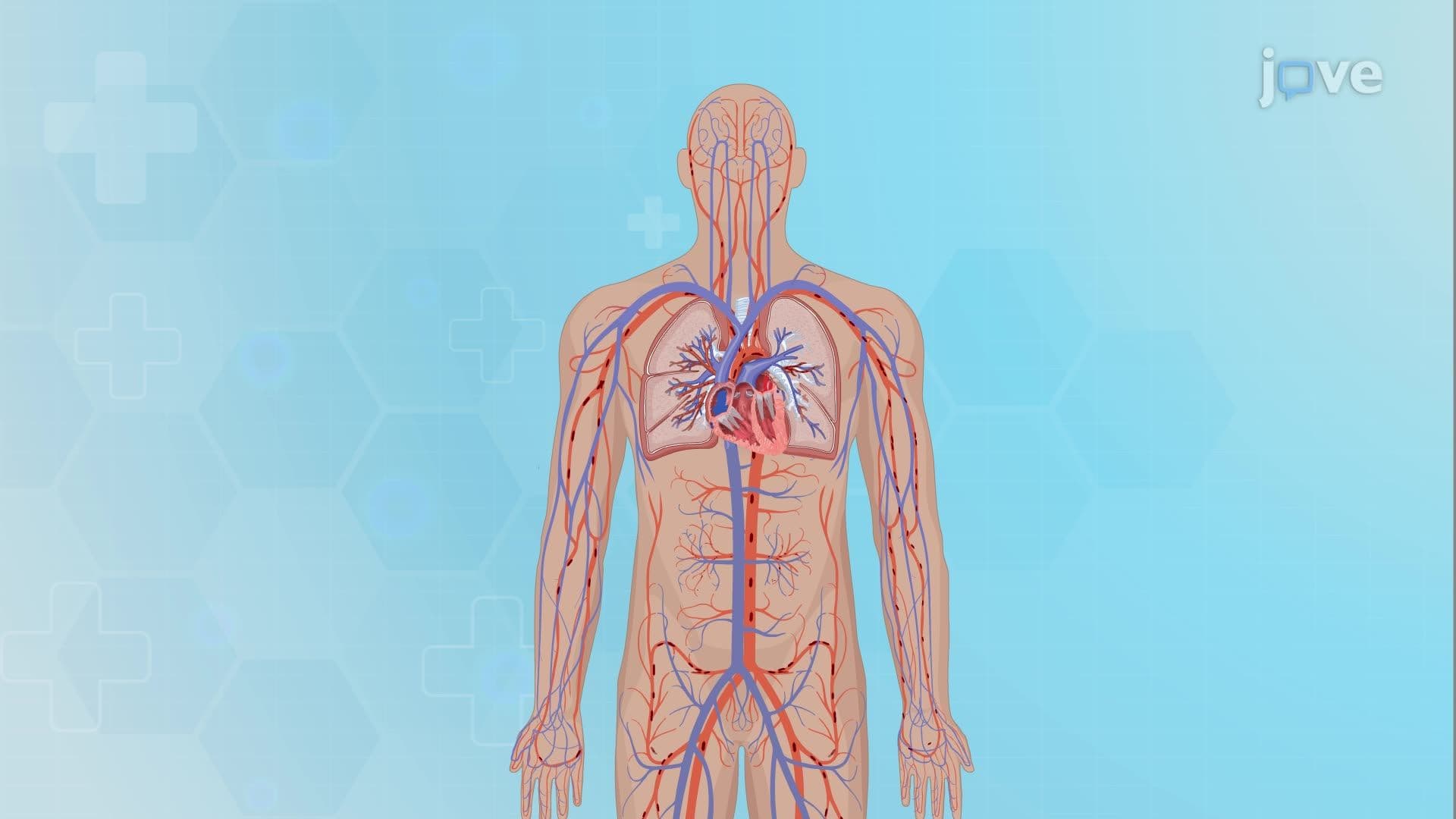
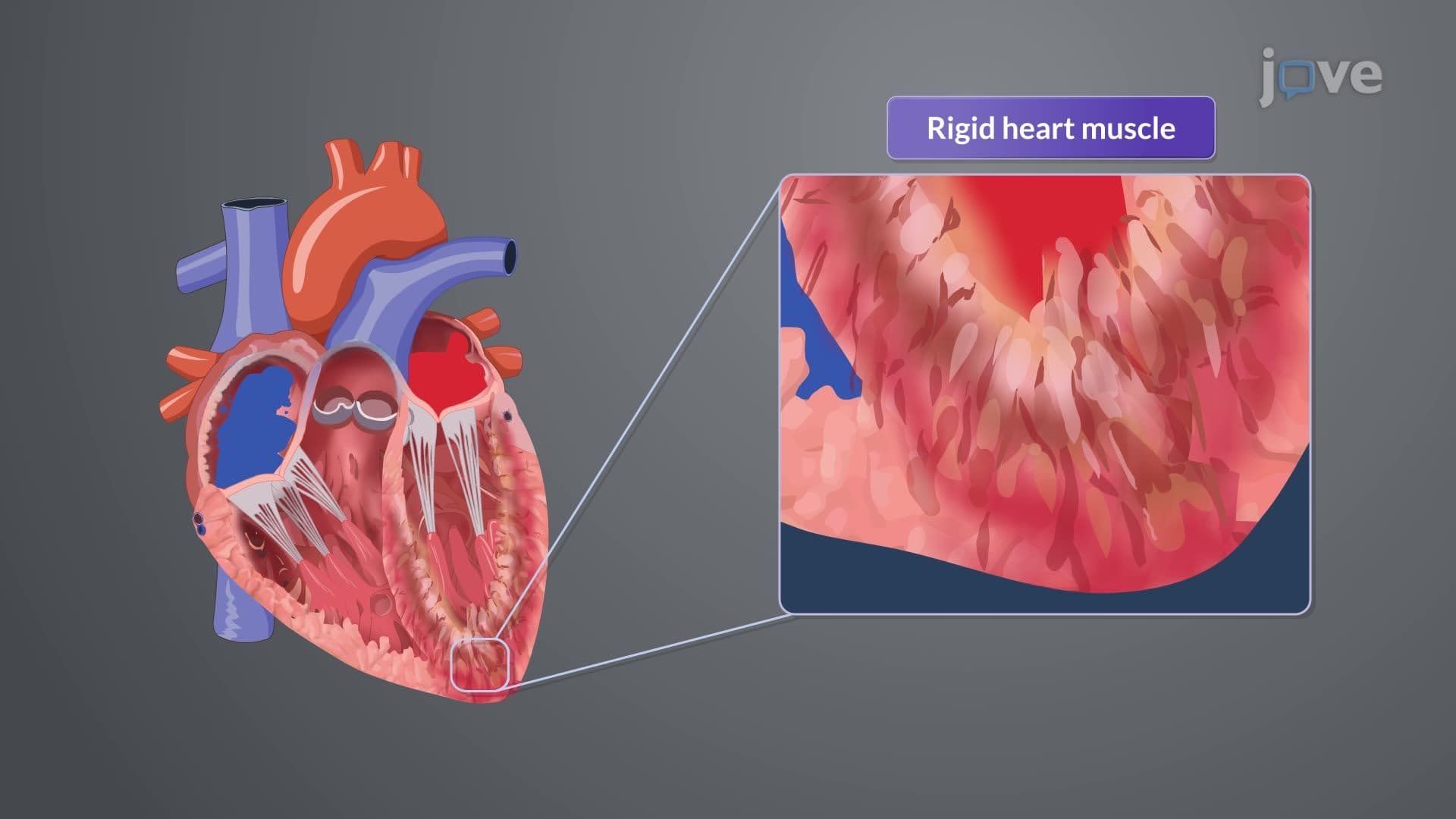
The physiological foundation rests on restoring adequate circulation and maintaining cellular viability during cardiac arrest. When the heart stops effectively pumping blood, organs-particularly the brain and heart muscle itself-begin suffering irreversible damage within minutes. IV medications serve as chemical interventions to restart the heart, maintain blood pressure, and support vital organ function.
Epinephrine stands as the cornerstone medication in cardiopulmonary resuscitation IV pharmacological management. Its mechanism involves powerful alpha-1 adrenergic receptor stimulation, causing intense vasoconstriction in peripheral blood vessels. This vasoconstriction redirects blood flow toward critical organs-the coronary arteries feeding the heart muscle and cerebral vessels supplying the brain.
The standard protocol requires 1 mg administered intravenously or intraosseously every 3-5 minutes throughout the resuscitation attempt. Emergency medical technicians (EMTs) in cities like Chicago or Los Angeles follow these exact timing intervals, as studies from the American Heart Association demonstrate improved survival rates with consistent epinephrine administration.
When ventricular tachycardia or ventricular fibrillation persists despite electrical defibrillation attempts, cardiopulmonary resuscitation IV pharmacological management escalates to antiarrhythmic medications. Amiodarone serves as the preferred agent, working through multi-channel blockade-simultaneously inhibiting potassium, sodium, and calcium channels in cardiac cell membranes.
This multi-modal action stabilizes electrical conduction patterns, making the heart more responsive to defibrillation. The protocol specifies 300 mg initially, followed by an additional 150 mg if the arrhythmia persists. Lidocaine provides an alternative option, specifically targeting sodium channels to suppress abnormal electrical activity.
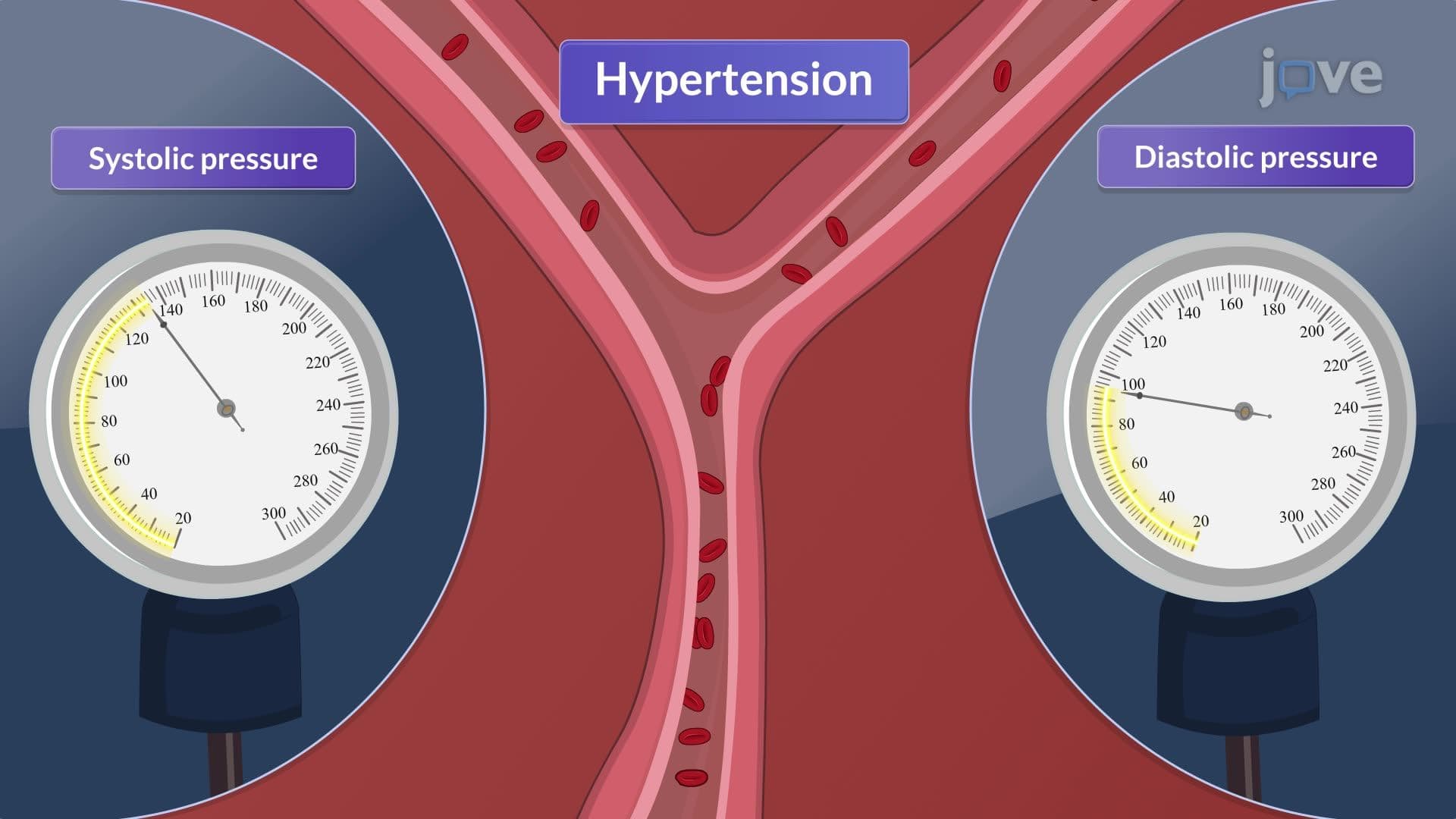
Successfully restored circulation often requires continued pharmacological support. Norepinephrine and dopamine become essential tools for maintaining adequate blood pressure, while atropine addresses symptomatic bradycardia-slow heart rates that compromise cardiac output.
Students preparing for MCAT Section B: Biological and Biochemical Foundations frequently encounter questions about these receptor mechanisms. AP Biology exams similarly test understanding of how adrenergic stimulation affects cardiovascular physiology. College nursing programs emphasize these protocols extensively, as NCLEX-RN examinations regularly assess medication administration competency in emergency scenarios.
Related Micro-courses