Loading video…

 6 Concepts
 1.7K views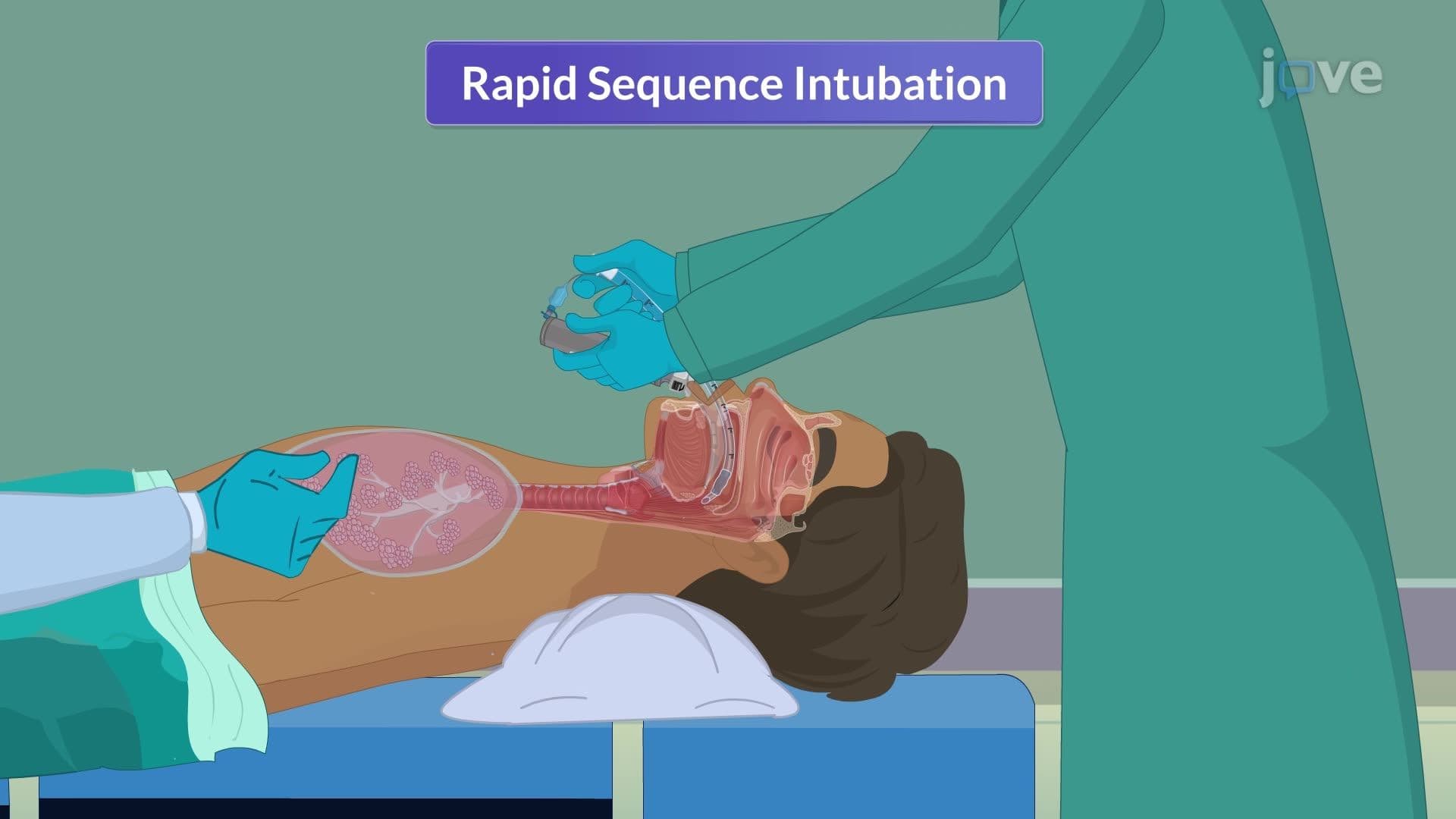

Video Summary: Cardiopulmonary Resuscitation V Advanced Airway Explained
When a patient's heart stops during surgery at Johns Hopkins Hospital, should the team perform standard CPR chest compressions or immediately secure an advanced airway? Understanding cardiopulmonary resuscitation v advanced airway decisions can mean the difference between life and death in emergency medicine. This comparison reveals when each technique is most effective and how healthcare providers make split-second decisions in critical situations. Watch the full video on JoVE Coach to master this concept with expert-led visuals and step-by-step explanations.
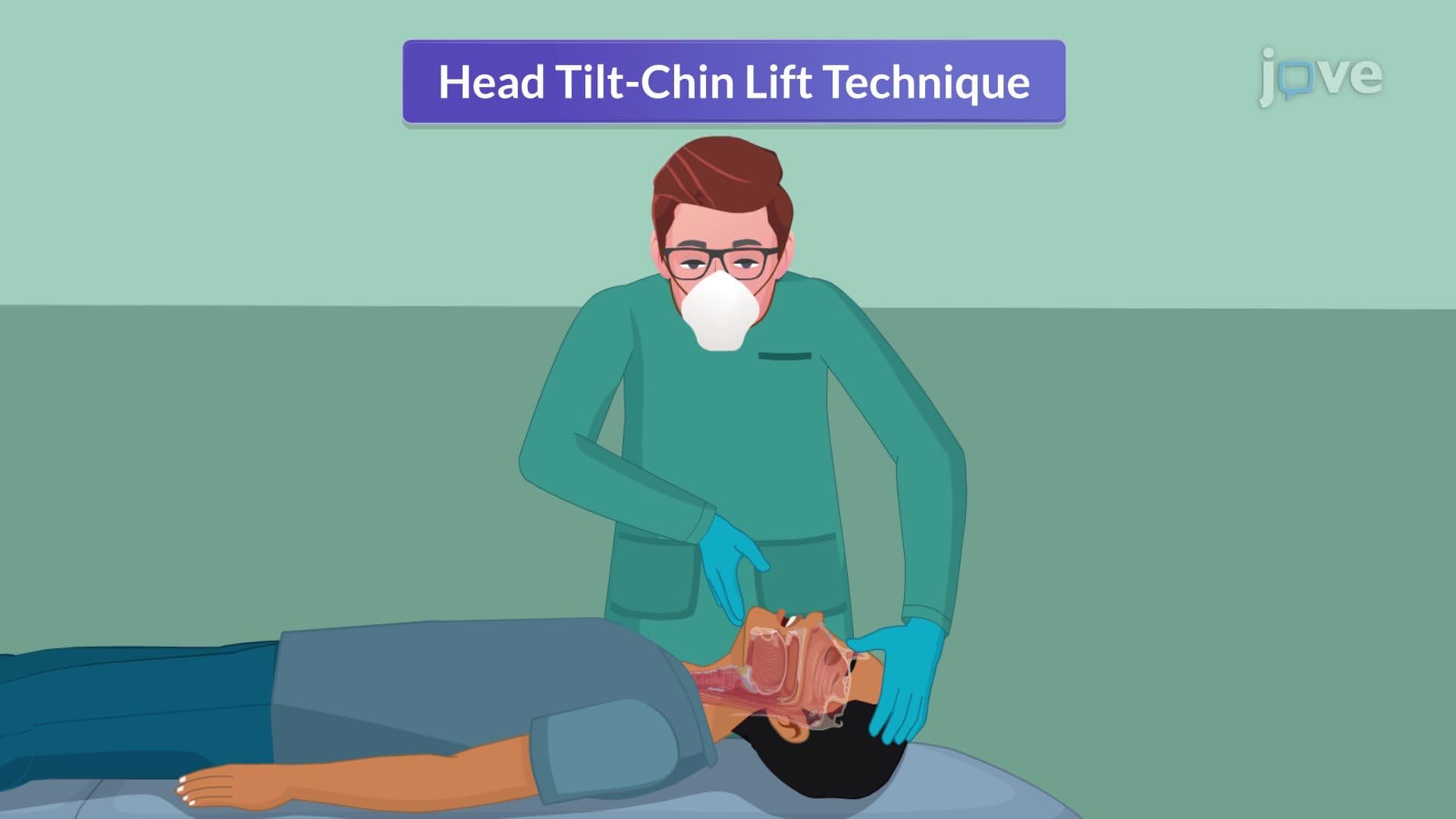
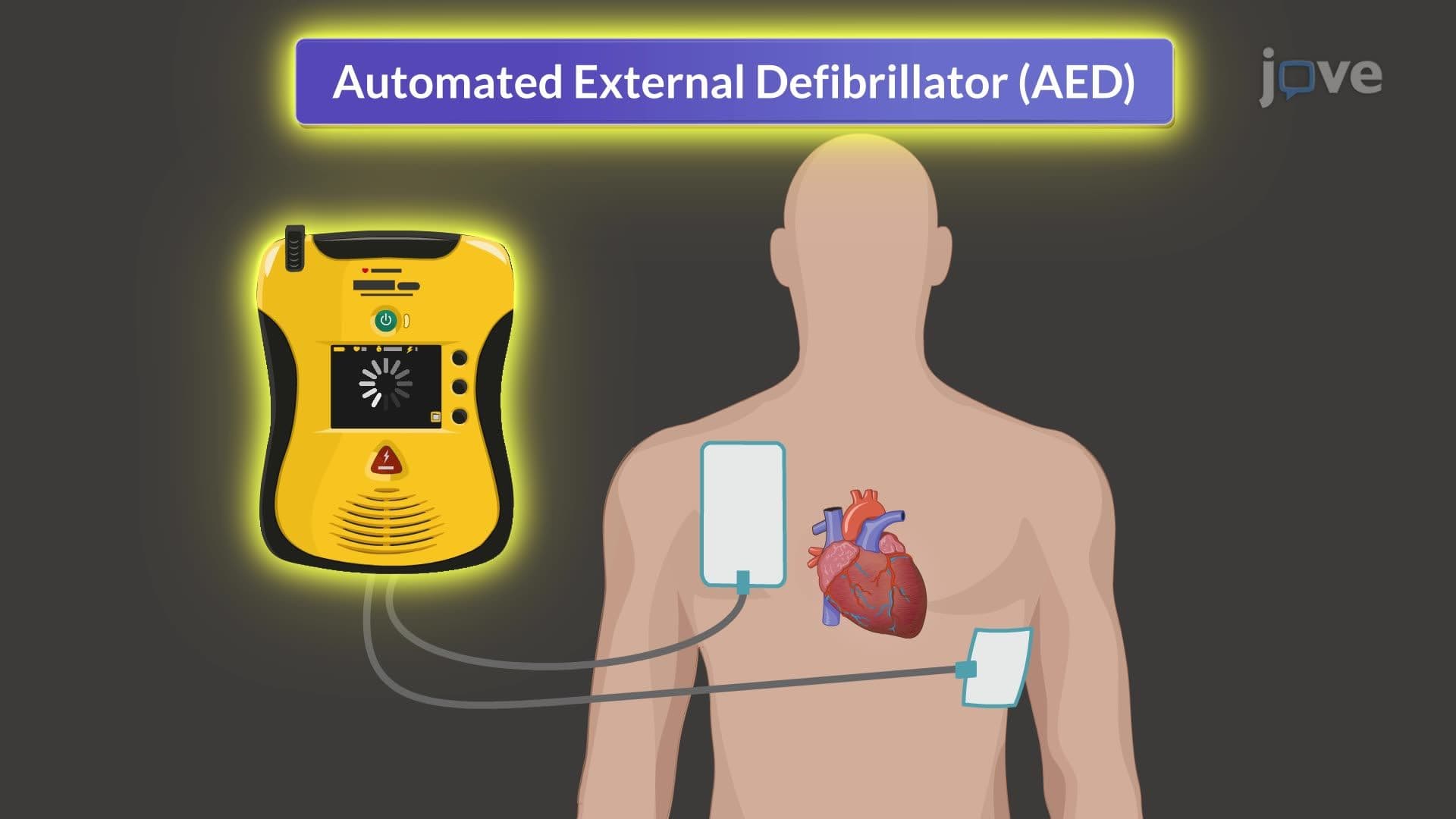
The choice between cardiopulmonary resuscitation v advanced airway management represents one of the most critical decisions in emergency medicine. While basic CPR focuses on maintaining circulation through chest compressions and rescue breathing, advanced airway management involves securing a definitive pathway for ventilation when standard techniques prove inadequate. This distinction becomes crucial during cardiac arrest scenarios, where the American Heart Association guidelines emphasize that high-quality chest compressions should not be delayed for airway management unless performed by highly trained providers.
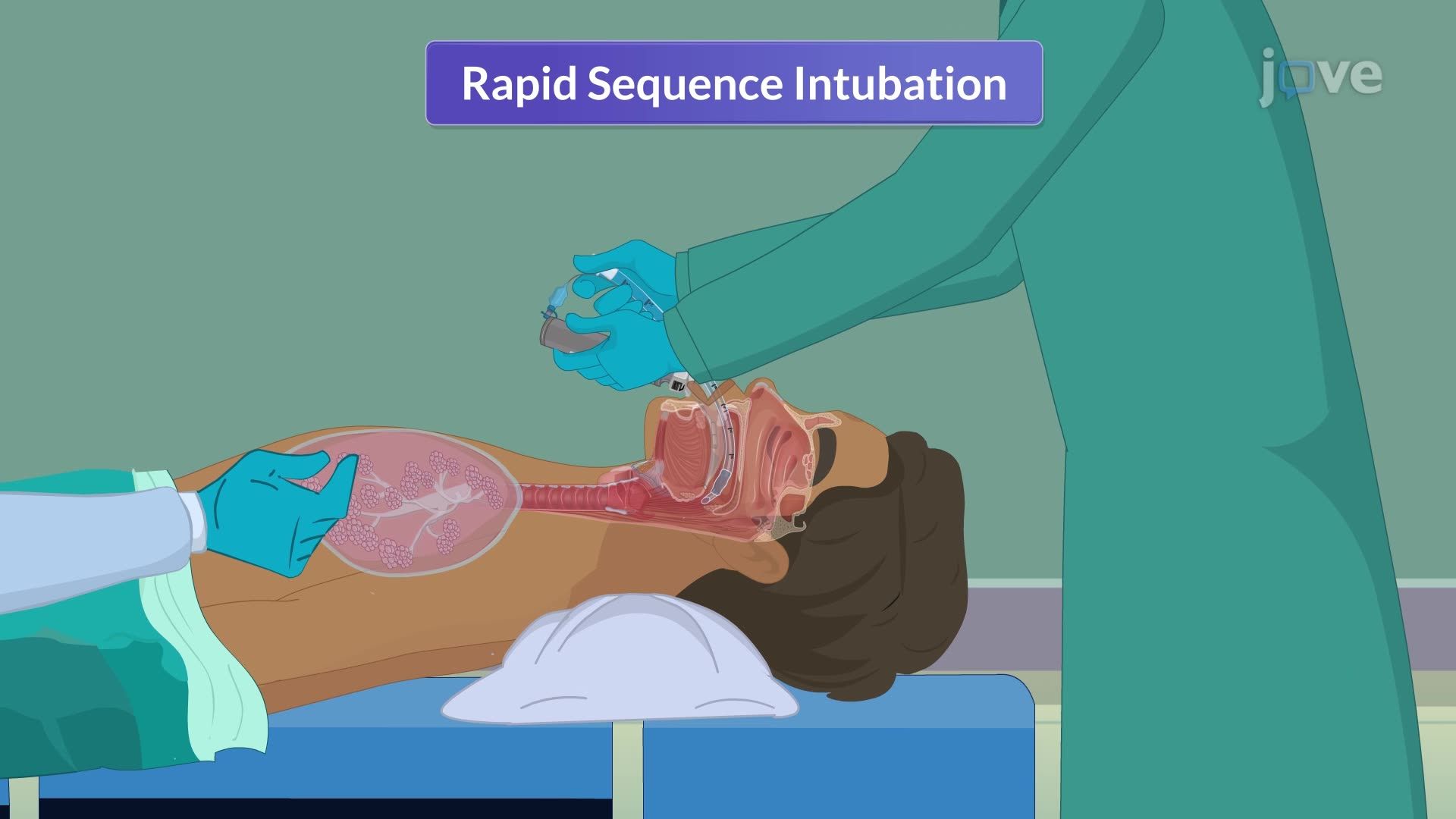
Endotracheal intubation remains the definitive airway management technique taught in medical schools across the United States, from Harvard Medical School to UCLA. This procedure involves several critical steps: preoxygenation to maximize oxygen reserves, administration of sedative and paralytic agents, direct visualization of vocal cords using a laryngoscope, and precise placement of an endotracheal tube into the trachea. Emergency medicine residents practicing at hospitals like Cleveland Clinic and Mayo Clinic spend countless hours perfecting this technique because successful intubation can dramatically improve patient outcomes during respiratory failure or cardiac arrest.
Rapid sequence intubation (RSI) has become the preferred method for emergency airway management in US trauma centers. Unlike standard intubation, RSI prioritizes speed to minimize aspiration risk in patients who haven't fasted before surgery or trauma. This technique proves essential in emergency departments from Bellevue Hospital in New York to Grady Memorial Hospital in Atlanta, where providers encounter patients with full stomachs who require immediate airway control. The protocol's emphasis on rapid medication administration and immediate intubation reduces the window for complications.
When traditional intubation fails or proves difficult, supraglottic airway devices offer life-saving alternatives. The laryngeal mask airway (LMA) and I-gel devices have revolutionized airway management in both emergency and elective settings. These devices prove particularly valuable for paramedics responding to cardiac arrests in communities across America, as they require less training than intubation while providing superior ventilation compared to bag-mask ventilation. Video laryngoscopy has further improved success rates, with studies from institutions like Johns Hopkins showing improved first-pass success rates compared to direct laryngoscopy.
Understanding these concepts proves essential for students preparing for healthcare careers, particularly those taking the MCAT or pursuing nursing programs that require NCLEX preparation. The principles appear frequently in AP Biology courses covering respiratory physiology and emergency medicine rotations during clinical training.
Related Micro-courses