Loading subject page…

889 views

Video Summary: Cardiomyopathy Types Classification and Clinical Overview
Did you know that cardiomyopathy affects over 600,000 Americans and is a leading cause of heart transplants? Understanding cardiomyopathy introduction and classification is crucial for recognizing how heart muscle diseases impair the heart's pumping ability. The Cleveland Clinic reports that dilated cardiomyopathy alone affects 1 in 2,500 people, making this condition more common than many realize. Cardiomyopathy: Types, Classification, and Clinical Overview covers the essential distinctions between primary and secondary forms, plus the four major types that medical students encounter. Watch the full video on JoVE Coach to master this concept with expert-led visuals and step-by-step explanations.
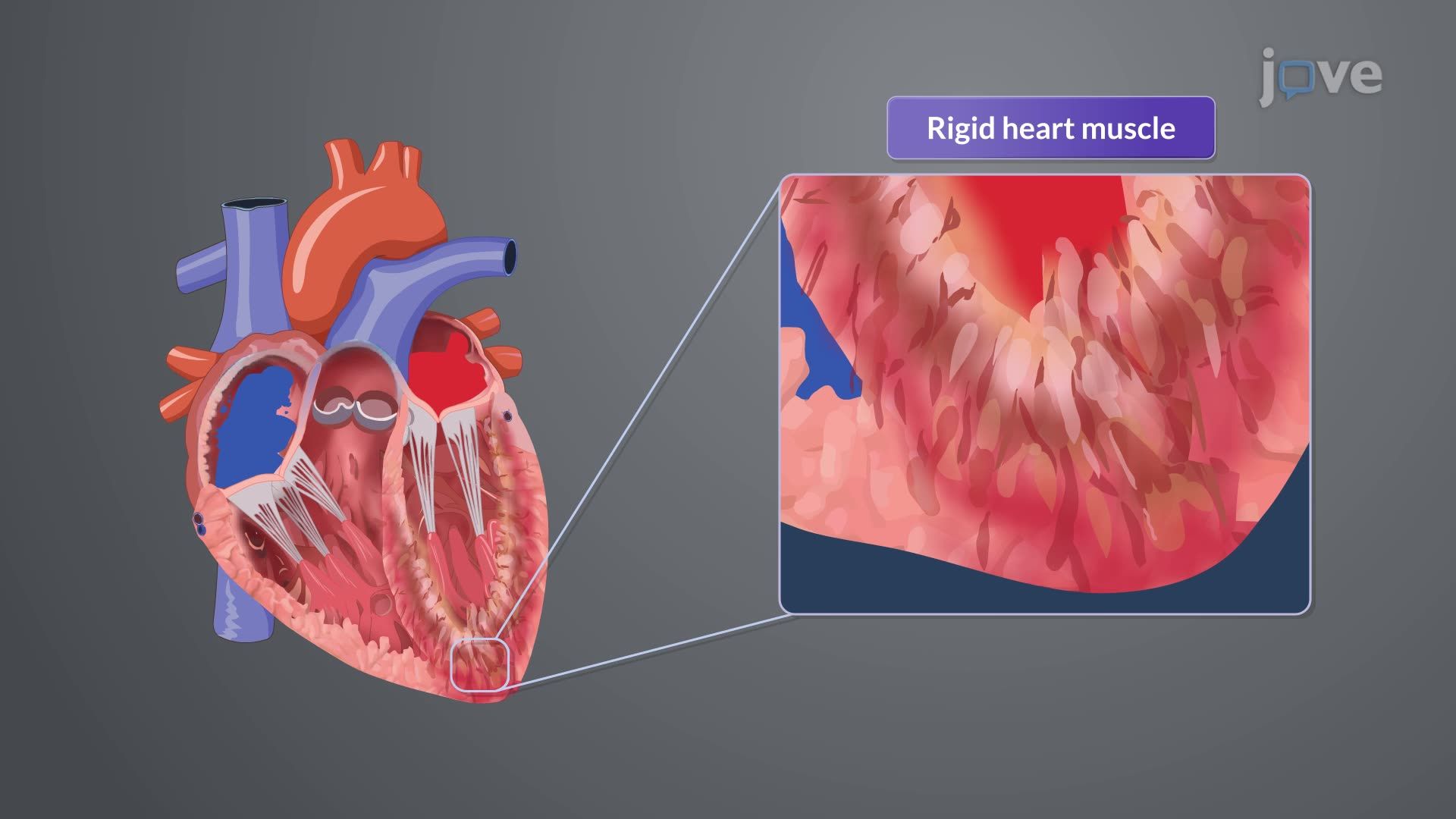
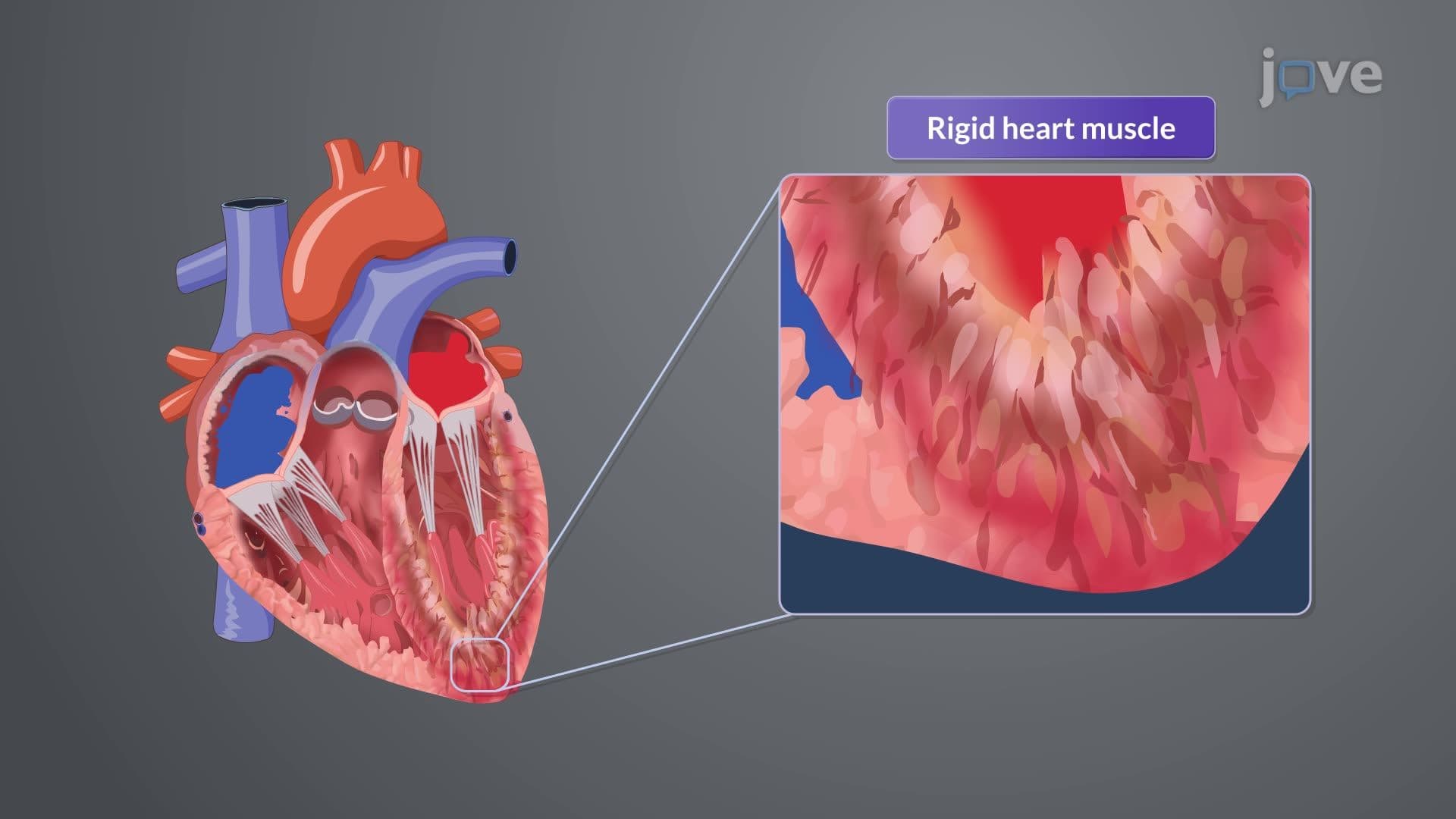
Cardiomyopathy represents a diverse group of heart muscle diseases that fundamentally alter the heart's structure and function. Unlike coronary artery disease, which affects blood vessels, cardiomyopathy directly impacts the myocardium-the heart's muscular wall responsible for contracting and pumping blood throughout the body.
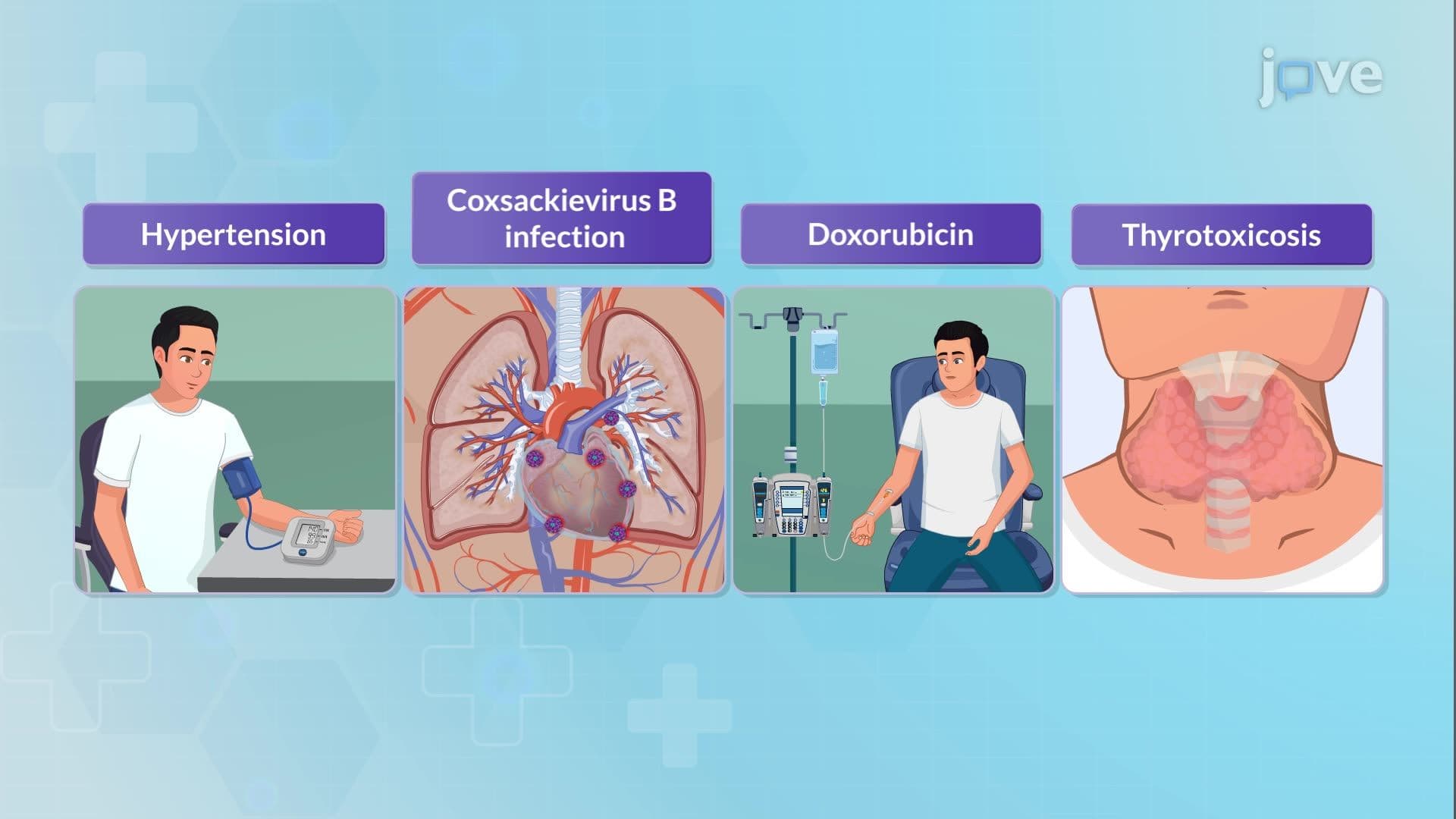
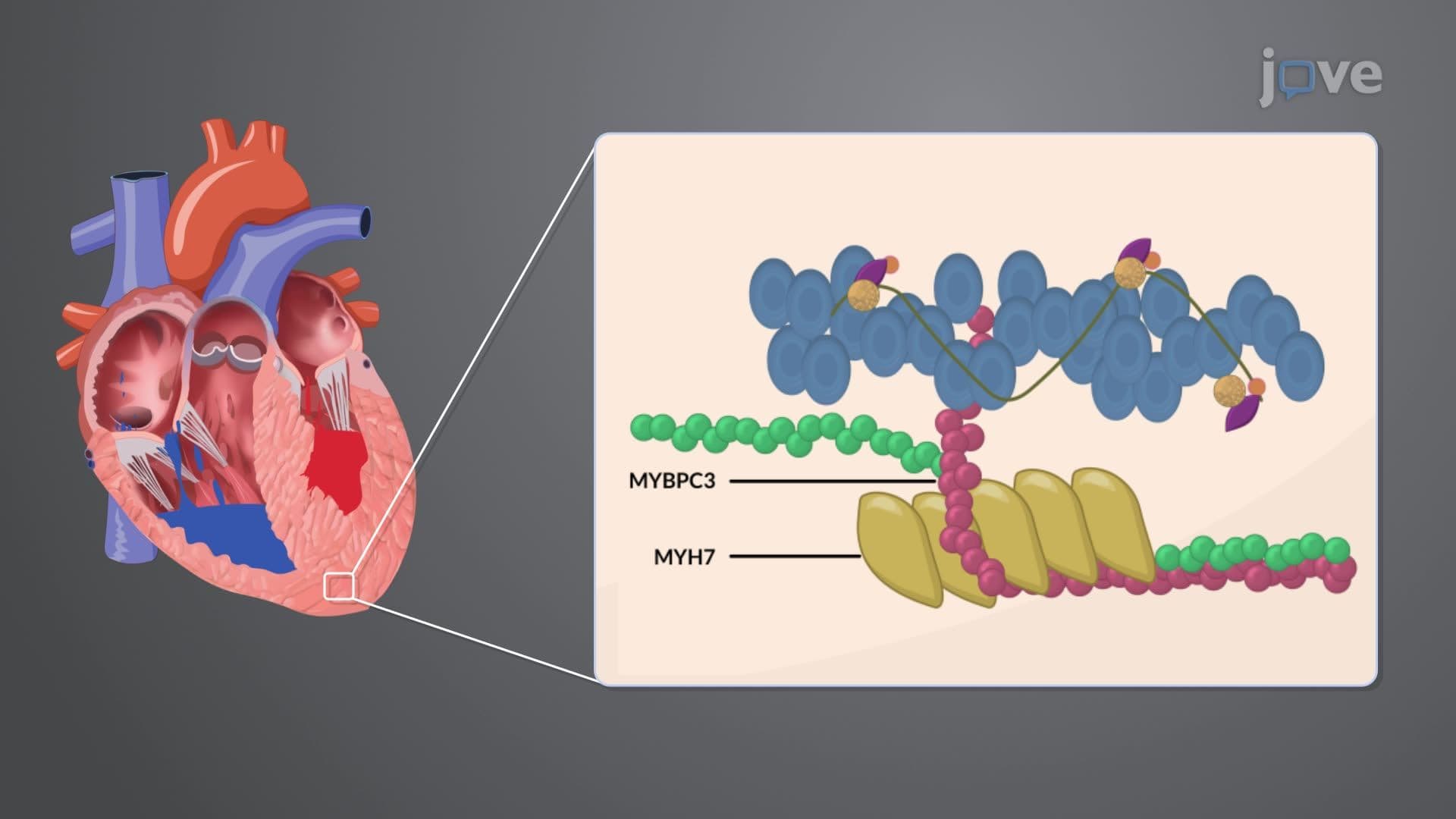
The medical community classifies cardiomyopathy into two broad categories based on underlying causes. Primary cardiomyopathy stems from genetic mutations or unknown factors (idiopathic), directly affecting heart muscle cells. For example, hypertrophic cardiomyopathy often runs in families due to mutations in genes encoding cardiac proteins like myosin heavy chain. Secondary cardiomyopathy results from other medical conditions that damage the heart muscle, such as diabetes, alcohol abuse, or chemotherapy drugs like doxorubicin used in cancer treatment at major US medical centers like MD Anderson.
Dilated cardiomyopathy, the most common form, causes the left ventricle to enlarge and weaken, reducing its pumping efficiency. Patients often present with symptoms of heart failure, including shortness of breath and fatigue. This condition frequently appears on MCAT passages and USMLE Step 1 questions.
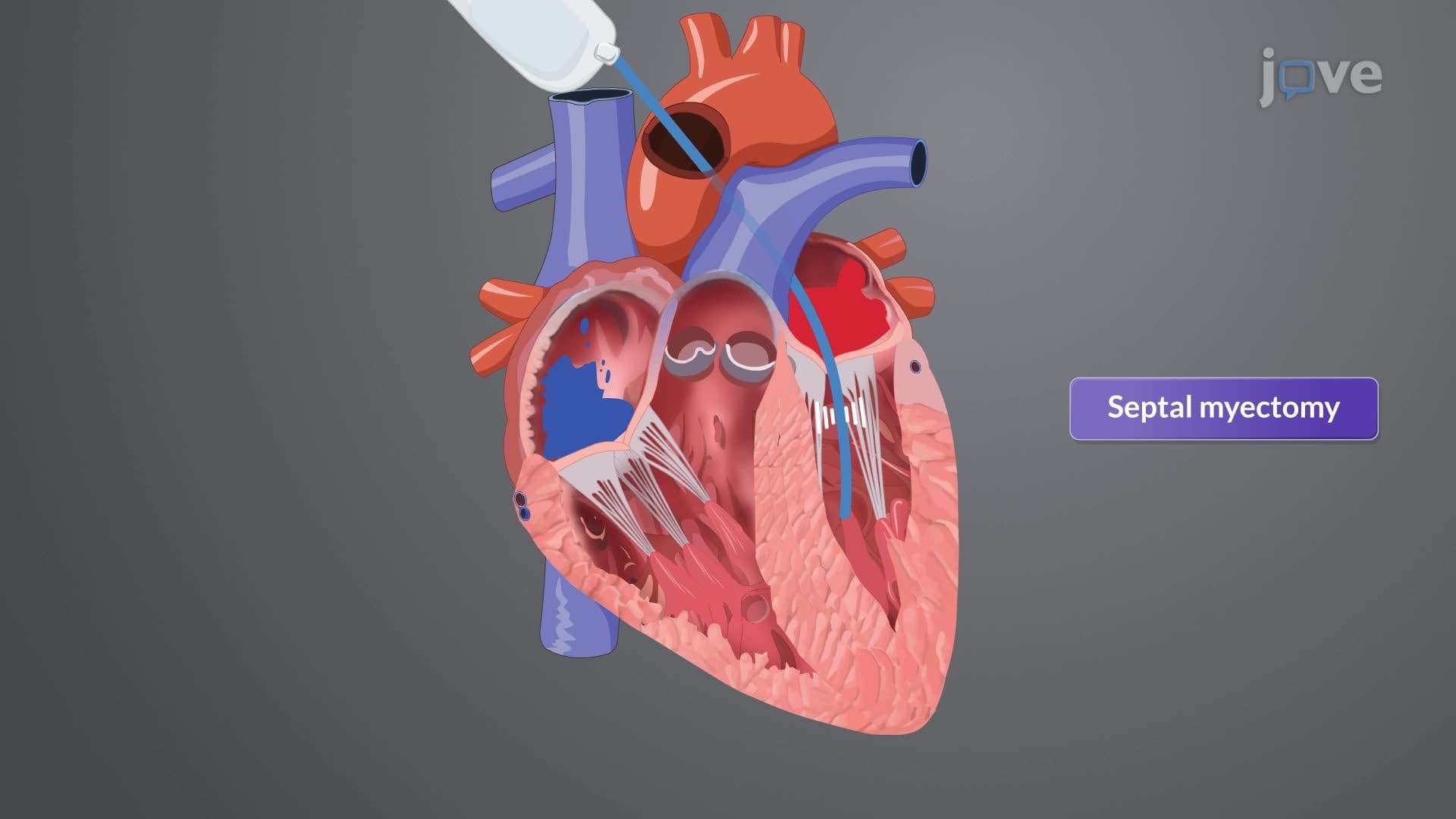
Hypertrophic cardiomyopathy involves abnormal thickening of the heart muscle, particularly the interventricular septum. This thickening can create outflow obstruction, preventing blood from leaving the left ventricle efficiently. The condition gained public attention when young athletes like basketball players experienced sudden cardiac death during games.
Restrictive cardiomyopathy, though less common in the US, involves stiffening of the heart muscle that impairs filling during diastole while preserving systolic function. Conditions like cardiac amyloidosis, increasingly recognized at institutions like Mayo Clinic, exemplify this type.
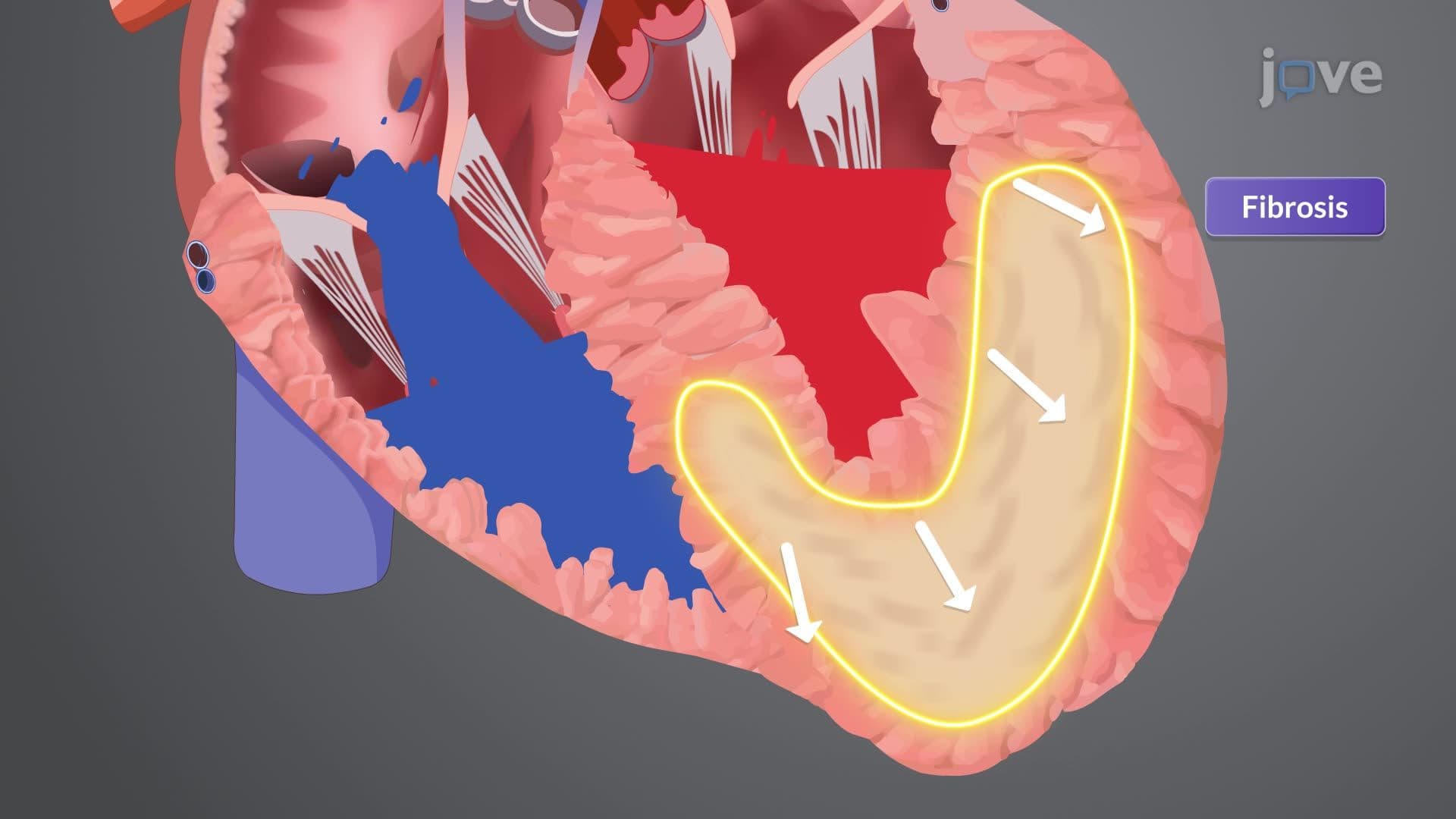
Arrhythmogenic right ventricular cardiomyopathy specifically affects the right ventricle, where normal muscle tissue gradually gets replaced by scar tissue and fat. This replacement process disrupts the heart's electrical system, leading to dangerous arrhythmias.
Understanding these classifications proves essential for pre-med students preparing for the MCAT, where cardiovascular pathophysiology frequently appears. AP Biology students encounter cardiomyopathy when studying circulatory system disorders, while college anatomy and physiology courses emphasize the structure-function relationships that cardiomyopathy disrupts. Medical schools across the US, from Harvard to UCLA, emphasize pattern recognition of these conditions through case-based learning.
Related Micro-courses