Loading subject page…

889 views

Video Summary: Cardiomyopathy Vii Pre and Post Explained
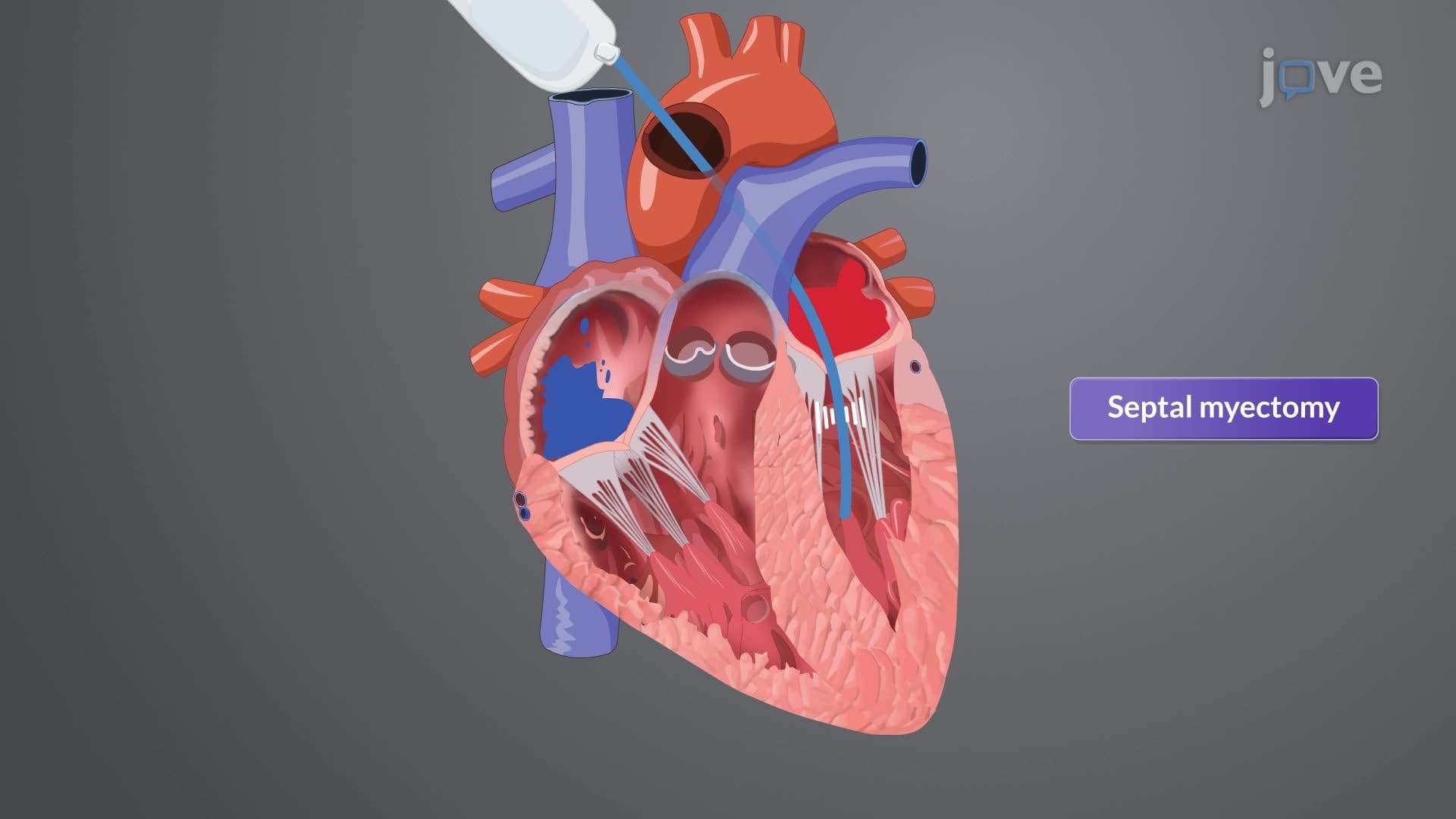
Did you know that over 750,000 Americans undergo cardiac surgery annually, with many requiring specialized nursing care protocols? Cardiomyopathy VII pre and post management involves critical preoperative assessments and postoperative monitoring techniques essential for patient safety. At Cleveland Clinic, nurses follow strict protocols including cardiovascular evaluations, hemodynamic monitoring, and fluid balance management during septal myectomy procedures. Understanding Cardiomyopathy VII Pre And Post Explained prepares future healthcare professionals for real clinical scenarios. Watch the full video on JoVE Coach to master this concept with expert-led visuals and step-by-step explanations.
Cardiac surgery nursing requires mastery of both preoperative preparation and postoperative management protocols. The systematic approach to caring for patients undergoing procedures like septal myectomy demonstrates the complexity of modern cardiovascular nursing practice. Students preparing for the NCLEX-RN or pursuing nursing degrees must understand these evidence-based protocols that directly impact patient outcomes.
The preoperative phase begins with comprehensive history taking, focusing on previous cardiac interventions, current medications, and symptom assessment. Nurses evaluate chest pain patterns, dyspnea severity, and functional capacity using standardized tools like the New York Heart Association (NYHA) classification system.
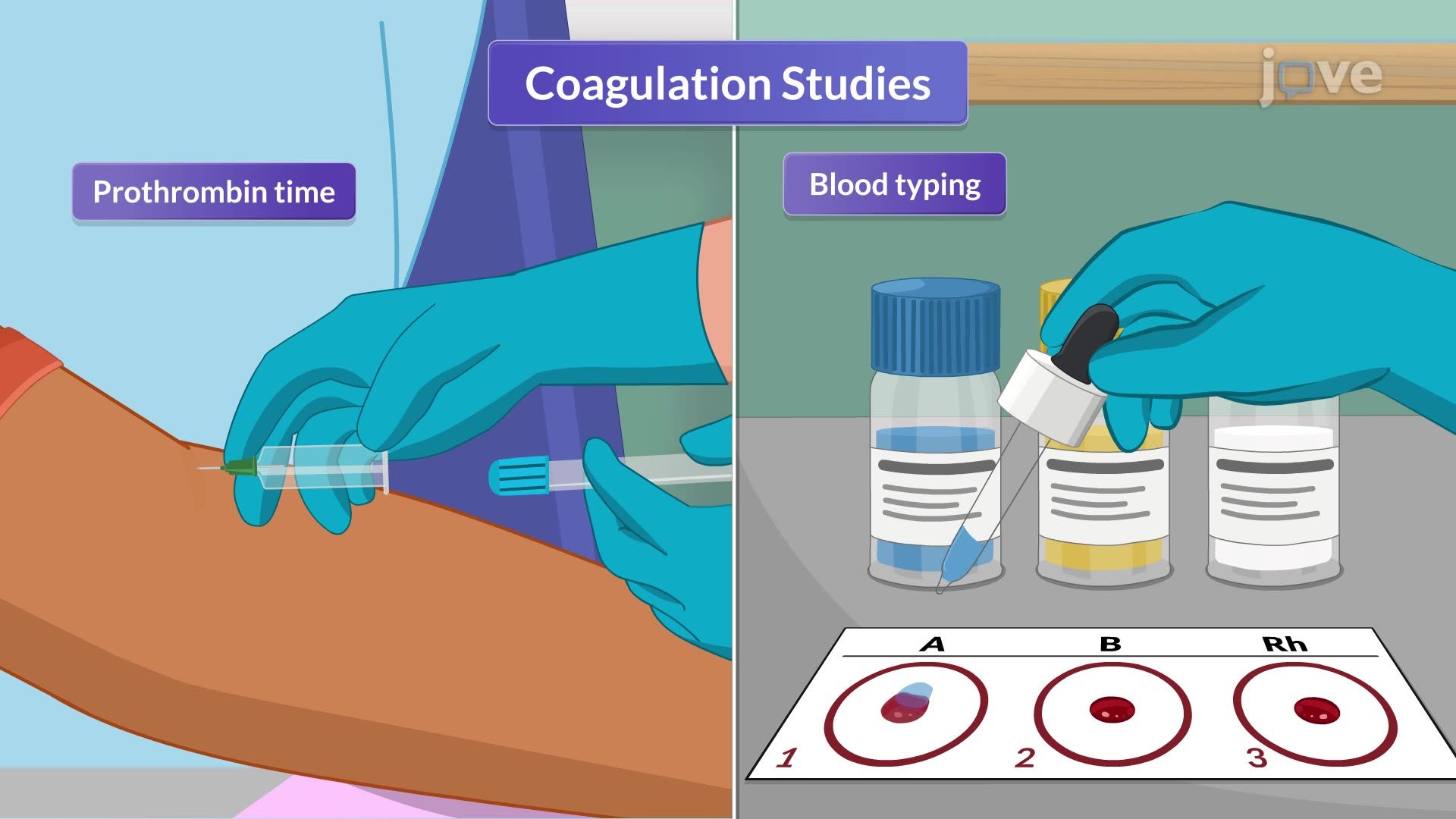
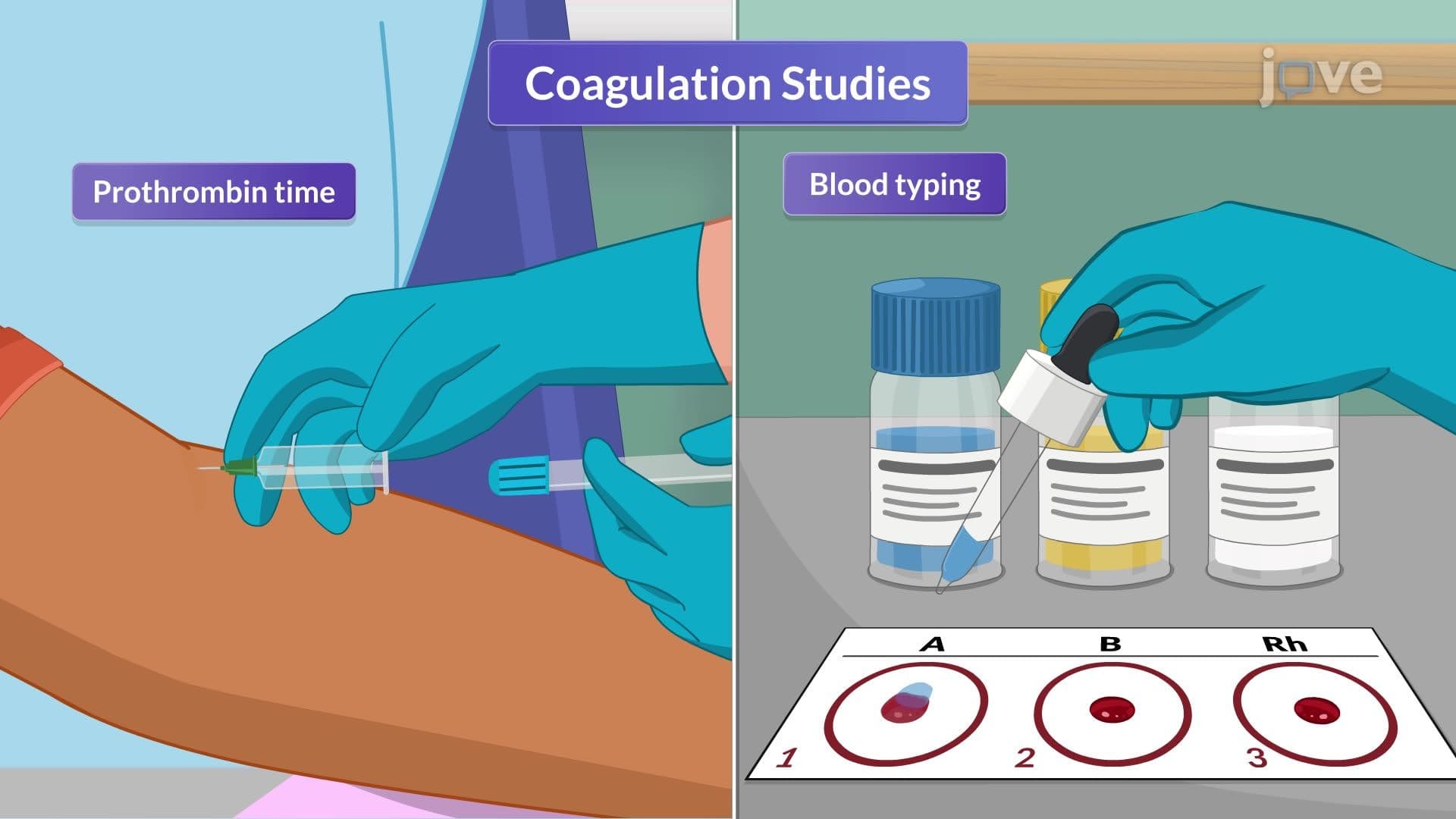
Critical diagnostic tests include 12-lead electrocardiograms to assess rhythm abnormalities, chest radiographs for cardiac silhouette evaluation, and coagulation studies including prothrombin time (PT) and international normalized ratio (INR). Blood typing and crossmatching ensure compatibility for potential transfusion needs. These assessments appear frequently on HESI A2 and TEAS exams, particularly in cardiovascular nursing sections.
Patient education involves explaining postoperative equipment including arterial lines, pulmonary artery catheters, chest tubes, and nasogastric tubes. At institutions like Mayo Clinic, standardized education protocols reduce patient anxiety and improve compliance with postoperative care plans.
Postoperative care focuses on hemodynamic stability maintenance through continuous monitoring. Serial assessments occur every 15 minutes initially, progressing to longer intervals as stability improves. Key parameters include systolic and diastolic blood pressure, mean arterial pressure (MAP), pulmonary artery pressures, and cardiac output calculations.
Fluid and electrolyte management requires careful attention to intake and output ratios, serum electrolyte levels, and acid-base balance. Nurses monitor for complications like hyperkalemia or hyponatremia, which can trigger dangerous arrhythmias. These concepts frequently appear on MCAT cardiovascular sections and nursing school pharmacology exams.
Chest drainage assessment involves measuring output volume, consistency, and color while ensuring tube patency. Normal postoperative drainage ranges from 100-300 mL in the first few hours, decreasing progressively. Excessive drainage may indicate bleeding complications requiring immediate intervention.
This systematic approach to cardiac nursing care prepares students for clinical rotations at major medical centers like Johns Hopkins or Massachusetts General Hospital, where evidence-based protocols guide practice decisions.
Related Micro-courses